Attorney Templates For Teachers
Description
Get your form ready online
Our built-in tools help you complete, sign, share, and store your documents in one place.
Make edits, fill in missing information, and update formatting in US Legal Forms—just like you would in MS Word.
Download a copy, print it, send it by email, or mail it via USPS—whatever works best for your next step.
Sign and collect signatures with our SignNow integration. Send to multiple recipients, set reminders, and more. Go Premium to unlock E-Sign.
If this form requires notarization, complete it online through a secure video call—no need to meet a notary in person or wait for an appointment.
We protect your documents and personal data by following strict security and privacy standards.

Make edits, fill in missing information, and update formatting in US Legal Forms—just like you would in MS Word.

Download a copy, print it, send it by email, or mail it via USPS—whatever works best for your next step.

Sign and collect signatures with our SignNow integration. Send to multiple recipients, set reminders, and more. Go Premium to unlock E-Sign.

If this form requires notarization, complete it online through a secure video call—no need to meet a notary in person or wait for an appointment.

We protect your documents and personal data by following strict security and privacy standards.
Looking for another form?

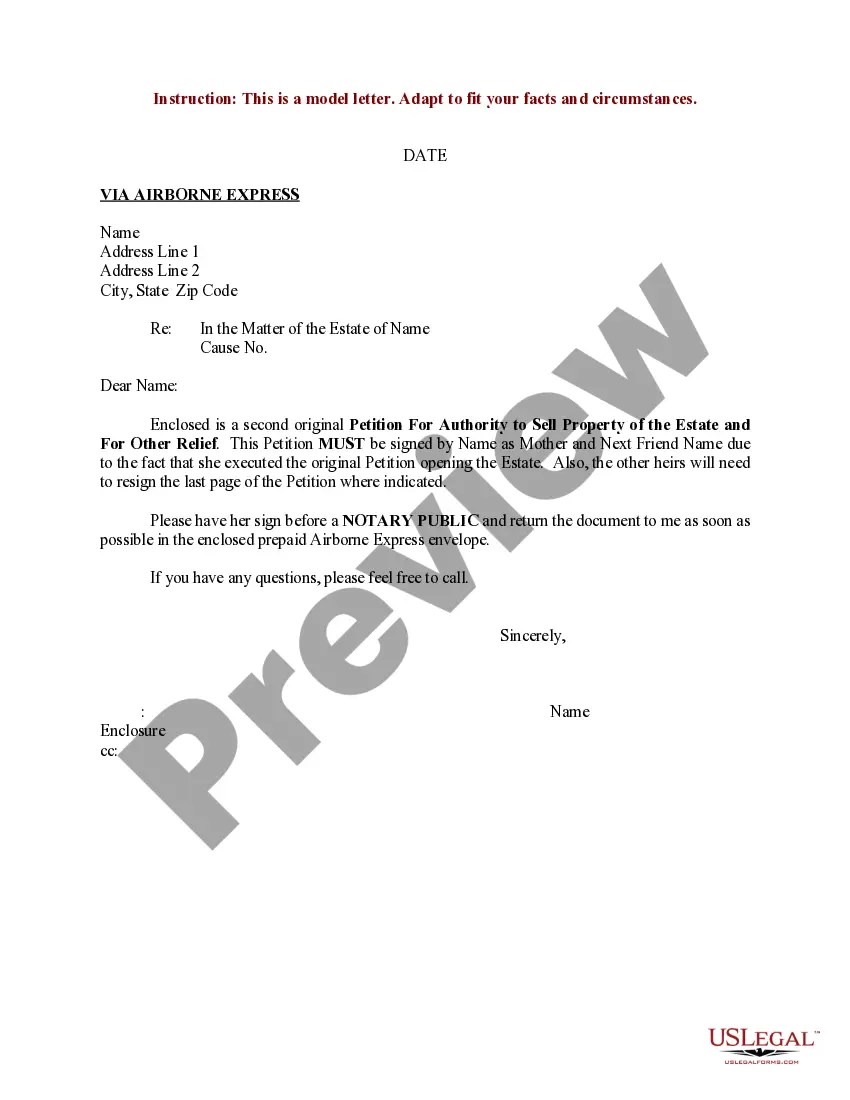


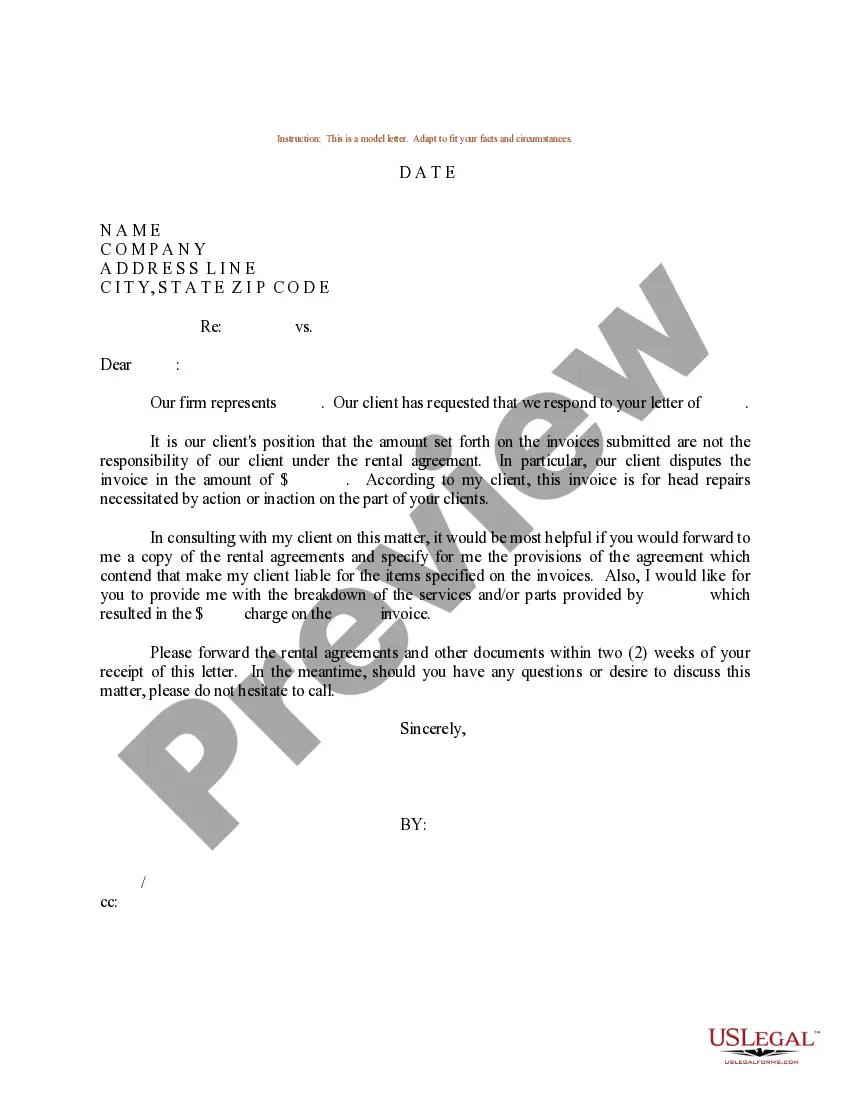
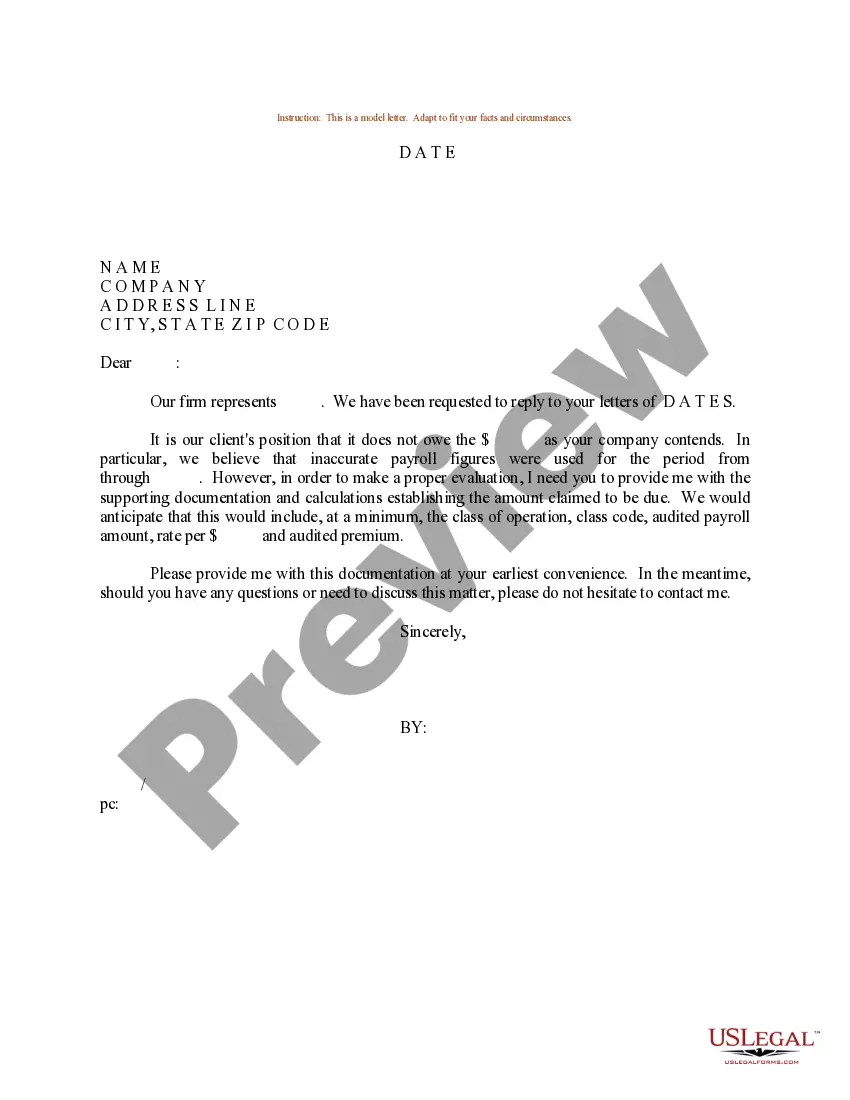
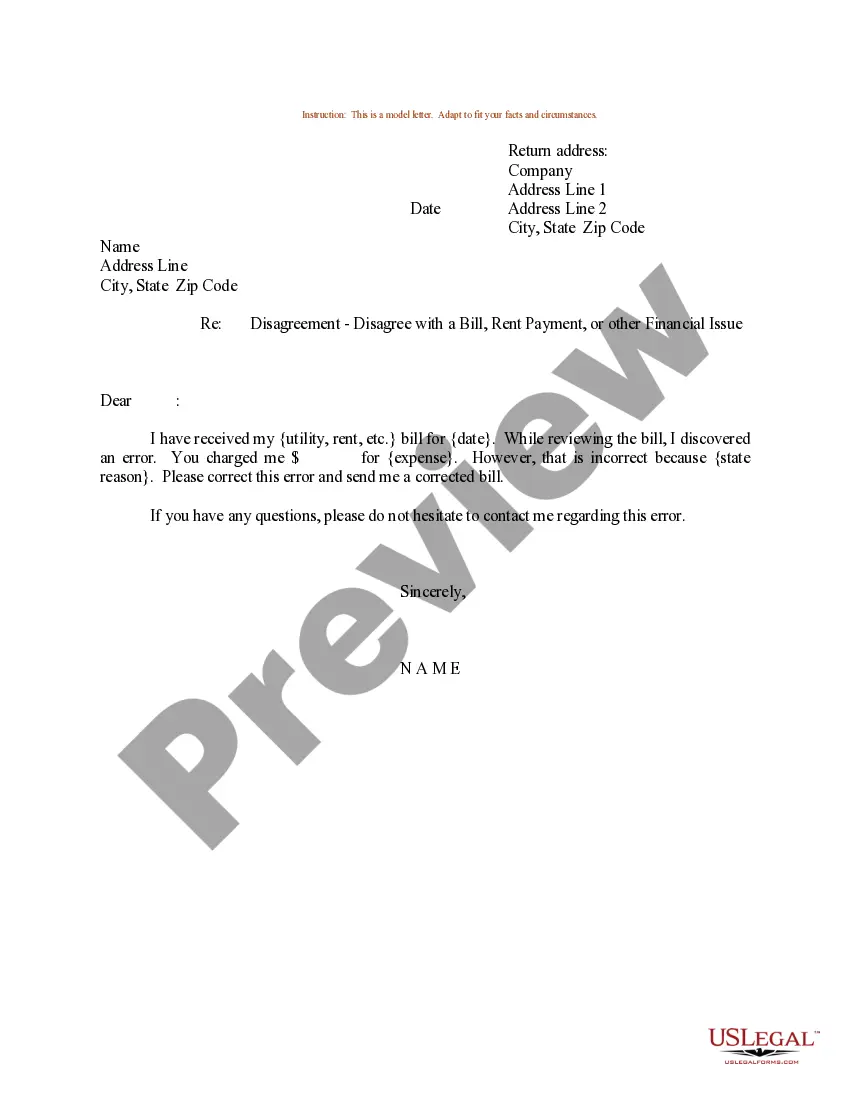
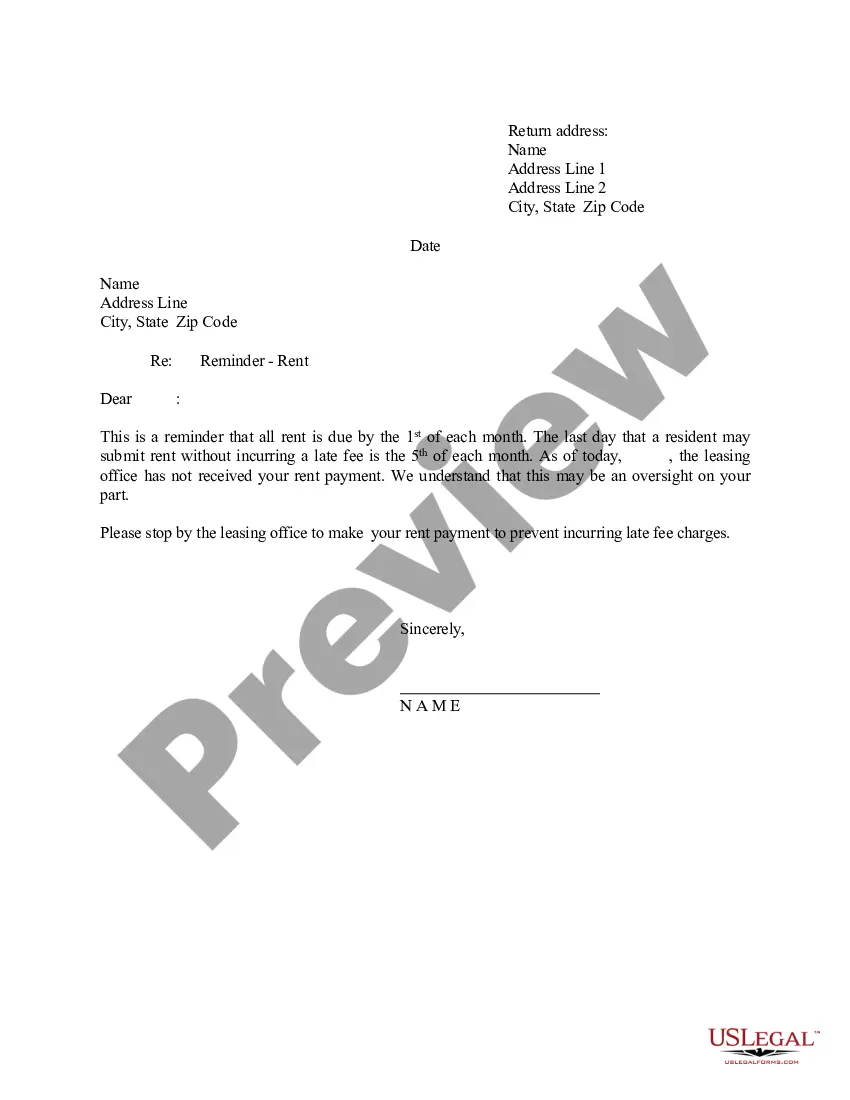
How to fill out Sample Letter For Rental Payment Dispute?
- Log in to your US Legal Forms account. If you're a returning user, ensure your subscription is active. If not, renew your plan before proceeding.
- Review the preview and description of the desired template. Make sure it aligns with your needs and complies with local jurisdiction requirements.
- If necessary, use the search feature to explore additional templates until you find the exact one required.
- Purchase the document by clicking the 'Buy Now' button. Choose a subscription plan that fits your needs and create an account for full access.
- Complete your purchase using a credit card or PayPal for secure payment.
- Download the template directly to your device. You can also find it later in the 'My Forms' section of your account.
By using US Legal Forms, you gain access to a vast selection, more than any competitors, ensuring that your legal documents are precise and reliable.
Start simplifying your legal paperwork today! Visit US Legal Forms to explore their extensive library and streamline your document needs.
Form popularity
FAQ
Proper formatting of a legal document typically includes a title, a clear introduction, well-defined sections, and a proper signature line. Use consistent font styles and sizes throughout, and ensure alignment is uniform. Attorney templates for teachers can serve as excellent resources to guide you in achieving the correct format from the start.
An example of a legal document is a lease agreement, which outlines the terms between a landlord and tenant. Other common examples include contracts, wills, and power of attorney forms. For teachers, utilizing attorney templates for teachers can enhance your understanding and ensure compliance with legal requirements for each type of document.
Completing a legal document involves filling in all required fields accurately. Be sure to review each section for completeness and correctness. To simplify this task, consider using attorney templates for teachers, which provide clear instructions and a framework for organizing your information efficiently.
When writing an attorney's name in a letter, include their full name and title on the first mention. If you use a salutation, you can address them as 'Dear Attorney Last Name'. Consistency is key, so consider using attorney templates for teachers to ensure proper formatting throughout your correspondence.
Filling out a legal form requires careful attention to detail. Begin by reading the instructions thoroughly before entering any information. Utilizing attorney templates for teachers can help streamline this process, offering guidance on what information to include and how to format it correctly.
Writing a letter like a lawyer begins with a clear and concise introduction, stating your purpose. Use formal language and a professional tone throughout the letter. Incorporating attorney templates for teachers can provide you with a reliable format to structure your letter appropriately, ensuring it conveys your message legally and effectively.
To make a document legal in court, it must meet specific requirements outlined by the court. Start with attorney templates for teachers, as they include standard legal language and formatting. Ensure you sign and date your documents as required, and sometimes notarization may be necessary. Following these steps enhances the credibility and legality of your document.
Before going to court, gather all necessary legal documents and evidence. Using attorney templates for teachers can help ensure you have everything needed. Additionally, familiarize yourself with court procedures and what to expect during the hearing. Preparing thoroughly increases your confidence and improves your chances of a successful outcome.
To organize legal documents for court, start by categorizing them based on their purpose. Use attorney templates for teachers to ensure you have all required documents. Label each section clearly and keep everything in logical order. This organization helps you present your case clearly and effectively.
Preparing legal documents for court requires accuracy and attention to detail. Begin by using attorney templates for teachers, as they guide you through necessary sections and formats. Be sure to review your documents for compliance with court rules. Finally, make copies for the court and parties involved.