Agreement Personal Document Without
Description
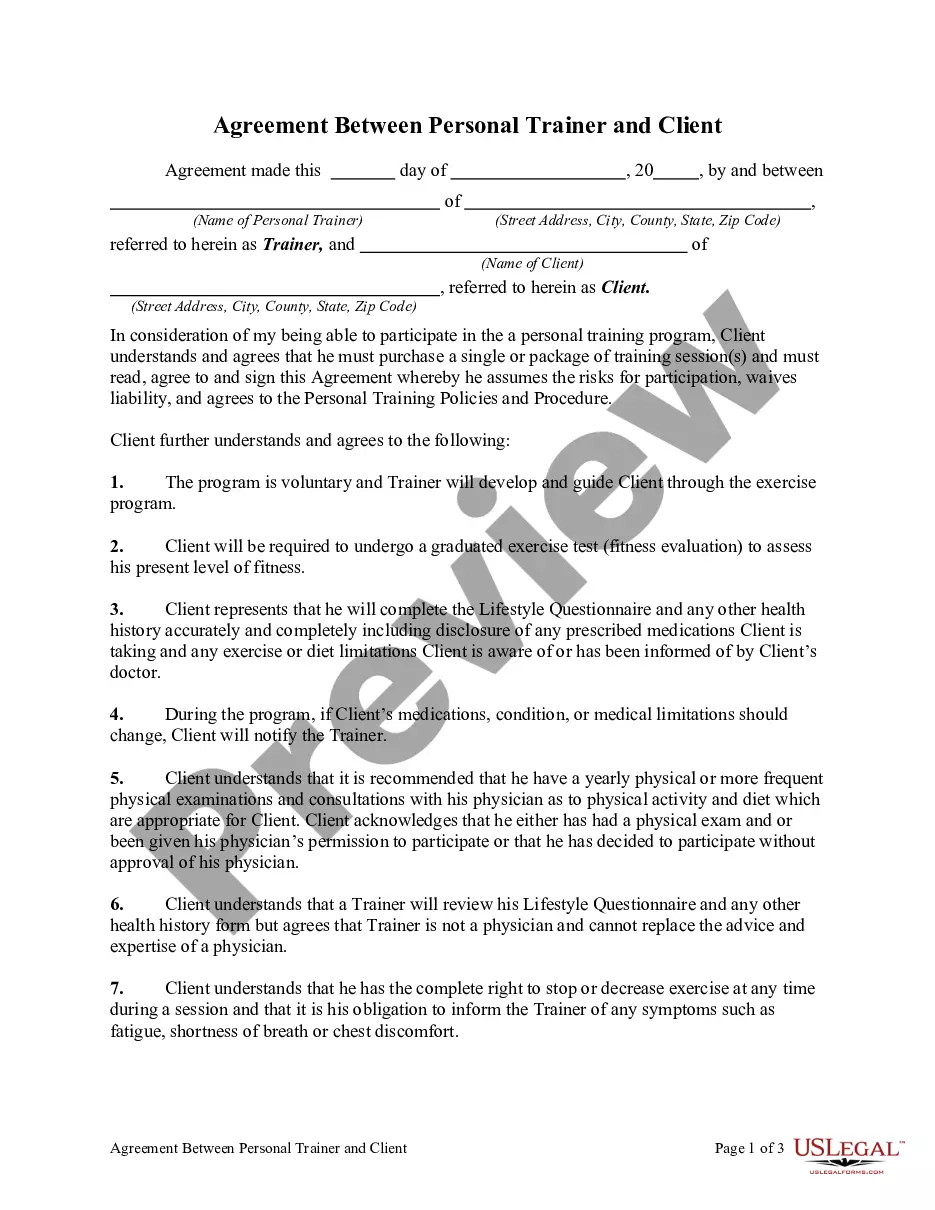
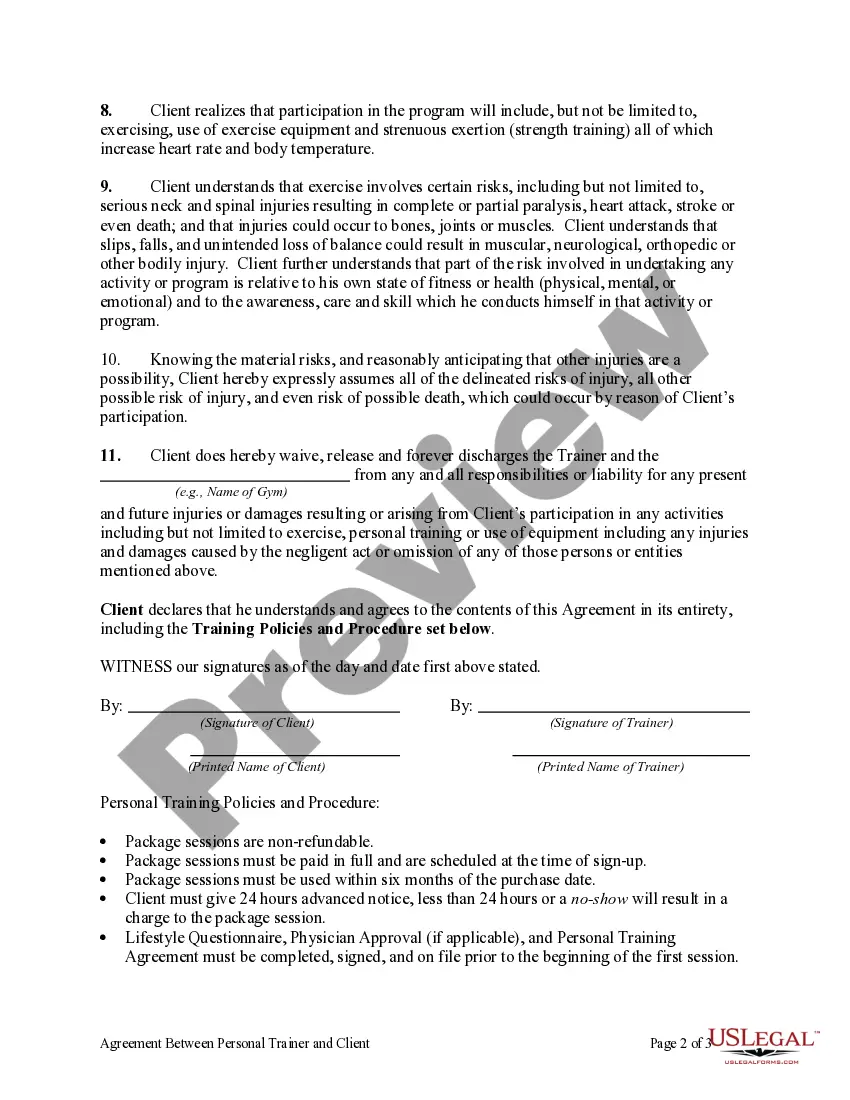
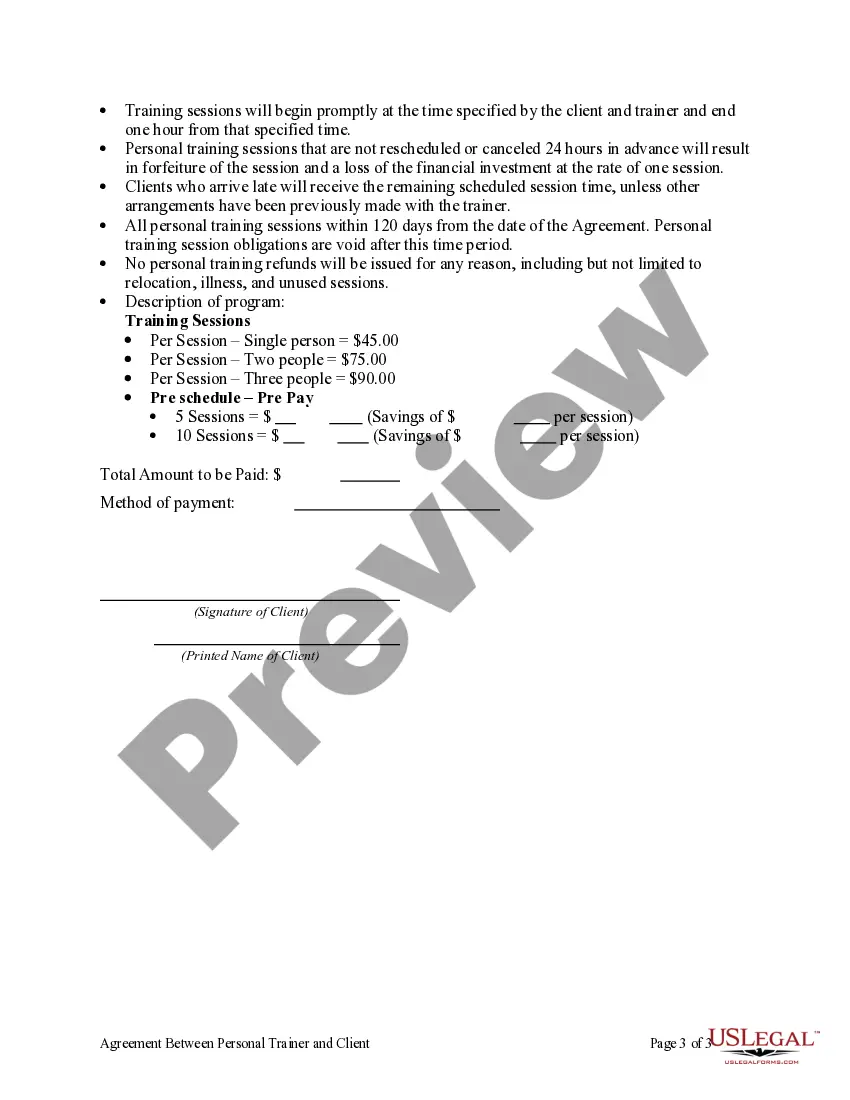
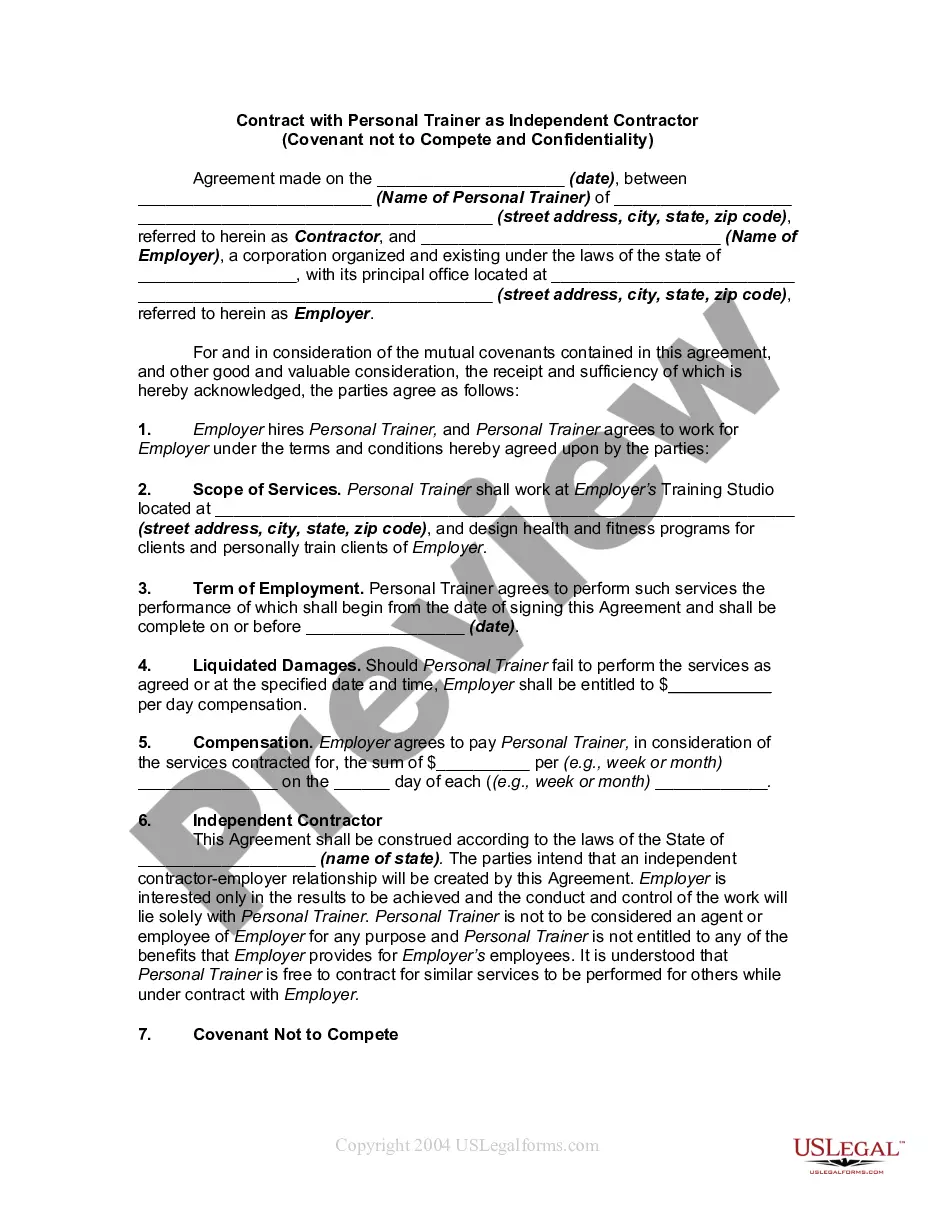
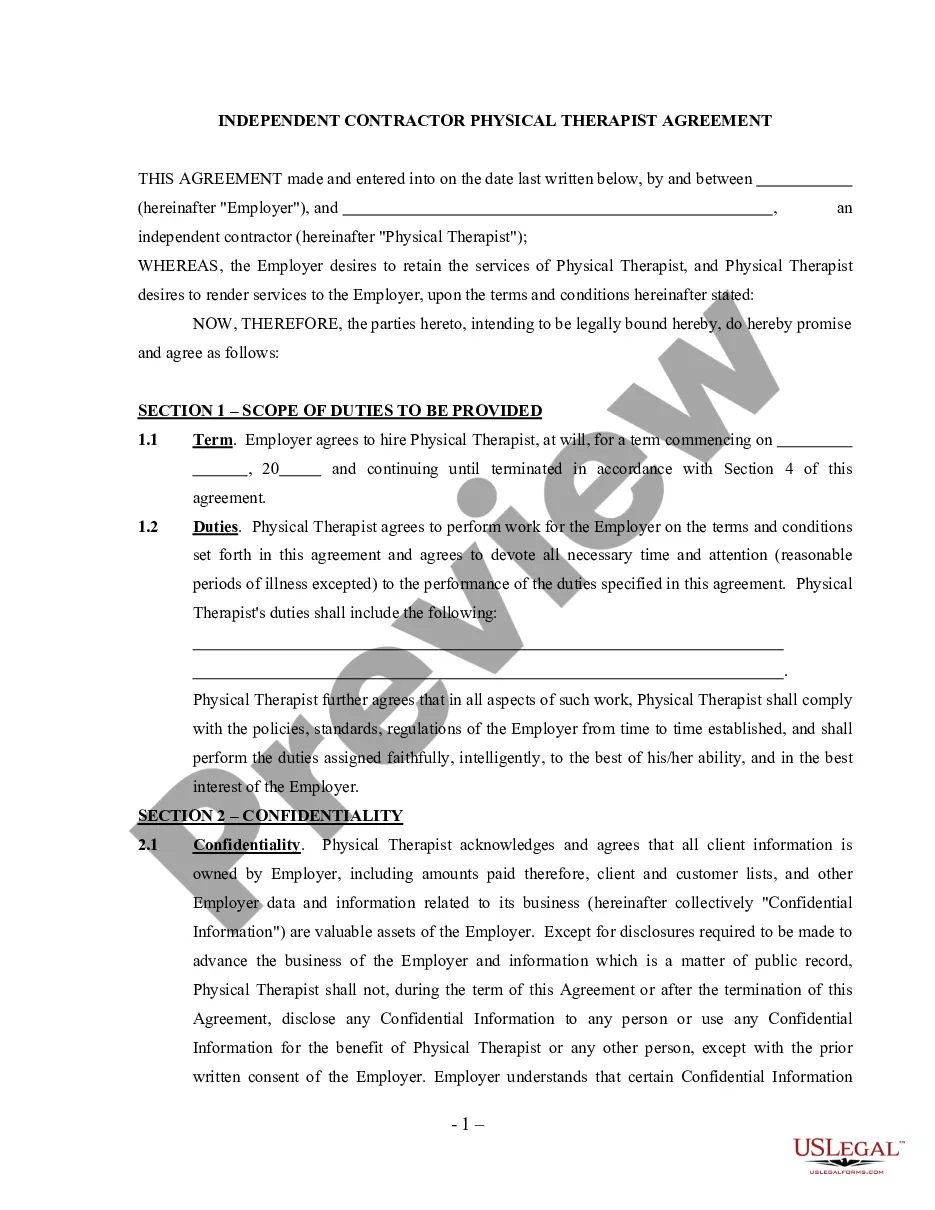
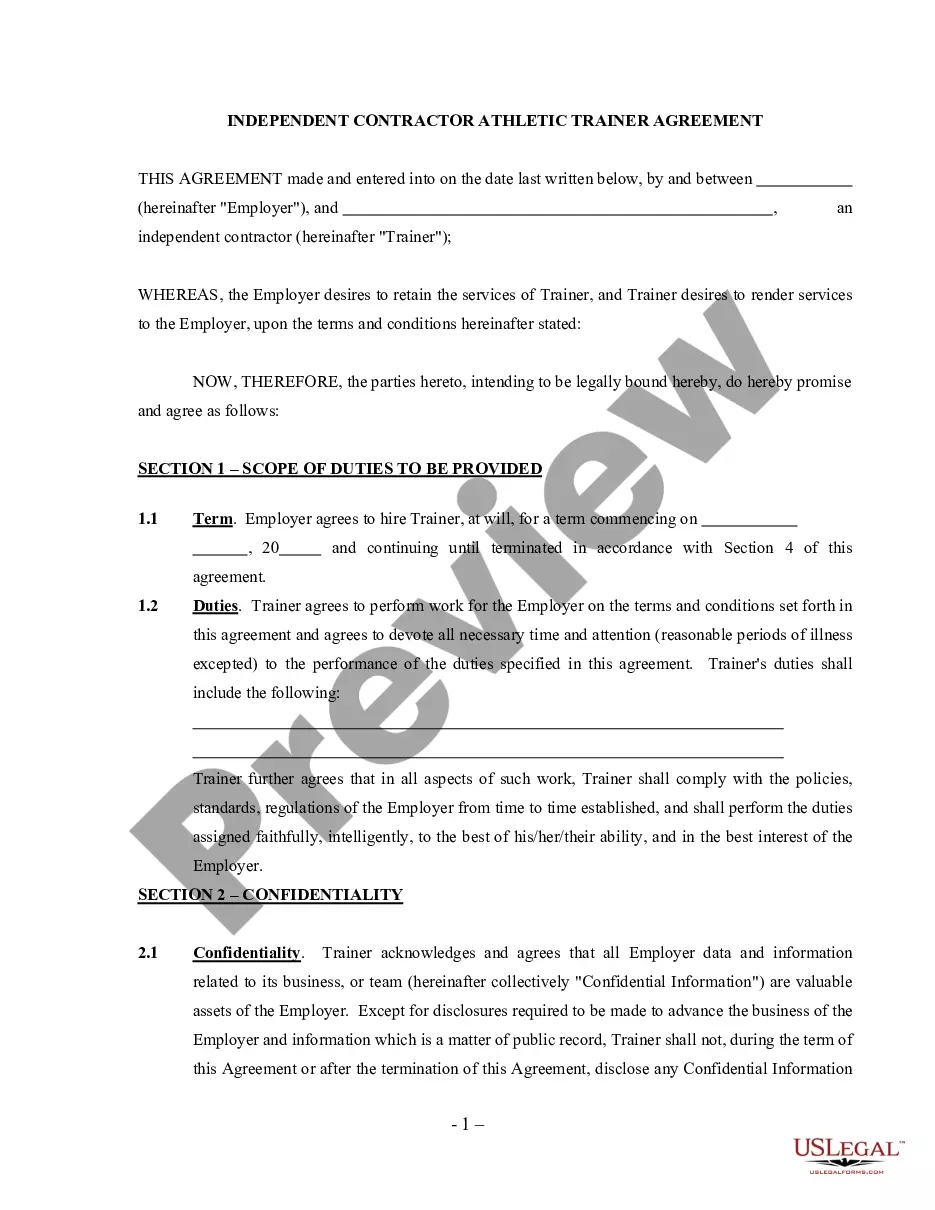
Get your form ready online
Our built-in tools help you complete, sign, share, and store your documents in one place.
Make edits, fill in missing information, and update formatting in US Legal Forms—just like you would in MS Word.
Download a copy, print it, send it by email, or mail it via USPS—whatever works best for your next step.
Sign and collect signatures with our SignNow integration. Send to multiple recipients, set reminders, and more. Go Premium to unlock E-Sign.
If this form requires notarization, complete it online through a secure video call—no need to meet a notary in person or wait for an appointment.
We protect your documents and personal data by following strict security and privacy standards.

Make edits, fill in missing information, and update formatting in US Legal Forms—just like you would in MS Word.

Download a copy, print it, send it by email, or mail it via USPS—whatever works best for your next step.

Sign and collect signatures with our SignNow integration. Send to multiple recipients, set reminders, and more. Go Premium to unlock E-Sign.

If this form requires notarization, complete it online through a secure video call—no need to meet a notary in person or wait for an appointment.

We protect your documents and personal data by following strict security and privacy standards.
Looking for another form?
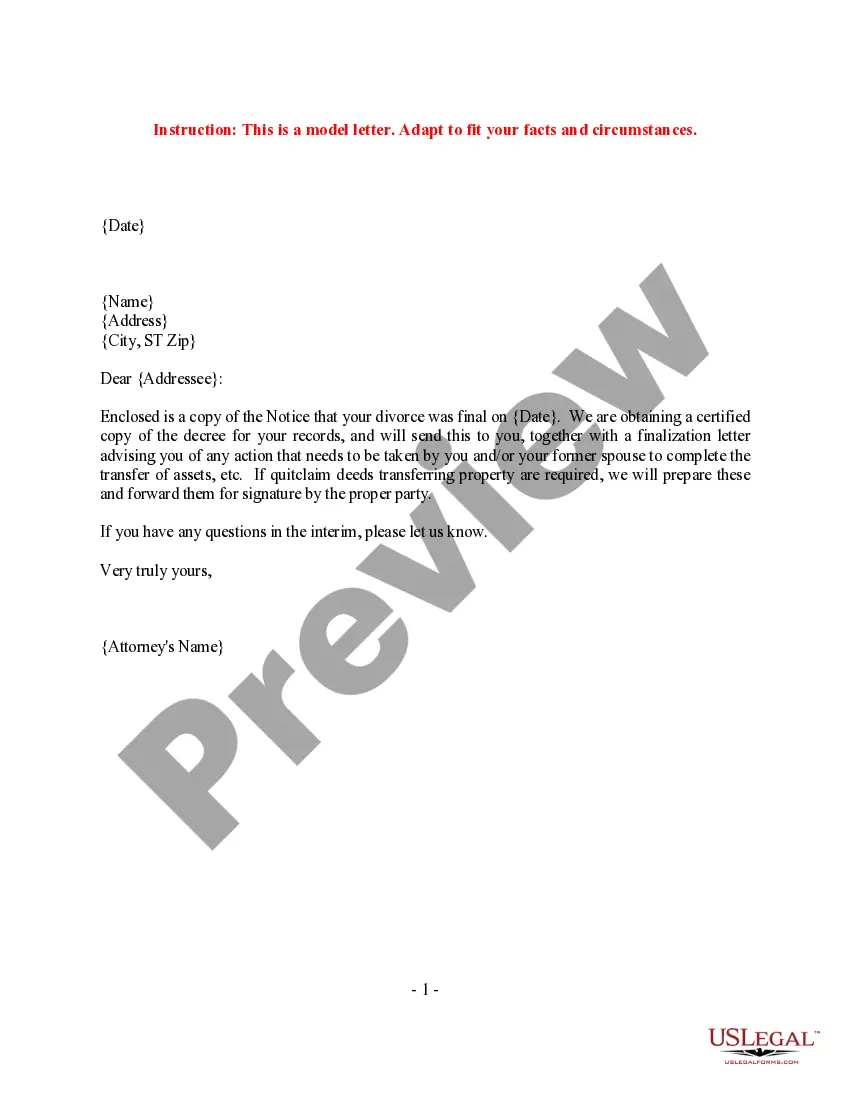
How to fill out Agreement Between Personal Trainer And Client?
The Contract Personal Document Without you observe on this page is a reusable legal template crafted by expert attorneys in accordance with federal and local laws and regulations.
For over 25 years, US Legal Forms has offered individuals, organizations, and legal professionals more than 85,000 validated, state-specific forms for any business and personal scenario. It’s the fastest, simplest, and most dependable method to acquire the documents you require, as the service ensures bank-grade data protection and anti-malware security.
Register for US Legal Forms to have validated legal templates for all of life’s situations at your fingertips.
- Search for the document you need and review it.
- Browse through the sample you searched and preview it or check the form description to confirm it meets your needs. If it does not, use the search bar to locate the correct one. Click Buy Now when you have found the template you require.
- Subscribe and Log In.
- Select the pricing plan that fits you and create an account. Use PayPal or a credit card to make a quick payment. If you already have an account, Log In and check your subscription to proceed.
- Get the editable template.
- Choose the format you prefer for your Agreement Personal Document Without (PDF, DOCX, RTF) and save the sample on your device.
- Complete and sign the document.
- Print out the template to fill it out manually. Alternatively, use an online multifunctional PDF editor to quickly and accurately complete and sign your form with an eSignature.
- Download your documents once again.
- Access the same document again whenever necessary. Open the My documents tab in your profile to redownload any previously acquired forms.
Form popularity
FAQ
Yes, you can write an agreement without a lawyer. Many individuals choose to draft their own personal agreements, especially for straightforward arrangements. It is essential to ensure that the agreement clearly outlines the terms and conditions to avoid misunderstandings. If you need assistance, platforms like US Legal Forms provide user-friendly templates, making it simple to create an agreement personal document without hiring a legal professional.
Not necessarily, a personal agreement does not need to be notarized to be considered valid. The key factors are clarity in the terms and mutual consent from both parties. However, notarization can add an additional layer of credibility. For those seeking to create a solid agreement personal document without the hassle of notarization, US Legal Forms offers templates that are easy to use.
Yes, an agreement can be valid without a notary. Many personal agreements do not require notarization to be enforceable, as long as both parties agree to the terms and sign the document. However, having a notary can provide extra security and help verify identities. If you're unsure about the validity of your agreement personal document without notarization, consider using resources like US Legal Forms for guidance.
Filling out an agreement requires careful attention to detail to ensure all relevant information is included. Start by entering the names of the parties involved and the date of the agreement. Next, precisely complete each section according to the terms outlined, ensuring accuracy in dates and obligations. To simplify this process, consider using a pre-designed agreement personal document without the worry of missing vital components.
Writing a personal agreement involves identifying the parties involved and clearly stating the terms of the agreement. Begin with an introduction that outlines the purpose, followed by detailed sections covering responsibilities, timelines, and consequences for non-compliance. It is important to use simple language to avoid confusion. For a more polished approach, you can utilize ulegalforms to create an agreement personal document without the hassle of drafting it from scratch.
Yes, handwritten agreements can be legally binding as long as they meet certain criteria. The essential elements include mutual consent, clear terms, and the intention to create a legal relationship. However, relying on a handwritten agreement might lead to misunderstandings due to vague wording. To ensure clarity and enforceability, consider using a structured agreement personal document without the potential for ambiguity.
?A contract is an agreement, but an agreement is not always a contract. An agreement can be informal or it may be written; a contract may be verbal or written, but a contract will always be enforceable if it contains certain requirements.
An implied contract has the same legal force as a written or verbal contract. The implied contract, such as an implied warranty, is assumed to exist, and no confirmation is necessary. Because of the lack of documentation, it is more difficult to enforce an implied contract in some circumstances.
Organisations don't always need your consent to use your personal data. They can use it without consent if they have a valid reason. These reasons are known in the law as a 'lawful basis', and there are six lawful bases organisations can use.
Here are the steps to write a letter of agreement: Title the document. Add the title at the top of the document. ... List your personal information. ... Include the date. ... Add the recipient's personal information. ... Address the recipient. ... Write an introduction paragraph. ... Write your body. ... Conclude the letter.