Mediation With Divorce
Description


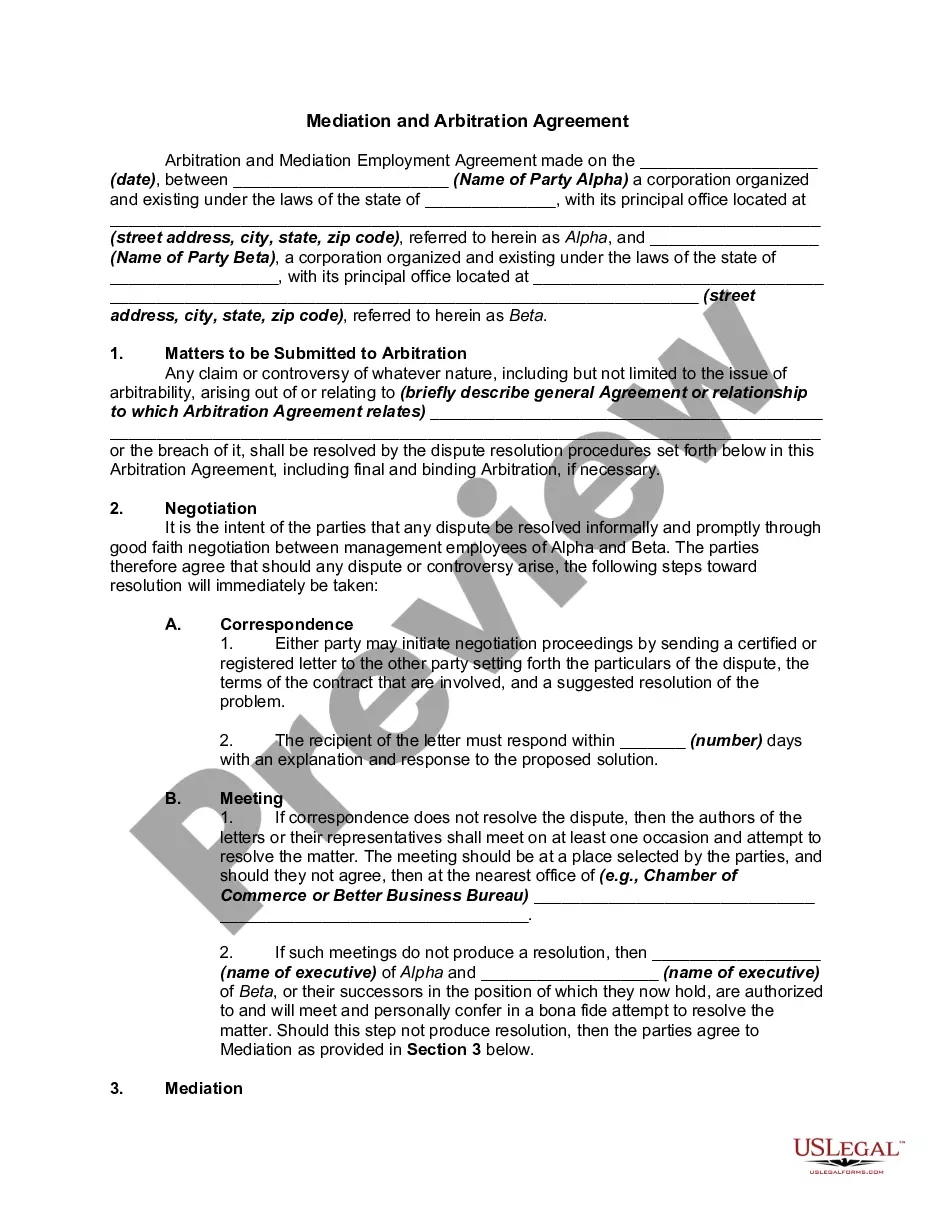
Get your form ready online
Our built-in tools help you complete, sign, share, and store your documents in one place.
Make edits, fill in missing information, and update formatting in US Legal Forms—just like you would in MS Word.
Download a copy, print it, send it by email, or mail it via USPS—whatever works best for your next step.
Sign and collect signatures with our SignNow integration. Send to multiple recipients, set reminders, and more. Go Premium to unlock E-Sign.
If this form requires notarization, complete it online through a secure video call—no need to meet a notary in person or wait for an appointment.
We protect your documents and personal data by following strict security and privacy standards.

Make edits, fill in missing information, and update formatting in US Legal Forms—just like you would in MS Word.

Download a copy, print it, send it by email, or mail it via USPS—whatever works best for your next step.

Sign and collect signatures with our SignNow integration. Send to multiple recipients, set reminders, and more. Go Premium to unlock E-Sign.

If this form requires notarization, complete it online through a secure video call—no need to meet a notary in person or wait for an appointment.

We protect your documents and personal data by following strict security and privacy standards.
Looking for another form?

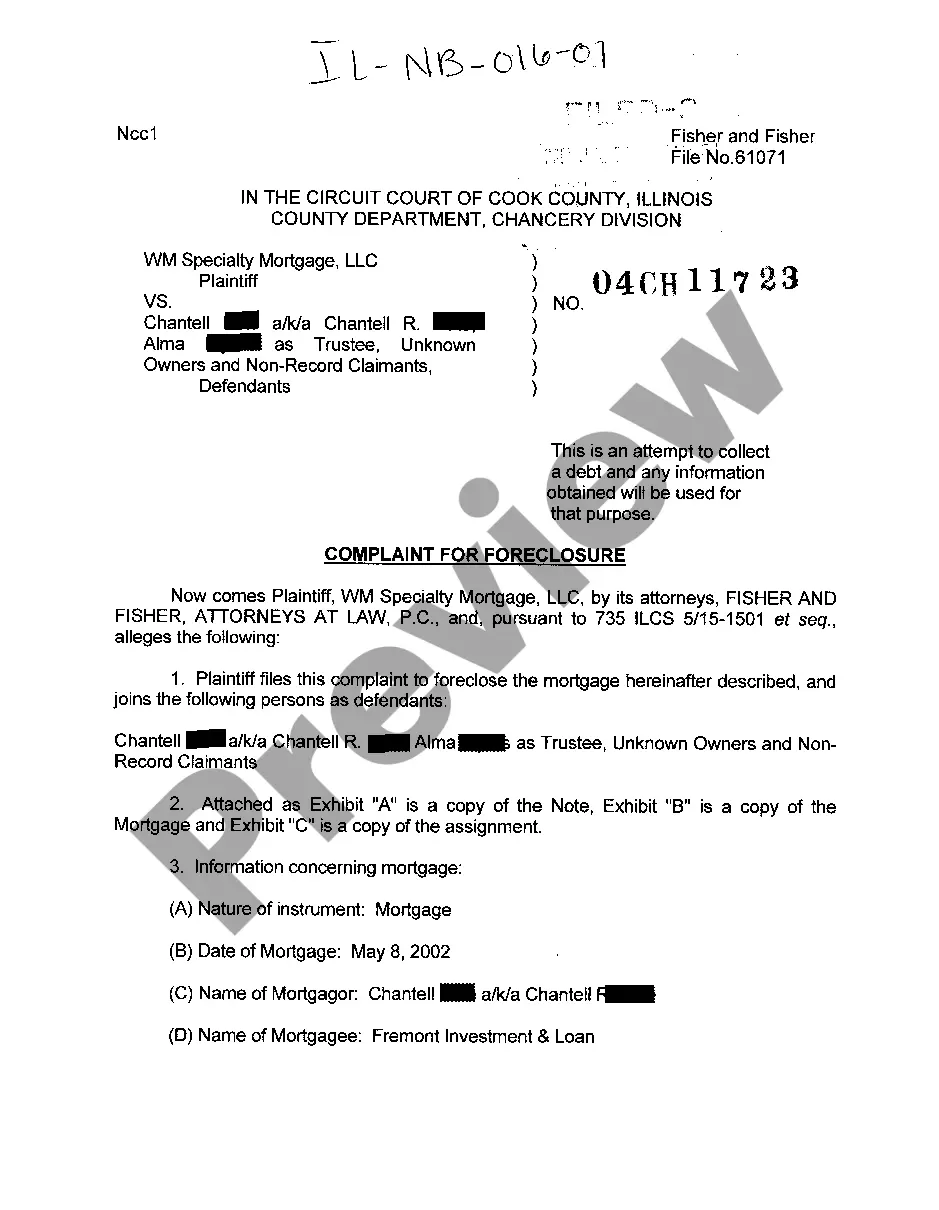


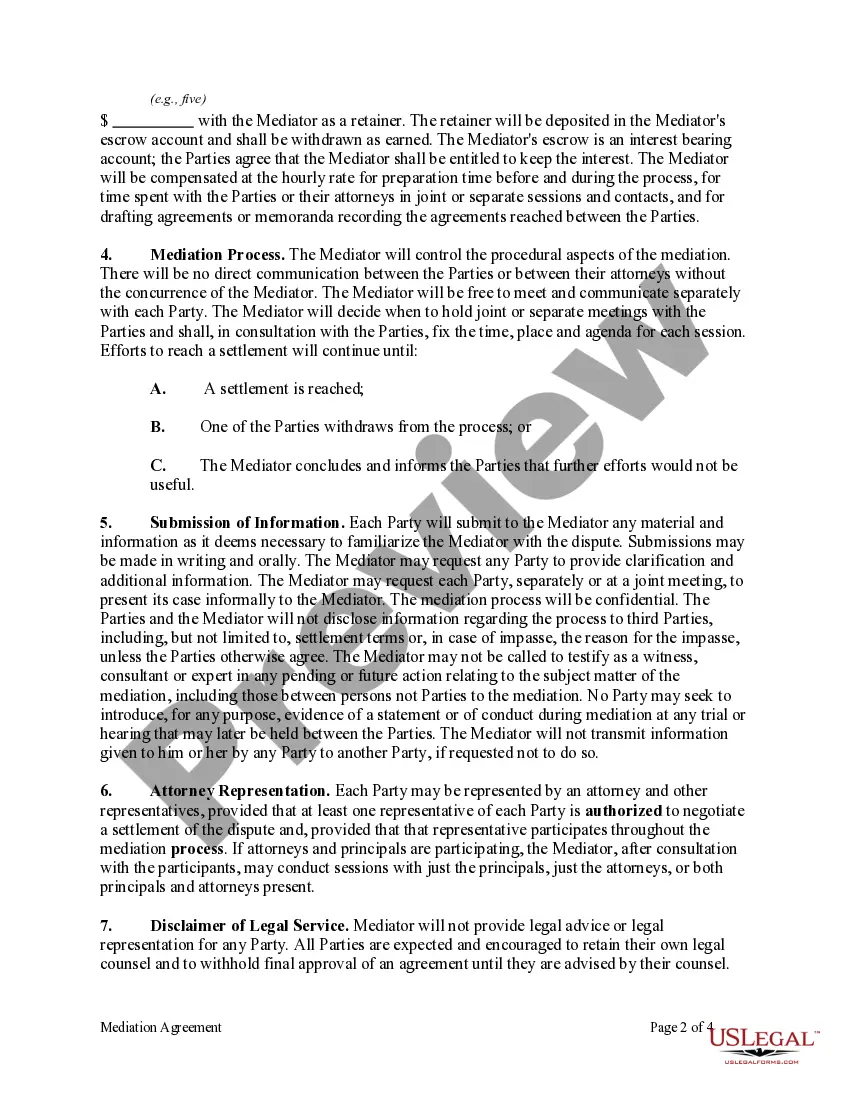
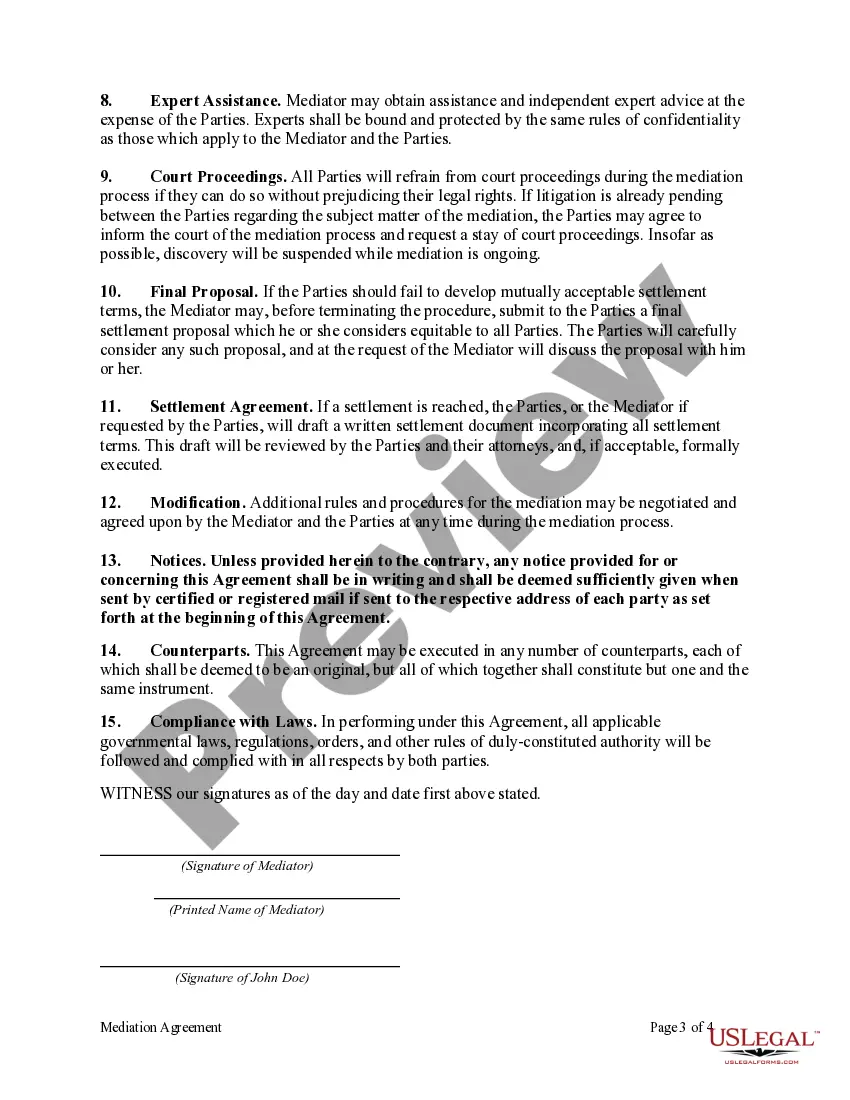
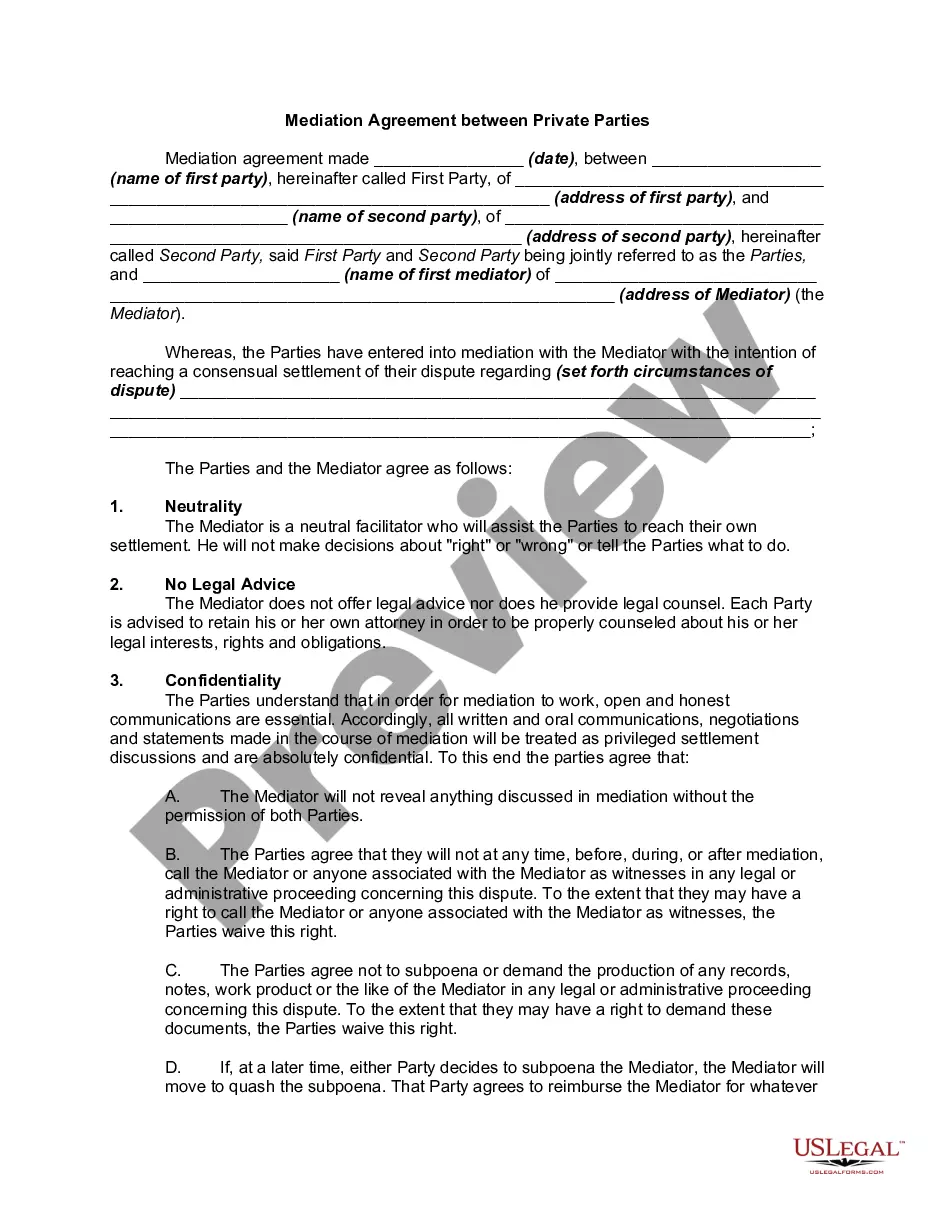
How to fill out Mediation Agreement?
Locating a reliable source to obtain the most up-to-date and suitable legal templates is a significant part of managing bureaucracy. Accessing the appropriate legal documents necessitates accuracy and meticulousness, which is why it's essential to acquire Mediation With Divorce samples solely from credible providers, such as US Legal Forms. An incorrect template can squander your time and prolong your current situation. With US Legal Forms, you can rest assured. You can access and review all pertinent details regarding the document’s applicability and significance for your circumstance and region.
Consider the following steps to complete your Mediation With Divorce.
Eliminate the frustration that comes with your legal documentation. Explore the comprehensive US Legal Forms catalog to discover legal templates, assess their relevance to your needs, and download them instantly.
- Use the directory navigation or search bar to locate your template.
- Open the form’s details to ensure it fits the criteria for your state and locality.
- View the form preview, if available, to verify that the template meets your requirements.
- Return to the search and find the correct template if the Mediation With Divorce does not meet your needs.
- Once you are confident about the form’s applicability, download it.
- If you are a registered user, click Log in to verify and access your selected forms in My documents.
- If you don’t have an account yet, click Buy now to acquire the form.
- Select the pricing plan that suits your requirements.
- Proceed to the registration to complete your purchase.
- Conclude your transaction by selecting a payment option (credit card or PayPal).
- Choose the document format for downloading Mediation With Divorce.
- After obtaining the form on your device, you can modify it using the editor or print it out and fill it out by hand.
Form popularity
FAQ
In mediation with divorce, aim to express your needs and interests clearly, while remaining respectful of your partner's position. Avoid statements that come across as ultimatum or aggressive, as these can derail discussions. It’s useful to use 'I' statements to convey your feelings while encouraging collaborative problem-solving.
During mediation with divorce, it is best to avoid negative language or personal attacks. Comments that demean or blame your partner can escalate tensions and hinder progress. Instead, focus on expressing your feelings and concerns constructively, which will facilitate a more productive dialogue.
If you need financial help with divorce, several resources are available. You might consider legal aid services that specialize in family law, or local community organizations that offer financial counseling. Additionally, platforms like USLegalForms can assist you in finding necessary documentation and guides to help ease financial pressures during your mediation with divorce.
Average settlement offers during mediation with divorce can vary widely based on individual circumstances, making it challenging to provide a standard figure. Factors such as the length of the marriage, income levels, and assets at stake all play a role in determining offers. It’s essential to approach the negotiation process with realistic expectations and be ready for some back-and-forth.
During mediation with divorce, you can expect to answer questions about your financial situation, living arrangements, and child custody preferences. The mediator will also ask you to clarify your priorities and any concerns you may have. Being open and honest during these discussions will help identify solutions that work for both parties.
Mediation with divorce typically involves five key steps. First, both parties meet with a neutral mediator to set ground rules and outline goals. Next, each person shares their perspective on the situation. Then, the mediator helps facilitate discussions to identify common interests. After reaching a potential agreement, the final step is to draft and sign a written settlement.
Navigating a bad divorce can be challenging, but mediation with divorce can provide a more manageable path forward. Consider focusing on clear communication with your spouse and seek support from friends or professionals. Engaging in mediation can also help facilitate productive conversations, making it easier to come to agreements that satisfy both parties. Finding a supportive network can also greatly ease this journey.
While mediation with divorce offers many benefits, there can be downsides. If either spouse is uncooperative or there is significant power imbalance, mediation may not be effective. Additionally, mediation does not guarantee a resolution, which can leave unresolved issues that require further legal action. It is important to weigh the pros and cons with the help of a qualified professional.
Mediation with divorce in Ohio involves a neutral third party guiding both spouses through discussions. The mediator helps facilitate communication and negotiation, making it easier to reach mutual agreements. This process is typically less formal than court and can address various issues like property division and child custody. The goal is to create a fair resolution that meets both parties’ needs.
During mediation with divorce, avoid becoming confrontational or defensive. It's essential to keep the conversation respectful and focused on resolving issues rather than rehashing grievances. Don't ignore the mediator's suggestions, as they are there to guide the discussion. Furthermore, ensure you are well-prepared, using tools available through US Legal Forms to help facilitate a smoother process.