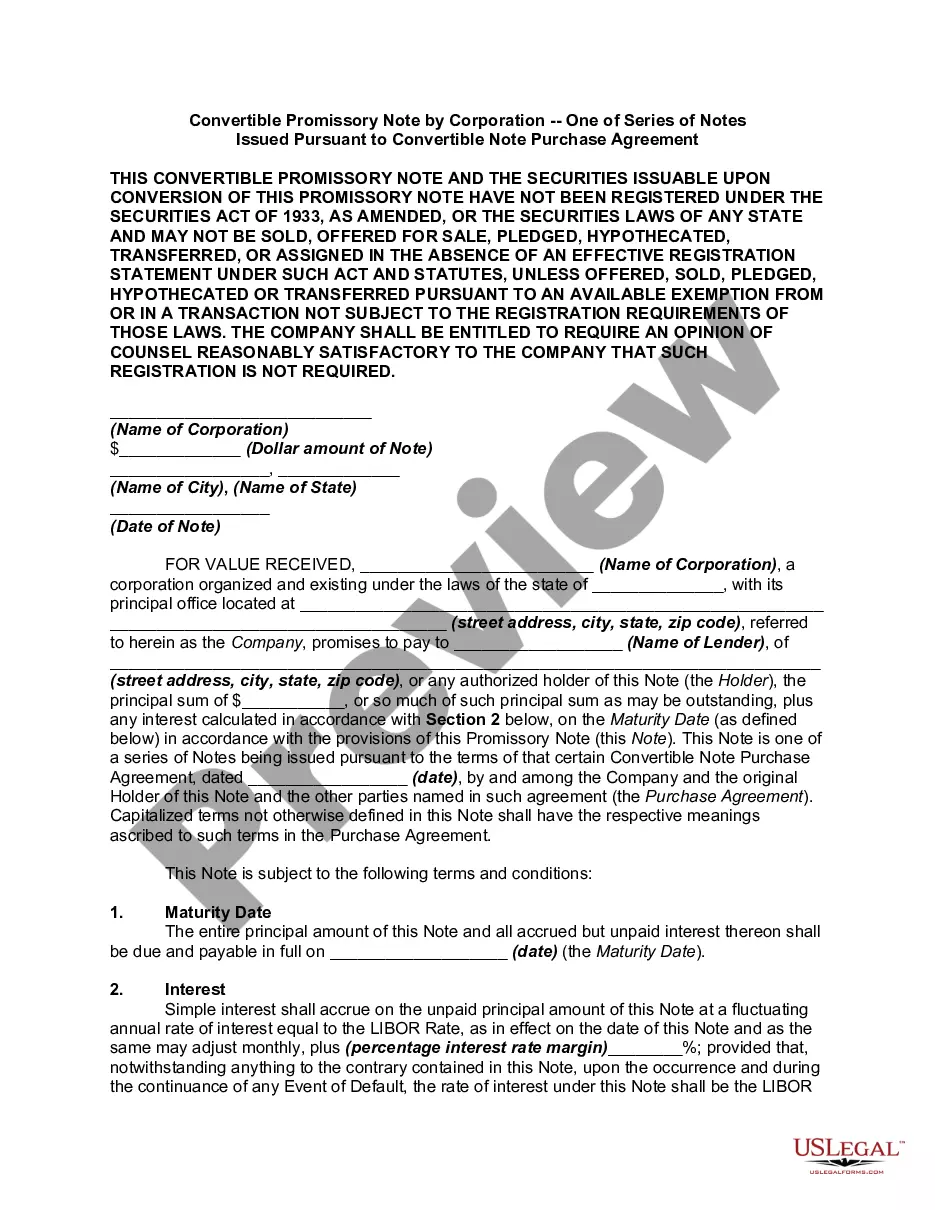
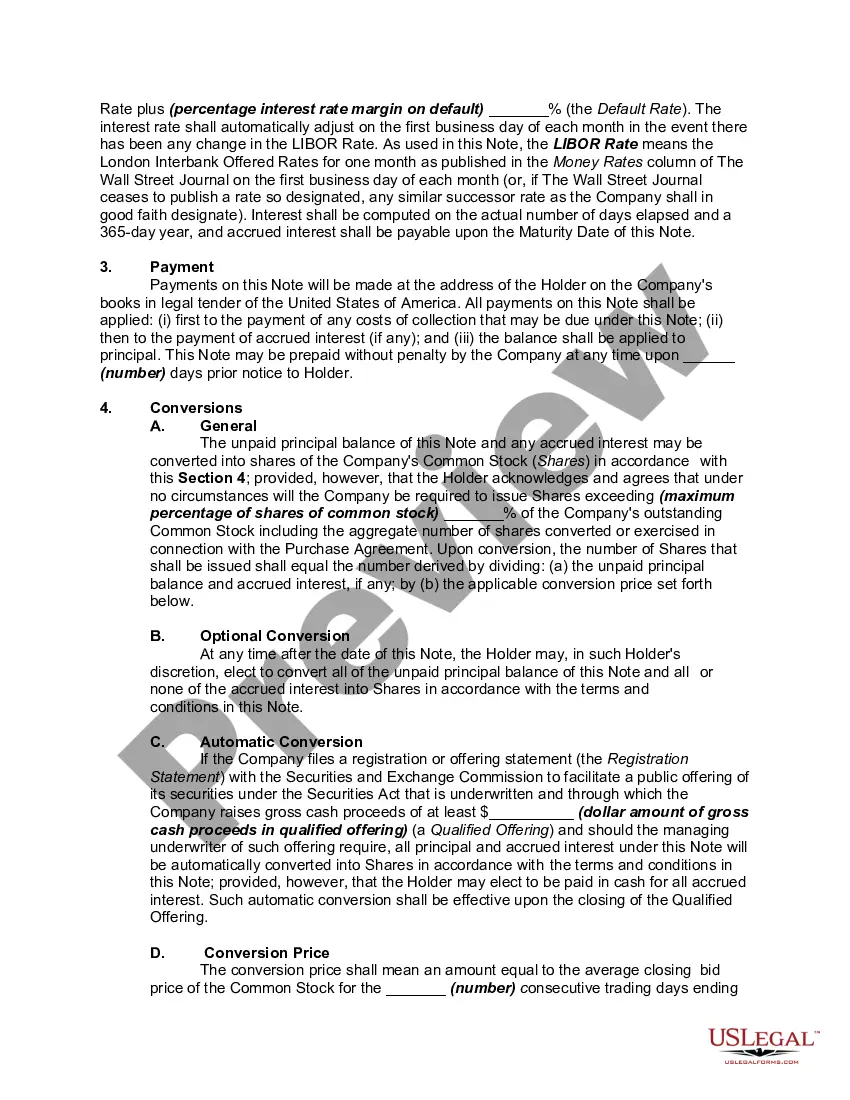
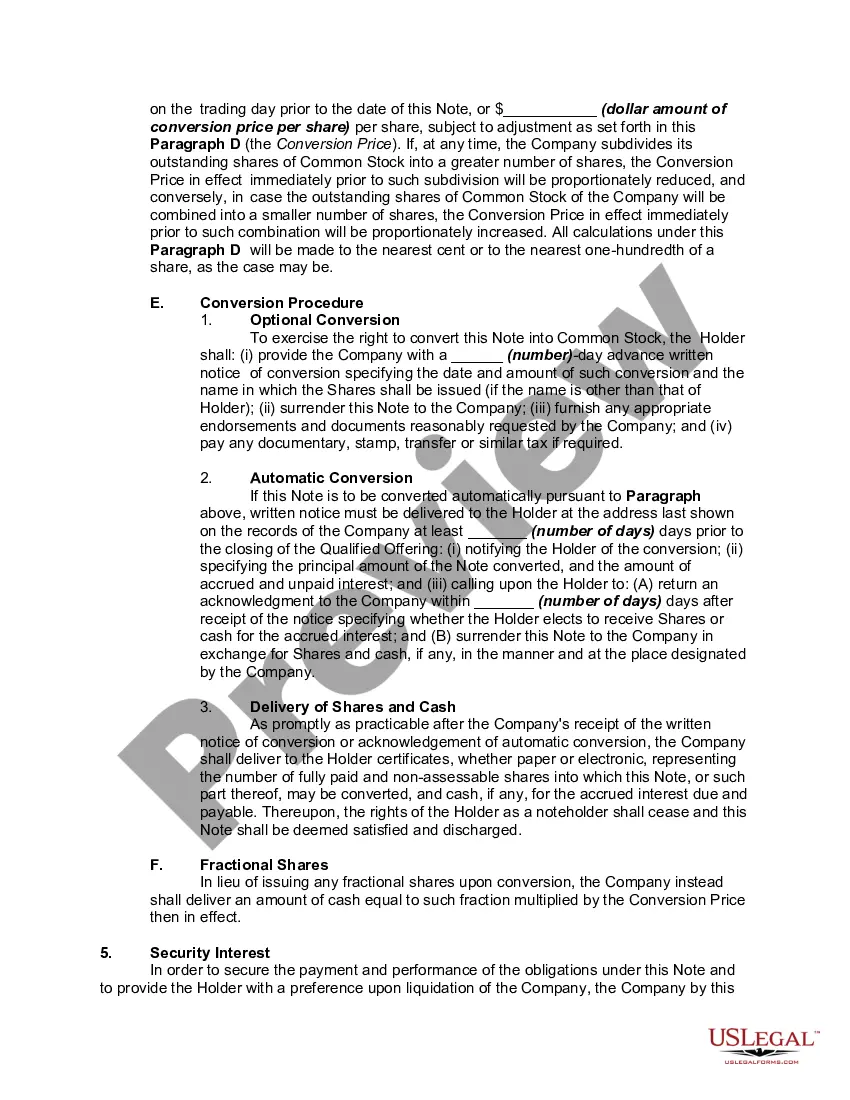
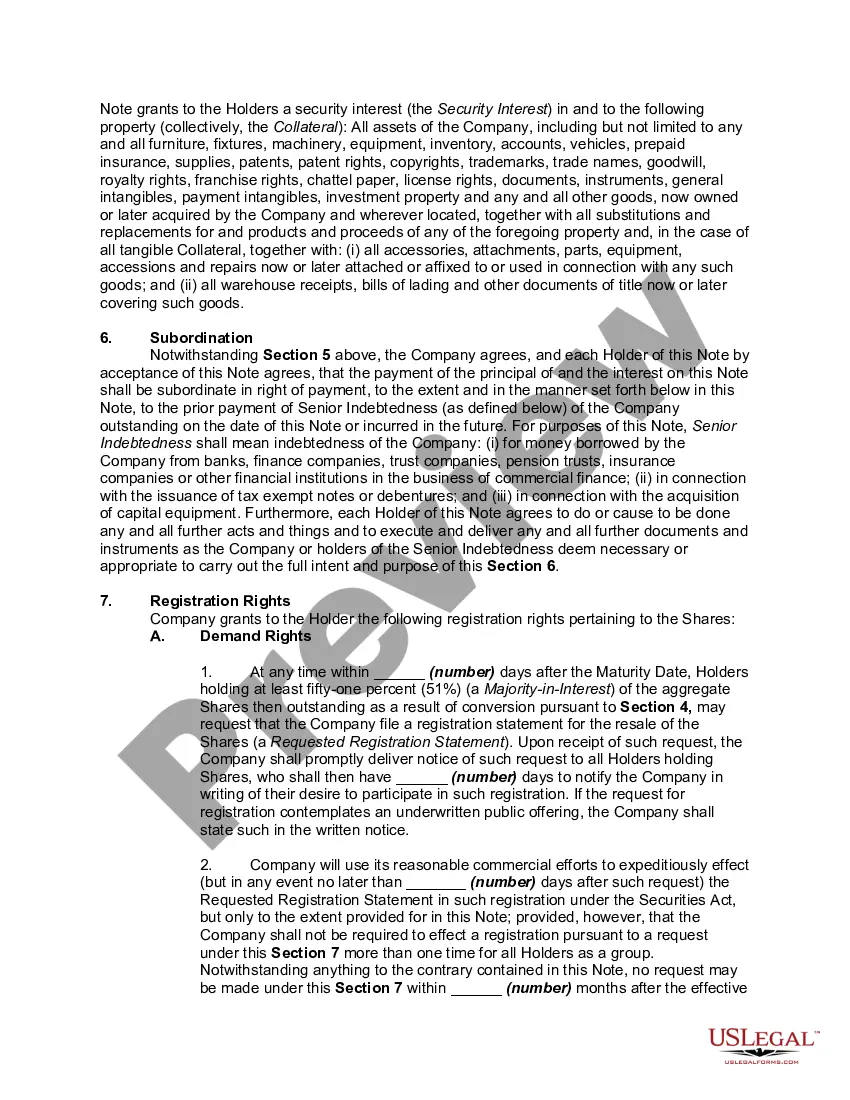
Promissory Issued Agreement With Bank
Description
Get your form ready online
Our built-in tools help you complete, sign, share, and store your documents in one place.
Make edits, fill in missing information, and update formatting in US Legal Forms—just like you would in MS Word.
Download a copy, print it, send it by email, or mail it via USPS—whatever works best for your next step.
Sign and collect signatures with our SignNow integration. Send to multiple recipients, set reminders, and more. Go Premium to unlock E-Sign.
If this form requires notarization, complete it online through a secure video call—no need to meet a notary in person or wait for an appointment.
We protect your documents and personal data by following strict security and privacy standards.

Make edits, fill in missing information, and update formatting in US Legal Forms—just like you would in MS Word.

Download a copy, print it, send it by email, or mail it via USPS—whatever works best for your next step.

Sign and collect signatures with our SignNow integration. Send to multiple recipients, set reminders, and more. Go Premium to unlock E-Sign.

If this form requires notarization, complete it online through a secure video call—no need to meet a notary in person or wait for an appointment.

We protect your documents and personal data by following strict security and privacy standards.
Looking for another form?
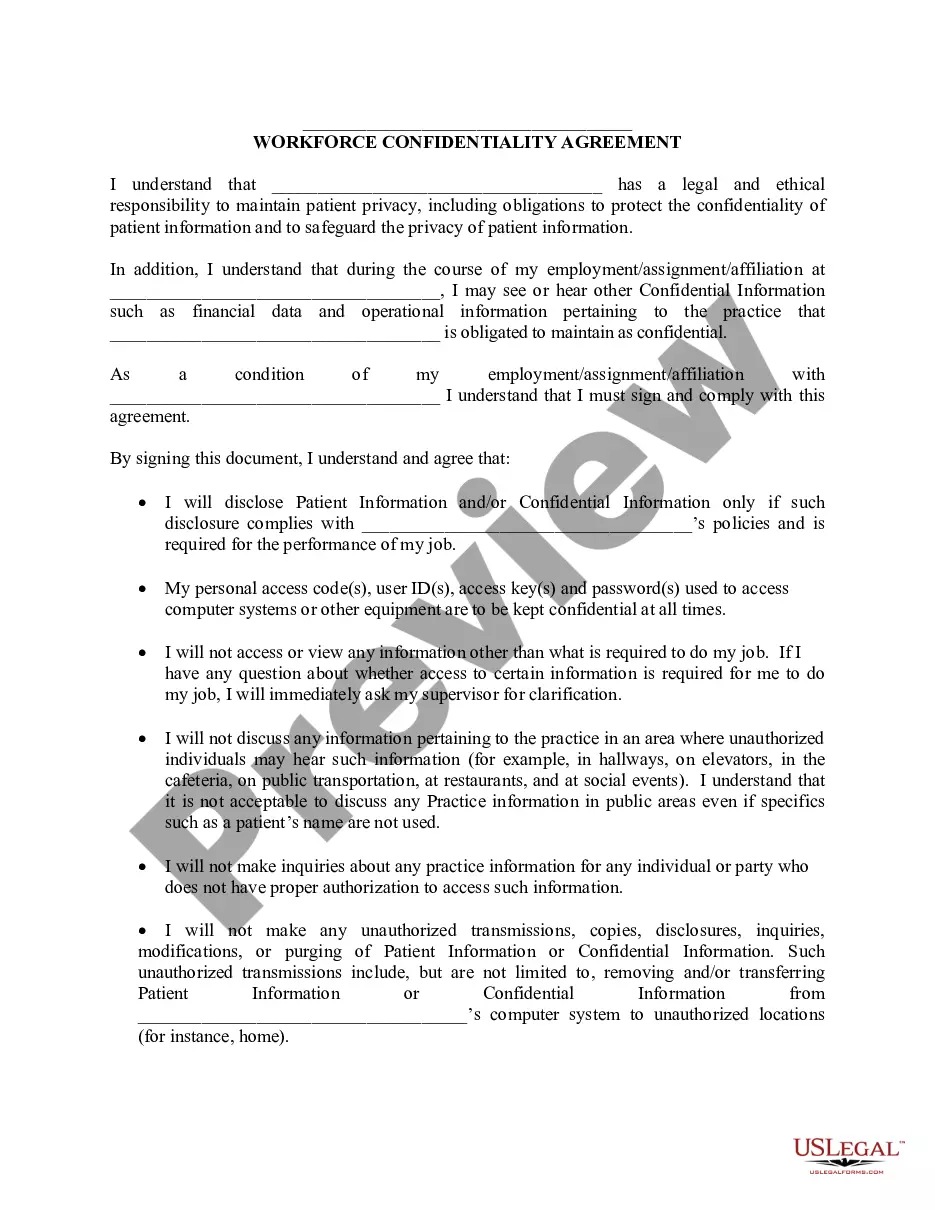
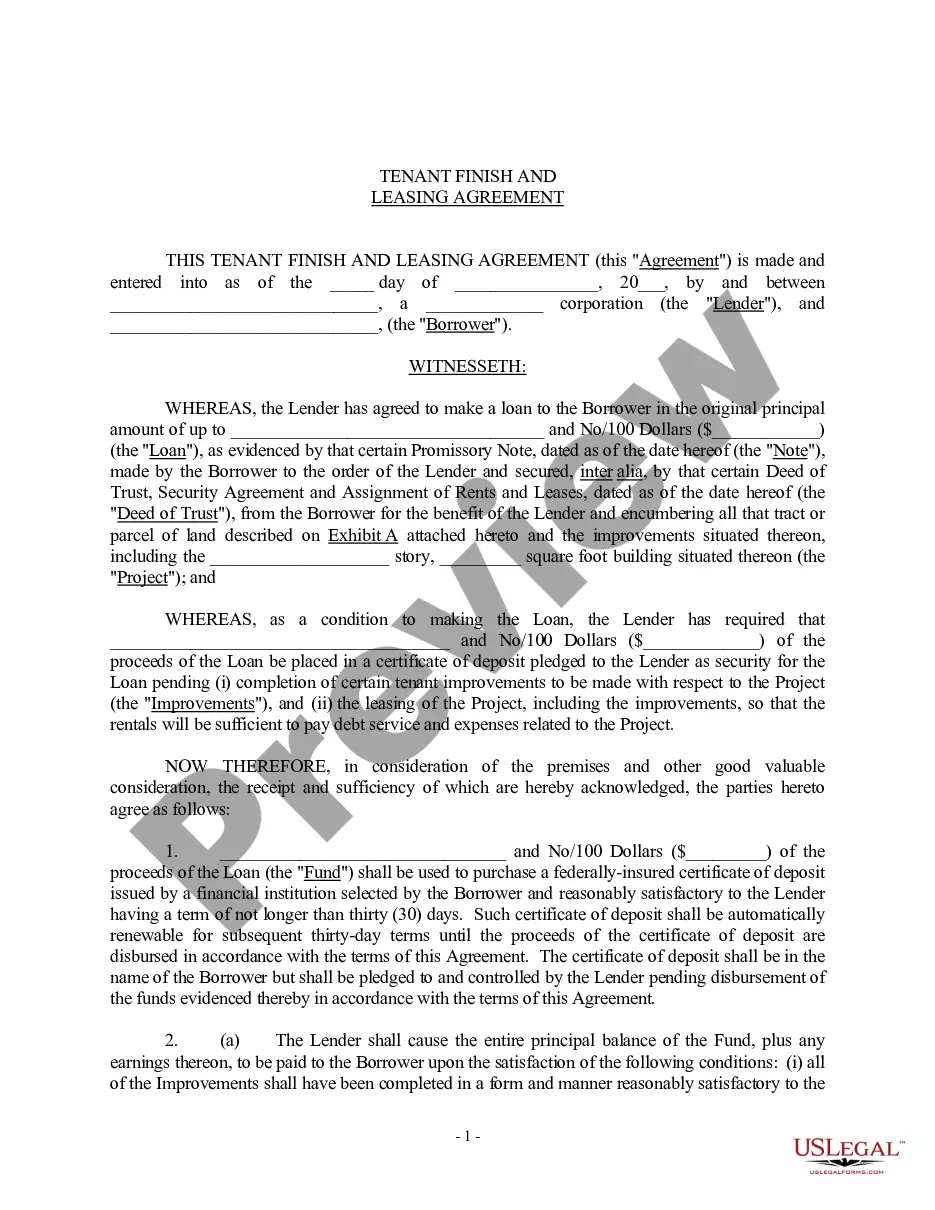


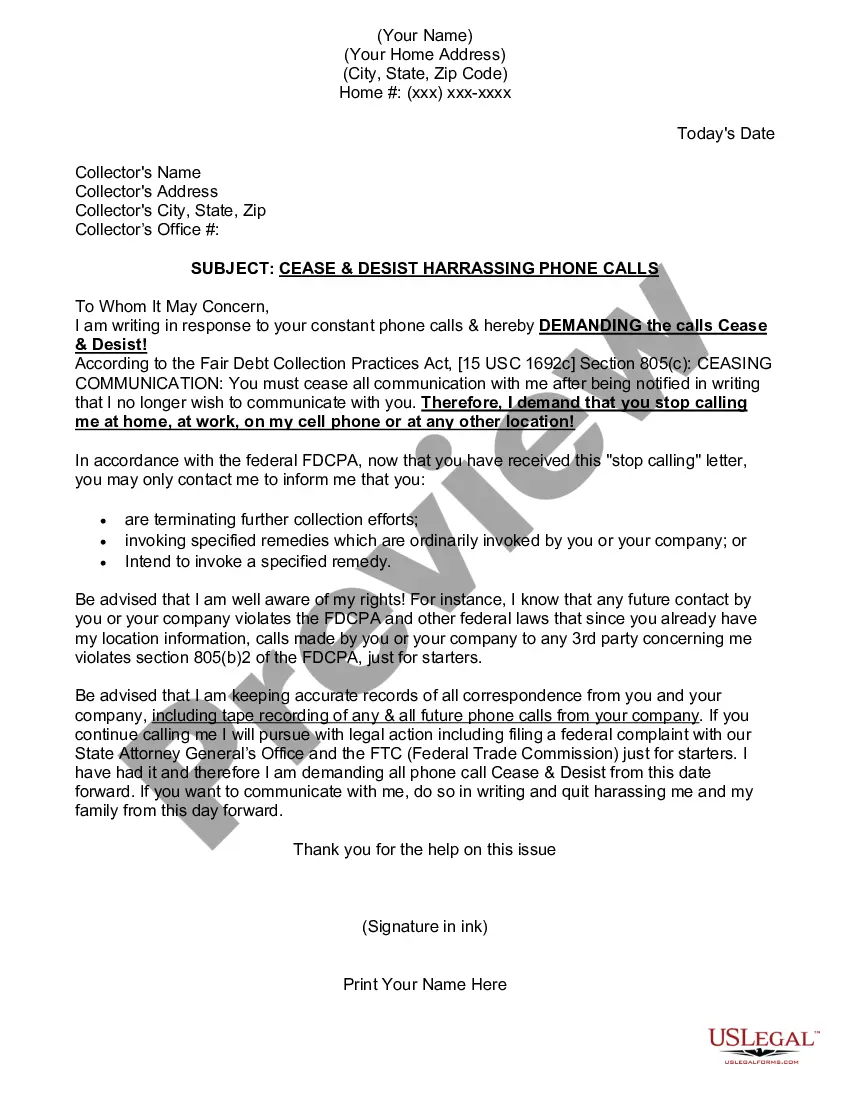
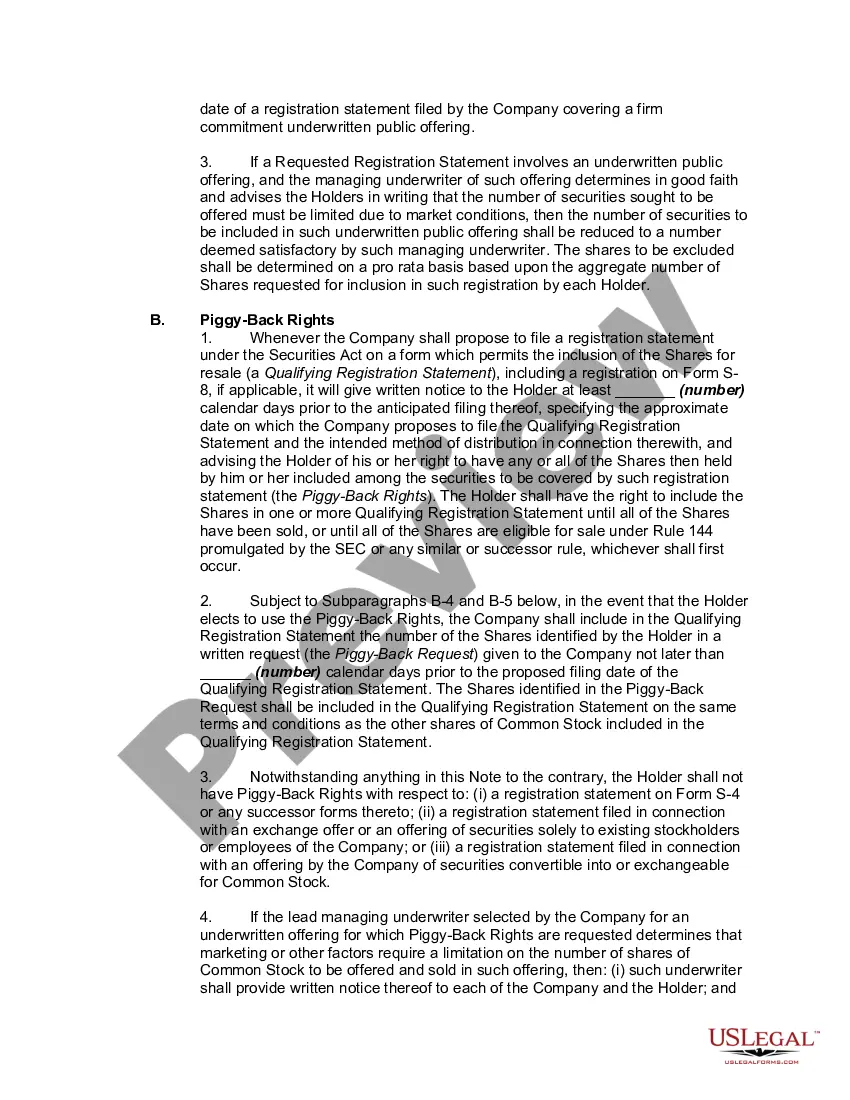
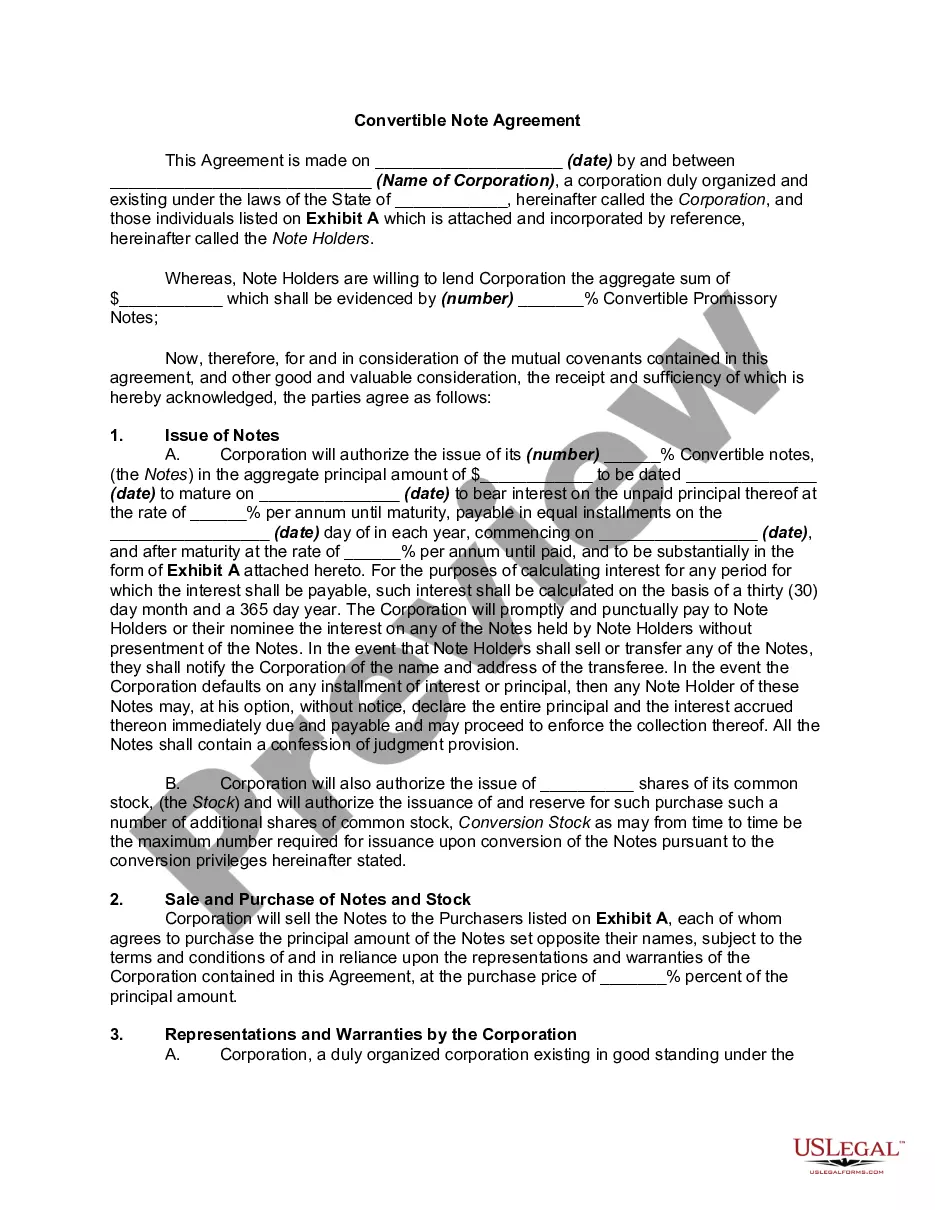
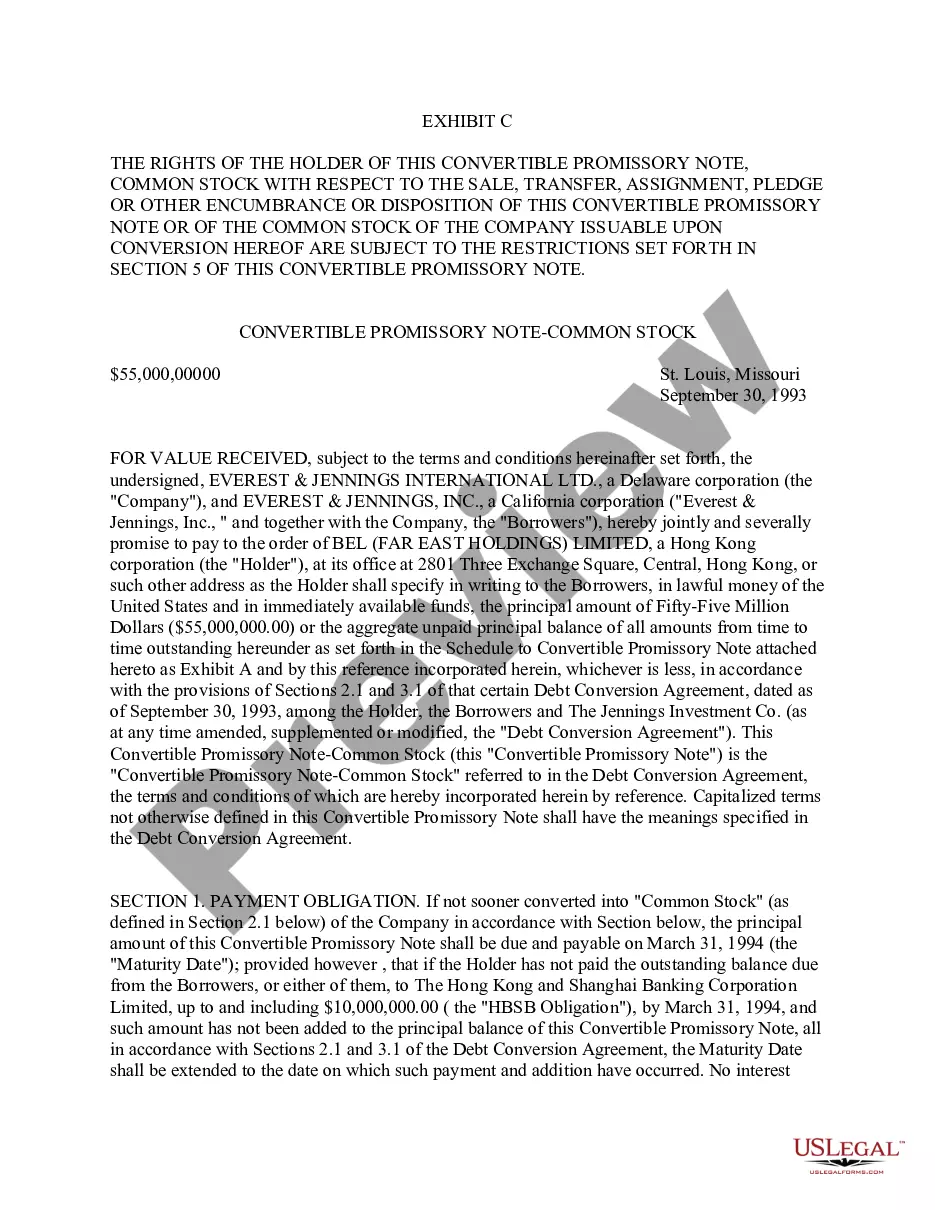
How to fill out Convertible Promissory Note By Corporation - One Of Series Of Notes Issued Pursuant To Convertible Note Purchase Agreement?
Whether for commercial objectives or for individual matters, everyone is required to handle legal issues at some point in their life.
Completing legal documents necessitates meticulous attention, starting from choosing the accurate form template.
With an extensive US Legal Forms catalog available, you no longer need to waste time searching for the suitable template online. Use the library’s straightforward navigation to locate the right form for any event.
- Find the template you require using the search field or catalog navigation.
- Examine the form’s details to ensure it suits your circumstance, state, and locality.
- Click on the form’s preview to view it.
- If it is the wrong form, return to the search feature to find the Promissory Issued Agreement With Bank template you need.
- Download the document if it aligns with your specifications.
- If you possess a US Legal Forms account, simply click Log in to access previously saved templates in My documents.
- If you do not have an account yet, you may acquire the form by clicking Buy now.
- Select the correct pricing option.
- Complete the profile registration form.
- Choose your payment method: you can utilize a credit card or PayPal account.
- Select the document format you prefer and download the Promissory Issued Agreement With Bank.
- Once it is downloaded, you can fill out the form using editing software or print it and complete it by hand.
Form popularity
FAQ
Yes, promissory notes are commonly issued by banks as part of their lending processes. These notes serve as formal agreements that specify the borrower's promise to repay the borrowed amount. More than just a piece of paper, a promissory issued agreement with a bank contains legal implications that protect both the lender and the borrower. If you are considering obtaining financing, understanding these notes is essential.
The promissory note journal entry is recorded by debiting the account that receives value, commonly the cash account, and crediting the notes payable account.
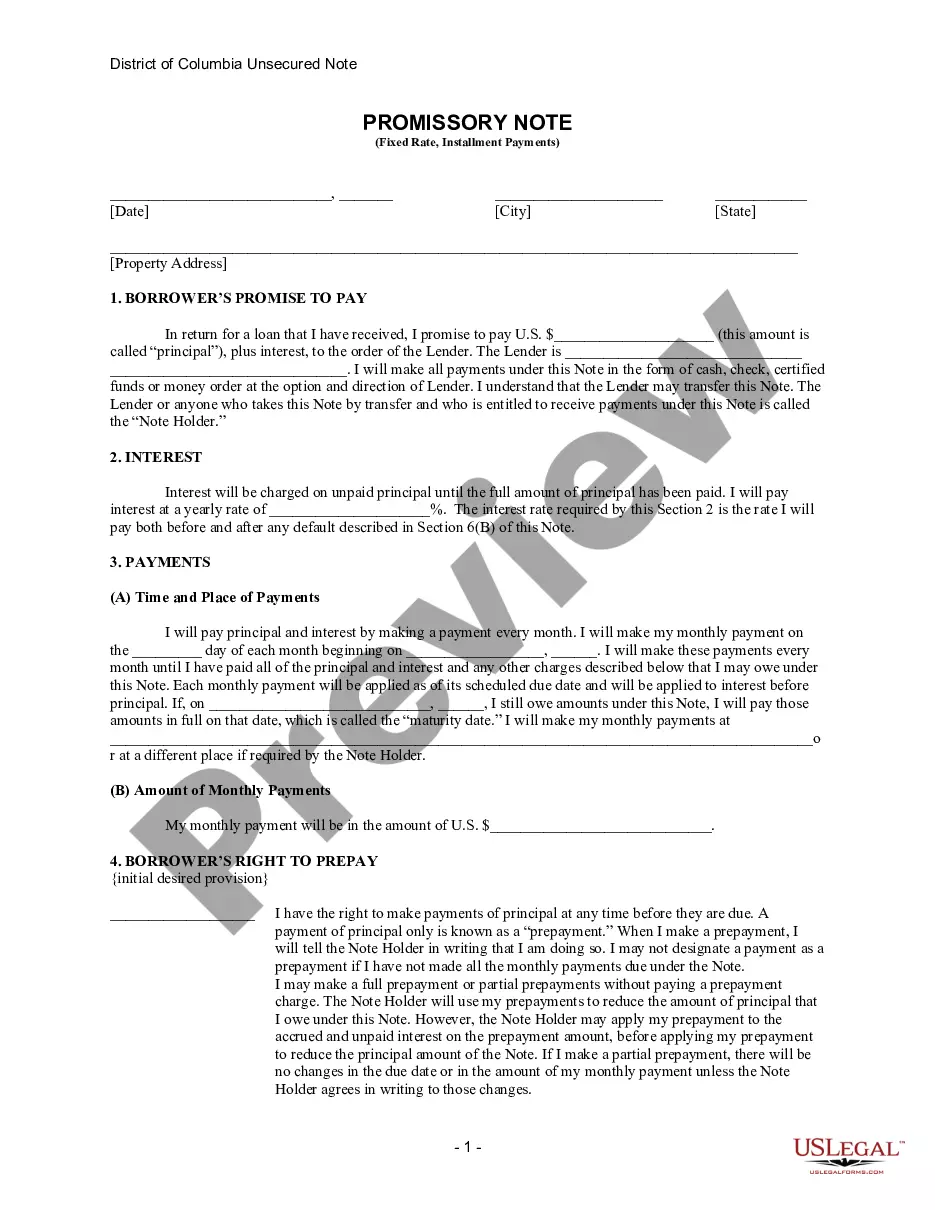
A promissory note is a written agreement between one party (you, the borrower) to pay back the loan issued by another party (often a bank or other financial institution). Anyone lending money (like home sellers, credit unions, mortgage lenders and banks, for instance) can issue a promissory note.
What is a Demand Promissory Note? A demand promissory note is a legally binding document between a borrower and a lender. With this agreement, the borrower promises to repay a debt at any time that is "demanded" by the lender. Once a lender has demanded repayment, the borrower must repay the debt or loan immediately.
At its most basic, a promissory note should include the following things: Date. Name of the lender and borrower. Loan amount. Whether the loan is secured or unsecured. If it's secured with collateral: What is the collateral? ... Payment amount and frequency. Payment due date. Whether the loan has a cosigner, and if so, who.
The lender will keep the original promissory note until the loan is paid off. There may be some circumstances, such as during a refinance, where the loan terms (and therefore, the promissory note terms) change and you will likely be issued a new document to sign.