Noteholders
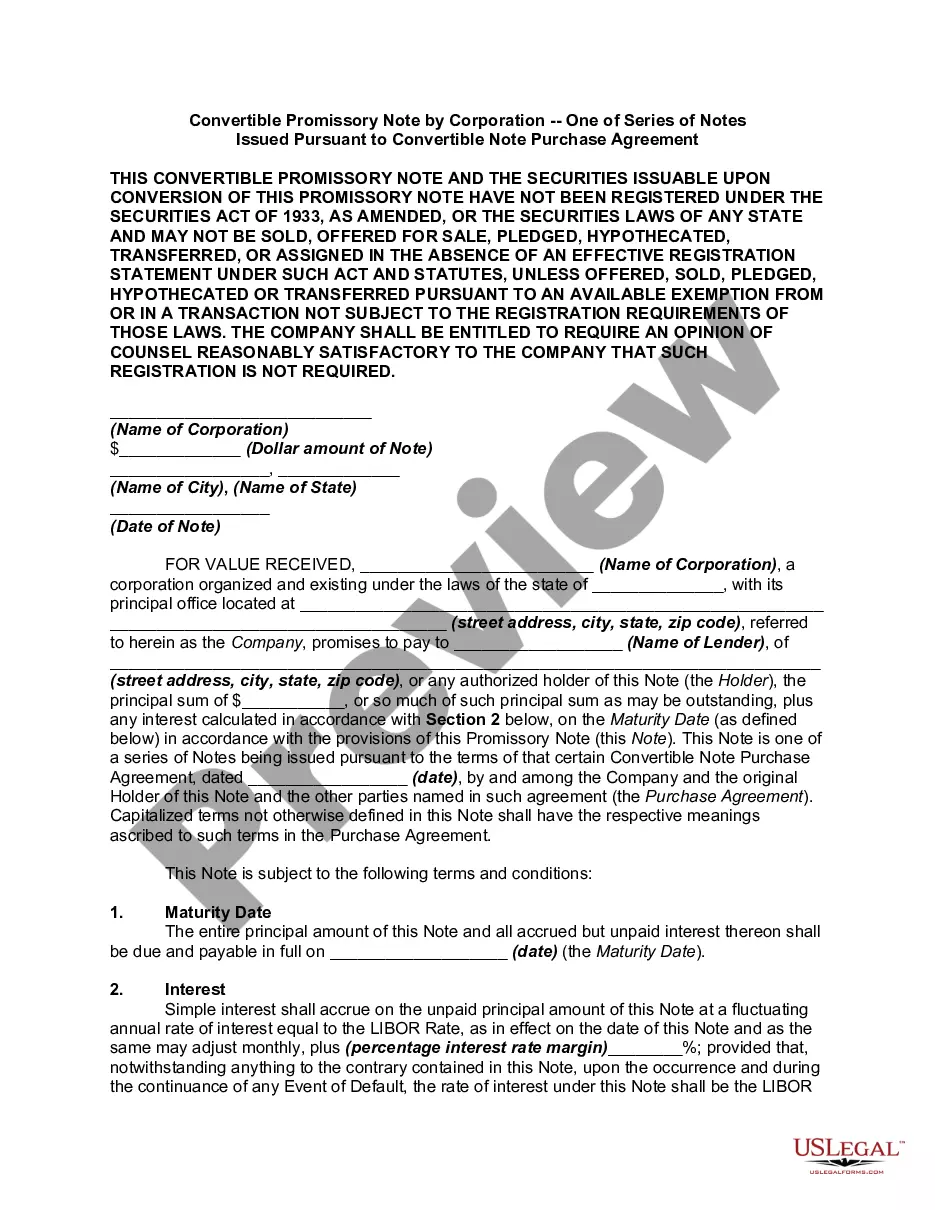
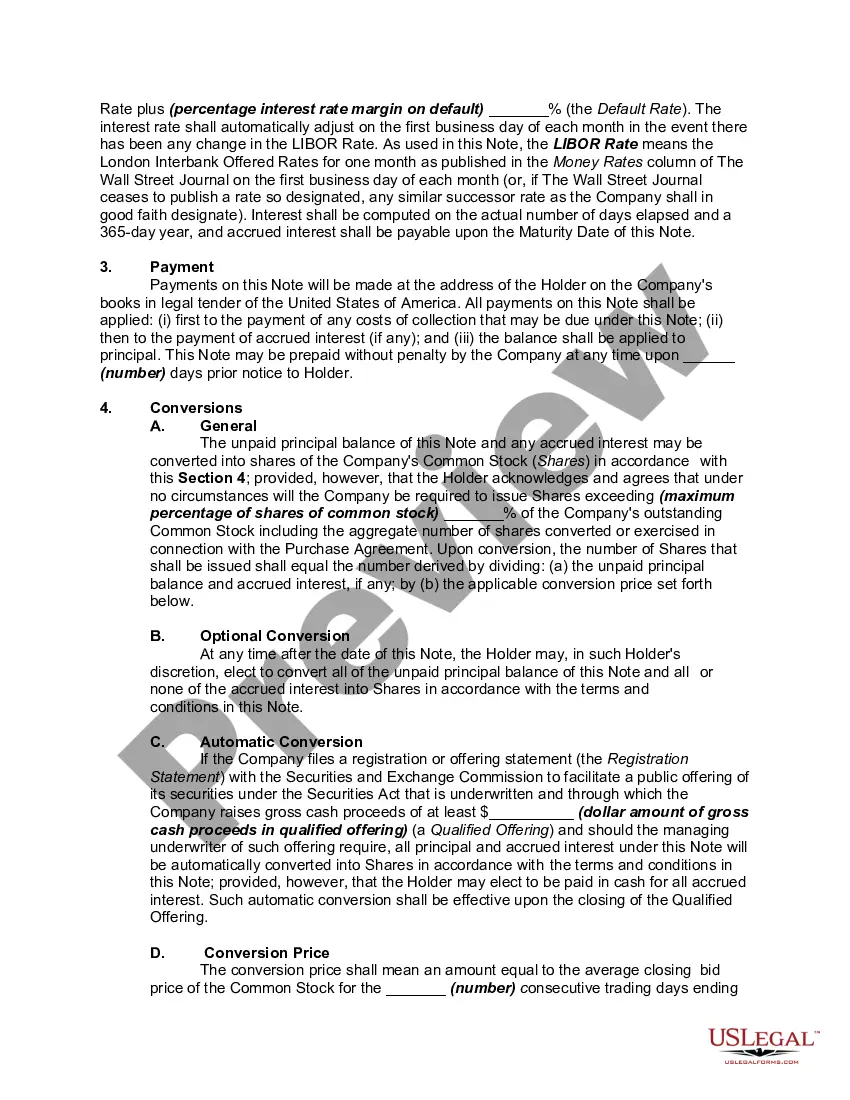
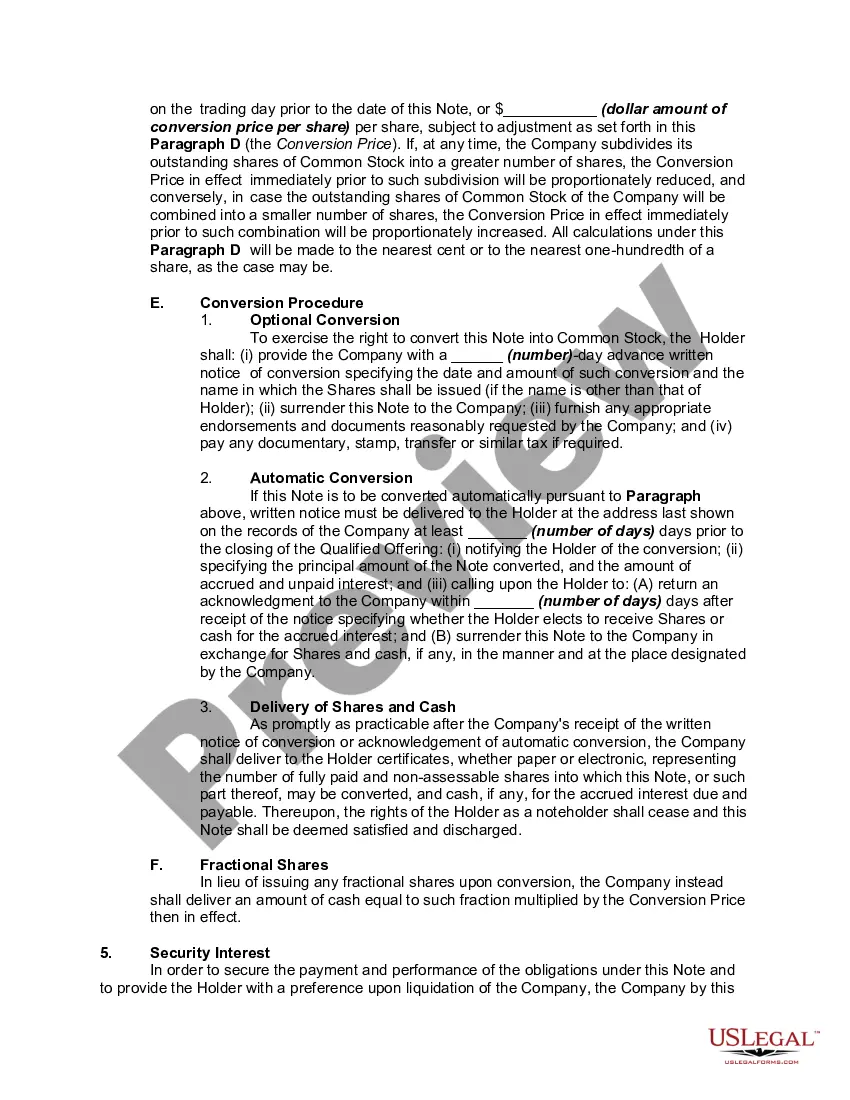
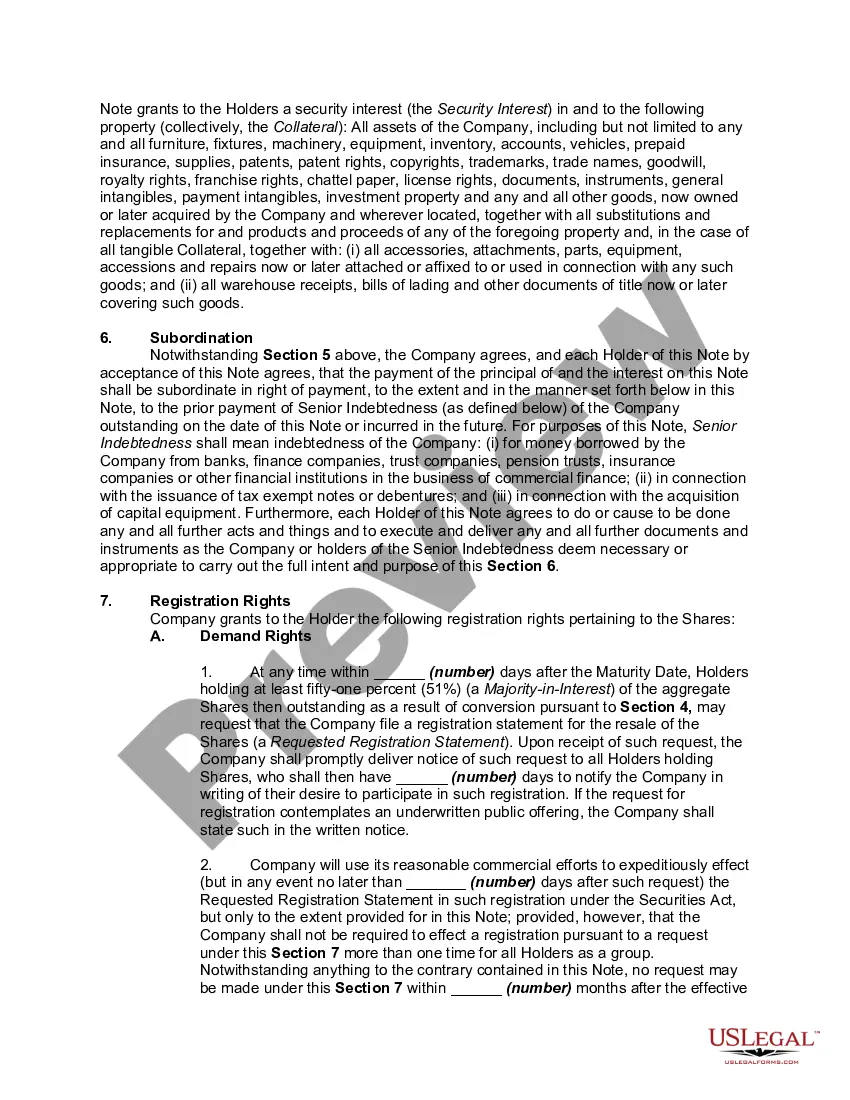
Description
Get your form ready online
Our built-in tools help you complete, sign, share, and store your documents in one place.
Make edits, fill in missing information, and update formatting in US Legal Forms—just like you would in MS Word.
Download a copy, print it, send it by email, or mail it via USPS—whatever works best for your next step.
Sign and collect signatures with our SignNow integration. Send to multiple recipients, set reminders, and more. Go Premium to unlock E-Sign.
If this form requires notarization, complete it online through a secure video call—no need to meet a notary in person or wait for an appointment.
We protect your documents and personal data by following strict security and privacy standards.

Make edits, fill in missing information, and update formatting in US Legal Forms—just like you would in MS Word.

Download a copy, print it, send it by email, or mail it via USPS—whatever works best for your next step.

Sign and collect signatures with our SignNow integration. Send to multiple recipients, set reminders, and more. Go Premium to unlock E-Sign.

If this form requires notarization, complete it online through a secure video call—no need to meet a notary in person or wait for an appointment.

We protect your documents and personal data by following strict security and privacy standards.
Looking for another form?

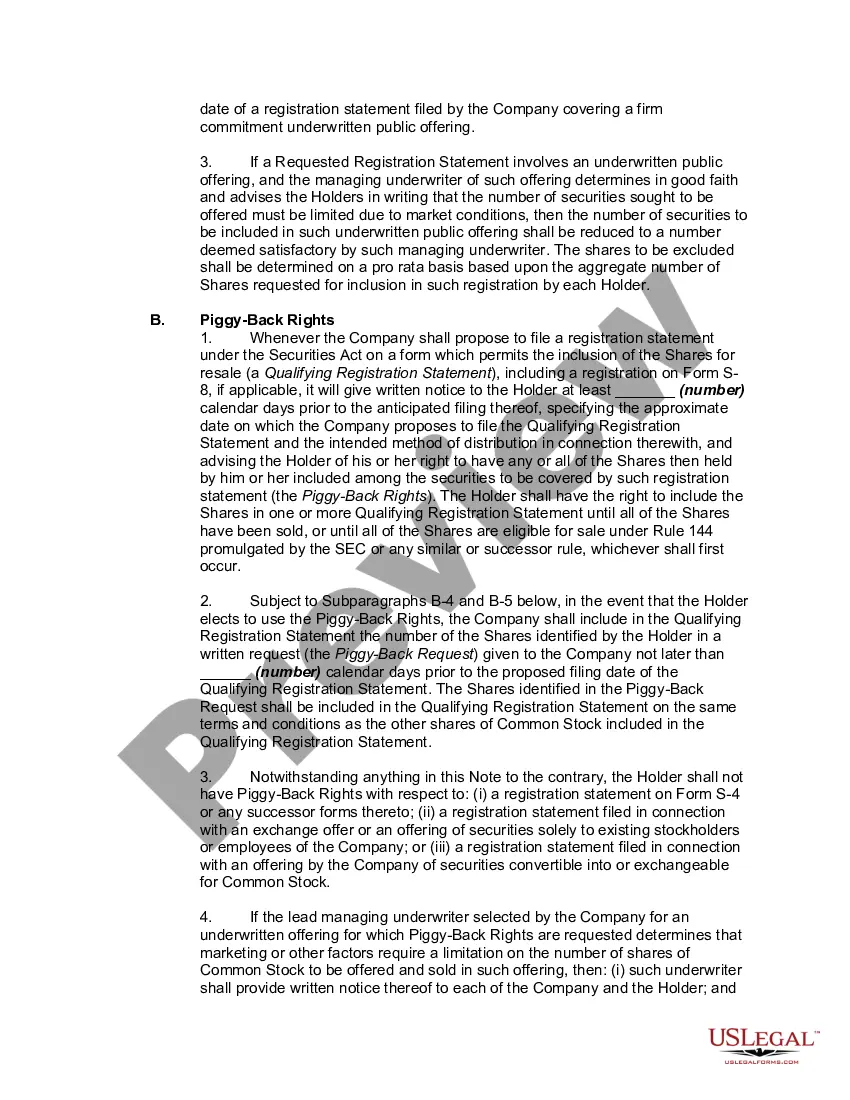
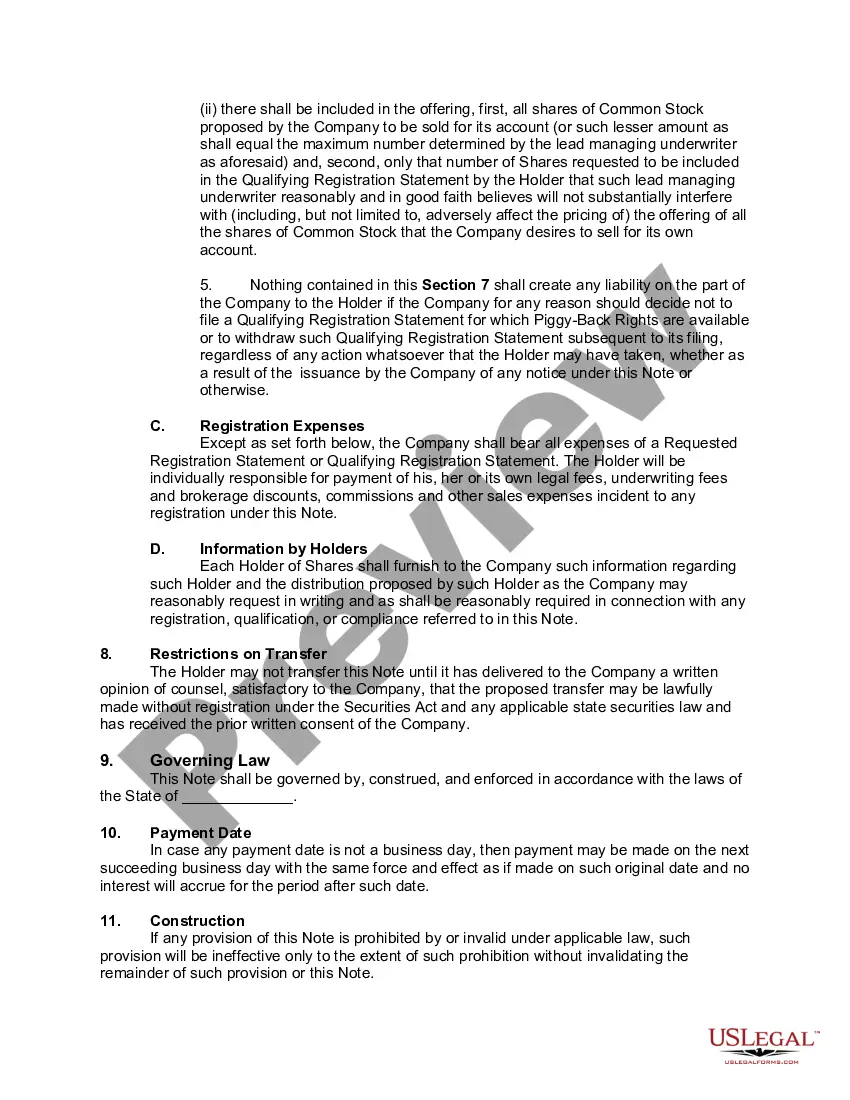
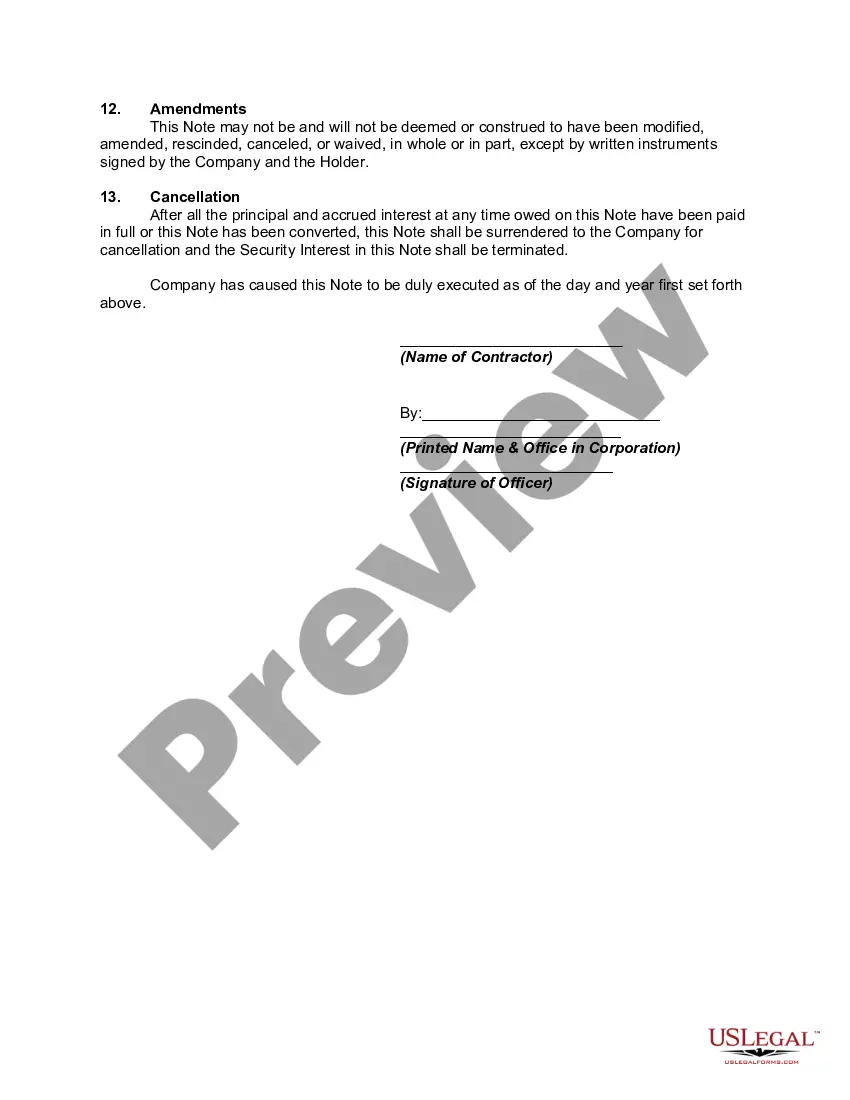
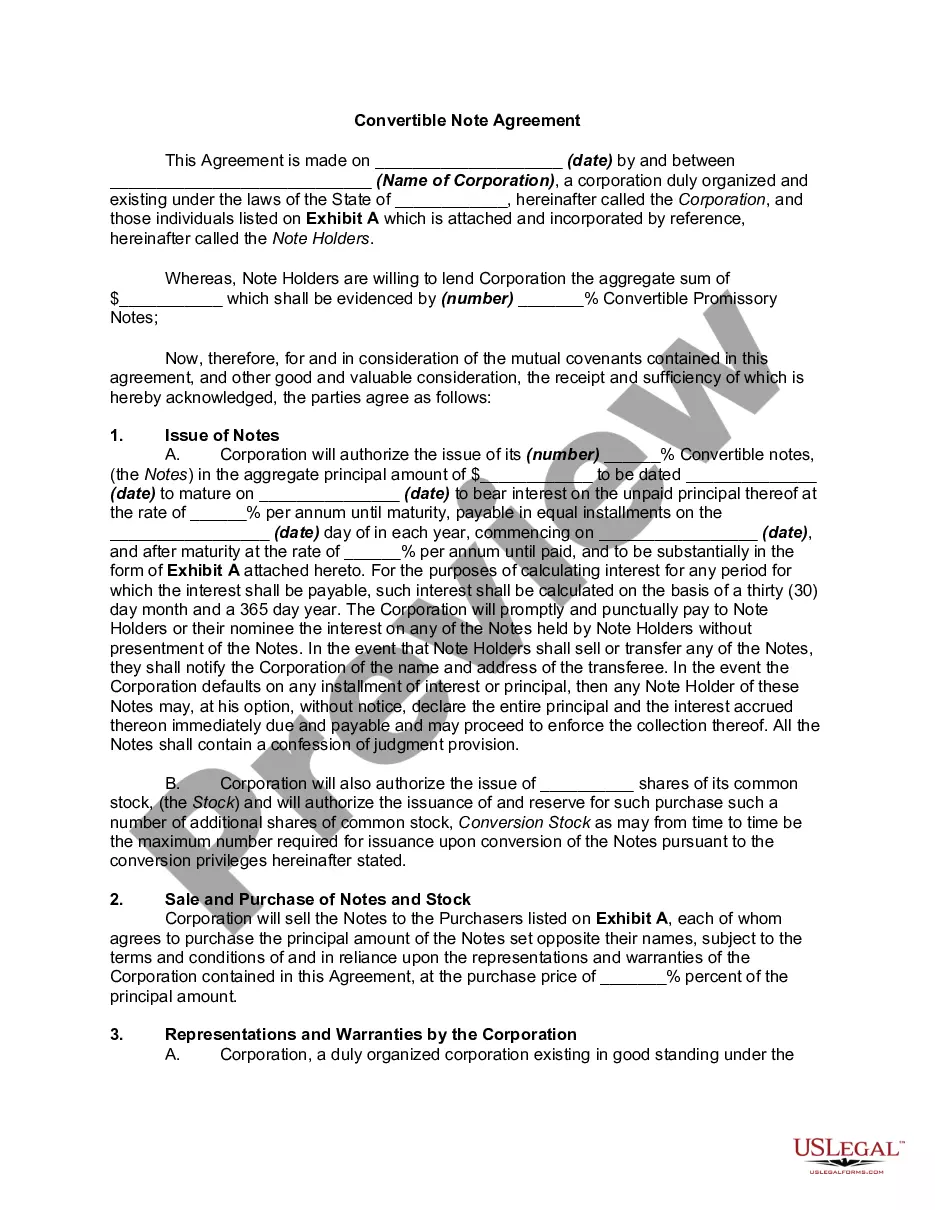
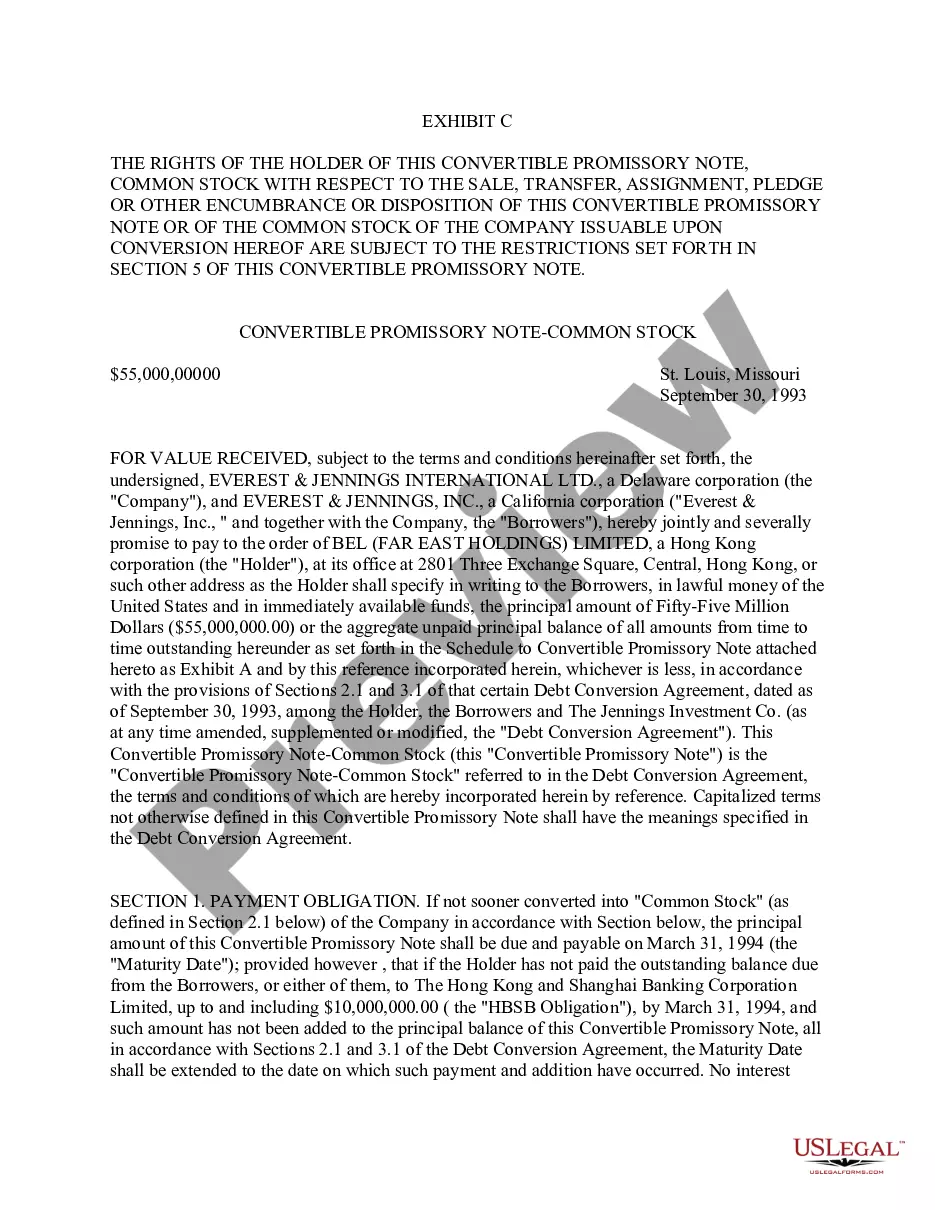
How to fill out Convertible Promissory Note By Corporation - One Of Series Of Notes Issued Pursuant To Convertible Note Purchase Agreement?
- If you're already a member, log in to your account. Make sure your subscription is current to download any necessary forms.
- If you're new to US Legal Forms, start by previewing form descriptions to find one that fits your requirements. Pay attention to local jurisdiction specifics.
- Need a different template? Use the search feature to find a suitable alternative and ensure it meets all your needs.
- Once you find the correct document, click 'Buy Now' and select your desired subscription plan. You will need to create an account to access the complete library.
- Complete your purchase by entering payment information, either through credit card or PayPal, ensuring you successfully secure your subscription.
- Finally, download your selected template to your device. Access it anytime in the My Forms section for future use.
US Legal Forms empowers noteholders with an extensive library of over 85,000 editable legal documents, setting it apart from other services. With premium expert assistance available, users can confidently navigate their legal needs.
Experience the convenience of US Legal Forms today and simplify your legal processes!
Form popularity
FAQ
The note holder of your mortgage is typically the financial institution or lender that financed your property. To identify this, you can check the closing documents from your mortgage transaction or contact your mortgage servicer for more details. Knowing your noteholder is essential for managing your mortgage effectively. It allows you to understand where your payments are going and whom to contact for future inquiries.
Finding note sellers involves exploring different channels, such as online marketplaces or financial networks specializing in notes. You can also connect with real estate professionals who may have leads on available notes. Using platforms like US Legal Forms can simplify this process by providing access to extensive resources and documentation. This way, you can make informed decisions and streamline your search.
The noteholder is the party that receives the payments from the borrower, while the issuer is the entity that creates the note and sells it to investors. In most cases, the issuer might be a bank or a financial institution. It's essential to differentiate these roles, as the noteholder relies on the issuer to ensure the note's integrity and security. This distinction can clarify your financial interactions.
Yes, a promissory note generally holds up in a court of law, provided it meets specific legal requirements. It serves as enforceable proof of the obligation between the borrower and noteholders. When disputes arise, having a properly executed promissory note can significantly strengthen your position.
In many cases, a promissory note does appear on your credit report, especially if you default on payments. This is particularly crucial for noteholders to understand, as it affects the borrower's creditworthiness. Regular payments can positively impact credit scores, while missed payments can have the opposite effect.
You usually file a promissory note in a secure location, such as a filing cabinet or a digital storage solution. It is essential for noteholders to keep it accessible in case of any disputes or for future reference. Utilizing a service like US Legal Forms can streamline this documentation process.
A promissory note is accounted for as a liability for the borrower and as an asset for the noteholders. The borrower records the note as a liability on their balance sheet, while the noteholders reflect it as an asset. This clear distinction helps in managing financial statements accurately.
To record a promissory note in a journal entry, first create a debit entry for the asset received. Next, make a credit entry to reflect the liability incurred by the borrower. Noteholders should ensure that these entries are clear and precise for effective tracking of financial obligations.
Yes, a promissory note does get recorded, often as part of the borrower's financial records. This documentation is crucial for both noteholders and borrowers to keep track of obligations. Recording helps maintain clarity, ensuring all parties are aware of the terms and conditions.
A promissory note is typically recorded by entering key details into a bookkeeping system. This includes the borrower's name, the amount borrowed, the interest rate, and the repayment terms. Noteholders can also file a copy of the note in a secure location for future reference.