Issuance Period
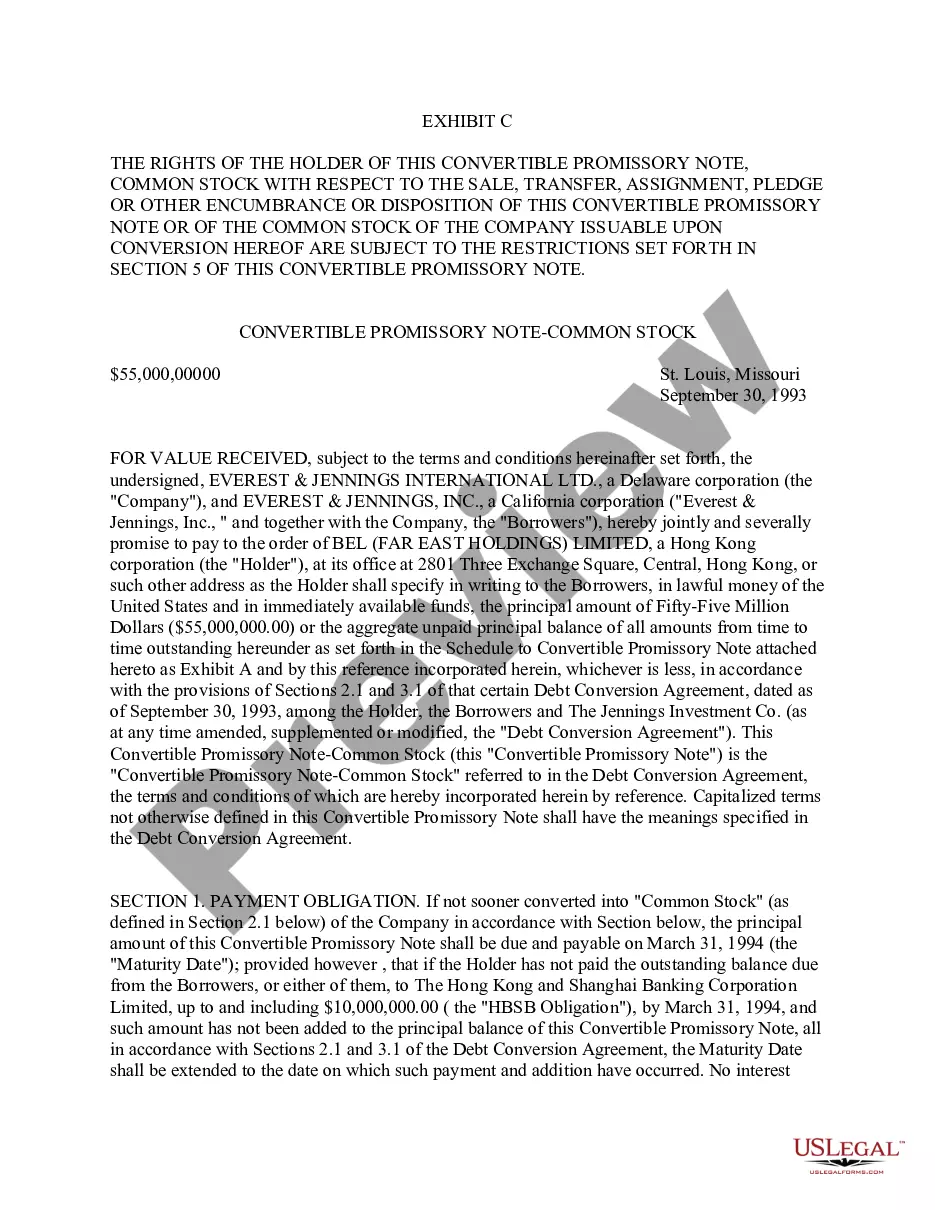
Description
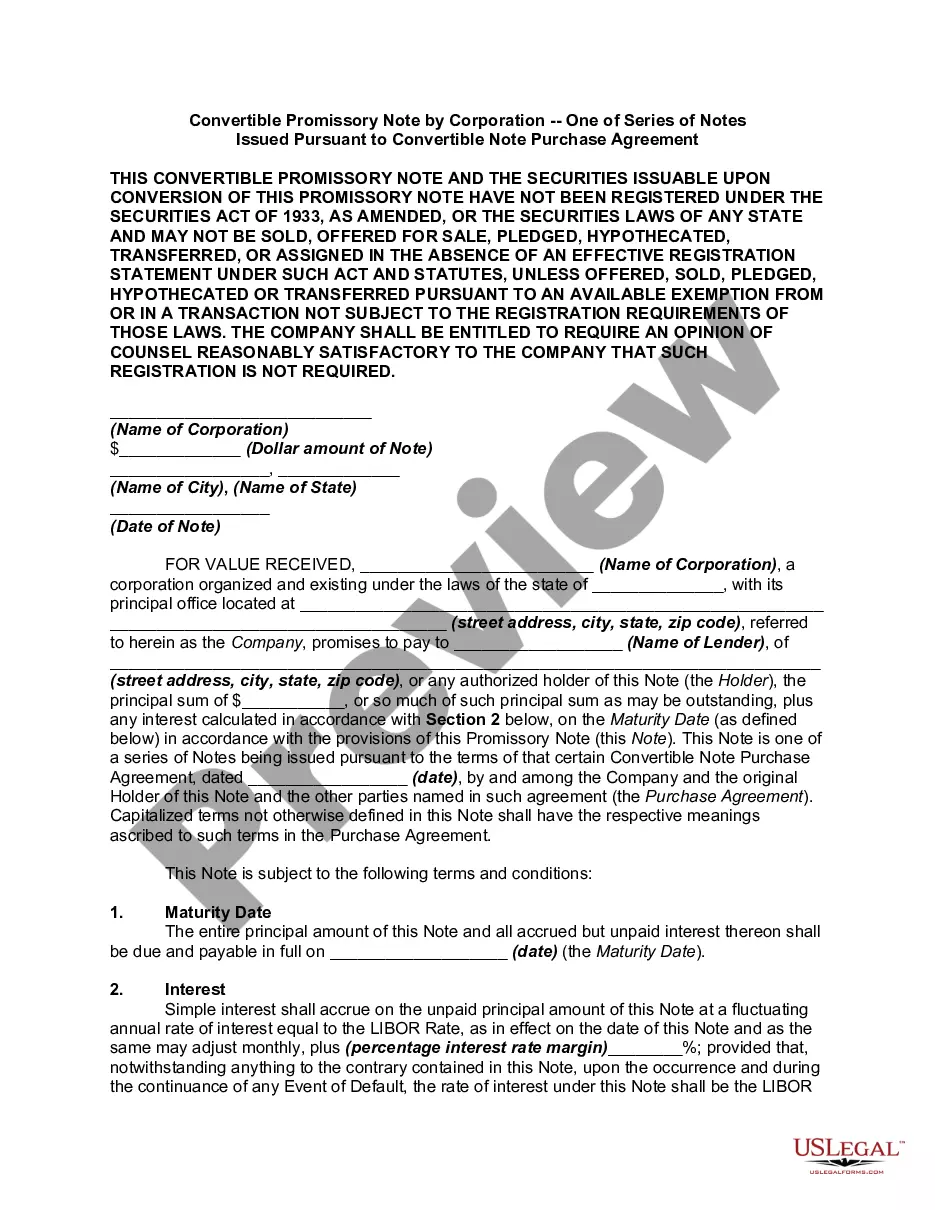
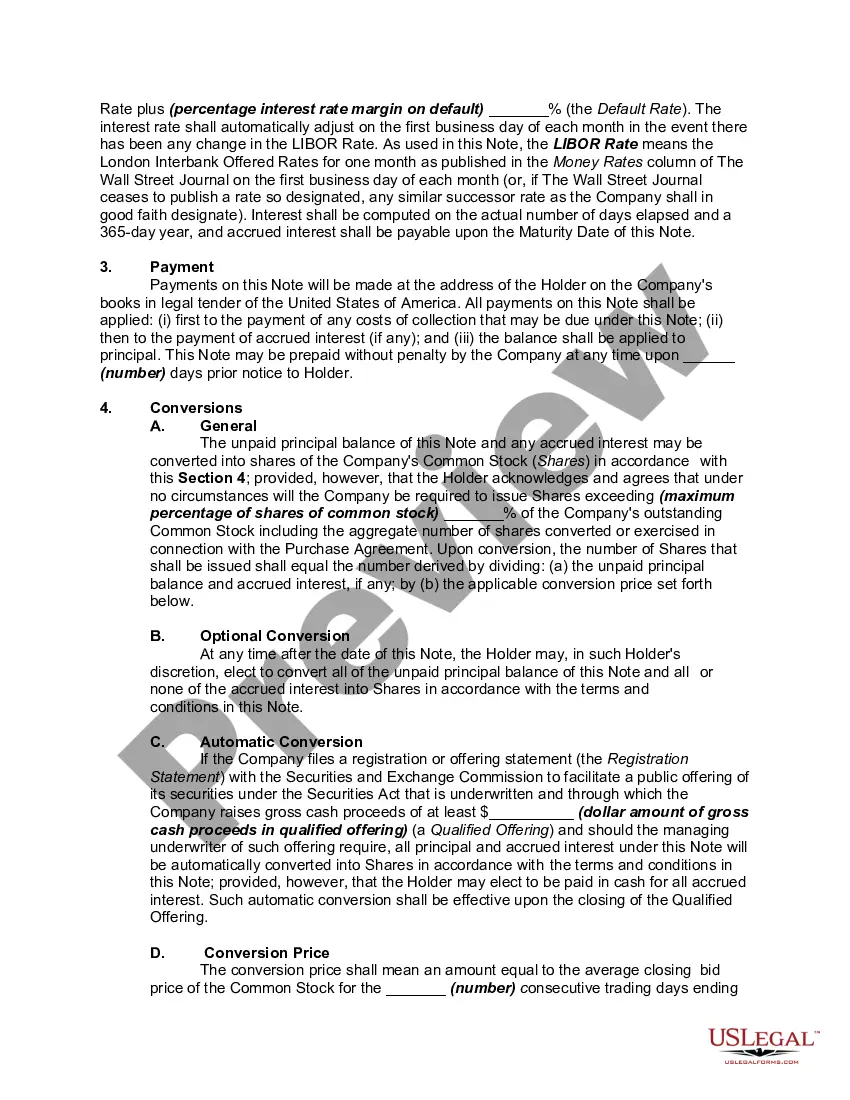
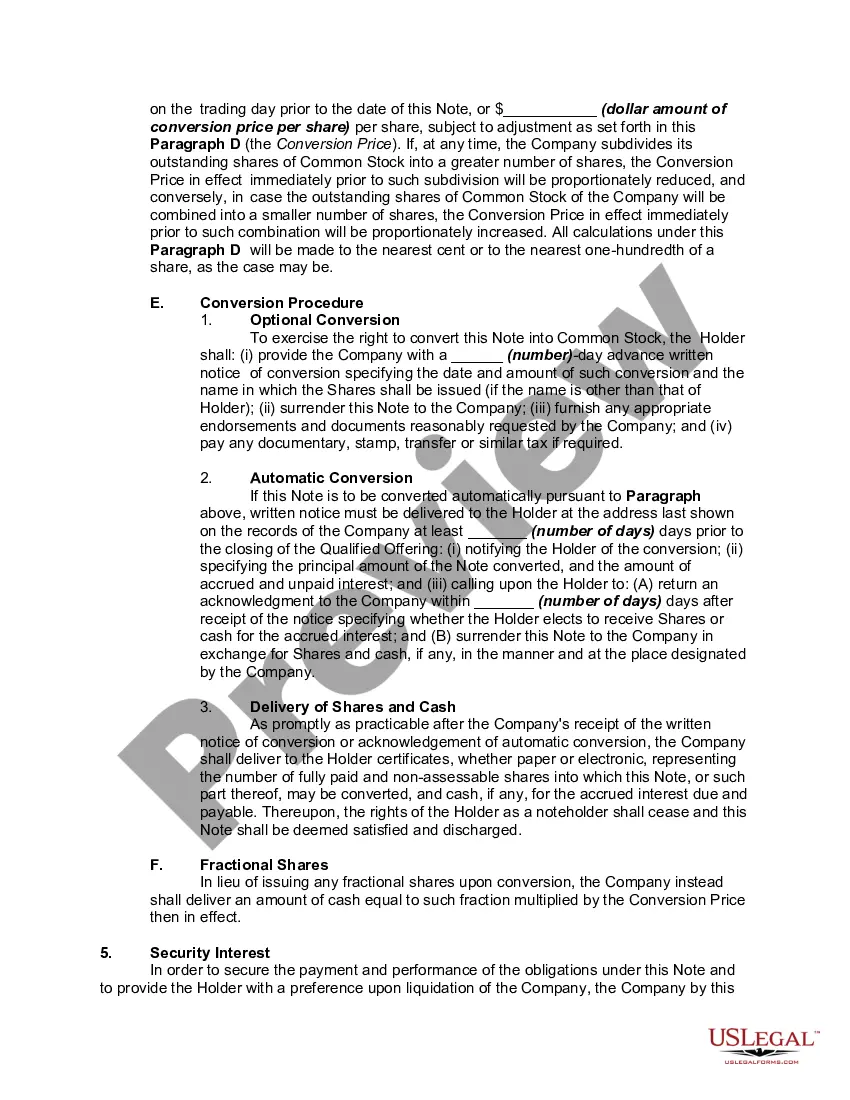
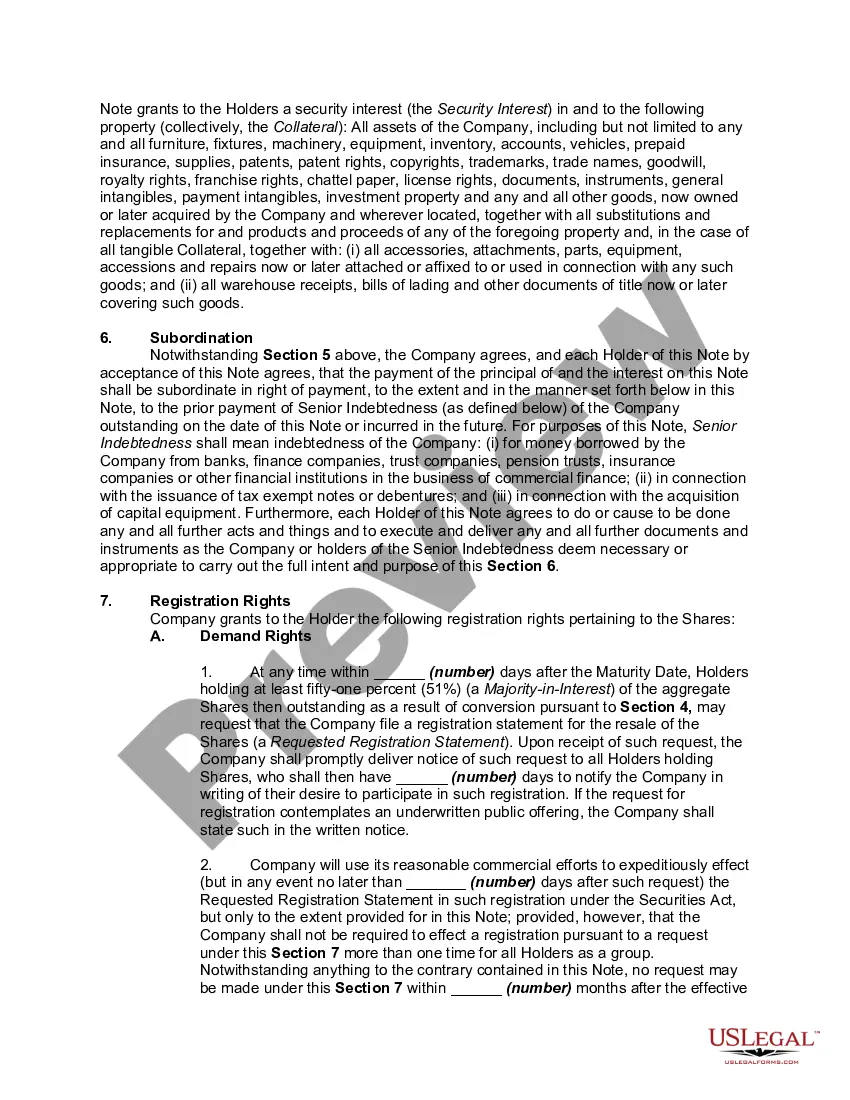
Get your form ready online
Our built-in tools help you complete, sign, share, and store your documents in one place.
Make edits, fill in missing information, and update formatting in US Legal Forms—just like you would in MS Word.
Download a copy, print it, send it by email, or mail it via USPS—whatever works best for your next step.
Sign and collect signatures with our SignNow integration. Send to multiple recipients, set reminders, and more. Go Premium to unlock E-Sign.
If this form requires notarization, complete it online through a secure video call—no need to meet a notary in person or wait for an appointment.
We protect your documents and personal data by following strict security and privacy standards.

Make edits, fill in missing information, and update formatting in US Legal Forms—just like you would in MS Word.

Download a copy, print it, send it by email, or mail it via USPS—whatever works best for your next step.

Sign and collect signatures with our SignNow integration. Send to multiple recipients, set reminders, and more. Go Premium to unlock E-Sign.

If this form requires notarization, complete it online through a secure video call—no need to meet a notary in person or wait for an appointment.

We protect your documents and personal data by following strict security and privacy standards.
Looking for another form?
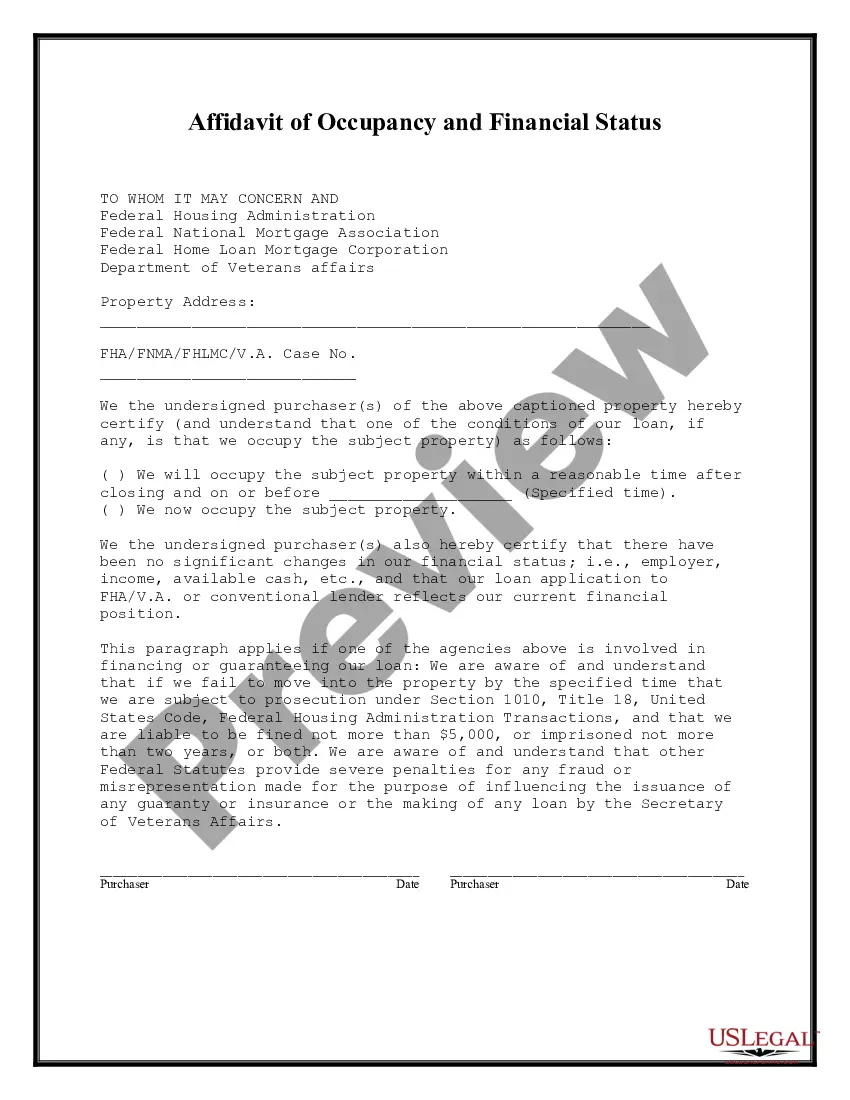

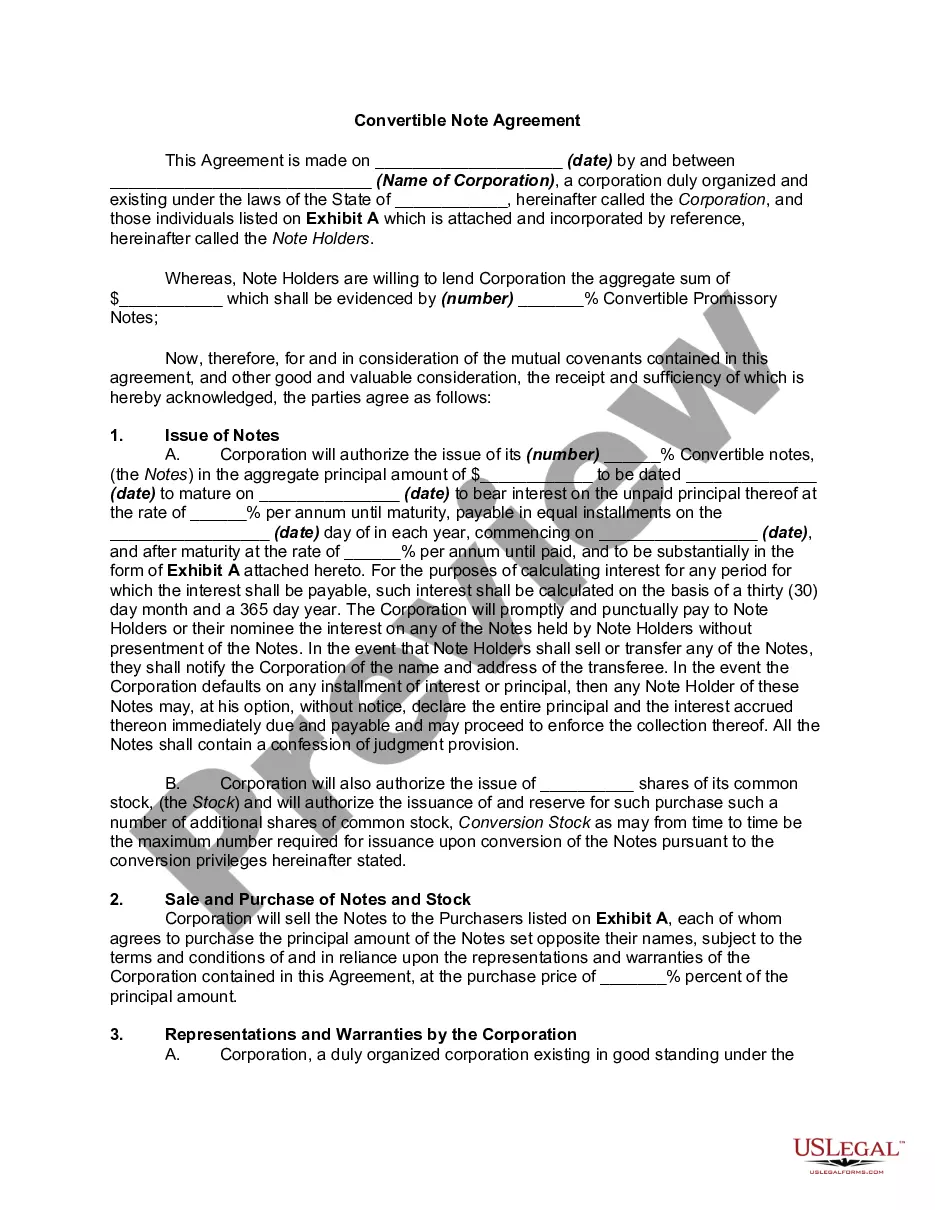
How to fill out Convertible Promissory Note By Corporation - One Of Series Of Notes Issued Pursuant To Convertible Note Purchase Agreement?
- Log into your account at US Legal Forms and verify your subscription's validity before proceeding.
- Utilize the Preview mode to review the form details and confirm it meets your requirements and local jurisdiction.
- If the form doesn't meet your needs, search using the Search tab to find a more suitable template.
- Select the correct document and click the 'Buy Now' button, then choose your preferred subscription plan.
- Complete your purchase by entering your payment details or using PayPal to finalize your order.
- Download your chosen form and save it on your device for future access, retrievable anytime from the 'My Forms' section in your account.
By following these steps, you ensure that you acquire the necessary forms without delay, adhering closely to the required issuance period. This process enhances your legal readiness, whether you’re handling personal matters or professional obligations.
Take advantage of US Legal Forms today to simplify your legal needs. Start your journey by accessing our extensive library and streamline your document preparation!
Form popularity
FAQ
Yes, you can file taxes even if you only worked for three months during the year. The IRS allows taxpayers to report income for any duration worked within the year, as long as it falls within the issuance period for filing. It is essential to collect all necessary documentation for accurate reporting of your income.
A taxpayer must use a calendar year tax period if they do not have a business entity structure that allows for a different period. For most individual taxpayers, the issuance period aligns with this calendar year from January 1 to December 31. Knowing when to use this period helps simplify your filing and keeps you in good standing with tax regulations.
The rules for reporting periods dictate how and when taxpayers report their income and expenses. Generally, the IRS defines this period based on whether you use a calendar year or fiscal year system. Understanding these rules is crucial to maintaining compliance and optimizing your tax obligations, particularly within the established issuance period.
To file Form 1096 electronically with the IRS, you must use IRS-approved software or an online platform that simplifies the process. Many users find that platforms like uslegalforms provide step-by-step guidance through the electronic filing process, ensuring all entries are accurate within the required issuance period. This method significantly reduces paperwork and submission time.
The reporting period for taxes generally refers to the year in which income is earned and expenses are incurred. It is crucial to adhere to the specified issuance period for tax filings to align your records with IRS requirements. Properly understanding your reporting period is key to effective tax management.
The new reporting rule for the IRS mandates updated guidelines concerning the issuance period for tax filings. These changes emphasize accurate reporting and prompt submission of forms, ensuring that taxpayers have ample time to comply. Staying informed about these rules can help prevent misunderstandings and potential issues with your tax submissions.
The filing period refers to the specific timeframe within which a taxpayer must submit their tax returns. Typically, this period aligns with the issuance period set by the IRS, which generally spans from January 1 to April 15 of the following year. Understanding this timeline helps in avoiding penalties and ensuring compliance with tax regulations.
Yes, you can fill out the DS-11 form at your local post office. Many post offices offer the convenience of completing this application on-site. However, be mindful of the issuance period, as submitting in person may expedite processing. To ease the process, you might want to consider using templates from US Legal Forms to prepare your application beforehand.
Yes, filling out parental information is a crucial part of the passport application process. Providing these details helps secure the issuance period and confirms the child's parental relationships. It's essential for establishing identity and citizenship. If you're unsure how to fill this out, US Legal Forms provides resources that can assist you in this step.
Choosing between DS-11 and DS-82 depends on whether the child is applying for a passport for the first time or renewing an existing one. The DS-11 is typically used for first-time applicants and requires both parents to be present. On the other hand, the DS-82 can be completed by mail, which might be more convenient if you are concerned about the issuance period. Make sure to select the correct form to ensure a smooth application process.