Convertible Promissory Note Accounting Treatment
Description
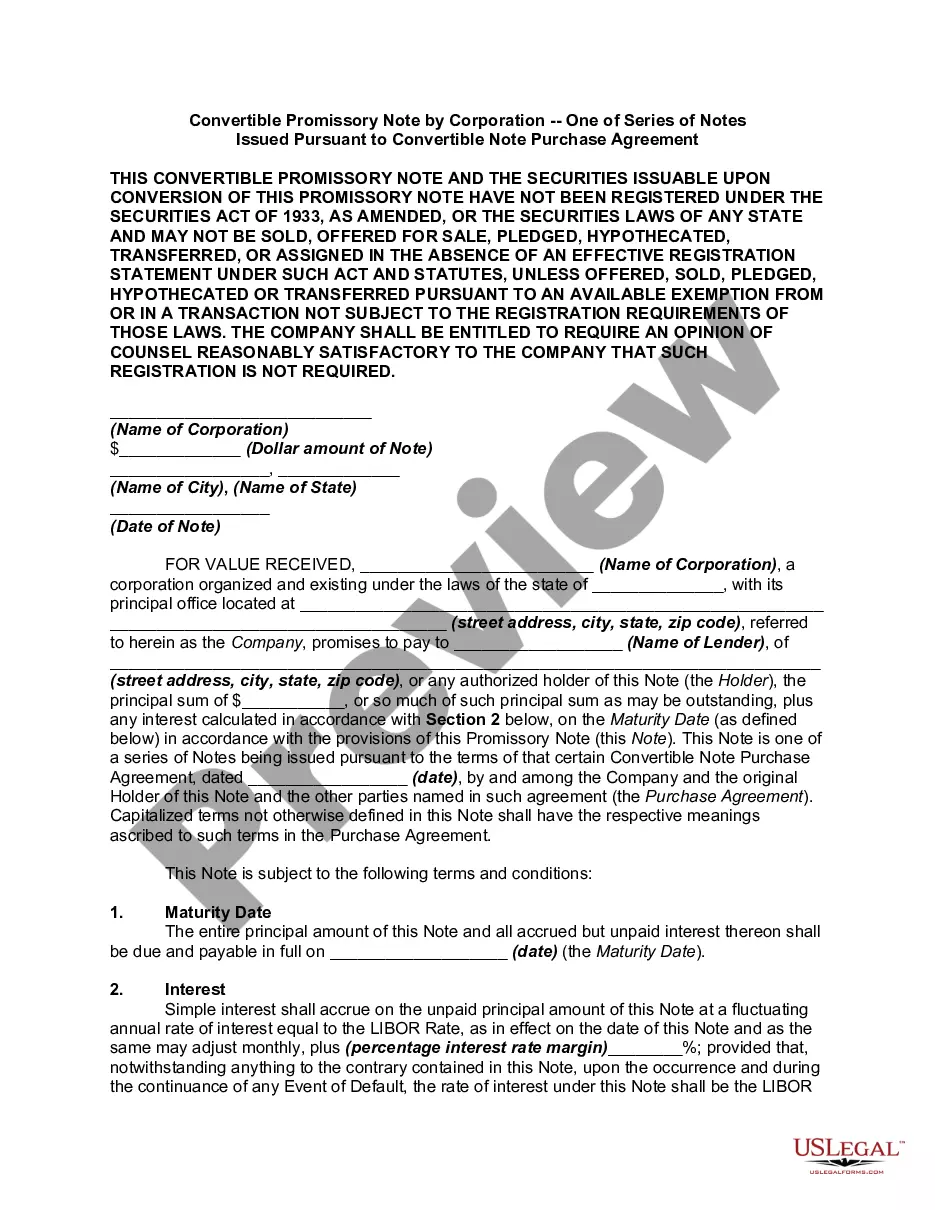
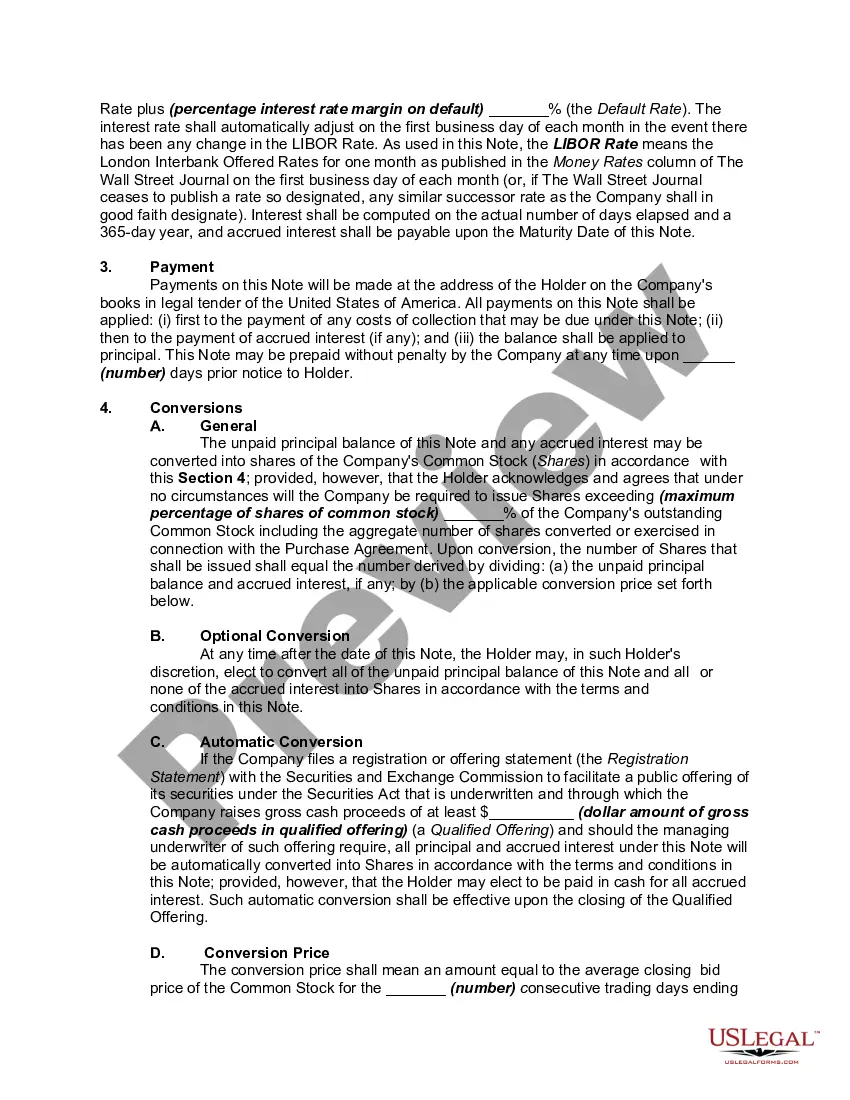
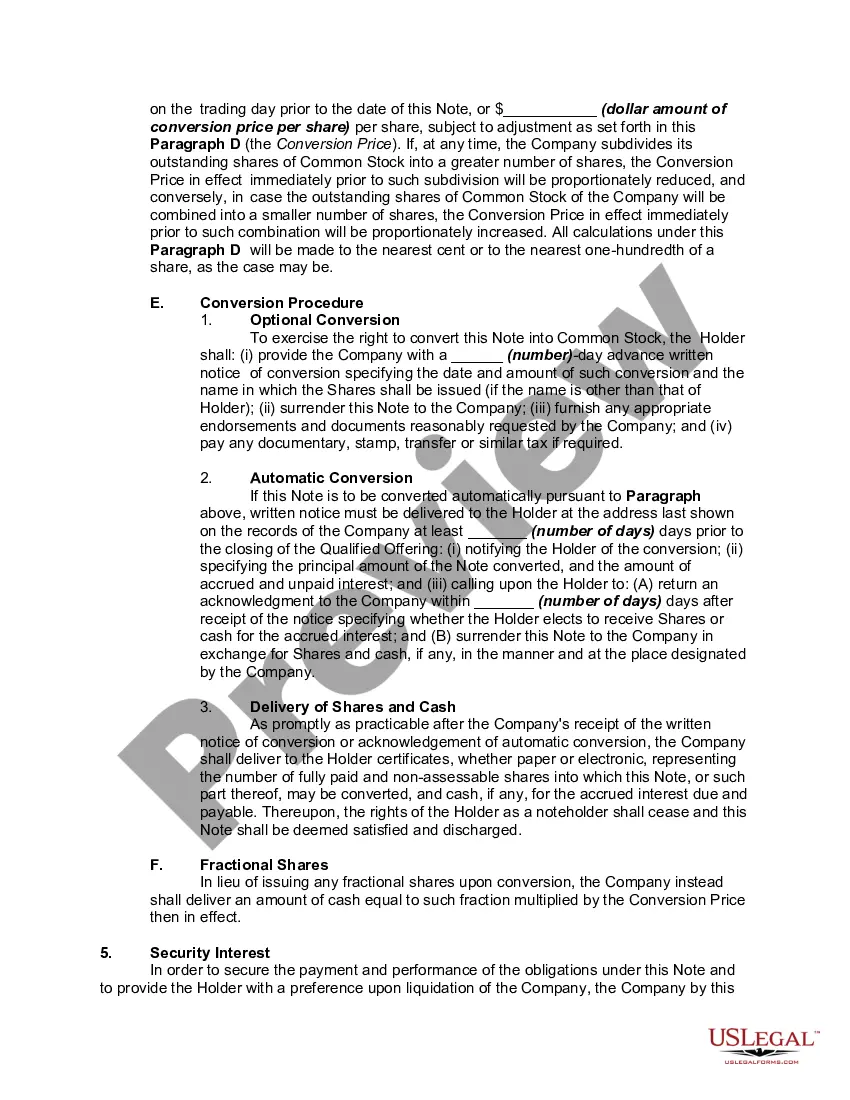
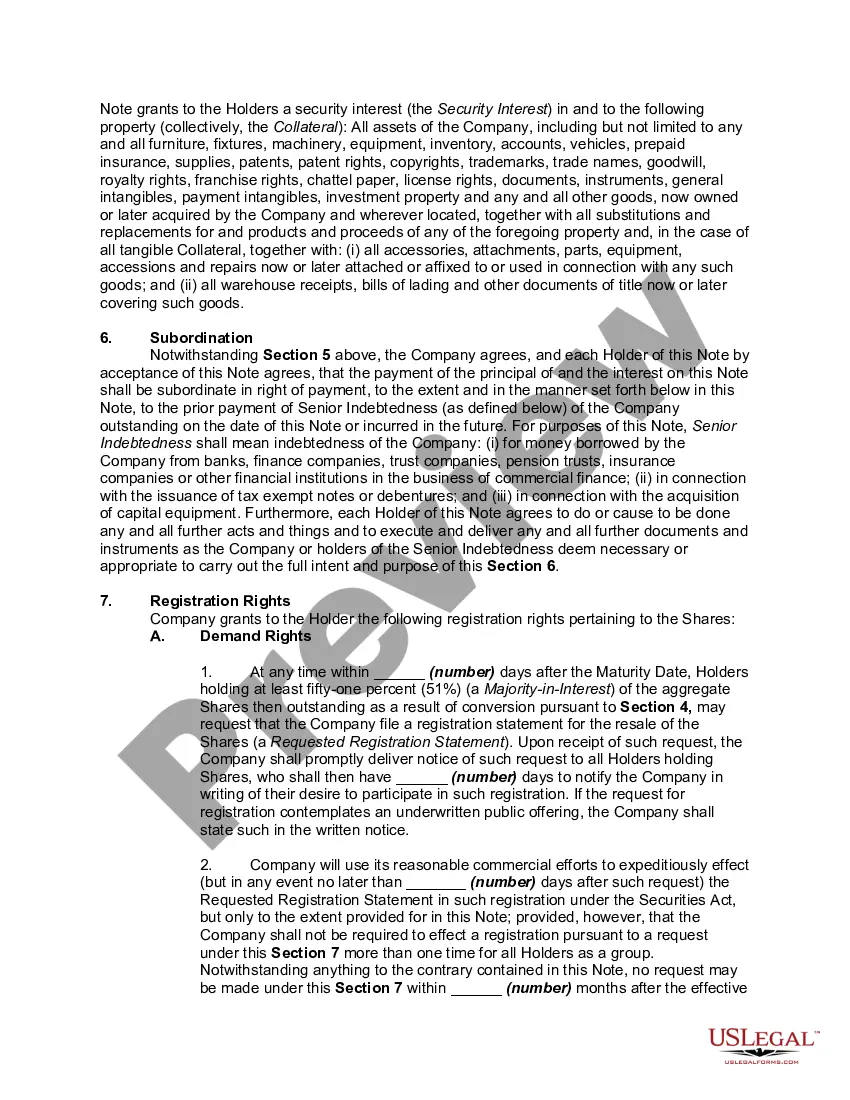
Get your form ready online
Our built-in tools help you complete, sign, share, and store your documents in one place.
Make edits, fill in missing information, and update formatting in US Legal Forms—just like you would in MS Word.
Download a copy, print it, send it by email, or mail it via USPS—whatever works best for your next step.
Sign and collect signatures with our SignNow integration. Send to multiple recipients, set reminders, and more. Go Premium to unlock E-Sign.
If this form requires notarization, complete it online through a secure video call—no need to meet a notary in person or wait for an appointment.
We protect your documents and personal data by following strict security and privacy standards.

Make edits, fill in missing information, and update formatting in US Legal Forms—just like you would in MS Word.

Download a copy, print it, send it by email, or mail it via USPS—whatever works best for your next step.

Sign and collect signatures with our SignNow integration. Send to multiple recipients, set reminders, and more. Go Premium to unlock E-Sign.

If this form requires notarization, complete it online through a secure video call—no need to meet a notary in person or wait for an appointment.

We protect your documents and personal data by following strict security and privacy standards.
Looking for another form?

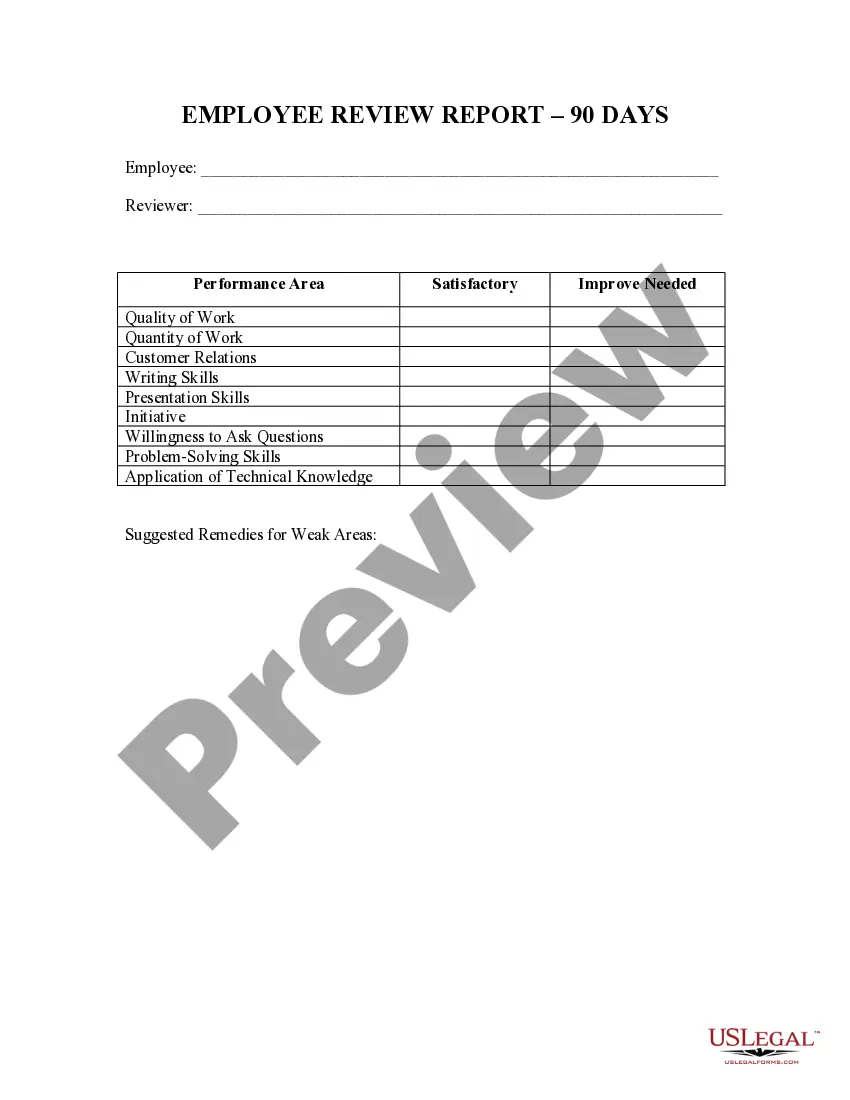





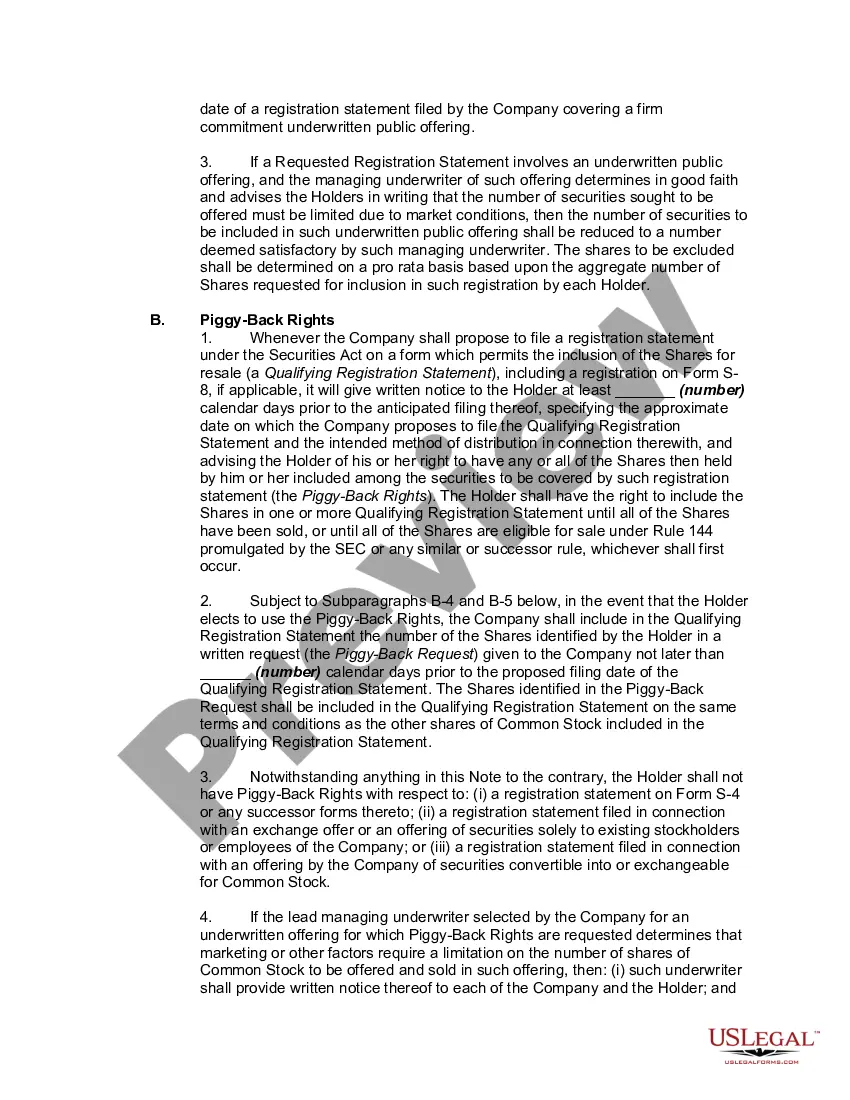
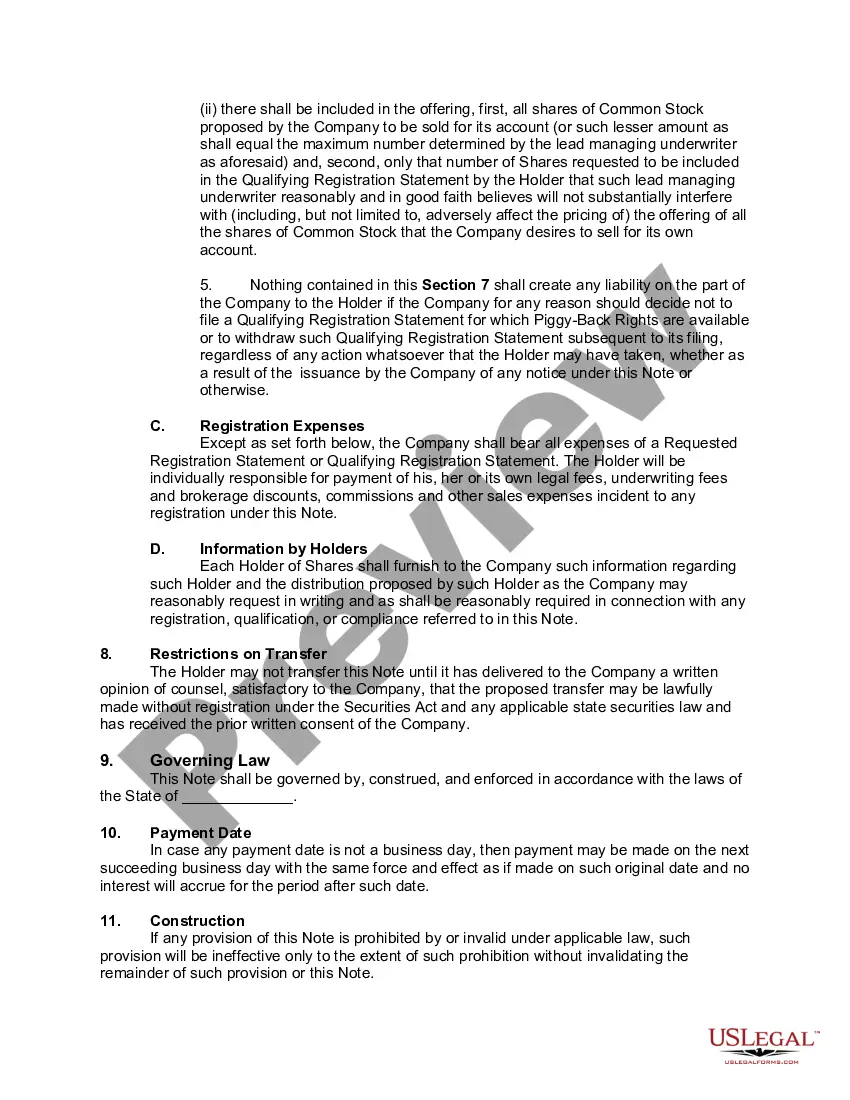
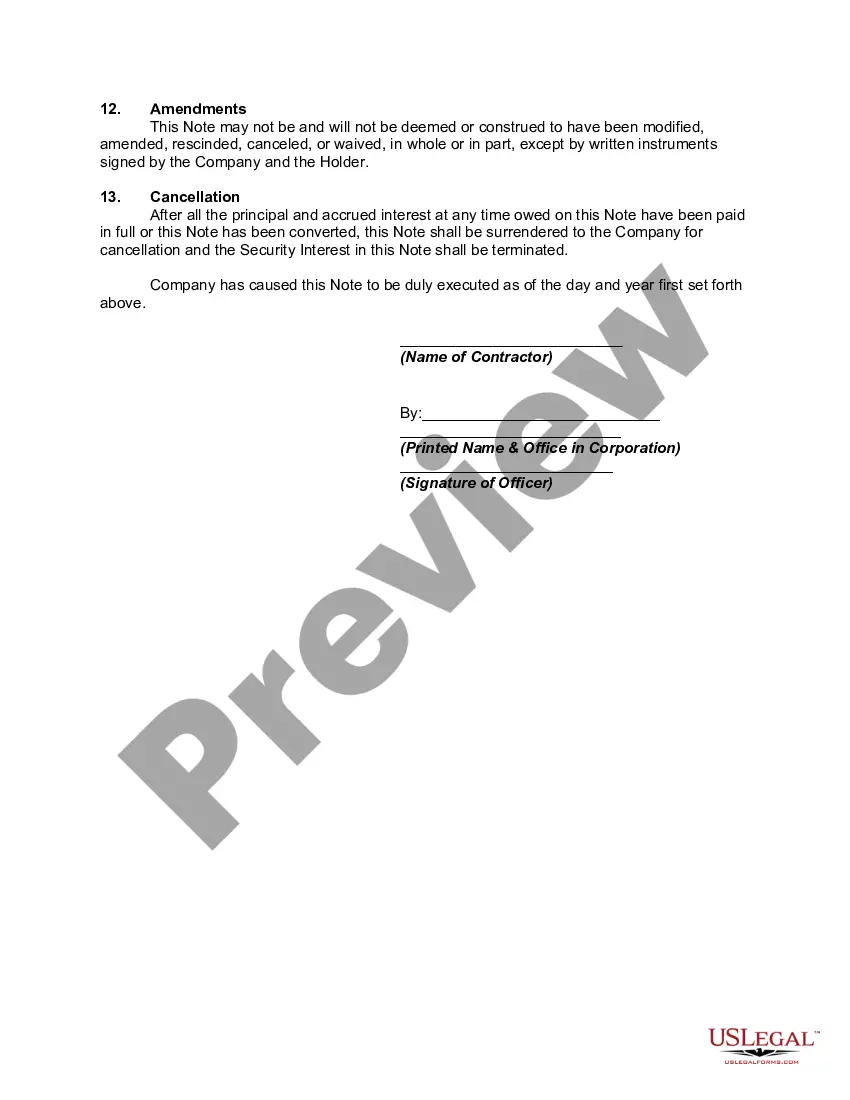
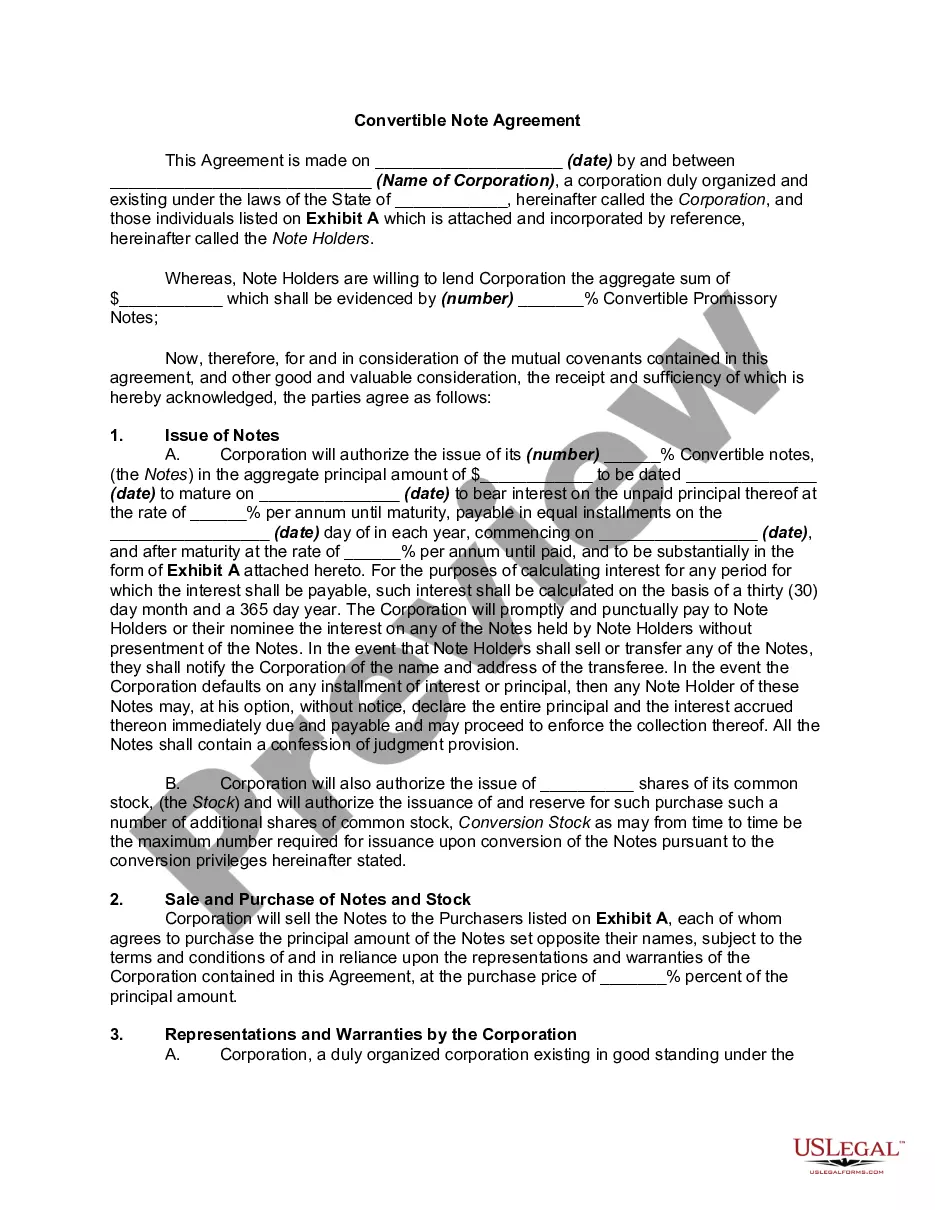
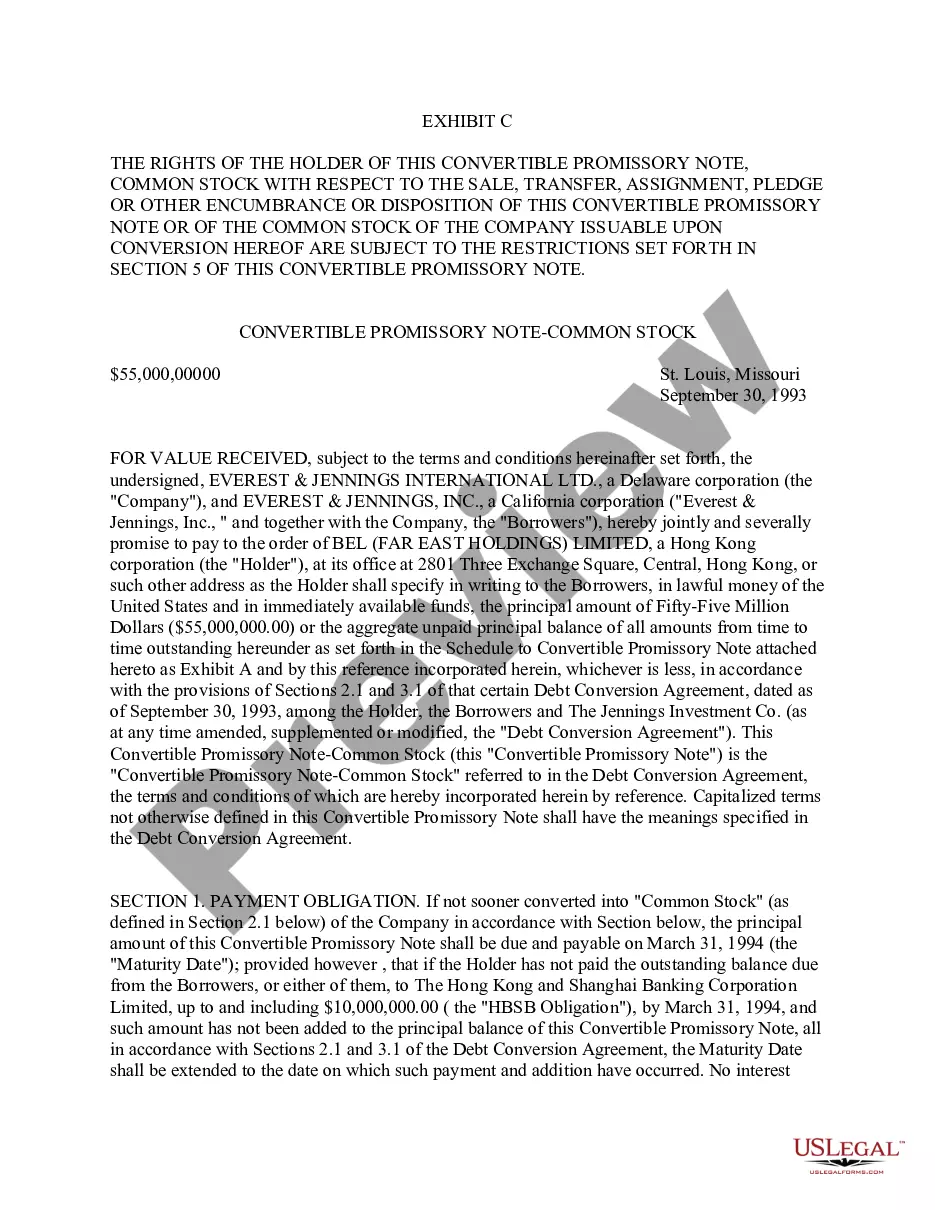
How to fill out Convertible Promissory Note By Corporation - One Of Series Of Notes Issued Pursuant To Convertible Note Purchase Agreement?
It’s clear that you cannot instantly become a legal authority, nor can you swiftly understand how to prepare Convertible Promissory Note Accounting Treatment without possessing a specialized skill set.
Compiling legal documents is a labor-intensive task that necessitates particular training and expertise. So, why not entrust the development of the Convertible Promissory Note Accounting Treatment to the experts.
With US Legal Forms, one of the largest repositories of legal templates, you can access a wide array of documents ranging from court filings to templates for internal corporate communication.
If you require another form, just restart your search.
Register for a complimentary account and select a subscription plan to purchase the template.
- We understand how vital compliance and adherence to federal and state regulations are.
- That’s why, on our platform, all templates are tailored to specific locations and current.
- Here’s how to get started with our platform and obtain the document you need in just minutes.
- Locate the form you require using the search bar at the top of the page.
- Preview it (if this option is available) and review the accompanying description to determine if the Convertible Promissory Note Accounting Treatment meets your needs.
Form popularity
FAQ
The treatment of promissory notes in accounting involves categorizing them as assets and detailing their recognition based on expected collection. Key considerations include their classification as either current or long-term assets, depending on their due dates. Understanding convertible promissory note accounting treatment is crucial for businesses with conversion features, as it may affect reporting and financial ratios. Therefore, consulting with platforms like USLegalForms can provide clarity on proper accounting practices.
Hear this out loud PauseConvertible bonds are treated entirely as debt under GAAP whereas IFRS reports this financial instrument as part debt and part equity.
Hear this out loud PauseWhat is a convertible note? In short, a convertible note is originally structured as a debt investment but has a provision that allows the principal plus accrued interest to convert into an equity investment at a later date.
For convertible debt instruments (with conversion features that do not require bifurcation as a derivative) that can be settled in cash or shares at the issuer's option (frequently issued by public companies), current accounting typically separates the instrument into two units of account: a liability component and an ...
Hear this out loud PauseA convertible note should be classified as a Long Term Liability that then converts to Equity as stipulated from the contract (usually a new fundraising round).
Hear this out loud PauseConvertible Notes are loans ? so they are recorded on the Balance Sheet of a company as a liability when they are made. Depending on the debt's maturity date, they can either be shown as a current liability (loans maturing within 12 months) or as a Long-term liability (loans maturing over 12 months).