Assignment Sublease For The Future
Description
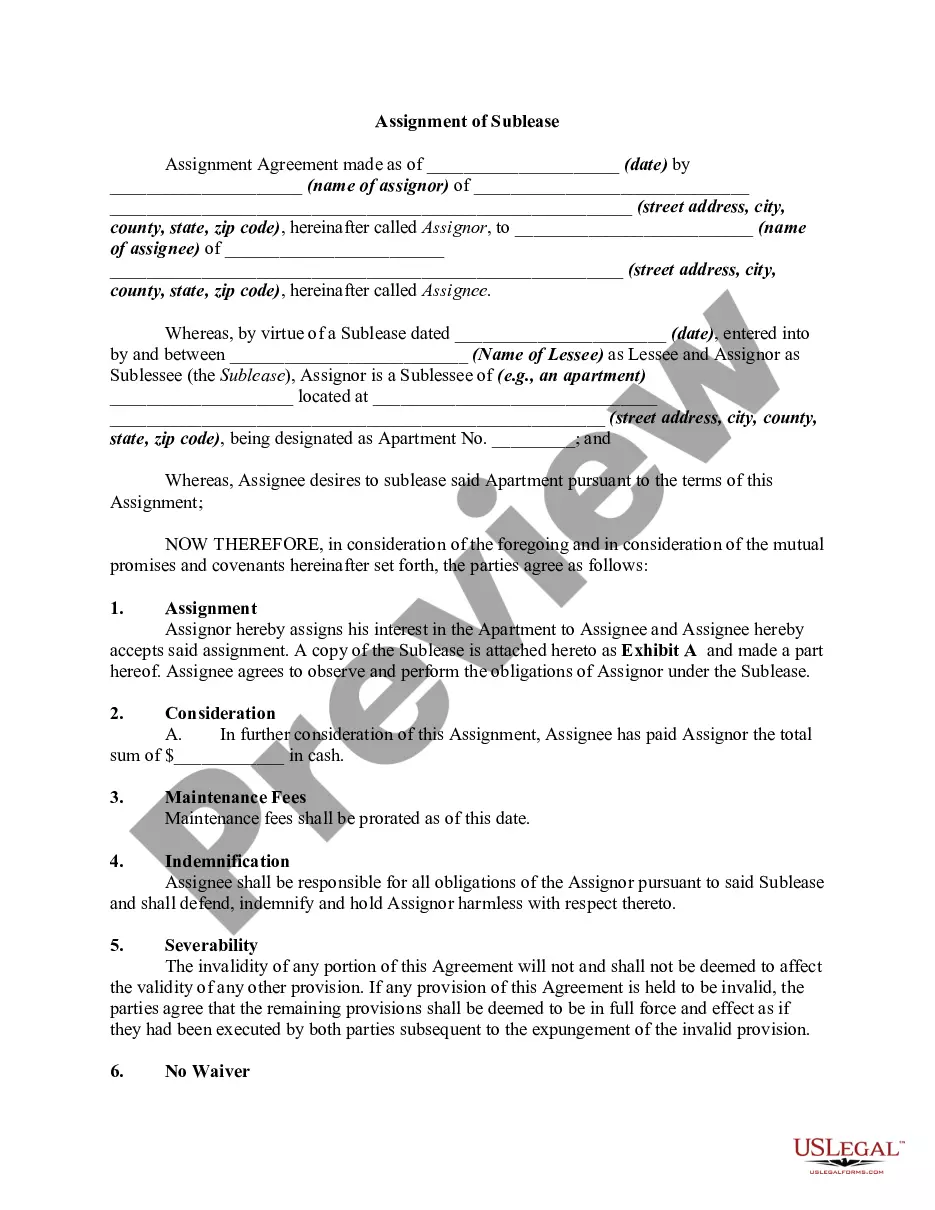
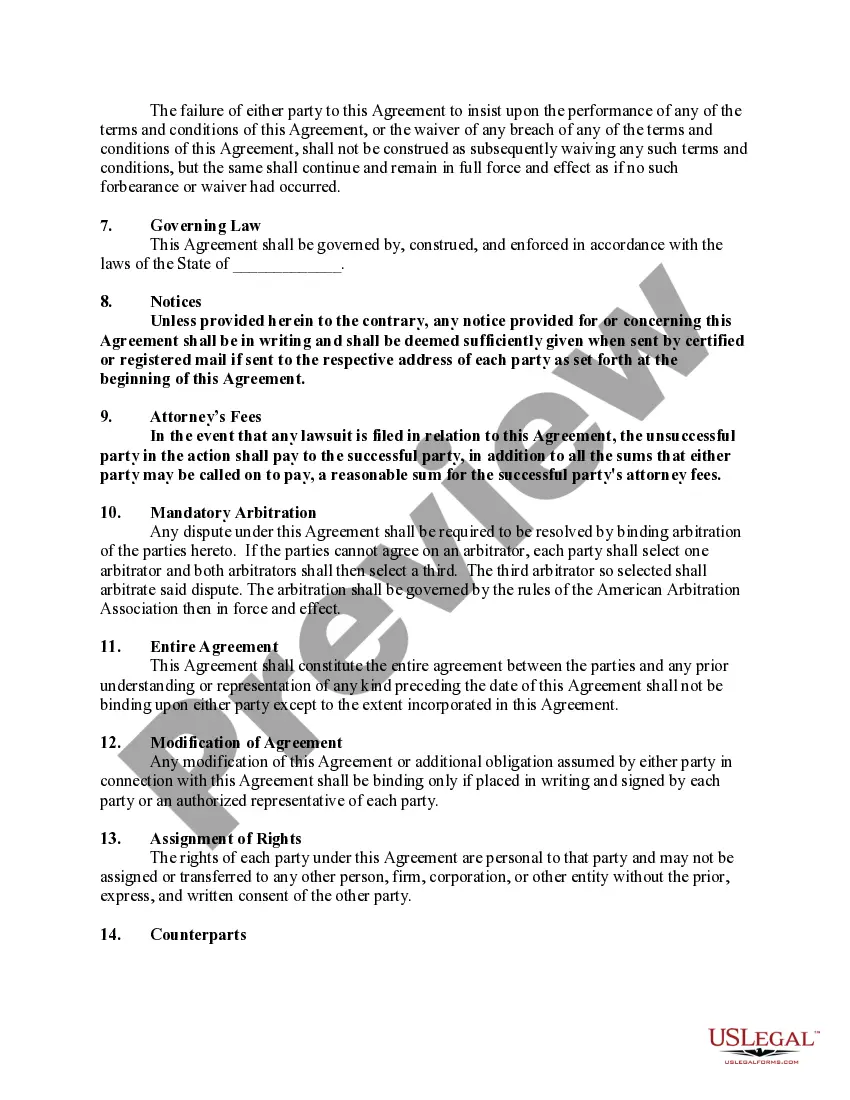
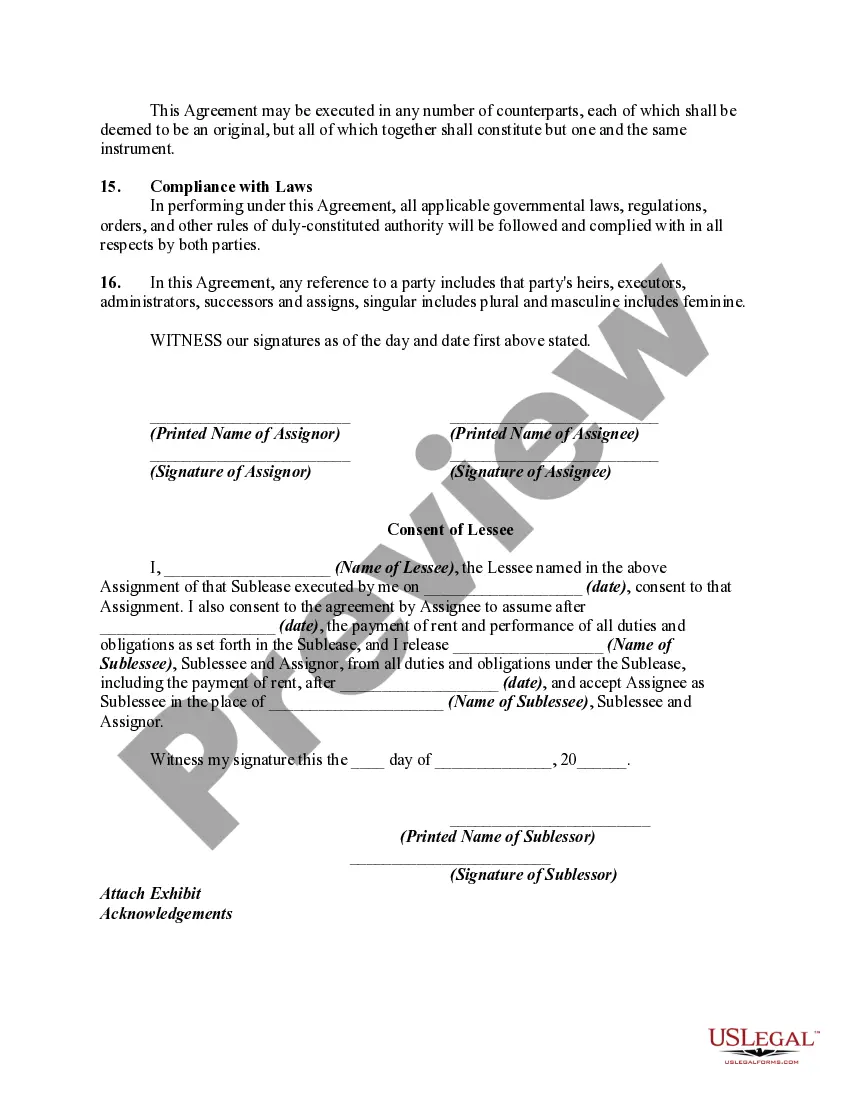
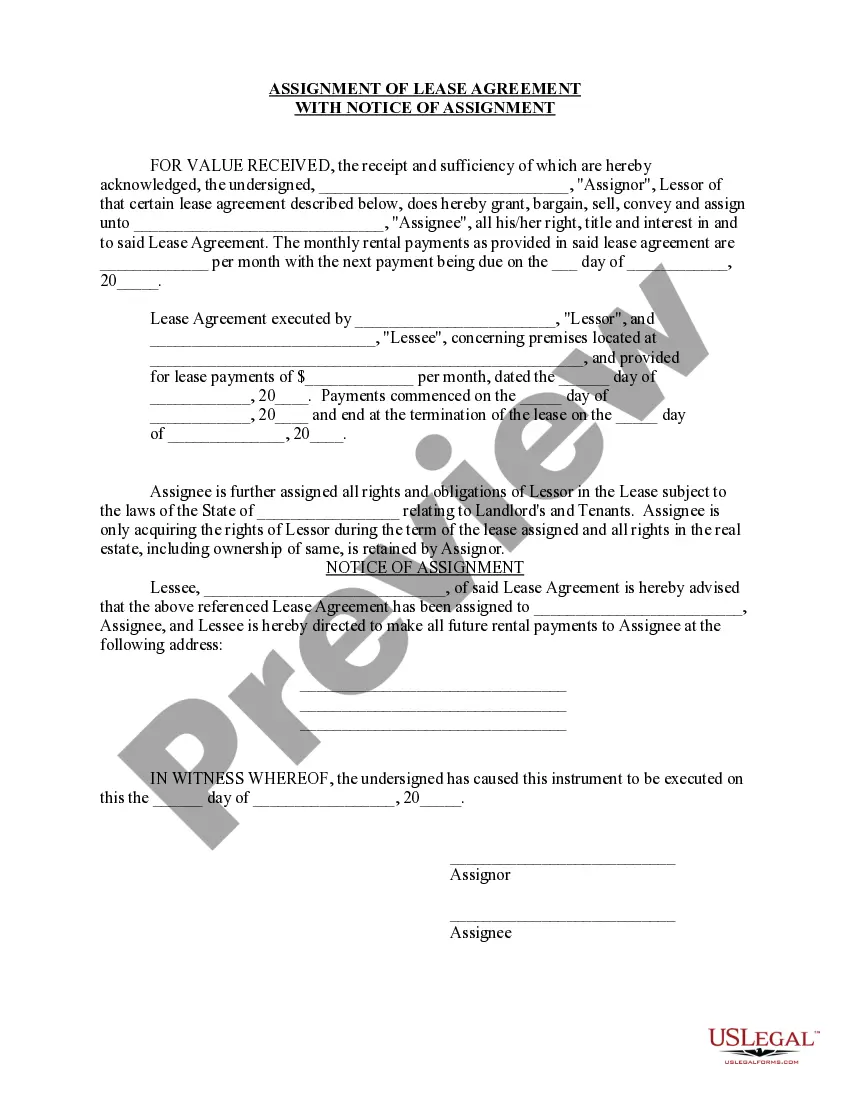



How to fill out Assignment Of Sublease?
- Start by logging into your US Legal Forms account. If you haven't created an account yet, simply sign up to access their resources.
- In the search bar, type 'Assignment sublease' and review the options available. Make sure to check the preview and form descriptions, ensuring alignment with your needs.
- If the first selection doesn’t meet your requirements, utilize the search feature to find other templates matching your situation.
- Once you identify the right form, click the 'Buy Now' button. Choose a subscription plan that suits you, and create an account if necessary.
- Complete the payment process by entering your credit card details or using your PayPal account for a seamless transaction.
- After purchase, download the form directly to your device for easy access, and find it later in the 'My Forms' section of your profile.
By following these steps, you'll expedite the process of acquiring your assignment sublease for the future. US Legal Forms not only offers a robust collection of over 85,000 legal forms but also provides access to premium experts for any assistance needed.
Start your journey today with US Legal Forms and ensure your legal documents are executed precisely and affordably!
Form popularity
FAQ
The purpose of an assignment of lease is to allow a tenant to transfer their lease obligations and rights to another party, often due to relocation or changes in circumstances. This helps tenants manage their leasing situation effectively without incurring penalties. Utilizing resources like US Legal Forms can simplify this process, ensuring a smooth assignment sublease for the future.
Assignment in a lease refers to the process where the original tenant transfers their lease responsibilities and rights to another individual. This means the new tenant gains the right to occupy the property, while the original tenant may still hold some duties unless explicitly released. Clarifying this aspect is essential when considering an assignment sublease for the future, as terms vary across leases.
No, assignment is not the same as subletting. An assignment transfers the entire rental rights to someone else, while subletting keeps the original tenant involved in the lease agreement. This means the responsibility for the lease continues with the original tenant in a subletting scenario. Thus, understanding this distinction is vital for your assignment sublease for the future.
An assignment completely relinquishes your lease rights to another party, making them the new tenant, whereas a sublease allows you to maintain some control over the property while renting out part of it. Both options can be beneficial depending on your needs. Knowing the differences ensures that you choose the right path for your assignment sublease for the future.
The main difference between assignment and subletting lies in the relationship with the landlord. In an assignment, the original tenant transfers their entire interest in the lease to another person, while in subletting, the original tenant retains some interest and rents a portion of the property. This distinction can heavily influence your rights and responsibilities. Understanding these concepts is key for navigating your assignment sublease for the future.
A sublease clause should outline the specific terms related to subleasing within the original lease. For instance, it might state that ‘the tenant may not assign or sublease this agreement without the prior written consent of the landlord.’ Clear clauses like this set expectations and allow for a smooth assignment sublease for the future, facilitating better communication between all parties.
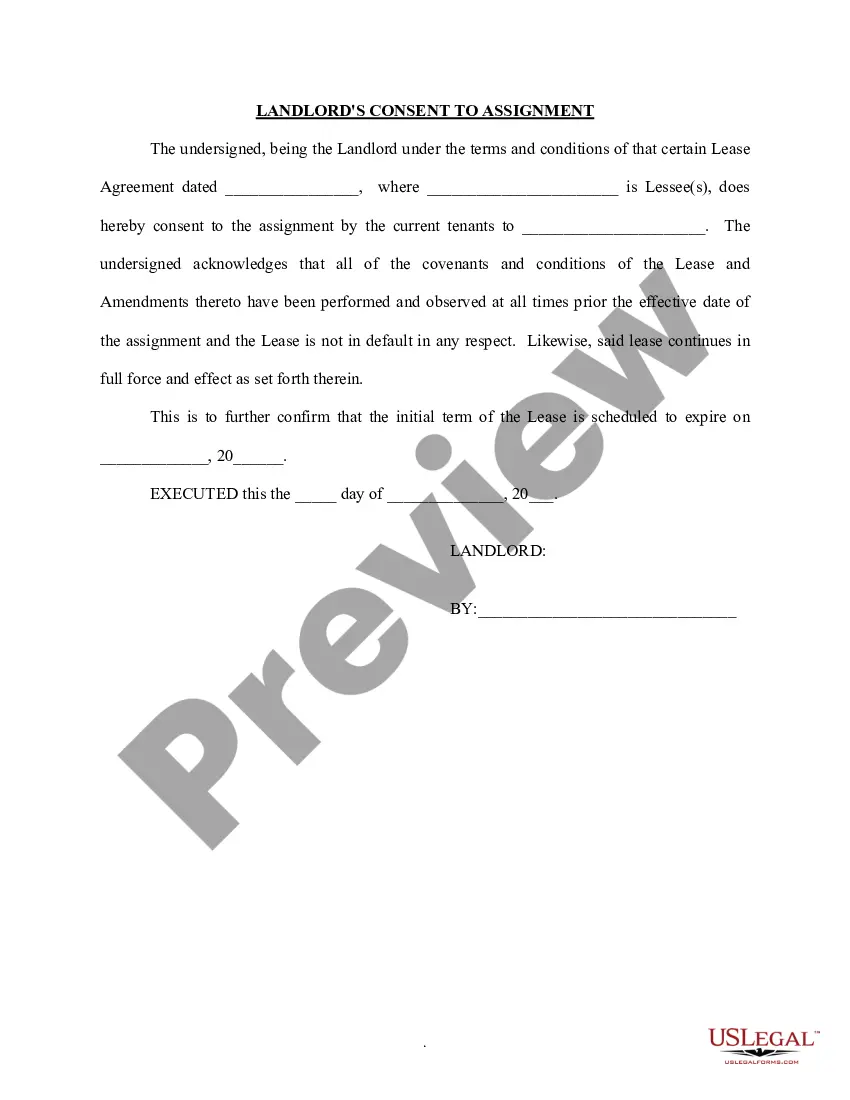
An example of consent to a sublease occurs when a landlord agrees in writing to allow the original tenant to sublease the property. The consent should specify the terms of the sublease and any conditions that the subtenant must meet. This formal approval protects everyone's interests and ensures a positive experience during the assignment sublease for the future.
Writing a subleasing agreement involves outlining the terms under which you will allow someone else to lease your rental property. Start by including the names of the original tenant and the subtenant, along with the property address and rental terms. It is crucial to clearly state the duration of the sublease and the obligations of both parties to ensure a smooth assignment sublease for the future.
The difference between a sublease and an assignment lies in the control of the agreement. In a sublease, the original tenant rents out the property to another tenant while maintaining some responsibilities to the landlord. Conversely, an assignment transfers all rights and responsibilities to a new tenant, who directly deals with the landlord. Understanding this distinction is essential when planning an effective assignment sublease for the future.
Yes, it is typically required to notify your landlord before subletting your apartment. Most leases include a clause that mandates obtaining permission from the landlord. Failing to do so can result in lease violations and possible eviction. Using USLegalForms can help you draft acceptable notifications and documents to streamline your assignment sublease for the future.