Sample Reference Paper With Axis
Description
Get your form ready online
Our built-in tools help you complete, sign, share, and store your documents in one place.
Make edits, fill in missing information, and update formatting in US Legal Forms—just like you would in MS Word.
Download a copy, print it, send it by email, or mail it via USPS—whatever works best for your next step.
Sign and collect signatures with our SignNow integration. Send to multiple recipients, set reminders, and more. Go Premium to unlock E-Sign.
If this form requires notarization, complete it online through a secure video call—no need to meet a notary in person or wait for an appointment.
We protect your documents and personal data by following strict security and privacy standards.

Make edits, fill in missing information, and update formatting in US Legal Forms—just like you would in MS Word.

Download a copy, print it, send it by email, or mail it via USPS—whatever works best for your next step.

Sign and collect signatures with our SignNow integration. Send to multiple recipients, set reminders, and more. Go Premium to unlock E-Sign.

If this form requires notarization, complete it online through a secure video call—no need to meet a notary in person or wait for an appointment.

We protect your documents and personal data by following strict security and privacy standards.
Looking for another form?
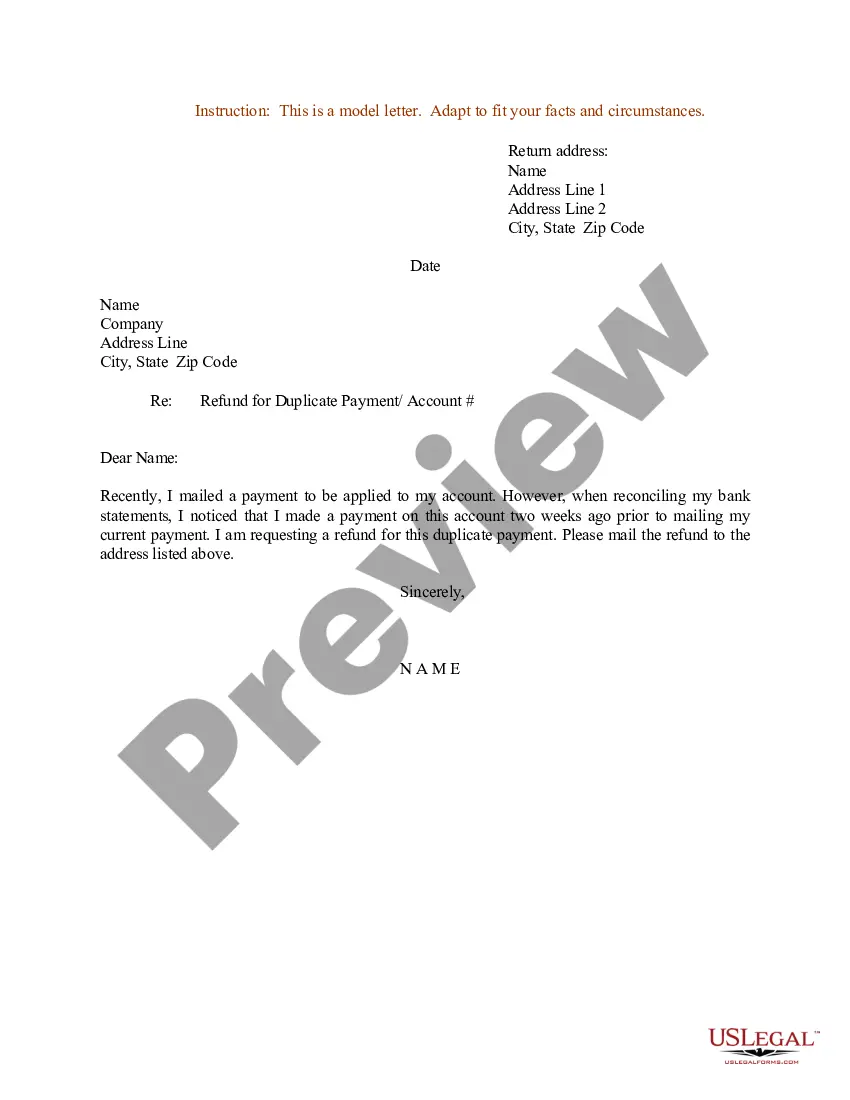
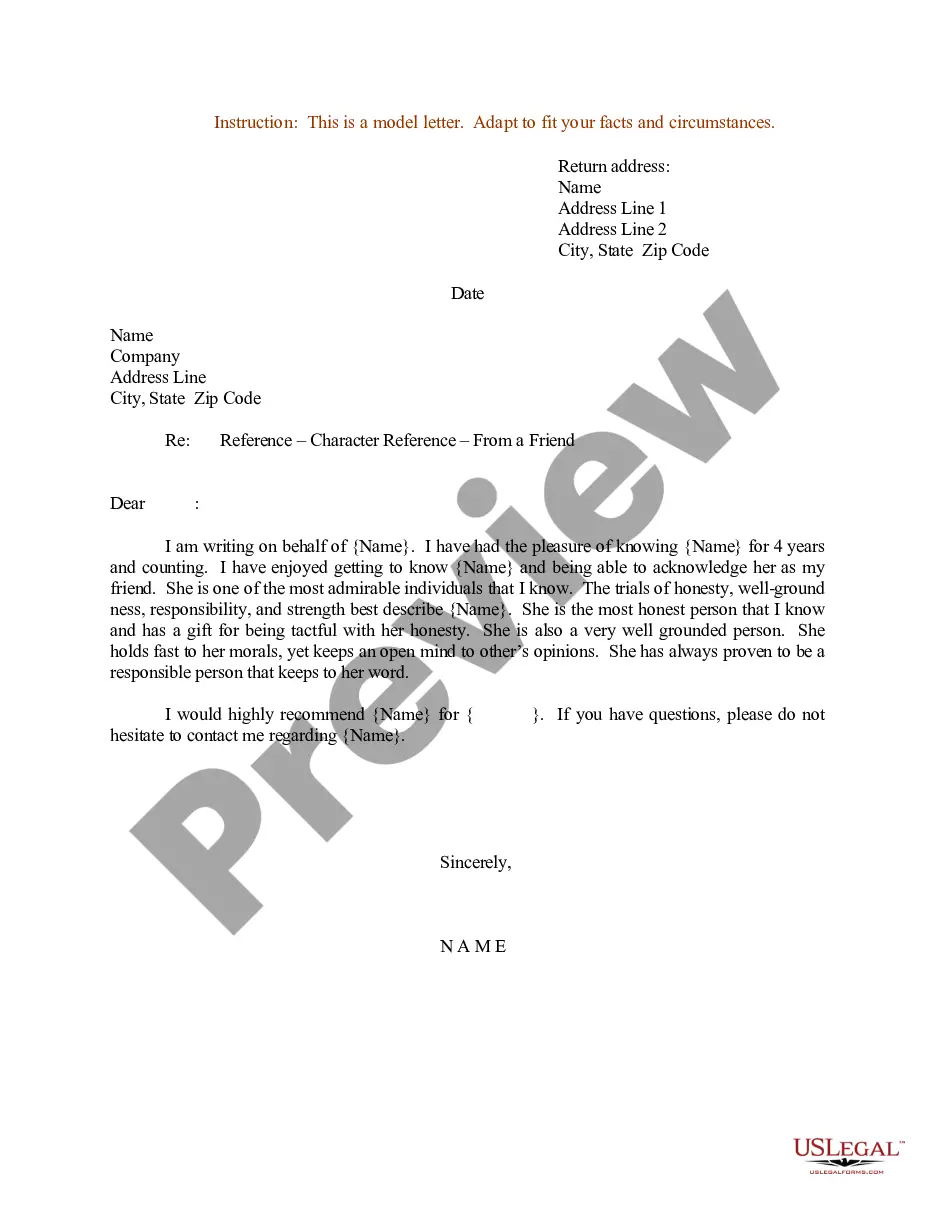

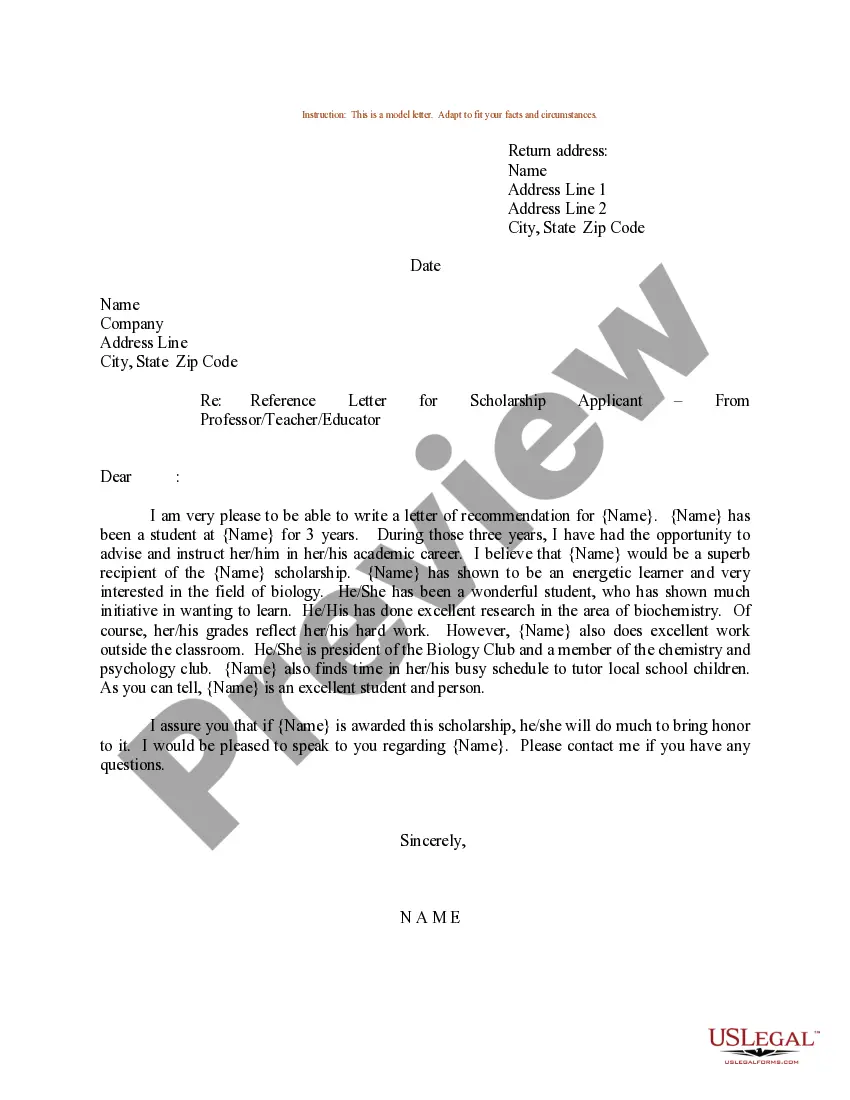
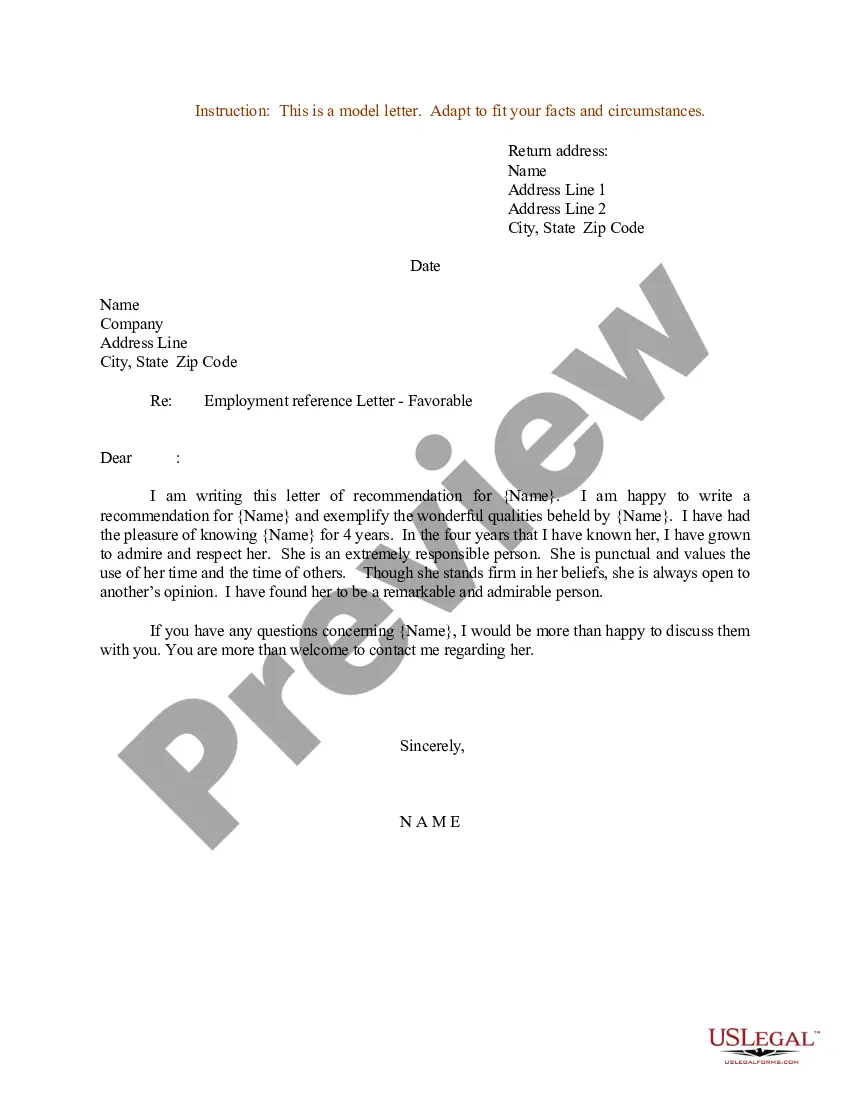
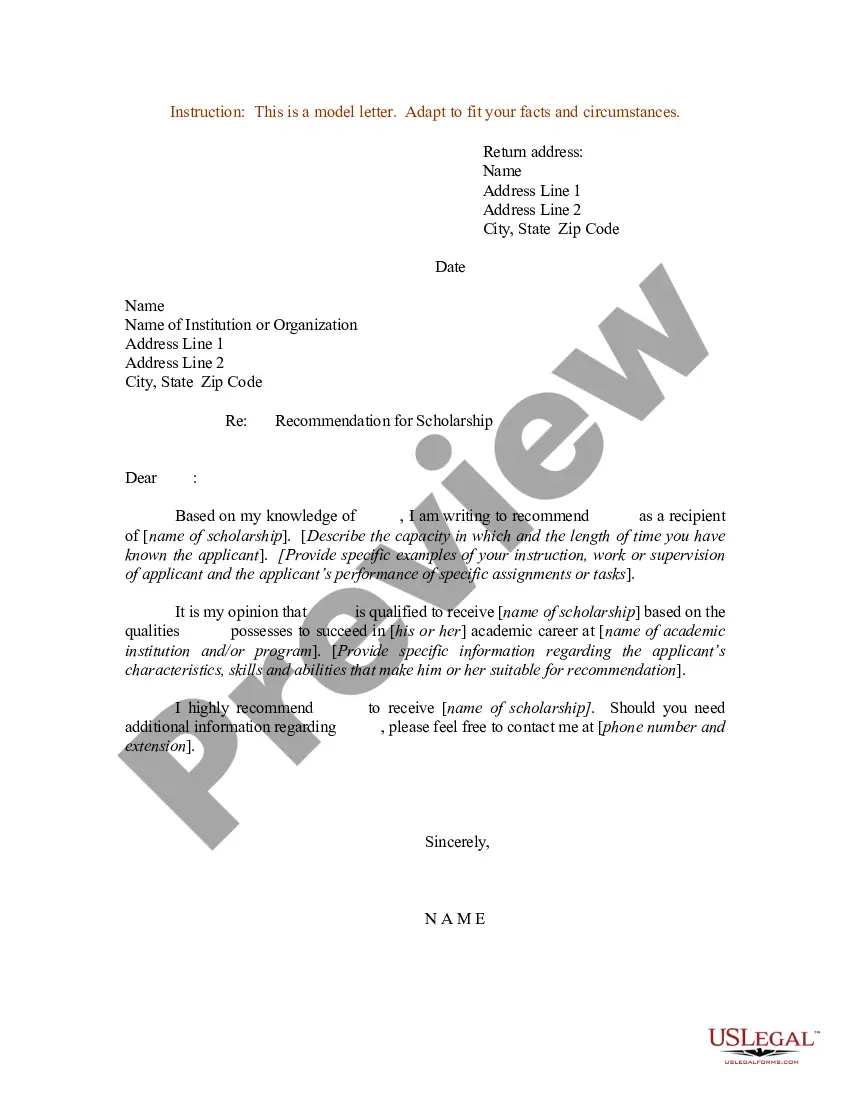
How to fill out Sample Letter For Reference Letter For A School Or College Scholarship Applicant - From Employer?
Utilizing legal documents that adhere to federal and state regulations is crucial, and the internet provides a multitude of choices to choose from.
However, what is the benefit of spending time searching for the appropriately drafted Sample Reference Paper With Axis example online when the US Legal Forms digital repository already consolidates such templates in one location.
US Legal Forms represents the largest online legal repository with in excess of 85,000 editable templates created by attorneys for any commercial and personal situation. They are straightforward to navigate with all files categorized by state and intended use.
All documents accessed through US Legal Forms are reusable. To re-download and complete previously obtained forms, navigate to the My documents section in your account. Take advantage of the most comprehensive and user-friendly legal documentation service!
- Our professionals remain current with legislative changes, ensuring your form is always accurate and compliant when obtaining a Sample Reference Paper With Axis from our platform.
- Acquiring a Sample Reference Paper With Axis is quick and easy for both existing and new users.
- If you possess an account with an active subscription, Log In and retrieve the document sample you require in your desired format.
- For new visitors to our site, follow these steps.
- Review the template with the Preview feature or through the text outline to ensure it meets your needs.
Form popularity
FAQ
To create a reference page, start by compiling all the resources you used in your research. Organize the sources in alphabetical order, ensuring you include full details like the author’s name, title, and publication date. This systematic approach will ensure your reference page is complete and accurate, saving you time and effort when drafting a sample reference paper with axis.
Axis labels should be clear, concise, and informative, and provide the necessary information about the data plotted on the X and Y axis. Properly labeled axes enable viewers to understand the chart better and make informed decisions based on the data presented.
Graphs are a common method to visually illustrate relationships in the data. The purpose of a graph is to present data that are too numerous or complicated to be described adequately in the text and in less space.
Step 1: Description. What kind of graph (line graph, bar chart, pie chart) is it? What do the title, key, axes, labels, sectors tell you? ... Step 2: Interpretation. What are the reasons for changes/ differences you described? ... Step 3: Conclusion. What do the results tell you about the topic?
In math, a graph can be defined as a pictorial representation or a diagram that represents data or values in an organized manner. The points on the graph often represent the relationship between two or more things.
Here are steps you can use to explain a graph effectively: Introduce the graph. Introduce the graph to your audience by presenting the title and explaining the topic of the graph. ... Identify variables. Graphs such as bar and line graphs have a y- and x-axis. ... Highlight key information. ... Share conclusions.