Federal Copurt
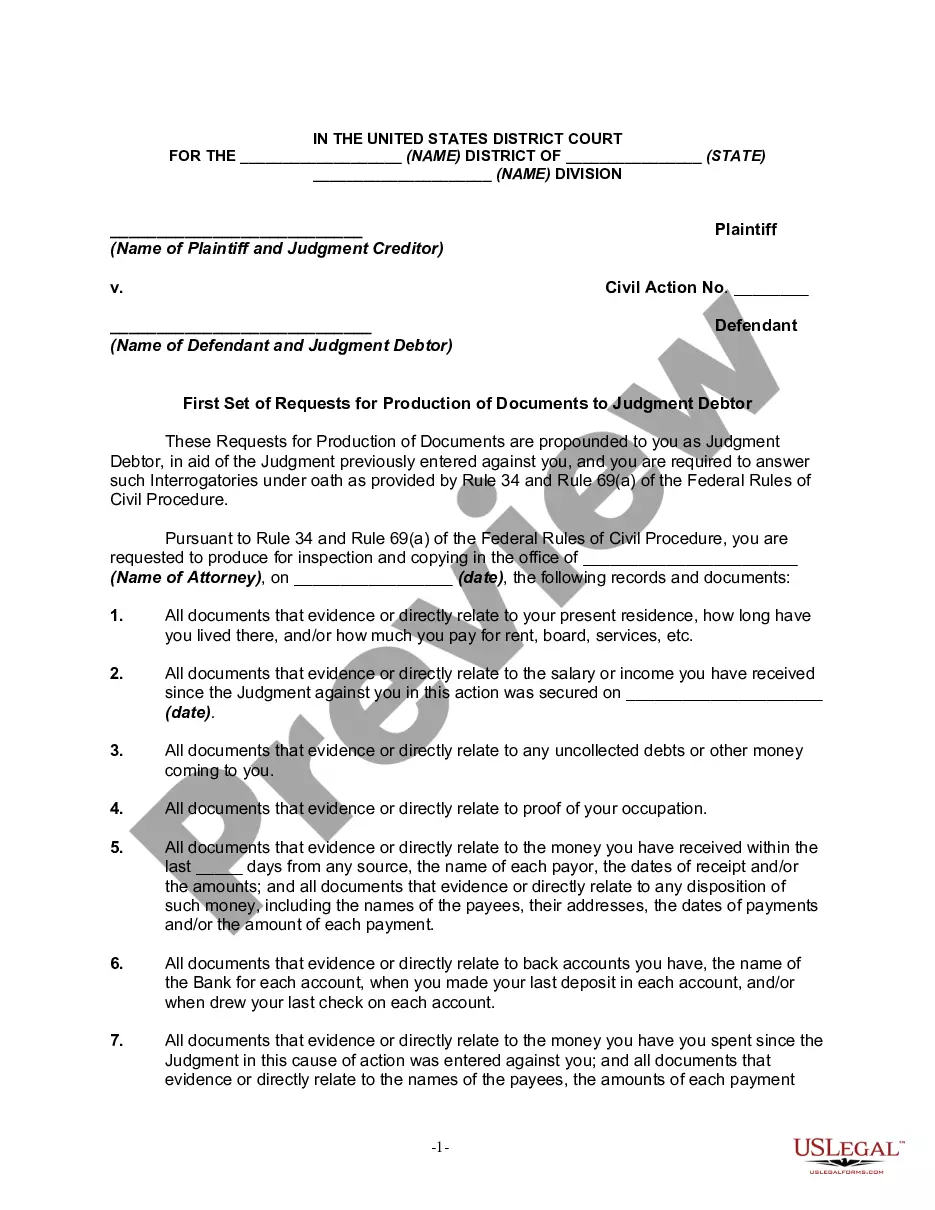
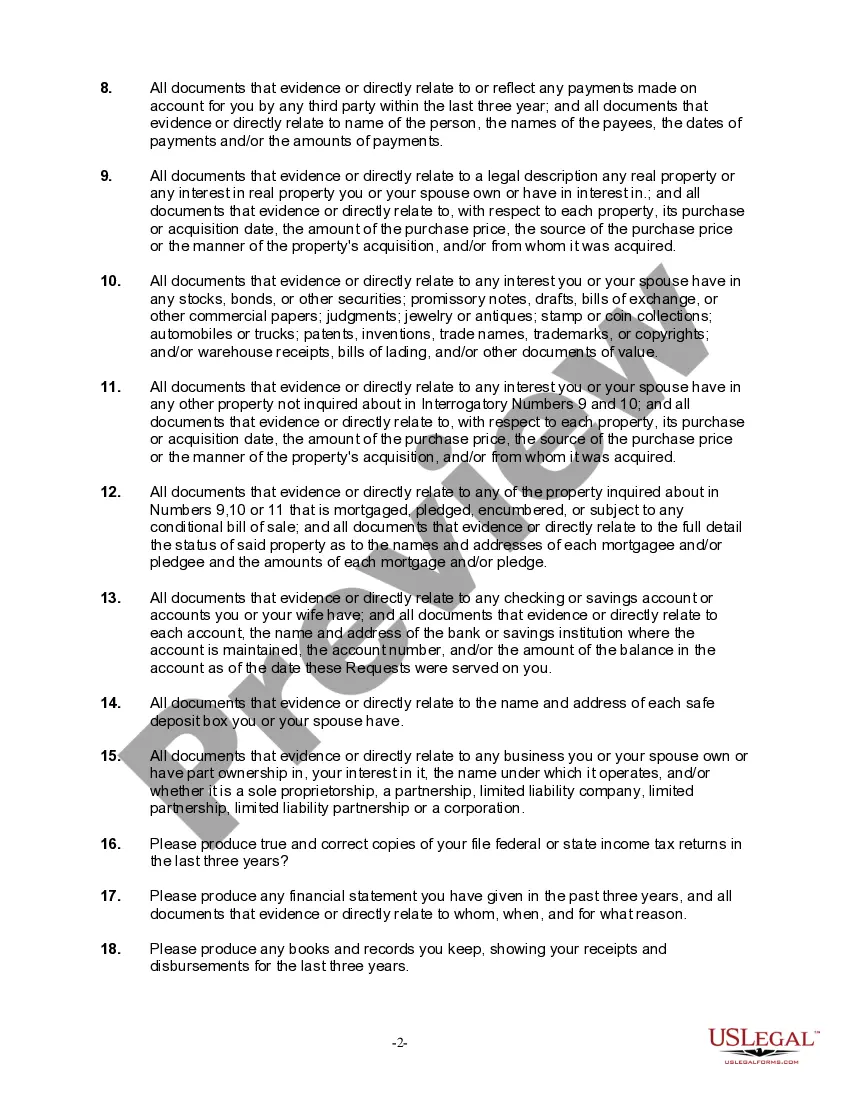
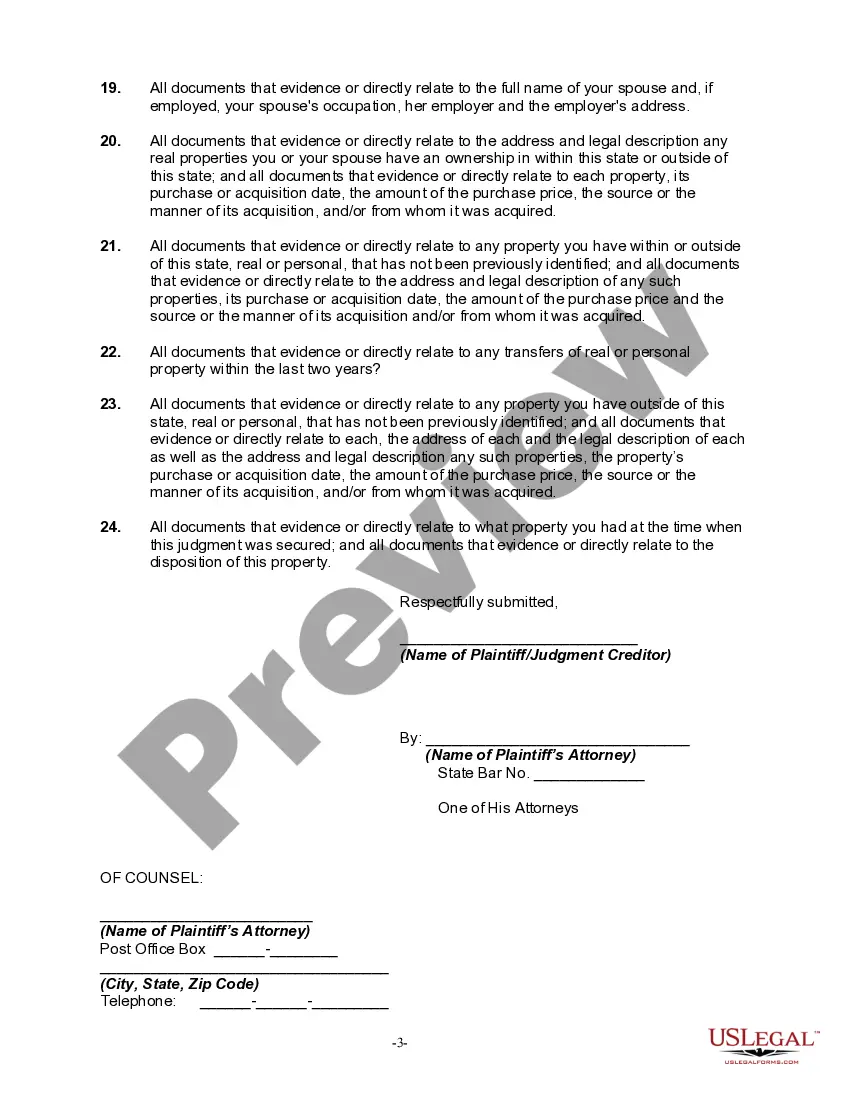
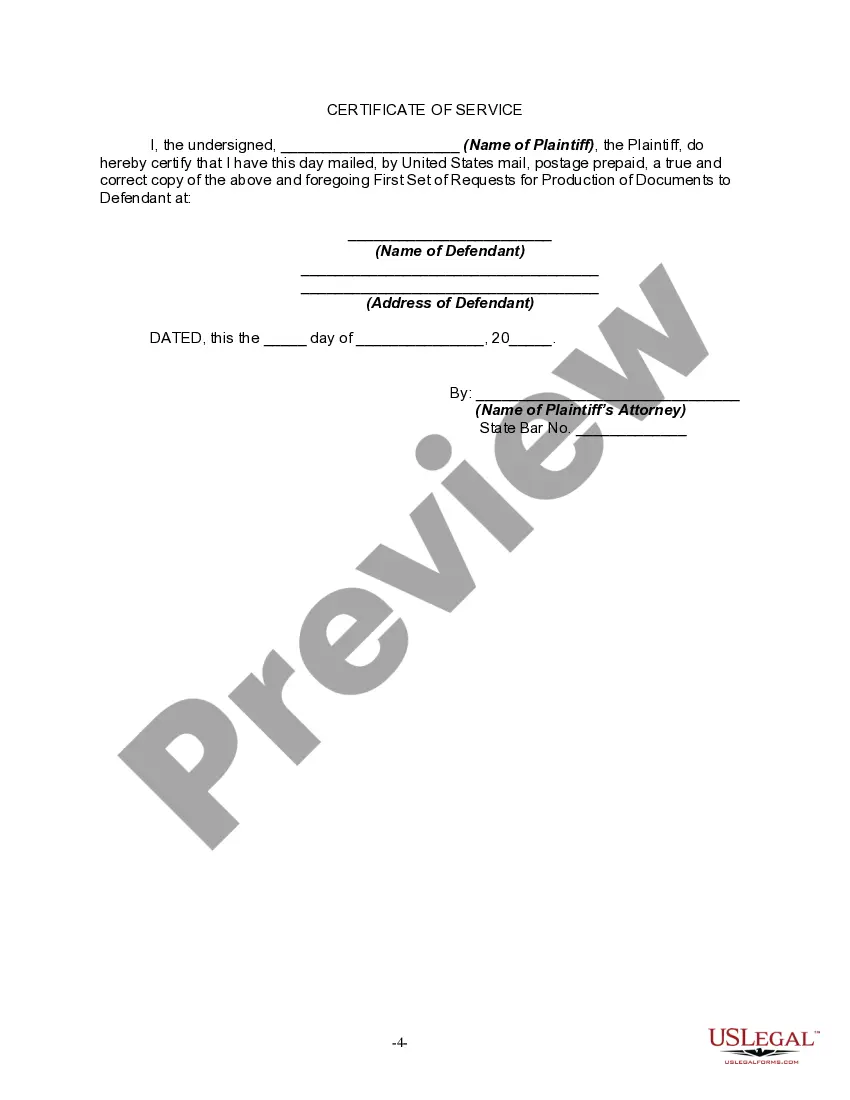
Description
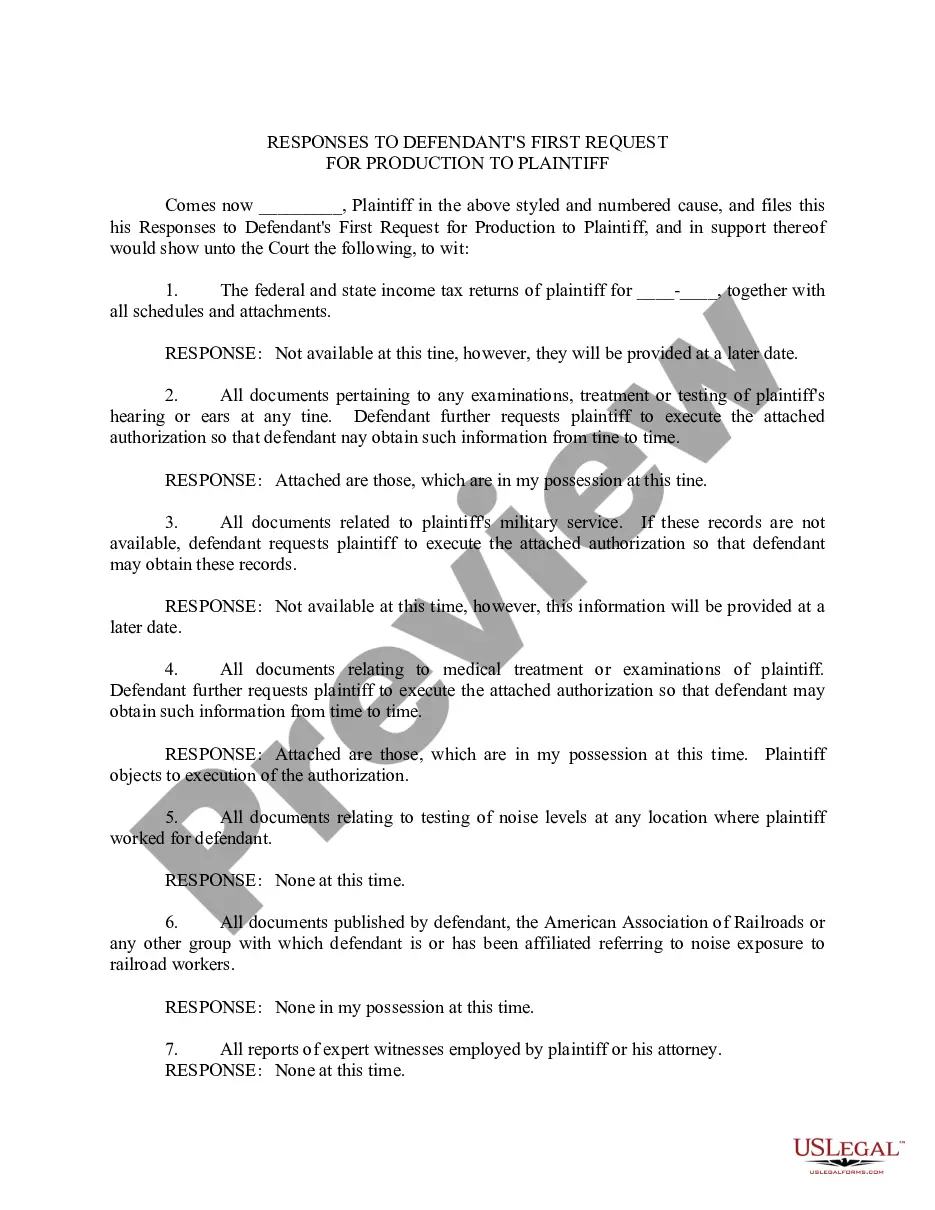
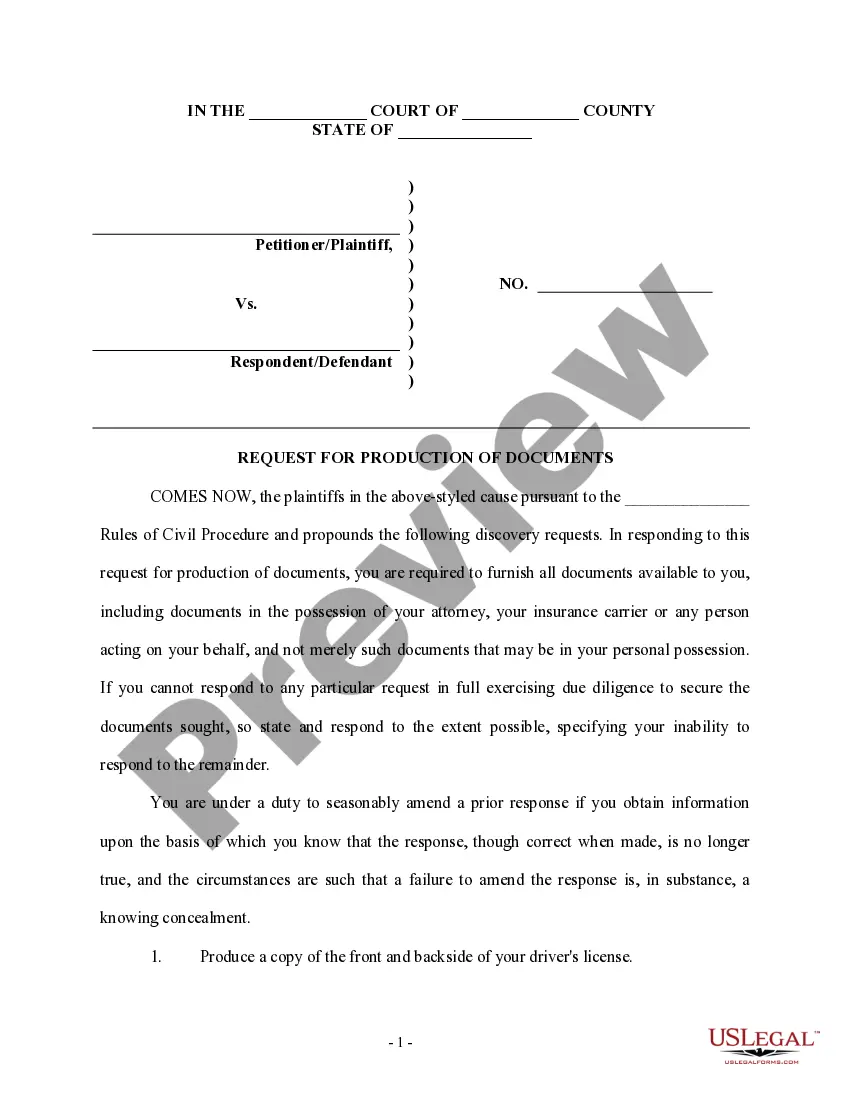
Get your form ready online
Our built-in tools help you complete, sign, share, and store your documents in one place.
Make edits, fill in missing information, and update formatting in US Legal Forms—just like you would in MS Word.
Download a copy, print it, send it by email, or mail it via USPS—whatever works best for your next step.
Sign and collect signatures with our SignNow integration. Send to multiple recipients, set reminders, and more. Go Premium to unlock E-Sign.
If this form requires notarization, complete it online through a secure video call—no need to meet a notary in person or wait for an appointment.
We protect your documents and personal data by following strict security and privacy standards.

Make edits, fill in missing information, and update formatting in US Legal Forms—just like you would in MS Word.

Download a copy, print it, send it by email, or mail it via USPS—whatever works best for your next step.

Sign and collect signatures with our SignNow integration. Send to multiple recipients, set reminders, and more. Go Premium to unlock E-Sign.

If this form requires notarization, complete it online through a secure video call—no need to meet a notary in person or wait for an appointment.

We protect your documents and personal data by following strict security and privacy standards.
Looking for another form?
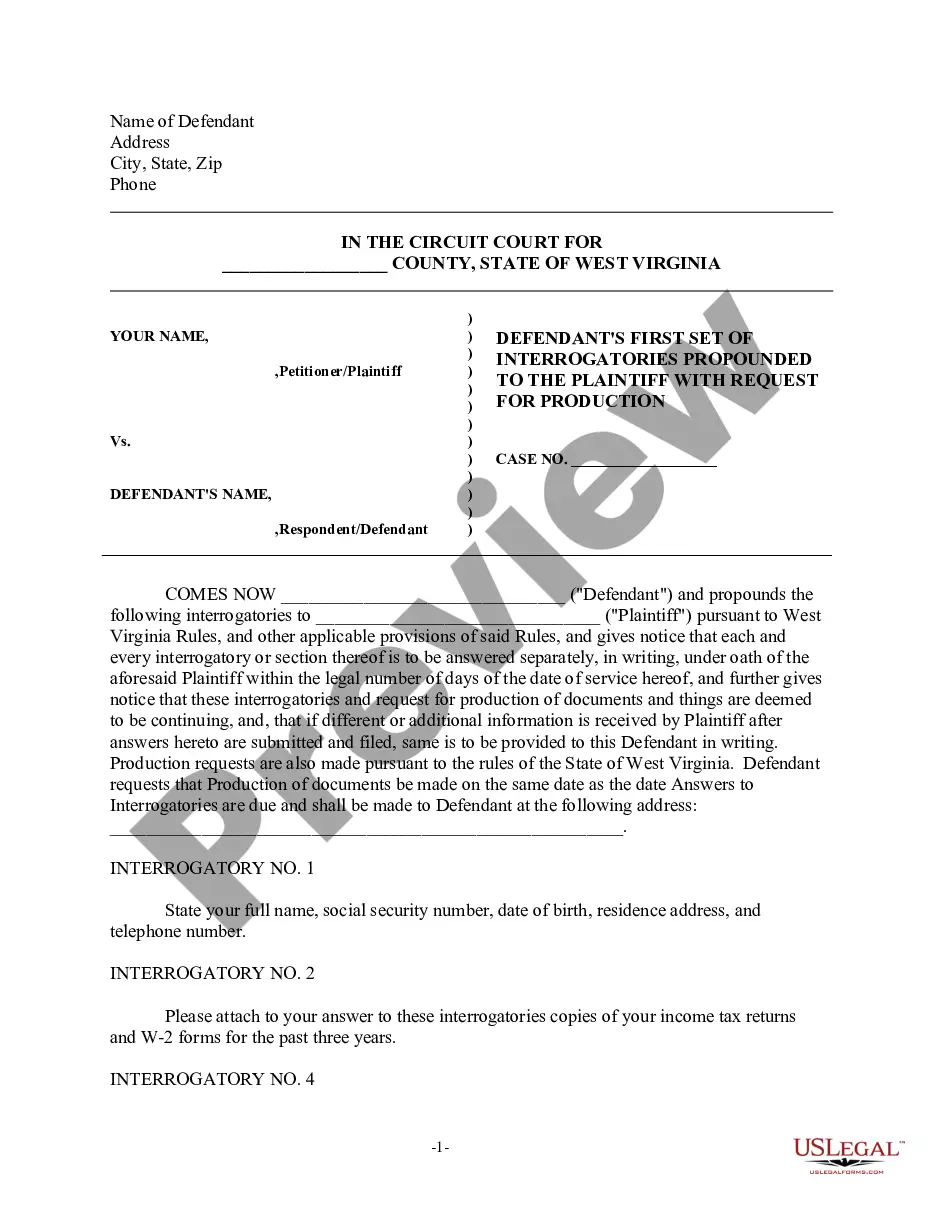




How to fill out Requests For Production Of Documents In Federal Court To Judgment Debtor In General And Regarding Property Available To Satisfy Judgment?
- If you're a returning user, log into your account to retrieve the necessary form by clicking the Download button. Ensure your subscription remains active; renew it if needed.
- For first-time users, start by reviewing the Previews and form descriptions to find the one that fits your requirements and adheres to local jurisdiction standards.
- Search for alternative templates if necessary. Utilize the Search tab if the selected form doesn't match your criteria, and proceed to the next step once you find the appropriate document.
- Purchase the desired form by clicking the Buy Now button and selecting your preferred subscription plan. You will need to create an account to access the resources available.
- Complete your purchase by entering your payment details through credit card or PayPal to finalize your subscription.
- Download your legal form and save it to your device. You can later locate it in the My Forms section of your profile.
By leveraging US Legal Forms, users and attorneys can efficiently navigate legal procedures while ensuring their documents are accurate and compliant. With a robust form library and expert support, achieving legal compliance has never been easier.
Start utilizing US Legal Forms today for a hassle-free legal document experience!
Form popularity
FAQ
To issue a summons in federal court, you need to prepare a summons document that includes pertinent information about the case. After completing this document, you file it with the court, and it will then be signed and sealed by a court clerk. Once done, you must serve the summons to the defendant according to federal rules. Consider utilizing US Legal Forms for templates and detailed instructions to help navigate this process.
Filing a motion in federal court involves drafting a motion document, stating the relief sought, and providing supporting arguments. You must then file the motion with the court clerk and serve copies to all relevant parties. It's crucial to adhere to the federal rules of civil procedure. Using platforms like US Legal Forms can provide templates and guidance, making the process more efficient.
Cases typically go to federal court due to federal jurisdiction or diversity jurisdiction. Federal jurisdiction applies when a case involves federal laws, treaties, or constitutional issues. On the other hand, diversity jurisdiction allows cases to move forward in federal court when parties are from different states and the amount exceeds $75,000. Recognizing these factors can assist you in deciding on the right court for your legal matters.
Federal courts have specific requirements for hearing cases, primarily based on federal questions or diversity of citizenship. A case may be eligible if it involves a federal law or if the parties are from different states and the amount in controversy exceeds $75,000. Furthermore, the case must also fall within the jurisdiction defined by federal statutes. Understanding these requirements can guide you in determining the proper venue for your case.
In federal court, any party involved in a lawsuit can file a summons. Typically, the plaintiff initiates the process by filing the summons along with the complaint. It's important to follow the correct procedure to ensure the summons is valid. Keep in mind, using the US Legal Forms platform can help streamline the creation and filing of necessary documents.
To initiate a lawsuit in federal court, the amount in controversy must exceed $75,000. This requirement ensures that federal courts address significant financial disputes. Additionally, this threshold applies to cases based on diversity jurisdiction, which involves parties from different states. If your potential claim meets this threshold, you can consider moving forward in federal court.
To start a case in federal court, you need to file a complaint along with a summons to notify the parties involved. The complaint should outline your claim, the legal basis for the claim, and the relief you seek. It is crucial to ensure compliance with federal rules, and resources like uslegalforms can provide the templates and support you need to effectively initiate your case.
A case is removable to federal court if it involves a federal question or if it meets the criteria for diversity jurisdiction, such as having parties from different states and a disputed amount exceeding $75,000. Additionally, the case cannot be a purely state matter or involve a defendant who is a resident of the forum state. Keep in mind that examining these criteria early can facilitate a smoother transition to federal court.
In most instances, you cannot remove a state criminal case to federal court because criminal prosecutions typically occur in state courts. However, certain actions, such as federal constitutional violations, may present grounds for federal involvement. Consulting a legal expert can clarify whether your specific situation allows for removal to federal court.
You can move a case to federal court by filing a notice of removal with the appropriate federal court. This notice should justify the move based on federal jurisdiction, such as questions of federal law or diversity of citizenship. It's important to follow the rules regarding timing and attach all necessary state court documents, and platforms like uslegalforms can guide you through this.