Dismiss Tradução
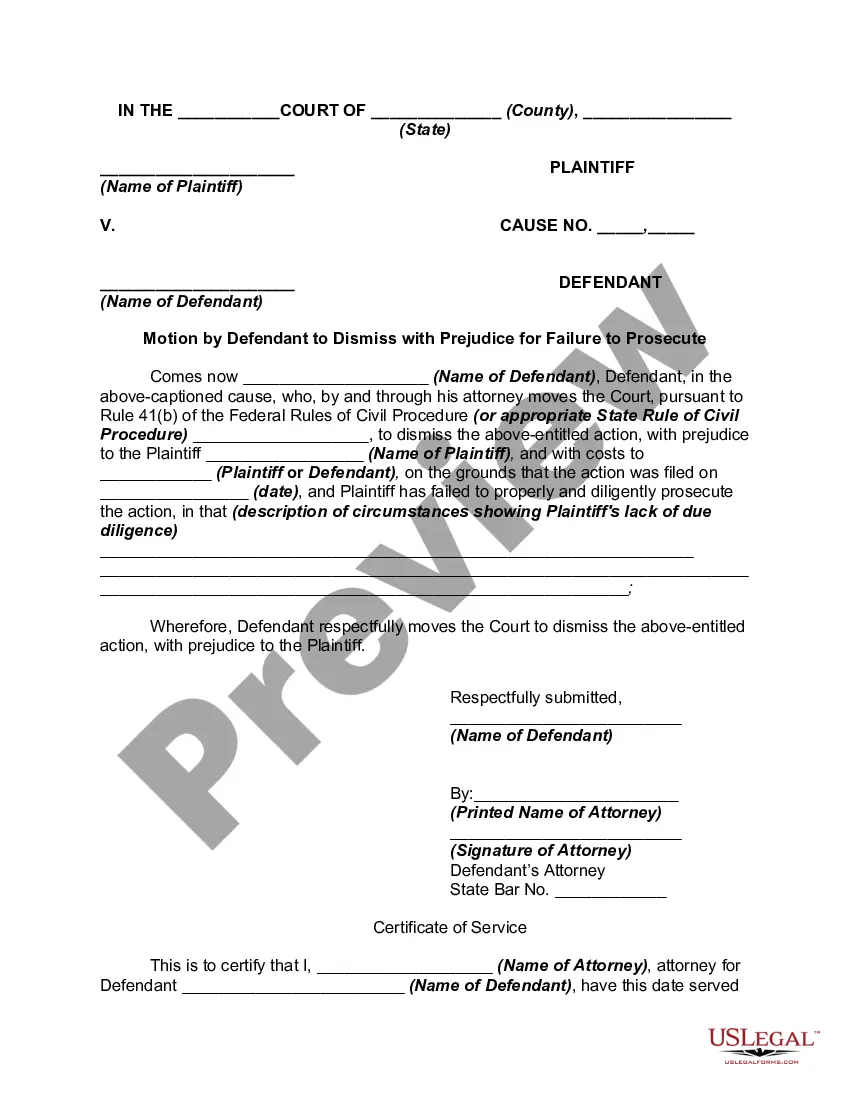
Description
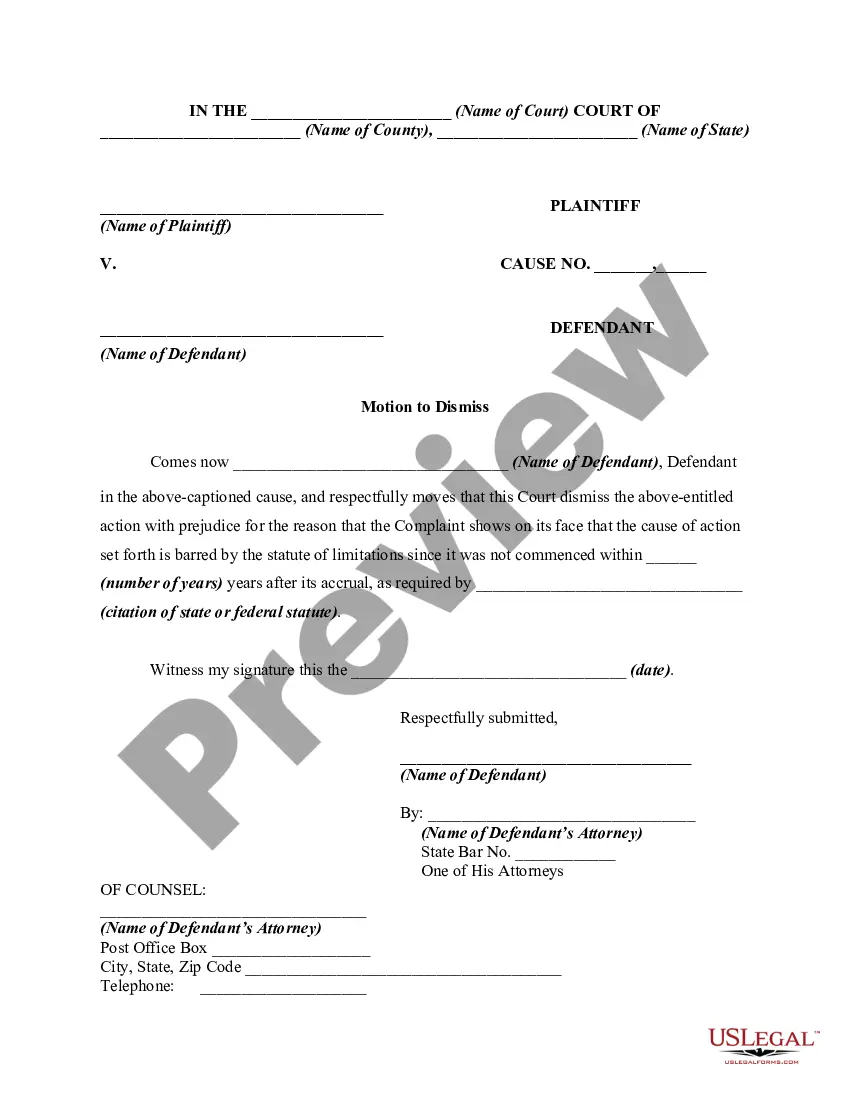
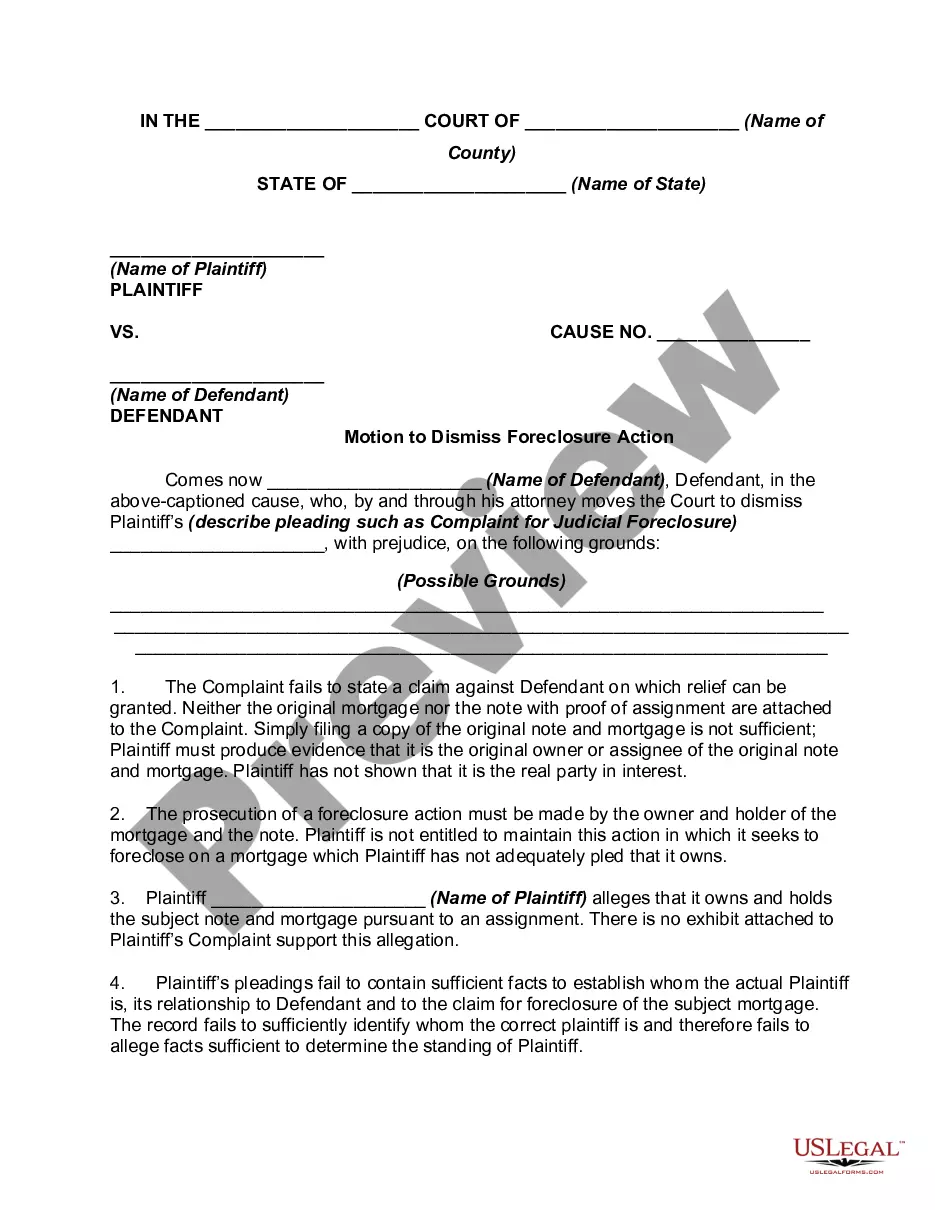
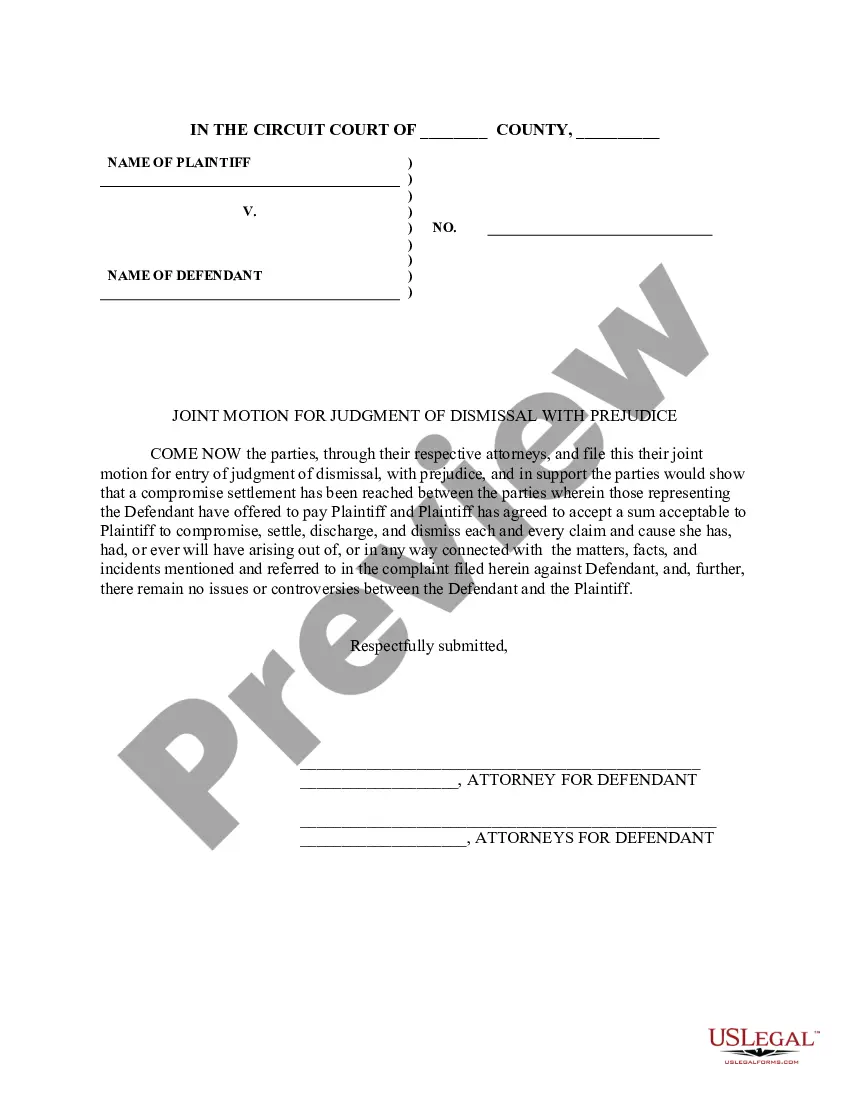
Get your form ready online
Our built-in tools help you complete, sign, share, and store your documents in one place.
Make edits, fill in missing information, and update formatting in US Legal Forms—just like you would in MS Word.
Download a copy, print it, send it by email, or mail it via USPS—whatever works best for your next step.
Sign and collect signatures with our SignNow integration. Send to multiple recipients, set reminders, and more. Go Premium to unlock E-Sign.
If this form requires notarization, complete it online through a secure video call—no need to meet a notary in person or wait for an appointment.
We protect your documents and personal data by following strict security and privacy standards.

Make edits, fill in missing information, and update formatting in US Legal Forms—just like you would in MS Word.

Download a copy, print it, send it by email, or mail it via USPS—whatever works best for your next step.

Sign and collect signatures with our SignNow integration. Send to multiple recipients, set reminders, and more. Go Premium to unlock E-Sign.

If this form requires notarization, complete it online through a secure video call—no need to meet a notary in person or wait for an appointment.

We protect your documents and personal data by following strict security and privacy standards.
Looking for another form?


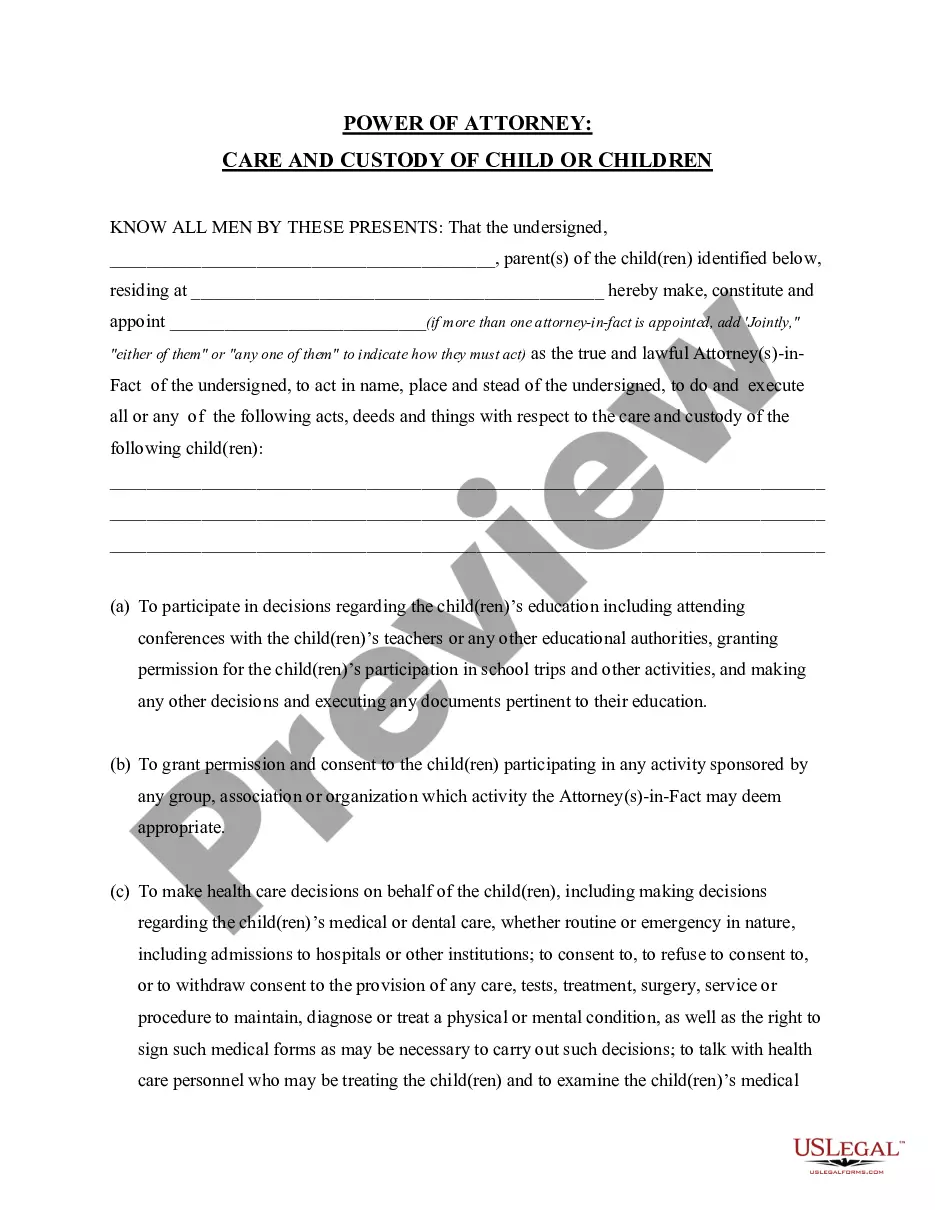
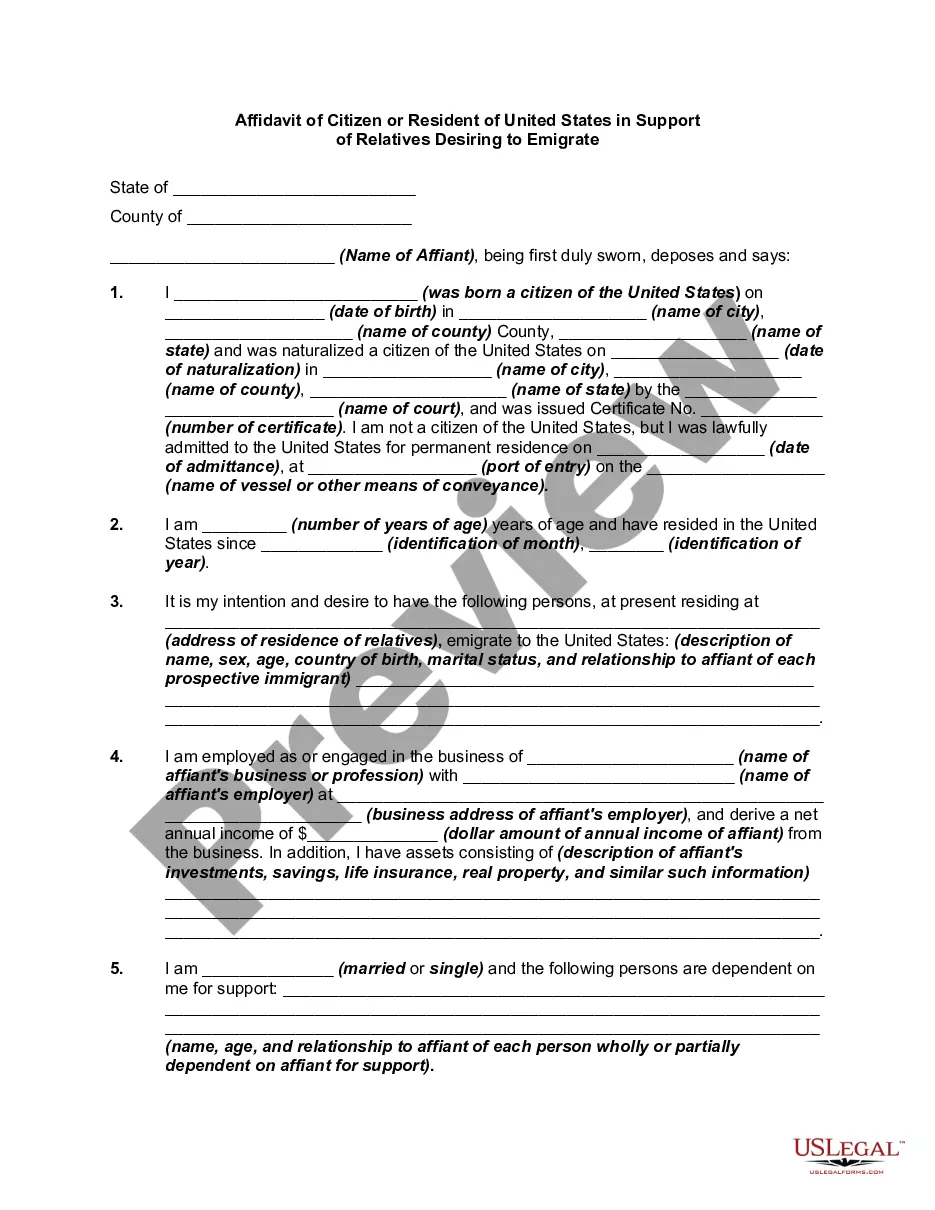



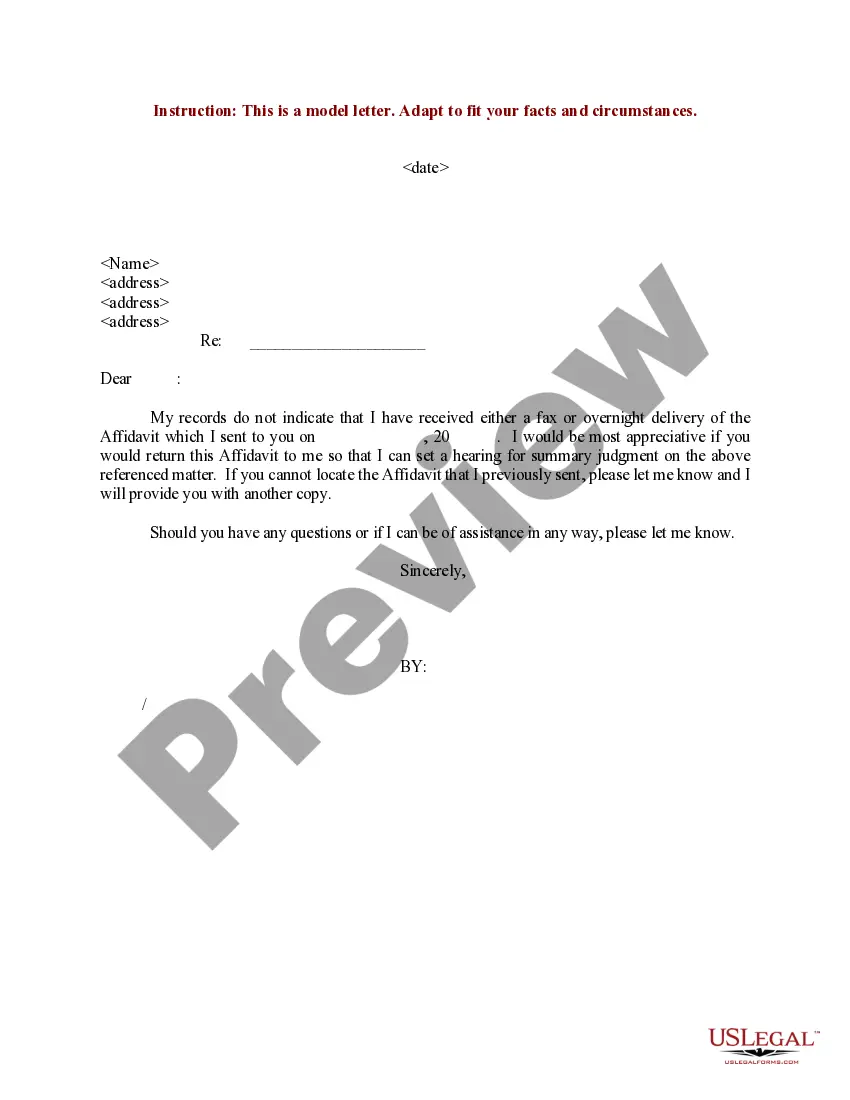


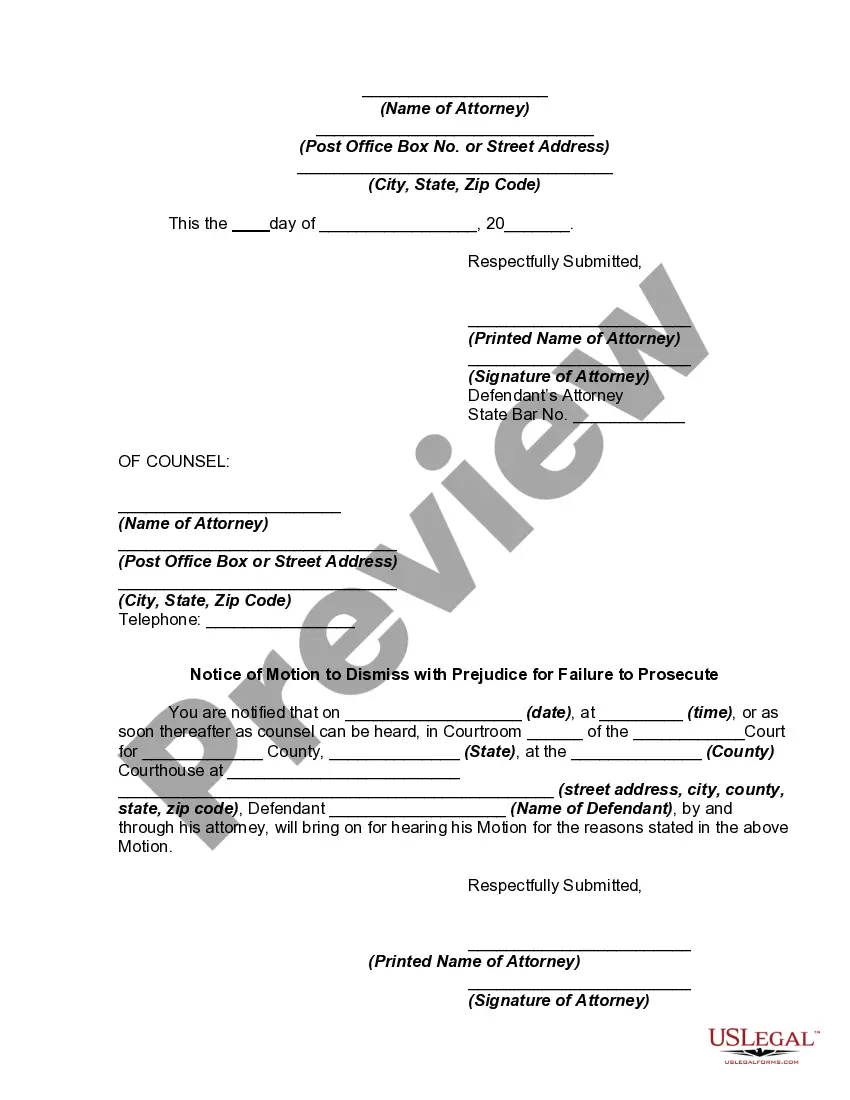
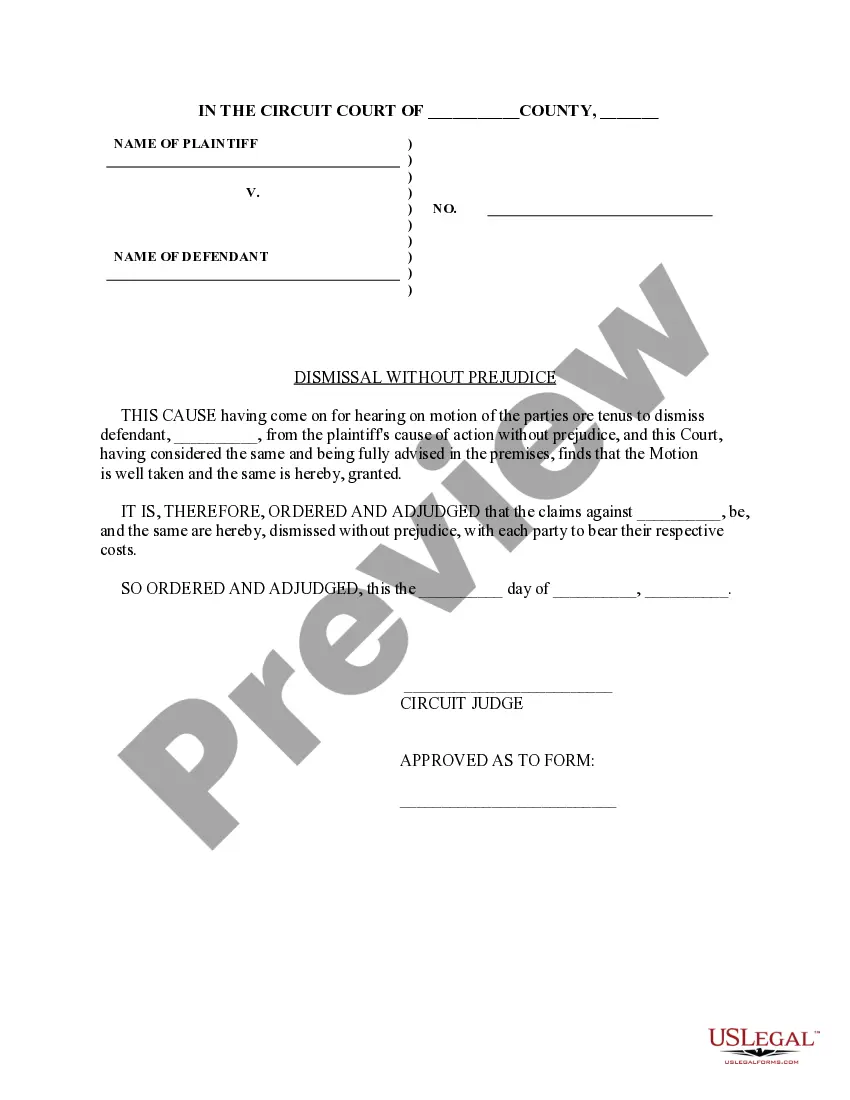
How to fill out Motion By Defendant To Dismiss With Prejudice For Failure To Prosecute?
- Log in to your US Legal Forms account. Ensure your subscription is active for uninterrupted access to the document library.
- Review the form preview and description. Make sure the selected form aligns with your legal needs and local regulations.
- Search for any additional templates as necessary. Utilize the Search tab if you find discrepancies to choose the right document.
- Purchase the chosen form. Click on the Buy Now button and select your preferred subscription plan. Remember, account registration is essential to access the library.
- Complete your payment. Enter your credit card information or opt for PayPal to finalize your subscription.
- Download your form. Save it to your device for completion and revisit it anytime through the My Forms section in your profile.
By following these steps, you can confidently access and utilize a vast array of legal forms with minimal hassle. US Legal Forms simplifies your legal documentation process, allowing you to focus on what matters most.
Start your journey today by exploring US Legal Forms and make your legal paperwork a breeze!
Form popularity
FAQ
You generally have 21 days to file a motion to dismiss in federal court after being served with the complaint. This timeframe allows you to respond adequately to the claims being made against you. It is crucial to adhere to this deadline to maintain your defense options. For assistance, you can utilize UsLegalForms, which offers various resources for crafting motions efficiently.
To dismiss a case in federal court, the plaintiff must file a motion or request for dismissal according to the rules of civil procedure. You may choose to dismiss voluntarily or involuntarily, depending on your situation. Understanding the procedures and potential consequences of dismissal is important. UsLegalForms provides valuable insights to ensure you follow the correct steps.
In federal court, you typically have 14 days to file a motion to quash after receiving the subpoena or notice. Timely responses are critical as failing to act can lead to automatic compliance with the subpoena. It's vital to review the specifics of your case and understand your rights effectively. For guidance, UsLegalForms offers tools and resources tailored to help you file motions appropriately.
A request for dismissal is usually filed by the plaintiff, the party who initiated the lawsuit. This action indicates that the plaintiff no longer wishes to pursue the case, possibly due to settling out of court or realizing the case lacks merit. It's important to consider the implications of this decision, and resources like UsLegalForms can help navigate the nuances involved.
To write a successful motion to dismiss, start by clearly stating the legal basis for dismissal, such as lack of jurisdiction, failure to state a claim, or other grounds. Include supporting facts, relevant legal precedents, and be concise throughout. After outlining your argument, the motion should conclude with a solid request for dismissal. UsLegalForms offers valuable templates and tips to help you create an effective motion.
Typically, filing a motion to dismiss in federal court occurs soon after the complaint is served. The timeframe can vary but usually allows for the defendant to respond within 21 days. It's essential to not rush this process, as a well-prepared motion can significantly impact the case's outcome. UsLegalForms can assist in providing templates and guidance to streamline this process.
The time limit for removal to federal court generally falls within 30 days from the date the defendant receives the initial complaint. This process is critical if you believe your case belongs in federal court instead of state court. If you miss this deadline, you may lose the chance to remove your case. It's advisable to consult resources, like those offered by UsLegalForms, to understand the nuances of your situation.
To fill out a motion to dismiss form, first include the case information, such as the title and case number at the top. Next, elaborate on your grounds for dismissal, which may include legal arguments or procedural errors. Always check the local court rules to ensure compliance with any specific formatting or content requirements. Templates offered by US Legal Forms can be beneficial for detailed instructions and formatting.
Filling out a request for dismissal in CIV 110 requires you to complete specific information, such as the case number and parties involved. Be sure to indicate the reason for the dismissal clearly, following the instructions provided in the form. After completing the form, submit it to the court for processing. For assistance with the process, consider checking the resources available on US Legal Forms.
Writing a letter to a judge to request the dismissal of charges involves being respectful and clear. Start by formally addressing the judge, then provide your reasons for the request, ensuring you include any relevant facts or legal arguments. It's important to keep the tone professional and your arguments concise. US Legal Forms can provide templates to help structure your letter effectively.