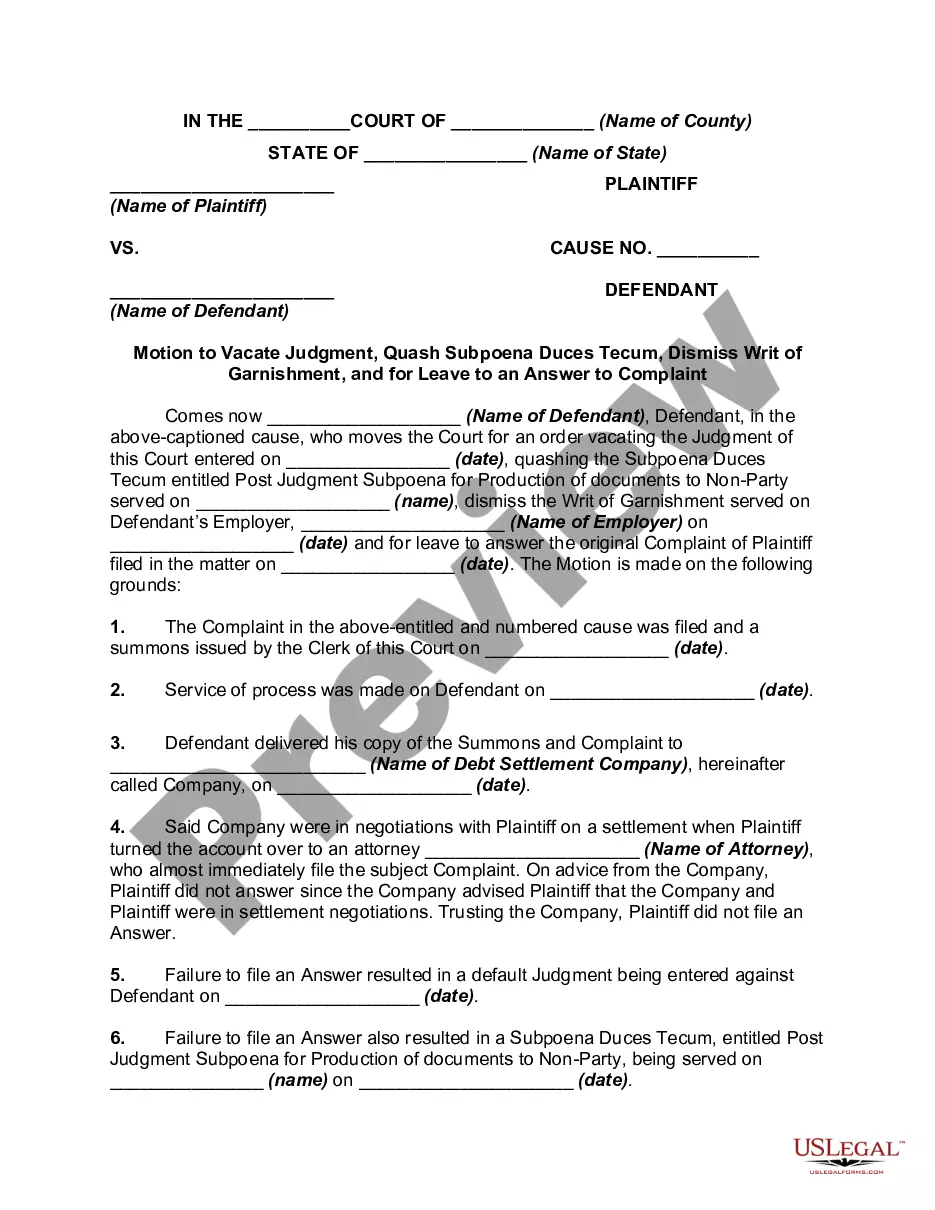
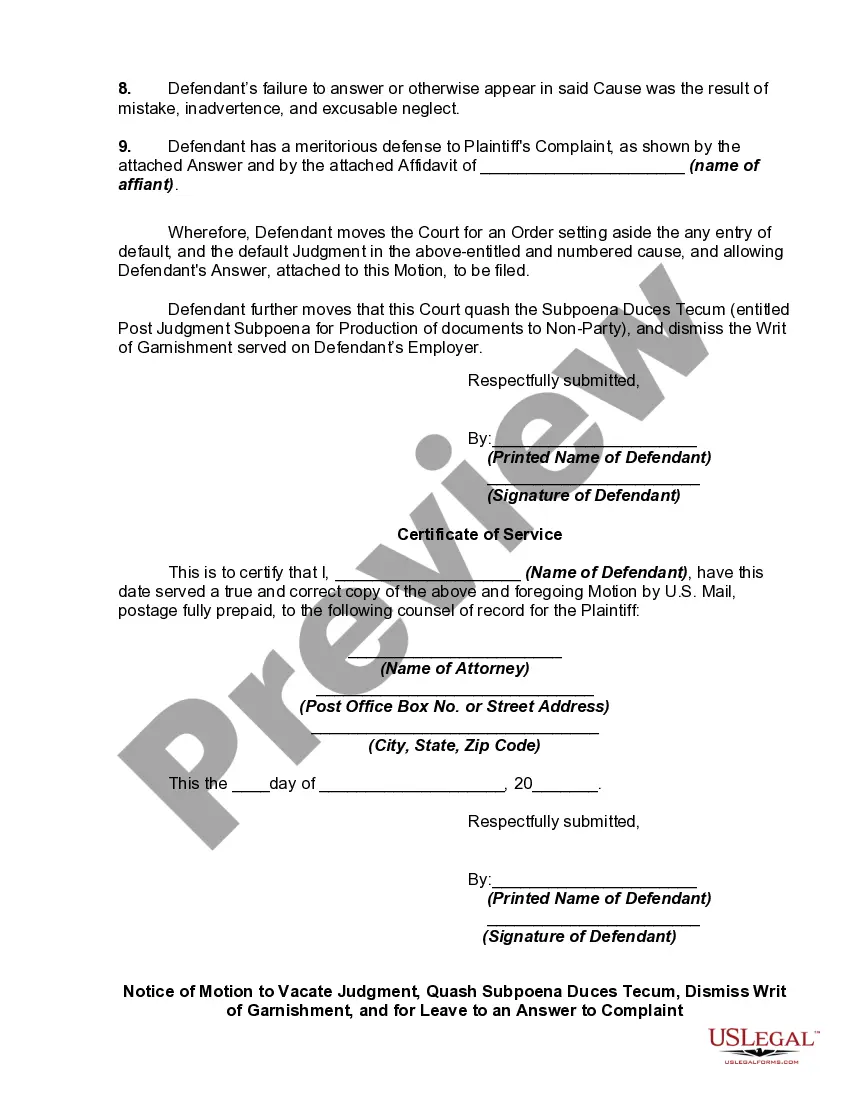
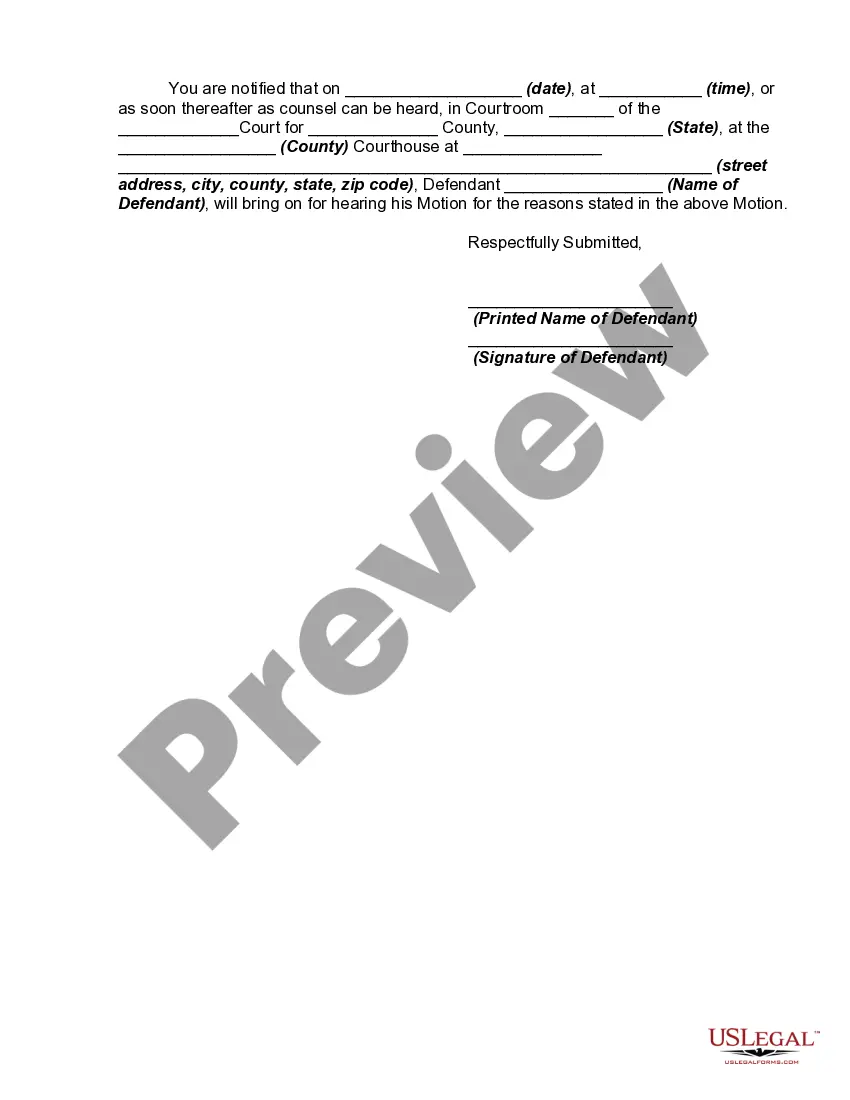
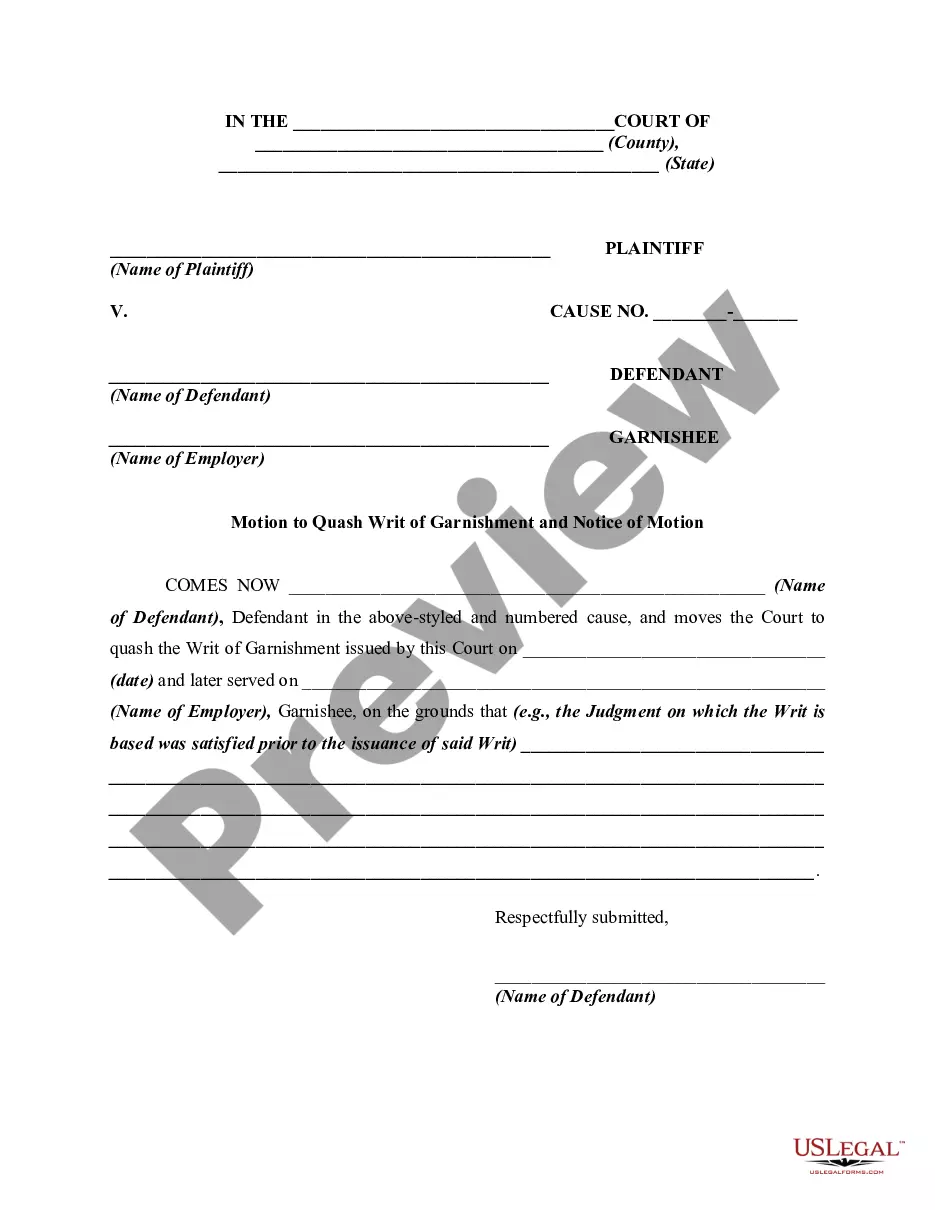
Motion Vacate Judgment Dismiss Foreclosure Case
Description
Get your form ready online
Our built-in tools help you complete, sign, share, and store your documents in one place.
Make edits, fill in missing information, and update formatting in US Legal Forms—just like you would in MS Word.
Download a copy, print it, send it by email, or mail it via USPS—whatever works best for your next step.
Sign and collect signatures with our SignNow integration. Send to multiple recipients, set reminders, and more. Go Premium to unlock E-Sign.
If this form requires notarization, complete it online through a secure video call—no need to meet a notary in person or wait for an appointment.
We protect your documents and personal data by following strict security and privacy standards.

Make edits, fill in missing information, and update formatting in US Legal Forms—just like you would in MS Word.

Download a copy, print it, send it by email, or mail it via USPS—whatever works best for your next step.

Sign and collect signatures with our SignNow integration. Send to multiple recipients, set reminders, and more. Go Premium to unlock E-Sign.

If this form requires notarization, complete it online through a secure video call—no need to meet a notary in person or wait for an appointment.

We protect your documents and personal data by following strict security and privacy standards.
Looking for another form?




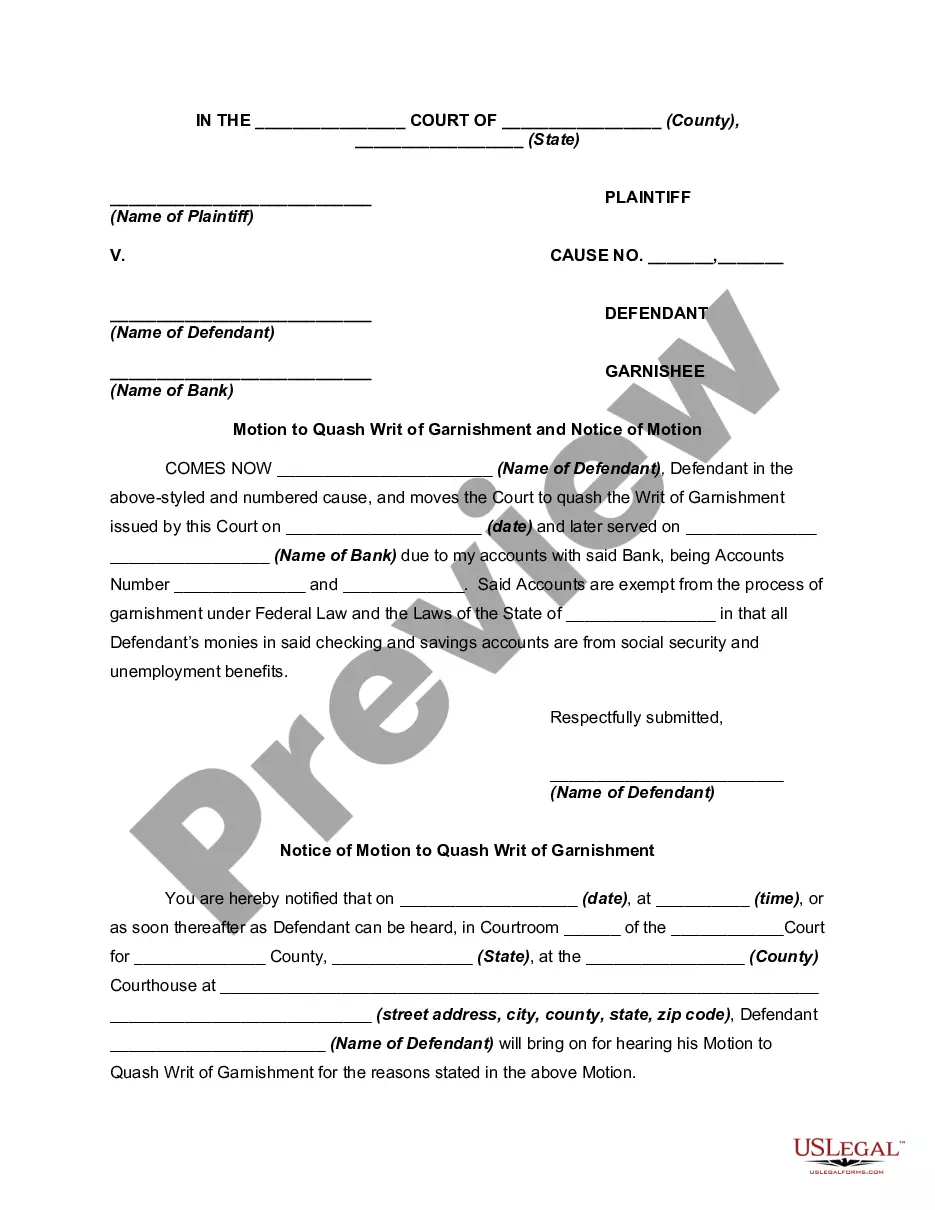
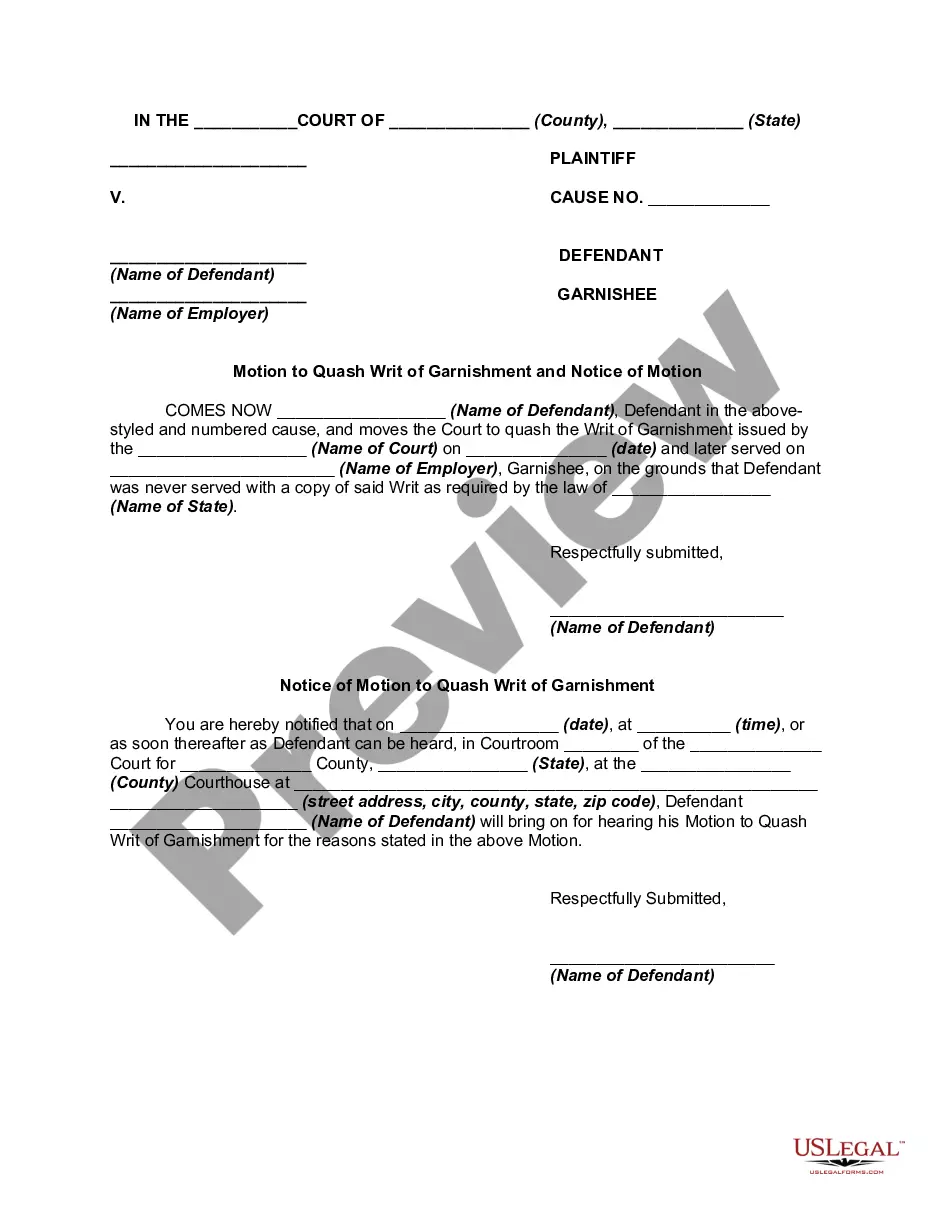
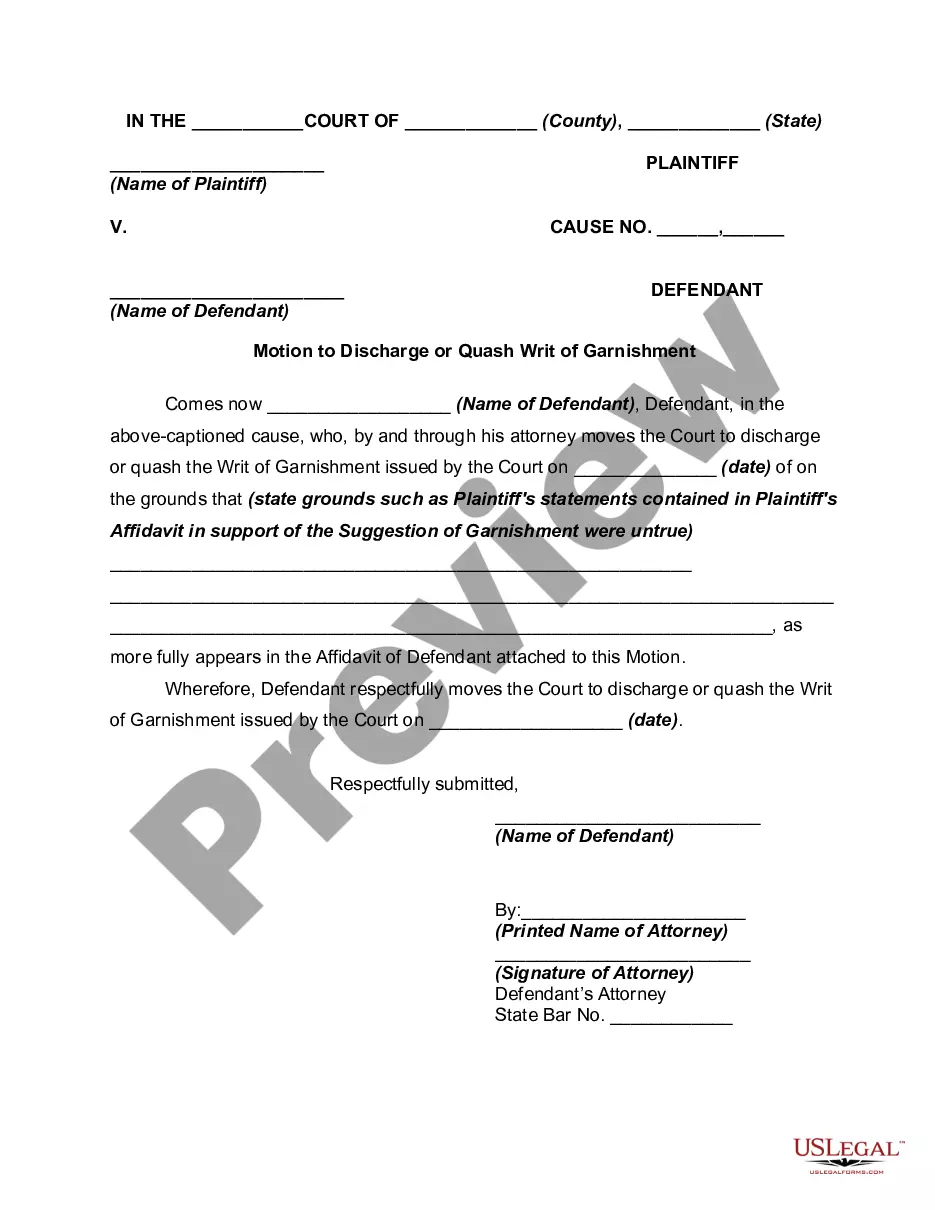
How to fill out Motion To Vacate Judgment, Quash Subpoena Duces Tecum, Dismiss Writ Of Garnishment, And For Leave To File An Answer To Complaint?
The Motion Vacate Judgment Dismiss Foreclosure Case displayed on this page is a reusable legal template created by expert attorneys in accordance with federal and local regulations.
For over 25 years, US Legal Forms has supplied individuals, organizations, and lawyers with more than 85,000 validated, state-specific documents for any business and personal event. It’s the fastest, easiest, and most reliable way to acquire the paperwork you require, as the service ensures the utmost level of data protection and anti-malware safeguards.
Register with US Legal Forms to have authenticated legal templates for all of life's situations readily available.
- Search for the document you require and review it. Browse through the sample you searched for and preview it or examine the form description to confirm it meets your needs. If it does not, use the search bar to find the suitable one. Click Buy Now once you have located the template you need.
- Register and Log In. Select the pricing plan that fits you and create an account. Use PayPal or a credit card for a swift payment. If you already possess an account, Log In and verify your subscription to continue.
- Obtain the fillable template. Choose the format you desire for your Motion Vacate Judgment Dismiss Foreclosure Case (PDF, DOCX, RTF) and store the sample on your device.
- Fill out and sign the document. Print the template to complete it by hand. Alternatively, utilize an online multifunctional PDF editor to quickly and accurately fill out and sign your form with a legally-binding electronic signature.
- Download your paperwork again. Utilize the same document once more whenever necessary. Access the My documents tab in your profile to redownload any previously acquired forms.
Form popularity
FAQ
If it has been 30 days or less, you can get rid of ("vacate") a default judgment by filing a motion. This is a written request to the judge asking them to throw out the judgment. You will have to send a copy of the motion to the other party in the case, and then show up in court for a hearing.
If you file a motion to vacate a default or a default judgment, you must file an answer to the original complaint along with any cross claims or counterclaims you may wish to assert, and the motion must be accompanied by the appropriate fee.
Get the form SC-135: Notice of Motion to Vacate Judgment. You must explain on the form why you did not come to court. File the form with the Small Claims Court Clerk's Office at the court where your case was heard. Pay the filing fee.
Among other requested forms of relief the Order of Reference (aka OOR or OREF) formally asks the Court to appoint a Referee to determine the amount due on the mortgaged premises. The Referee will report these findings in what is commonly known as the Referee's Oath and Report.
What is an Order of Default? An order of default is a court order saying that one party (usually the plaintiff) has won the case, and the defendant has lost, because the defendant did not participate in the case. The order of default does not settle the issue of how much money is owed.