Filing An Answer To Complaint For Contempt
Description
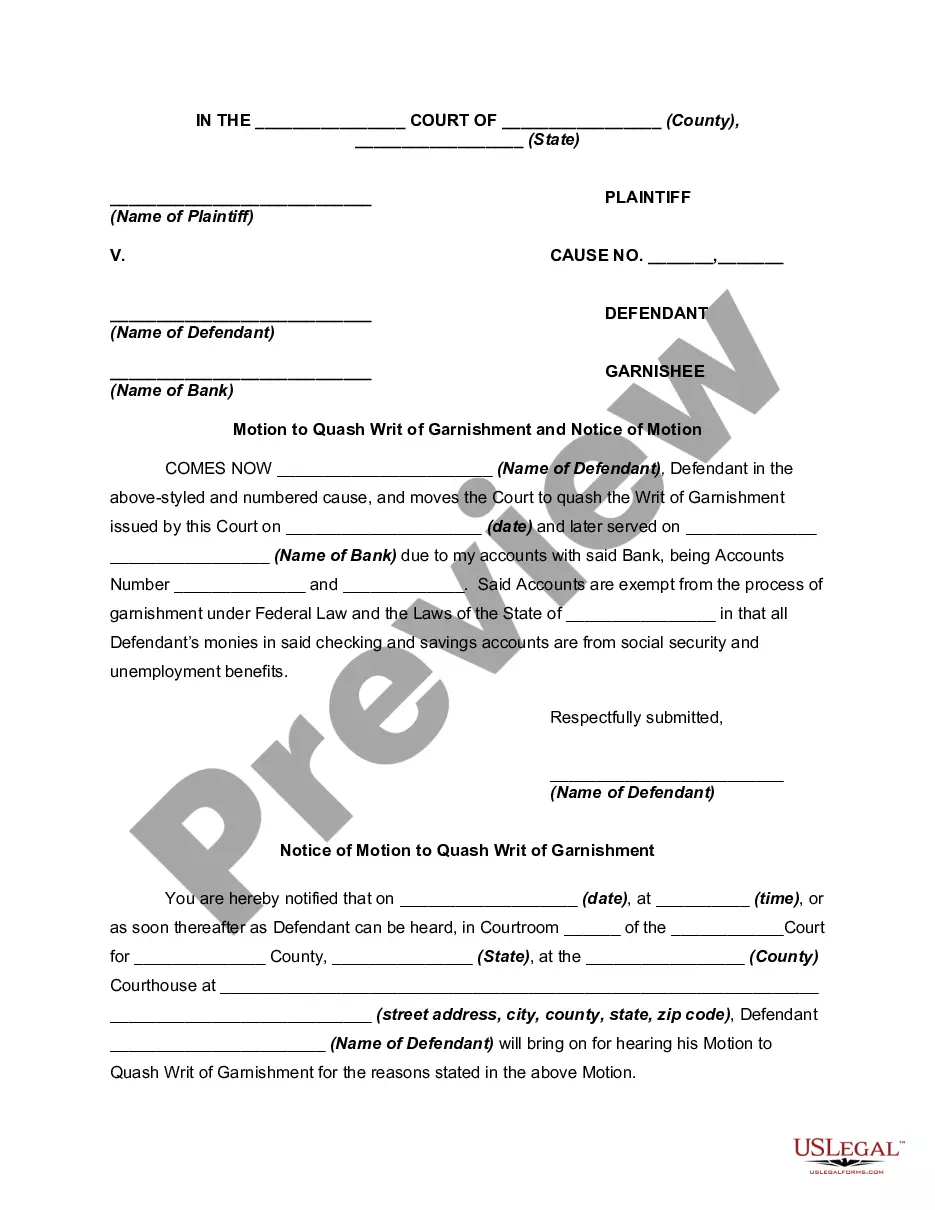
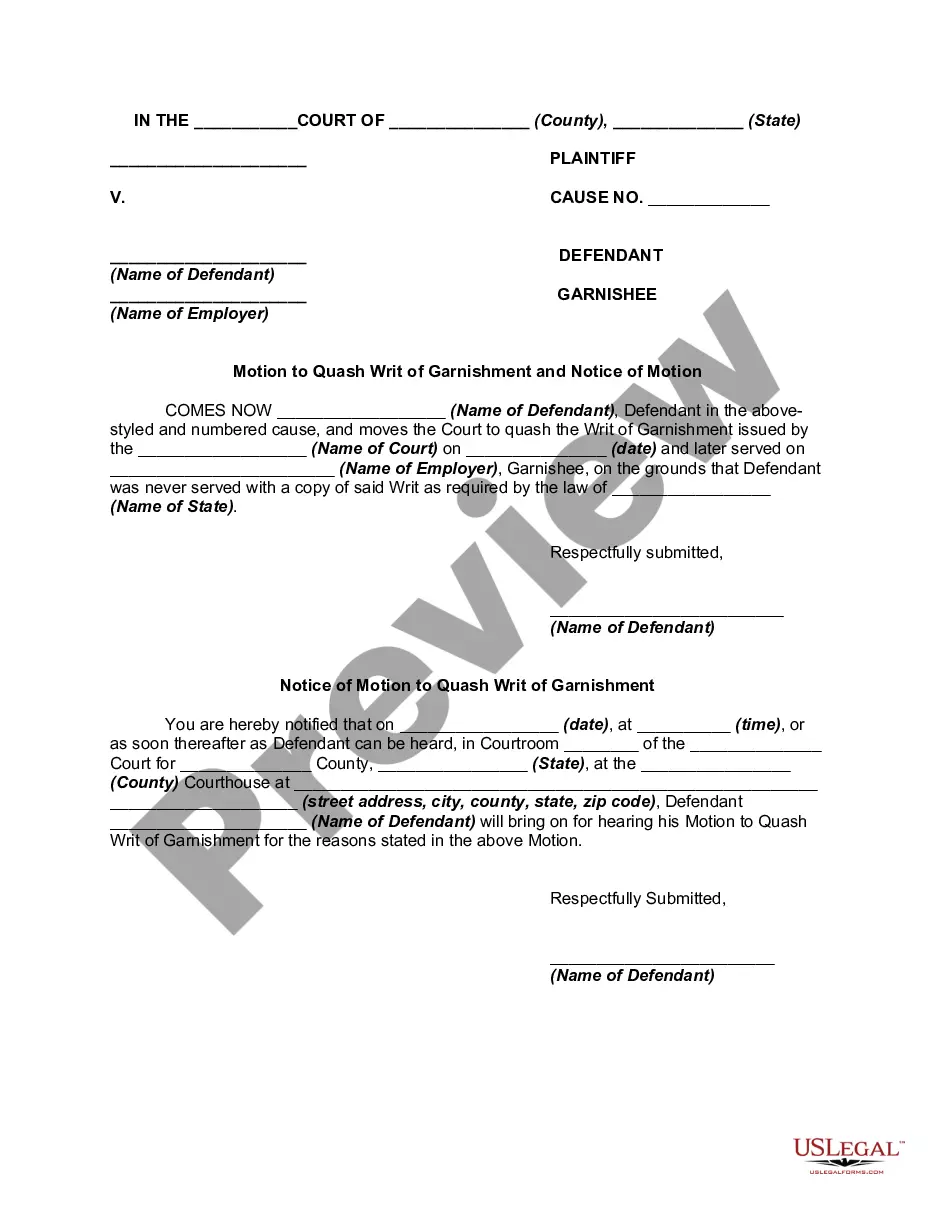
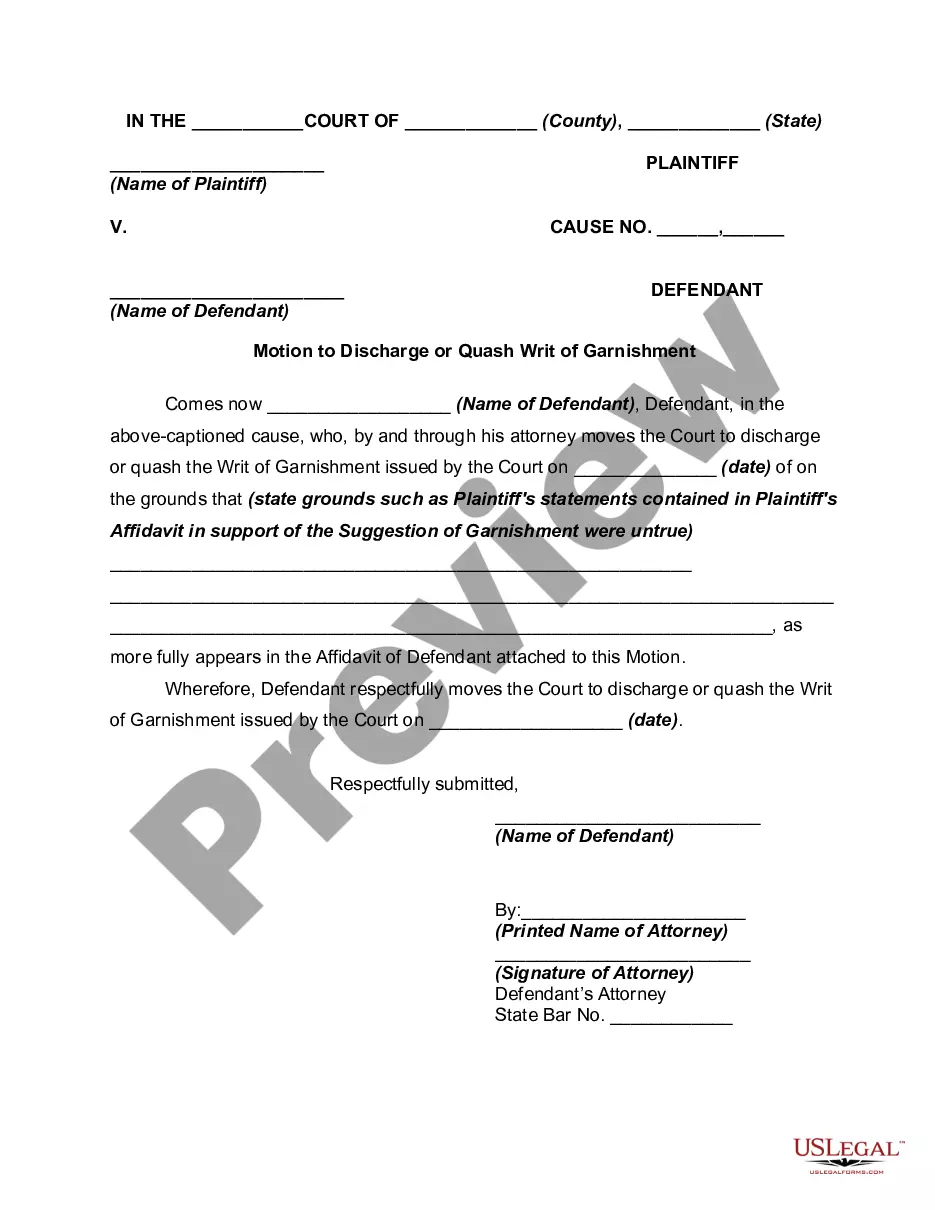
Get your form ready online
Our built-in tools help you complete, sign, share, and store your documents in one place.
Make edits, fill in missing information, and update formatting in US Legal Forms—just like you would in MS Word.
Download a copy, print it, send it by email, or mail it via USPS—whatever works best for your next step.
Sign and collect signatures with our SignNow integration. Send to multiple recipients, set reminders, and more. Go Premium to unlock E-Sign.
If this form requires notarization, complete it online through a secure video call—no need to meet a notary in person or wait for an appointment.
We protect your documents and personal data by following strict security and privacy standards.

Make edits, fill in missing information, and update formatting in US Legal Forms—just like you would in MS Word.

Download a copy, print it, send it by email, or mail it via USPS—whatever works best for your next step.

Sign and collect signatures with our SignNow integration. Send to multiple recipients, set reminders, and more. Go Premium to unlock E-Sign.

If this form requires notarization, complete it online through a secure video call—no need to meet a notary in person or wait for an appointment.

We protect your documents and personal data by following strict security and privacy standards.
Looking for another form?



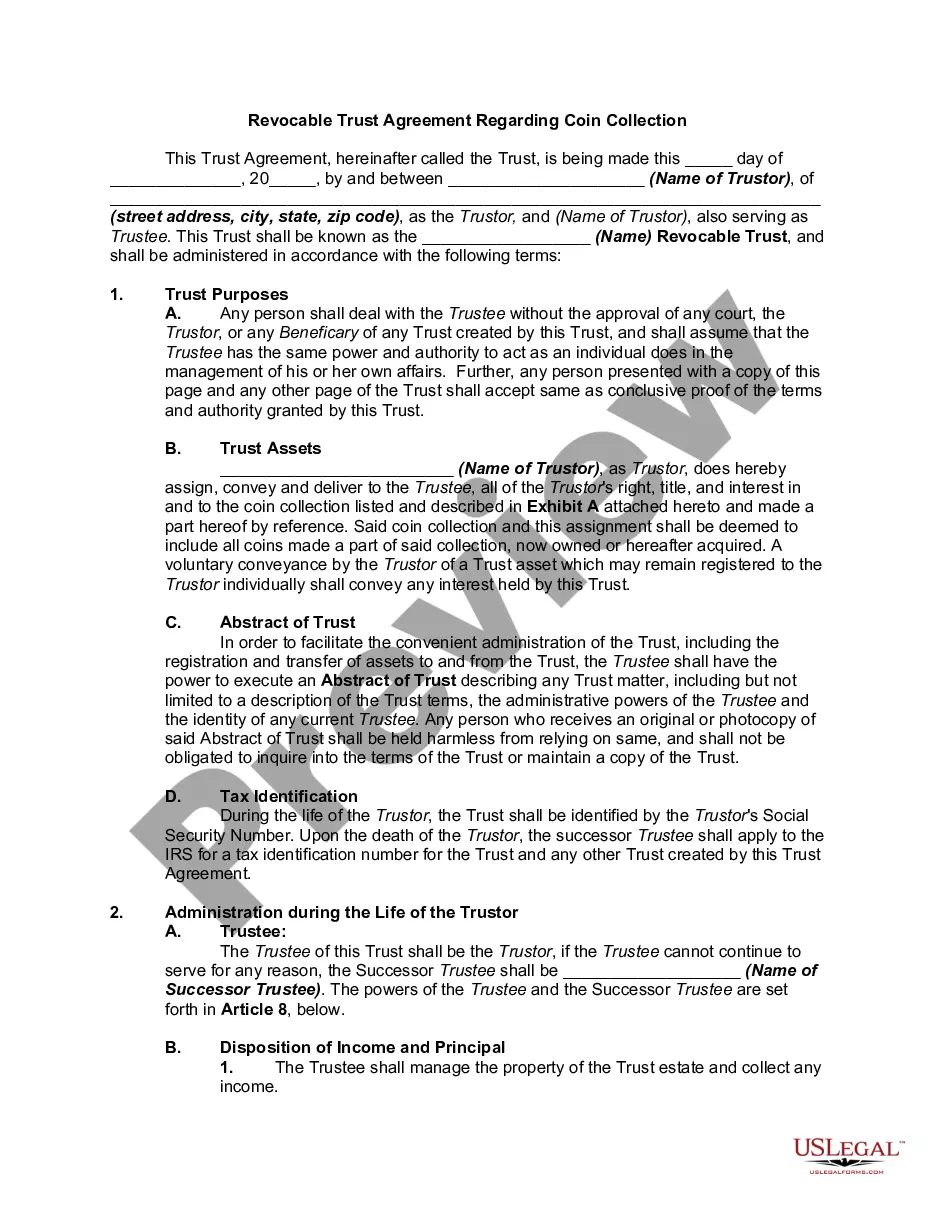

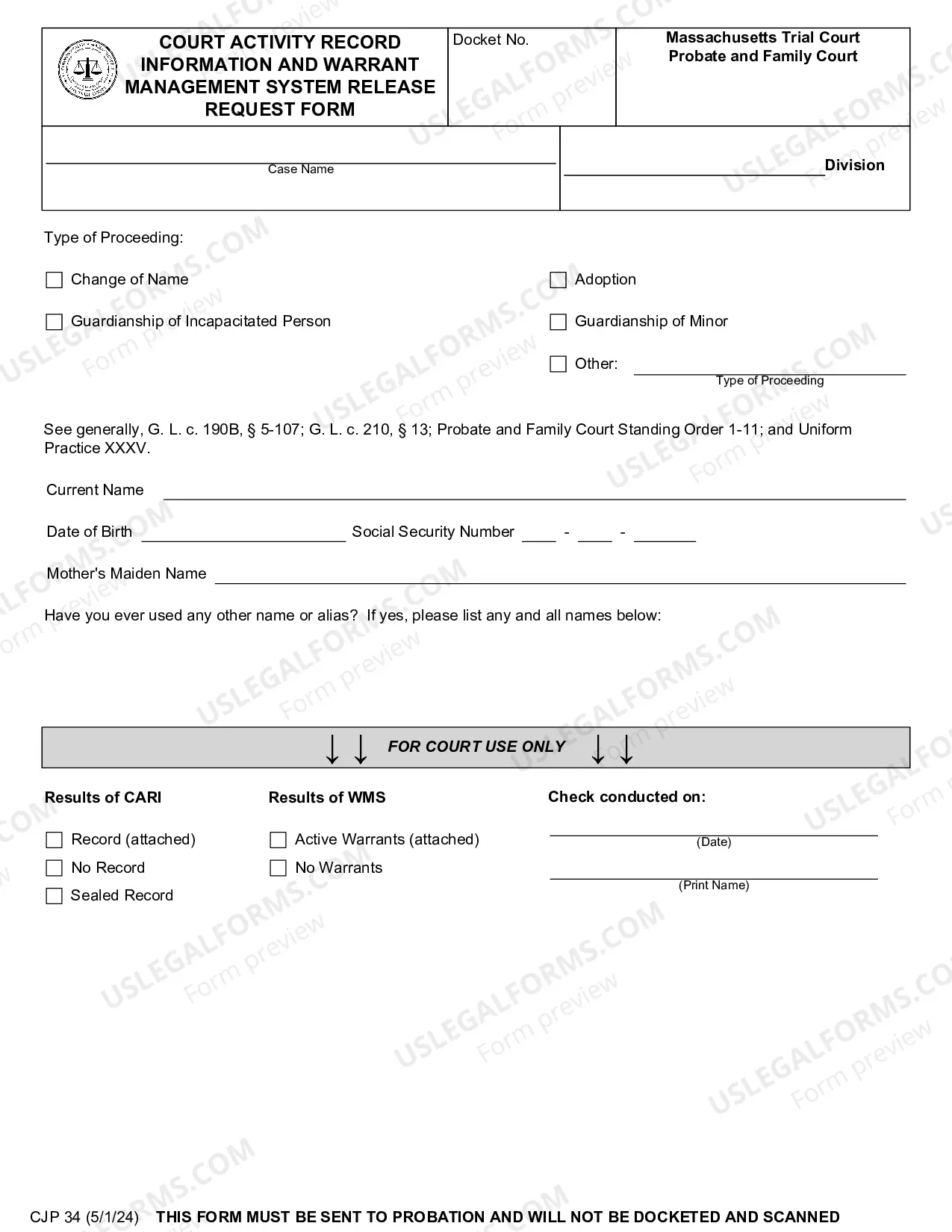


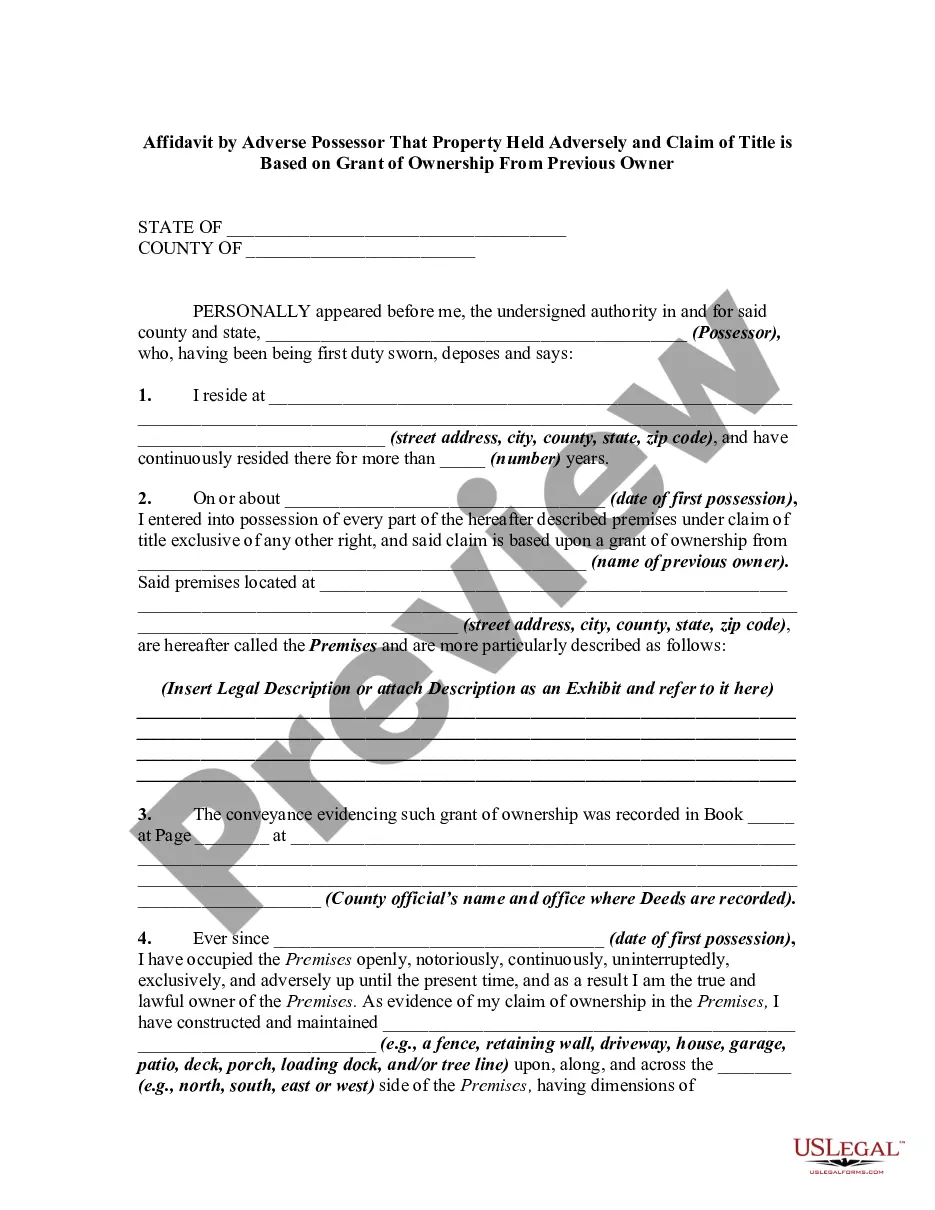

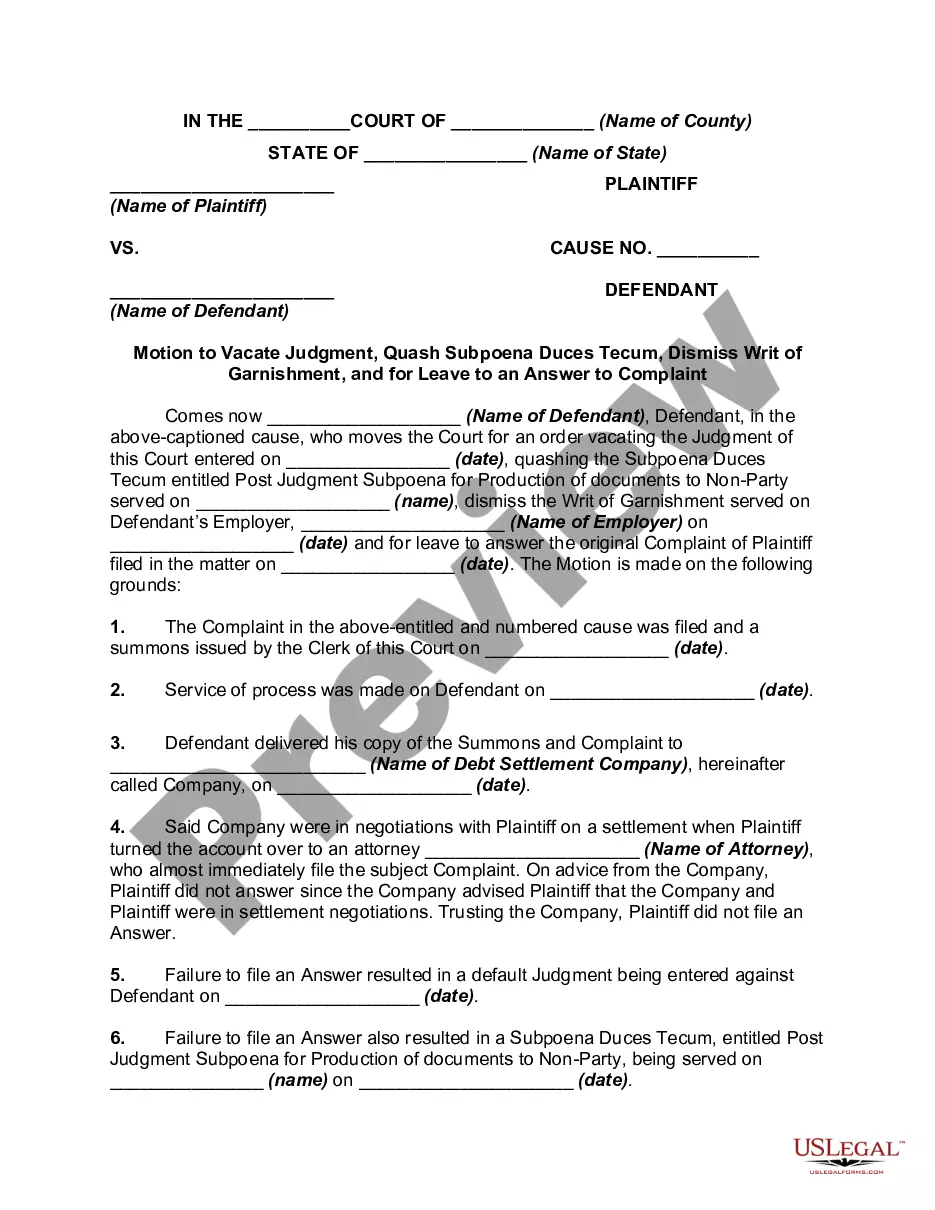
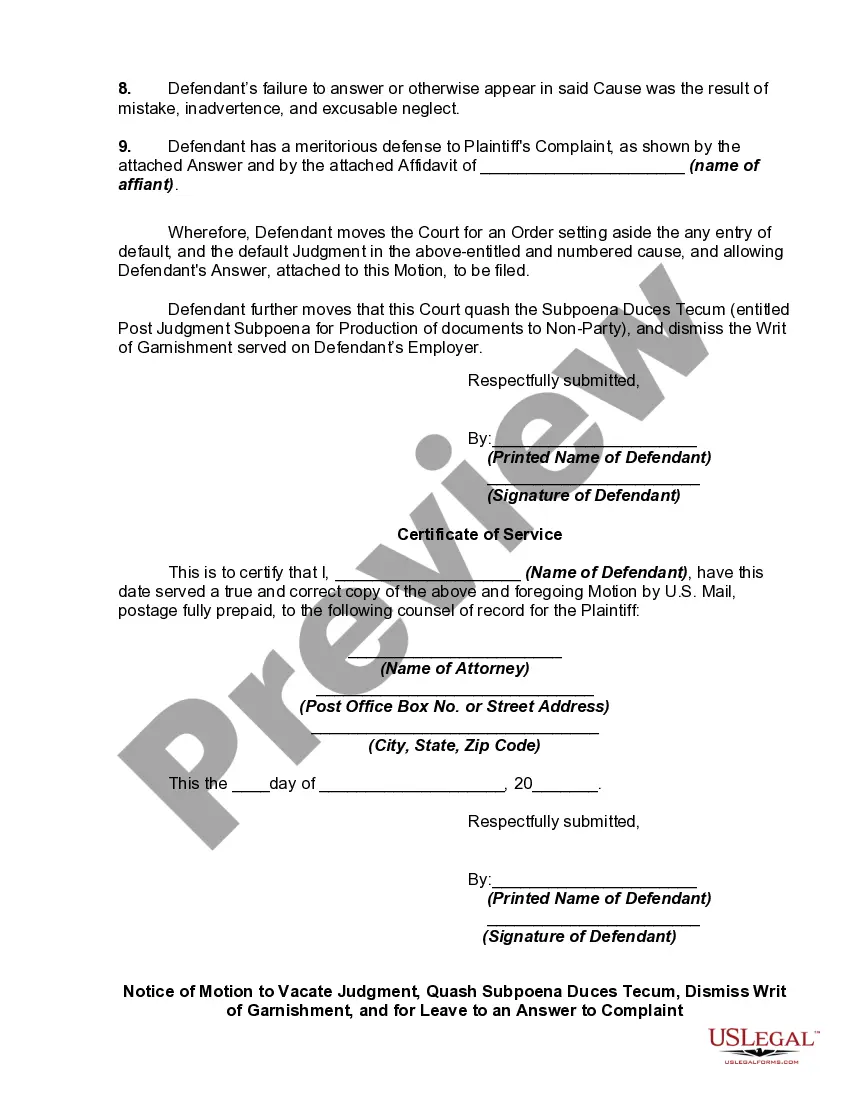
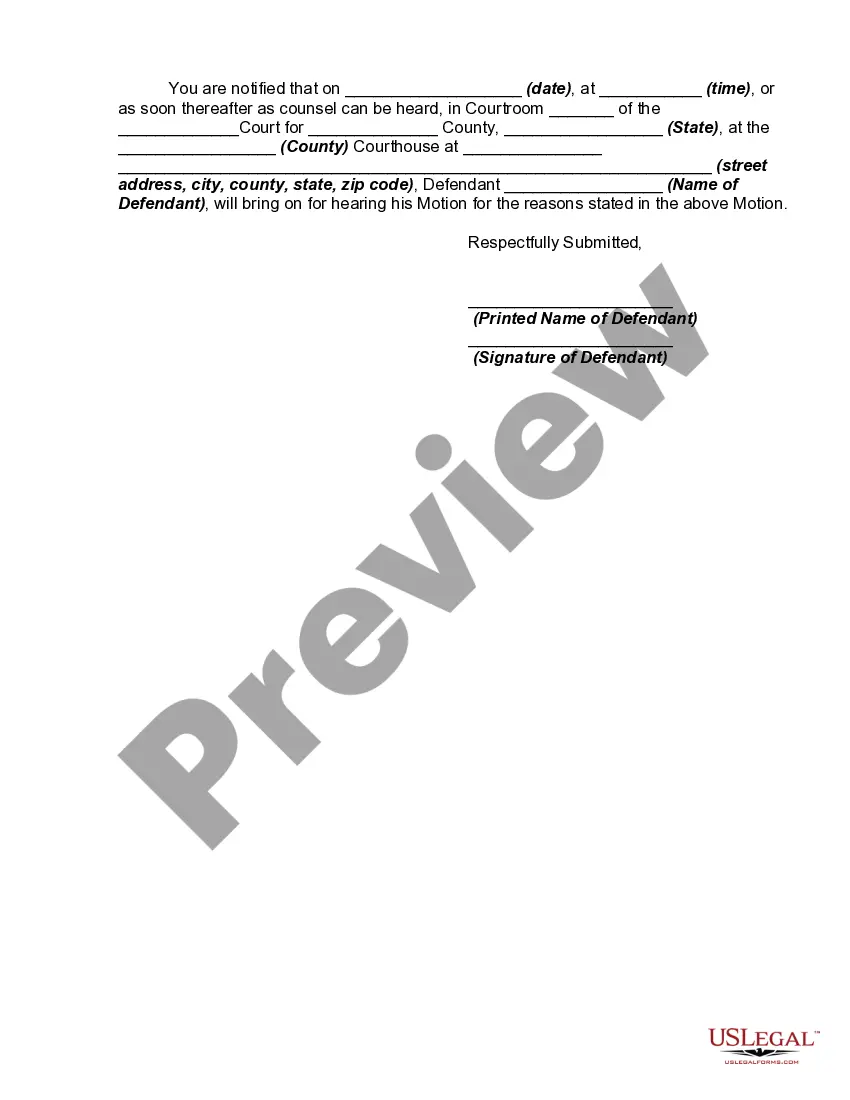
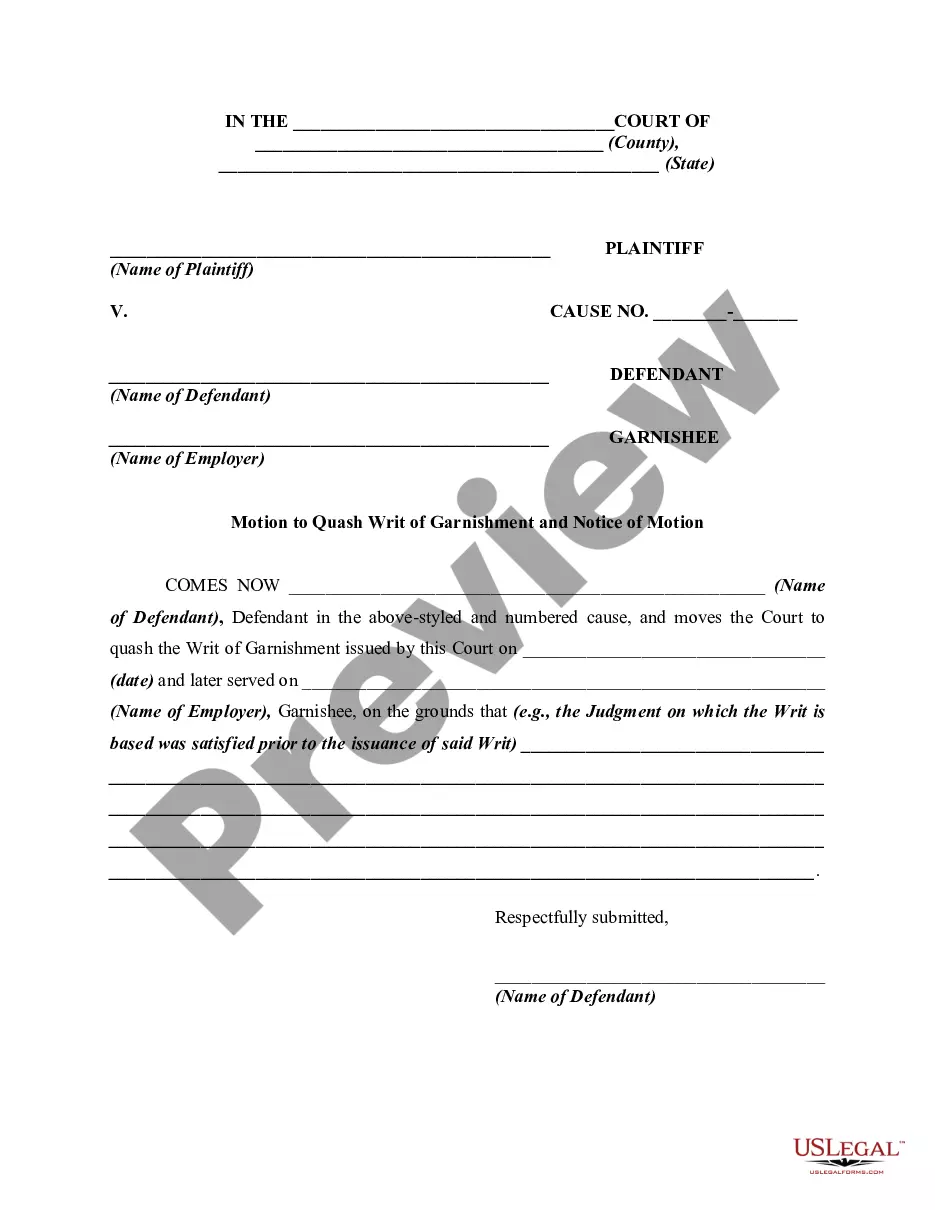
How to fill out Motion To Vacate Judgment, Quash Subpoena Duces Tecum, Dismiss Writ Of Garnishment, And For Leave To File An Answer To Complaint?
Dealing with legal documentation and tasks may prove to be a lengthy addition to your entire schedule.
Submitting a Response to a Complaint for Contempt and similar forms typically necessitate you to search for them and understand how to fill them out correctly.
For that reason, whether you are managing financial, legal, or personal issues, having an extensive and straightforward online catalog of forms readily available will significantly help.
US Legal Forms is the premier online platform for legal templates, providing over 85,000 state-specific forms along with various resources to aid you in completing your documents swiftly.
Is it your first experience using US Legal Forms? Sign up and establish your account in a few minutes and you’ll gain access to the form catalog and Response to a Complaint for Contempt. Then, adhere to the instructions outlined below to finalize your form: Ensure you possess the correct form by utilizing the Preview feature and reviewing the form description. Select Buy Now when ready, and choose the subscription plan that suits your requirements. Click Download then fill out, sign, and print the form. US Legal Forms boasts twenty-five years of experience assisting clients manage their legal documentation. Obtain the form you need today and streamline any process effortlessly.
- Explore the catalog of relevant documents accessible to you with just one click.
- US Legal Forms offers state- and county-specific forms available for download at any time.
- Safeguard your document management processes with a high-quality service that enables you to prepare any form in minutes without incurring additional or hidden costs.
- Simply Log In to your account, find the Response to a Complaint for Contempt, and obtain it instantly in the My documents section.
- You can also retrieve previously saved forms.
Form popularity
FAQ
Upon responding to a motion for contempt, a defendant may either lodge a defense or he or she may purge the contempt by complying with the court's order and remedying any past due support obligations. The defendant responds by filing an answer. The answer may contain defenses against the contempt action.
Proving the Case: The Legal Threshold For a Civil Contempt complaint to stand in court, the plaintiff must present ?clear and convincing evidence? that the defendant breached a valid court order.
Be brief. Answer the allegations in the complaint with one or two sentences. Again remember that the statements you make in your answer can be used as admissions against you. Your response to the allegations in the complaint may admit part of the statement in the specific paragraph and deny part.
After discussing the claim with the plaintiff's attorney, the defendant must file an answer to the complaint. The answer tells the court in what ways the plaintiff's prima facie case is defective and to assert any affirmative defenses.
When drafting an answer, one must: (1) follow the local, state, and federal court rules; (2) research the legal claims in the adversary's complaint; (3) respond to the adversary's factual allegations; and (4) assert affirmative defenses, counterclaims, cross-claims, or third-party claims, if applicable.