Court Judgment File With Court
Description
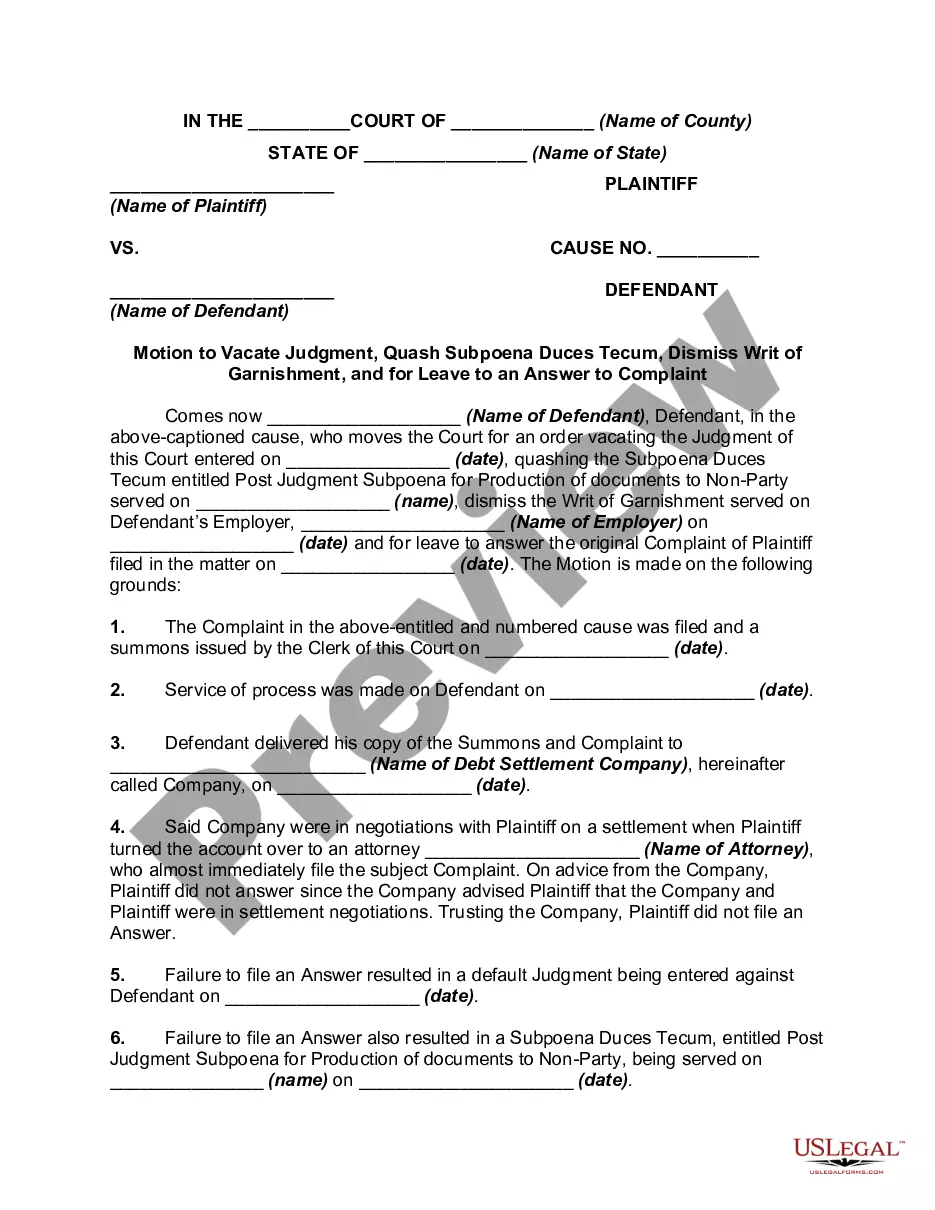
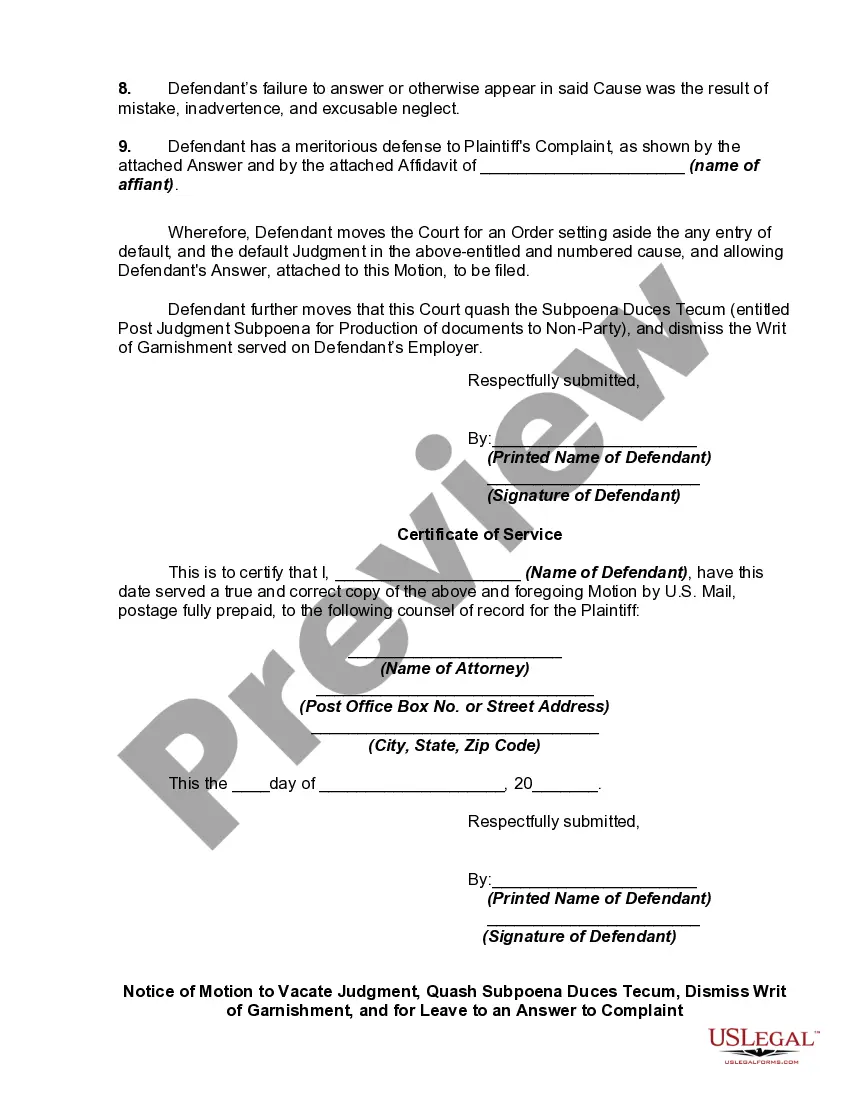
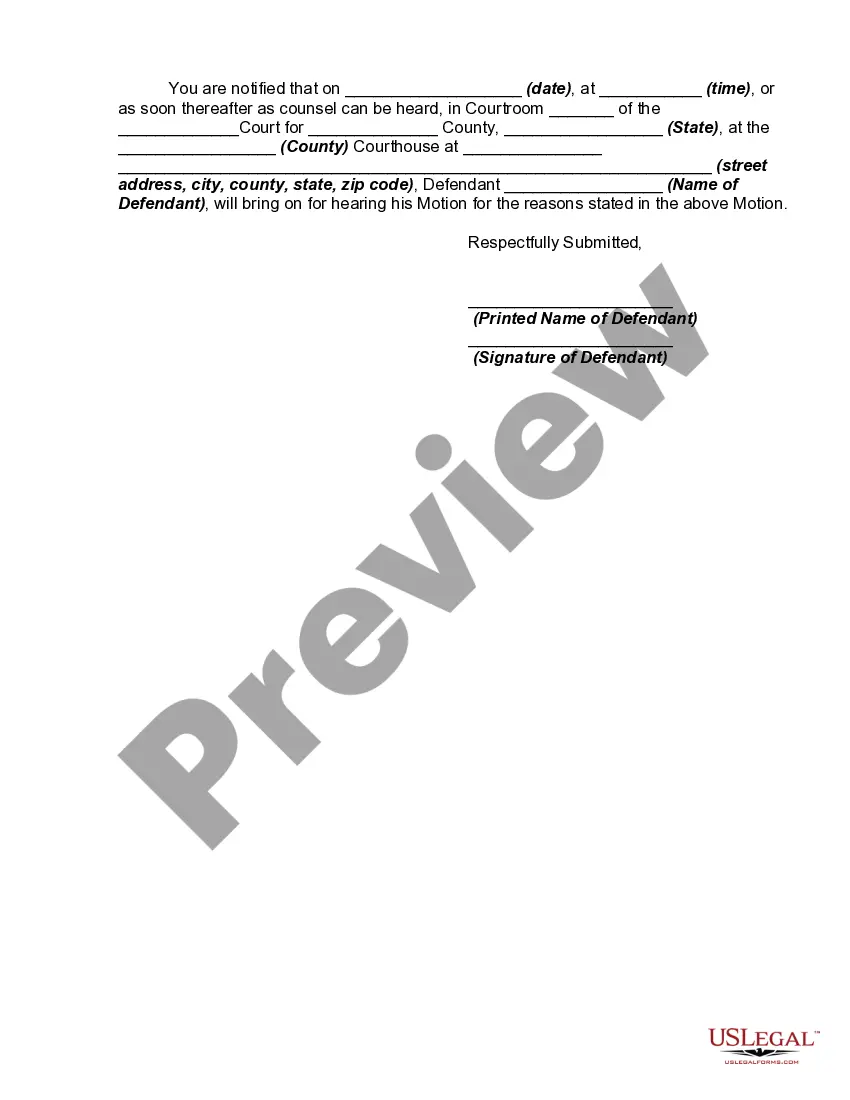
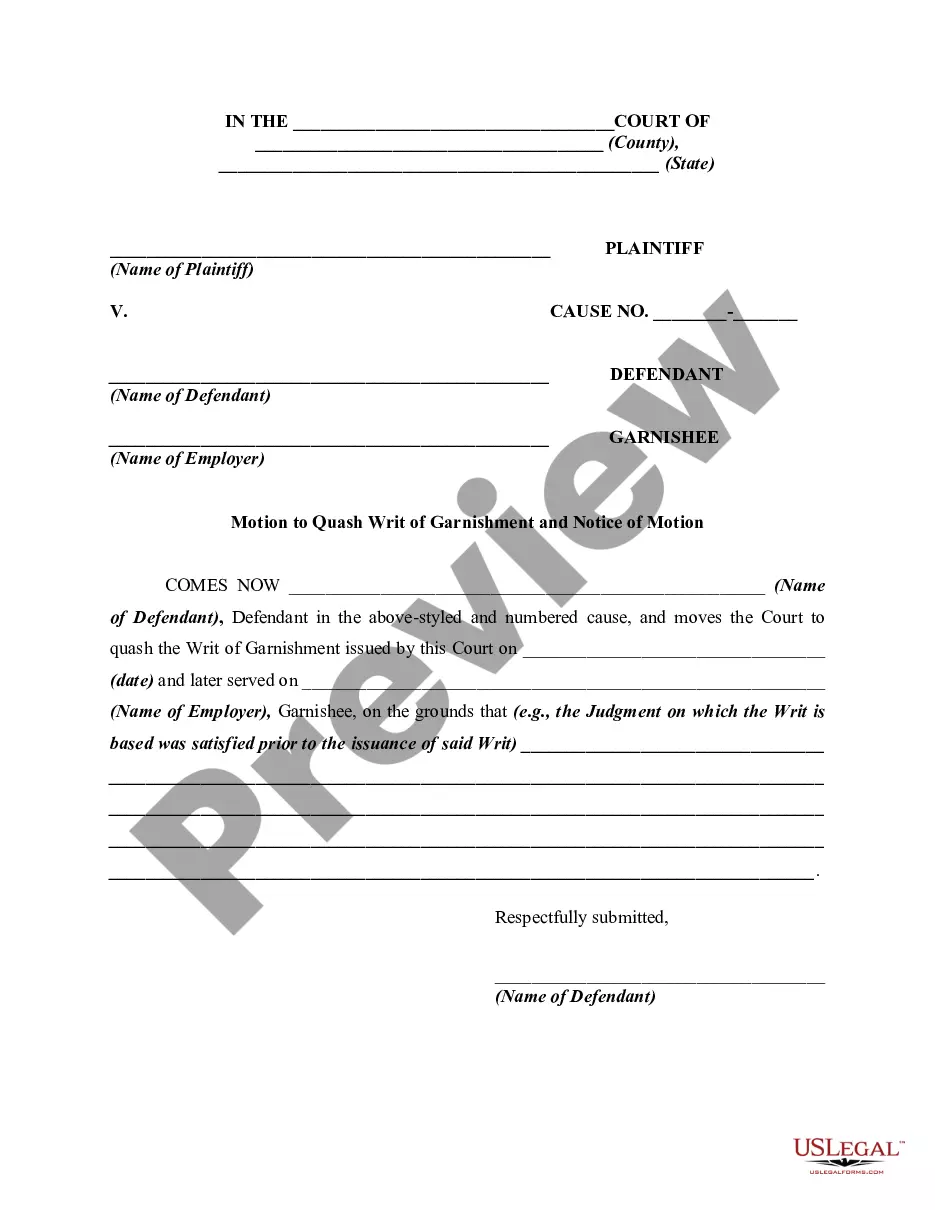
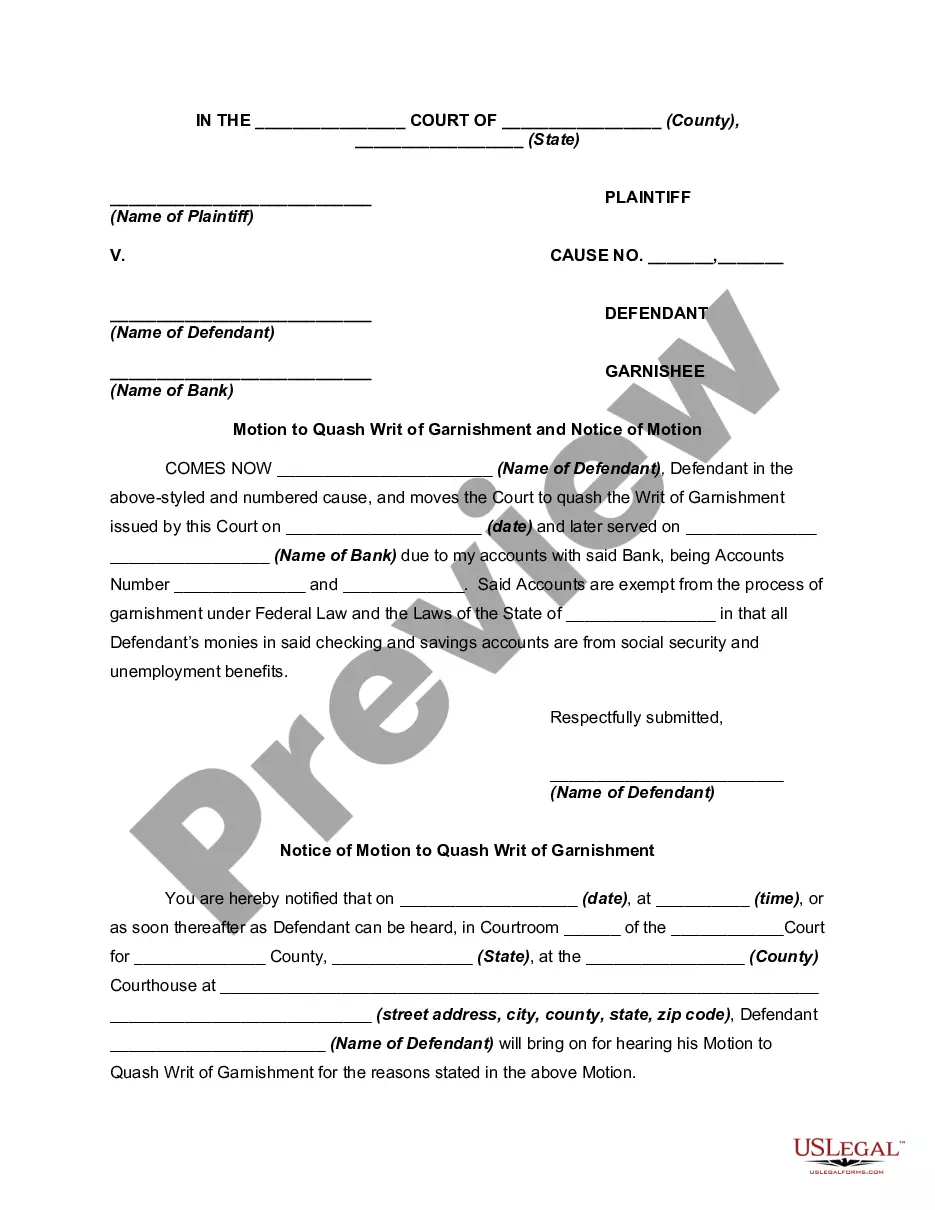
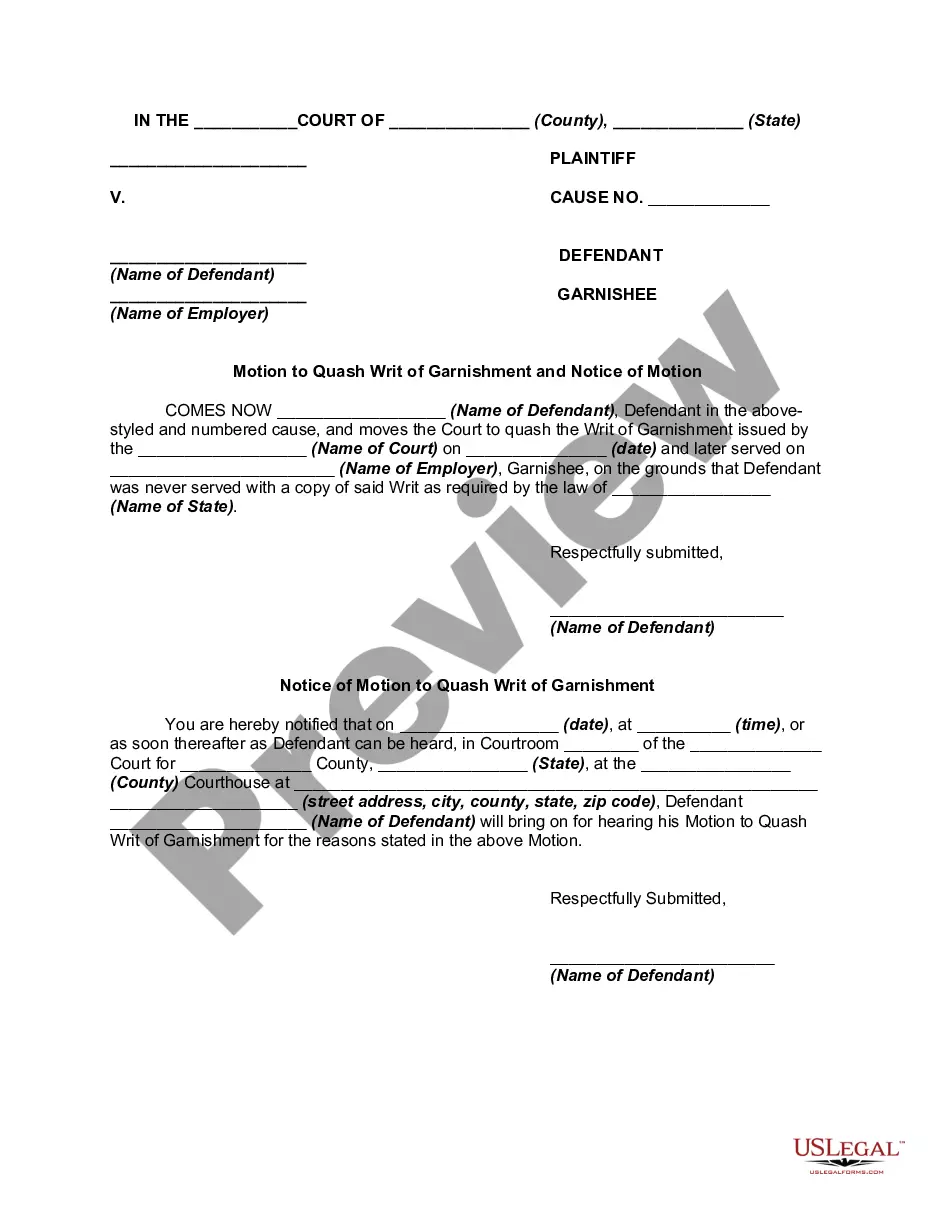
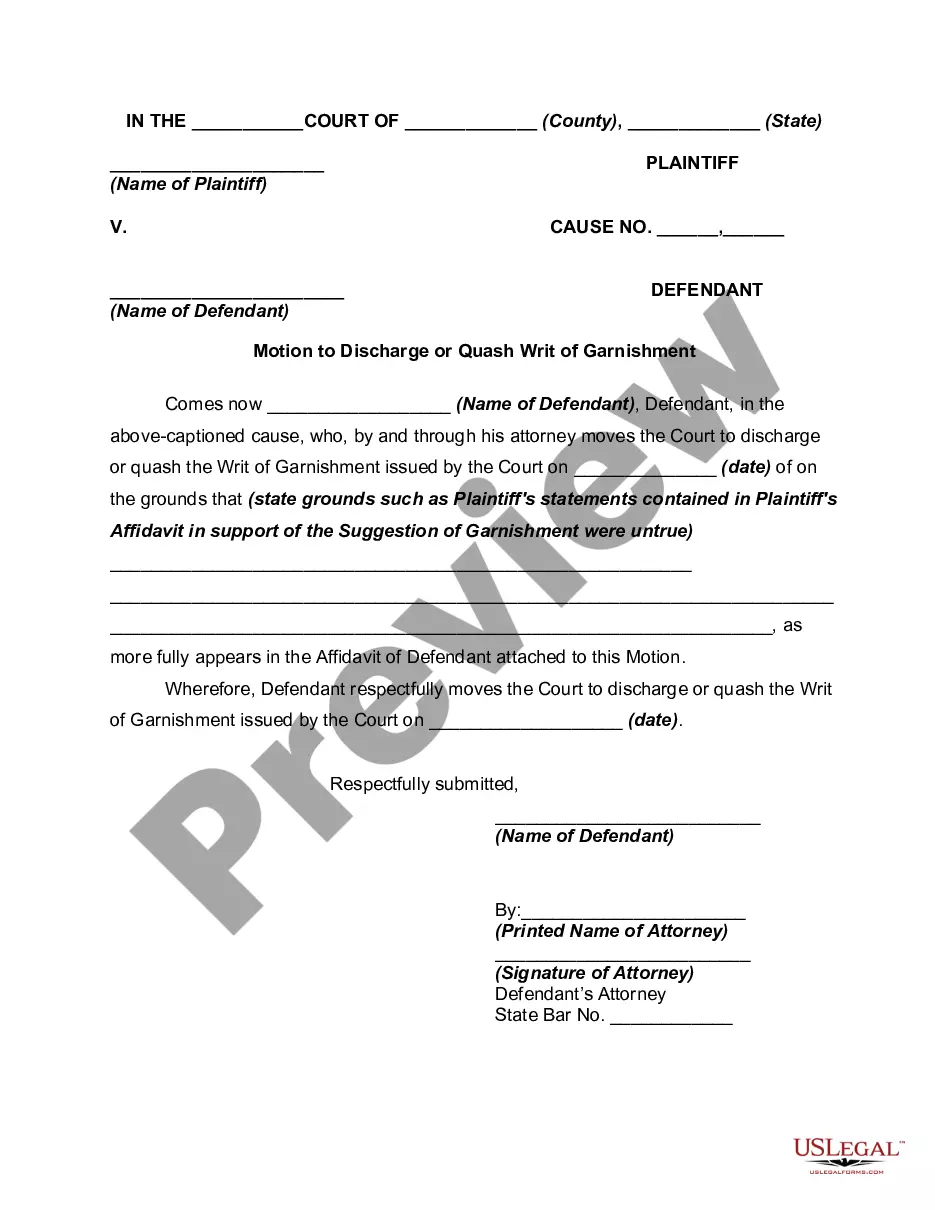
Get your form ready online
Our built-in tools help you complete, sign, share, and store your documents in one place.
Make edits, fill in missing information, and update formatting in US Legal Forms—just like you would in MS Word.
Download a copy, print it, send it by email, or mail it via USPS—whatever works best for your next step.
Sign and collect signatures with our SignNow integration. Send to multiple recipients, set reminders, and more. Go Premium to unlock E-Sign.
If this form requires notarization, complete it online through a secure video call—no need to meet a notary in person or wait for an appointment.
We protect your documents and personal data by following strict security and privacy standards.

Make edits, fill in missing information, and update formatting in US Legal Forms—just like you would in MS Word.

Download a copy, print it, send it by email, or mail it via USPS—whatever works best for your next step.

Sign and collect signatures with our SignNow integration. Send to multiple recipients, set reminders, and more. Go Premium to unlock E-Sign.

If this form requires notarization, complete it online through a secure video call—no need to meet a notary in person or wait for an appointment.

We protect your documents and personal data by following strict security and privacy standards.
Looking for another form?

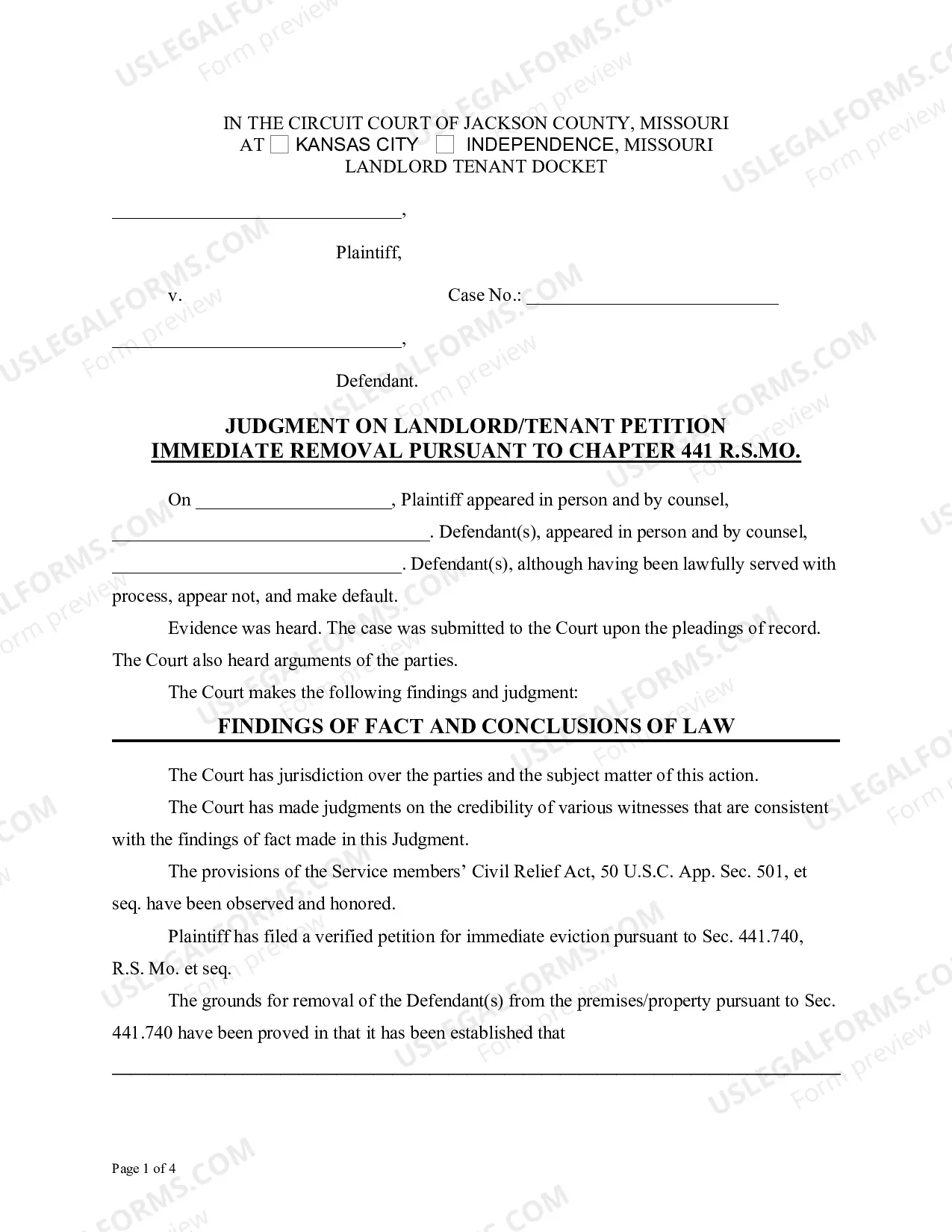




How to fill out Motion To Vacate Judgment, Quash Subpoena Duces Tecum, Dismiss Writ Of Garnishment, And For Leave To File An Answer To Complaint?
Acquiring legal document samples that conform to federal and local legislation is crucial, and the internet provides many options to select from.
But what’s the benefit of wasting time searching for the suitable Court Judgment Document With Court example online if the US Legal Forms digital library already consolidates such templates in one location.
US Legal Forms is the largest online legal repository featuring over 85,000 fillable documents created by attorneys for every professional and personal situation.
Utilize the most comprehensive and user-friendly legal documentation service!
- They are straightforward to navigate, with all documents categorized by state and intended use.
- Our experts keep current with legislative changes, ensuring your form is always updated and compliant when obtaining a Court Judgment Document With Court from our site.
- Acquiring a Court Judgment Document With Court is simple and swift for both existing and new users.
- If you already possess an account with a valid subscription, Log In and save the document sample you need in the appropriate format.
- If you are unfamiliar with our website, follow the steps outlined below.
Form popularity
FAQ
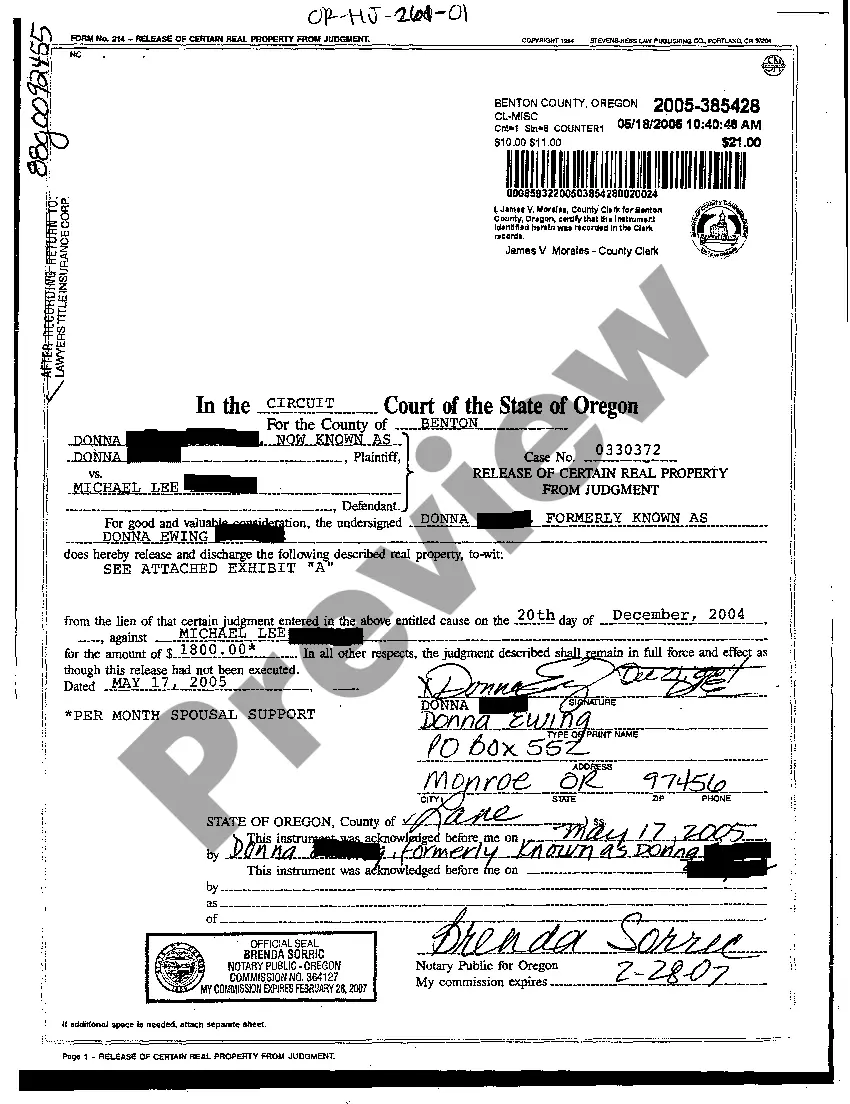
The format of a judgment usually contains headings for the parties involved, the case number, and the judge’s name. It also includes an introduction, a statement of the facts, legal findings, and the final ruling. For those reviewing a court judgment file with court, familiarizing yourself with this structure can clarify the judgment's implications.
A judgment is typically written in a structured format that includes the case title, court details, and the decision made by the judge. It provides a summary of the facts, legal reasoning, and the final order, which might include compensation or penalties. Accessing a court judgment file with court documentation helps ensure you understand the specifics.
Disbursements are out of pocket expenses that the person who losses the case is responsible for, like filing fees. A judgment is good for 20 years, but if the plaintiff wants to enforce the judgment against land it is only good for 10 years unless the plaintiff renews it for another 10 years.
A judgment generally operates to settle finally and authoritatively matters in dispute before a court. Judgments may be classified as in personam, in rem, or quasi in rem.
A judgment is an official result of a lawsuit in court. In debt collection lawsuits, the judge may award the creditor or debt collector a judgment against you. You are likely to have a judgment entered against you for the amount claimed in the lawsuit if you: Ignore the lawsuit, or.
Judgments are opened when a person alleges facts that if true, would render the judgment inequitable. Due to the highly methodical structure of the court system, a party must strictly adhere to the procedure in order to have a judgment opened. First, the party must file a Motion to Open or Set Aside.