Foreclosure With Equity
Description
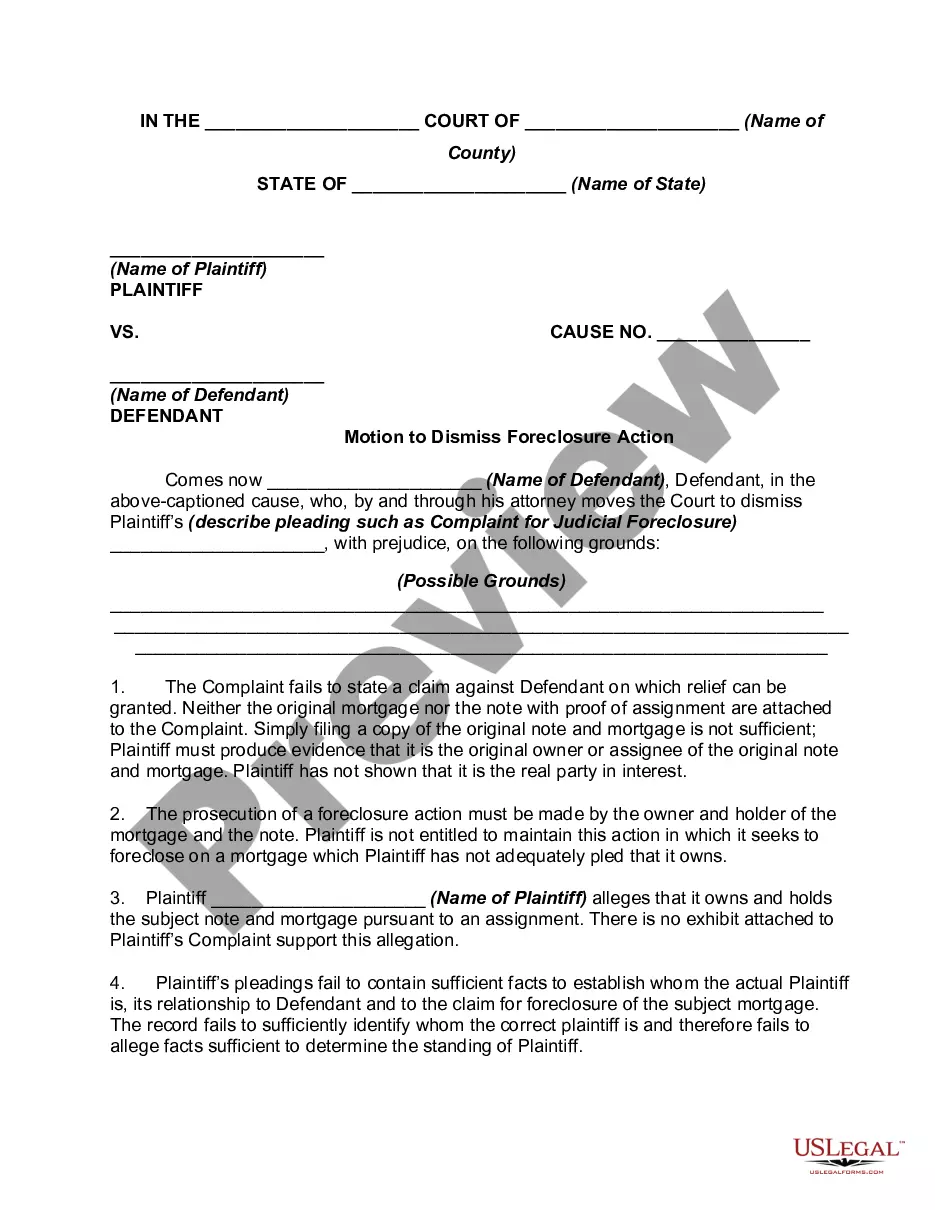
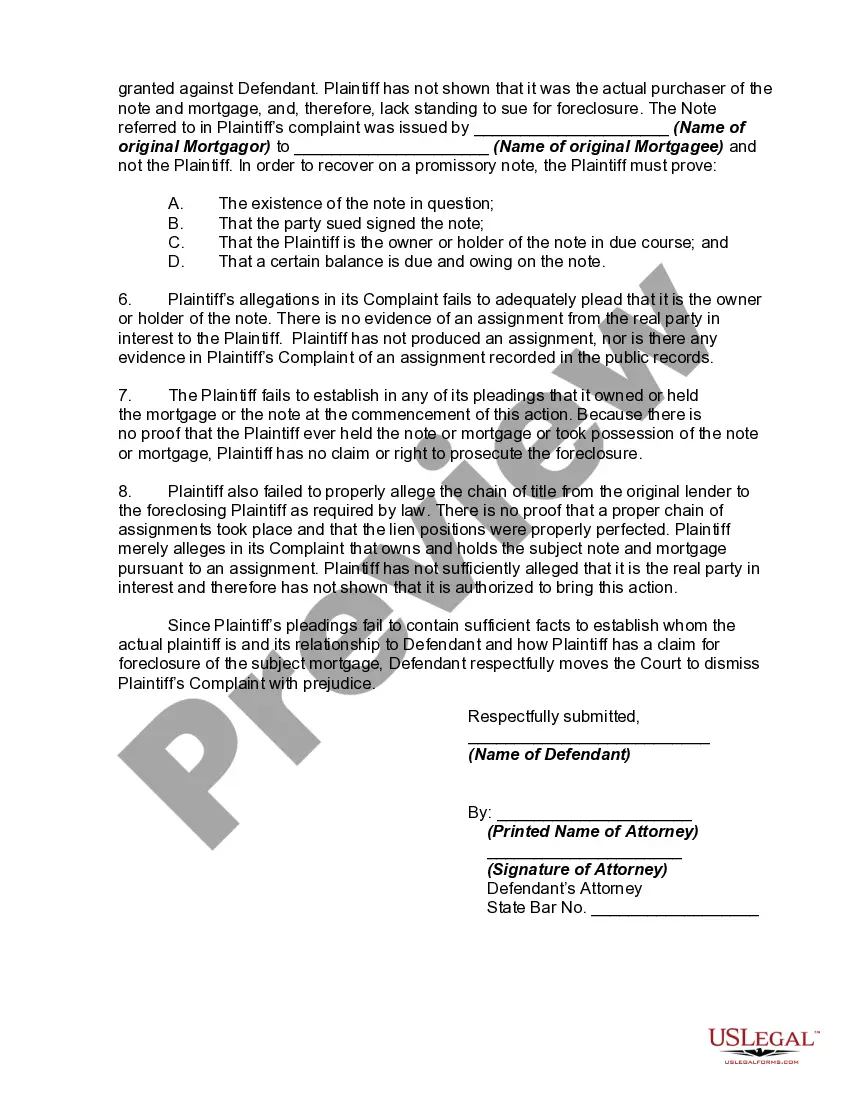
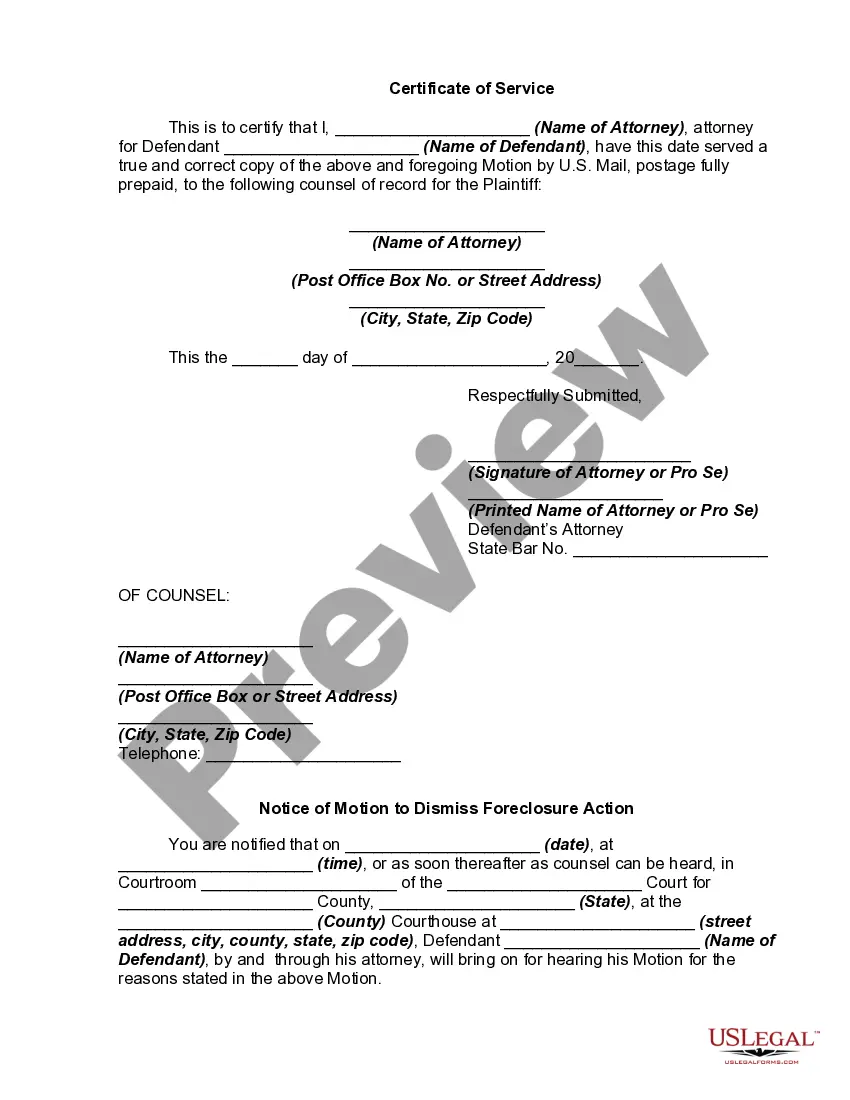
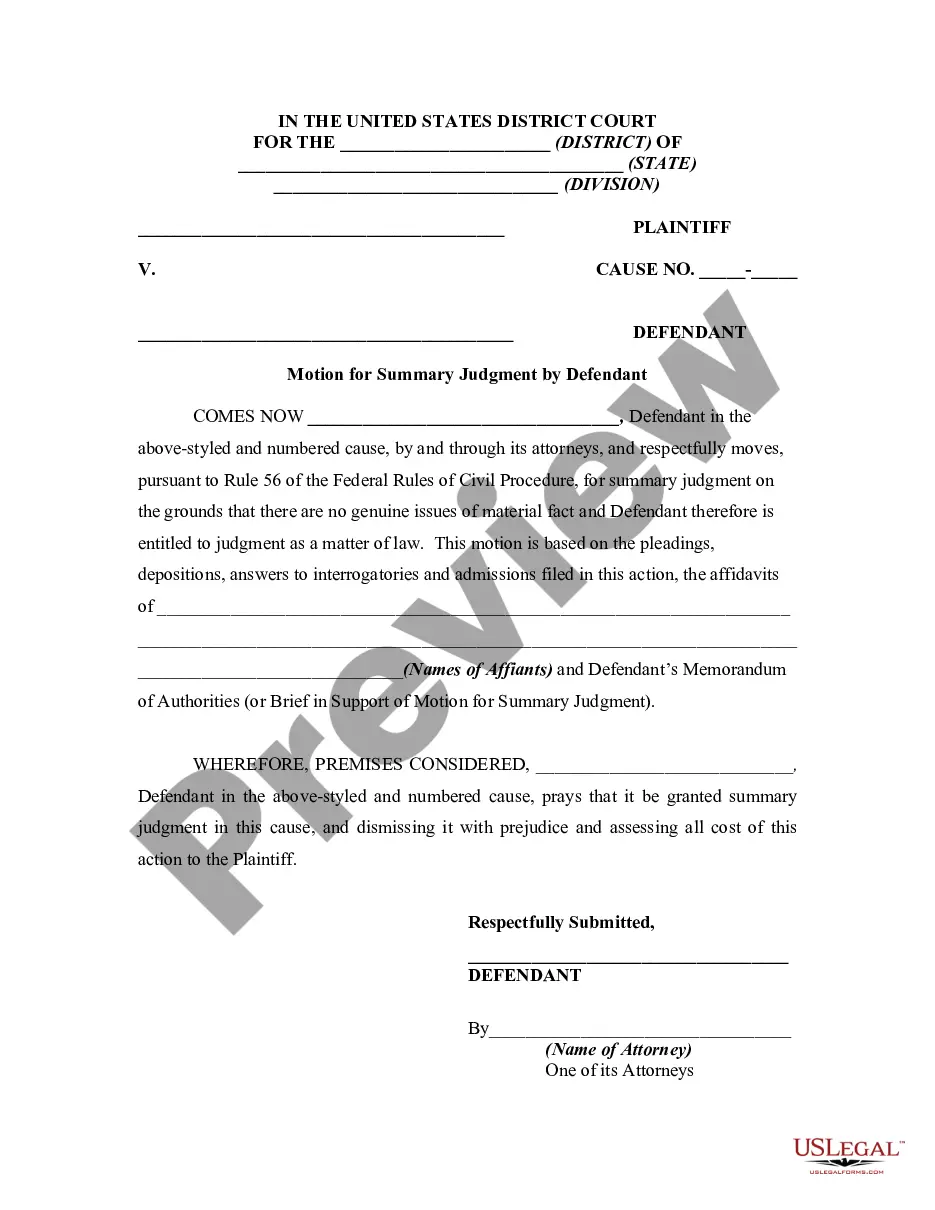
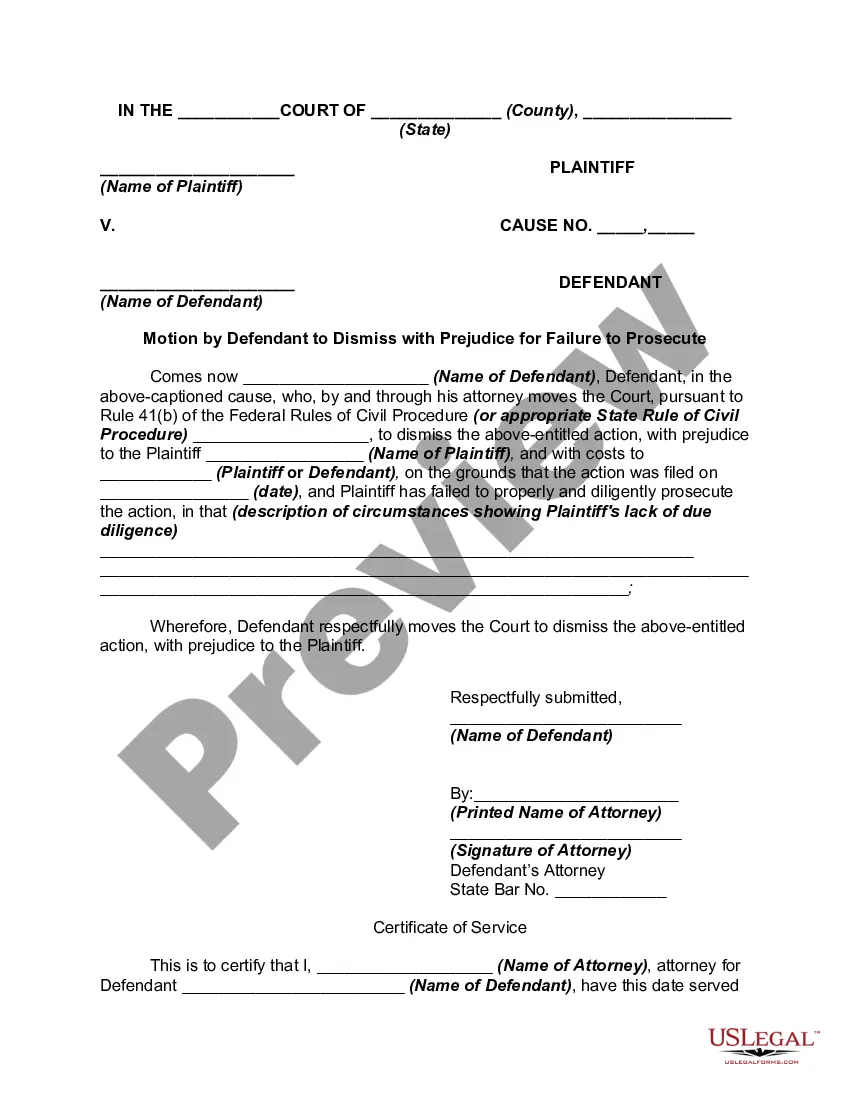
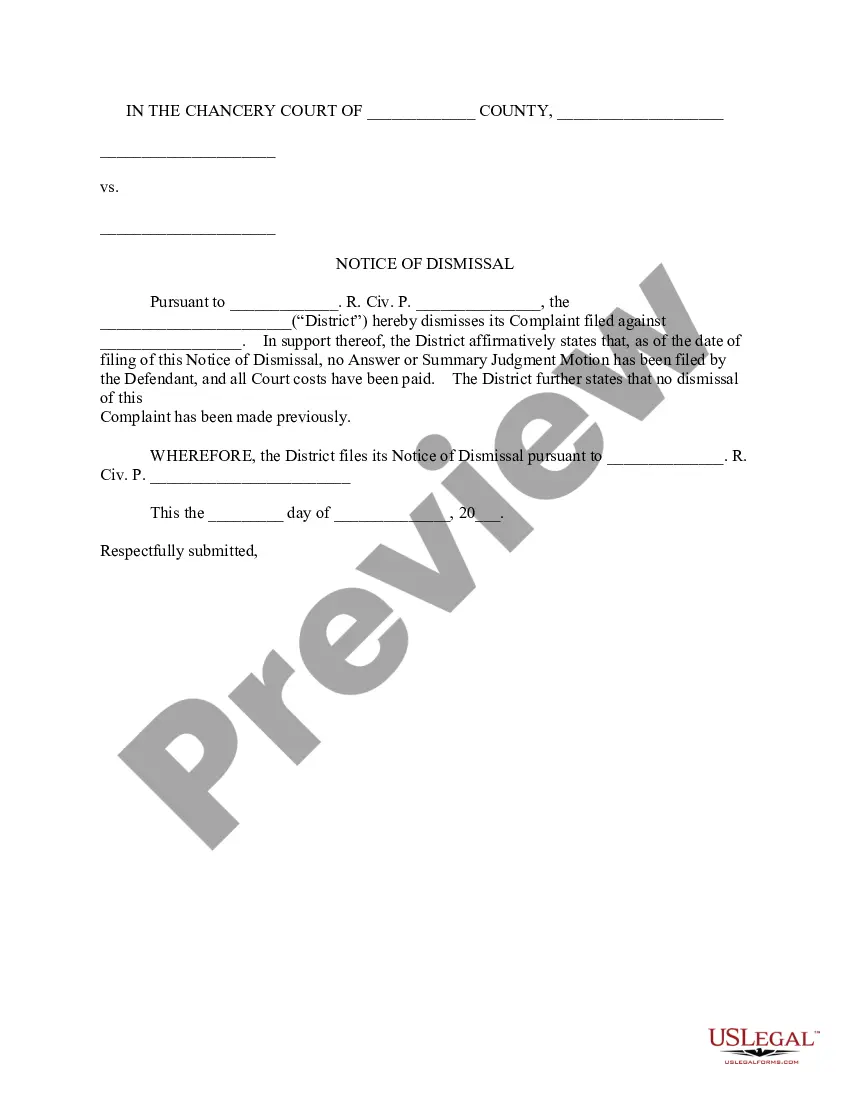
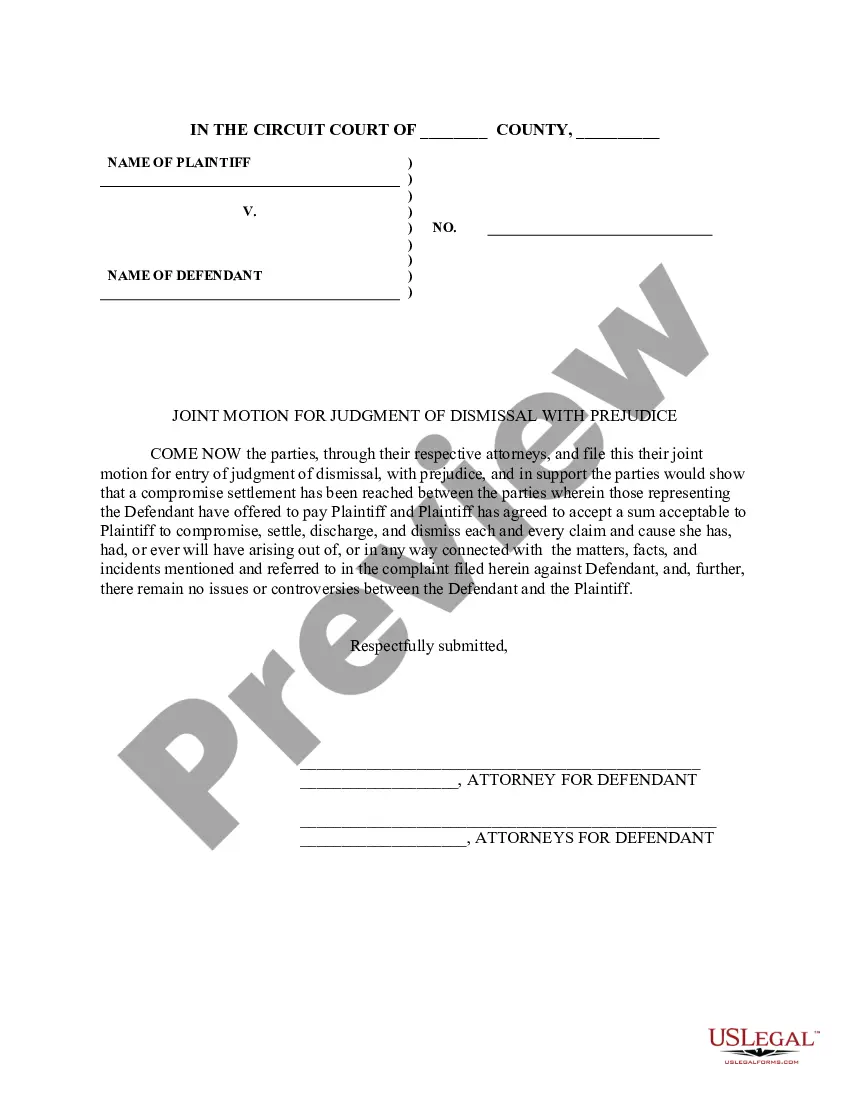
Get your form ready online
Our built-in tools help you complete, sign, share, and store your documents in one place.
Make edits, fill in missing information, and update formatting in US Legal Forms—just like you would in MS Word.
Download a copy, print it, send it by email, or mail it via USPS—whatever works best for your next step.
Sign and collect signatures with our SignNow integration. Send to multiple recipients, set reminders, and more. Go Premium to unlock E-Sign.
If this form requires notarization, complete it online through a secure video call—no need to meet a notary in person or wait for an appointment.
We protect your documents and personal data by following strict security and privacy standards.

Make edits, fill in missing information, and update formatting in US Legal Forms—just like you would in MS Word.

Download a copy, print it, send it by email, or mail it via USPS—whatever works best for your next step.

Sign and collect signatures with our SignNow integration. Send to multiple recipients, set reminders, and more. Go Premium to unlock E-Sign.

If this form requires notarization, complete it online through a secure video call—no need to meet a notary in person or wait for an appointment.

We protect your documents and personal data by following strict security and privacy standards.
Looking for another form?





How to fill out Motion To Dismiss Foreclosure Action And Notice Of Motion?
- Log into your account on US Legal Forms if you're a returning user. Ensure your subscription is current or renew it as needed.
- For new users, begin by browsing the preview mode and descriptions of the available forms. Identify the one that adheres to your requirements and local jurisdiction.
- If the selected document is not suitable, utilize the Search tab to find other relevant templates until you find the right one.
- Once you've chosen the correct form, click 'Buy Now' and select a subscription that fits your needs. You will need to create an account for full access.
- Complete your purchase using a credit card or PayPal. After payment confirmation, proceed to download your form.
- Save the document to your device for easy access and ongoing use from the 'My Forms' section of your profile.
US Legal Forms empowers users with an extensive collection of over 85,000 legal forms, offering more options than competitors at a similar cost. Their platform also grants access to premium experts who can assist in ensuring your documents are filled out correctly and are legally sound.
In conclusion, utilizing US Legal Forms can streamline your experience with foreclosure with equity. Take advantage of their robust library and expert support to navigate your legal documentation needs efficiently. Start today and ensure your forms are accurate and up-to-date!
Form popularity
FAQ
When a home enters foreclosure, the owner's equity can be significantly impacted. If the home sells for less than the mortgage balance, the owner may lose all their equity. However, if there is remaining equity, the owner may receive this amount after the sale, provided the mortgage and lien debts are settled. It’s critical to consider how foreclosure with equity affects your financial future.
The 120 day rule in foreclosure refers to a timeline that lenders must follow after a borrower defaults. Specifically, they must wait 120 days before initiating the foreclosure process. This waiting period gives homeowners a chance to explore options like selling their home or utilizing their equity to avoid foreclosure. It’s a crucial time for homeowners to assess their financial situation.
In a foreclosure process, the lender typically seizes the equity in the home, assuming they have a lien on the property. If equity exists after the sale, any remaining funds may be returned to you, but this can vary based on state laws. Understanding the implications of foreclosure with equity helps you make informed decisions about your property.
Yes, you can pull out equity without refinancing through options like home equity loans or lines of credit. These choices allow you to tap into the value of your home while maintaining your existing mortgage. It’s essential to consider how this might impact your financial health, especially if facing a situation involving foreclosure with equity.
The equitable mortgage rule establishes that a contract can create a mortgage even if it is not formally executed. This rule aims to protect the rights of parties who intended to create a mortgage agreement. If faced with potential foreclosure, knowing about equitable mortgages can provide homeowners with legal avenues to explore.
During a foreclosure, the homeowner's equity is at risk of being lost, particularly if the property sells for less than the owed amount. If the property is sold, any remaining equity after debts are settled may benefit the homeowner, but this is not always guaranteed. Understanding the nuances of foreclosure with equity is important to protect your financial interests.
Foreclosure is considered an equitable remedy in certain legal contexts, particularly when the lender seeks to recover a debt secured by a property. While it aims to settle financial obligations, it often leads to complex issues for the homeowner. Understanding how foreclosure with equity impacts your position can be crucial in navigating this situation.
Typically, the homeowner suffers the most during a foreclosure. They face loss of property and financial distress, which can lead to long-term credit damage. Additionally, the community may also feel the effects as property values can decline when several homes are foreclosed upon.
Yes, you can foreclose on an equitable mortgage. An equitable mortgage is recognized in situations where the intent to create a mortgage is clear, even if the formalities are not strictly followed. However, it's essential to note that foreclosure with equity can complicate the process, as homeowners may need to demonstrate their equity claims.
When a foreclosure occurs, the equity you have in the property may be significantly impacted. Typically, the lender takes possession of the home, and if it sells for less than what you owe, you could lose any potential equity. It's vital to understand that the foreclosure can diminish your financial standing and affect your future buying power.