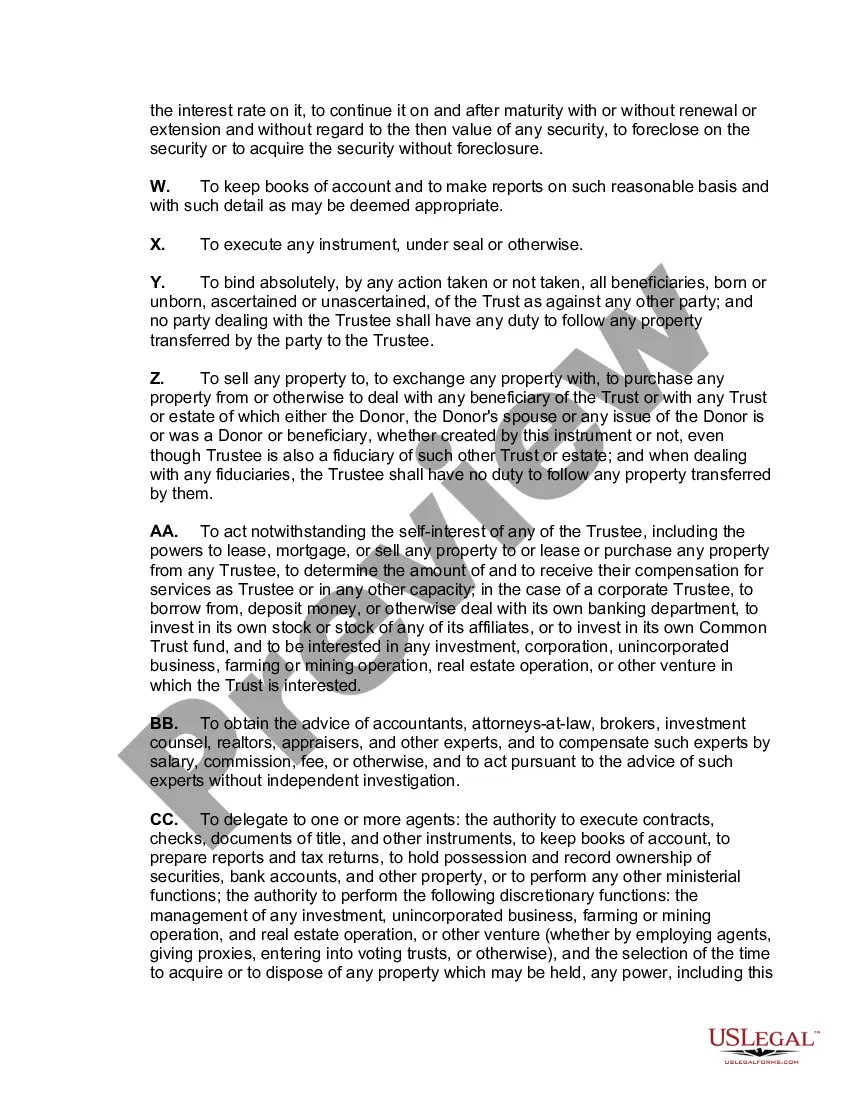
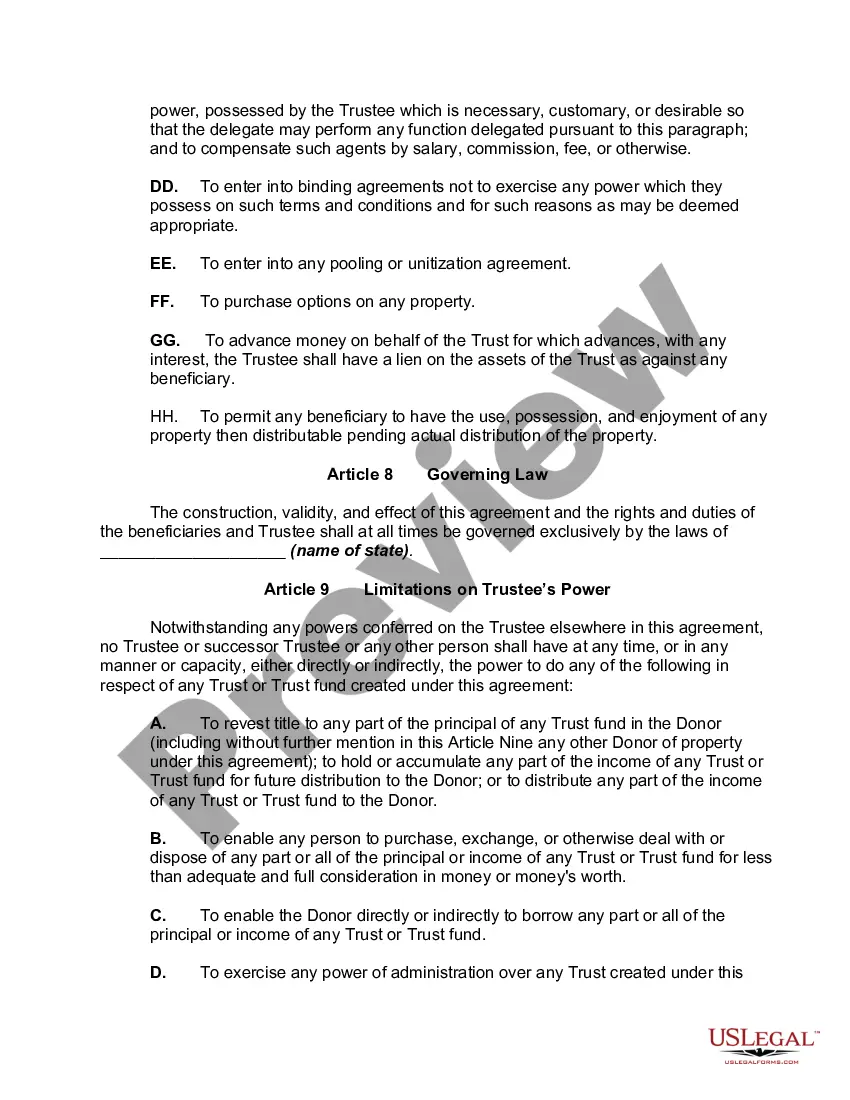
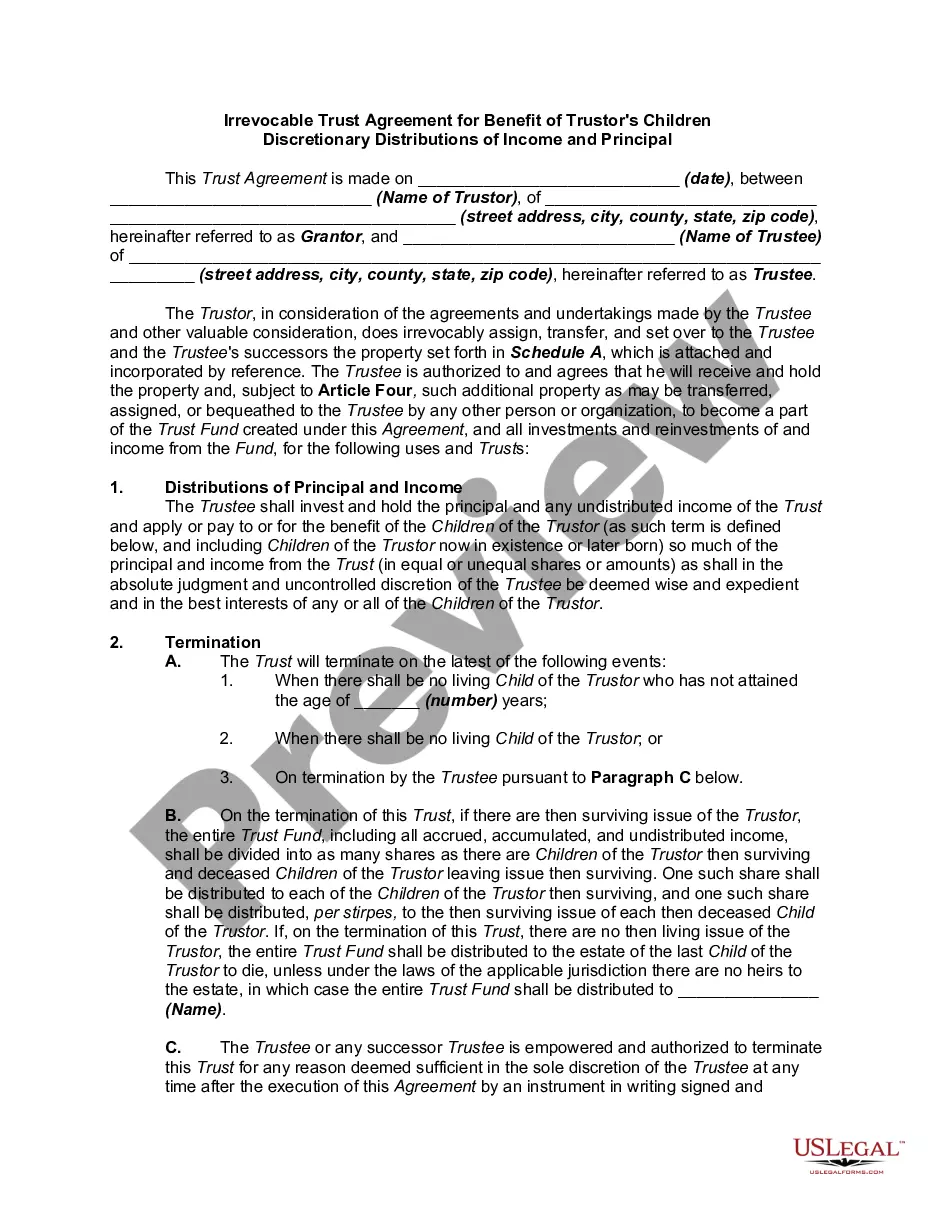
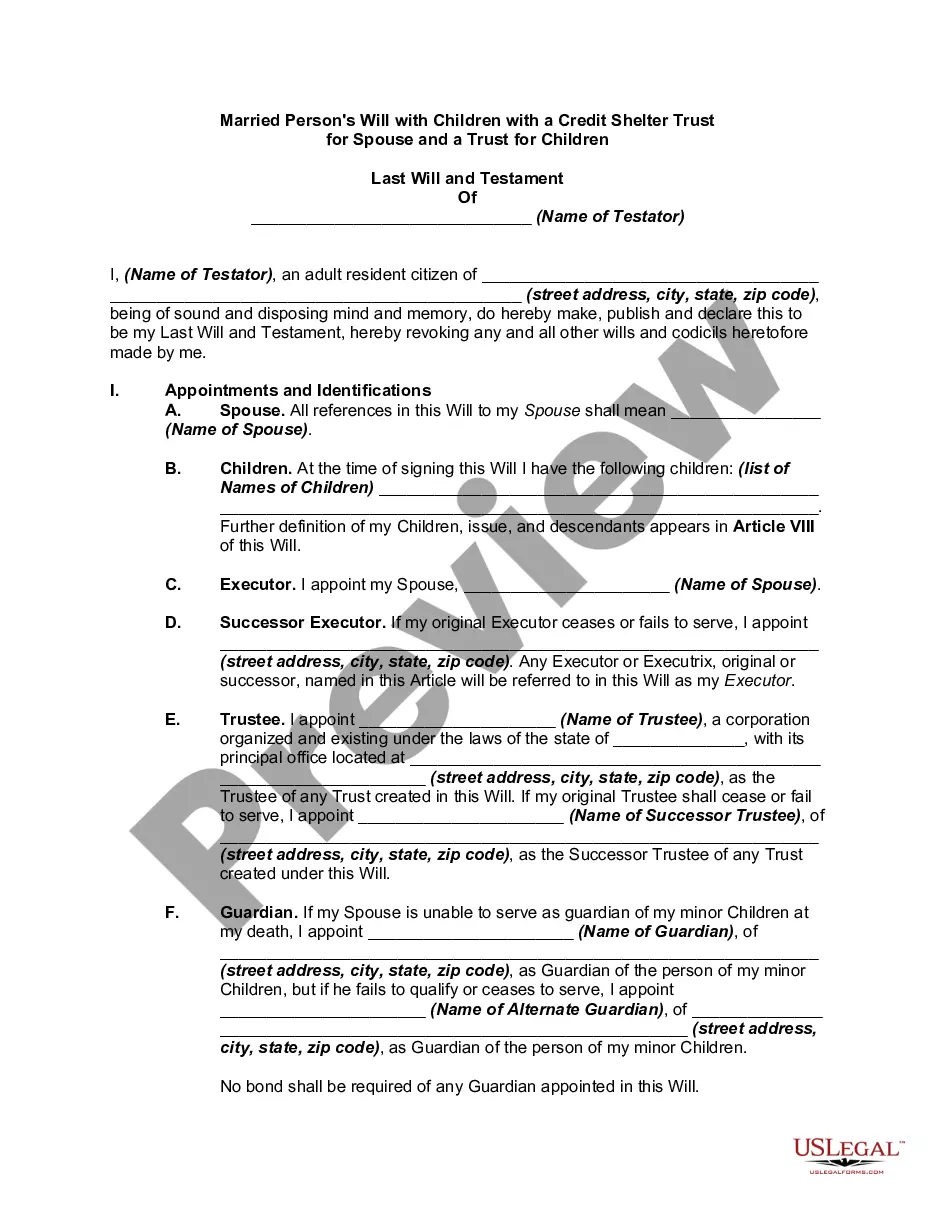
Trust Principal Donors Death Blank With The Help
Description
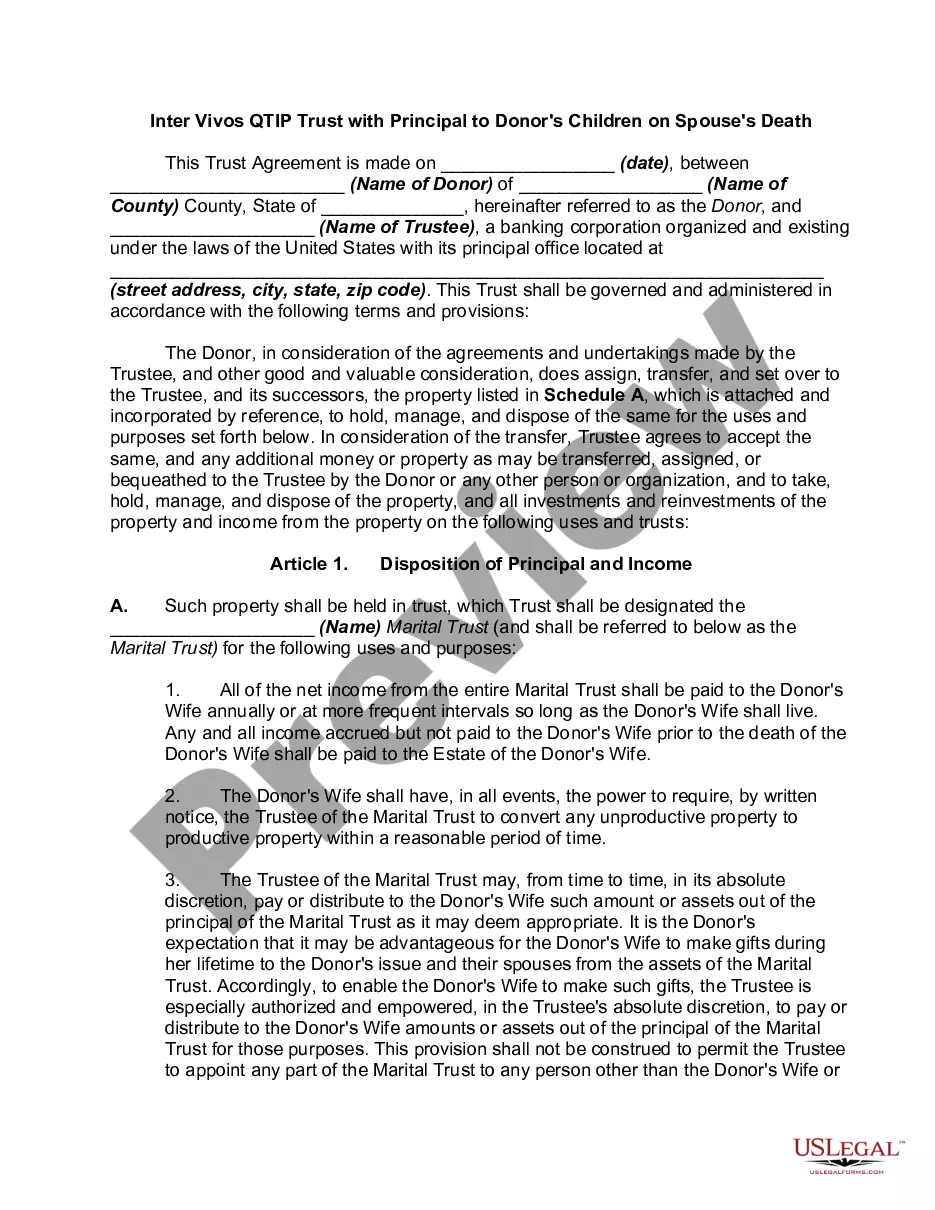
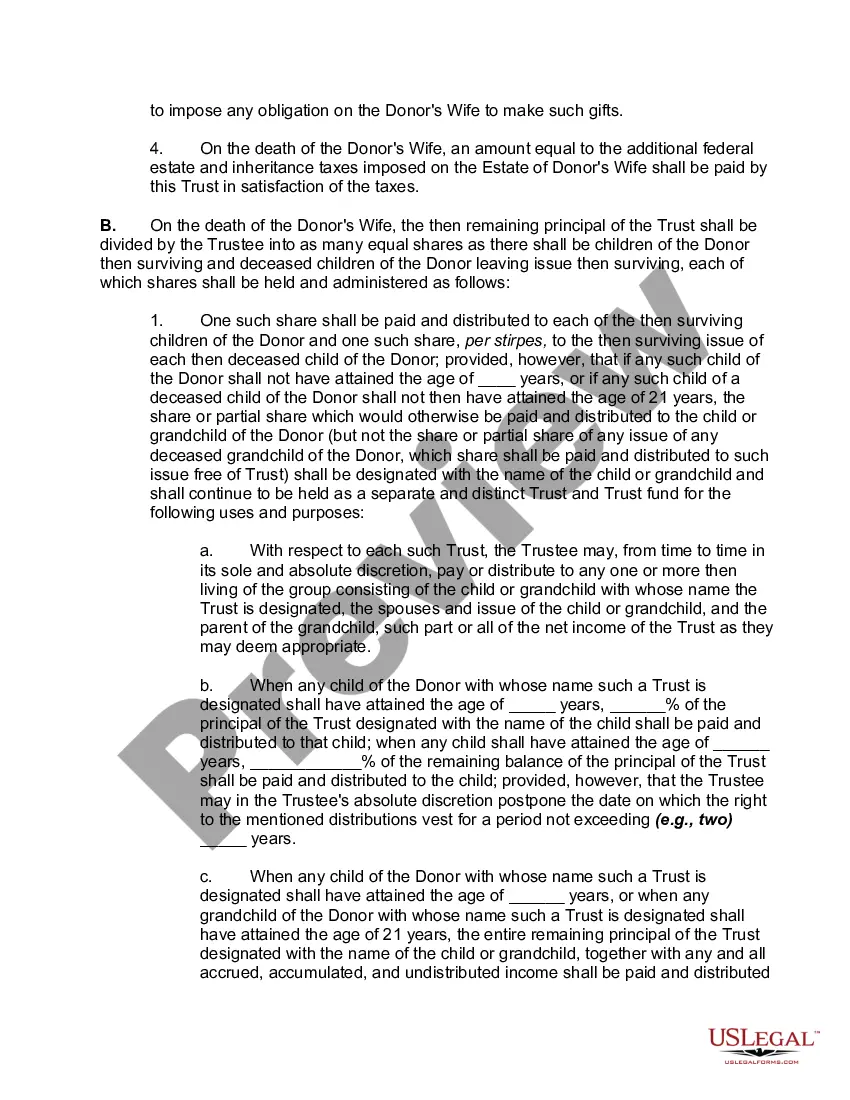
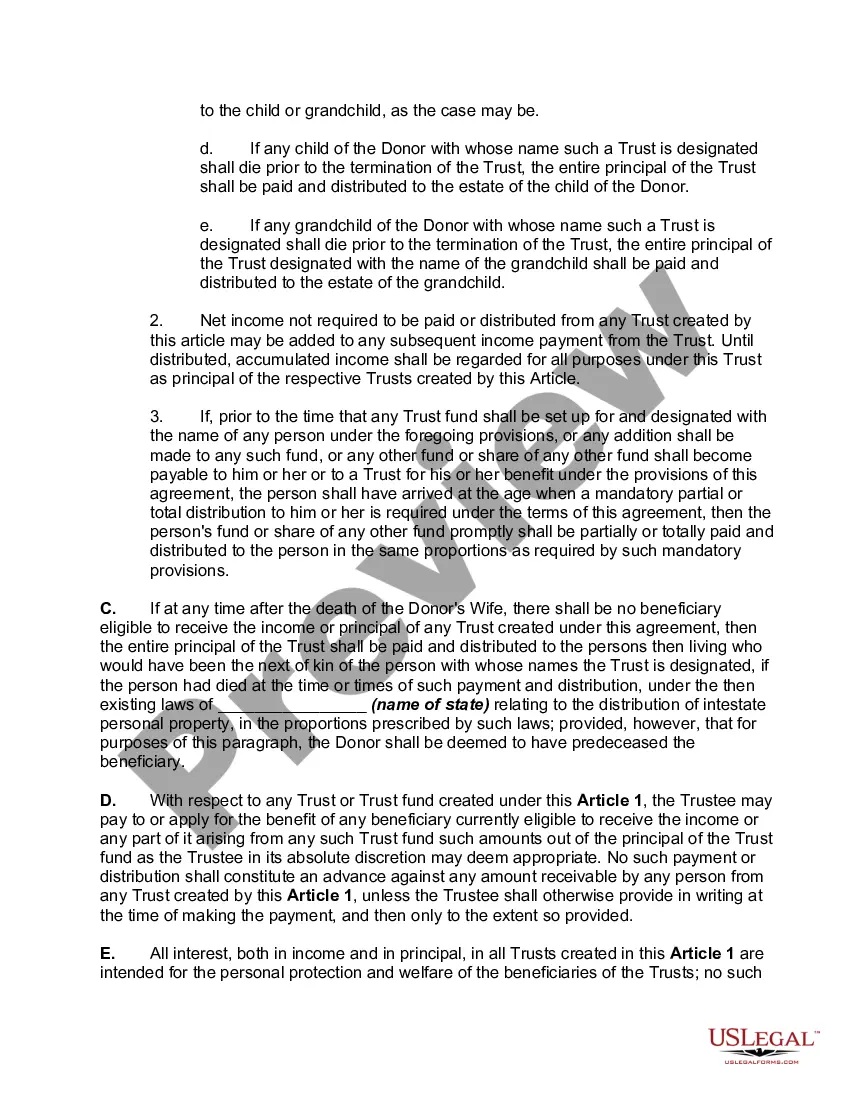
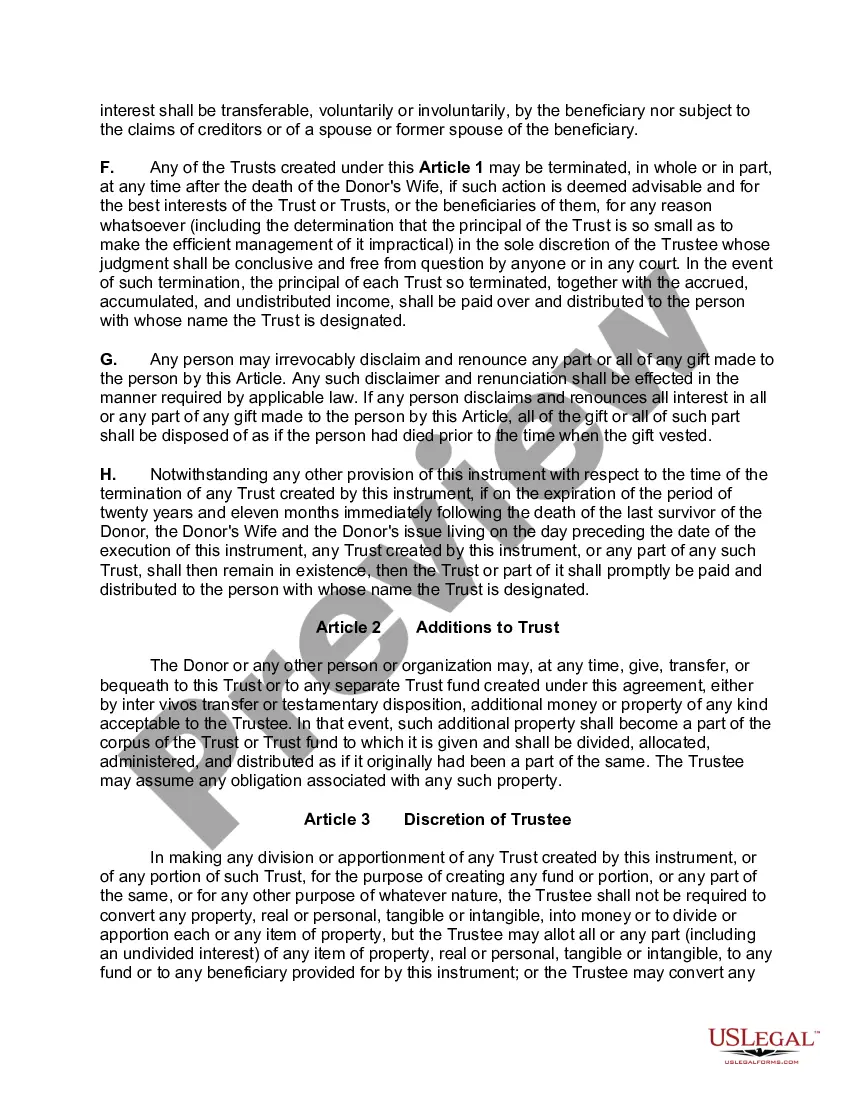

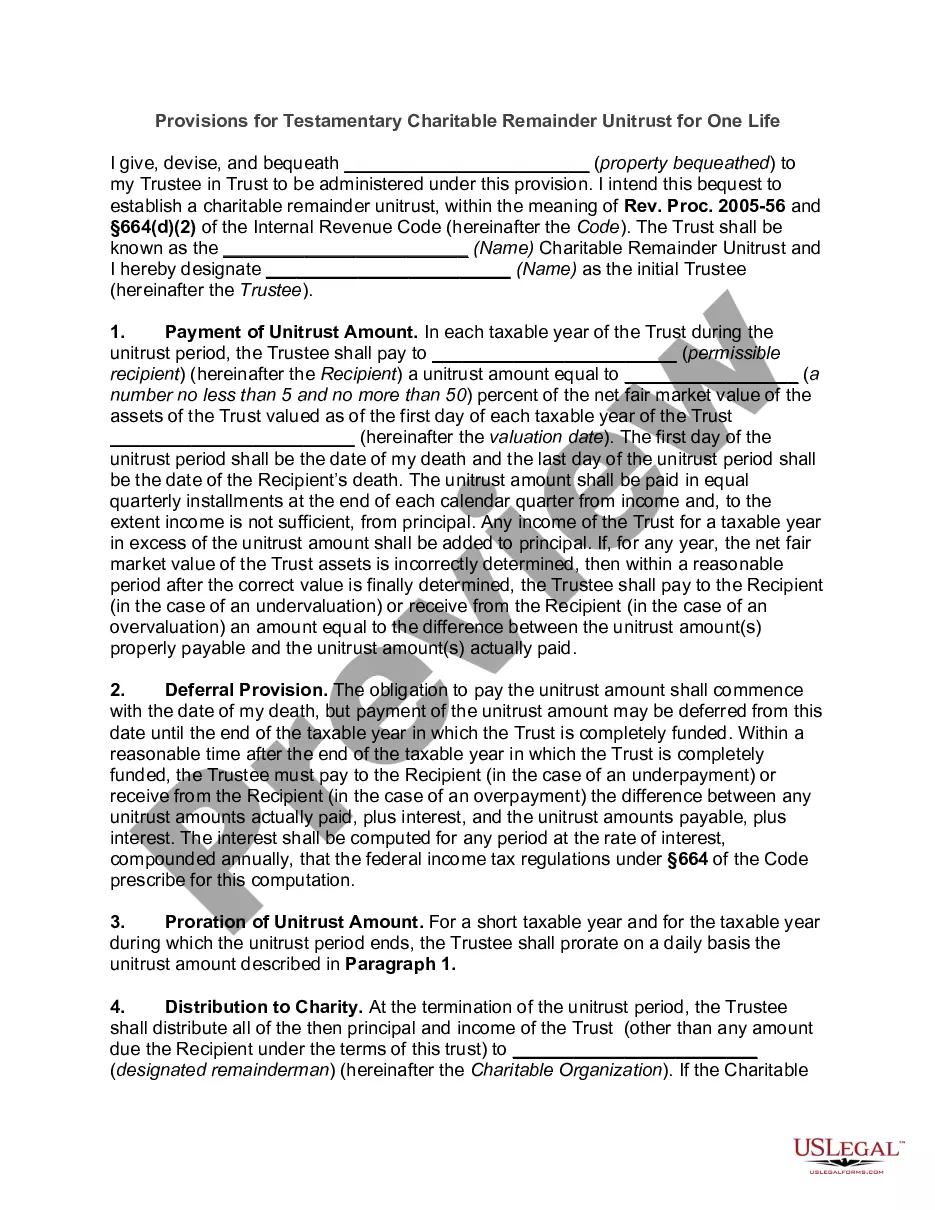
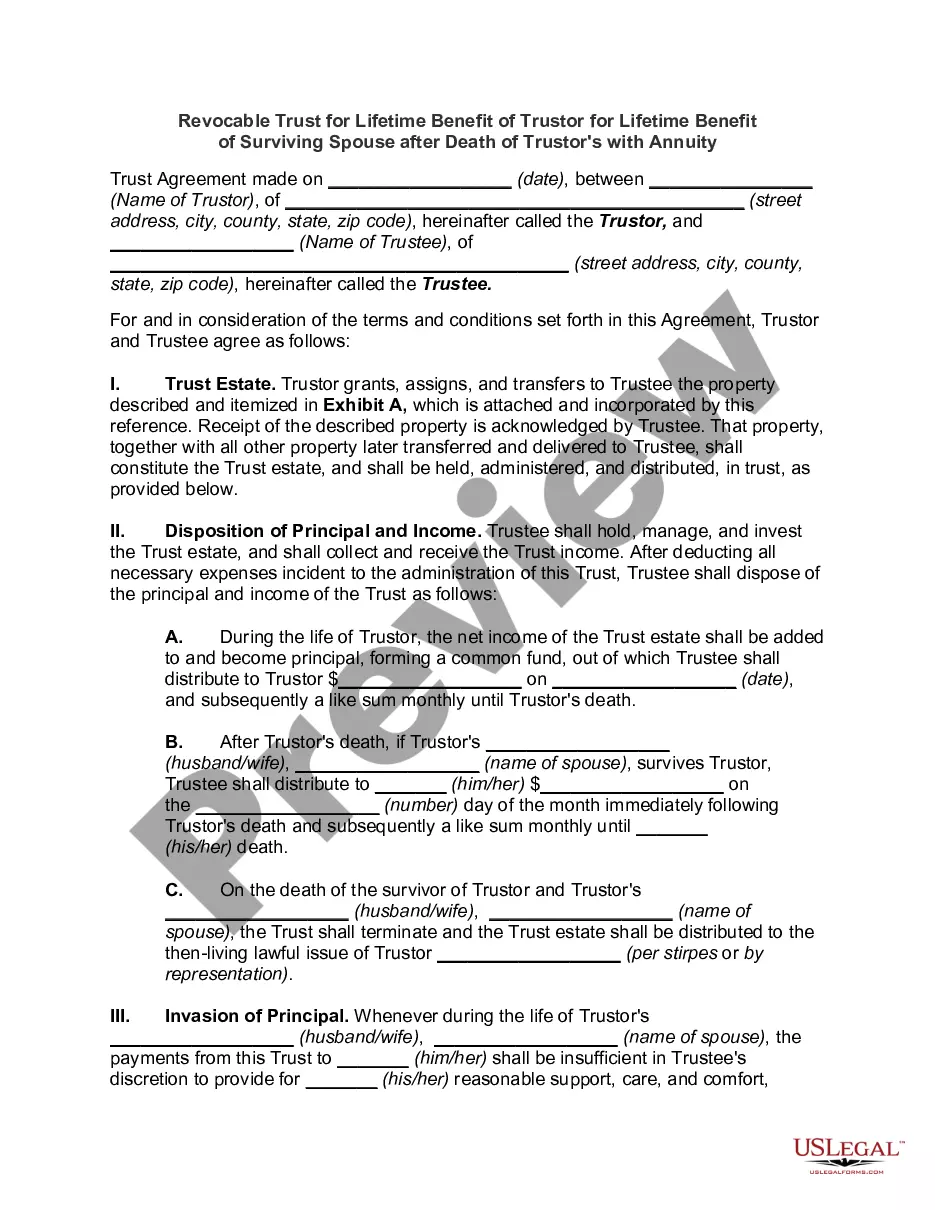
Get your form ready online
Our built-in tools help you complete, sign, share, and store your documents in one place.
Make edits, fill in missing information, and update formatting in US Legal Forms—just like you would in MS Word.
Download a copy, print it, send it by email, or mail it via USPS—whatever works best for your next step.
Sign and collect signatures with our SignNow integration. Send to multiple recipients, set reminders, and more. Go Premium to unlock E-Sign.
If this form requires notarization, complete it online through a secure video call—no need to meet a notary in person or wait for an appointment.
We protect your documents and personal data by following strict security and privacy standards.

Make edits, fill in missing information, and update formatting in US Legal Forms—just like you would in MS Word.

Download a copy, print it, send it by email, or mail it via USPS—whatever works best for your next step.

Sign and collect signatures with our SignNow integration. Send to multiple recipients, set reminders, and more. Go Premium to unlock E-Sign.

If this form requires notarization, complete it online through a secure video call—no need to meet a notary in person or wait for an appointment.

We protect your documents and personal data by following strict security and privacy standards.
Looking for another form?
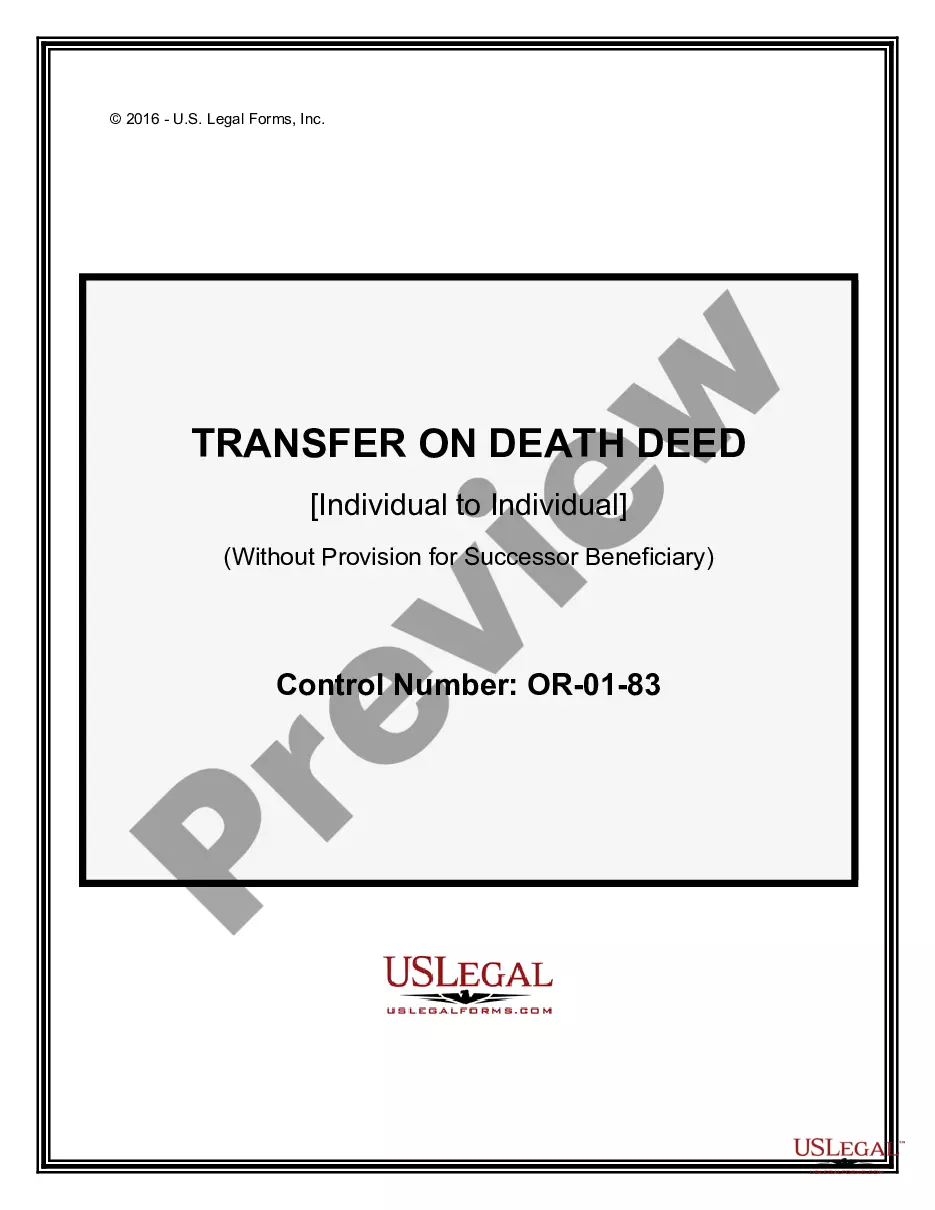



How to fill out Inter Vivos QTIP Trust With Principal To Donor's Children On Spouse's Death?
- If you're a returning user, log in to your account and check the status of your subscription to ensure you have access.
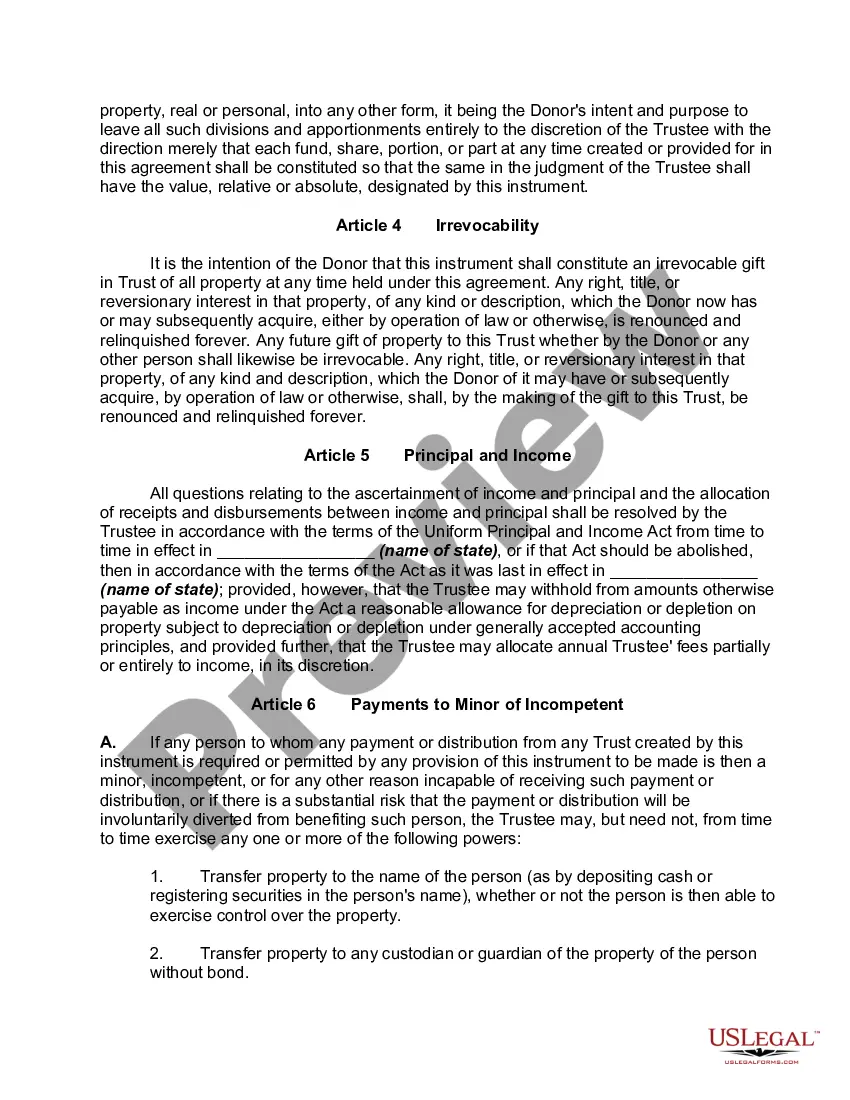
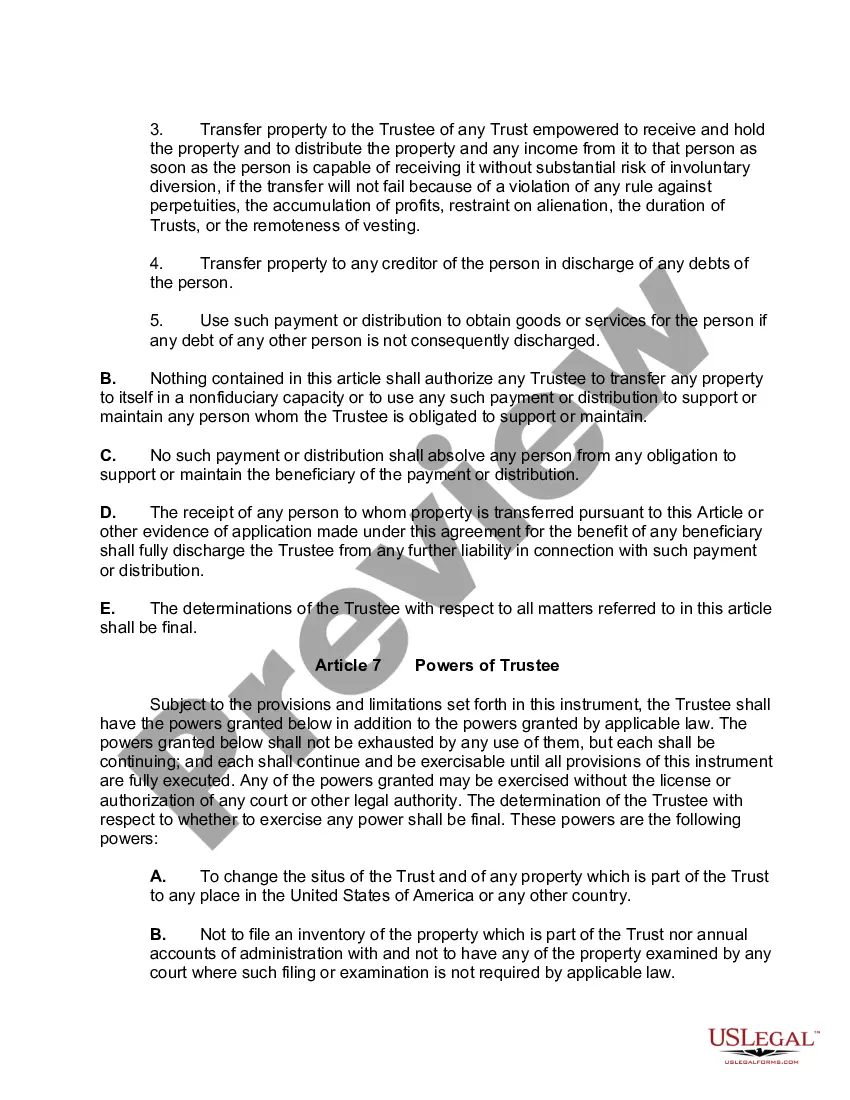
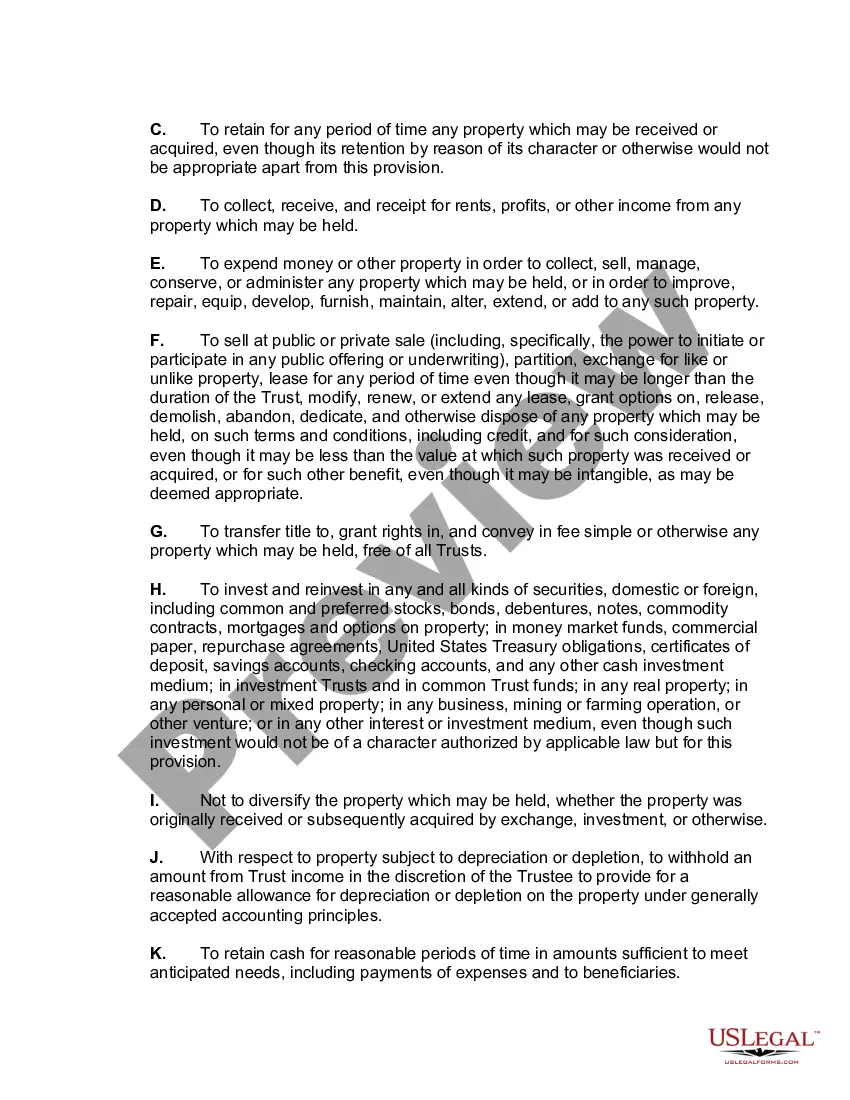
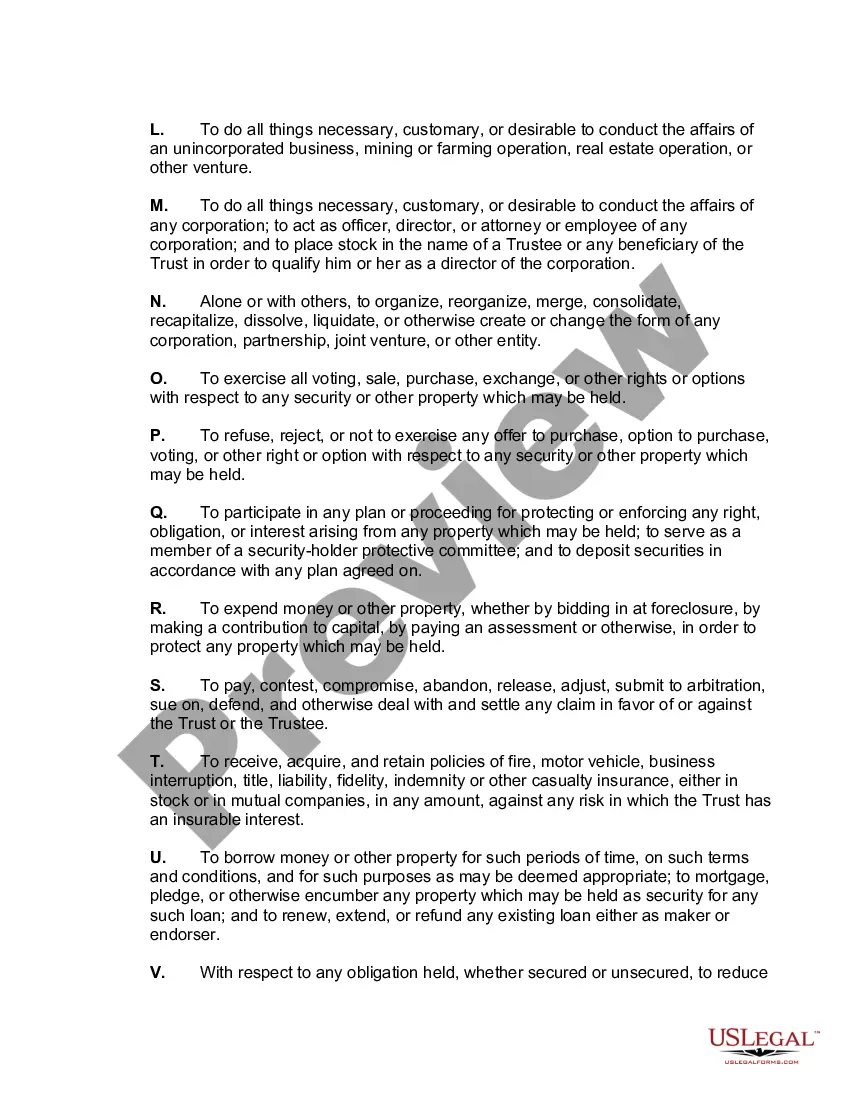
- Preview the template options available for trust principal donors death. Confirm that the form aligns with your needs and local regulations.
- Search for alternative templates using the Search tab if the needed form does not meet your requirements.
- Select and purchase the desired document by clicking 'Buy Now'. You may need to create an account to access the collection.
- Complete your purchase by entering your payment information, either through credit card or PayPal.
- Download the completed form to your device and access it anytime later through the 'My Forms' section on your profile.
Using US Legal Forms empowers individuals to navigate legal challenges efficiently. With over 85,000 customizable forms and access to expert assistance, you're guaranteed support in completing your documents correctly.
Start using US Legal Forms today to simplify your legal document needs. Don't wait—explore our extensive library now!
Form popularity
FAQ
When one of the two grantors of a trust dies, the trust generally continues to operate under the terms established. The surviving grantor retains control over the trust but must now manage it with consideration for the deceased grantor's stipulations. Trust principal donors death blank with the help is crucial in navigating these changes. It's important for the surviving grantor to work with legal experts, like those at US Legal Forms, to ensure compliance and clarity for all parties involved.
Yes, when one of two grantors passes away, the trust typically becomes irrevocable. This means that the terms cannot be changed without the consent of the beneficiaries. Trust principal donors death blank with the help involves understanding how the death of a grantor affects trust management. This change ensures that the intentions of the surviving grantor are preserved and that beneficiaries receive what is rightfully theirs.
To close a trust with the IRS, you must ensure all tax obligations are addressed and all required forms are filed, including the final Form 1041 and applicable Schedules. Closing the trust involves distributing the remaining assets to the beneficiaries and properly reporting those distributions. Understanding the tax responsibilities connected to a trust, especially concerning trust principal after the death of the donors, is essential for a smooth closure. For detailed assistance, exploring the support from US Legal Forms can streamline this process.
After an individual's death, a trust fund operates based on the instructions laid out in the trust agreement. The trustee will manage the trust's assets, ensuring proper distribution to the beneficiaries as specified. This process often involves evaluating the trust principal and addressing any obligations that arise after the trust principal donors' death. Familiarizing yourself with these procedures can be simplified with tools from US Legal Forms.
If you have a trust that qualifies as a complex trust, you likely need to file Form 1041 alongside Form 5227. Filing Form 1041 allows the trust to report its income and certain deductions. The inclusion of Form 5227 helps clarify distributions to beneficiaries, especially in the context of understanding the trust principal and its implications upon the trust principal donors' death. For tailored guidance, consider using the resources provided by US Legal Forms.
A trust does not automatically go away when someone dies. Instead, it continues to exist, and the terms dictate what happens to the assets. The trust is either distributed or managed based on the provisions laid out within it. In circumstances involving trust principal donors passing away, reviewing the trust's specifics can provide insight and direction, and using a platform like USLegalForms can ease this process.
When a recipient of a trust fund dies, the distribution of the assets depends on the terms of the trust. Typically, the assets either go to contingent beneficiaries designated in the trust or revert to the trust principal, which can be distributed according to the revised terms. It's crucial to clarify the intended outcomes within the trust documents to prevent confusion and ensure proper handling. For detailed guidance on these situations, the USLegalForms platform can provide useful assistance.
The 5 year rule for trusts generally refers to a tax regulation regarding the transfer of assets into a trust. If assets are transferred and not properly documented, the IRS may impose penalties unless the transfers occur five years prior to the donor's death. It's essential to keep meticulous records to ensure compliance and avoid unforeseen tax implications. Using resources like USLegalForms can help you understand and navigate these rules effectively.
A trust cannot distribute assets to a dead person, as they no longer exist to receive them. Instead, the assets are typically passed to the deceased person's estate or to the named beneficiaries as specified in the trust documents. In situations where a trust principal donor passes away, it may be necessary to review the trust terms to identify the next steps. Consulting with a legal professional can provide clarity in managing trust distributions when trust principal donors die.
Filling out a trust fund requires careful attention to the legal documents involved, including the trust agreement and asset transfer documents. It’s crucial to list all assets intended for the trust, and ensure they're properly titled in the trust's name. Working with professionals knowledgeable about Trust principal donors death blank with the help can simplify this process and help ensure everything is completed correctly.