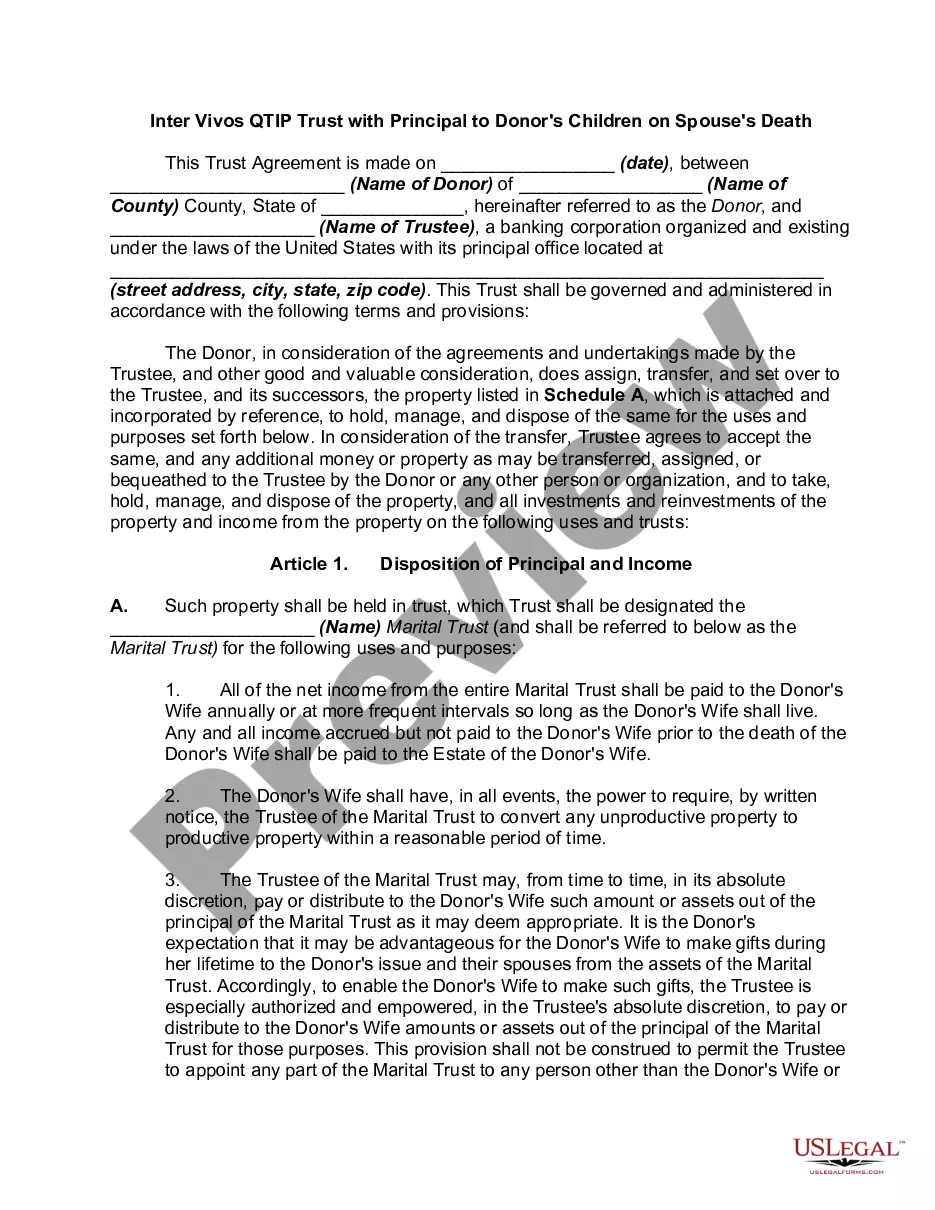
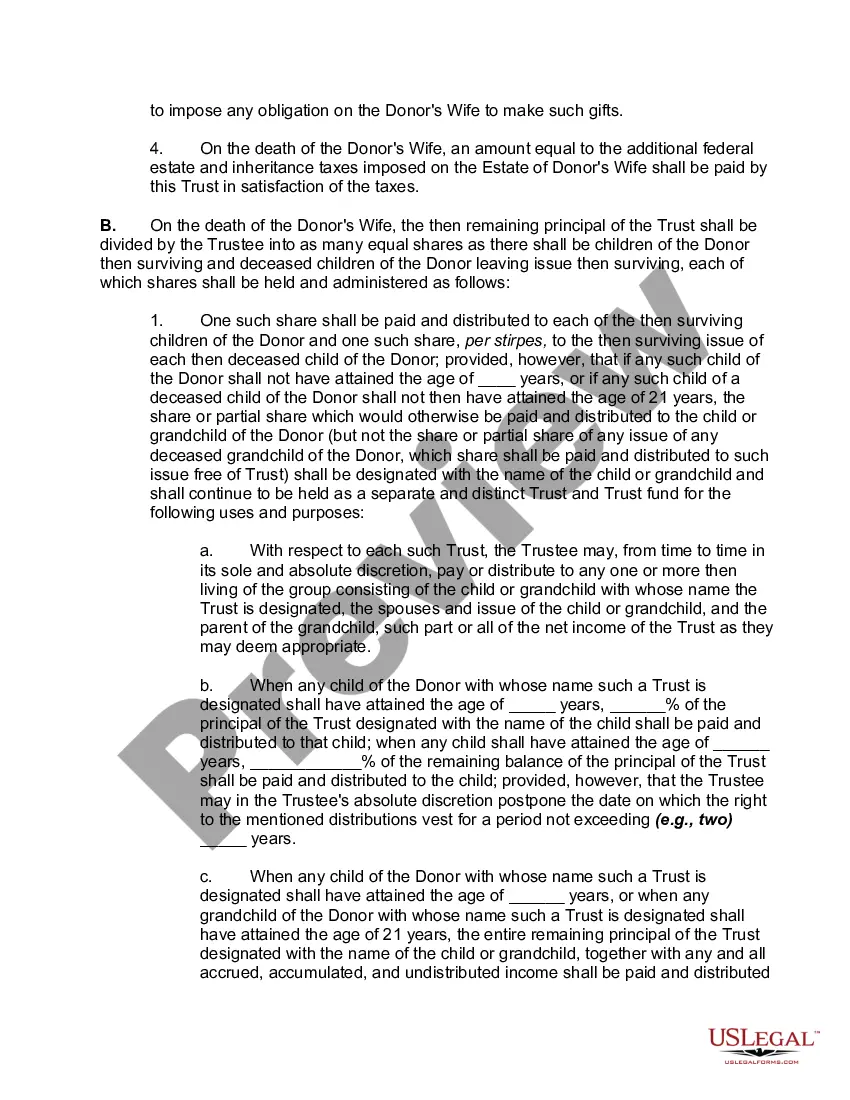
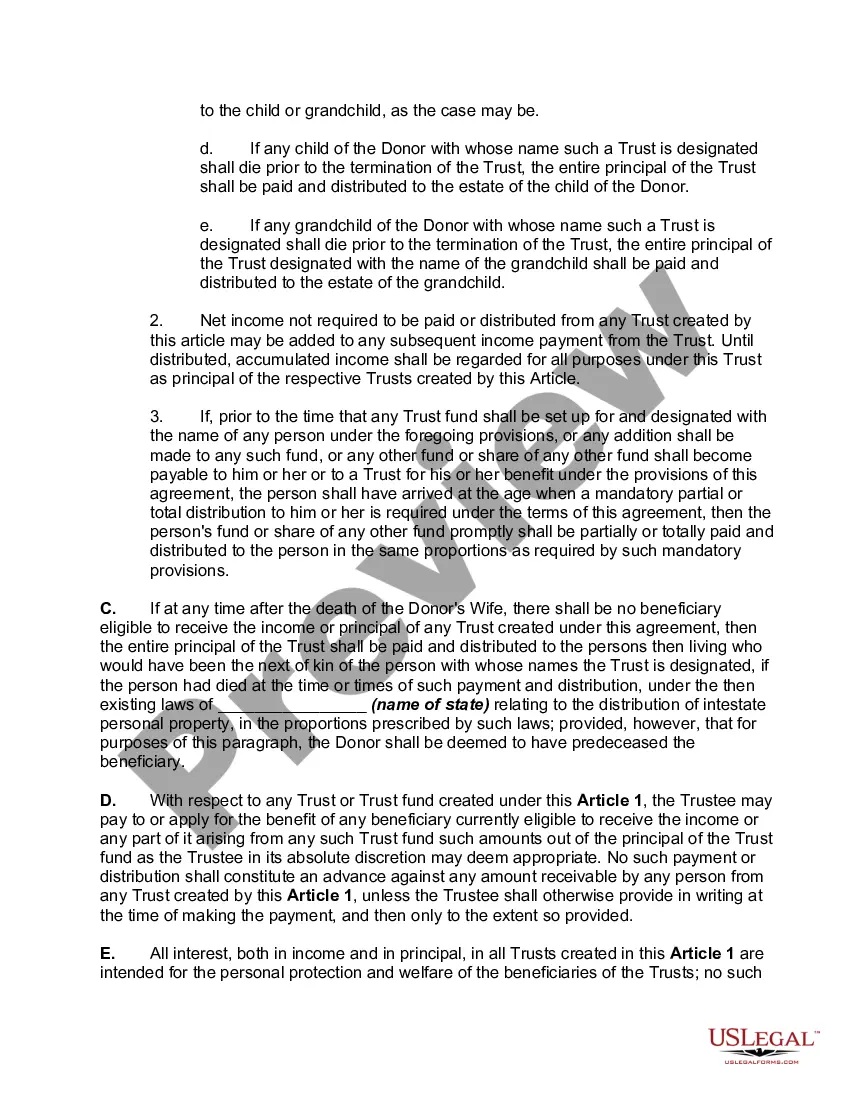
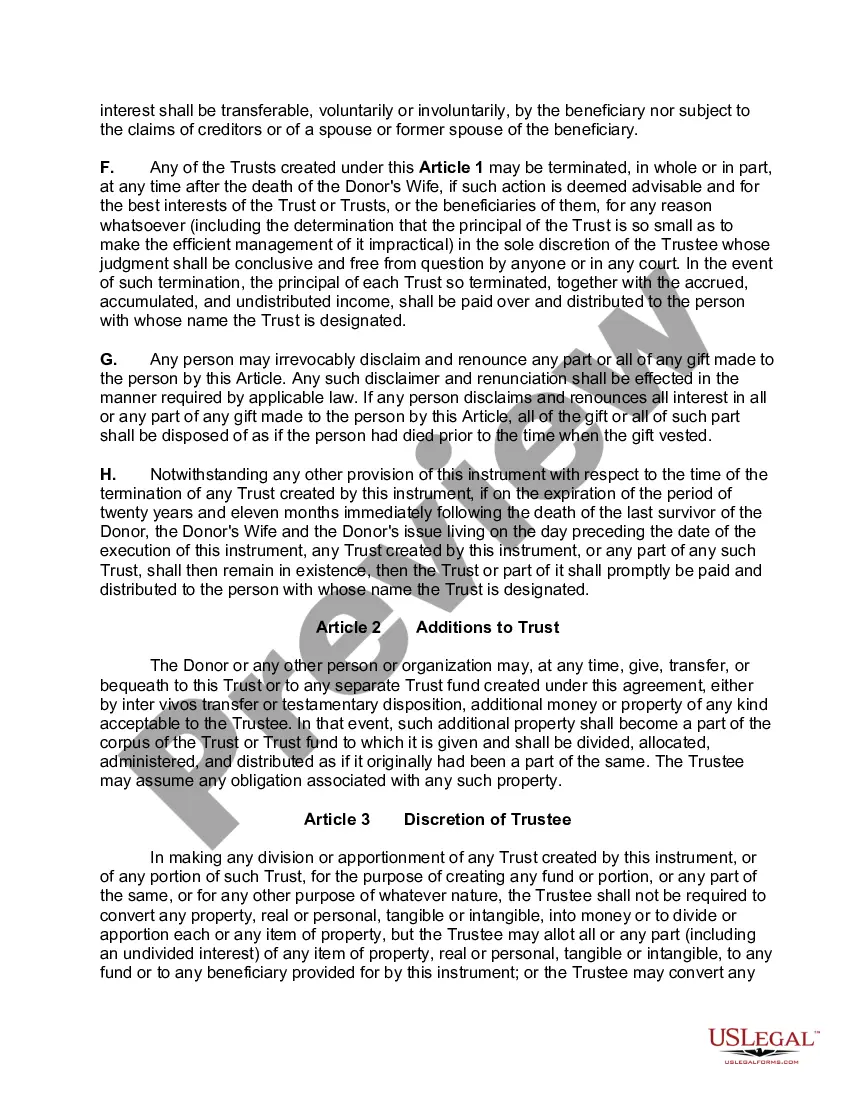
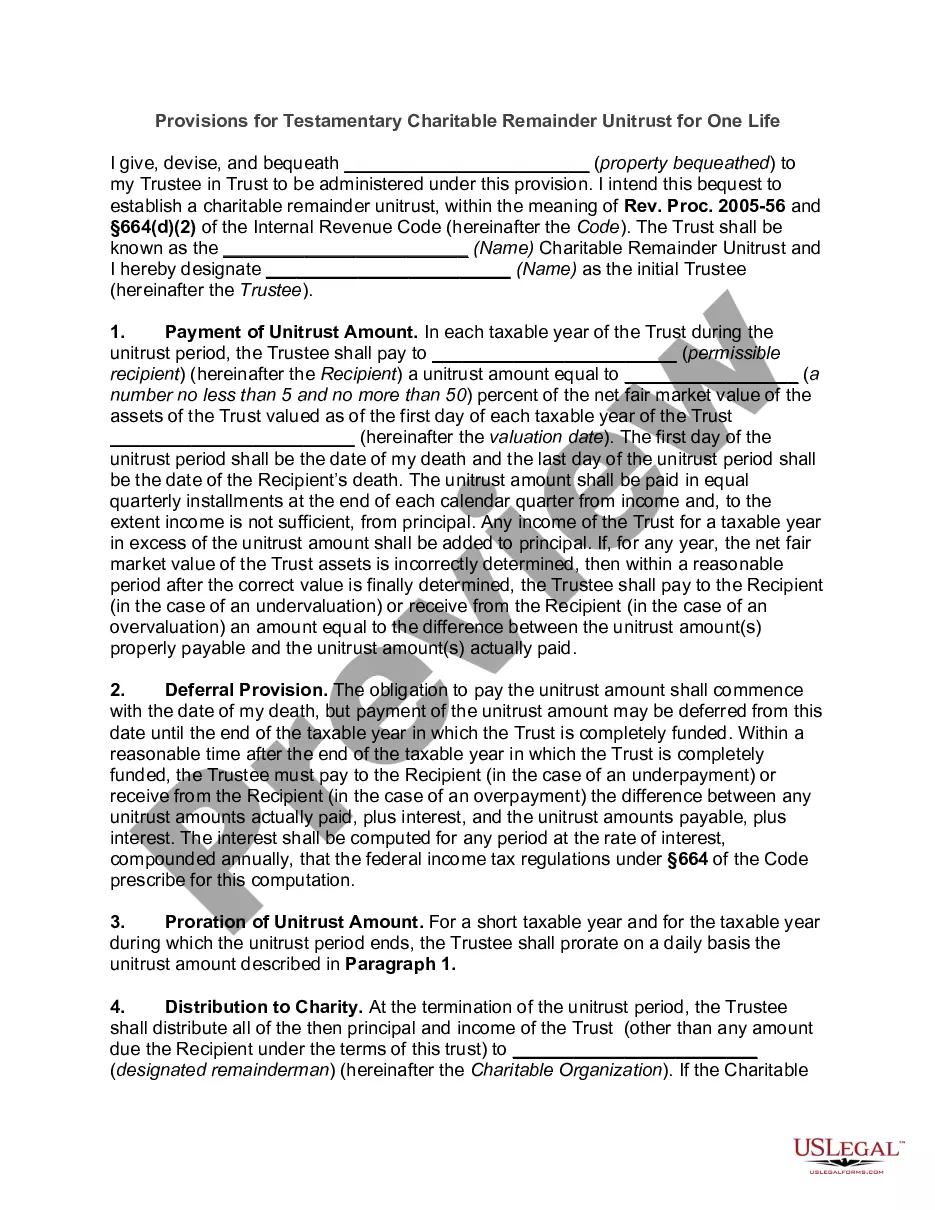
Trust Principal Donors Death Blank For 202
Description
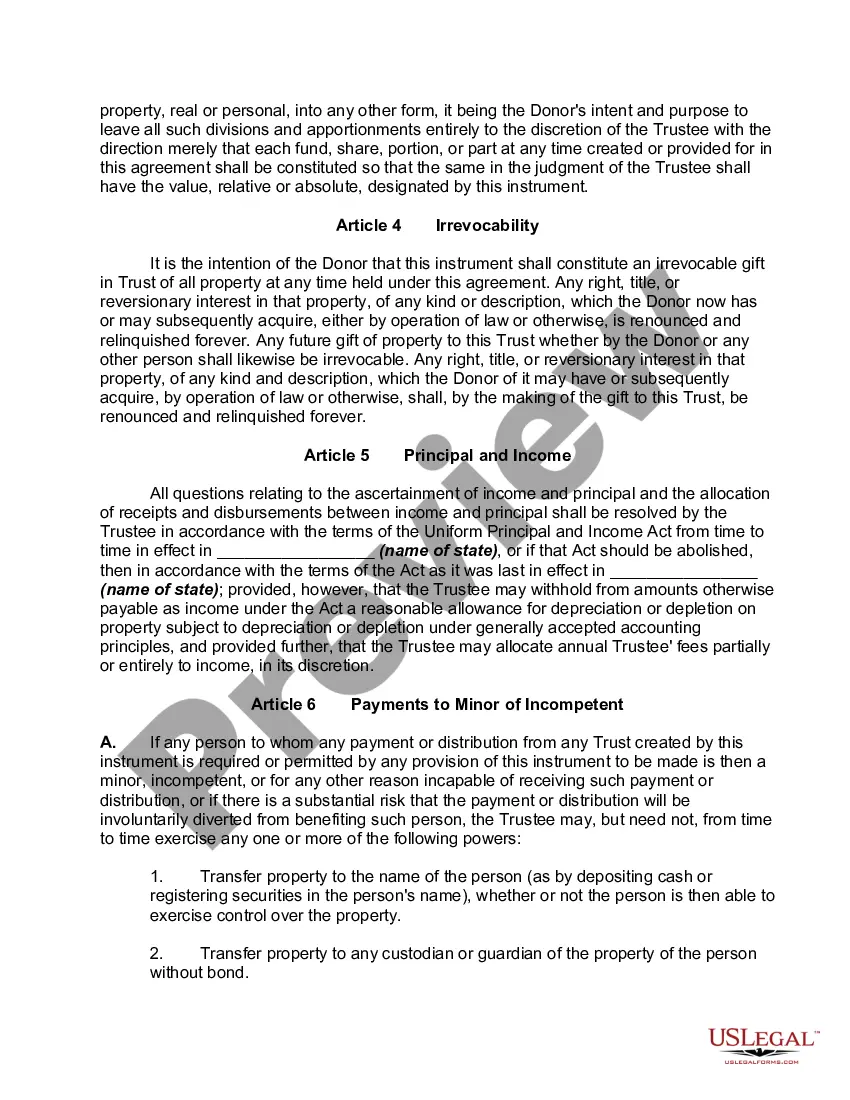
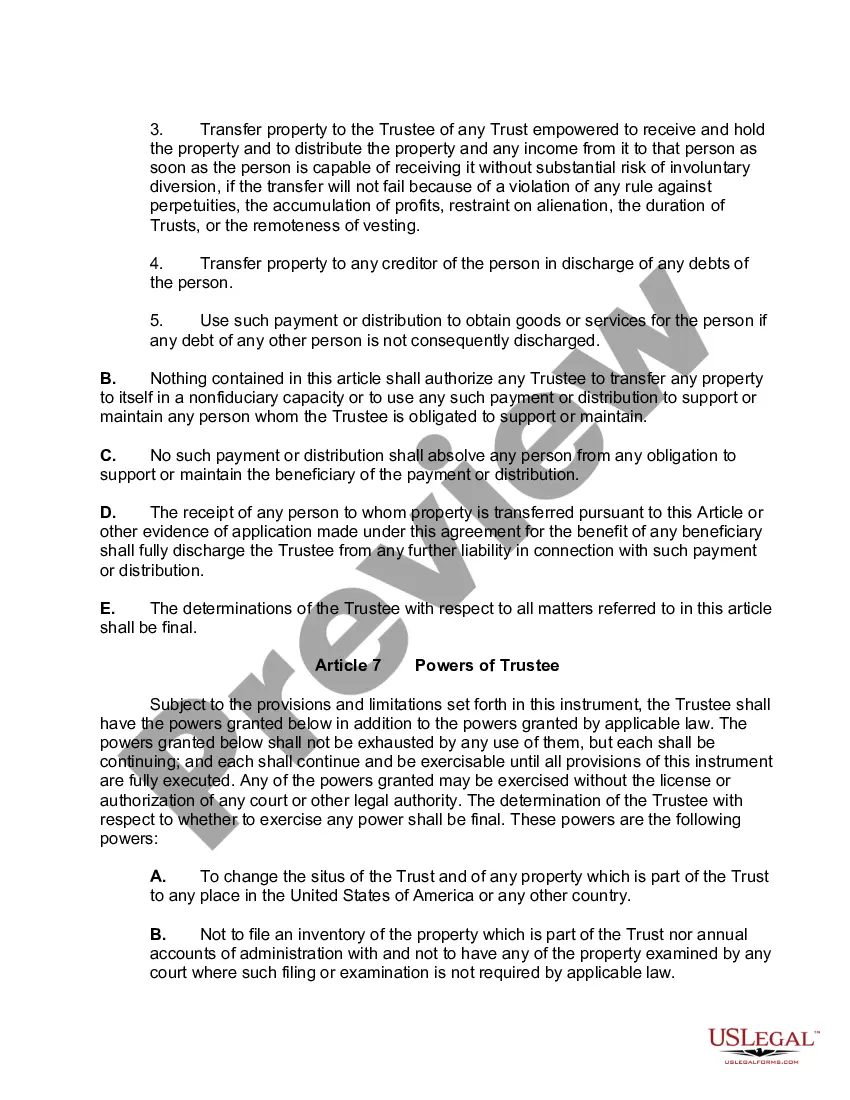
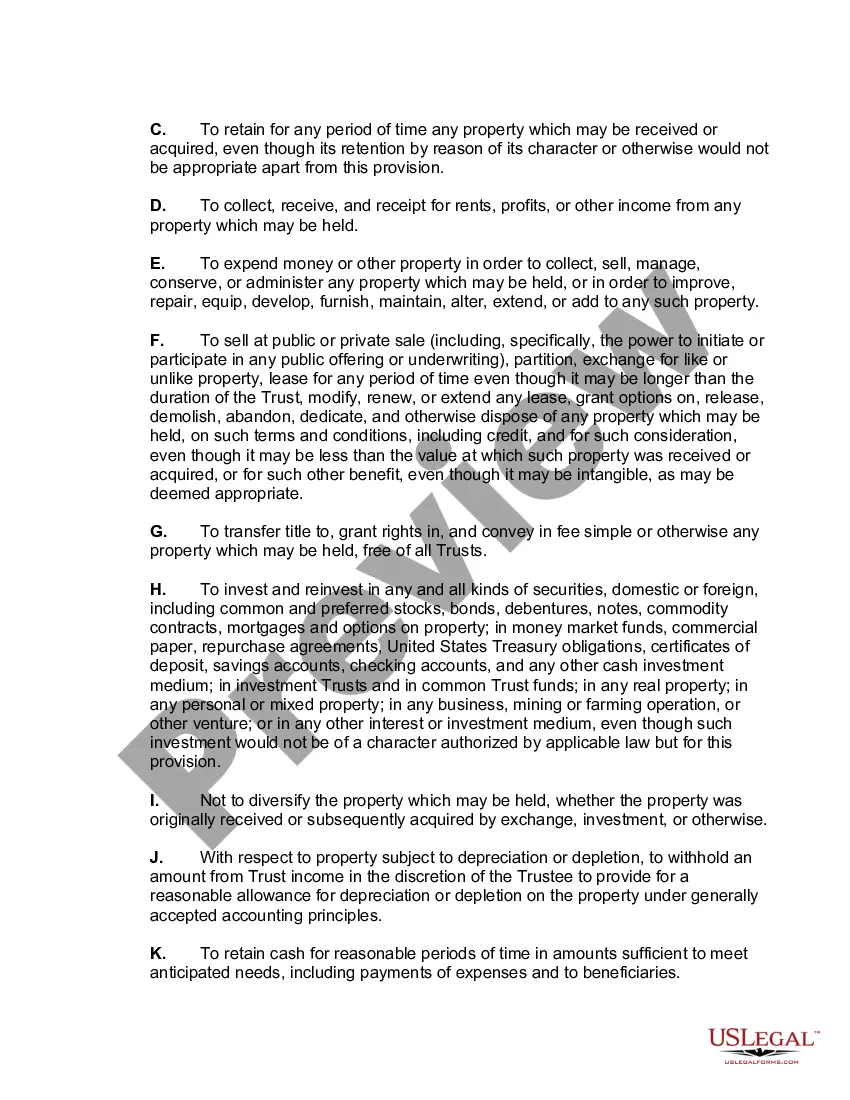
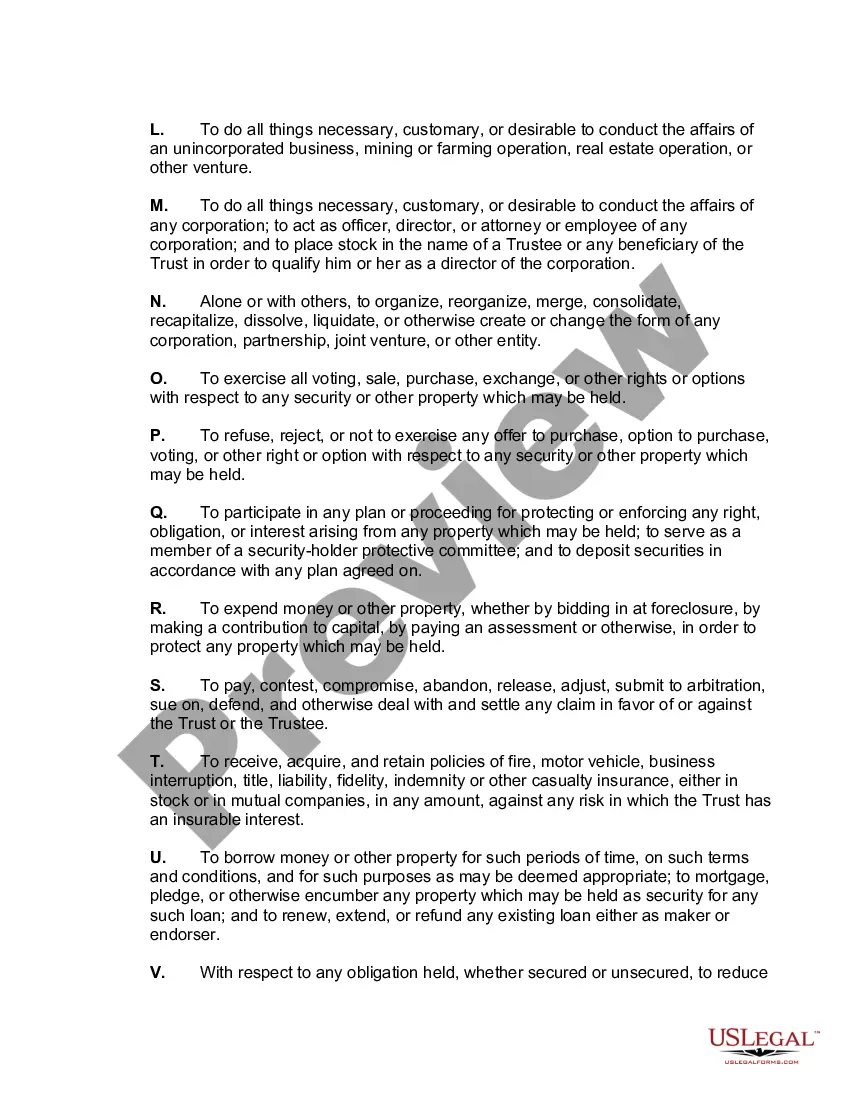

Get your form ready online
Our built-in tools help you complete, sign, share, and store your documents in one place.
Make edits, fill in missing information, and update formatting in US Legal Forms—just like you would in MS Word.
Download a copy, print it, send it by email, or mail it via USPS—whatever works best for your next step.
Sign and collect signatures with our SignNow integration. Send to multiple recipients, set reminders, and more. Go Premium to unlock E-Sign.
If this form requires notarization, complete it online through a secure video call—no need to meet a notary in person or wait for an appointment.
We protect your documents and personal data by following strict security and privacy standards.

Make edits, fill in missing information, and update formatting in US Legal Forms—just like you would in MS Word.

Download a copy, print it, send it by email, or mail it via USPS—whatever works best for your next step.

Sign and collect signatures with our SignNow integration. Send to multiple recipients, set reminders, and more. Go Premium to unlock E-Sign.

If this form requires notarization, complete it online through a secure video call—no need to meet a notary in person or wait for an appointment.

We protect your documents and personal data by following strict security and privacy standards.
Looking for another form?



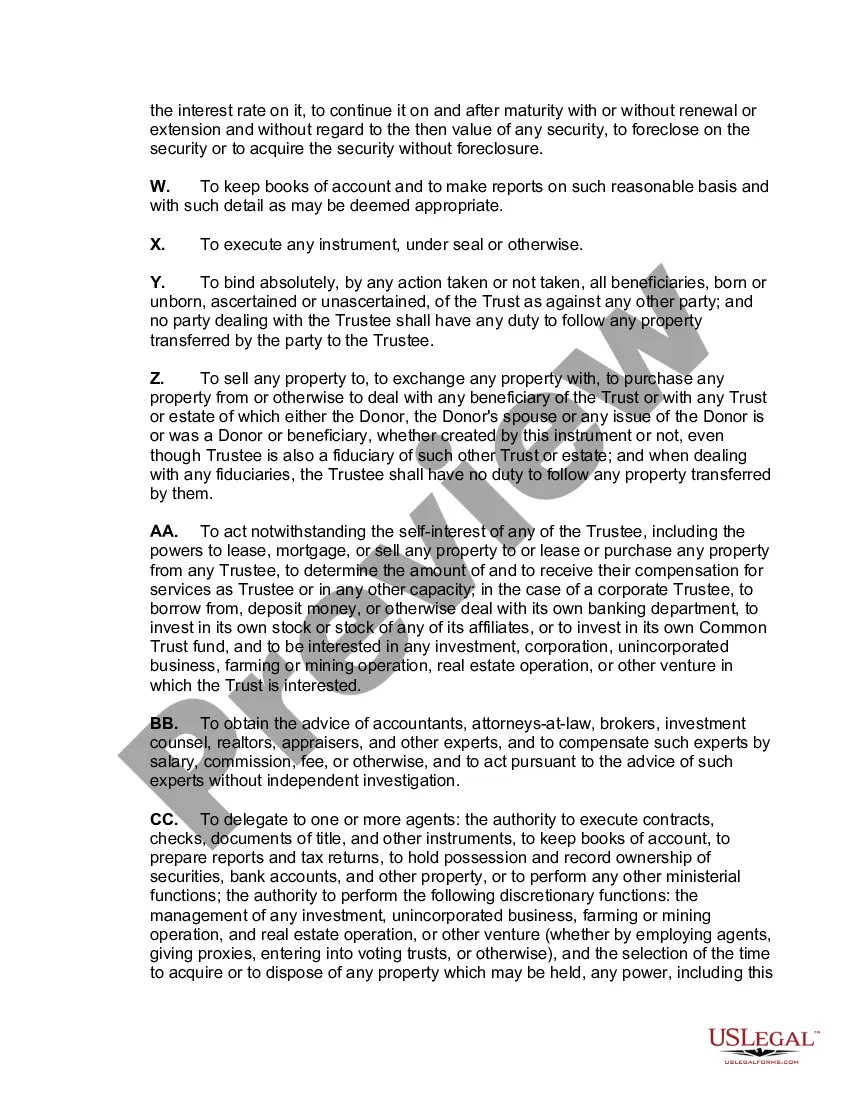
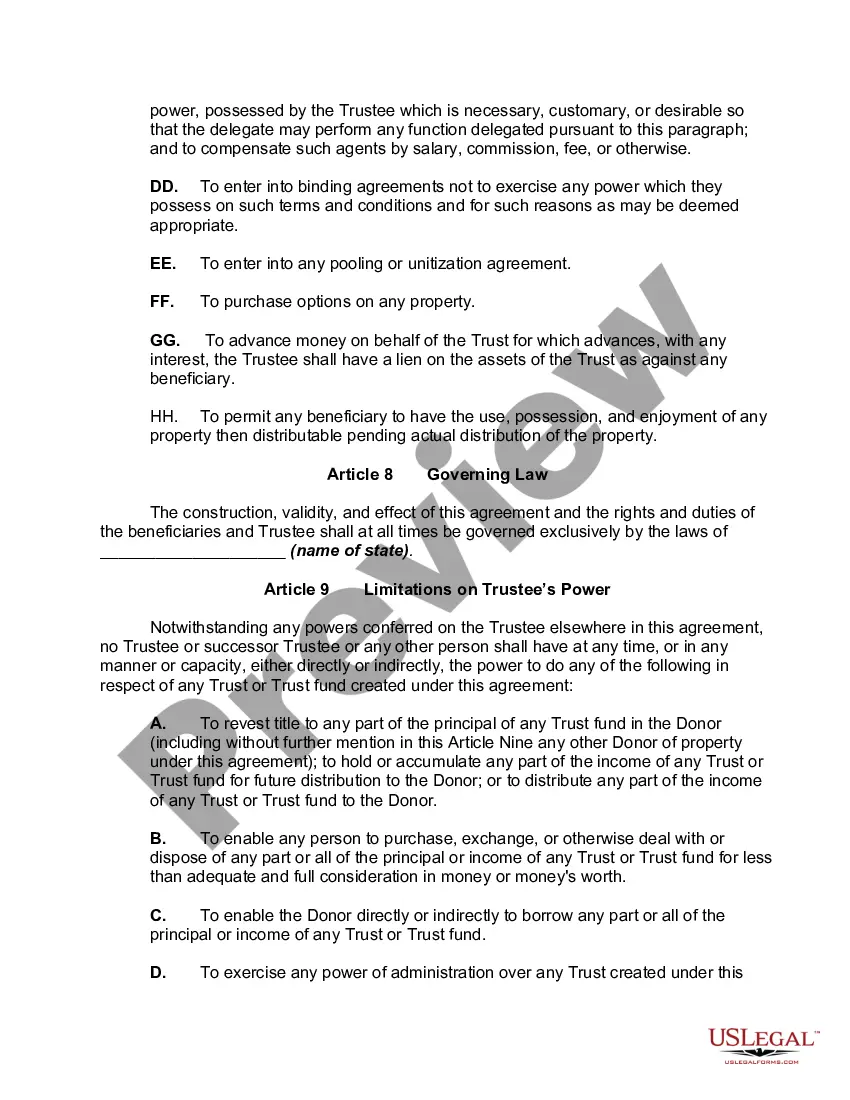
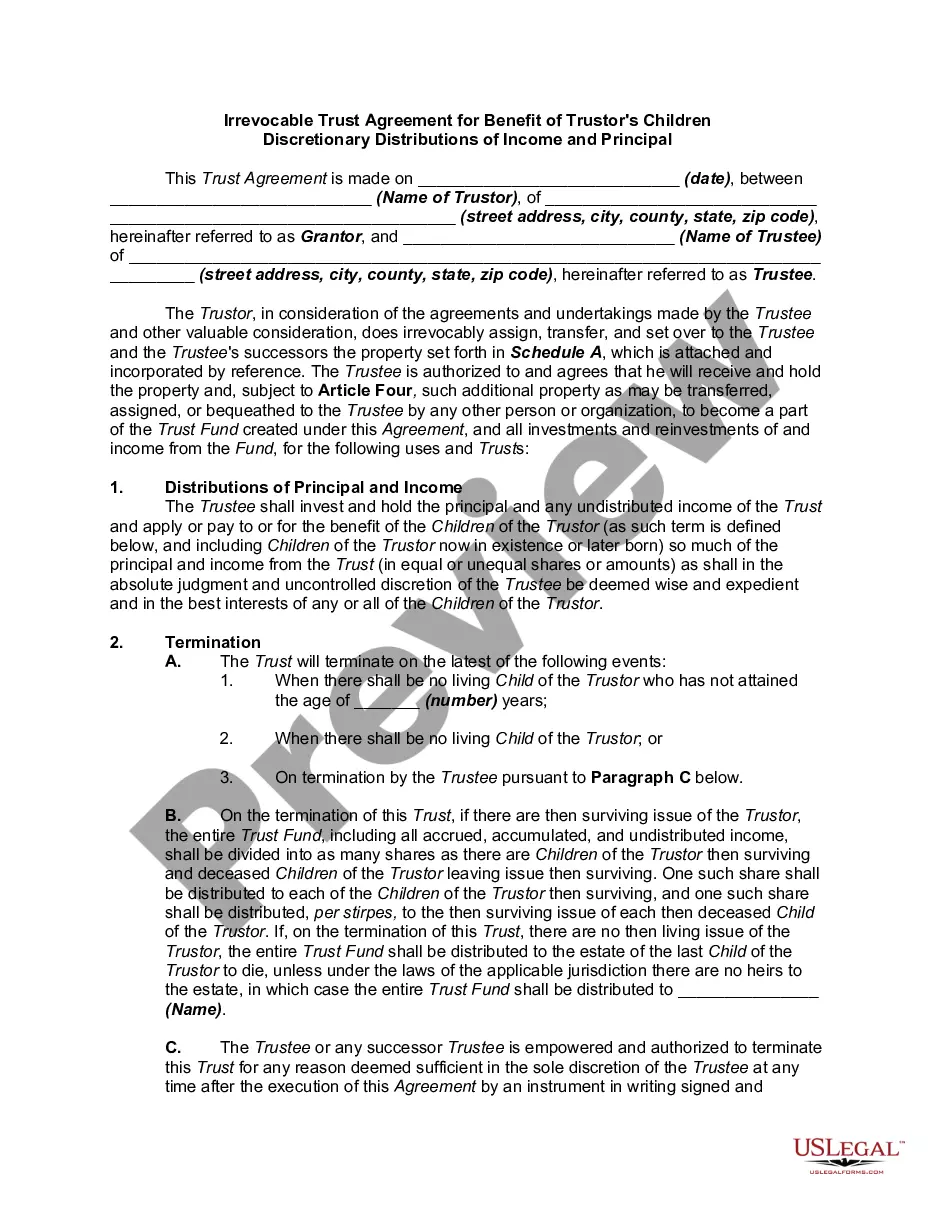
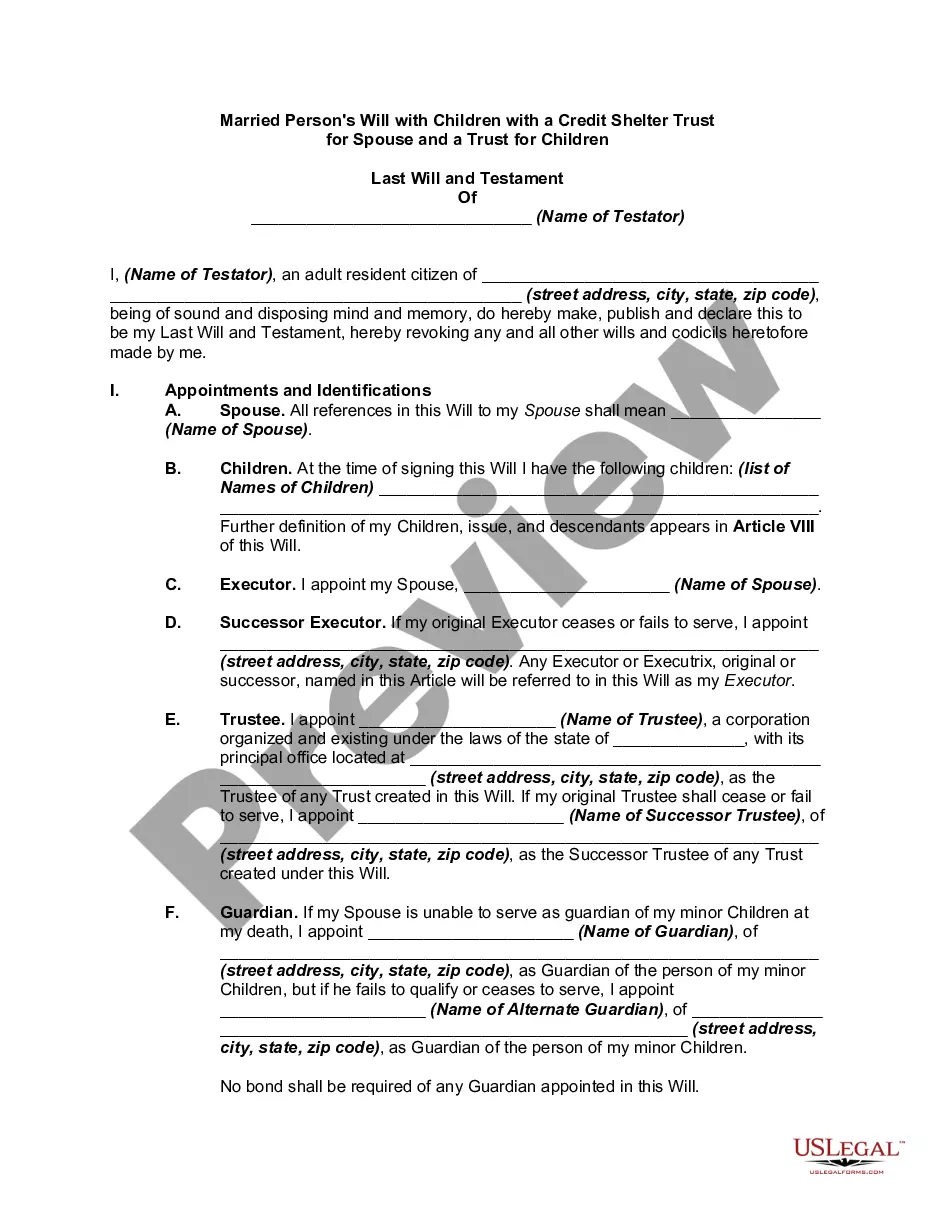
How to fill out Inter Vivos QTIP Trust With Principal To Donor's Children On Spouse's Death?
- Log in to your US Legal Forms account. Verify your subscription is active; if not, renew it per your existing plan.
- Preview the desired form and read its description carefully. Confirm it is the correct template for your specific situation.
- If you need an alternative, utilize the Search function to find other applicable templates.
- Select the Buy Now option, choose your subscription plan, and create an account to access the full suite of resources.
- Complete the transaction by entering your payment details through credit card or PayPal.
- Download the form to your device. You can access it anytime from the My Forms section in your account.
By following these straightforward steps, you can ensure that you are equipped with the necessary legal documents tailored to your needs. US Legal Forms provides an extensive library, making it easier for you to find and complete your paperwork.
Start utilizing US Legal Forms today to access high-quality legal resources and empower your documentation process!
Form popularity
FAQ
If a trust is not set up when a person dies, their assets may go through the probate process. This can lead to delays and potential disputes among family members. Additionally, without a trust, the deceased’s wishes may not be honored. To avoid this situation, consider the benefits of having a Trust principal donors death blank for 202, which can provide peace of mind and ensure asset protection.
Setting up a trust account after a donor's death requires a few key steps. You should begin by obtaining a death certificate and relevant trust documents. After that, the named trustee can approach a financial institution to establish the trust account, ensuring to mention the Trust principal donors death blank for 202. This process helps manage the trust's assets according to the deceased's wishes.
If a trust is not followed, the consequences can be significant. Beneficiaries may not receive their intended gifts, which can lead to disputes and legal actions. In certain cases, the court may intervene to ensure that the trust's terms are executed properly. Understanding the importance of adhering to the Trust principal donors death blank for 202 can help prevent these issues.
Closing a trust in California after the death of the principal donor involves several steps. First, the trustee must gather all trust assets and identify the beneficiaries. Next, the trustee avoids any outstanding debts or taxes related to the trust. Finally, the trustee can distribute the remaining assets to the beneficiaries, ensuring compliance with the trust's instructions, often referred to as the Trust principal donors death blank for 202.
To report a trust principal distribution, the trustee should record the distribution on Form 1041, which outlines all income and deductions related to the trust. This form also details the amounts distributed to beneficiaries. As you report these distributions, keep in mind the regulations surrounding trust principal donors death blank for 202. Resources like US Legal Forms can help simplify the reporting process and ensure compliance with tax laws.
Even if there is no income, you may still need to file a final Form 1041 for the trust. This form signals that the trust has terminated and allows for the proper distribution of assets to beneficiaries. It's crucial to follow the IRS guidelines closely, particularly regarding trust principal donors death blank for 202. Consulting with a tax professional can also provide clarity on your specific situation.
When a trust distributes assets after the death of a principal donor, it must report the inheritance to the IRS. The trustee typically files Form 1041, the U.S. Income Tax Return for Estates and Trusts. This form includes all income received by the trust, and it informs the IRS about distributions made to beneficiaries. Ensure you adhere to the rules for trust principal donors death blank for 202 when managing these filings.
Principal distributions from a trust refer to the main assets or capital allocated to beneficiaries. These distributions can vary depending on the trust's instructions and the individual circumstances of the beneficiaries. It is essential to understand your rights and how they relate to trust principal donors death blank for 202.
Trusts generally cannot distribute assets directly to a deceased person, as they no longer have the legal capacity to receive them. Instead, the trust must identify new beneficiaries or follow the terms outlined in the trust document, which may include provisions for such situations. Being aware of this can help clarify issues surrounding trust principal donors death blank for 202.
The 5 year rule for trusts typically pertains to tax implications; however, it can relate to how distributions must be managed to avoid penalties. In some cases, assets transferred into a trust may need to remain untouched for five years before distributions can take place. Clarifying these conditions is vital for understanding trust principal donors death blank for 202.