Qtip Trust Spouses Death Fill For The Years
Description
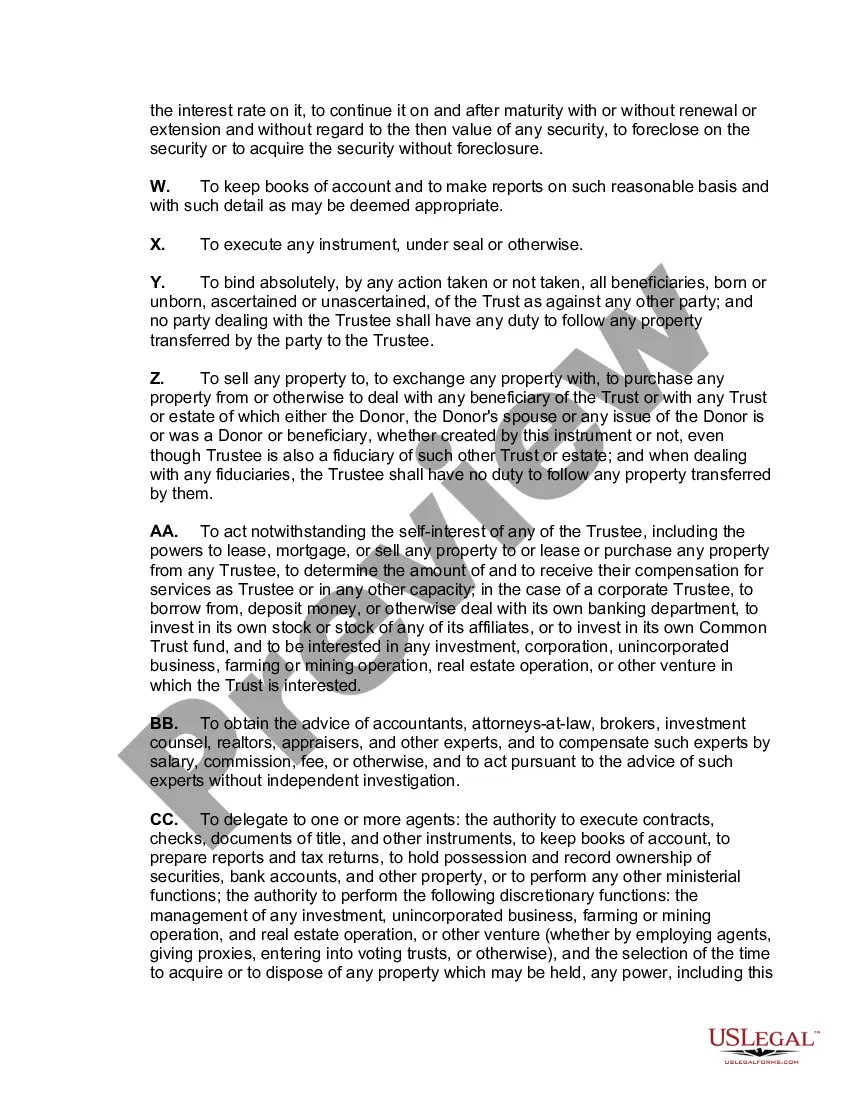
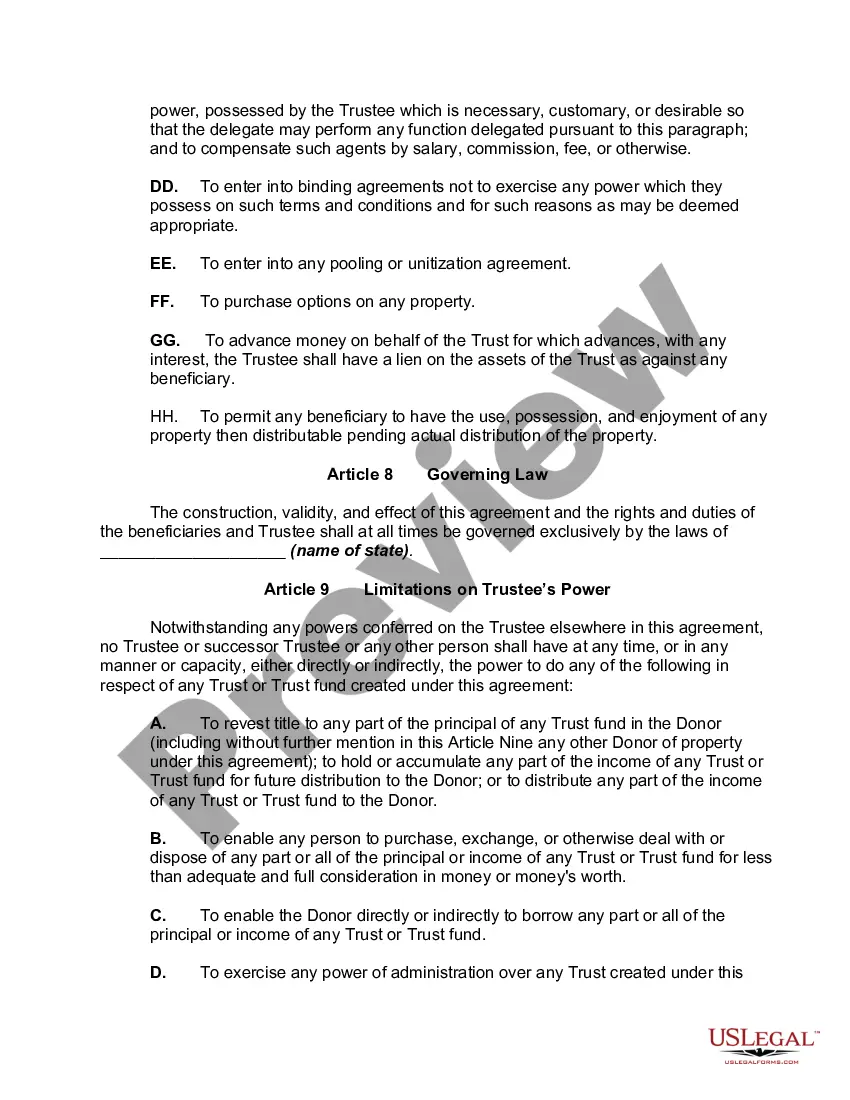

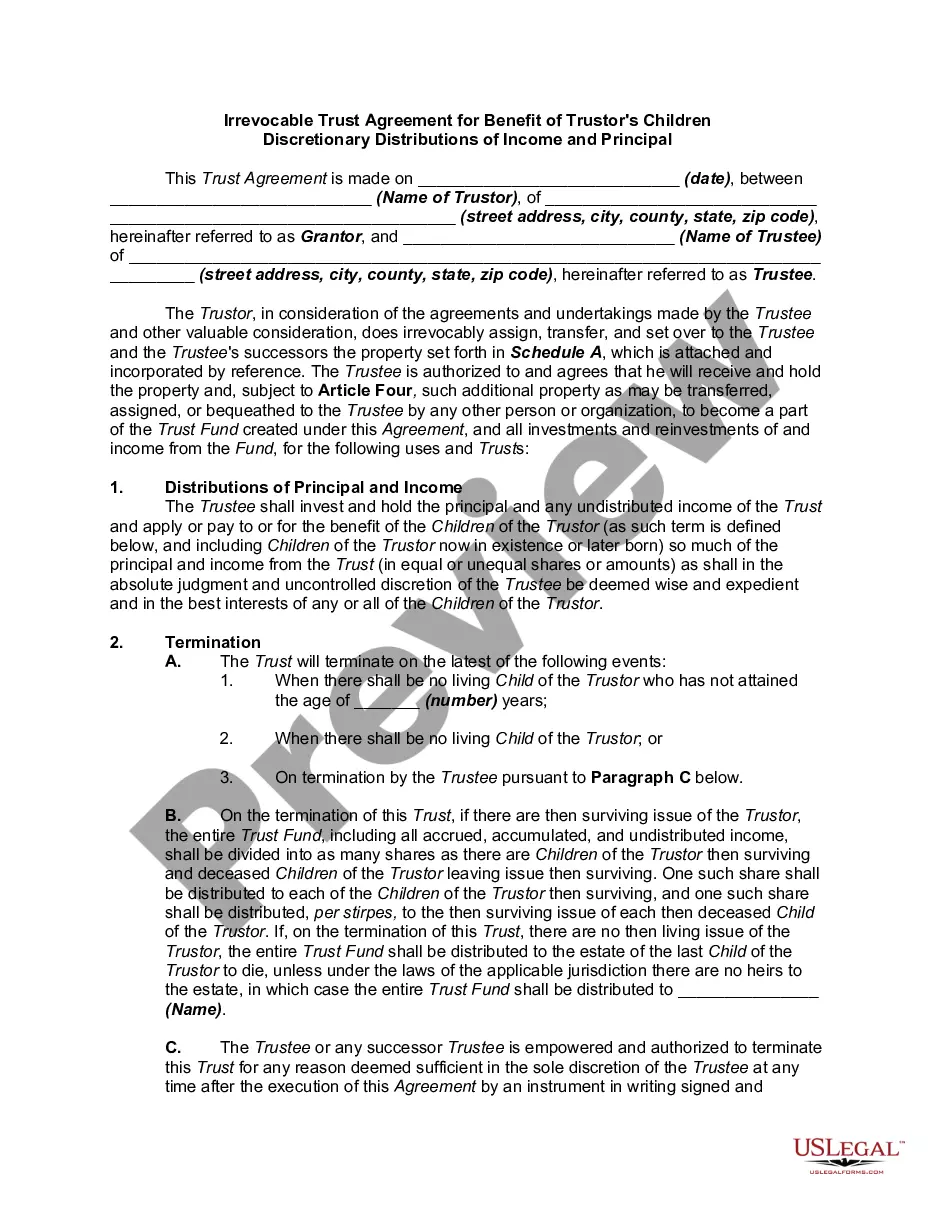
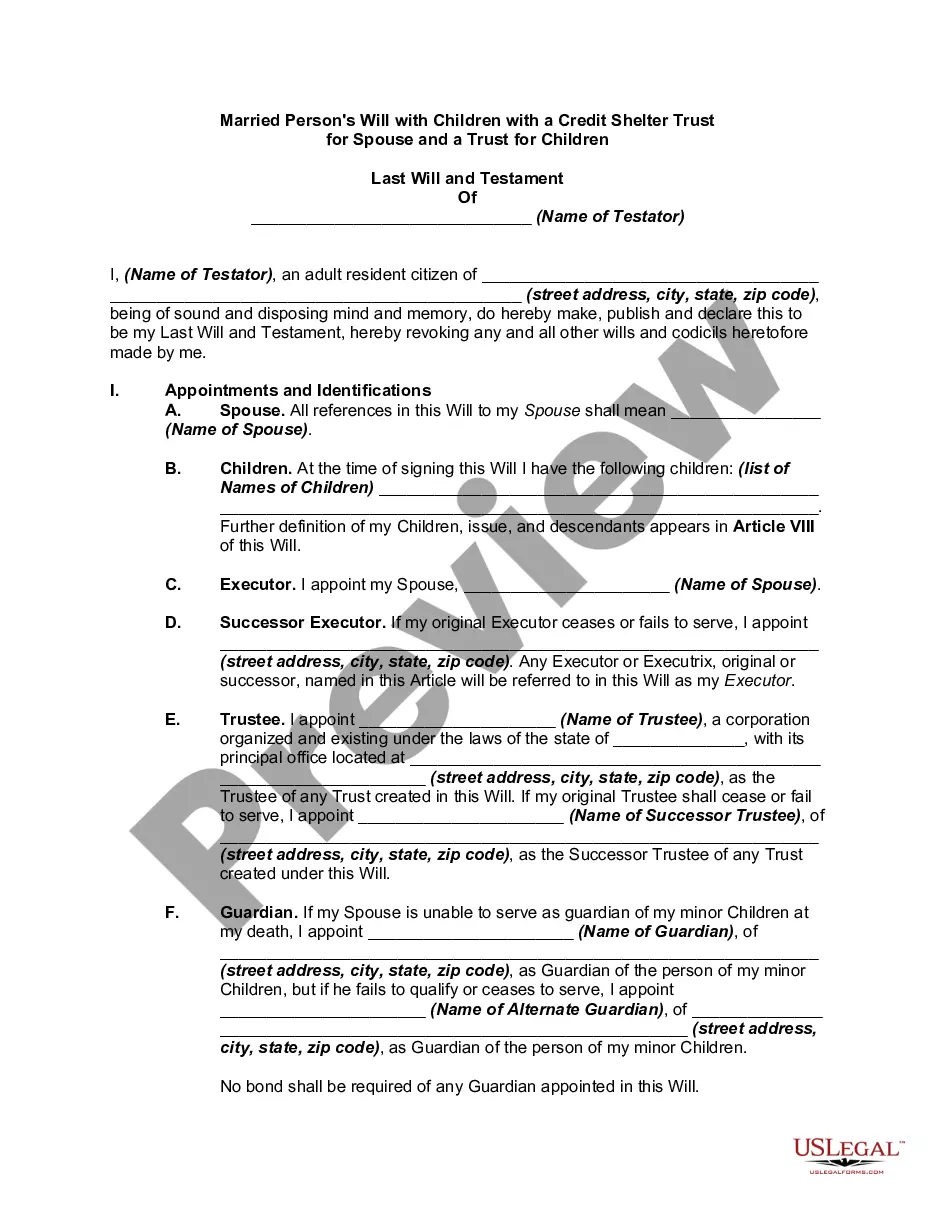
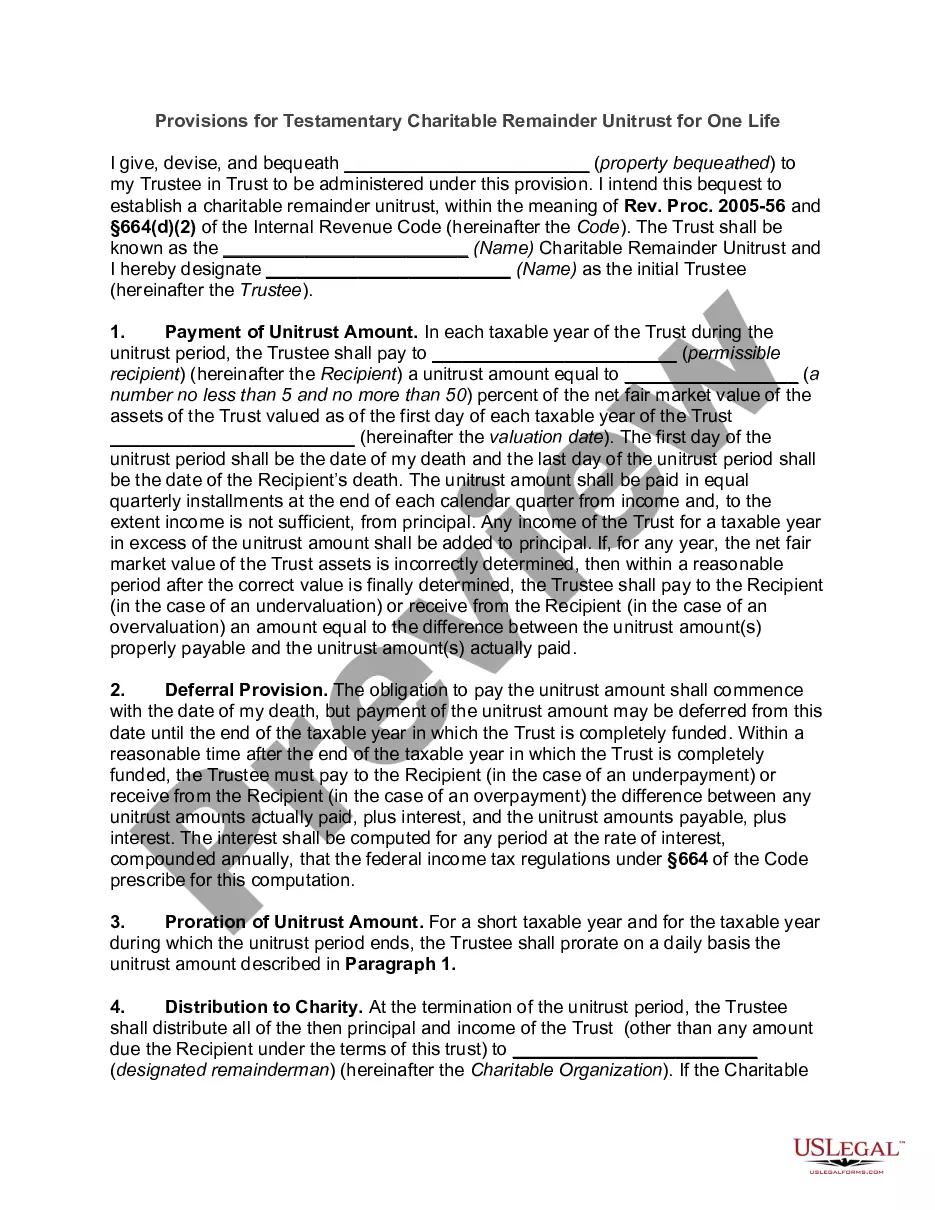
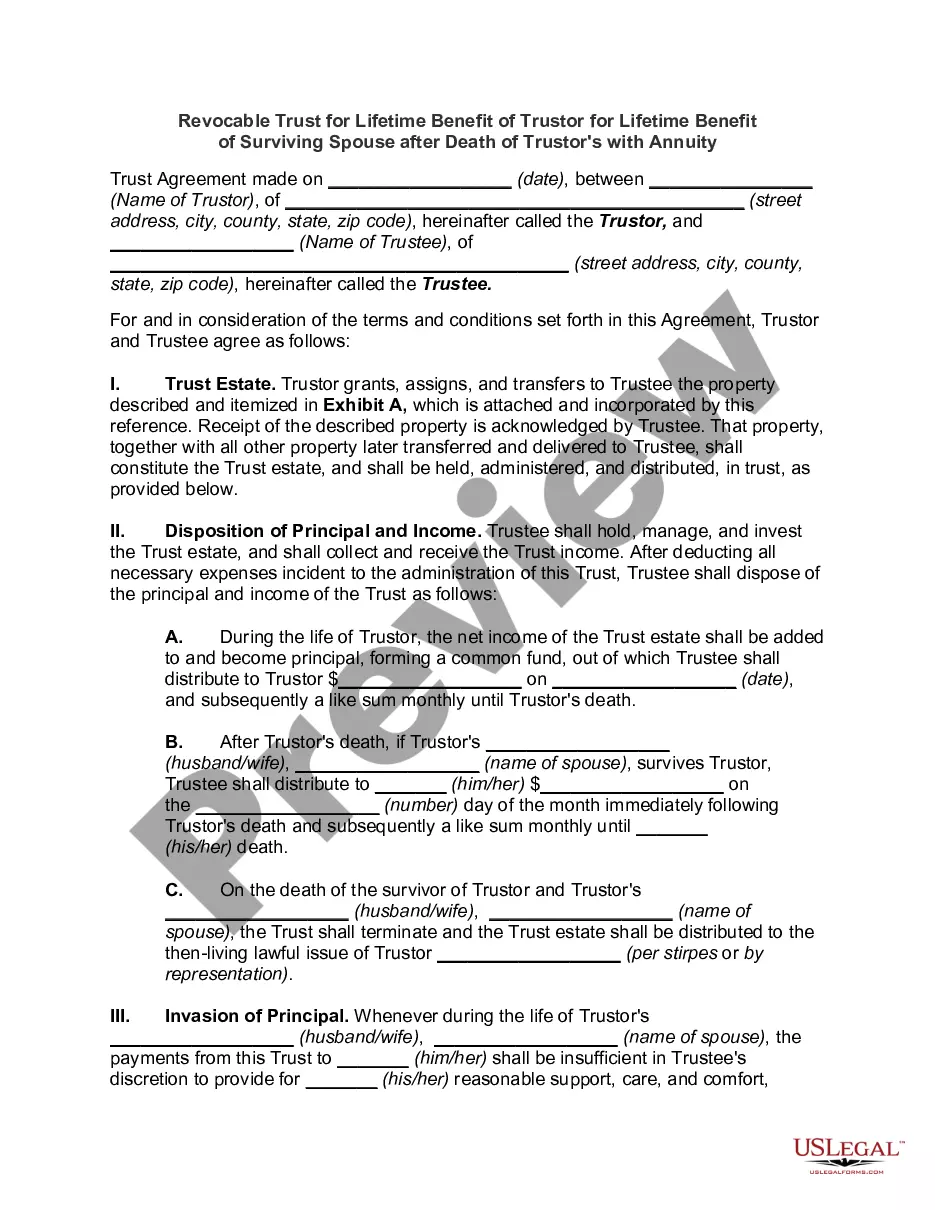
Get your form ready online
Our built-in tools help you complete, sign, share, and store your documents in one place.
Make edits, fill in missing information, and update formatting in US Legal Forms—just like you would in MS Word.
Download a copy, print it, send it by email, or mail it via USPS—whatever works best for your next step.
Sign and collect signatures with our SignNow integration. Send to multiple recipients, set reminders, and more. Go Premium to unlock E-Sign.
If this form requires notarization, complete it online through a secure video call—no need to meet a notary in person or wait for an appointment.
We protect your documents and personal data by following strict security and privacy standards.

Make edits, fill in missing information, and update formatting in US Legal Forms—just like you would in MS Word.

Download a copy, print it, send it by email, or mail it via USPS—whatever works best for your next step.

Sign and collect signatures with our SignNow integration. Send to multiple recipients, set reminders, and more. Go Premium to unlock E-Sign.

If this form requires notarization, complete it online through a secure video call—no need to meet a notary in person or wait for an appointment.

We protect your documents and personal data by following strict security and privacy standards.
Looking for another form?

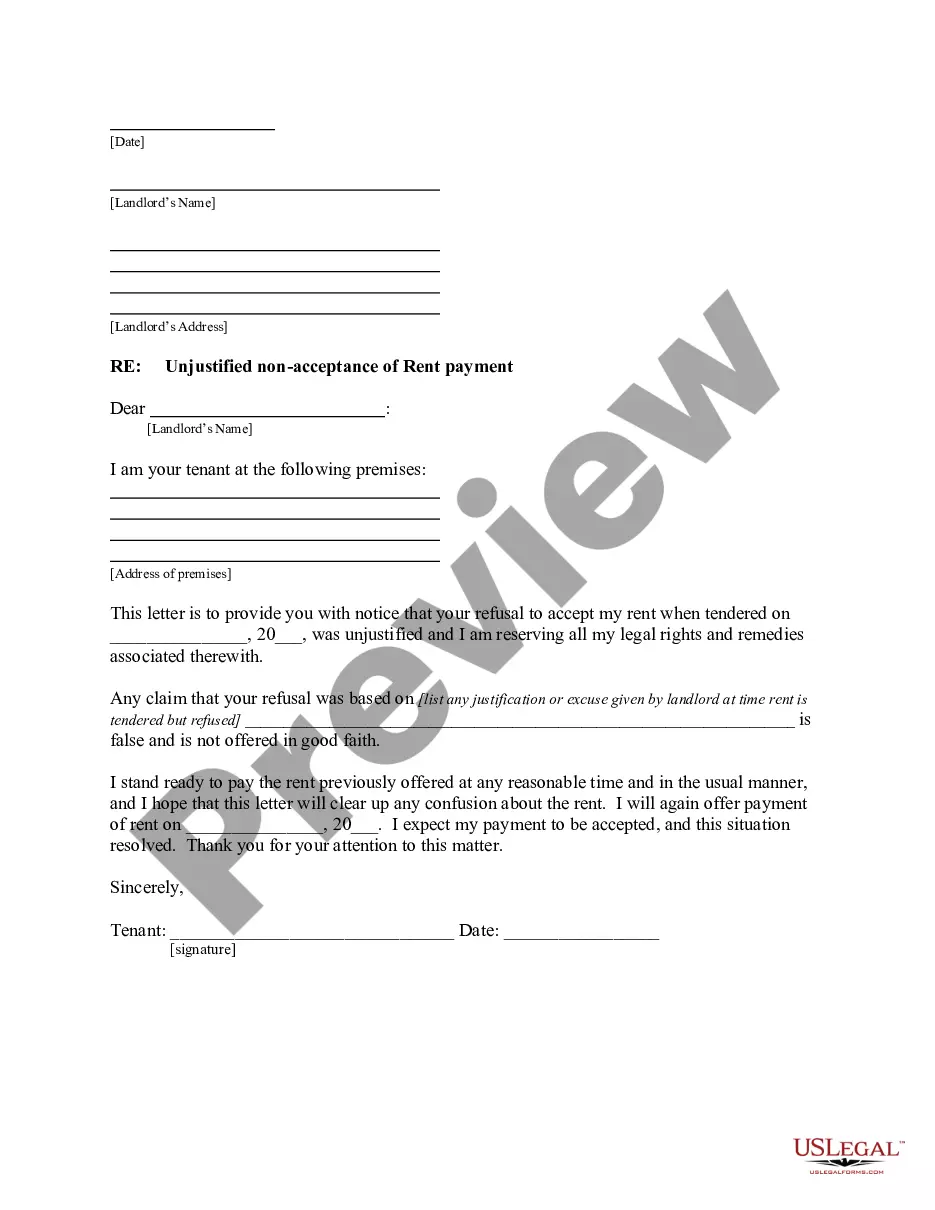



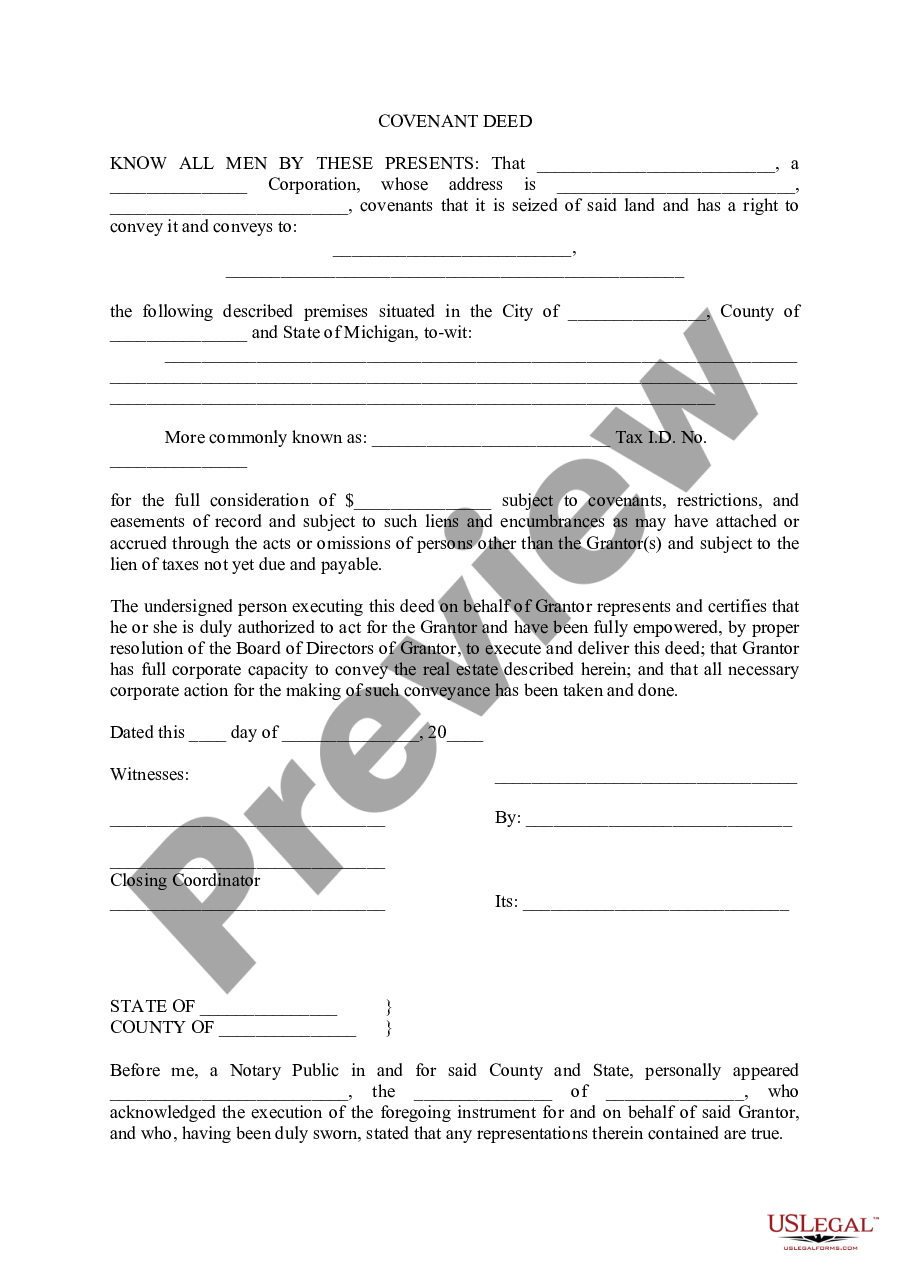
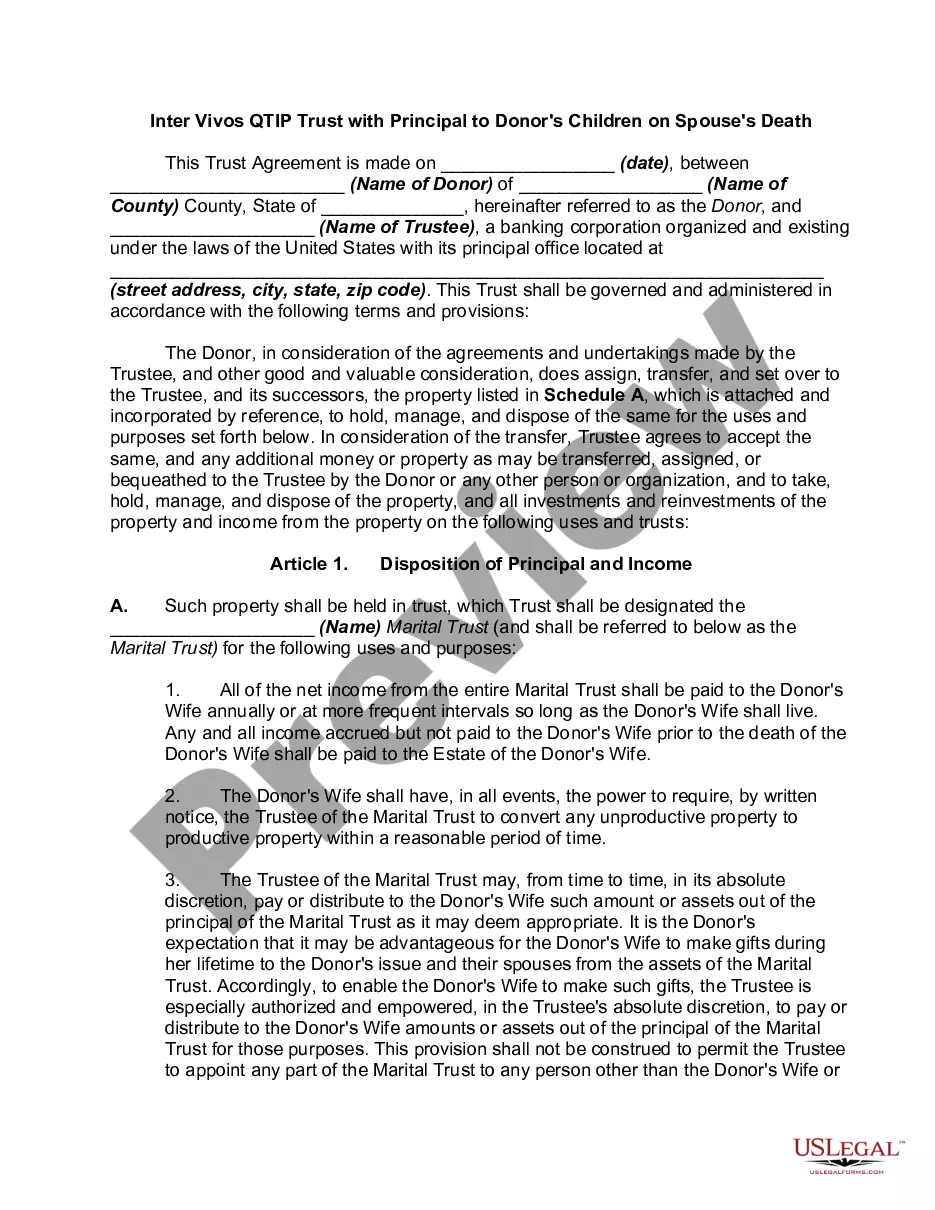
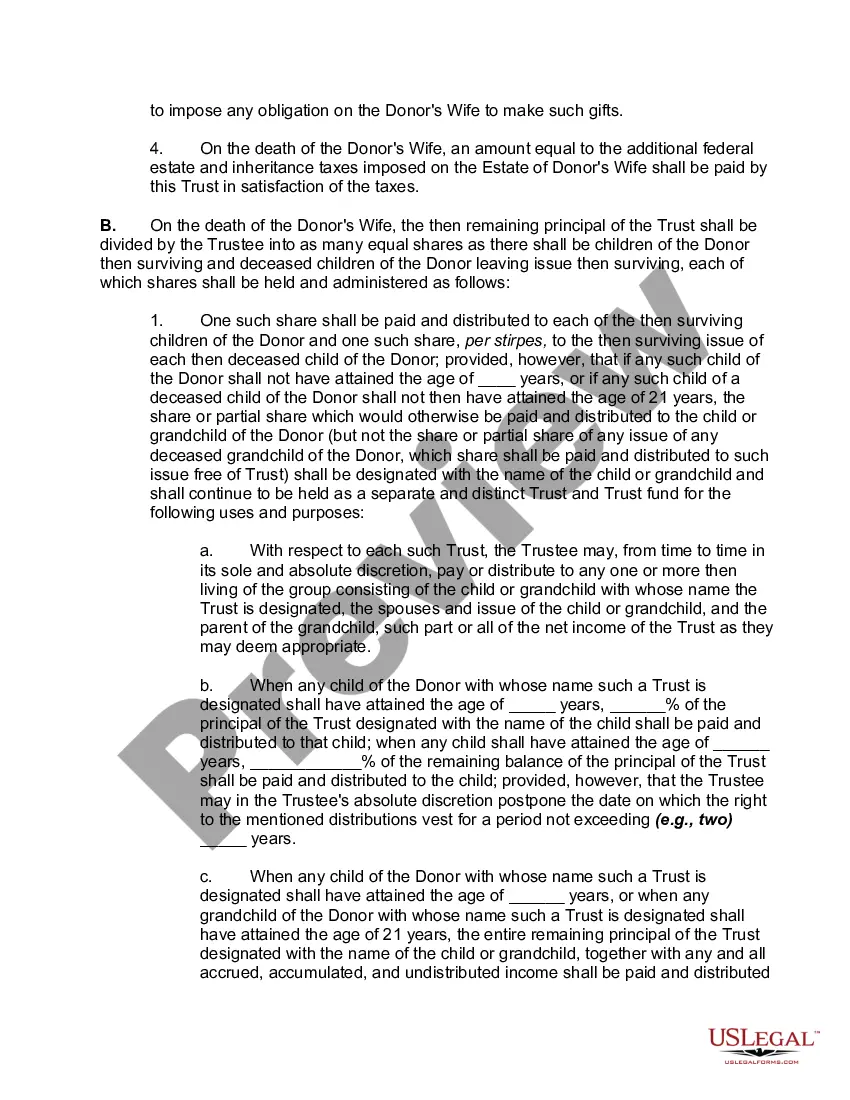
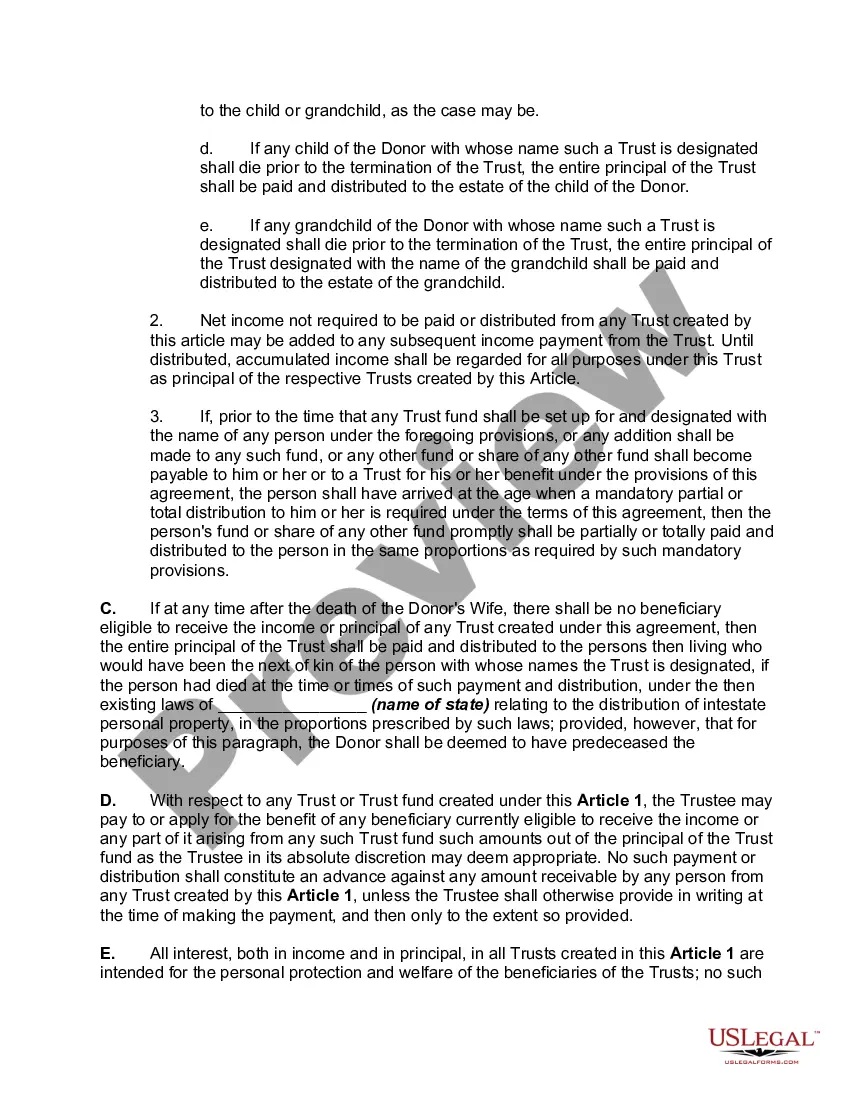
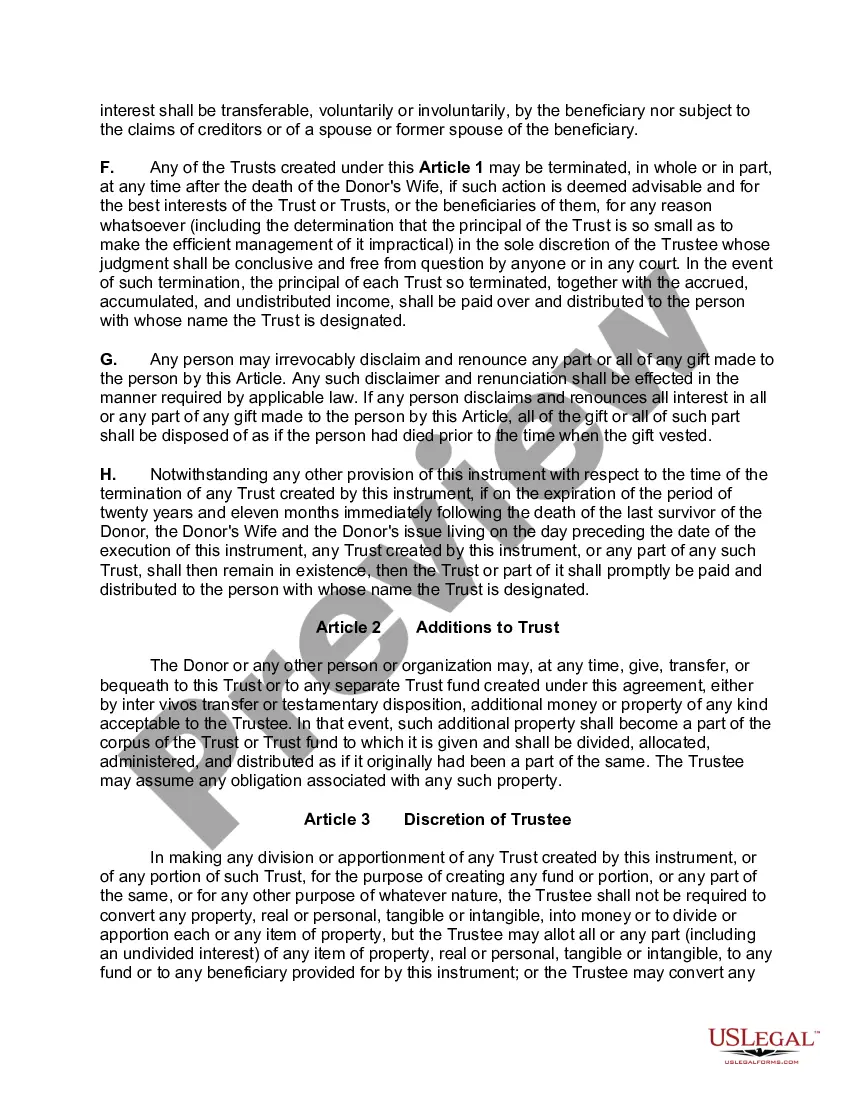
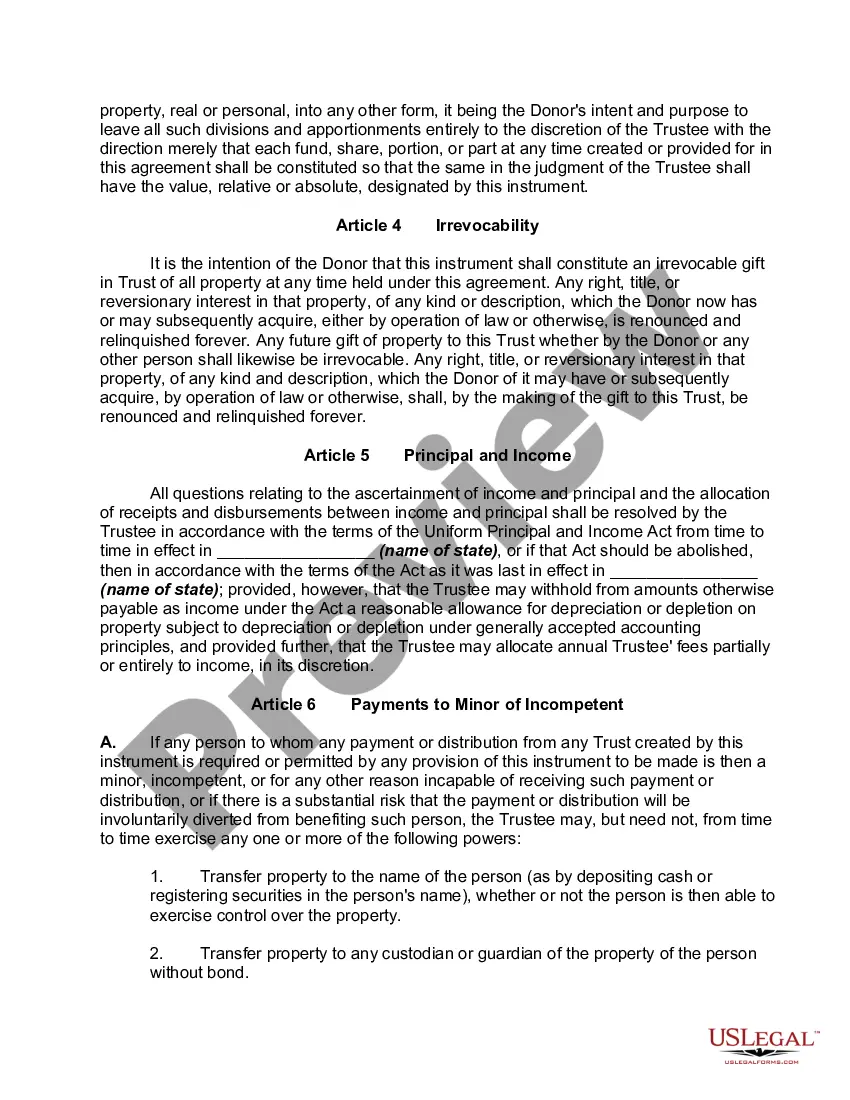
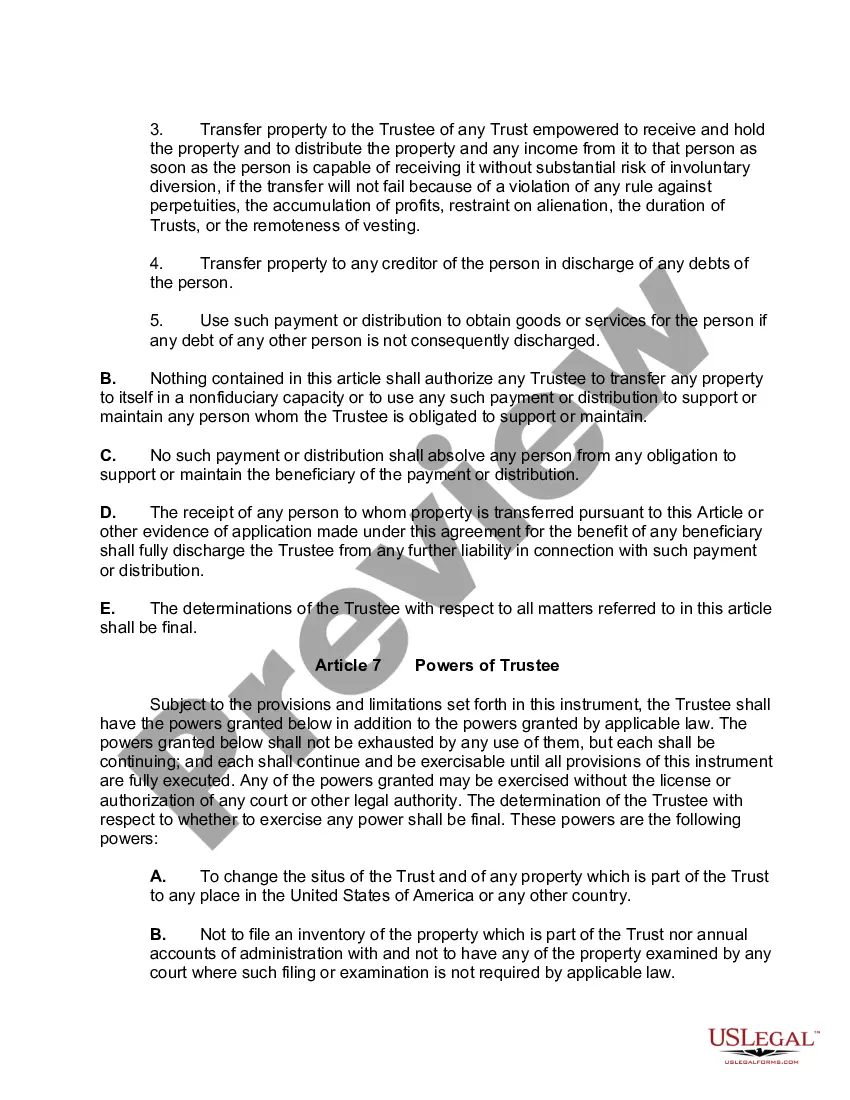
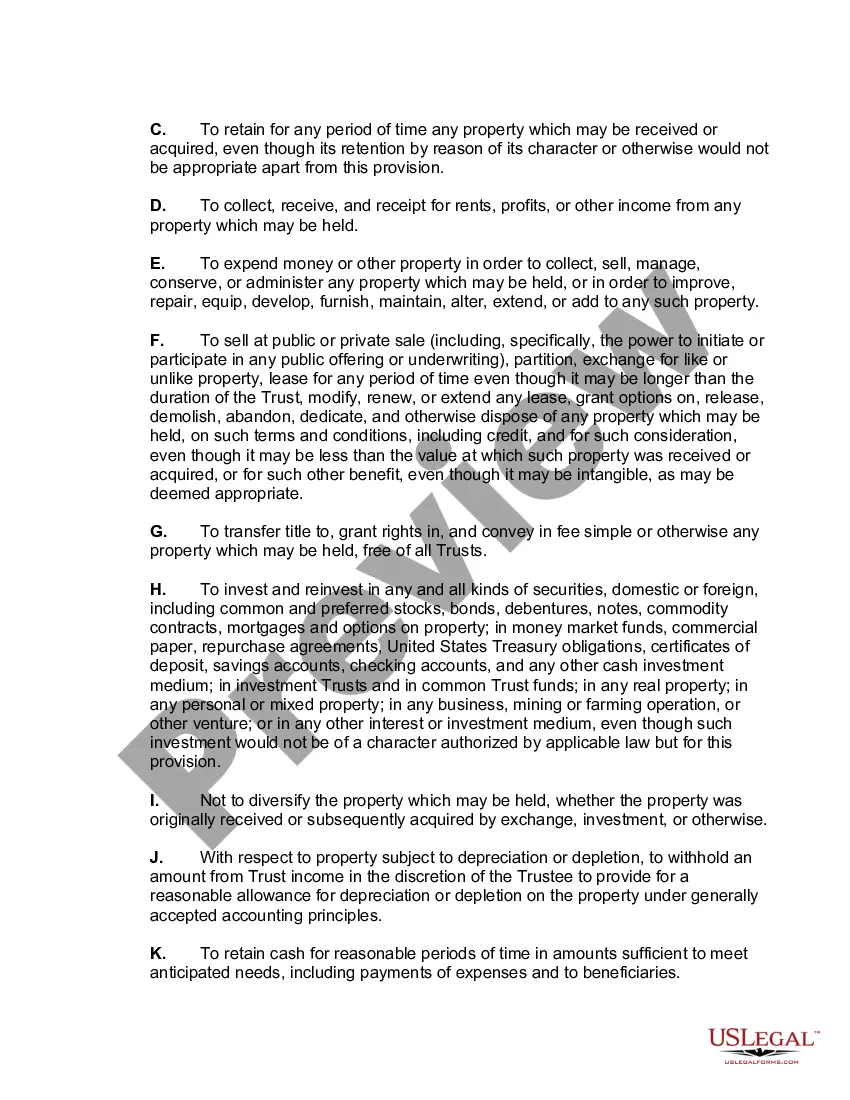
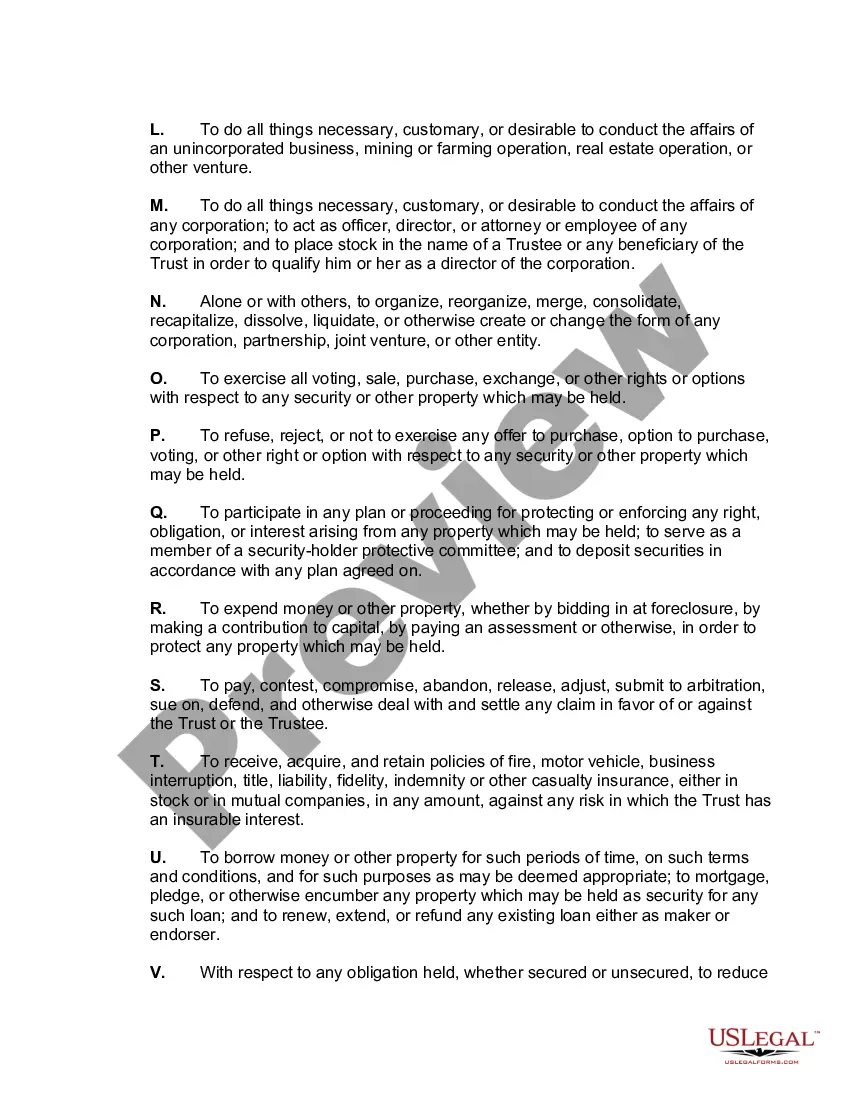
How to fill out Inter Vivos QTIP Trust With Principal To Donor's Children On Spouse's Death?
- If you are a returning user, log in to your account and access the necessary form template. Ensure your subscription is active; if not, renew it per your payment plan.
- For first-time users, start by checking the preview and description of the form. Confirm it aligns with your requirements and your local jurisdiction's rules.
- If you need additional templates, utilize the search feature to find alternatives that may better suit your situation.
- Once you've selected the correct document, click on the 'Buy Now' button and choose your desired subscription plan. Remember, you will need to register an account for full access.
- Proceed to checkout by entering your payment details via credit card or PayPal to complete your subscription.
- Finally, download the form to your device. You can access it anytime from the My Forms section in your profile.
Using US Legal Forms, you can complete your legal documents efficiently with ease, thanks to an extensive library boasting over 85,000 fillable and editable forms. This service provides users with access to premium experts for additional support, ensuring your documents are both accurate and legally compliant.
Don't let the paperwork overwhelm you. Start utilizing US Legal Forms today to ensure your QTIP trust forms are handled correctly!
Form popularity
FAQ
A QTIP trust serves several key purposes, primarily ensuring that a surviving spouse has financial support after the grantor's passing. This type of trust allows the grantor to dictate how the trust’s assets are distributed after the spouse's death. When you think about QTIP trust spouses death fill for the years, it’s about creating stability and direction for your loved ones. It ultimately ensures the proper use and management of your assets, offering guidance to beneficiaries during challenging times.
A lifetime QTIP trust can function as a grantor trust, depending on how it is structured. A grantor trust allows the grantor to retain certain powers, leading to potential tax benefits during their lifetime. This structure is beneficial for individuals looking to make the most of their financial planning in the context of QTIP trust spouses death fill for the years. However, it is best to consult a legal expert for clarity on your specific circumstances.
The primary purpose of a lifetime trust is to provide financial security and control over assets during a person’s life. It ensures that beneficiaries receive support while allowing the trust grantor to set specific terms for distributions. In the context of a QTIP trust spouses death fill for the years, this type of trust can manage properties and income streams effectively until the grantor passes. Ultimately, a lifetime trust helps achieve peace of mind and economic stability.
While a lifetime trust can benefit many individuals, it also has its disadvantages. One significant drawback is ongoing management; the trust requires careful oversight and administration over the years. Additionally, transferring assets into a bailment system can limit your control, especially after the initial setup. Lastly, if you're focused on QTIP trust spouses death fill for the years, it's essential to recognize that some tax implications might arise, which could affect your overall financial strategy.
A person might set up a QTIP trust to provide financial security for a surviving spouse while controlling how the assets are distributed after their death. This arrangement allows the initial benefit of income for the spouse, while also ensuring that other heirs receive their inheritance later. Additionally, a QTIP trust can help with tax planning by using the marital deduction to defer estate taxes. Platforms like USLegalForms can assist in drafting a QTIP trust that meets your specific needs.
A lifetime QTIP trust allows the surviving spouse to receive income from the trust during their lifetime, but the principal generally passes to other beneficiaries after their death. This type of trust provides flexibility and control over asset distribution, ensuring that the surviving spouse has financial support. Moreover, it helps in avoiding probate, simplifying the transition of assets. Lifetime QTIP trust agreements can be tailored to meet your family's needs.
One important tax implication of a QTIP trust is that the income generated from the trust is taxable to the surviving spouse. This can affect the overall financial situation, especially if the income is substantial. However, under the QTIP trust rules, the property in the trust is included in the deceased spouse's estate, which can help defer estate taxes until the surviving spouse's death. Understanding these implications is essential to effectively managing your estate plan.
A QTIP trust can have several downsides that you should consider. First, there is a lack of control over the trust's assets once they're placed in the trust. Additionally, if your spouse does not fully utilize the marital deduction, the assets may be subject to estate taxes. Lastly, if the trust beneficiaries do not manage the assets wisely after your spouse's death, this can become a significant issue for the estate.
Filing for portability can vary in timing but typically takes a few hours to gather documents and complete IRS Form 706. After filing, the IRS will take several months to process your claim. Keeping everything organized and adhering to deadlines can help expedite the process, ensuring you benefit from your QTIP trust spouse's death fill for the years as timely as possible.
A portability document is typically the IRS Form 706, which you must file to elect portability of your deceased spouse’s unused estate tax exemption. This form allows you to benefit from the QTIP trust after your spouse's death, enabling you to transfer any unused exclusion amount to your estate. Filing this document correctly can significantly help in tax savings for your heirs.