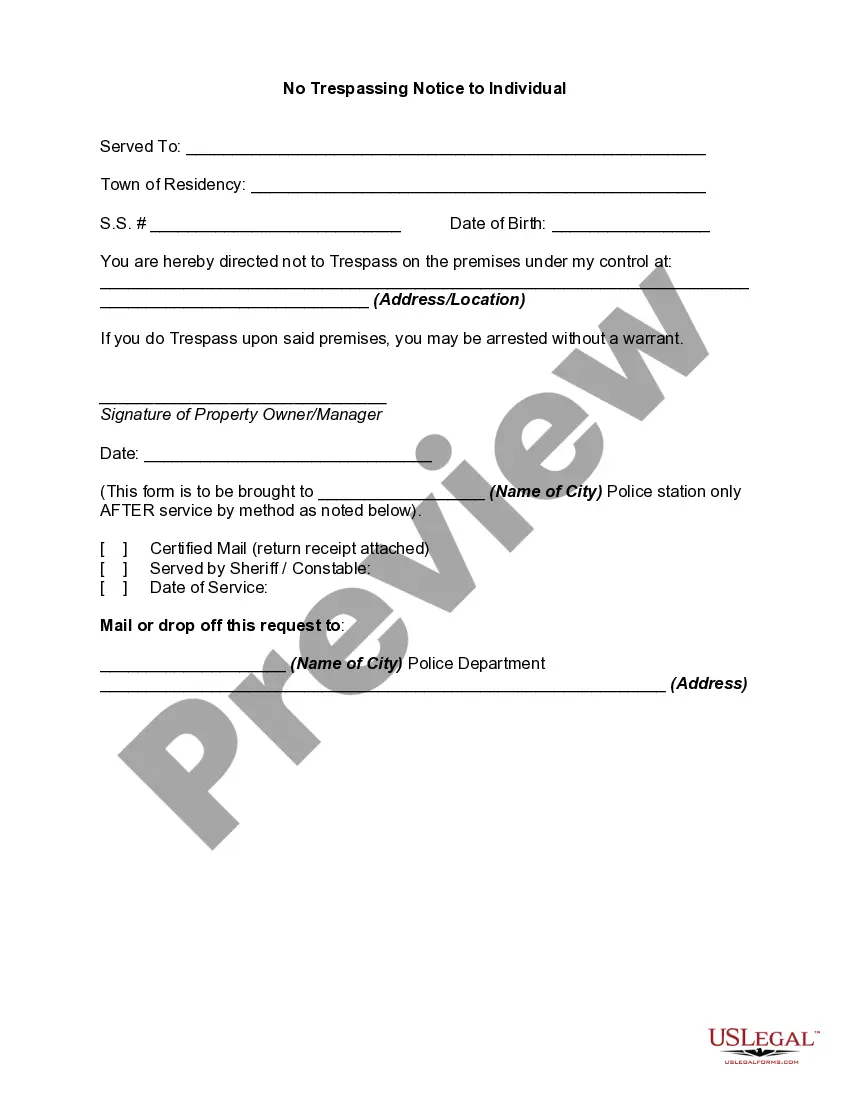
No Trespass Order Form Massachusetts
Description
Get your form ready online
Our built-in tools help you complete, sign, share, and store your documents in one place.
Make edits, fill in missing information, and update formatting in US Legal Forms—just like you would in MS Word.
Download a copy, print it, send it by email, or mail it via USPS—whatever works best for your next step.
Sign and collect signatures with our SignNow integration. Send to multiple recipients, set reminders, and more. Go Premium to unlock E-Sign.
If this form requires notarization, complete it online through a secure video call—no need to meet a notary in person or wait for an appointment.
We protect your documents and personal data by following strict security and privacy standards.

Make edits, fill in missing information, and update formatting in US Legal Forms—just like you would in MS Word.

Download a copy, print it, send it by email, or mail it via USPS—whatever works best for your next step.

Sign and collect signatures with our SignNow integration. Send to multiple recipients, set reminders, and more. Go Premium to unlock E-Sign.

If this form requires notarization, complete it online through a secure video call—no need to meet a notary in person or wait for an appointment.

We protect your documents and personal data by following strict security and privacy standards.
Looking for another form?
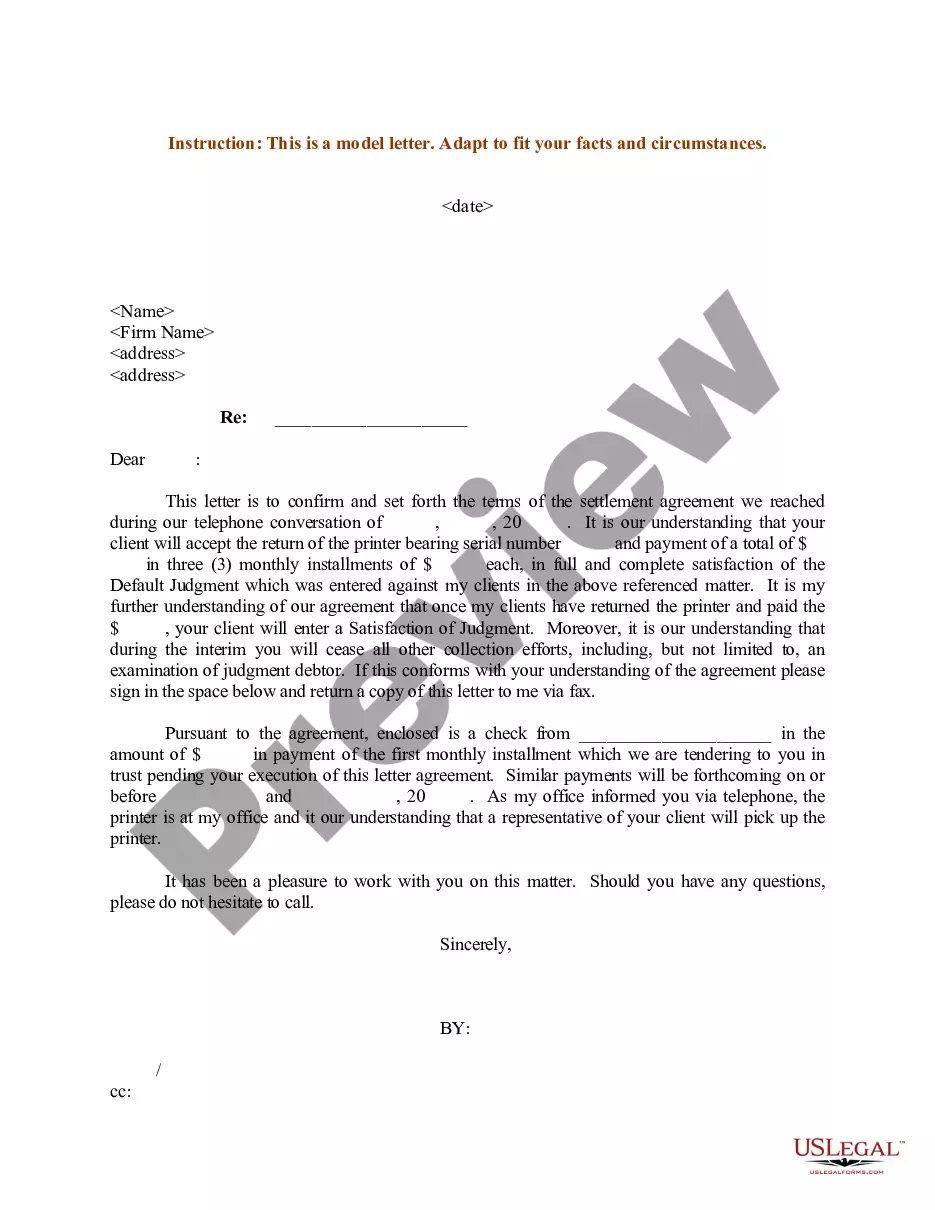
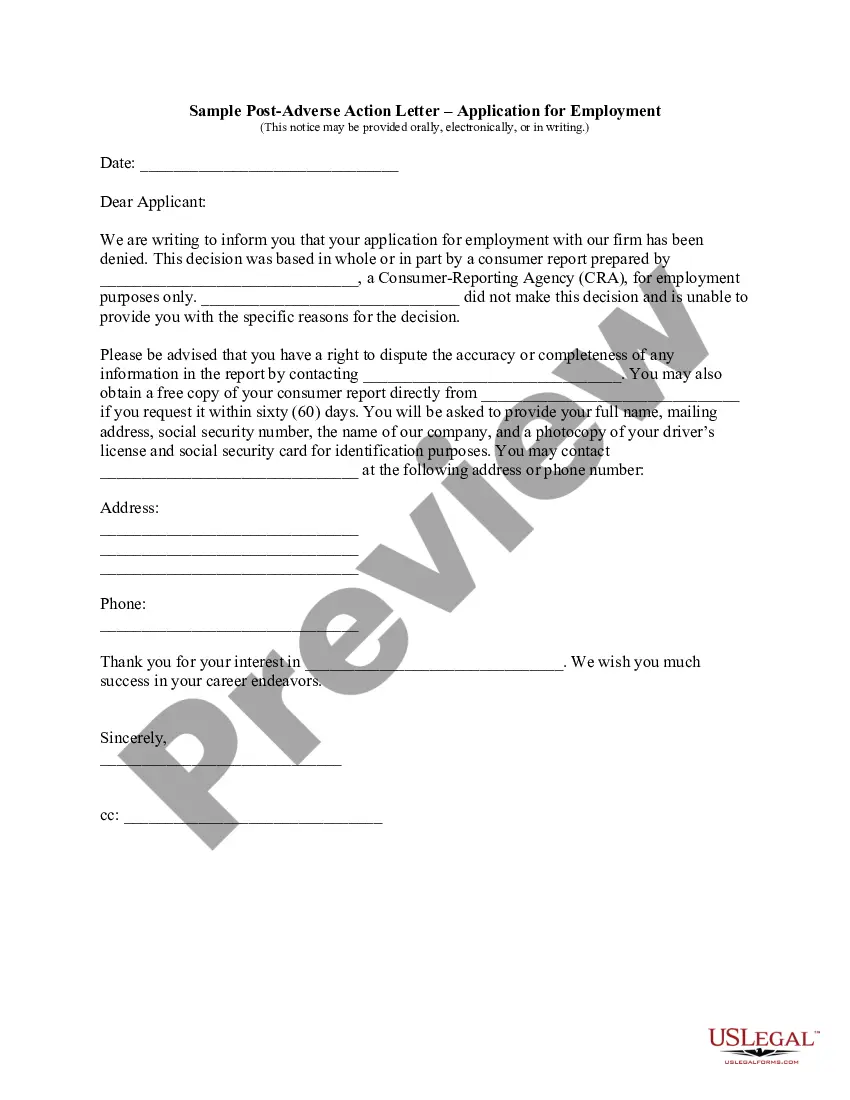
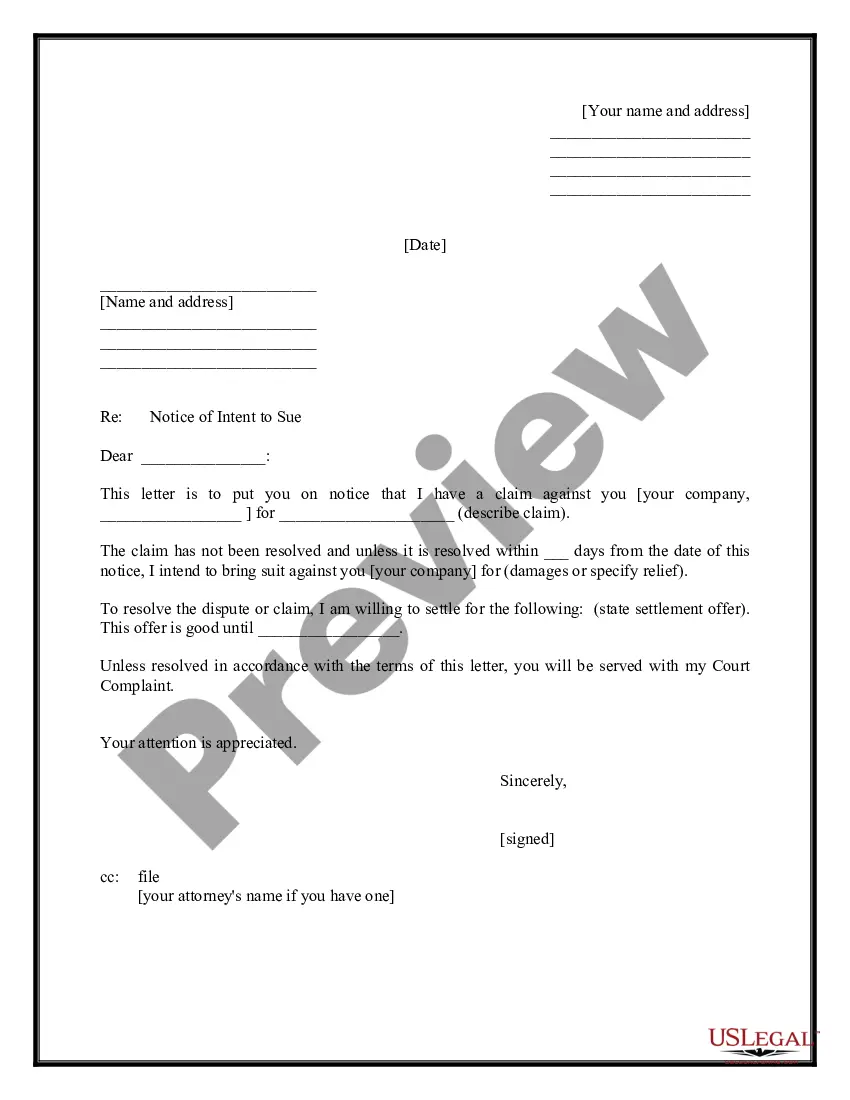
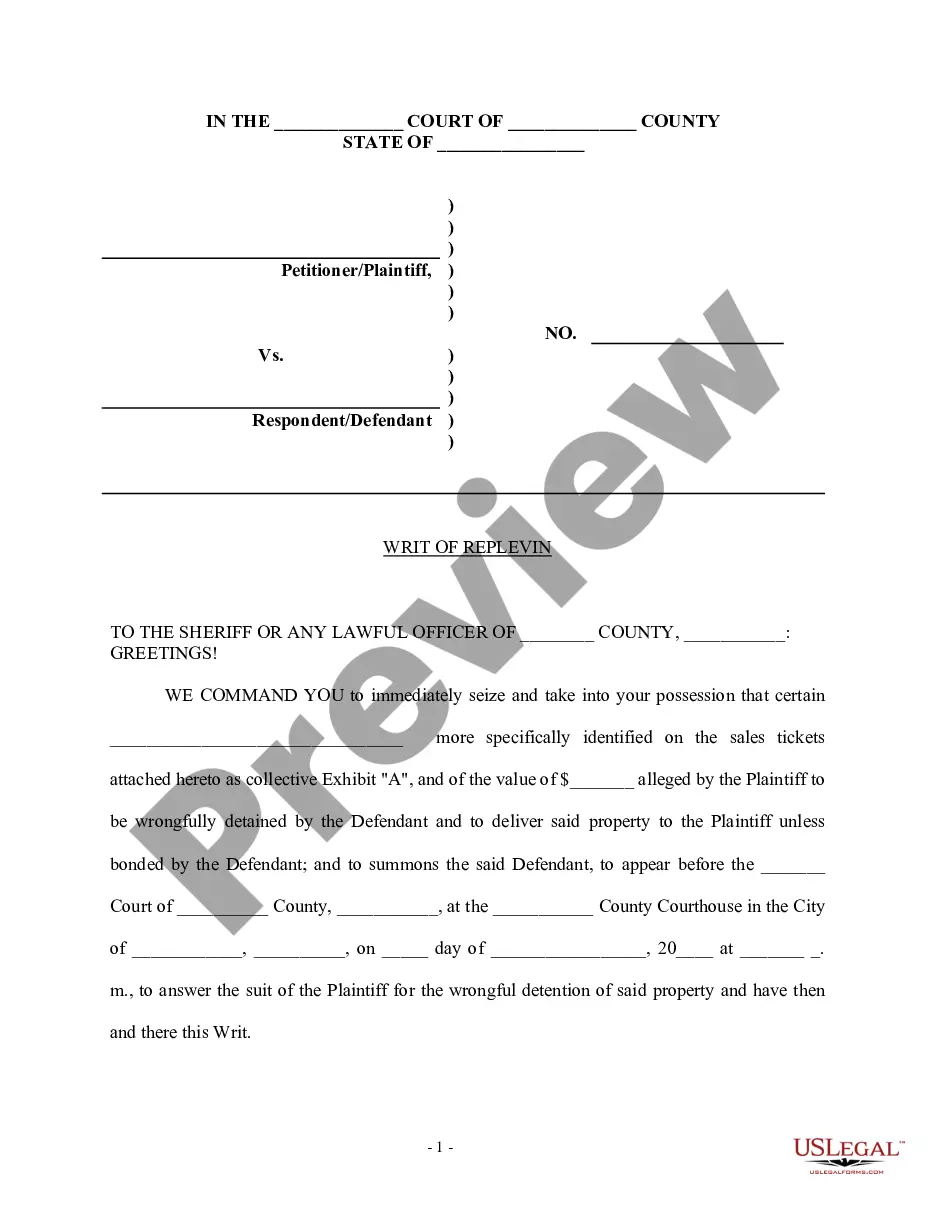
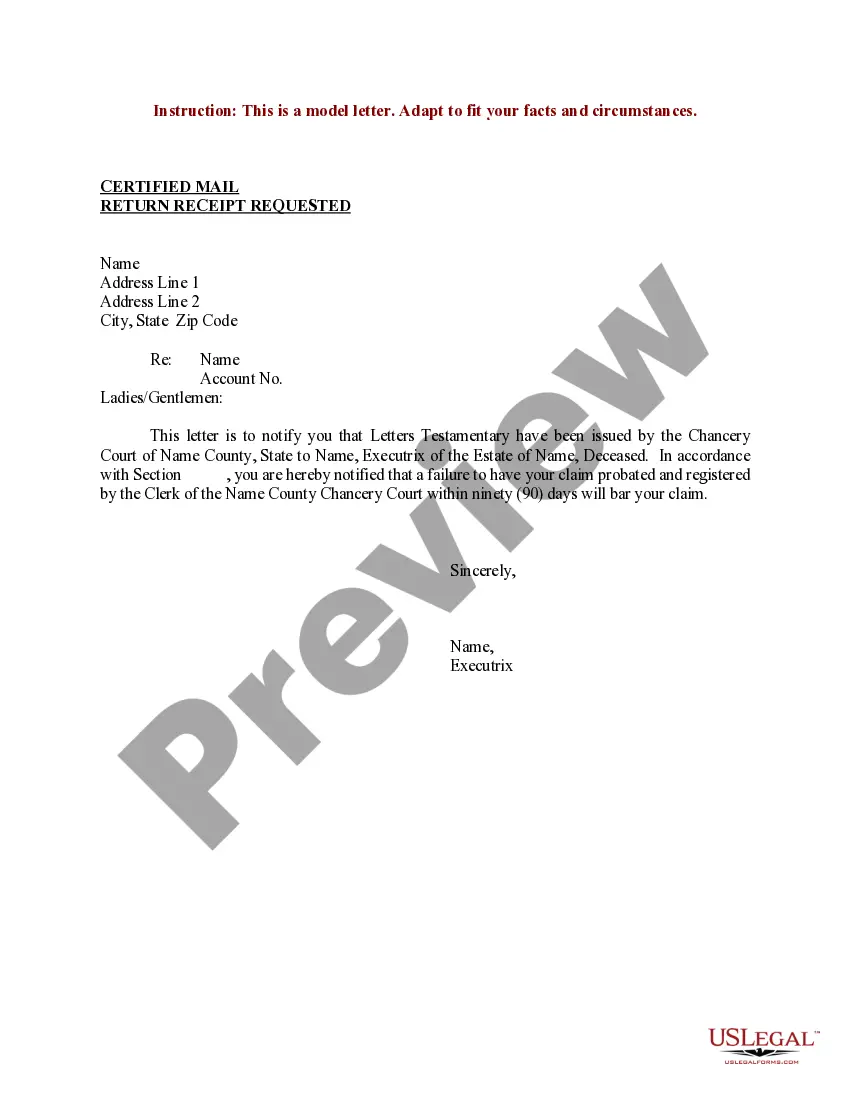
How to fill out No Trespassing Notice To Individual?
Utilizing legal forms that adhere to national and regional regulations is essential, and the internet provides a plethora of choices to choose from.
However, why waste time searching for the right No Trespass Order Form Massachusetts example online when the US Legal Forms digital library has all such forms consolidated in one location.
US Legal Forms is the largest online legal repository featuring more than 85,000 customizable templates created by attorneys for any commercial or personal scenario.
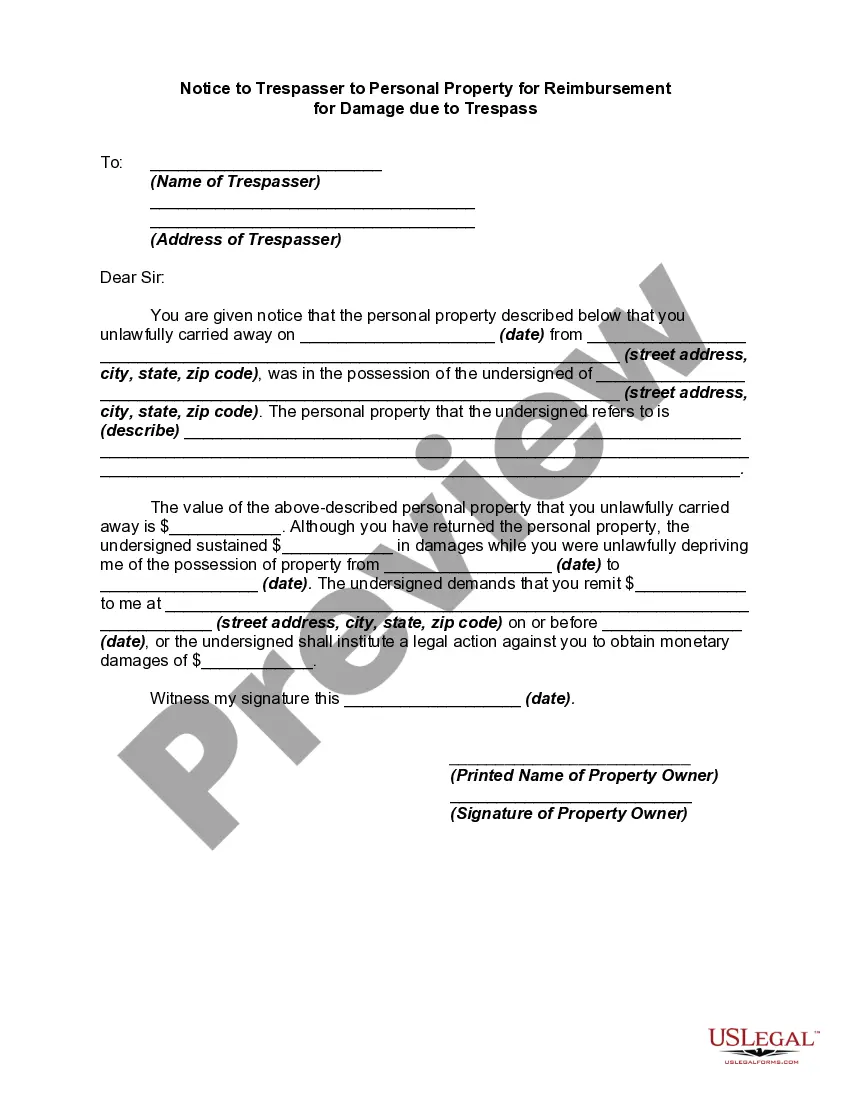
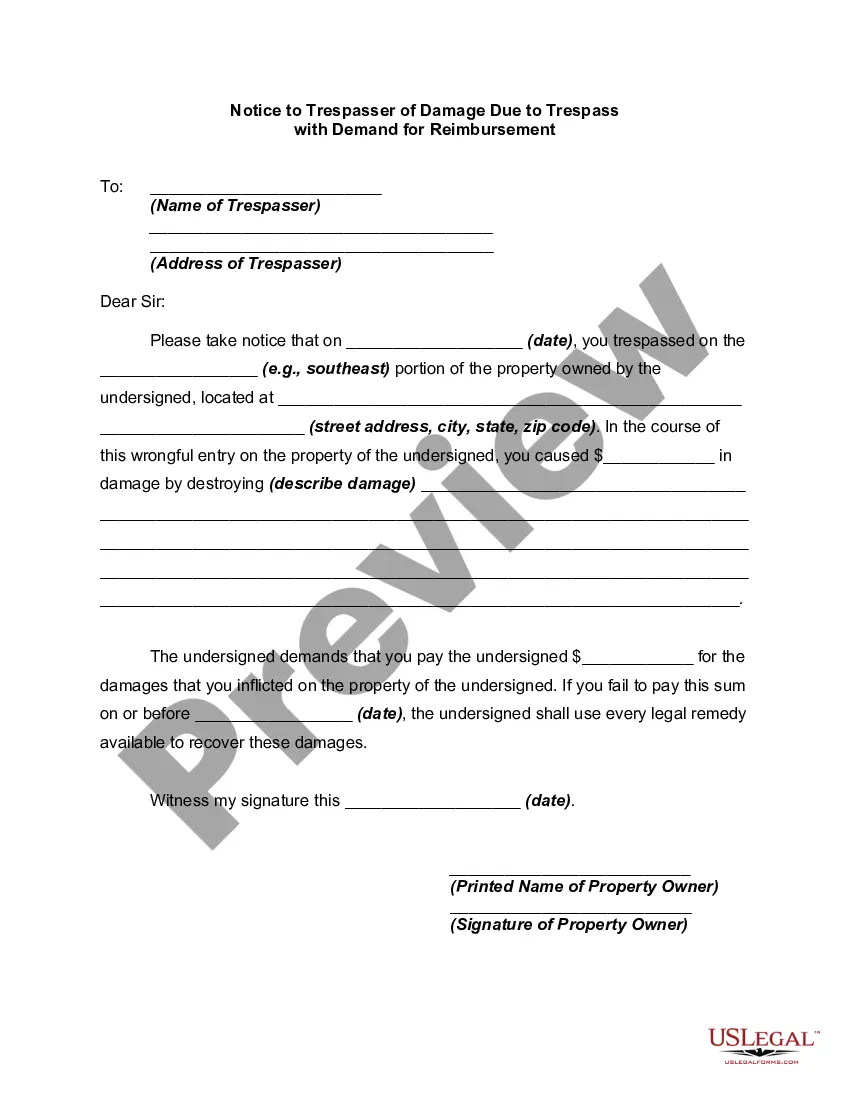
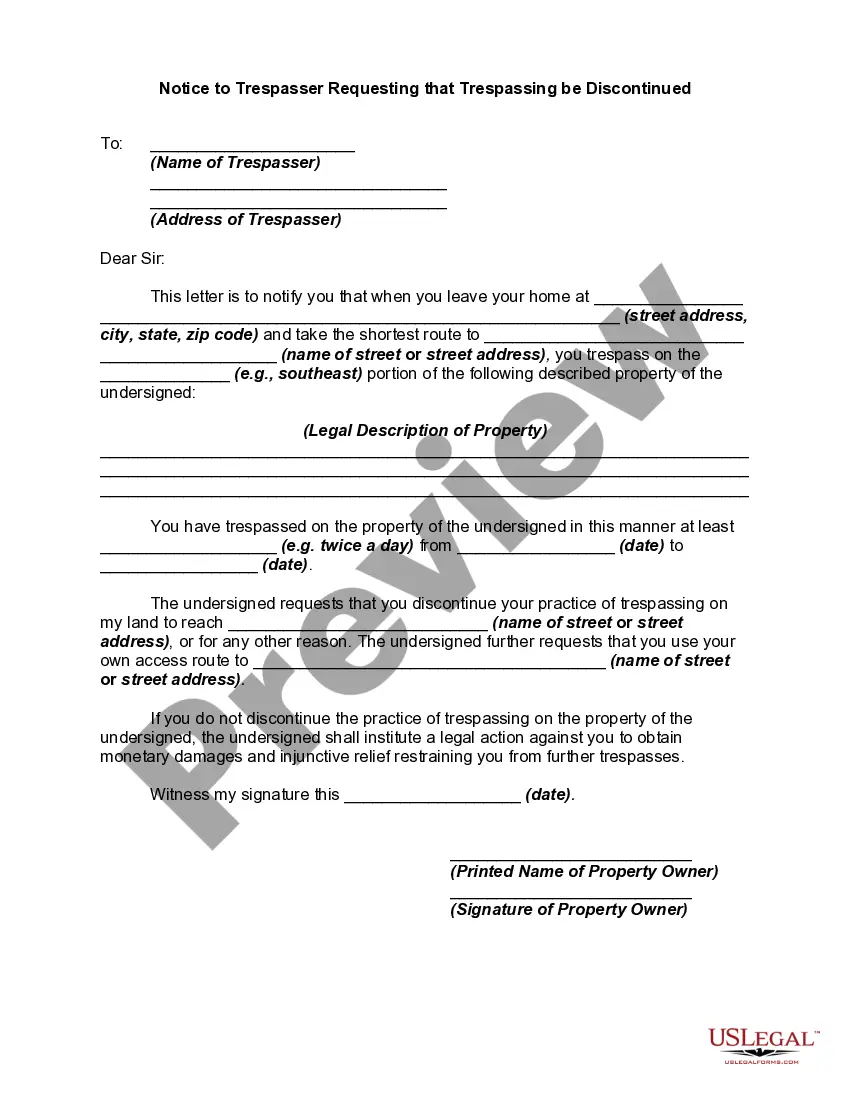
Explore the form using the Preview option or through the text outline to confirm it suits your requirements.
- They are easy to navigate with all documents categorized by state and intended use.
- Our specialists keep track of law changes, so you can always be assured your form is current and compliant when acquiring a No Trespass Order Form Massachusetts from our site.
- Getting a No Trespass Order Form Massachusetts is straightforward and quick for both existing and new users.
- If you already possess an account with an active subscription, Log In and retrieve the document example you need in your desired format.
- If you're new to our platform, follow these steps.
Form popularity
FAQ
Trespassing laws in New York state prohibit individuals from entering or remaining on someone else's property without permission. These laws vary in specifics, but typically, a property owner can issue a no-trespass order against individuals who violate their property rights. For those interested in obtaining a no trespass order form Massachusetts or understanding the laws of adjacent states like New York, resources are available through legal service platforms, including US Legal Forms.
Yes, you can put up no trespassing signs on your property in Massachusetts. These signs serve as a clear warning to potential trespassers that they are not permitted on your land. However, keep in mind that merely posting signs may not replace the necessity of obtaining a no trespass order form Massachusetts if you seek legal enforcement against trespassers.
To obtain a no trespass order form in Massachusetts, you typically need to provide specific information about the property and the individuals involved. This includes your personal details, the details of the individual you wish to trespass against, and any relevant evidence of prior trespassing incidents. It is important to understand that a no trespass order form Massachusetts must be completed correctly and filed with the appropriate authorities for it to be enforceable.
Writing a no trespassing order starts with clearly stating your intention to restrict access to your property. Begin with a title such as 'No Trespassing Order', followed by details about your property, the individuals involved, and the reasons for the order. Use concise language and ensure you include your name and contact information. You can access a no trespass order form Massachusetts through platforms like US Legal Forms, which can guide you in creating a comprehensive document.
To file a no trespassing order in Massachusetts, you need to visit your local courthouse or law enforcement agency. They often provide the necessary no trespass order form Massachusetts, which you will complete and submit. Make sure to gather any evidence supporting your claim, as this can strengthen your case. Utilizing reliable platforms like US Legal Forms can simplify the process by offering templates that cater to your needs.
To keep someone off your property legally in Massachusetts, you should communicate your wishes clearly and establish boundaries. Posting no trespassing signs can serve as a public notice of your intent. If needed, you can fill out a no trespass order form Massachusetts, giving you the legal authority to prohibit that person from entering your land. Engaging with legal resources can further enhance your protection.
To get a no trespassing order on someone in Massachusetts, start by documenting any incidents involving that individual. Next, complete a no trespass order form Massachusetts, which clearly outlines your request. You may need to file this form with the appropriate authorities or local law enforcement. This formal process provides the necessary legal backing to your concerns.
While posting no trespassing signs in Massachusetts is not legally required, doing so can significantly strengthen your case. Signs serve as a clear message to potential trespassers that you prohibit their presence on your property. Additionally, having documented evidence from a no trespass order form Massachusetts may further support your position. This proactive approach helps prevent disputes.
Yes, trespassing can lead to arrest in Massachusetts under certain circumstances, particularly if a person refuses to leave after being asked. The law recognizes trespassing as an offense that disrupts the rights of property owners. It is important to note that having a no trespass order form Massachusetts can help in legal proceedings. This form provides clear evidence of your intent to prohibit access.
To obtain a no trespass order in Massachusetts, you typically need to fill out a specific form that details your situation. You may also need to file it with your local law enforcement or court, depending on the circumstances. A no trespass order form Massachusetts serves as a formal request to keep unwanted visitors off your property. Make sure you gather any necessary evidence to support your case.