Homeowners Association Rules In The Philippines
Description
Get your form ready online
Our built-in tools help you complete, sign, share, and store your documents in one place.
Make edits, fill in missing information, and update formatting in US Legal Forms—just like you would in MS Word.
Download a copy, print it, send it by email, or mail it via USPS—whatever works best for your next step.
Sign and collect signatures with our SignNow integration. Send to multiple recipients, set reminders, and more. Go Premium to unlock E-Sign.
If this form requires notarization, complete it online through a secure video call—no need to meet a notary in person or wait for an appointment.
We protect your documents and personal data by following strict security and privacy standards.

Make edits, fill in missing information, and update formatting in US Legal Forms—just like you would in MS Word.

Download a copy, print it, send it by email, or mail it via USPS—whatever works best for your next step.

Sign and collect signatures with our SignNow integration. Send to multiple recipients, set reminders, and more. Go Premium to unlock E-Sign.

If this form requires notarization, complete it online through a secure video call—no need to meet a notary in person or wait for an appointment.

We protect your documents and personal data by following strict security and privacy standards.
Looking for another form?



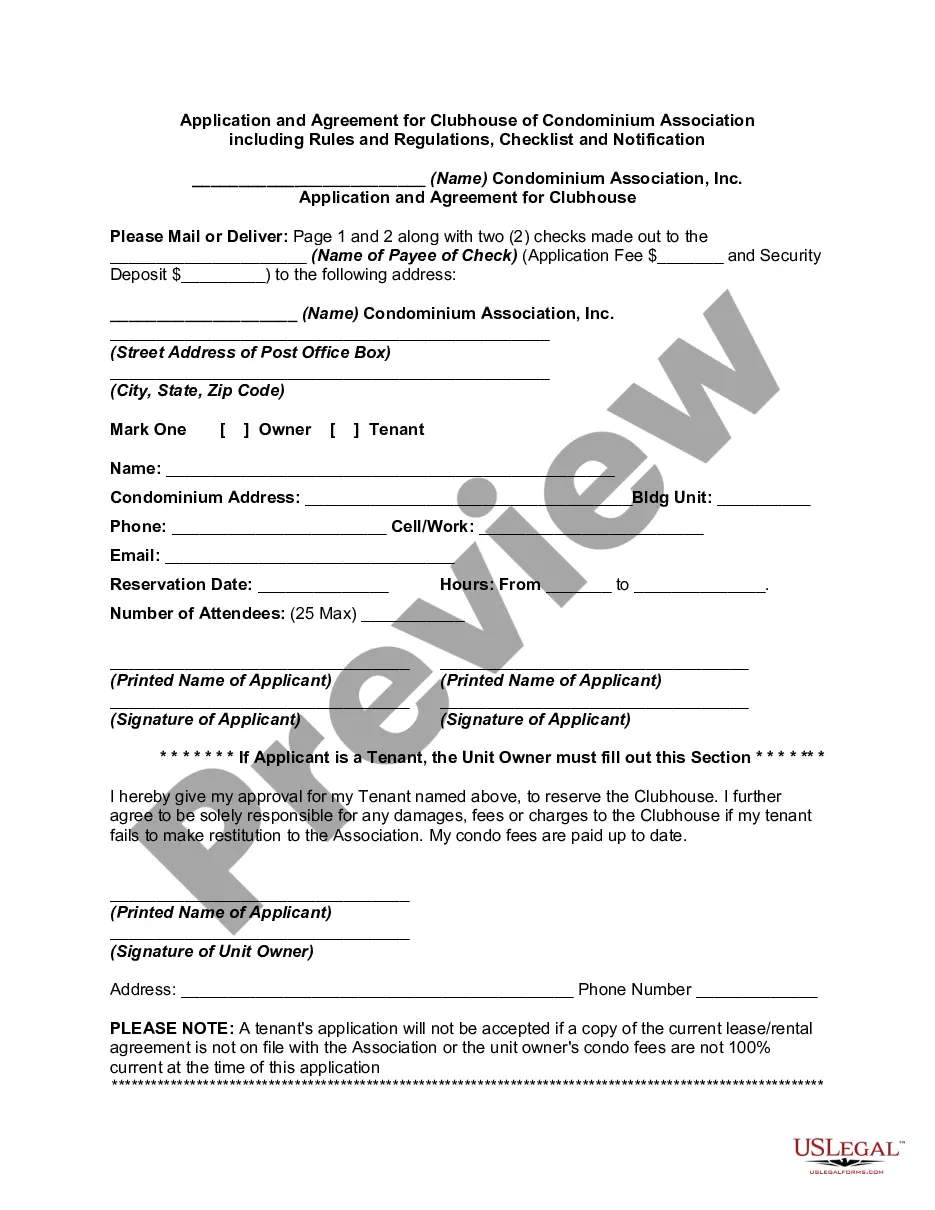
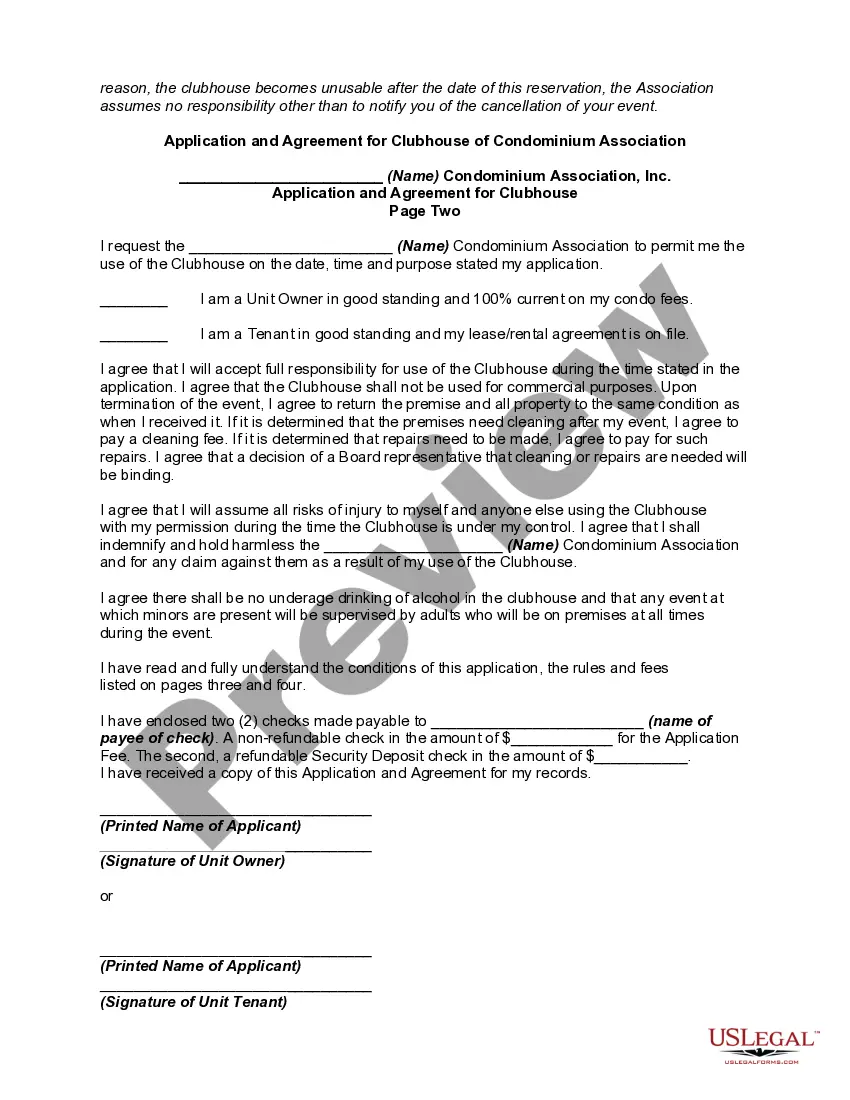
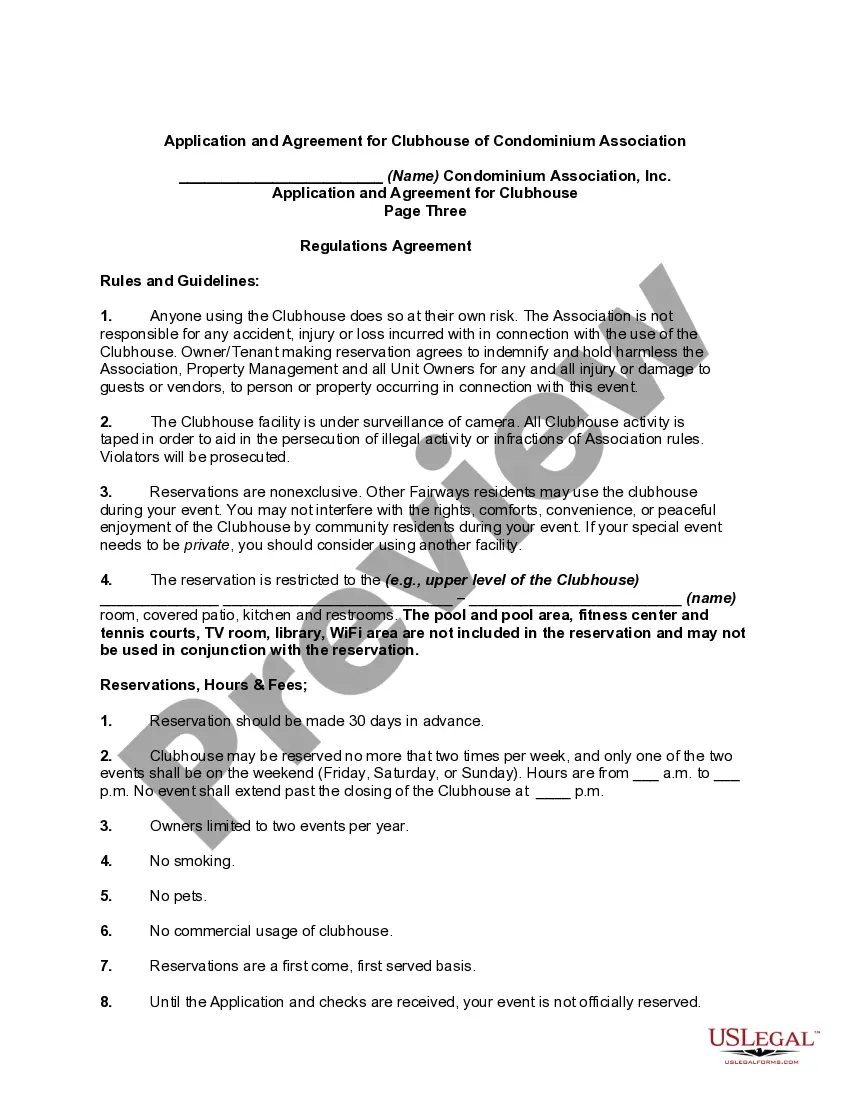
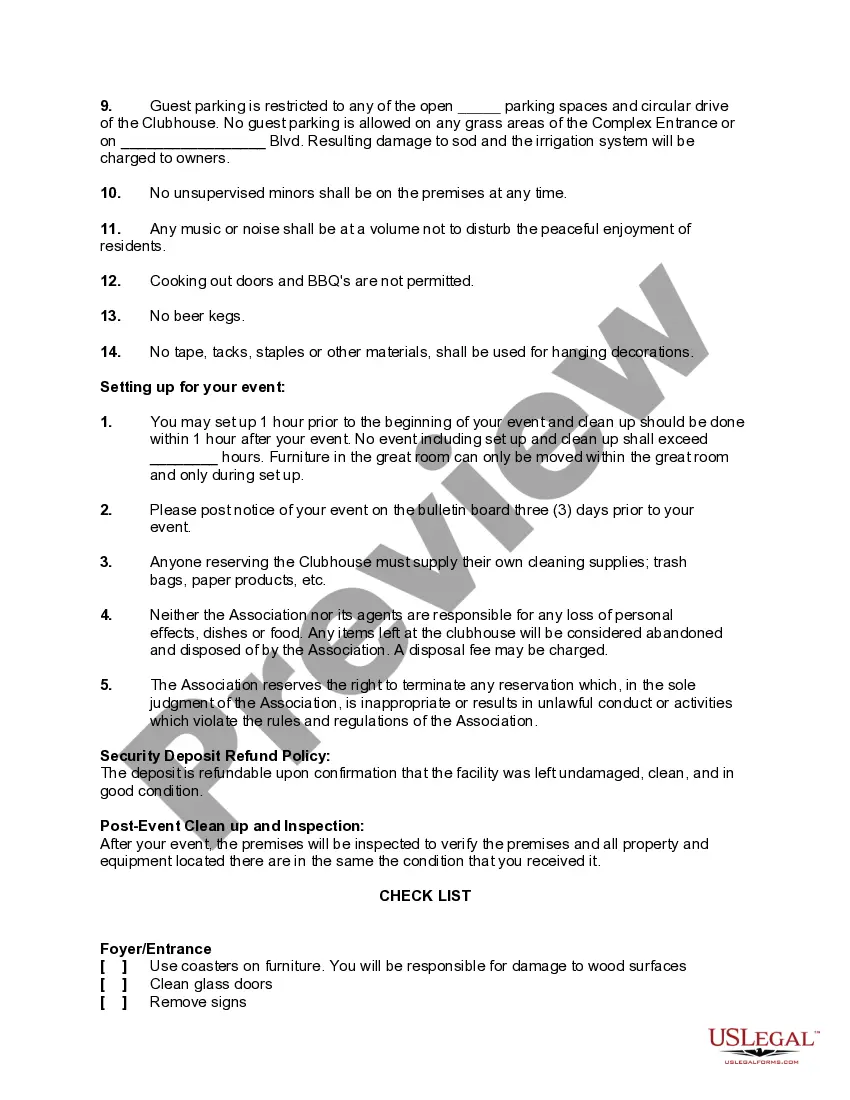
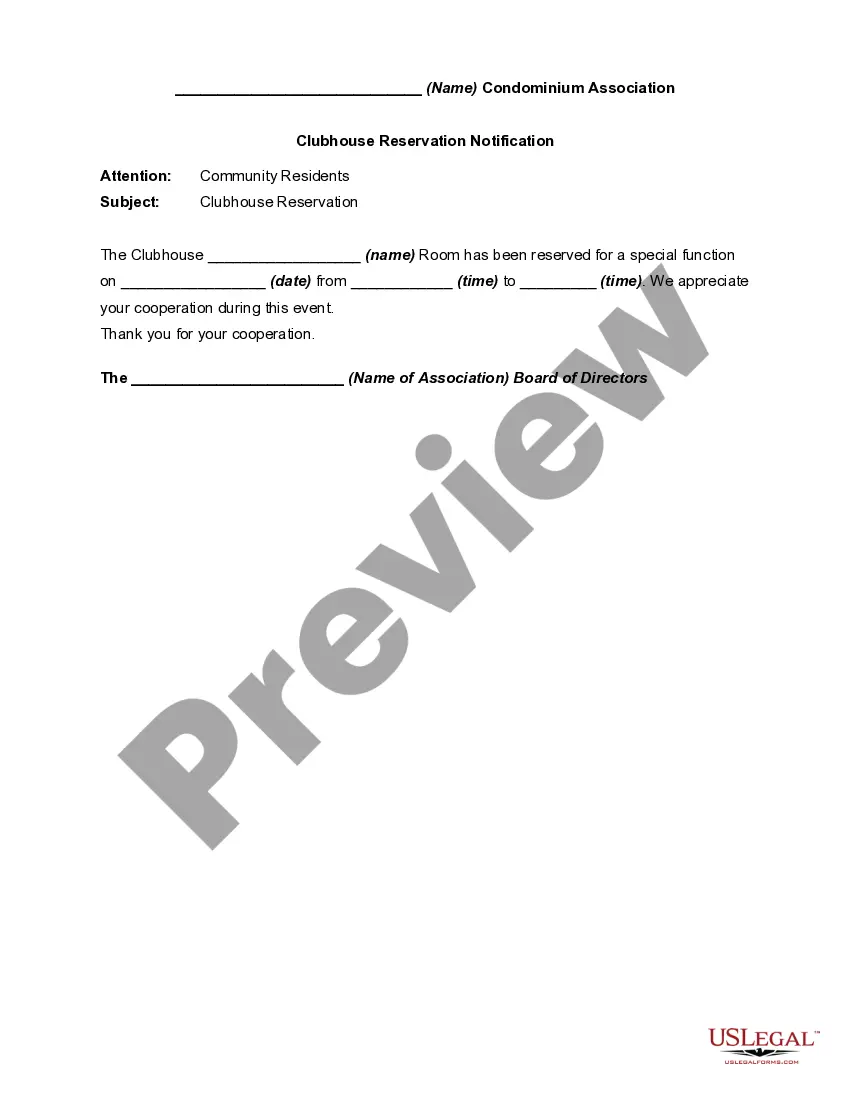
How to fill out Application And Agreement For Clubhouse Of Condominium Association?
It’s well-known that one cannot transform into a legal expert in a single night, nor can you comprehend how to swiftly formulate Homeowners Association Regulations In The Philippines without having a specific set of expertise.
Drafting legal documents is a lengthy endeavor that necessitates particular education and expertise. So why not entrust the development of the Homeowners Association Regulations In The Philippines to the professionals.
With US Legal Forms, one of the most extensive legal document repositories, you can discover anything from court paperwork to templates for internal corporate correspondence. We recognize how crucial compliance and adherence to federal and local statutes and regulations are. That’s why, on our platform, all templates are tailored to specific locations and current.
Select Buy now. Once the payment is completed, you can download the Homeowners Association Regulations In The Philippines, complete it, print it, and forward or mail it to the relevant individuals or entities.
You can access your documents again from the My documents tab at any time. If you are an existing customer, you can simply Log In, and find and download the template from the same tab.
- Begin with our platform and obtain the document you require in just a few minutes.
- Find the document you need using the search bar at the top of the page.
- If available, preview it and read the accompanying description to ascertain whether Homeowners Association Regulations In The Philippines is what you are looking for.
- If you require a different template, start your search again.
- Register for a complimentary account and choose a subscription plan to buy the form.
Form popularity
FAQ
Bylaws of an association are the rules governing its internal activities and the rights of its members. They typically include guidelines on meetings, voting processes, and membership rights. Understanding the bylaws is essential for every homeowner, as they outline how each member can participate in decision-making within the framework of homeowners association rules in the Philippines.
Abuse of power in a homeowners association can manifest in various ways, such as enforcing arbitrary fines or denying services to certain members without clear justification. This behavior can lead to disagreements and conflicts within the community. Homeowners should address such issues promptly with the board or seek legal advice to discipline the association according to homeowners association rules in the Philippines.
To organize a homeowners association in the Philippines, start by gathering interested homeowners in your community. Create a framework that includes the association's purpose, rules, and governance structure. Consultation with legal experts on homeowners association rules in the Philippines will ensure proper adherence to laws and enhance the association's credibility from the onset.
In Arizona, the homeowners association rules grant significant authority to HOAs over community property and rules enforcement. They can impose fines, enforce covenants, and manage shared community resources. Understanding the power dynamics in your HOA is essential, especially for homeowners who wish to navigate their rights within the association framework.
If you face issues with a homeowners association in the Philippines, your first step is to reach out directly to the HOA board to address your concerns. If the issue persists, you can escalate the matter to local government councils or regulatory bodies, which oversee associations. Additionally, legal platforms like US Legal Forms offer resources to guide you on filing complaints effectively.
Homeowners association rules in the Philippines often include covenants and bylaws, which serve distinct purposes. Covenants are the rules that govern what homeowners can or cannot do regarding their properties. On the other hand, bylaws outline how the HOA operates, including member responsibilities and meeting procedures. Understanding this difference is crucial for homeowners engaged in their associations.
When writing a letter of request to an HOA, start with a formal greeting and a clear subject line. In the body of the letter, state your request and provide context or justification, ensuring you connect it to homeowners association rules in the Philippines as needed. Keep the tone respectful and professional, and finish with your contact information for any follow-up. Conclusively, a well-structured letter can help facilitate a productive response.
To write a petition for a homeowners association, clearly state the issue or request at the top of the document. Provide a rationale that explains why the change is necessary, citing relevant homeowners association rules in the Philippines. Include space for signatures and contact information to demonstrate community support. Present the completed petition to the HOA during a designated meeting for discussion and voting.
Starting a homeowners association requires gathering interested residents to form an organizing committee. Begin by outlining the goals and structure of the association, then draft articles of incorporation and by-laws based on homeowners association rules in the Philippines. Once these documents are finalized, register with the SEC and hold an initial meeting to elect officers and establish the association's operations.
Yes, you can petition an HOA rule if you believe it needs revision or reconsideration. To do so, gather evidence that supports your request and presents it in a structured manner to the HOA board. Make sure to reference homeowners association rules in the Philippines to demonstrate compliance and validity. Engaging fellow community members can strengthen your position during discussions.