Finder Fee Percentage
Description
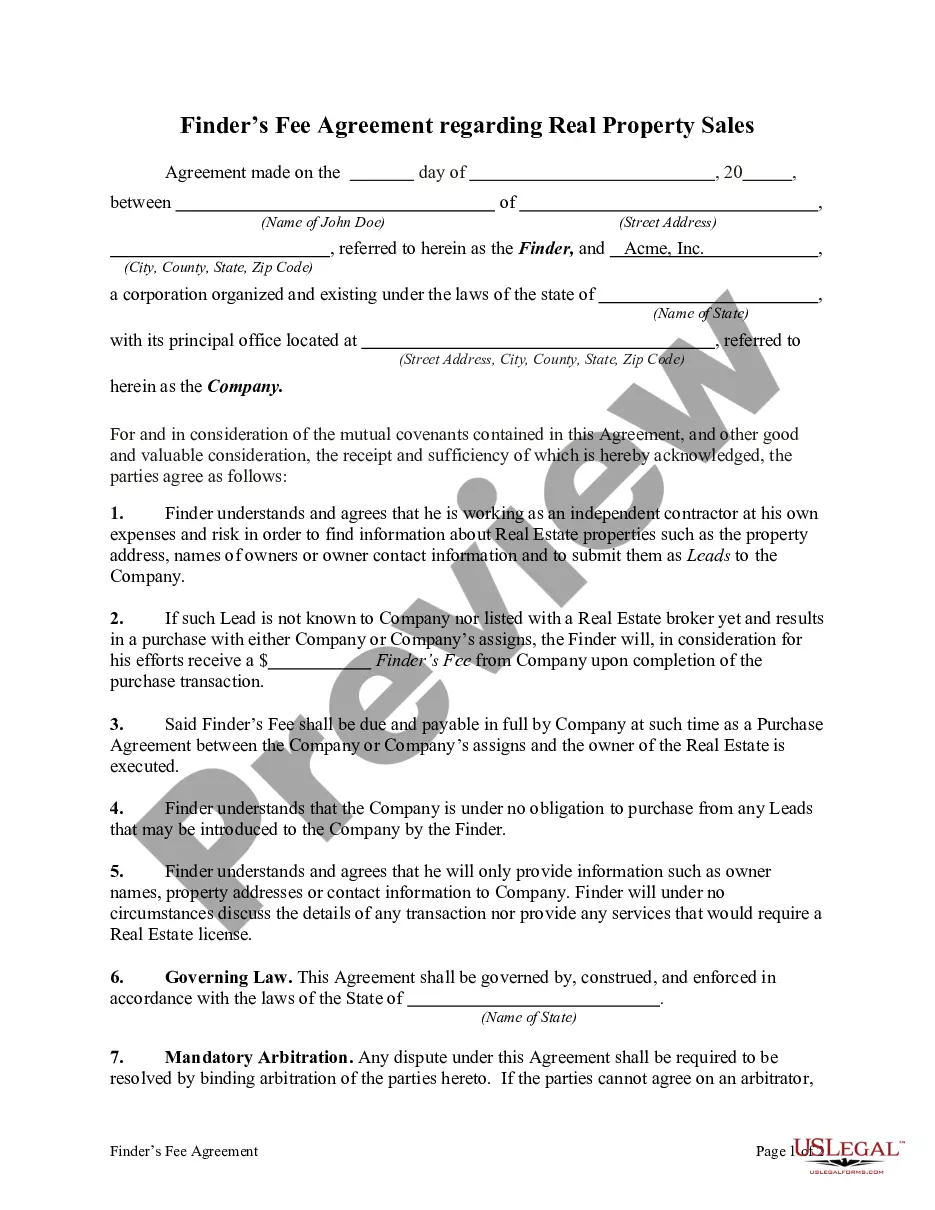
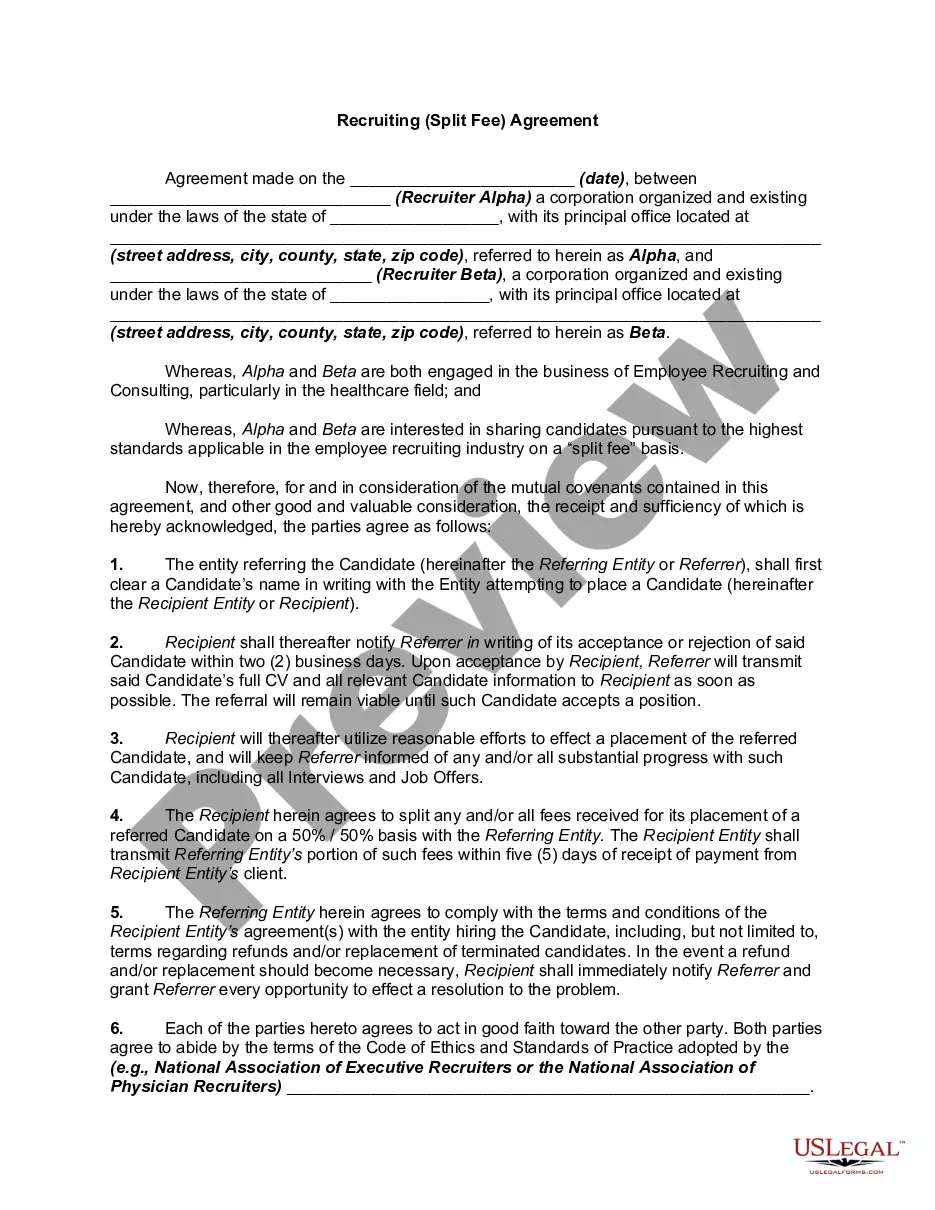
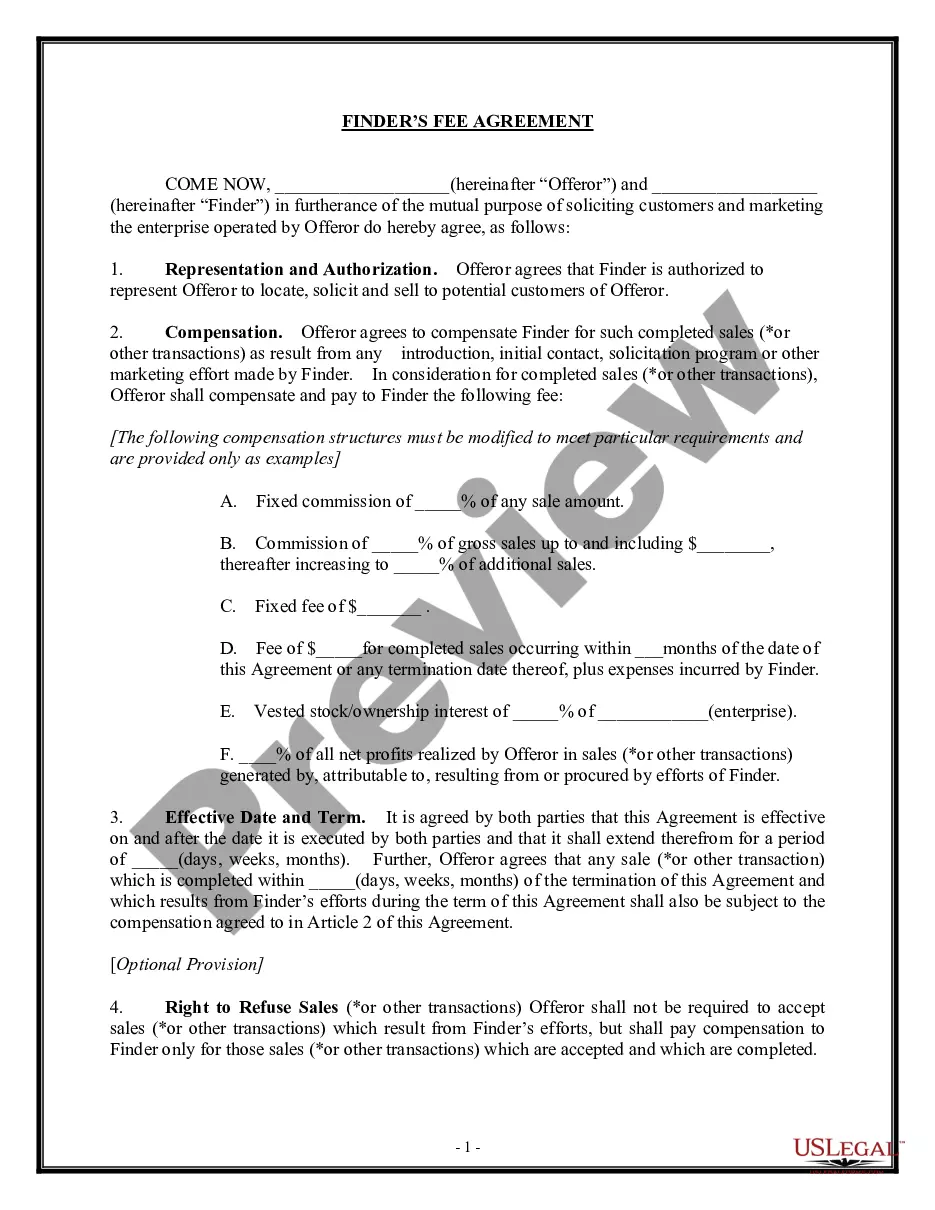
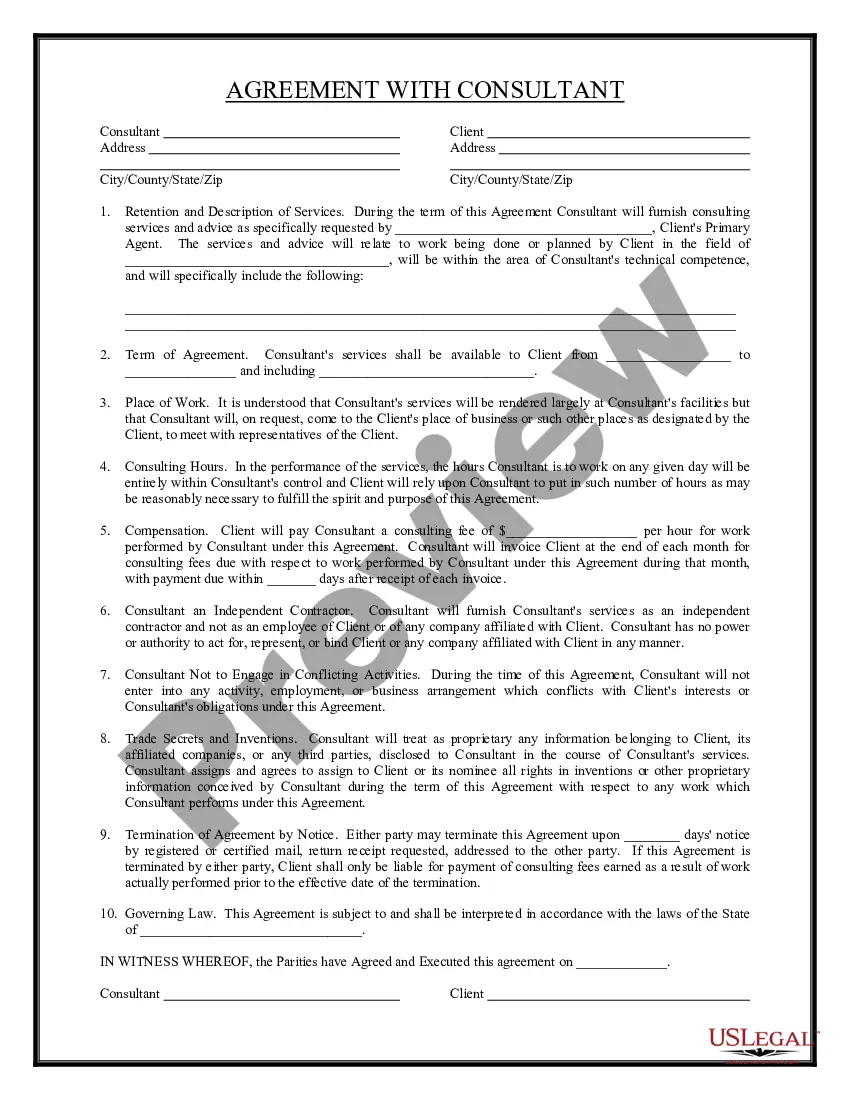
Get your form ready online
Our built-in tools help you complete, sign, share, and store your documents in one place.
Make edits, fill in missing information, and update formatting in US Legal Forms—just like you would in MS Word.
Download a copy, print it, send it by email, or mail it via USPS—whatever works best for your next step.
Sign and collect signatures with our SignNow integration. Send to multiple recipients, set reminders, and more. Go Premium to unlock E-Sign.
If this form requires notarization, complete it online through a secure video call—no need to meet a notary in person or wait for an appointment.
We protect your documents and personal data by following strict security and privacy standards.

Make edits, fill in missing information, and update formatting in US Legal Forms—just like you would in MS Word.

Download a copy, print it, send it by email, or mail it via USPS—whatever works best for your next step.

Sign and collect signatures with our SignNow integration. Send to multiple recipients, set reminders, and more. Go Premium to unlock E-Sign.

If this form requires notarization, complete it online through a secure video call—no need to meet a notary in person or wait for an appointment.

We protect your documents and personal data by following strict security and privacy standards.
Looking for another form?






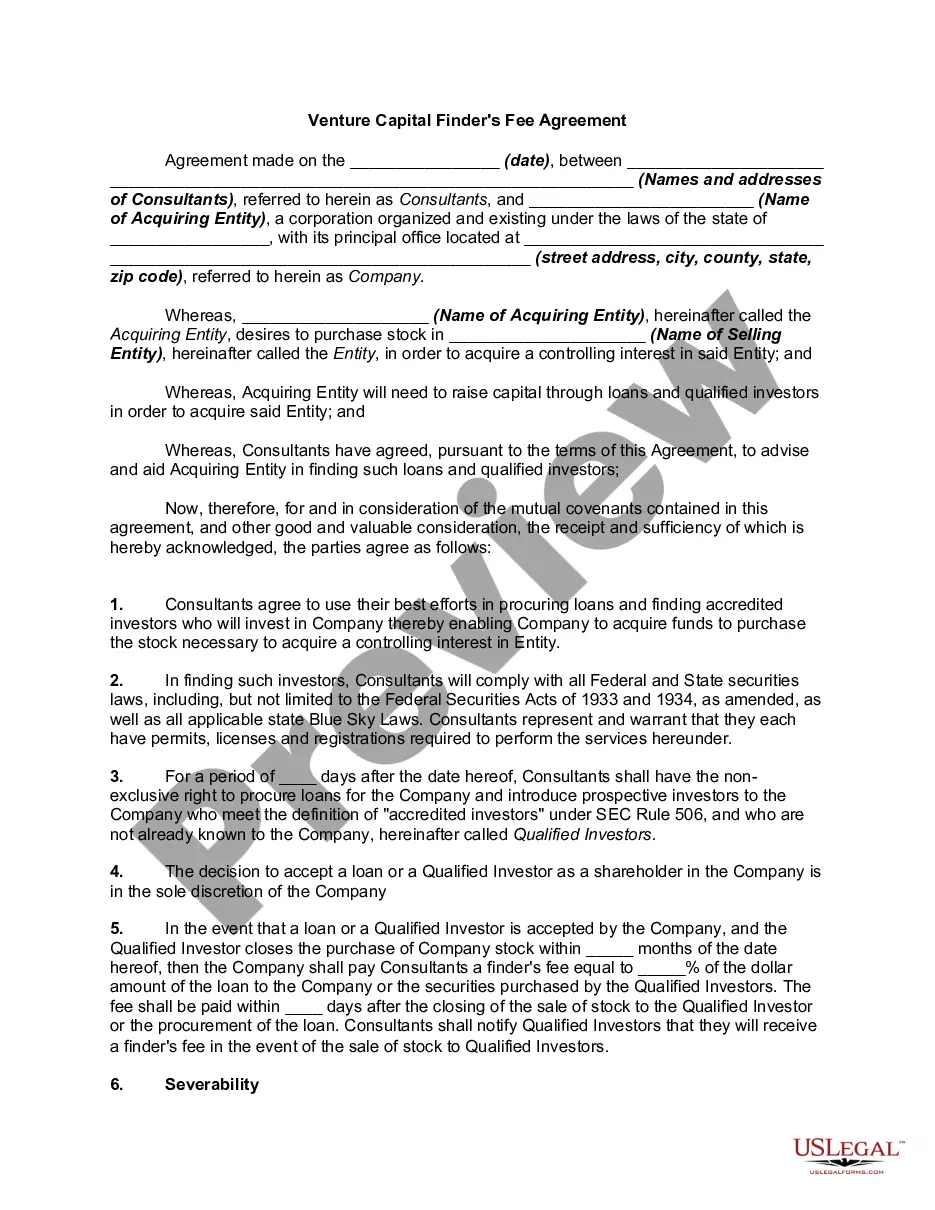
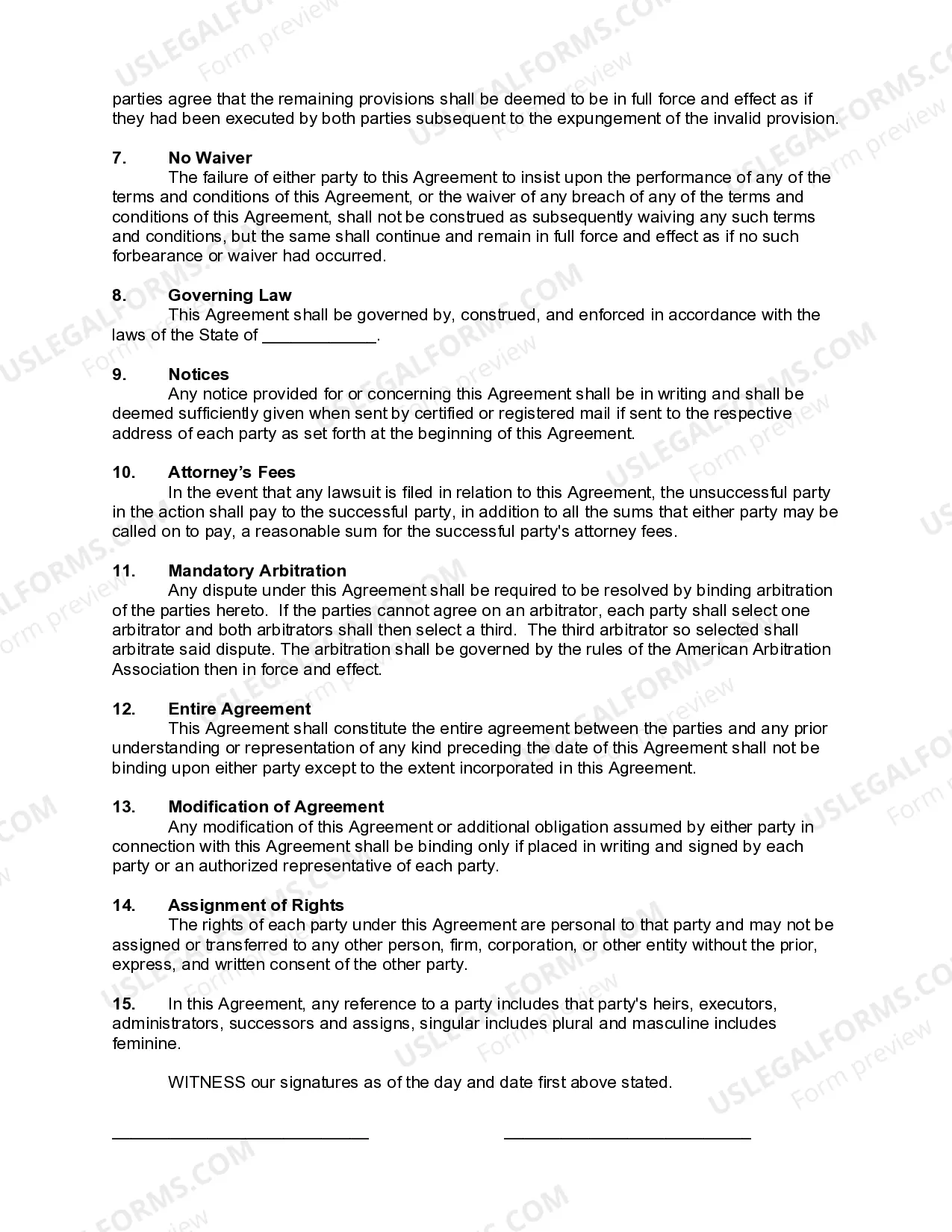
How to fill out Venture Capital Finder's Fee Agreement?
Engaging with legal documents and processes can be a lengthy addition to your schedule.
Finder Fee Percentage and similar forms typically necessitate you to search for them and comprehend how to finalize them efficiently.
For this reason, whether you are managing financial, legal, or personal issues, having a comprehensive and functional online collection of forms readily available will be extremely beneficial.
US Legal Forms is the premier online platform for legal templates, featuring over 85,000 state-specific forms and an array of resources to help you complete your documents effortlessly.
Is it your first time using US Legal Forms? Sign up and create a complimentary account in a few moments, and you will gain access to the form library and Finder Fee Percentage. Then, follow the steps below to fill out your form.
- Explore the collection of relevant documents accessible to you with a single click.
- US Legal Forms provides state- and county-specific forms available for download at any time.
- Secure your document management tasks with a superior service that enables you to assemble any form in minutes without extra or hidden costs.
- Simply Log In to your account, find Finder Fee Percentage, and download it immediately from the My documents section.
- You may also access previously saved forms.
Form popularity
FAQ
How to Evict Step 1: Send an Eviction Notice. Non-Payment of Rent. Lease Violation. ... Step 2: Wait to Hear from the Tenant. Step 3: File in Court. Filing Fee. Average Processing Time. ... Step 4: Serve the Tenant. Step 5: Attend a Trial. Step 6: Obtain a Judgment for Possession. Warrant for Removal. Step 7: Repossess the Property.
New Jersey eviction laws to evict a tenant vary from court to court, but they still follow the same general eviction process: Send a clear written eviction notice. Fill out the forms. Serve the tenant. Attend the trial. Wait for judgment.
How to Evict Step 1: Send an Eviction Notice. Non-Payment of Rent. Lease Violation. ... Step 2: Wait to Hear from the Tenant. Step 3: File in Court. Filing Fee. Average Processing Time. ... Step 4: Serve the Tenant. Step 5: Attend a Trial. Step 6: Obtain a Judgment for Possession. Warrant for Removal. Step 7: Repossess the Property.
Every type of notice has a required amount of time to pass before you can proceed to the next step. A typical New Jersey eviction process will take anywhere from 6 weeks to 6 months but they can drag on for much longer if you aren't careful. Below is a broad overview of what you can expect in the NJ eviction process.
A landlord cannot evict tenants or remove their belongings from a rental home without first getting a judgment for possession and then a warrant of removal from the court. Only a special civil part officer can perform the eviction on behalf of a landlord.
The landlord must first file a landlord tenant lawsuit in the special civil part of the Superior Court and get a judgment for possession from the court before an officer can be directed to evict any residential tenant.
Costs to File An Eviction In New Jersey DESCRIPTIONCOSTSComplaint Filing Fee$50 + $5/Add'l TenantSummons Delivery Mileage FeeUp To $25Warrant for Removal Fee$35Tenant Removal Mileage FeeUp To $255 more rows
After giving a Notice to Quit, the landlord may file suit for an eviction. If a suit for eviction is filed and the landlord wins his case, he may be granted a Judgment for Possession. A Judgment for Possession ends the tenancy and allows the landlord to have the tenant evicted from the rental premises.