Expungement For Domestic Violence
Description
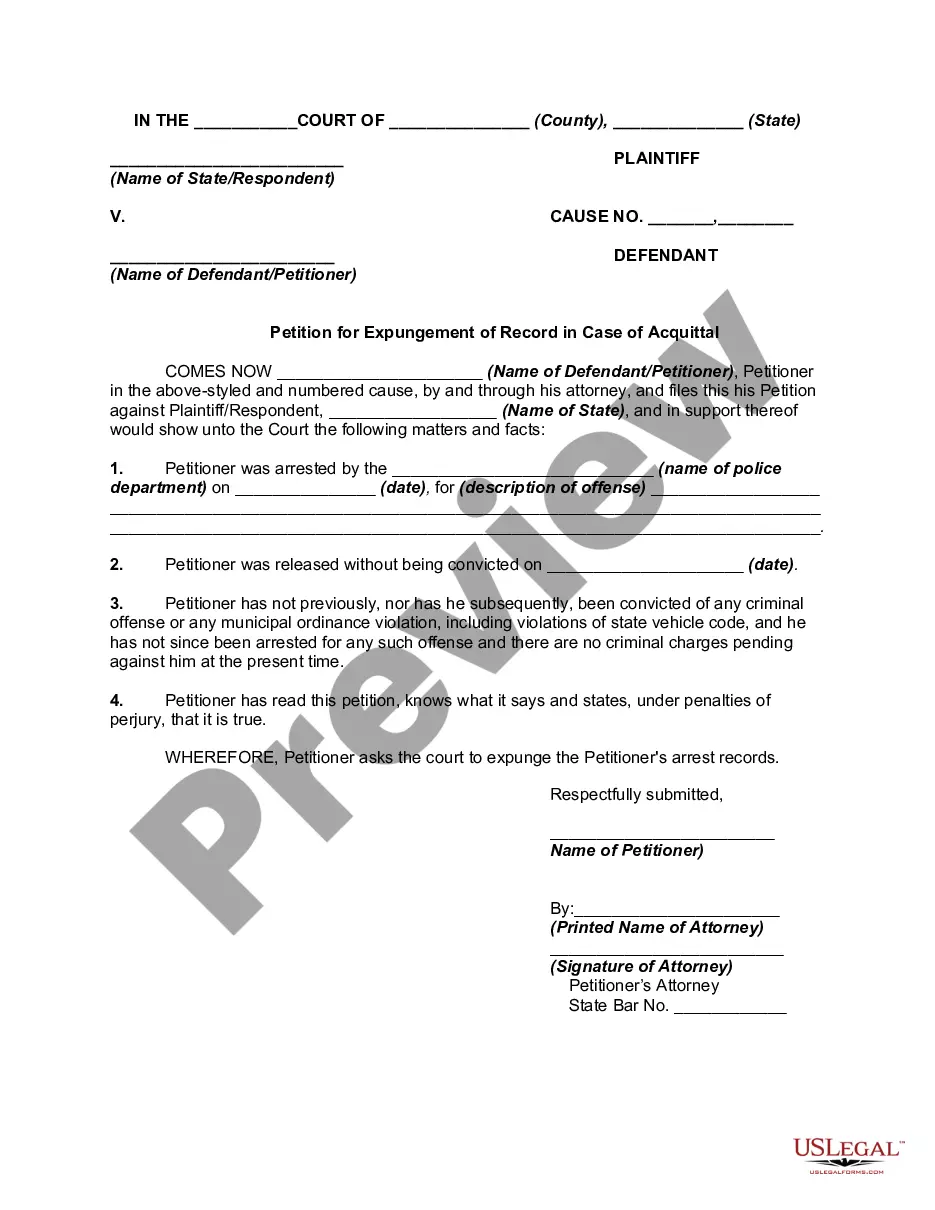
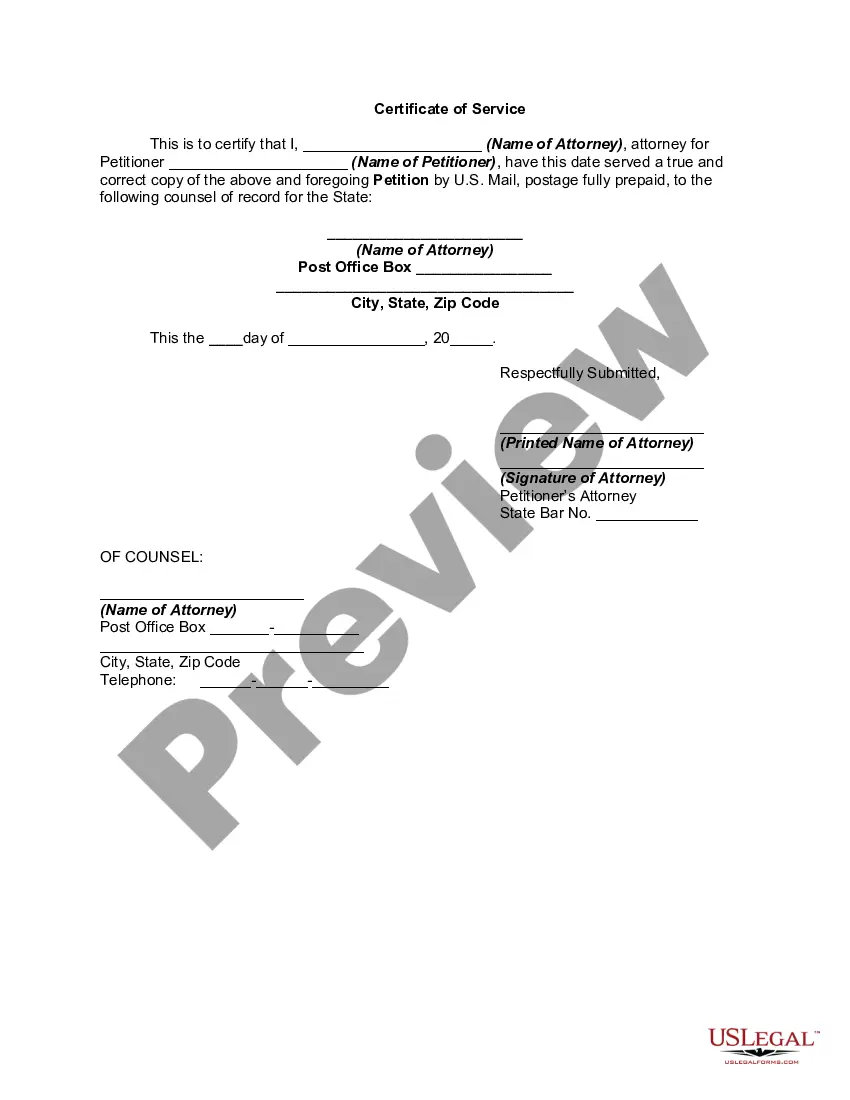
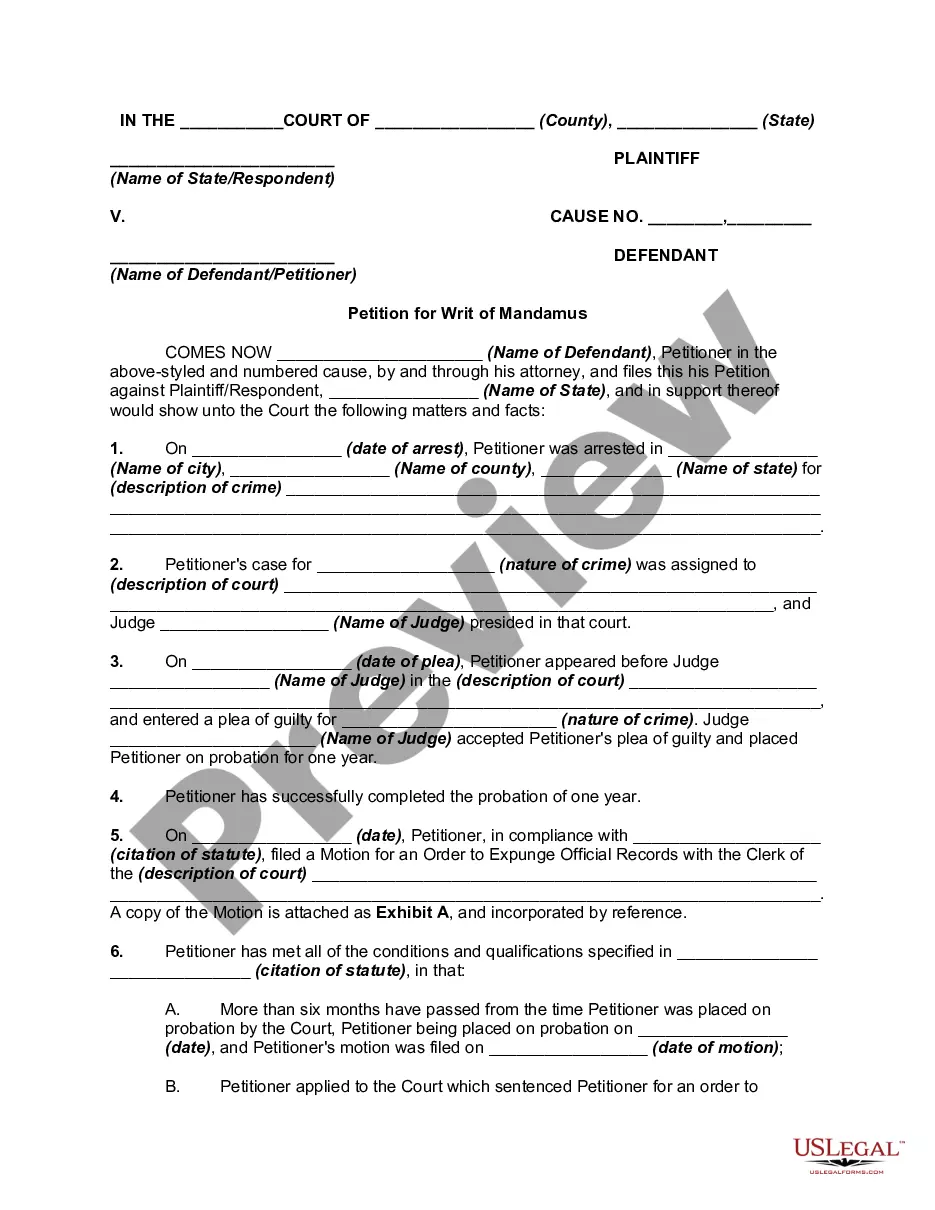
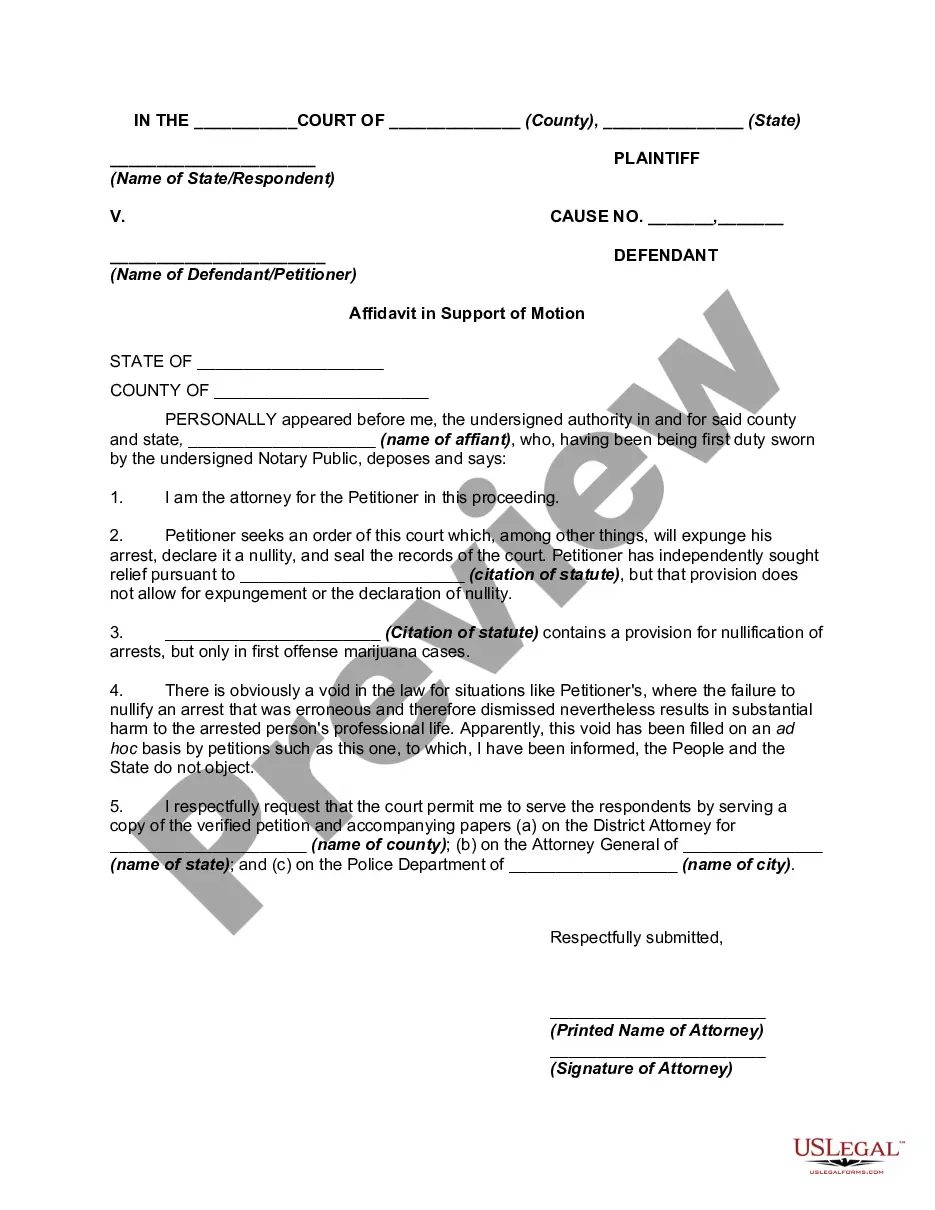
Get your form ready online
Our built-in tools help you complete, sign, share, and store your documents in one place.
Make edits, fill in missing information, and update formatting in US Legal Forms—just like you would in MS Word.
Download a copy, print it, send it by email, or mail it via USPS—whatever works best for your next step.
Sign and collect signatures with our SignNow integration. Send to multiple recipients, set reminders, and more. Go Premium to unlock E-Sign.
If this form requires notarization, complete it online through a secure video call—no need to meet a notary in person or wait for an appointment.
We protect your documents and personal data by following strict security and privacy standards.

Make edits, fill in missing information, and update formatting in US Legal Forms—just like you would in MS Word.

Download a copy, print it, send it by email, or mail it via USPS—whatever works best for your next step.

Sign and collect signatures with our SignNow integration. Send to multiple recipients, set reminders, and more. Go Premium to unlock E-Sign.

If this form requires notarization, complete it online through a secure video call—no need to meet a notary in person or wait for an appointment.

We protect your documents and personal data by following strict security and privacy standards.
Looking for another form?





How to fill out Petition For Expungement Of Record In Case Of Acquittal And Release Without Conviction?
- Access your US Legal Forms account. If you are an existing user, log in to your profile. Ensure your subscription is active; renew it if necessary.
- Preview the desired form. Review the document’s description carefully to confirm it aligns with your local requirements for expungement.
- Use the search feature. If the selected form doesn't match your needs, explore other templates by utilizing the Search tab.
- Select and purchase your form. Click the Buy Now button, choose a subscription plan, and create an account to gain full access.
- Complete your payment. Provide payment details via credit card or PayPal to finalize your purchase.
- Download and save your document. Retrieve it from your profile in the My Forms section for future reference and completion.
Utilizing US Legal Forms empowers users by offering a vast selection of over 85,000 editable legal templates. Their user-friendly interface ensures that individuals, whether they are first-time users or seasoned attorneys, can efficiently navigate the legal documentation process.
Start your journey towards expungement today. Visit US Legal Forms and take advantage of their extensive resources to simplify your legal needs.
Form popularity
FAQ
Virginia allows the expungement of specific misdemeanors and non-violent felonies. Generally, if you were acquitted, had charges dropped, or completed your sentence for a qualifying offense, you may be eligible. Expungement for domestic violence cases may also apply, depending on the specifics of your conviction. To navigate this process and determine your eligibility, consider exploring the helpful guidance offered on the US Legal Forms platform.
In Virginia, certain offenses cannot be expunged, including felonies involving violent crimes and sexual offenses. Specific misdemeanors related to domestic violence might also be excluded from expungement eligibility. It is essential to carefully assess your situation to understand what remains on your record. Consulting resources like US Legal Forms can help clarify whether your particular case qualifies for expungement for domestic violence.
The second chance law in Virginia allows individuals with specific convictions a chance to clear their records through expungement. It aims to provide a fresh start for people seeking employment or housing after facing domestic violence charges. This law recognizes that everyone deserves an opportunity to reintegrate into society. Therefore, understanding how expungement for domestic violence works under this law is essential to maximize your chances of a successful application.
If you successfully complete the expungement for domestic violence process, your expunged record should not appear on standard background checks. However, certain government agencies may still find it under specific circumstances. It is crucial to understand that while your record might be cleared for most situations, some exceptions exist. For thorough guidance on this process, you may consider using the resources available on the US Legal Forms platform.
In Florida, domestic violence charges can remain on your record indefinitely if not addressed. This can create significant challenges in many areas of life, including background checks for jobs or housing. However, you can pursue expungement for domestic violence as a solution to remove these charges. Exploring the expungement process can help you regain control of your record and your future.
Yes, domestic violence typically appears on your criminal record unless it is removed. This can impact various aspects of your life, including employment opportunities and personal relationships. To mitigate these impacts, you might explore expungement for domestic violence, which could help clear your record. Understanding how this process works is vital for your future.
In Florida, certain charges are not eligible for expungement, including those involving serious offenses such as murder, sexual offenses, and other felonies that do not qualify. Additionally, if you have a prior conviction on your record, this could also affect your eligibility. It's essential to review your specific situation carefully. For more guidance, consider using resources like US Legal Forms to understand potential options for expungement for domestic violence.
To get domestic violence charges dropped in Florida, you can gather evidence that supports your case, such as witness statements or video footage. It may also help to speak with the prosecutor to discuss the possibility of dropping the charges. Additionally, hiring a knowledgeable attorney can significantly guide you through this process. Remember that expungement for domestic violence can help remove the charges from your record if successful.
In Minnesota, several offenses are not eligible for expungement, including violent felonies and certain sexual offenses. Expungement for domestic violence may be particularly challenging due to the nature of these crimes. Understanding which crimes you cannot expunge is vital for setting realistic expectations. Always consider professional legal guidance to navigate the expungement process effectively.
In Montana, felons may be able to regain their gun rights, though the process can be complex. Often, expungement for domestic violence or various non-violent felonies can help individuals restore their rights after meeting specific criteria. The process typically involves a formal application and may require a waiting period. Consulting with a legal expert can guide you through the necessary steps.