What Does It Mean When A Judge Issues A Gag Order
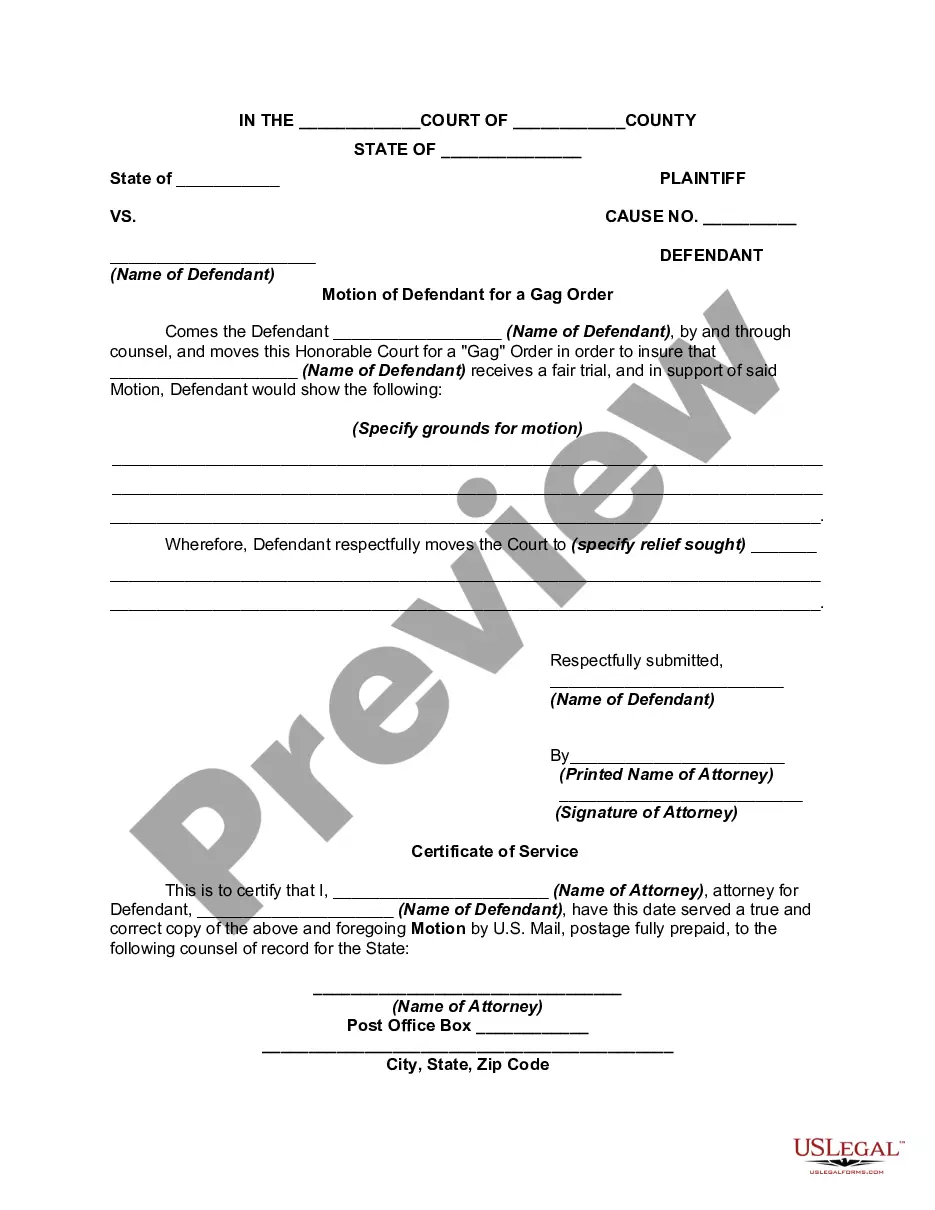
Description
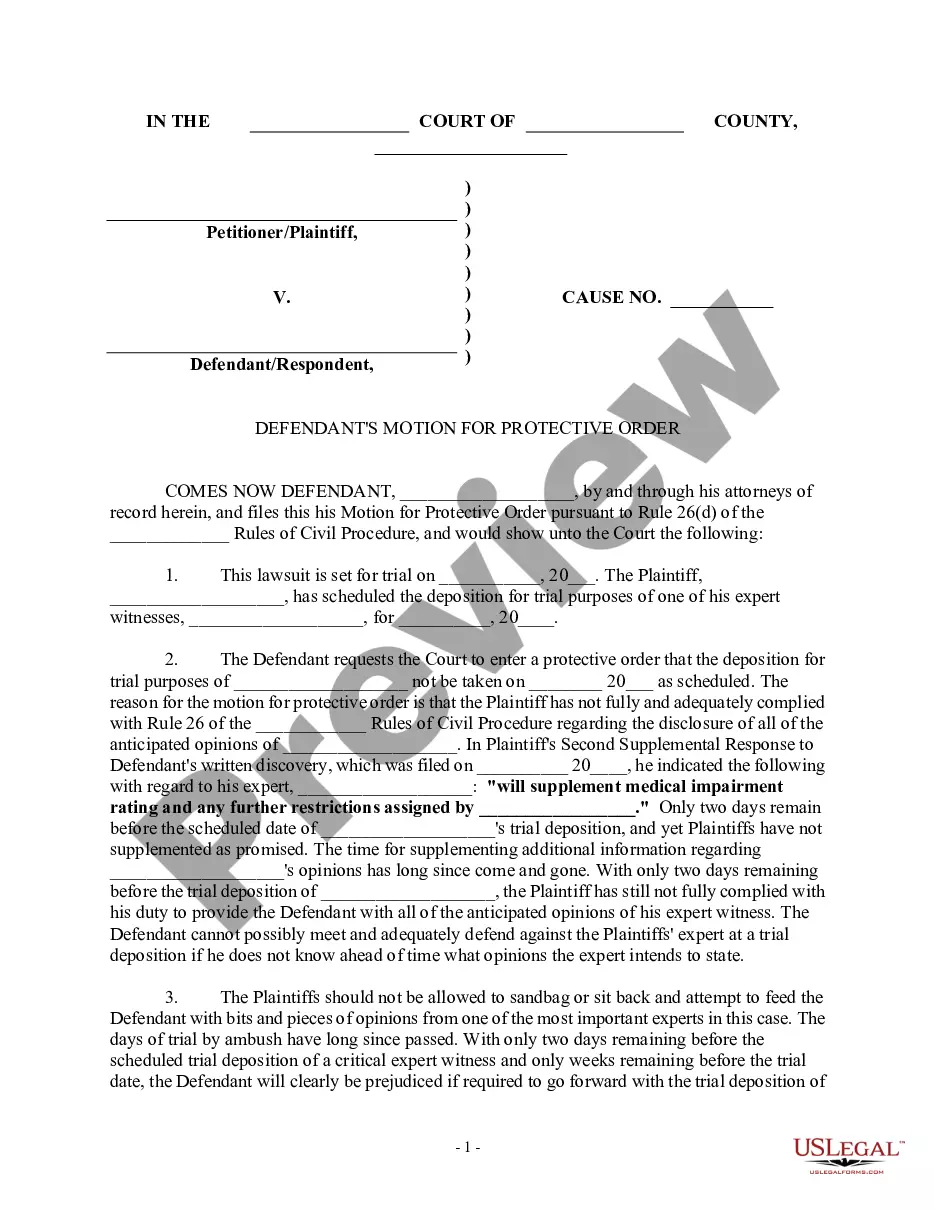
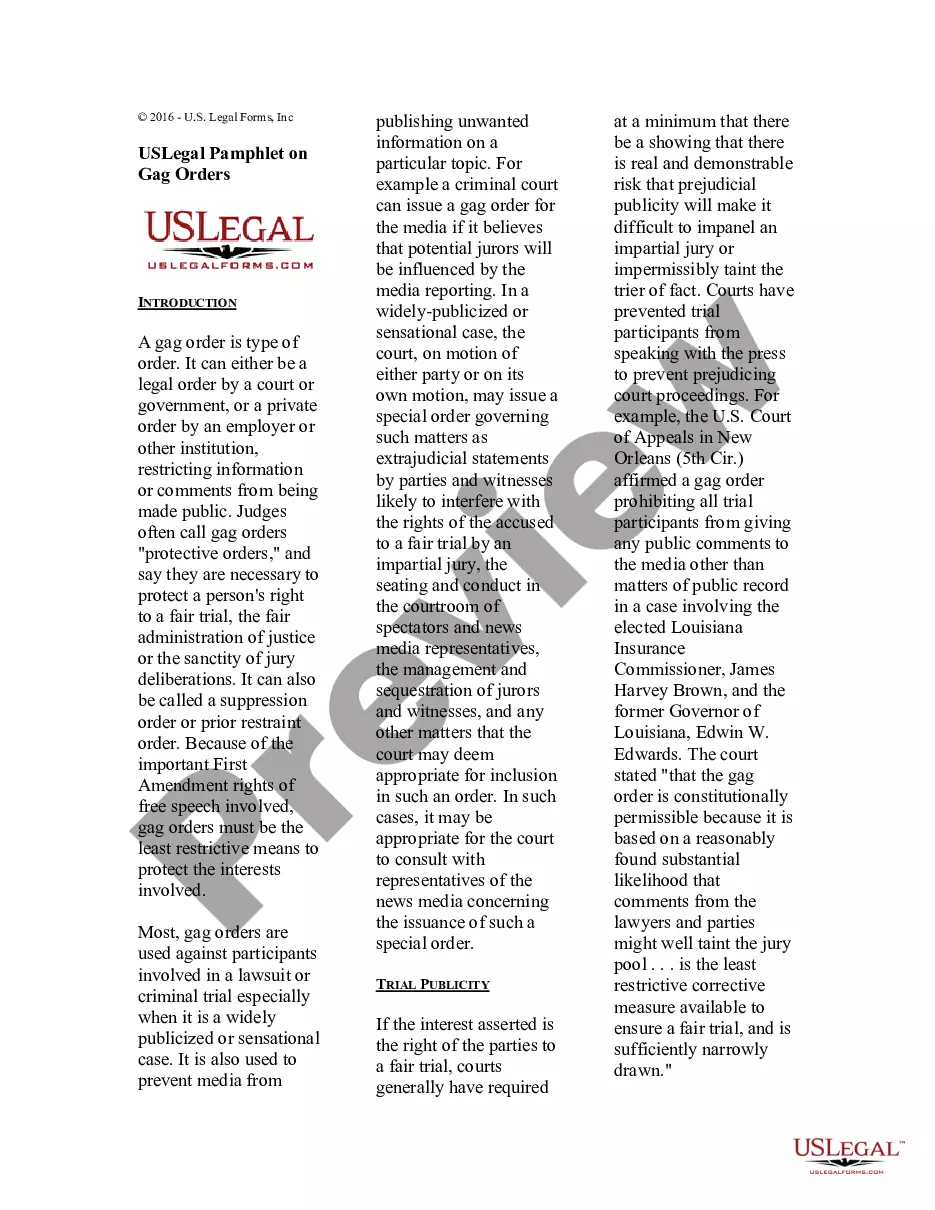
Get your form ready online
Our built-in tools help you complete, sign, share, and store your documents in one place.
Make edits, fill in missing information, and update formatting in US Legal Forms—just like you would in MS Word.
Download a copy, print it, send it by email, or mail it via USPS—whatever works best for your next step.
Sign and collect signatures with our SignNow integration. Send to multiple recipients, set reminders, and more. Go Premium to unlock E-Sign.
If this form requires notarization, complete it online through a secure video call—no need to meet a notary in person or wait for an appointment.
We protect your documents and personal data by following strict security and privacy standards.

Make edits, fill in missing information, and update formatting in US Legal Forms—just like you would in MS Word.

Download a copy, print it, send it by email, or mail it via USPS—whatever works best for your next step.

Sign and collect signatures with our SignNow integration. Send to multiple recipients, set reminders, and more. Go Premium to unlock E-Sign.

If this form requires notarization, complete it online through a secure video call—no need to meet a notary in person or wait for an appointment.

We protect your documents and personal data by following strict security and privacy standards.
Looking for another form?
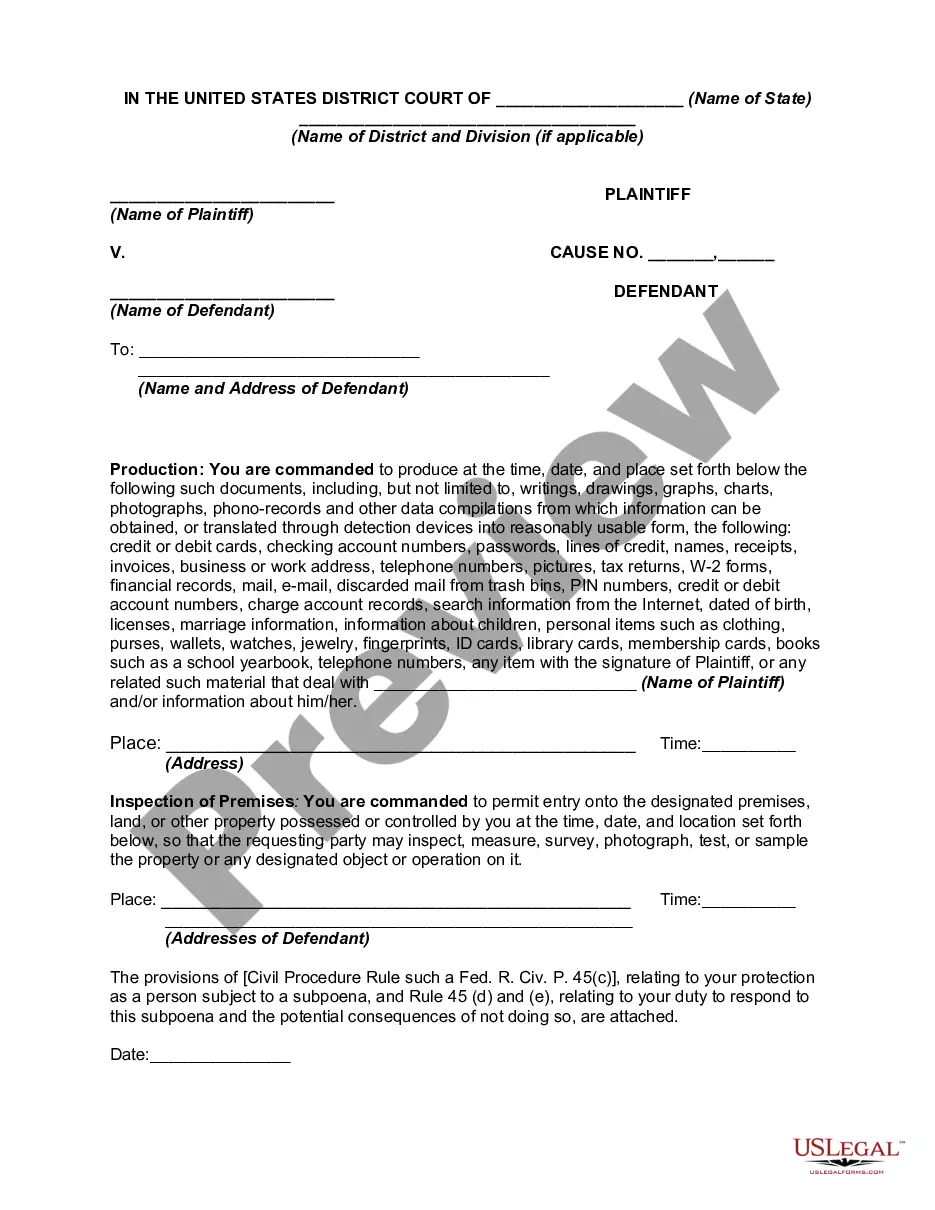
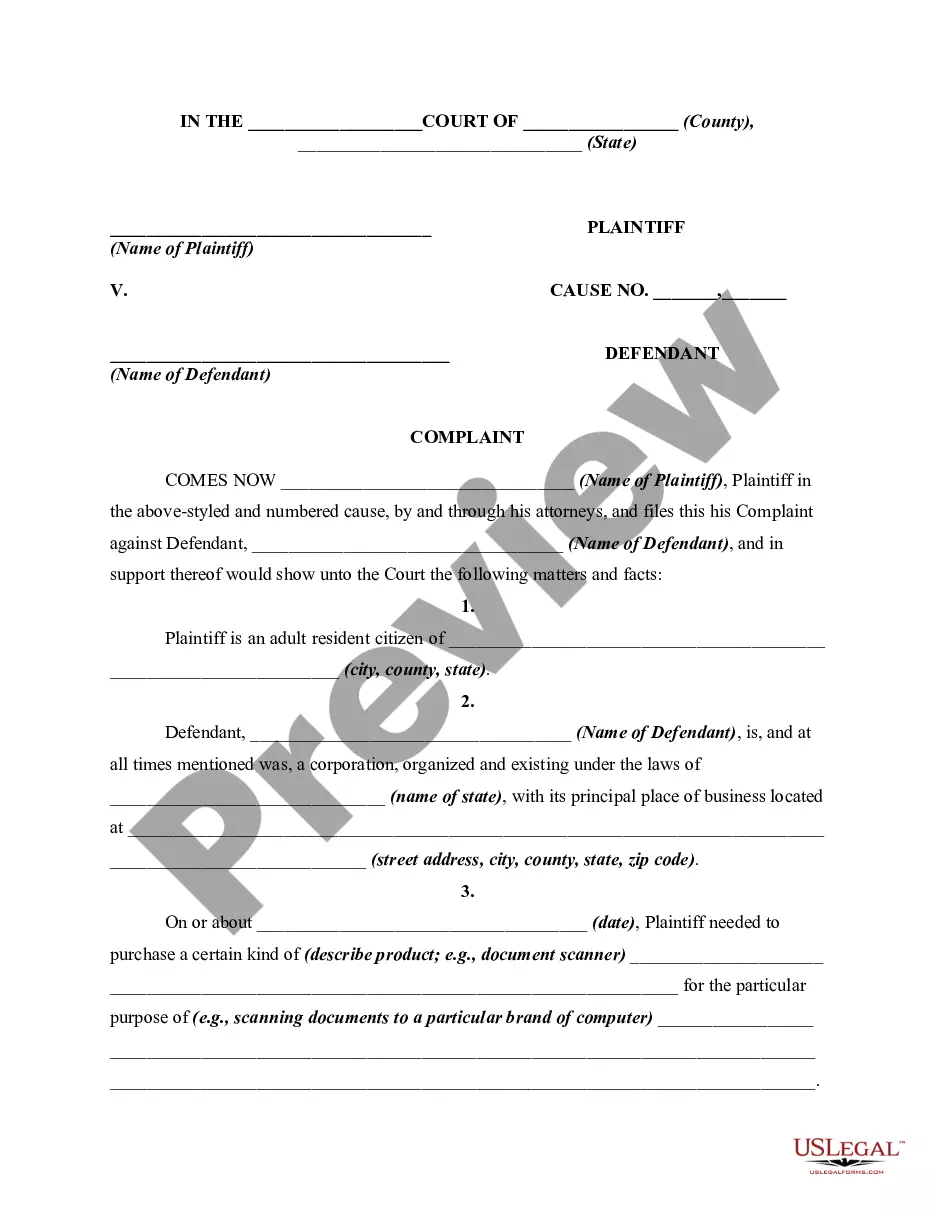




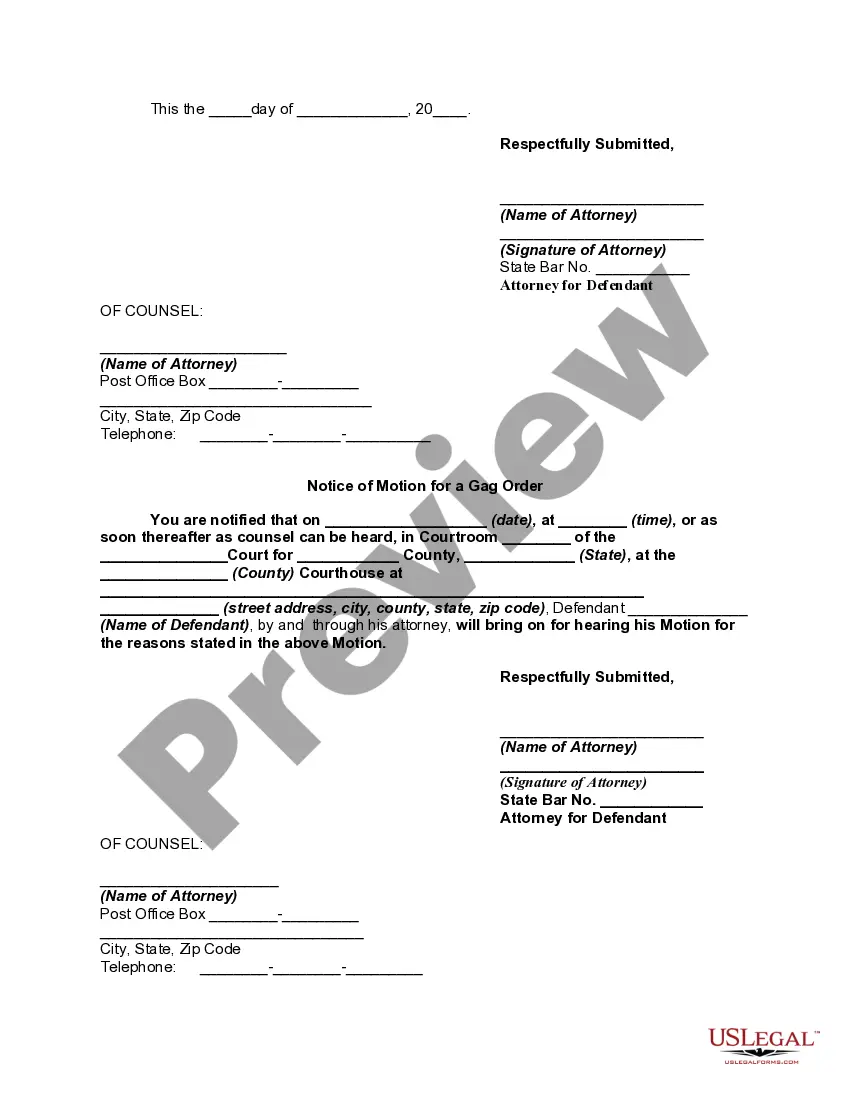
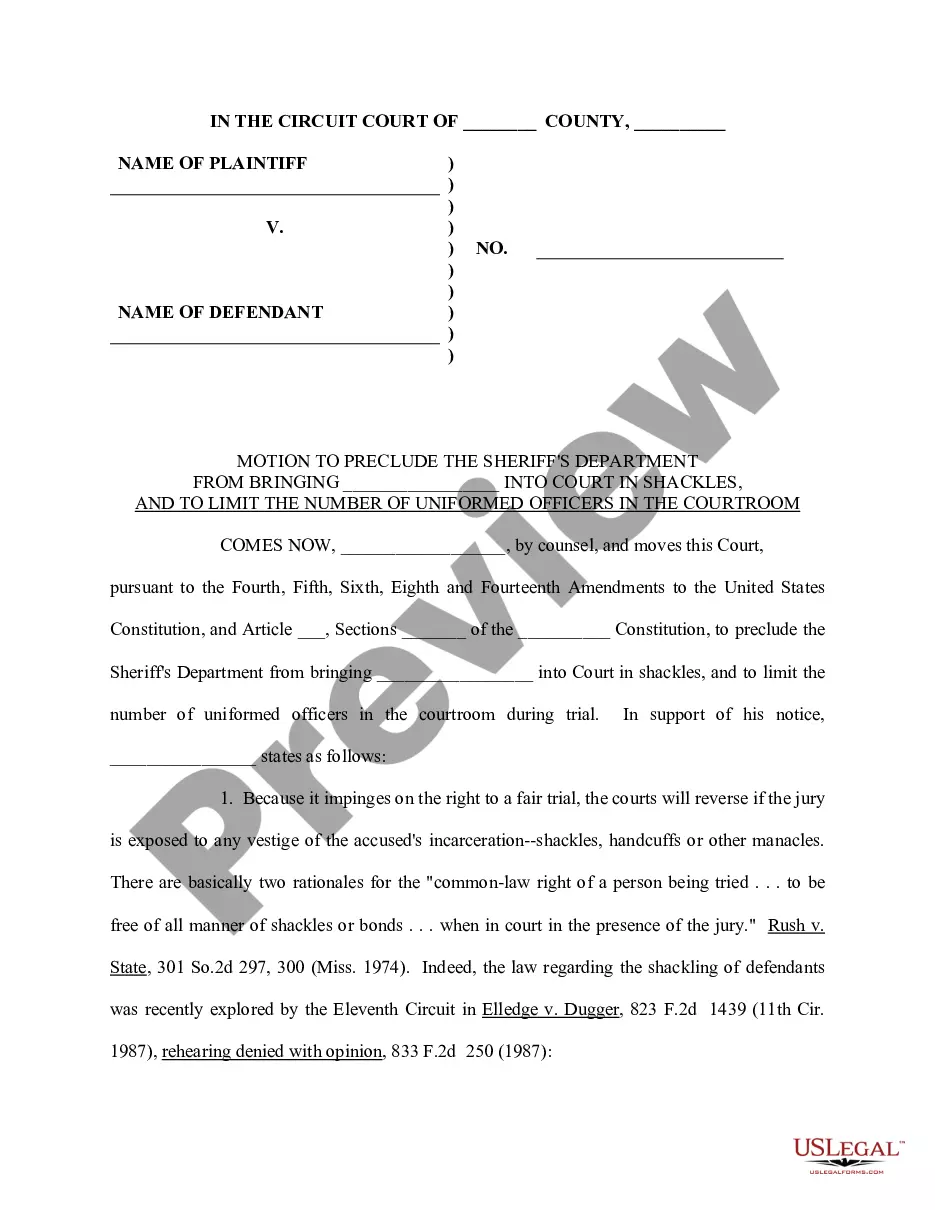
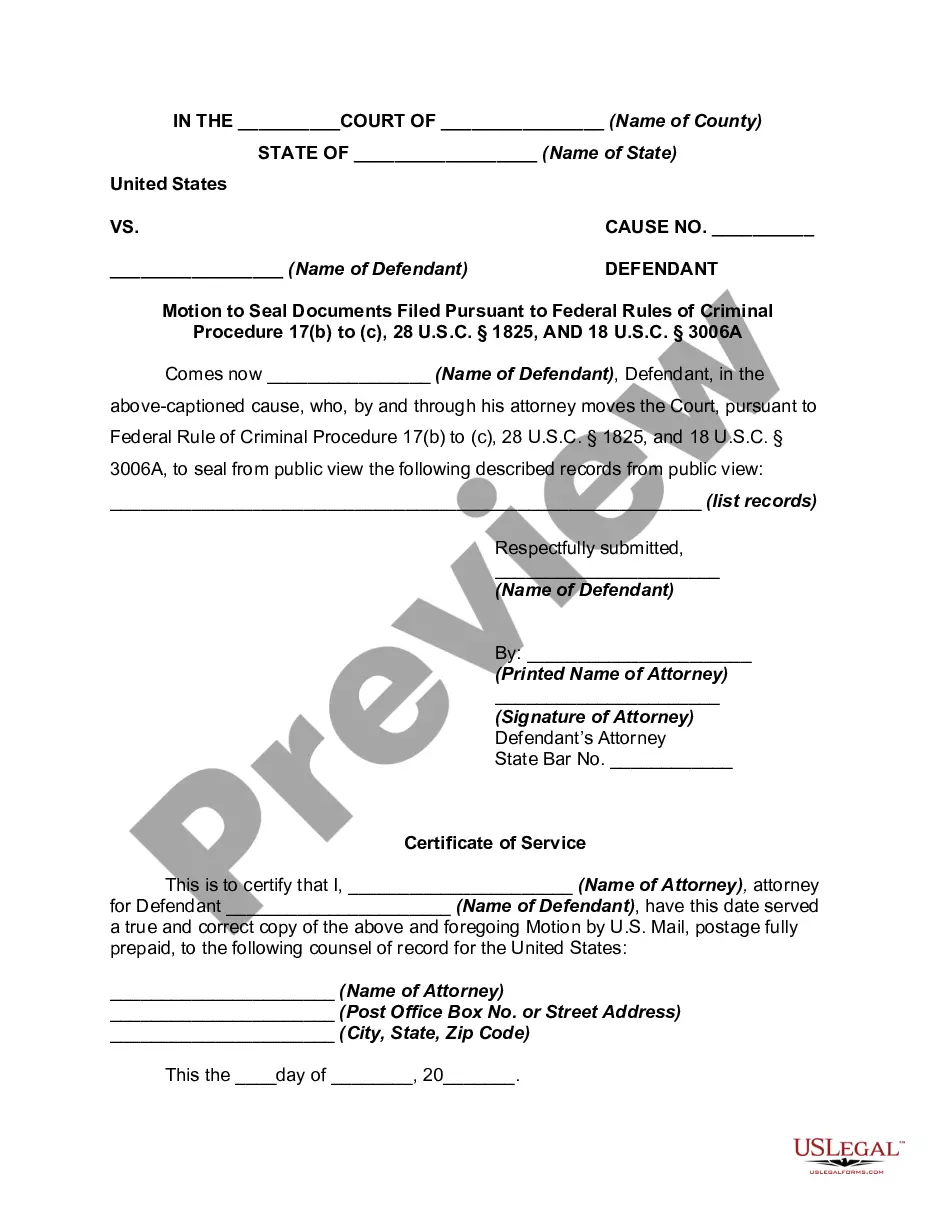
How to fill out Motion Of Defendant For A Gag Order?
- Log in to your US Legal Forms account if you're a returning user, and ensure your subscription is active. Use the Download button to get your document.
- For new users, start by browsing the Preview mode and form descriptions. Make sure the form matches your needs and is valid in your jurisdiction.
- If adjustments are required, utilize the Search tab to discover alternative templates that fit your criteria.
- Purchase the desired document by clicking the Buy Now button. Select the subscription plan that best serves your needs and create an account for access.
- Complete your transaction by entering your payment information through credit card or PayPal.
- Finally, download your legal document for immediate use and store it safely on your device. Access it anytime via the My Forms section of your account.
US Legal Forms simplifies the legal document creation process with its extensive collection of over 85,000 fillable forms, more than most competitors, for an affordable price.
When you choose US Legal Forms, you also gain access to premium experts for assistance, ensuring that your documents remain precise and legally sound. Start your journey towards efficient legal compliance today!
Form popularity
FAQ
A gag order serves to shield sensitive information from the public, especially in high-profile cases. By limiting disclosures, it helps protect witnesses, jurors, and the overall judicial process from undue influence. Moreover, it underlines the importance of confidentiality within the legal framework. Therefore, knowing what it means when a judge issues a gag order can help individuals navigate complex legal landscapes effectively.
When a judge issues a gag order, it restricts individuals from discussing certain aspects of a case publicly. Violating this order may lead to penalties like fines or even jail time. This act underscores the seriousness of maintaining confidentiality during legal proceedings, ensuring that the case remains fair. Therefore, understanding what it means when a judge issues a gag order is essential for both legal professionals and the public.
Being 'judge ordered' means that a court has issued a legal directive that one must follow. This can relate to various aspects of a case, such as participation in a trial or adherence to confidentiality rules. Understanding the implications of a judge’s orders is essential, especially in the context of gag orders, which limit public discourse. If you are facing this situation, platforms like US Legal Forms can help you navigate compliance and stay informed about your obligations.
When a judge says 'order,' they are establishing a directive that must be followed by those involved in a legal matter. This can include instructions on how to conduct oneself in relation to the case or specific actions required to protect legal rights. A clear understanding of what it means when a judge issues a gag order is vital, as it helps ensure compliance and protects the judicial process. Such orders are vital tools for maintaining decorum and confidentiality during legal proceedings.
Orders in court serve to uphold justice and protect the rights of all parties involved. They provide clear guidelines for behavior during legal proceedings, ensuring that everyone understands their responsibilities. Additionally, an order helps to prevent outside influences on a case, fostering a fair environment for both sides. For instance, when a judge issues a gag order, it minimizes public discussion about sensitive information, allowing the case to be resolved based on facts rather than public opinion.
Yes, court orders are serious and carry legal weight. When a judge issues a court order, it requires individuals to act or refrain from acting in a specific way. Ignoring a court order can lead to significant legal consequences, such as fines or jail time. This seriousness is especially true in cases such as gag orders, which limit what parties involved can say publicly and help maintain the integrity of the judicial process.
The significance of a gag order lies in its ability to preserve the integrity of the legal process. By limiting public discussion, it minimizes external pressures and helps prevent jury bias. Essentially, understanding what it means when a judge issues a gag order uncovers how courts aim to ensure that justice is served without disruption. Platforms like US Legal Forms provide resources to help individuals navigate these complex legal proceedings effectively.
Yes, gagging in court is legal and serves a vital purpose in the justice system. Courts use gag orders to maintain order and fairness in legal proceedings, especially in cases that attract significant media attention. This legal tool is designed to protect the rights of all parties involved, emphasizing the importance of a fair trial. Therefore, it is essential to understand what it means when a judge issues a gag order to grasp its legal implications.
An example of a gagging order occurs in high-profile trials, where a judge may prohibit lawyers, witnesses, and involved parties from sharing information with the media. This ensures that pre-trial publicity does not influence jurors' opinions. Understanding what it means when a judge issues a gag order helps clarify the seriousness of this legal tool. It draws a line between protecting the legal process and ensuring transparency.
In a legal context, gagging refers to the restrictions placed on individuals or entities about discussing a case publicly. It serves to limit external influences that could potentially taint the trial process or compromise a fair verdict. When exploring what it means when a judge issues a gag order, consider how it shapes the flow of information concerning the case. The result is a controlled environment where justice can be pursued without outside interference.