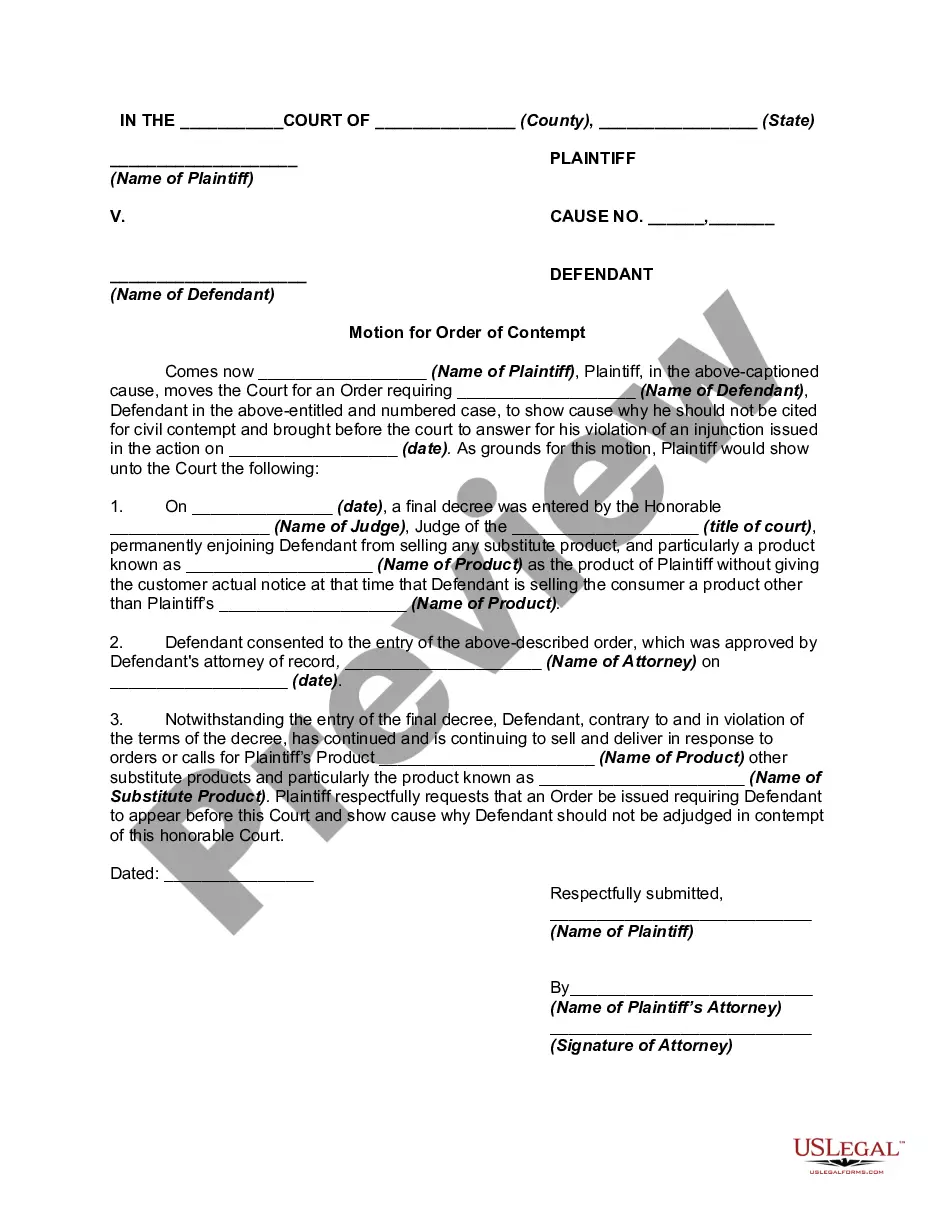
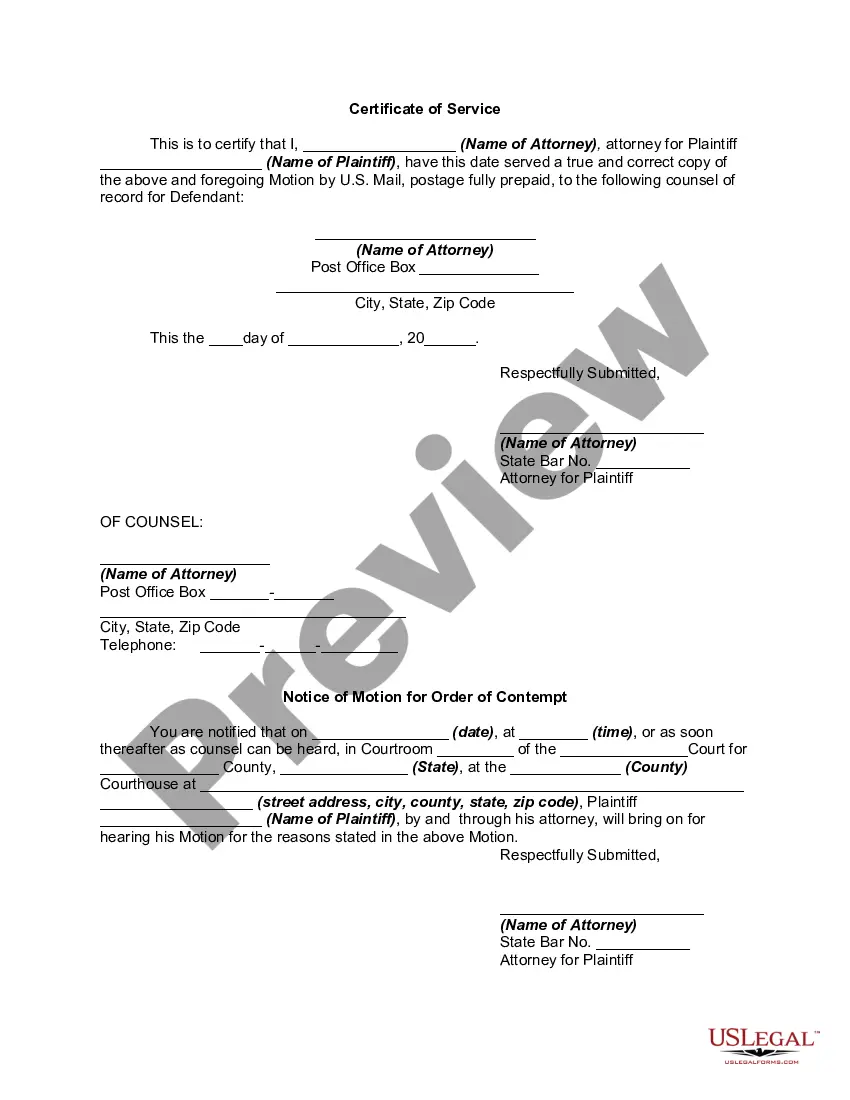
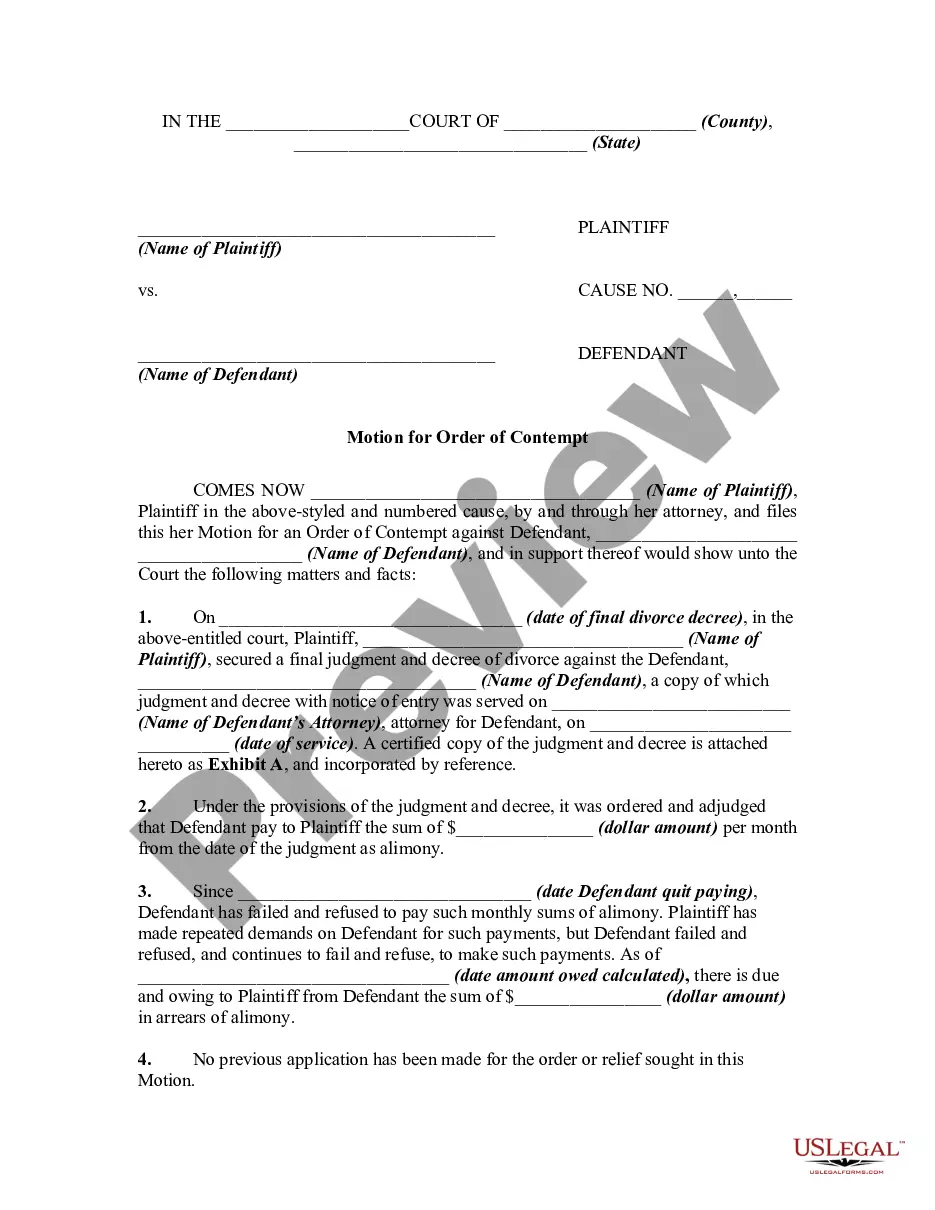
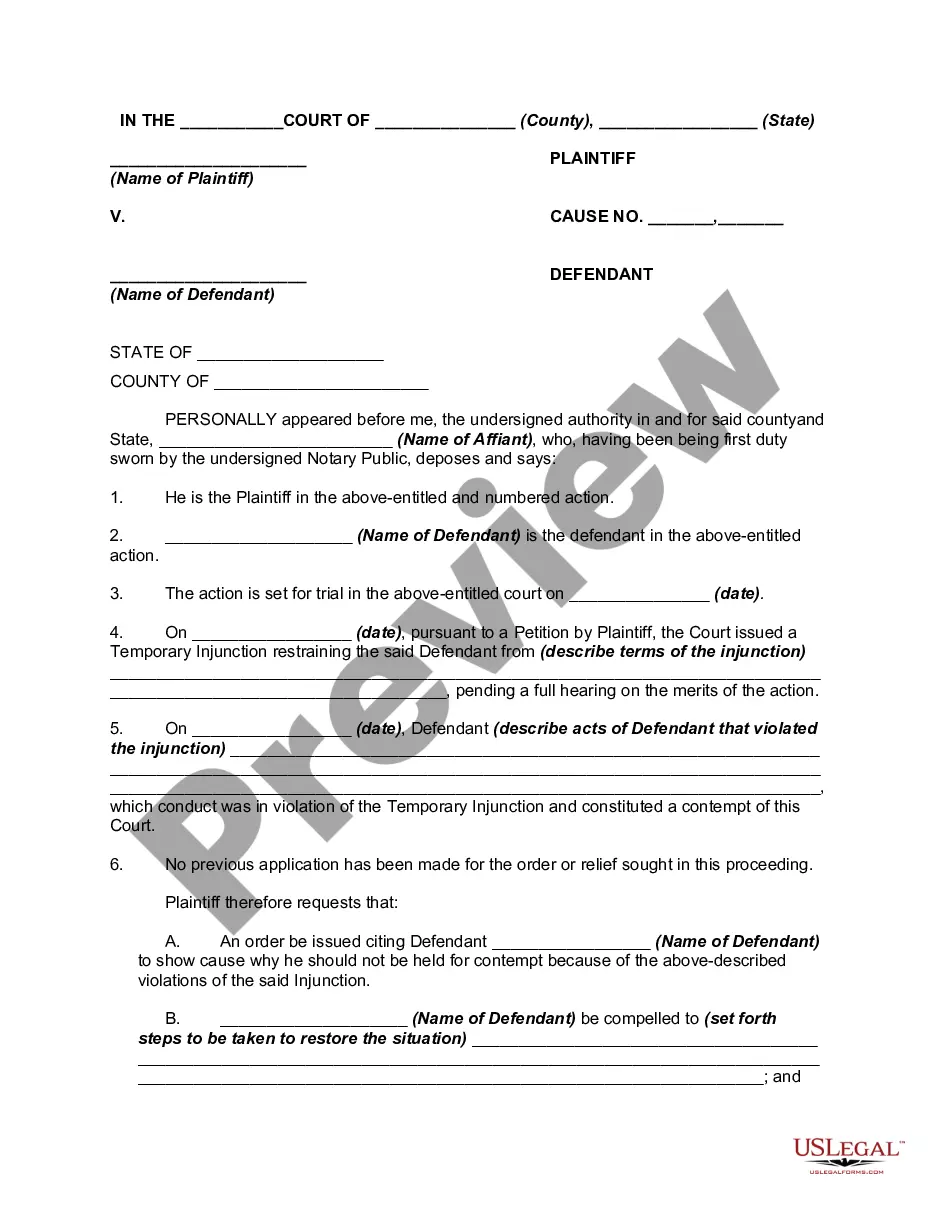
Order Injunction Form With 2 Points
Description
Get your form ready online
Our built-in tools help you complete, sign, share, and store your documents in one place.
Make edits, fill in missing information, and update formatting in US Legal Forms—just like you would in MS Word.
Download a copy, print it, send it by email, or mail it via USPS—whatever works best for your next step.
Sign and collect signatures with our SignNow integration. Send to multiple recipients, set reminders, and more. Go Premium to unlock E-Sign.
If this form requires notarization, complete it online through a secure video call—no need to meet a notary in person or wait for an appointment.
We protect your documents and personal data by following strict security and privacy standards.

Make edits, fill in missing information, and update formatting in US Legal Forms—just like you would in MS Word.

Download a copy, print it, send it by email, or mail it via USPS—whatever works best for your next step.

Sign and collect signatures with our SignNow integration. Send to multiple recipients, set reminders, and more. Go Premium to unlock E-Sign.

If this form requires notarization, complete it online through a secure video call—no need to meet a notary in person or wait for an appointment.

We protect your documents and personal data by following strict security and privacy standards.
Looking for another form?



How to fill out Motion For An Order Of Contempt For Violation Of Injunction?
Managing legal documents and processes can be a lengthy addition to your schedule.
Request Injunction Form With 2 Points and similar forms typically need you to locate them and find the best way to fill them out efficiently.
Therefore, whether you are addressing financial, legal, or personal matters, utilizing a comprehensive and user-friendly online repository of forms available will significantly help.
US Legal Forms is the top online service for legal documents, featuring over 85,000 state-specific forms and a variety of tools to help you complete your documentation effortlessly.
Just Log In to your account, search for Request Injunction Form With 2 Points, and obtain it instantly from the My documents section. You can also access forms you have downloaded before.
- Browse the collection of relevant documents available to you with a simple click.
- US Legal Forms provides state- and county-specific forms available for download at any time.
- Protect your document management process with a premium service that enables you to prepare any document in minutes without any additional or hidden fees.
Form popularity
FAQ
A party seeking an injunction must show: Substantial likelihood of success on the merits. Parties seeking the injunction need to show that they are likely to win their case. ... Irreparable harm. ... Balancing the equities. ... Public interest.
Injunctions are also used by a court when monetary restitution isn't sufficient to remedy the harm. For example, in addition to making a financial judgment against a defendant, a court might issue a permanent injunction ordering that the defendant does not participate in a certain activity or business.
State to the court that you would like a restraining order and what you would like the court to order. Be as specific as possible. Examples: ?I am asking the court to grant me a _____ month/year injunction.? ?I want no contact in person, at home, by phone, at work, by mail or through third parties.?
The party seeking a preliminary injunctive relief must demonstrate: (1) irreparable injury in the absence of such an order; (2) that the threatened injury to the moving party outweighs the harm to the opposing party resulting from the order; (3) that the injunction is not adverse to public interest; and (4) that the ...
It is well established that, to determine whether an injunction is ?just and proper,? courts apply the ?familiar set of four equitable factors: the movant's likelihood of success on the merits; the possibility of irreparable injury to the moving party; the extent to which the balance of hardships favors each party; and ...