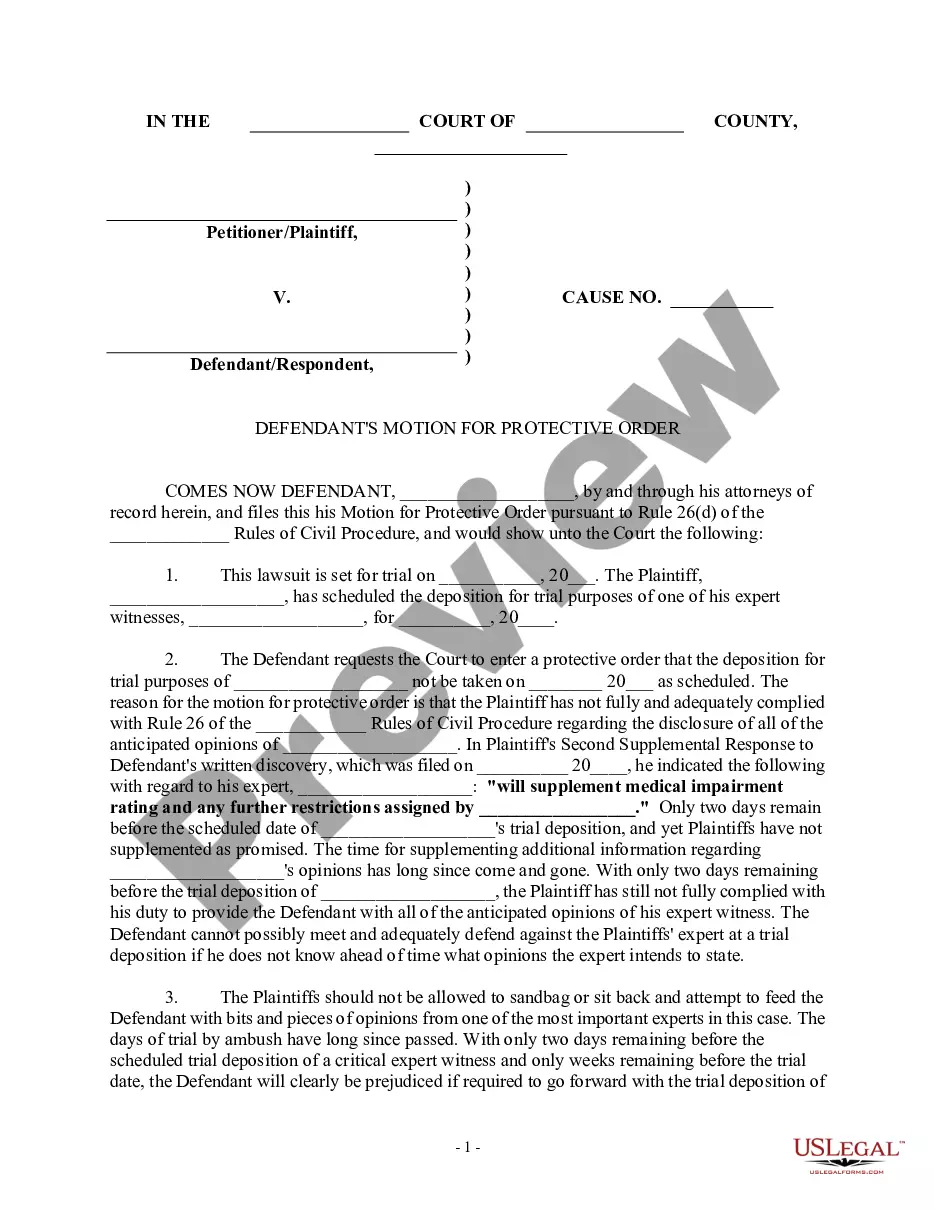
Civil Procedure Motion To Compel
Description
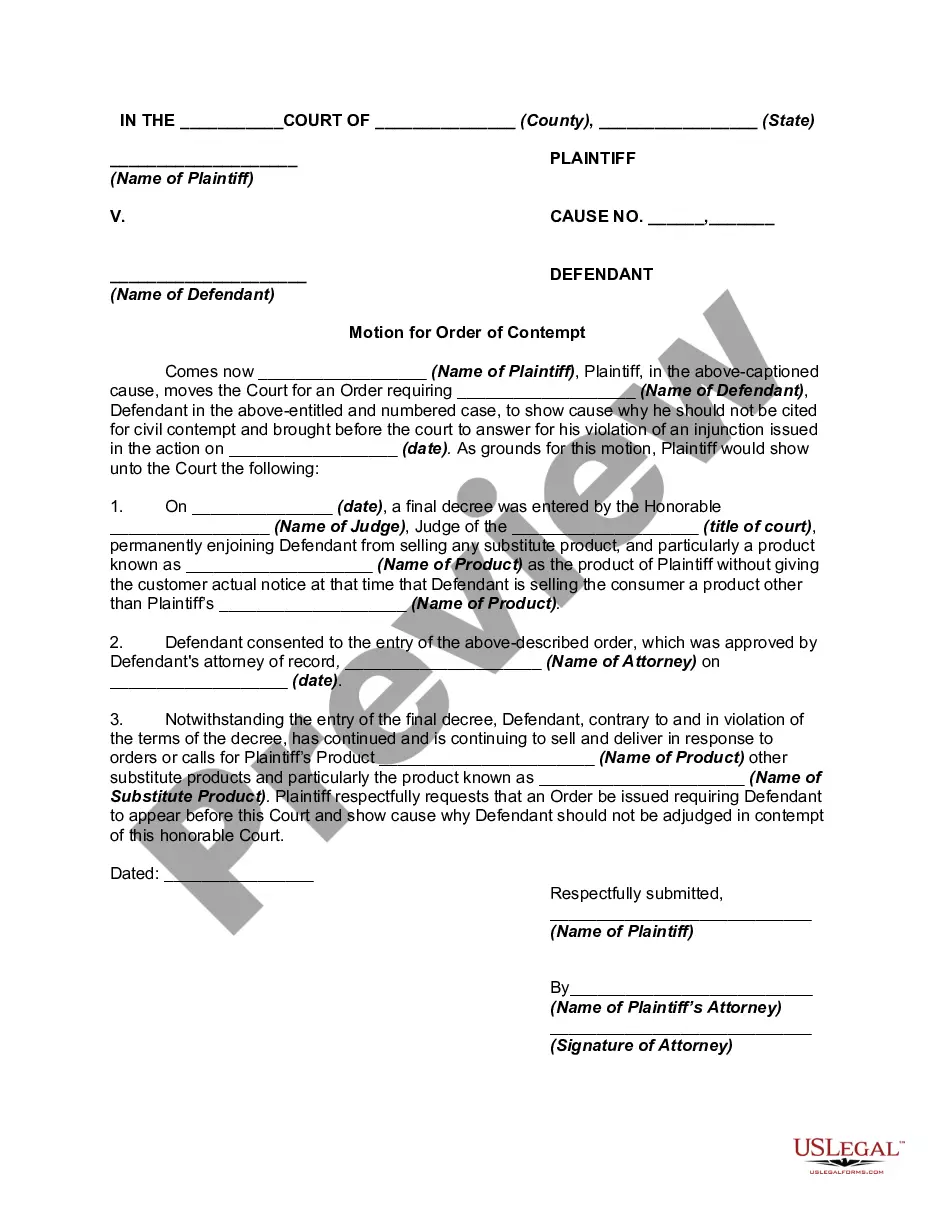
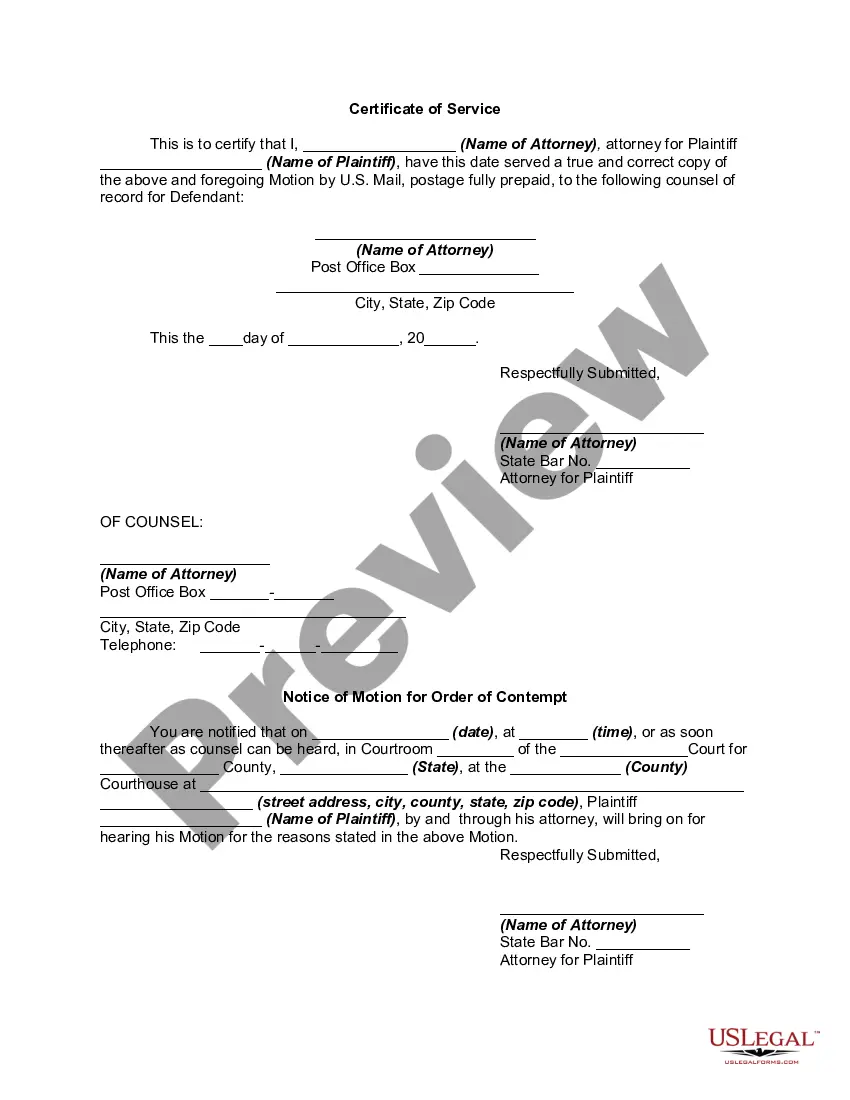

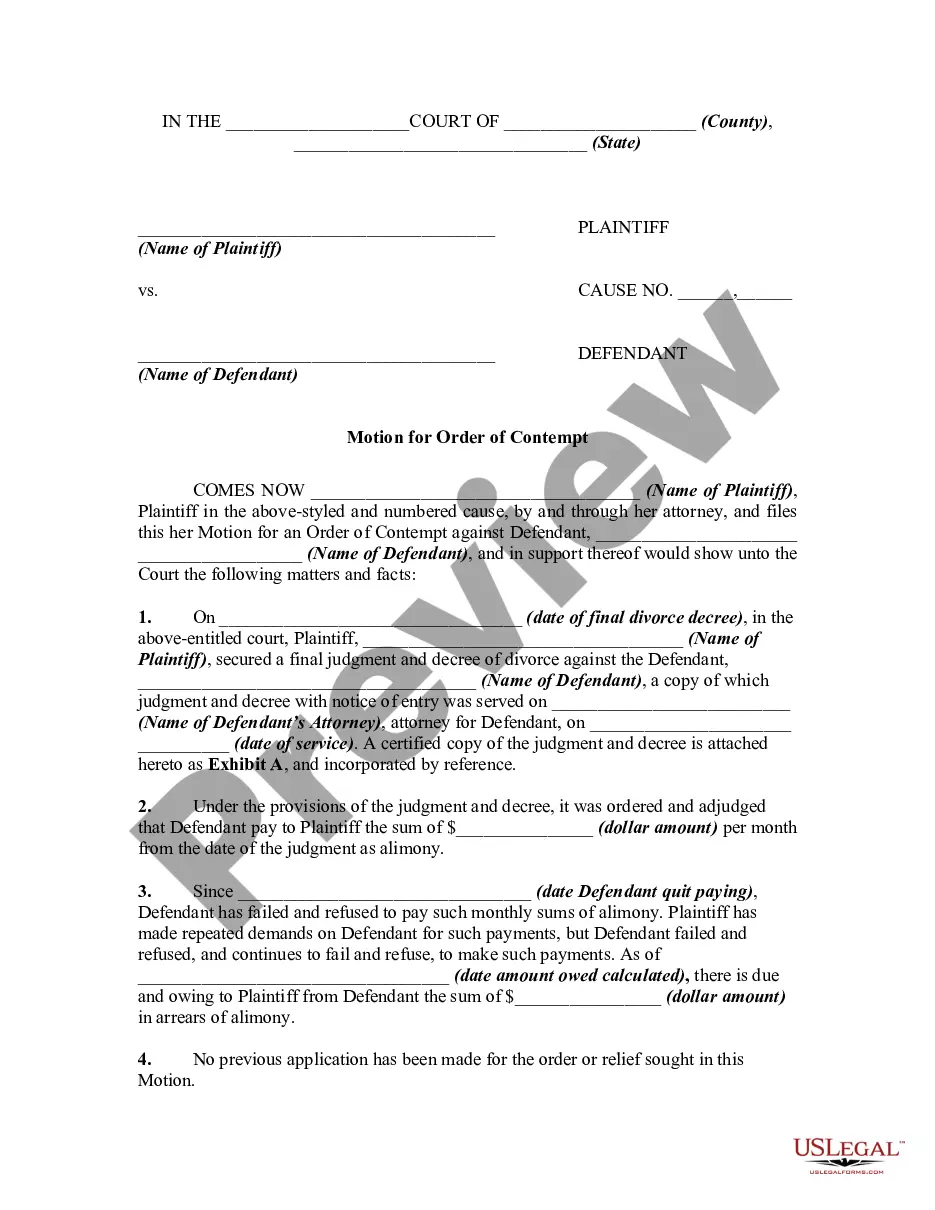
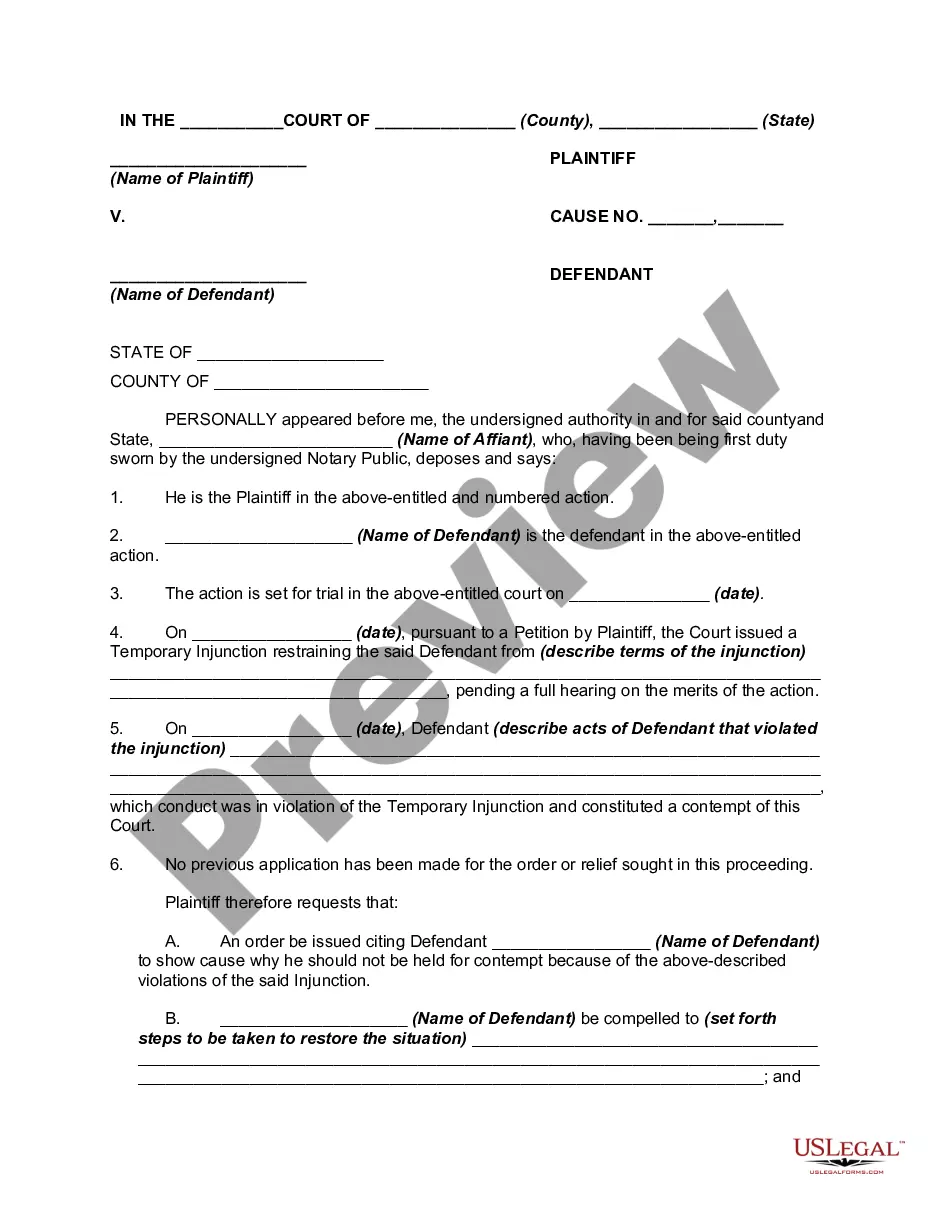
Get your form ready online
Our built-in tools help you complete, sign, share, and store your documents in one place.
Make edits, fill in missing information, and update formatting in US Legal Forms—just like you would in MS Word.
Download a copy, print it, send it by email, or mail it via USPS—whatever works best for your next step.
Sign and collect signatures with our SignNow integration. Send to multiple recipients, set reminders, and more. Go Premium to unlock E-Sign.
If this form requires notarization, complete it online through a secure video call—no need to meet a notary in person or wait for an appointment.
We protect your documents and personal data by following strict security and privacy standards.

Make edits, fill in missing information, and update formatting in US Legal Forms—just like you would in MS Word.

Download a copy, print it, send it by email, or mail it via USPS—whatever works best for your next step.

Sign and collect signatures with our SignNow integration. Send to multiple recipients, set reminders, and more. Go Premium to unlock E-Sign.

If this form requires notarization, complete it online through a secure video call—no need to meet a notary in person or wait for an appointment.

We protect your documents and personal data by following strict security and privacy standards.
Looking for another form?





How to fill out Motion For An Order Of Contempt For Violation Of Injunction?
Legal administration could be perplexing, even for seasoned experts.
When you are interested in a Civil Procedure Motion To Compel and don’t have the time to spend searching for the correct and updated version, the processes can be overwhelming.
Explore a resource library of articles, guidance and handbooks and resources highly applicable to your circumstances and requirements.
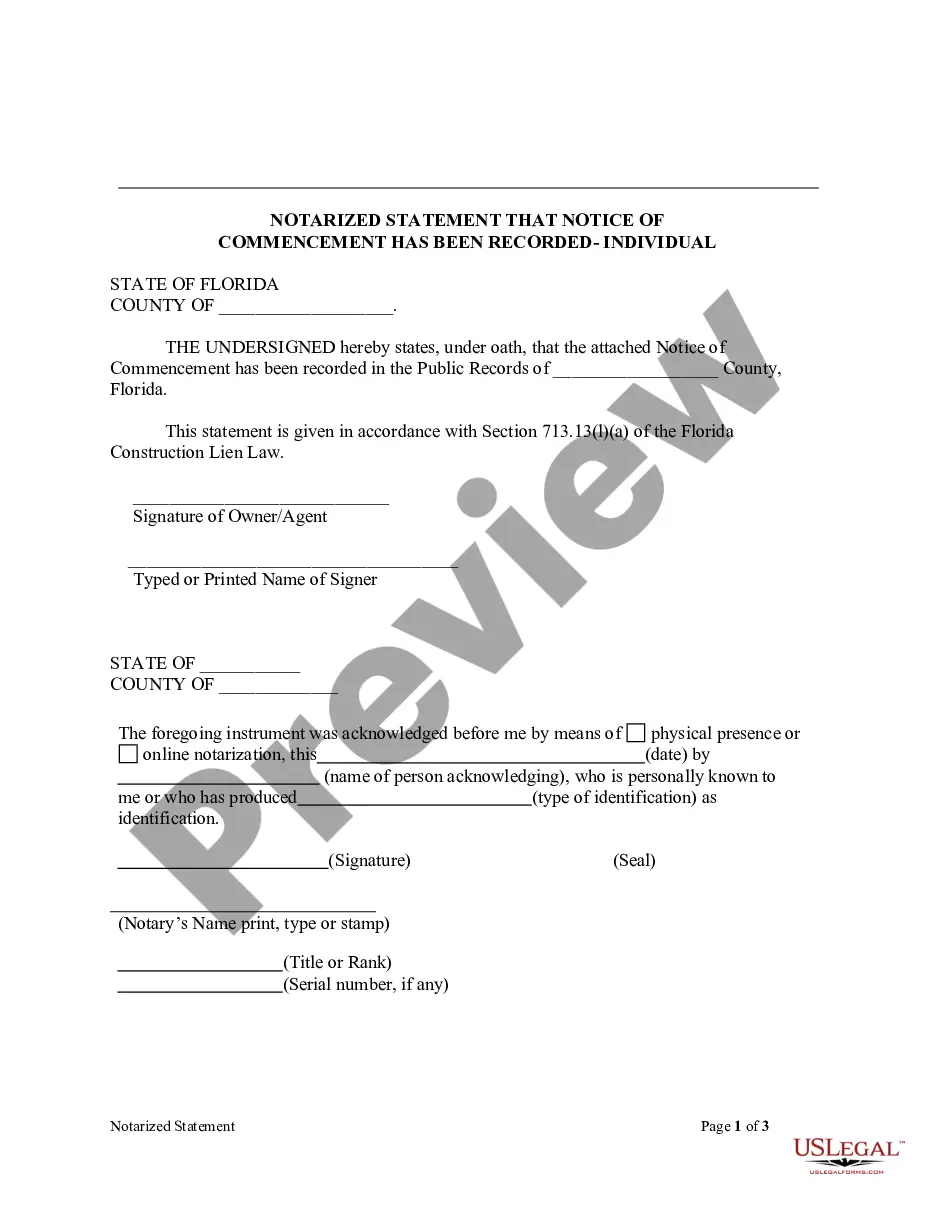
Conserve time and effort searching for the forms you need, and take advantage of US Legal Forms’ sophisticated search and Review feature to obtain Civil Procedure Motion To Compel and download it.
Ensure that the template is recognized in your state or county.
- If you have a membership, Log In to the US Legal Forms account, find the form, and download it.
- Check your My documents tab to discover the documents you have previously saved and also to manage your folders as you wish.
- If this is your first time with US Legal Forms, create an account and gain unlimited access to all benefits of the platform.
- Here are the steps to take after finding the form you require.
- Confirm this is the correct form by previewing it and reviewing its details.
- Access state- or county-specific legal and business documents.
- US Legal Forms caters to any requirements you may have, from personal to business paperwork, all in one location.
- Utilize modern tools to handle and manage your Civil Procedure Motion To Compel.
Form popularity
FAQ
The answering or objecting party may file a response to the motion to compel. The response must contain adequate justification for that party's objections, or argument showing why the party's answers to the discovery requests at issue were sufficient.
We don't like Motions to Compel. Judges don't like them, and neither do the opposing parties we bring them against. But they are, sometimes, required to be brought in cases where you need information to make sure you know what facts, witnesses and documents are in a case prior to going to going to trial.
You need to give the court a reason to deny the other side's motion to compel. There are many different reasons you could give. Take out your Response to the discovery request. You should have identified reasons in your Response for why you weren't turning over certain information.
(b) Good Faith Efforts to Confer Before a party files a motion to compel a response to discovery, the party must make a good faith effort to confer with the person or party allegedly failing to properly respond to a request for discovery in an effort to secure information or material without action by the ALJ.
Elements to keep in mind while filing the Motion to Compel is to mention the nature of the case, identify the question that needs to be answered or the object or document that is needed and explain how it relates to the case, attach the other party's written refusal to make available the information or object, make it ...