Charges Dismissed
Description
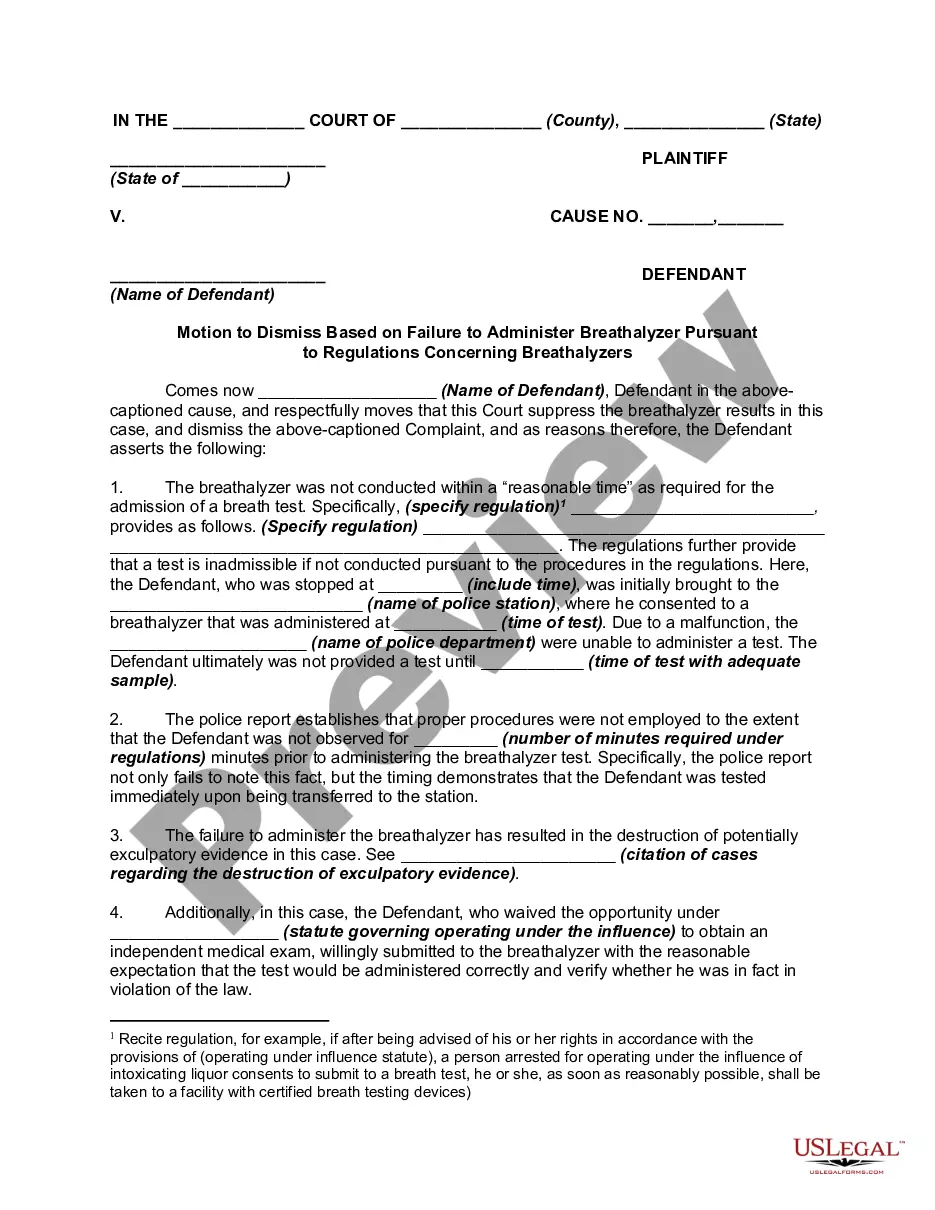
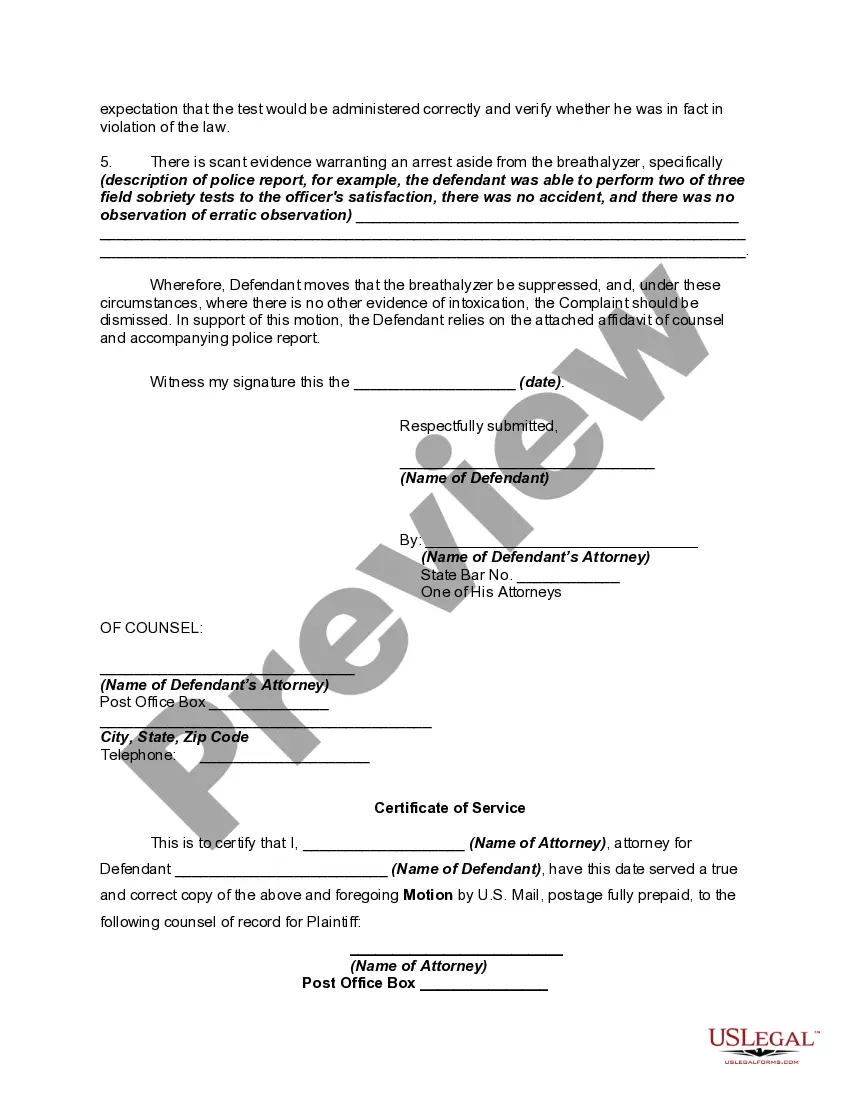
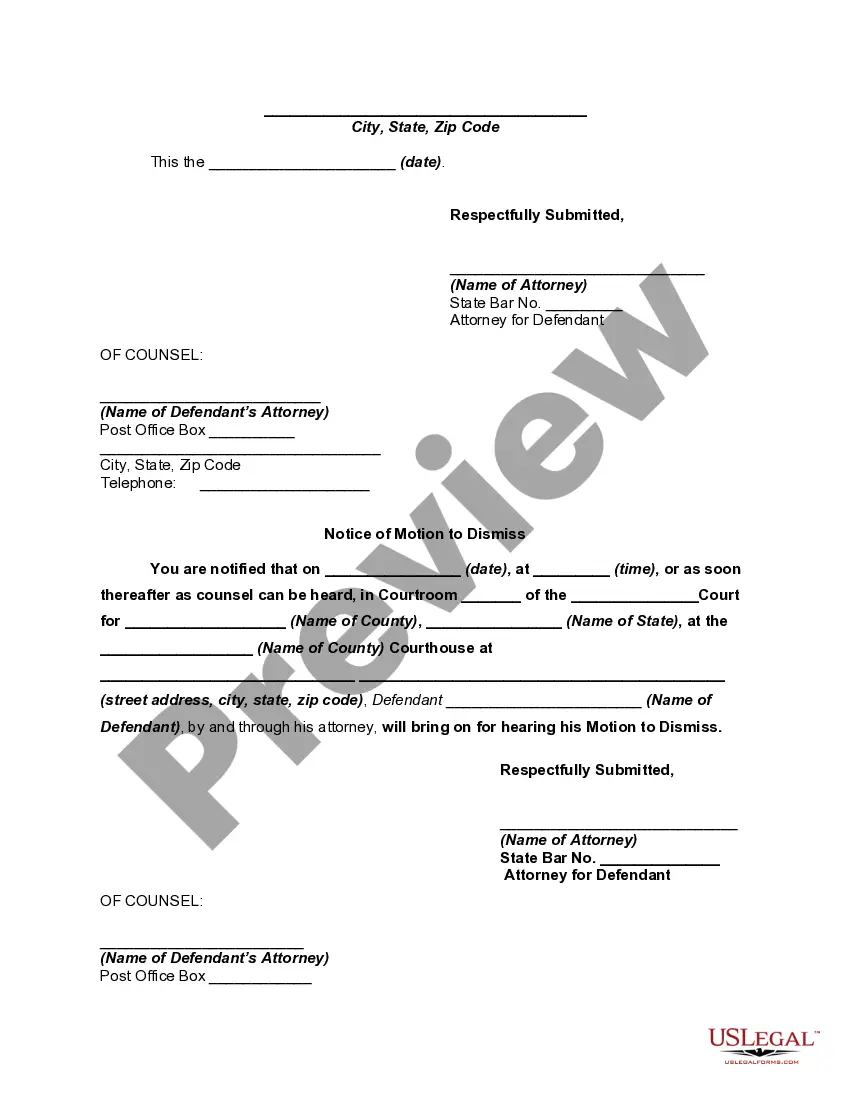

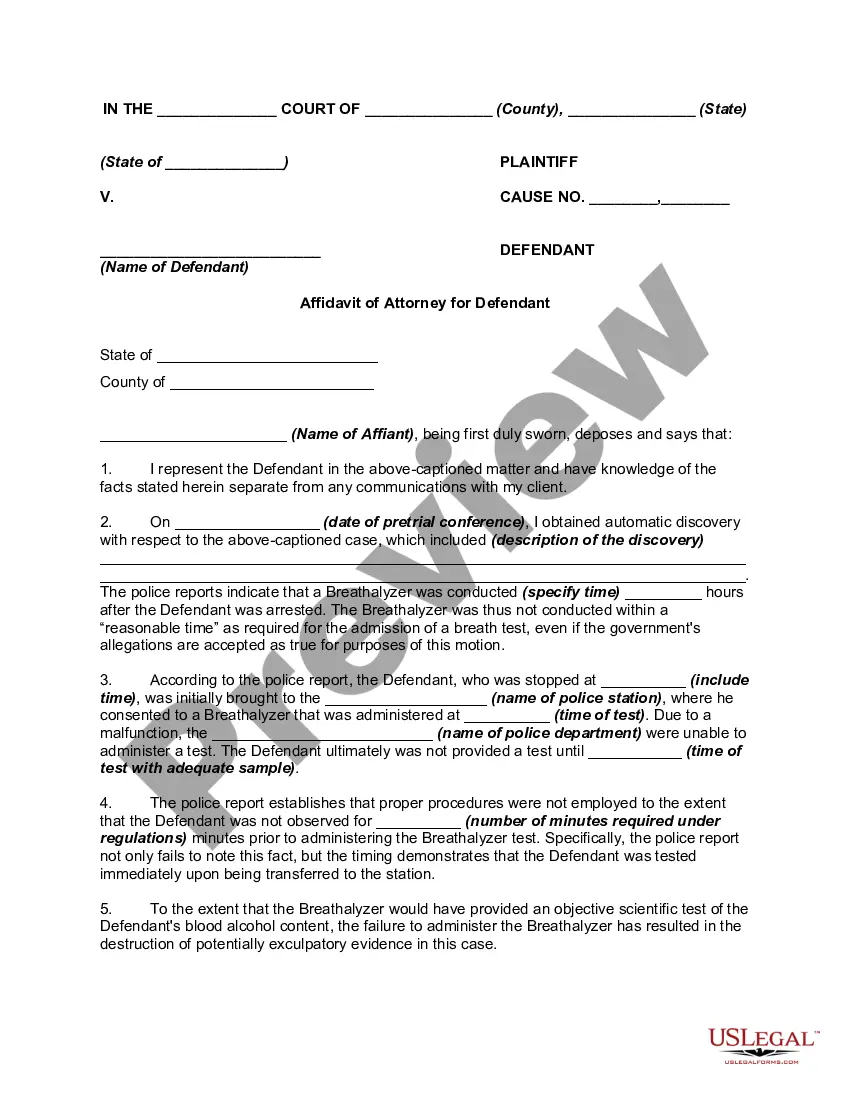
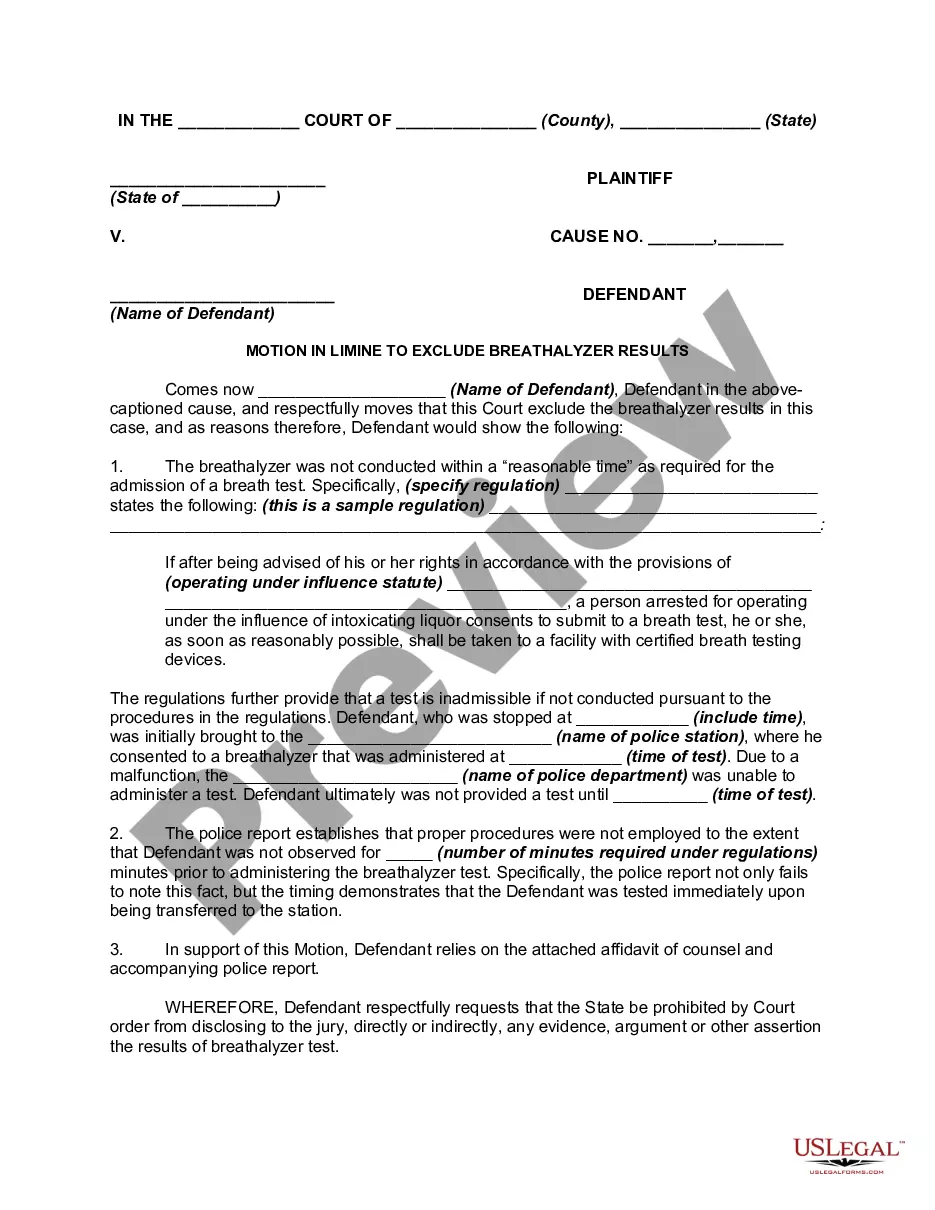
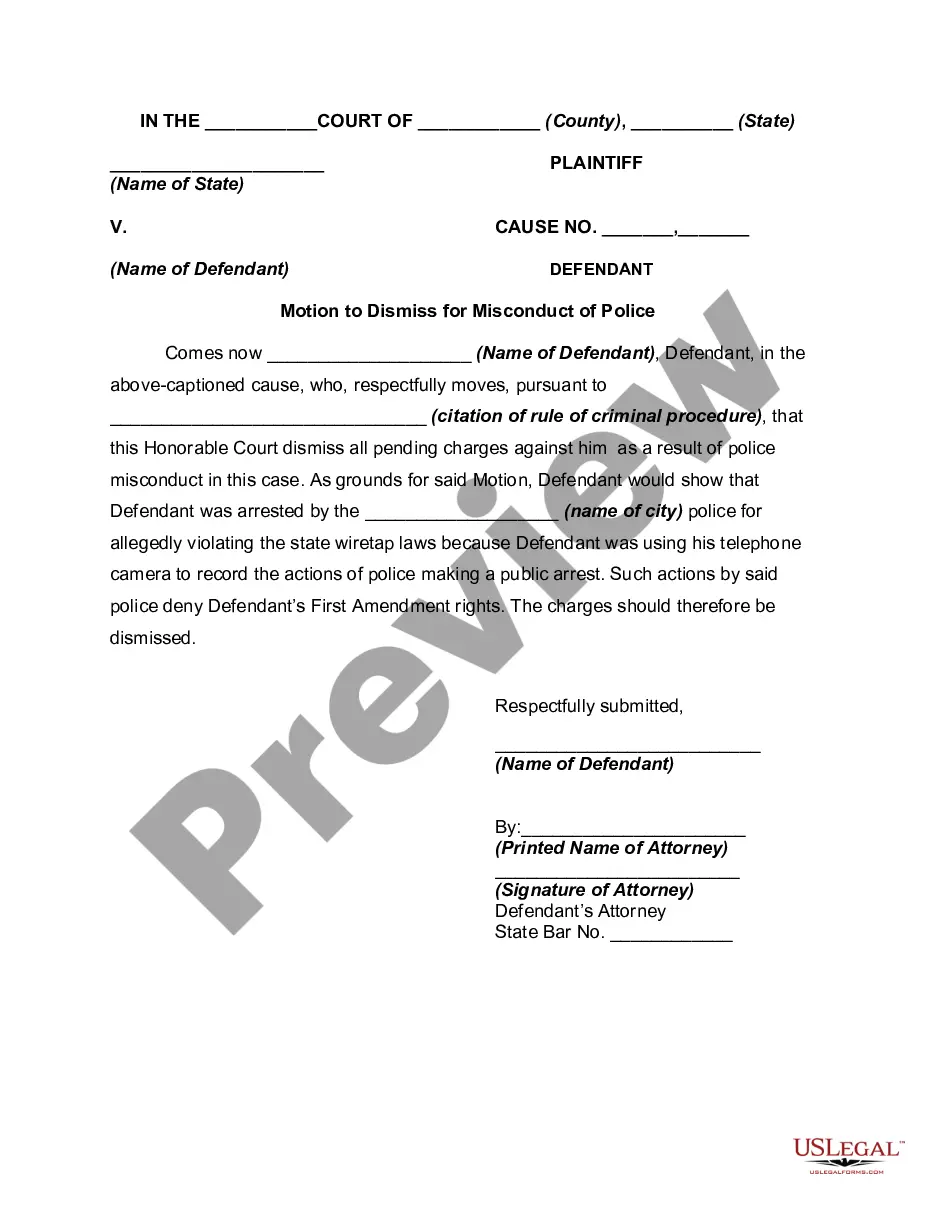


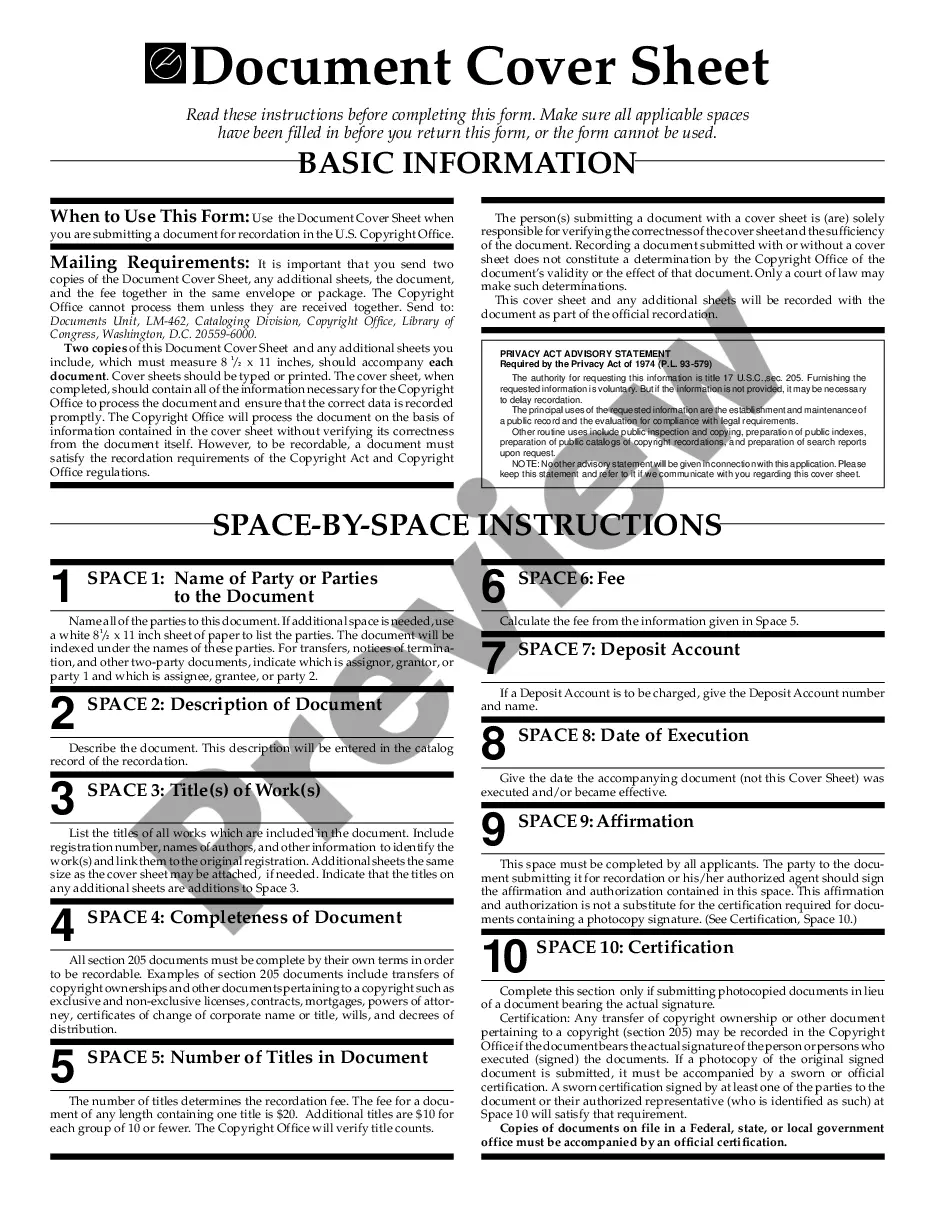

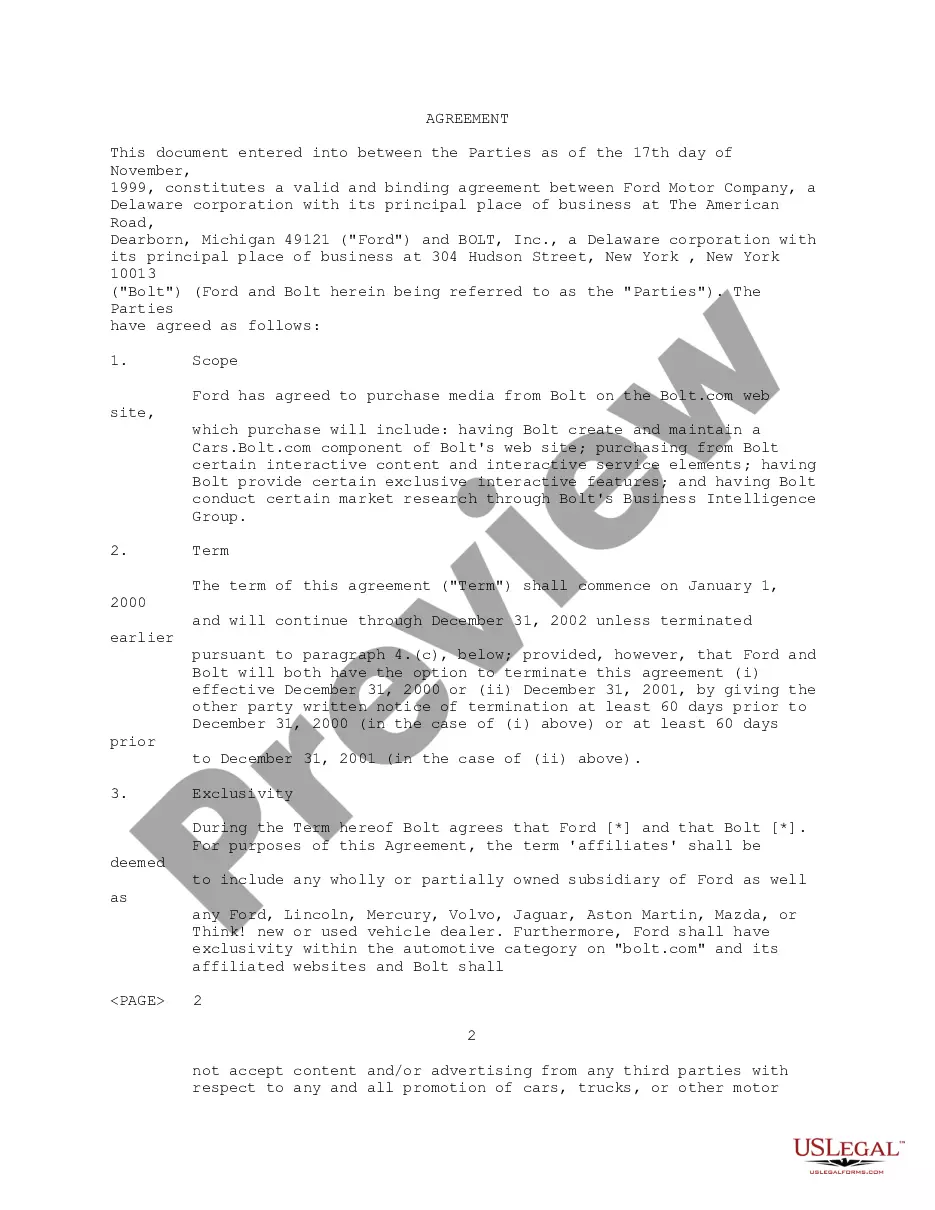


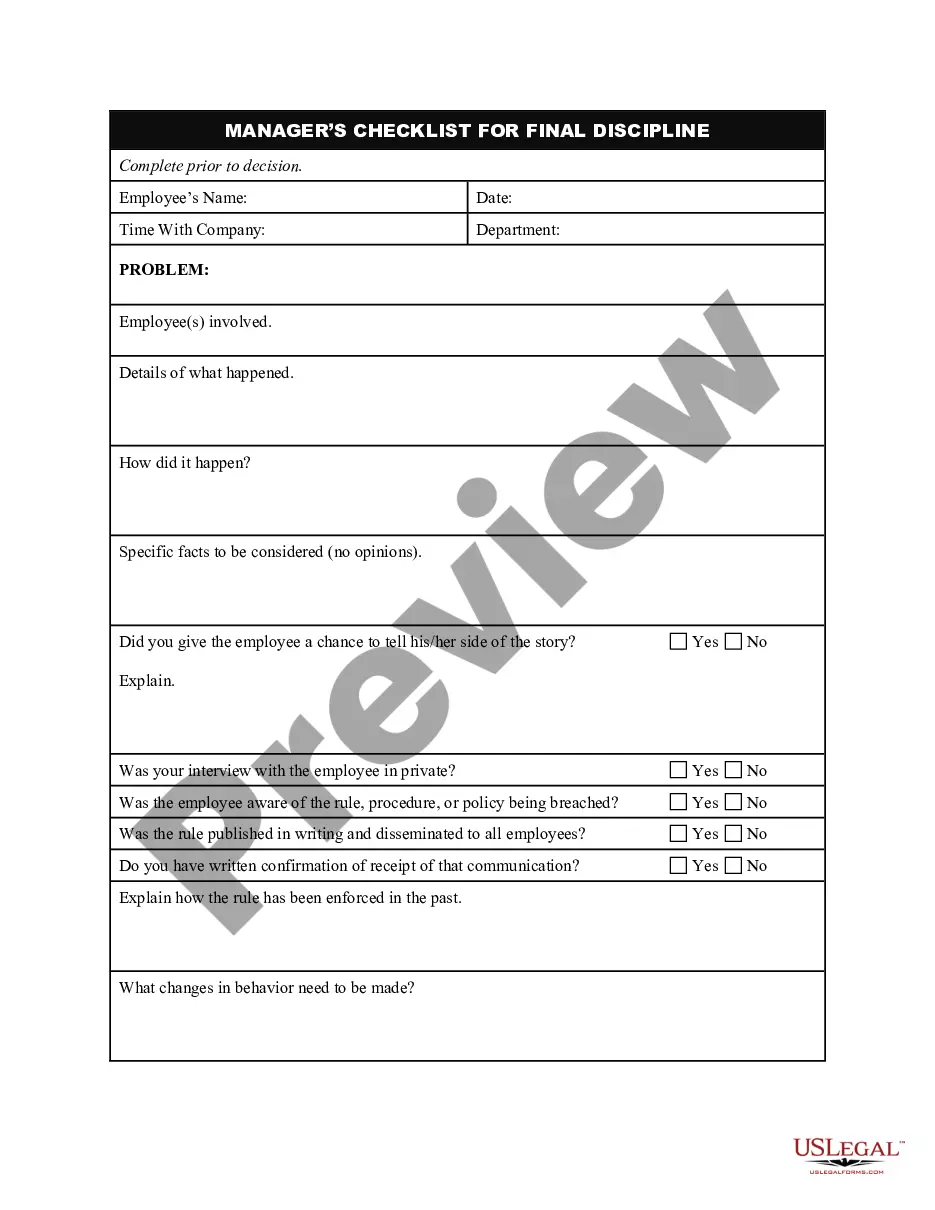
How to fill out Motion To Dismiss Criminal Charges For Failure To Follow Breathalyzer Protocols - DUI?
- If you're a returning user, log in to your account and download the required form template from your device by clicking the Download button. Ensure your subscription is active; if not, renew it according to your payment plan.
- For first-time users, start by exploring the extensive preview mode and form description. Confirm that you’ve selected the correct document that aligns with your needs and adheres to your local jurisdiction requirements.
- If the chosen template does not fully meet your requirements, utilize the search function to find alternative options. Once you find a suitable template, proceed to the next step.
- To purchase the document, click the Buy Now button and select your preferred subscription plan. You will need to register an account to access the complete library of forms.
- Complete your purchase by entering your credit card information or using your PayPal account to finalize the subscription.
- Once your payment is confirmed, download the form to your device. Access it anytime through the My Forms section of your profile.
By following these straightforward steps, you can ensure that you have access to the right legal forms to dismiss your charges effectively. US Legal Forms offers over 85,000 customizable legal documents, making it the go-to resource for your legal needs.
Don't hesitate to empower yourself with the correct forms—visit US Legal Forms today and take the first step towards having your charges dismissed!
Form popularity
FAQ
A case may be dismissed due to various factors such as legal technicalities, lack of evidence, or violations of constitutional rights. If a judge finds that proceeding with the case would not serve justice, they may choose to dismiss the charges. Understanding these factors can empower you, and using platforms like USLegal Forms can help you properly prepare for your situation.
Common reasons for rejection or dismissal of a criminal case include insufficient evidence, prosecutorial discretion, improper procedure, and the unavailability of key witnesses. When charges are dismissed, it signals that maintaining the integrity of the judicial system is paramount. Having resources, like those from USLegal Forms, can make navigating these complex issues simpler.
Prosecutors often dismiss cases when they determine that the evidence is insufficient to support the charges. This can happen when witness testimonies conflict or when new information comes to light that undermines the case. When charges are dismissed for such reasons, it reflects a commitment to justice rather than pursuing unprovable cases.
Lawsuits may be dismissed for various reasons such as lack of standing, failure to state a valid claim, or expiration of the statute of limitations. Moreover, if the plaintiff cannot substantiate their claims, the court may dismiss the case. Understanding how these reasons work can assist you in avoiding similar pitfalls; USLegal Forms offers tools for better case management.
Reasons leading to case dismissals can include ineffective legal representation, delays in the judicial process, or violations of legal protocols. If the prosecution fails to present a strong case or if there are significant procedural missteps, charges can be dismissed. You can explore USLegal Forms for resources that help navigate these situations effectively.
Cases may be dismissed for several reasons, including lack of evidence, procedural errors, or if a defendant's rights have been violated. When charges are dismissed, it often indicates that prosecutors cannot prove their case beyond a reasonable doubt. Additionally, if victims withdraw their complaints or key witnesses become unavailable, this may also lead to case dismissal.
A dismissal is not the same as a conviction; they represent two very different outcomes. A dismissal signifies that the charges are nullified, whereas a conviction results in a formal guilty finding. Understanding this differentiation is crucial for your legal rights and future opportunities.
To get your charges dismissed, you often need to work with a qualified legal professional who can identify potential weaknesses in your case. They may file motions to dismiss based on insufficient evidence or procedural issues. For a structured approach, consider using services like US Legal Forms, which can guide you through relevant documents and procedures.
A case may be dismissed for a variety of good reasons. Common examples include insufficient evidence to support the charges or legal violations that occurred during the evidence-gathering process. Understanding these factors is essential, as they can serve as valid grounds for seeking the dismissal of charges.
Dismissed is not the same as not guilty. When a court dismisses charges, it means the case is stopped for various reasons without a trial. On the other hand, a not guilty verdict comes after a trial where the evidence did not support a conviction. Both outcomes, however, are beneficial in protecting your record.