Lease Farm For Pigs
Description
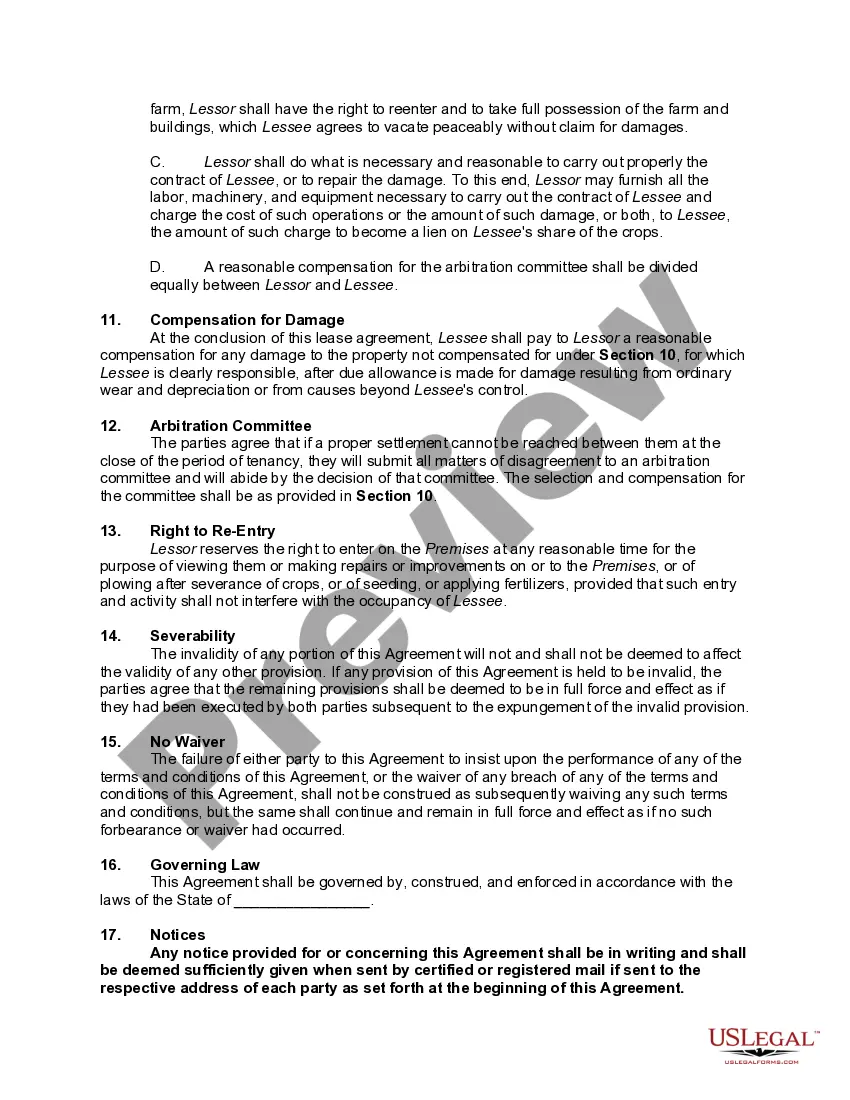
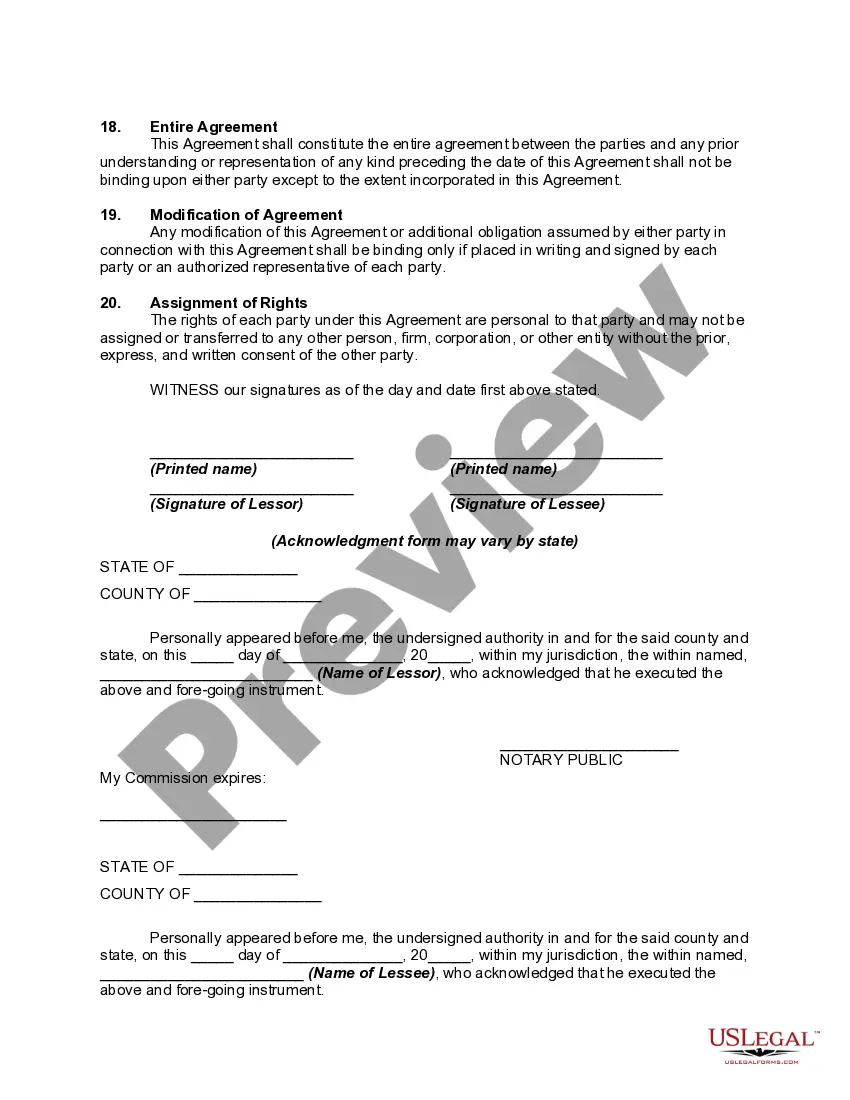

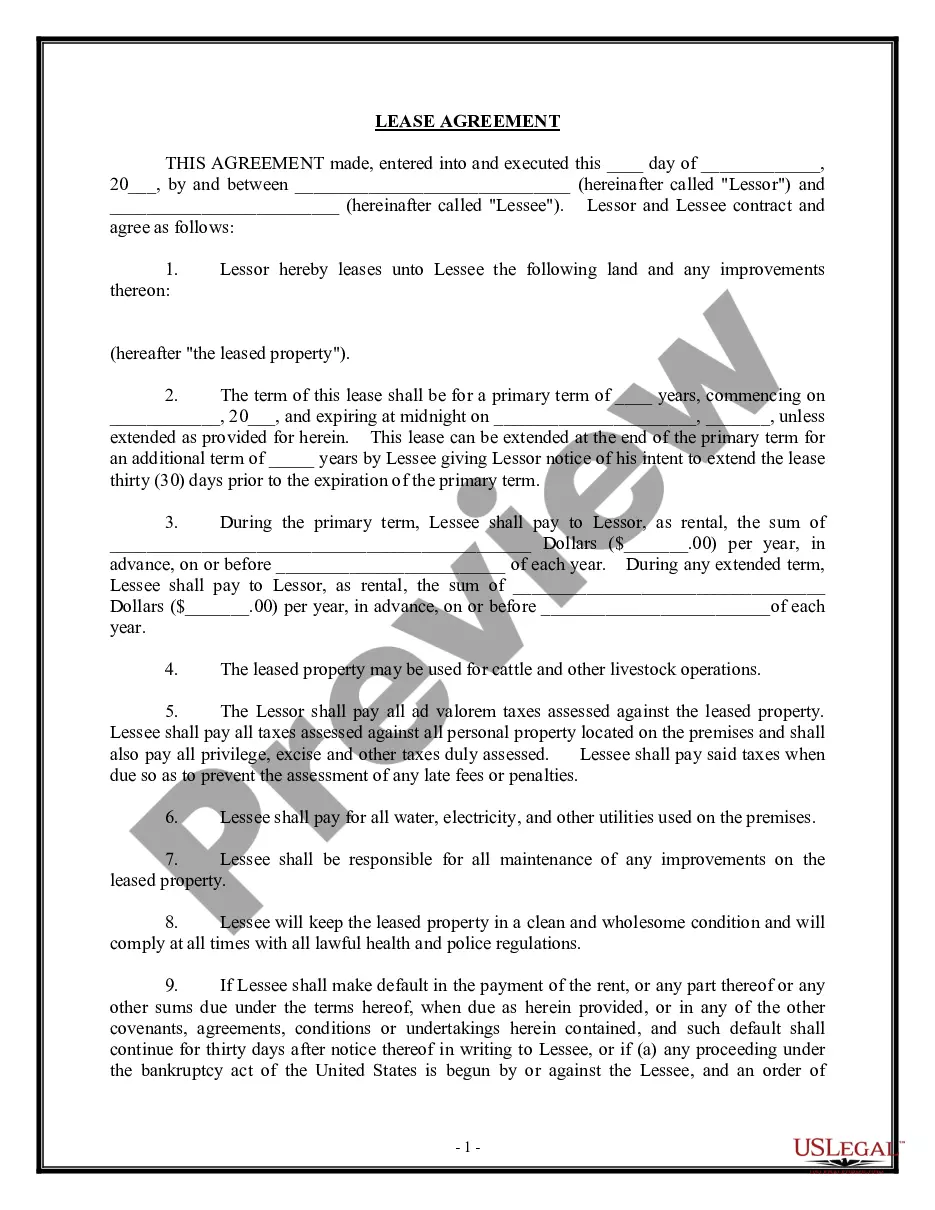
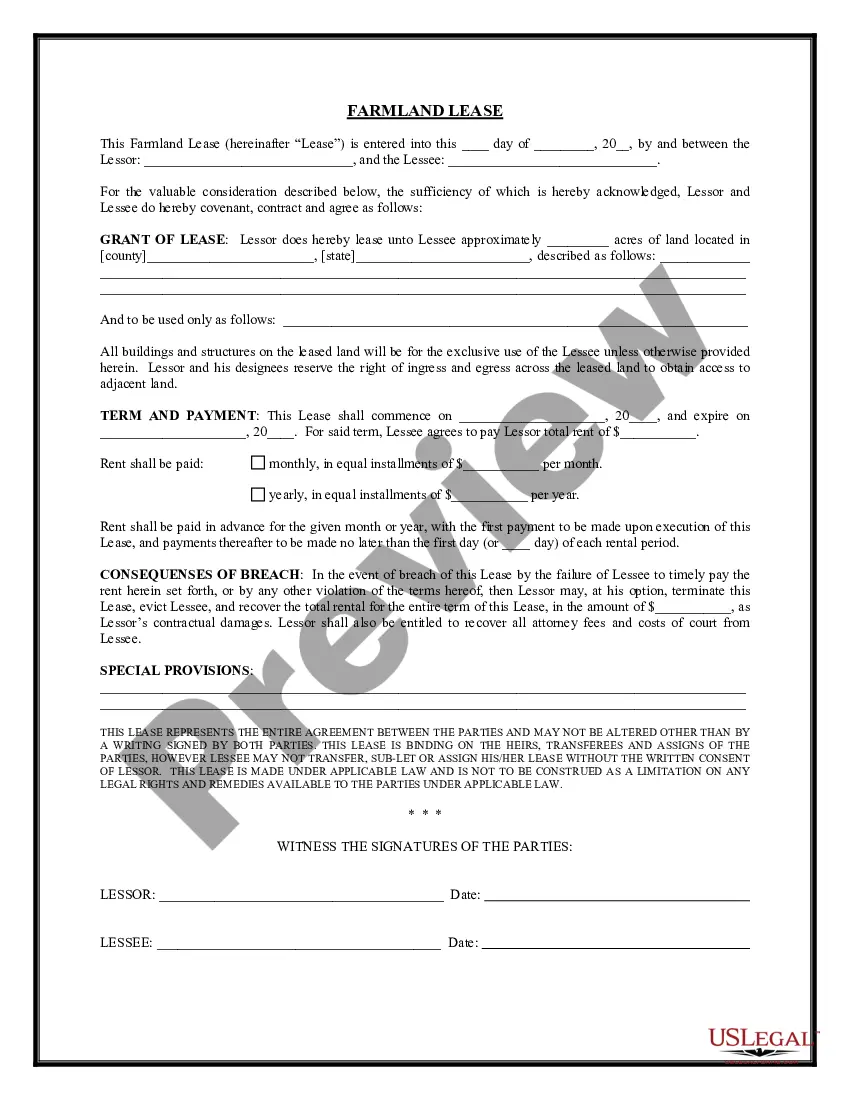
Get your form ready online
Our built-in tools help you complete, sign, share, and store your documents in one place.
Make edits, fill in missing information, and update formatting in US Legal Forms—just like you would in MS Word.
Download a copy, print it, send it by email, or mail it via USPS—whatever works best for your next step.
Sign and collect signatures with our SignNow integration. Send to multiple recipients, set reminders, and more. Go Premium to unlock E-Sign.
If this form requires notarization, complete it online through a secure video call—no need to meet a notary in person or wait for an appointment.
We protect your documents and personal data by following strict security and privacy standards.

Make edits, fill in missing information, and update formatting in US Legal Forms—just like you would in MS Word.

Download a copy, print it, send it by email, or mail it via USPS—whatever works best for your next step.

Sign and collect signatures with our SignNow integration. Send to multiple recipients, set reminders, and more. Go Premium to unlock E-Sign.

If this form requires notarization, complete it online through a secure video call—no need to meet a notary in person or wait for an appointment.

We protect your documents and personal data by following strict security and privacy standards.
Looking for another form?
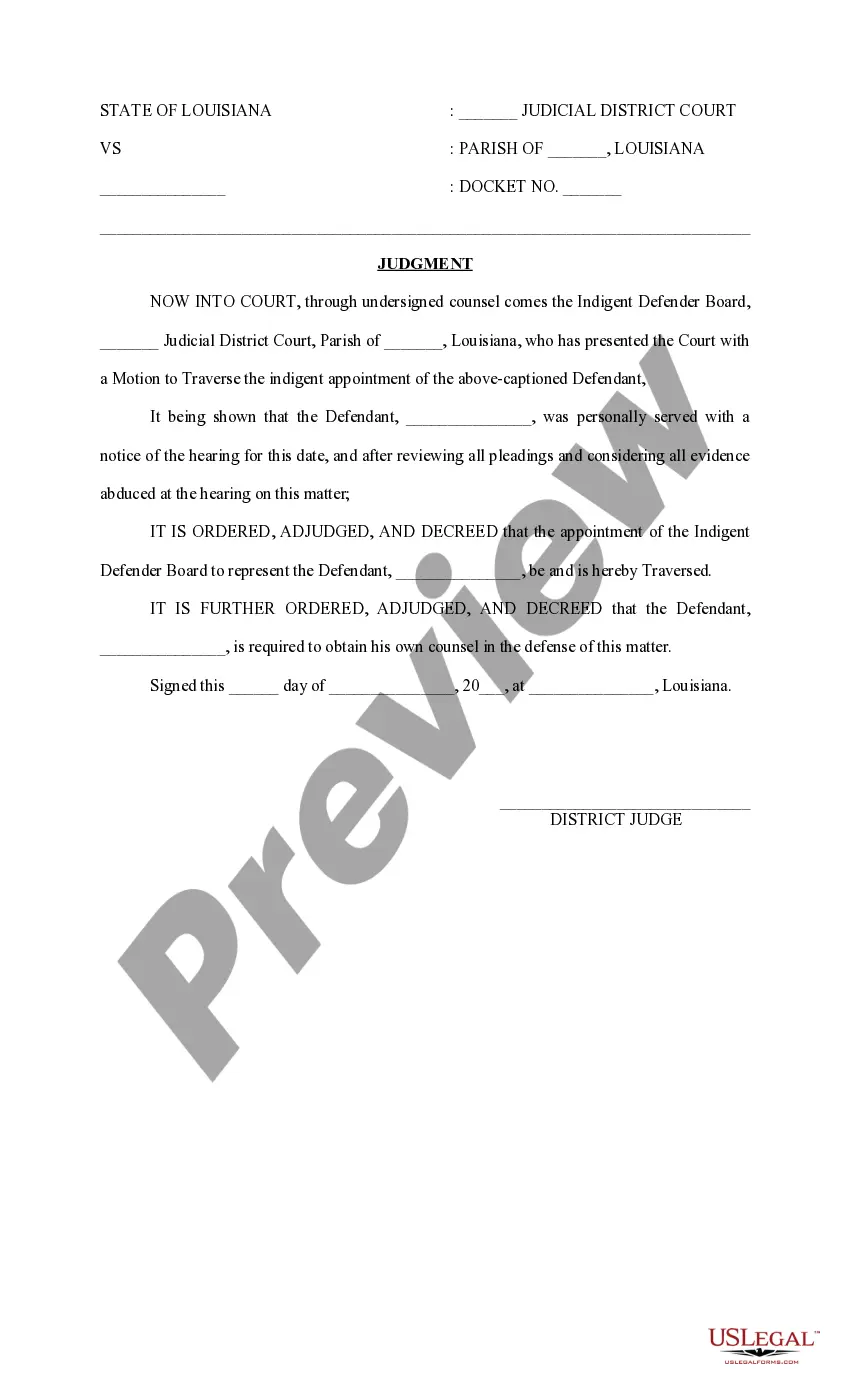


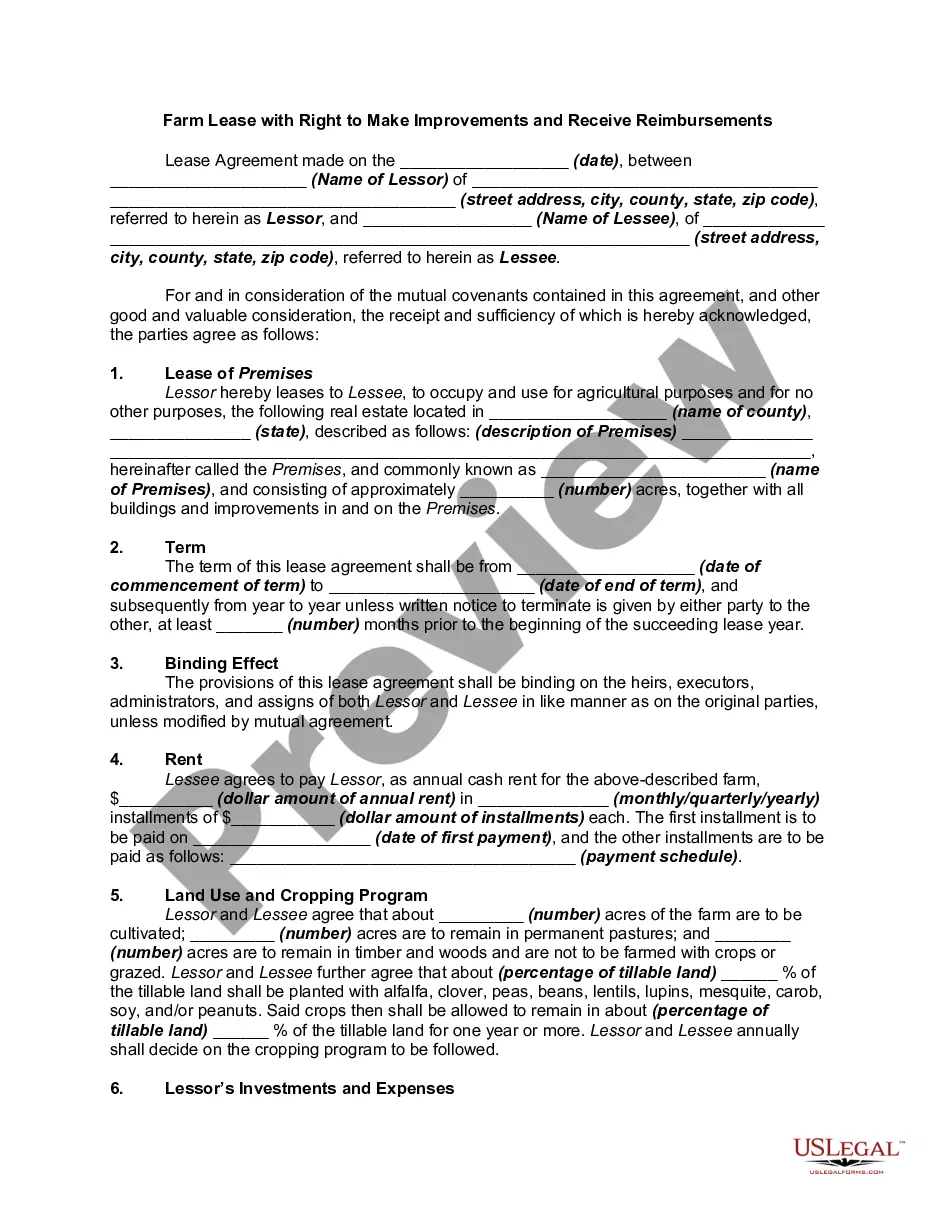
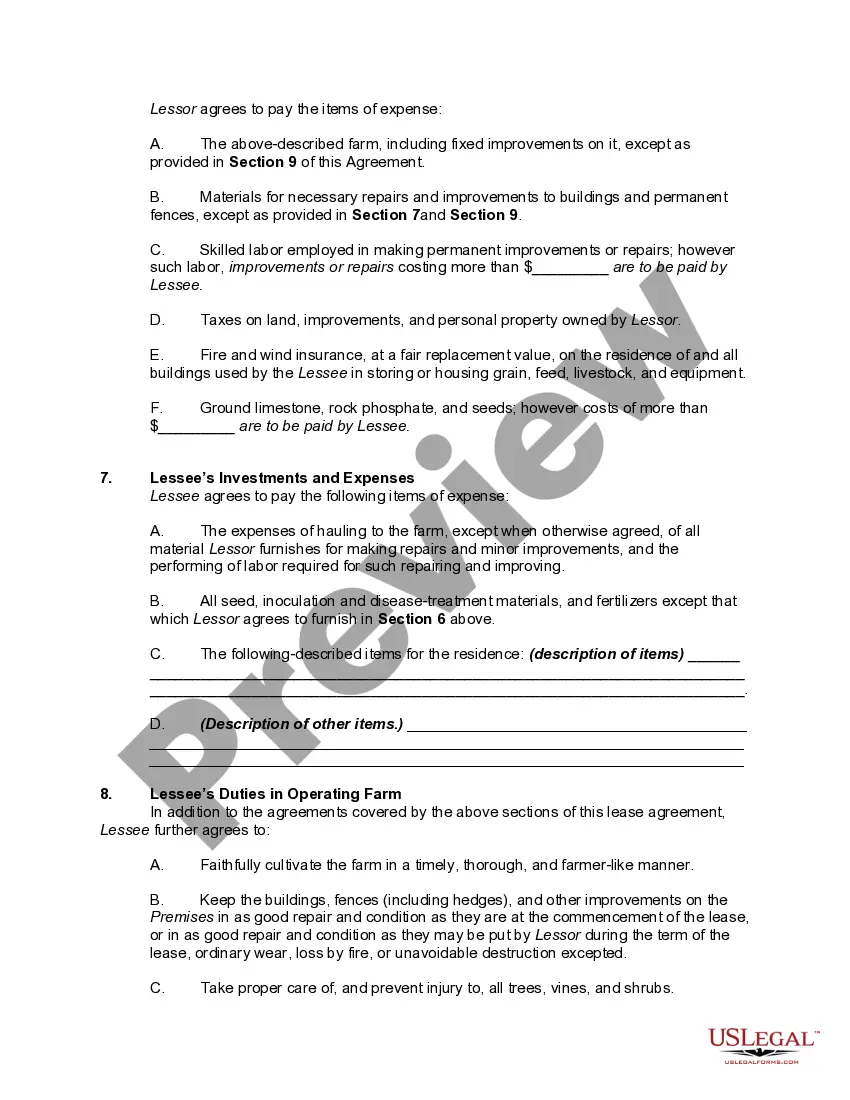
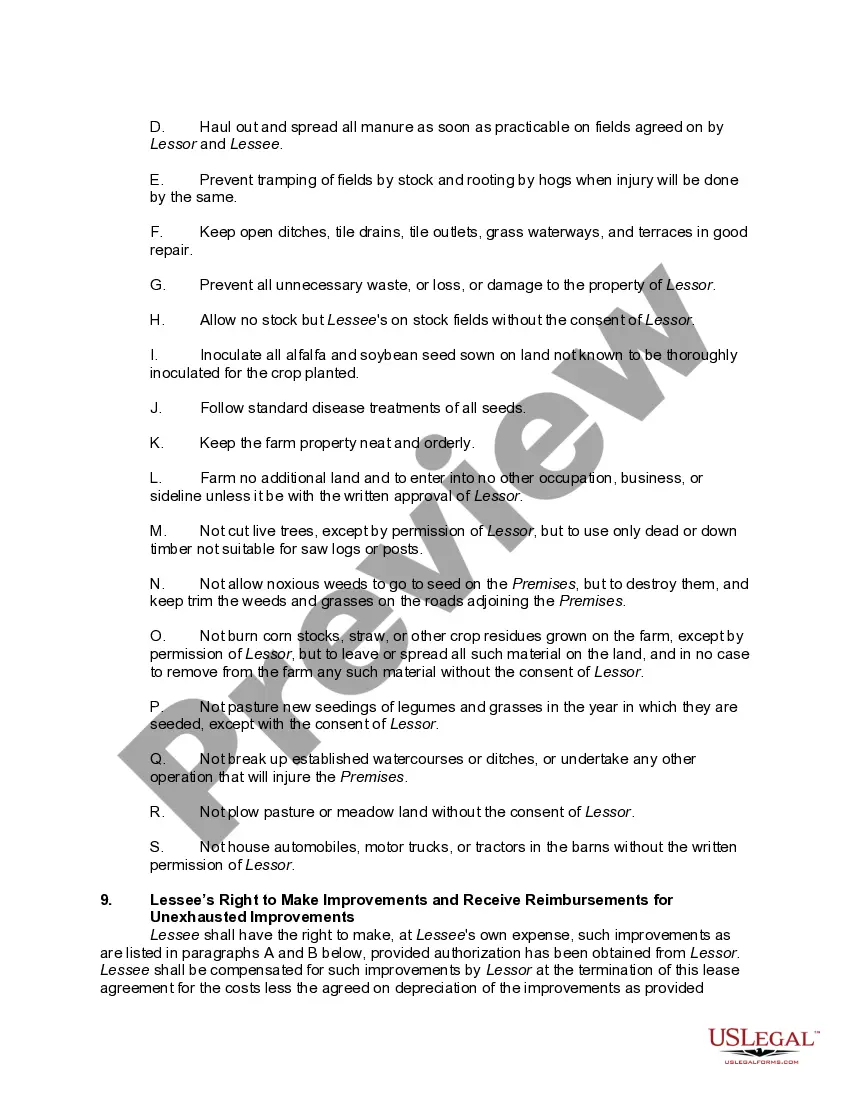
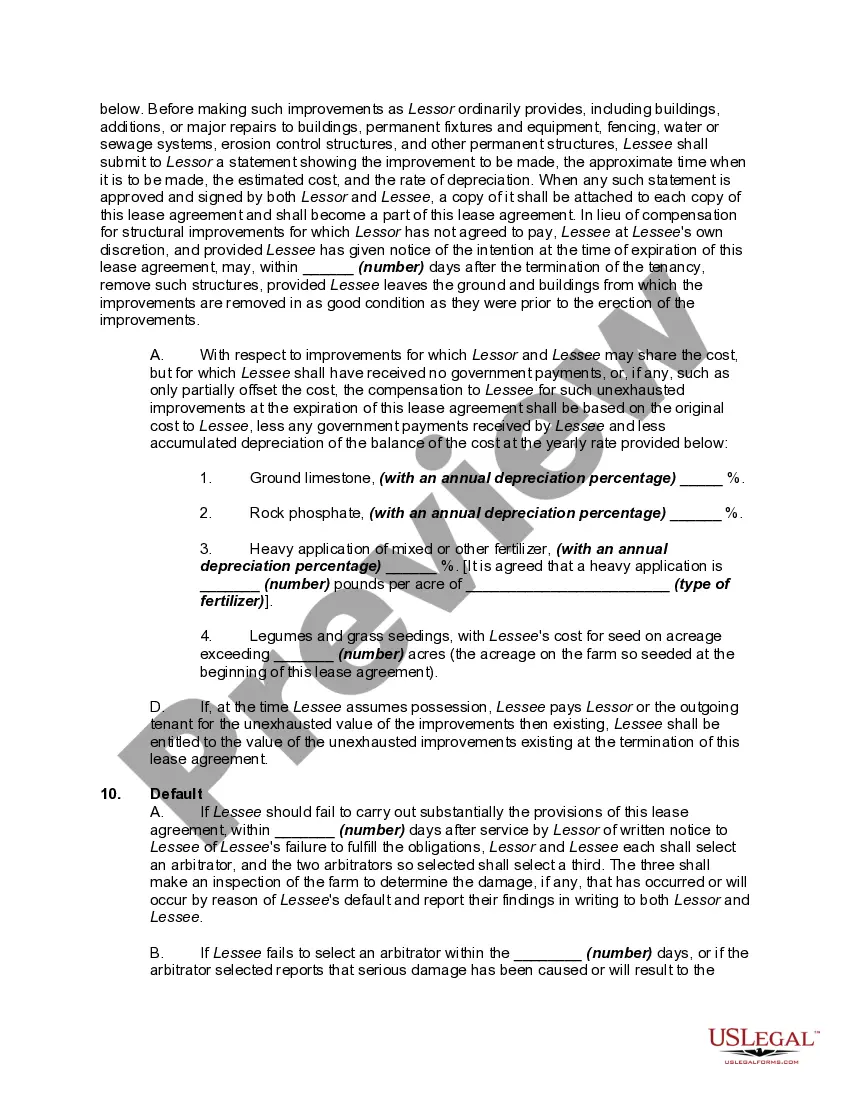
How to fill out Farm Lease Or Rental With Right To Make Improvements And Receive Reimbursements?
- Sign in to your existing US Legal Forms account. If this is your first time, create a new account to access their extensive library.
- Browse the available documents. Use the Preview feature to ensure you select the right form that suits your needs and local regulations.
- If you need different forms, utilize the Search tab to find specific documents relevant to your needs.
- Select your desired document and click the Buy Now button. Choose a subscription plan that works for you.
- Complete the purchase by providing payment information through credit card or PayPal.
- Download your form directly to your device. You can access it anytime from the My Forms section of your profile.
In conclusion, leasing a farm for pigs doesn't have to be complicated. With US Legal Forms, you have access to a vast collection of forms and expert assistance to ensure your documents are accurate.
Start your leasing journey today and streamline your paperwork with US Legal Forms!
Form popularity
FAQ
Common mistakes to avoid in farm lease agreements include not specifying the duration of the lease, overlooking maintenance responsibilities, and neglecting to understand termination conditions. When you lease farm for pigs, ensure that all terms are clearly stated and agreed upon to avoid future disputes. You may also want to consult USLegalForms for guidance on essential elements to include in your lease. Taking these steps will lead to more successful farming endeavors.
To protect yourself in a farm lease agreement, make sure you understand all terms and conditions before signing. Confirm the property’s condition with documentation, and consider getting legal advice if needed. Additionally, using resources from USLegalForms can help you craft a well-structured lease that clearly outlines responsibilities and rights. This thorough approach helps reduce risks associated with leasing.
Red flags in a lease agreement often include vague language or unclear terms regarding rent increases. When you lease farm for pigs, check for unusual fees or clauses that seem unreasonable. It is also crucial to notice if the landlord hesitates to provide necessary documentation or references. Addressing these issues proactively can help you secure a safer leasing experience.
Yes, you can write up your own lease agreement when you lease farm for pigs. However, it is essential to ensure that the lease meets local laws and covers all necessary terms. You can also use platforms like USLegalForms to access customizable lease templates that comply with legal standards. This approach can save time and help you avoid potential pitfalls.
The most common cause for breaching a lease is failure to meet rental payments. When you lease farm for pigs, it is vital to maintain timely payments and understand your financial commitments. Other reasons may include unauthorized property modifications or violating specific lease terms. It is crucial to review your lease agreement thoroughly to prevent misunderstandings.
Leasing land to farmers can indeed be profitable, especially if you manage the agreement effectively. When you lease farm for pigs, you can benefit from regular rental income while retaining ownership of the land. Furthermore, this arrangement can safeguard against the volatility of the agricultural market. Carefully choosing the right tenant and crafting a solid lease agreement can enhance your profitability.
The average farmer's income per acre can vary widely based on the type of crop and region. For individuals interested in leasing land to raise pigs, revenues can differ based on production costs and market prices. Understanding your potential earnings is essential for making informed decisions about whether to lease farm for pigs. Analyzing local market trends can give a clearer picture of what to expect.
A leased farm refers to agricultural land that is rented out to a farmer or agricultural operator. In this case, a tenant who wants to lease farm for pigs uses the land to raise livestock and may share profits with the landowner. The terms of the lease can vary, including the duration and rental payment structure. Understand that a well-negotiated lease agreement is vital for both parties' success.
An ag lease is a formal agreement between a landowner and a tenant, allowing the tenant to use the land for agricultural purposes. If you want to lease farm for pigs, this agreement can detail specific terms such as duration, payment, and responsibilities. Understanding the terms of an ag lease is crucial to ensure a successful farming operation. This arrangement helps both the farmer and landowner achieve their goals.
Farm lease income should be reported on your tax return as part of your agricultural income. You typically report this income on Schedule F if you are a sole proprietor, primarily farming pigs. Ensure you keep thorough records of all lease payments received. For additional guidance, consider consulting a tax professional who understands agricultural income reporting.