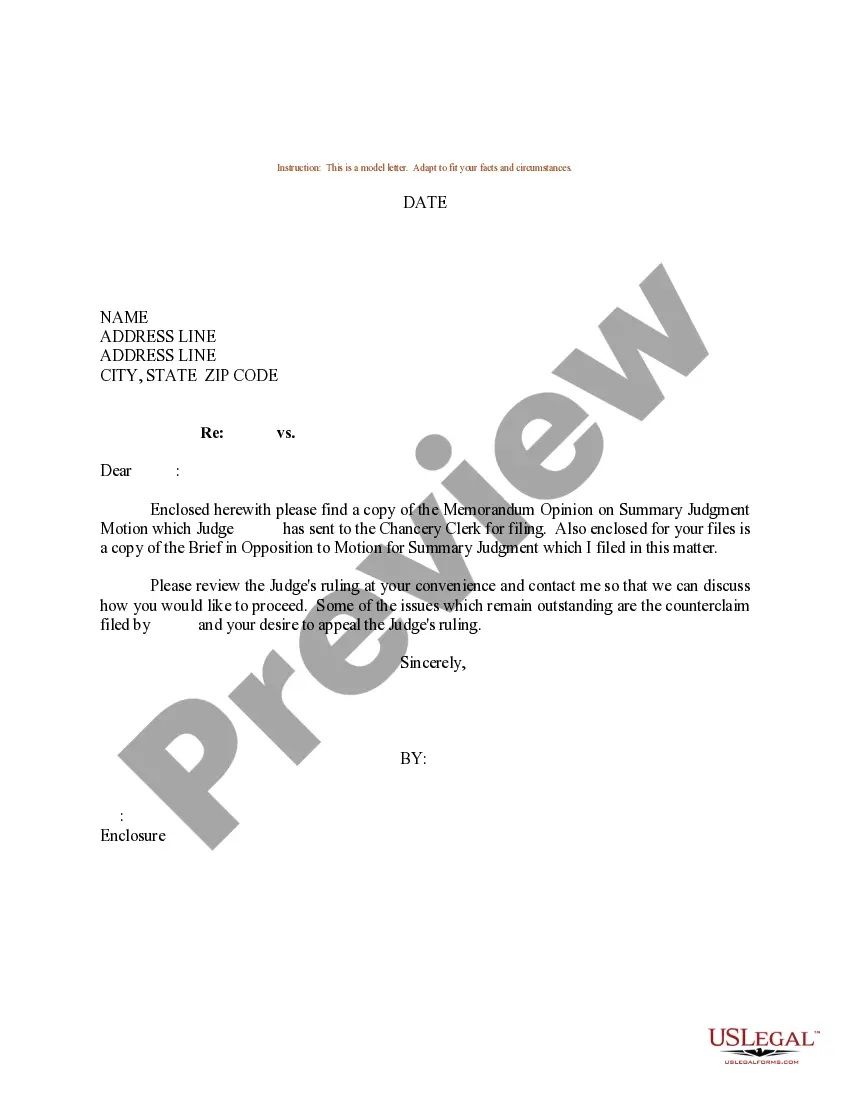
Sample Judgment Motion With The Pleadings Pennsylvania
Description
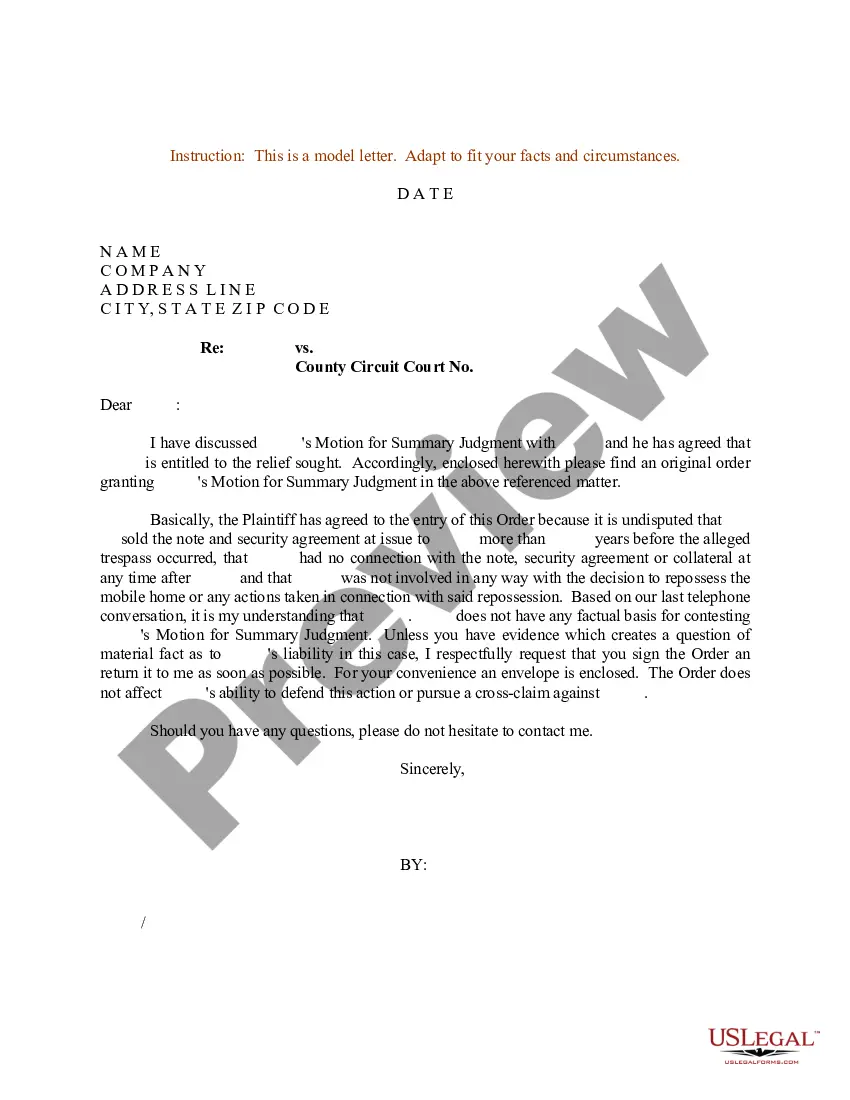
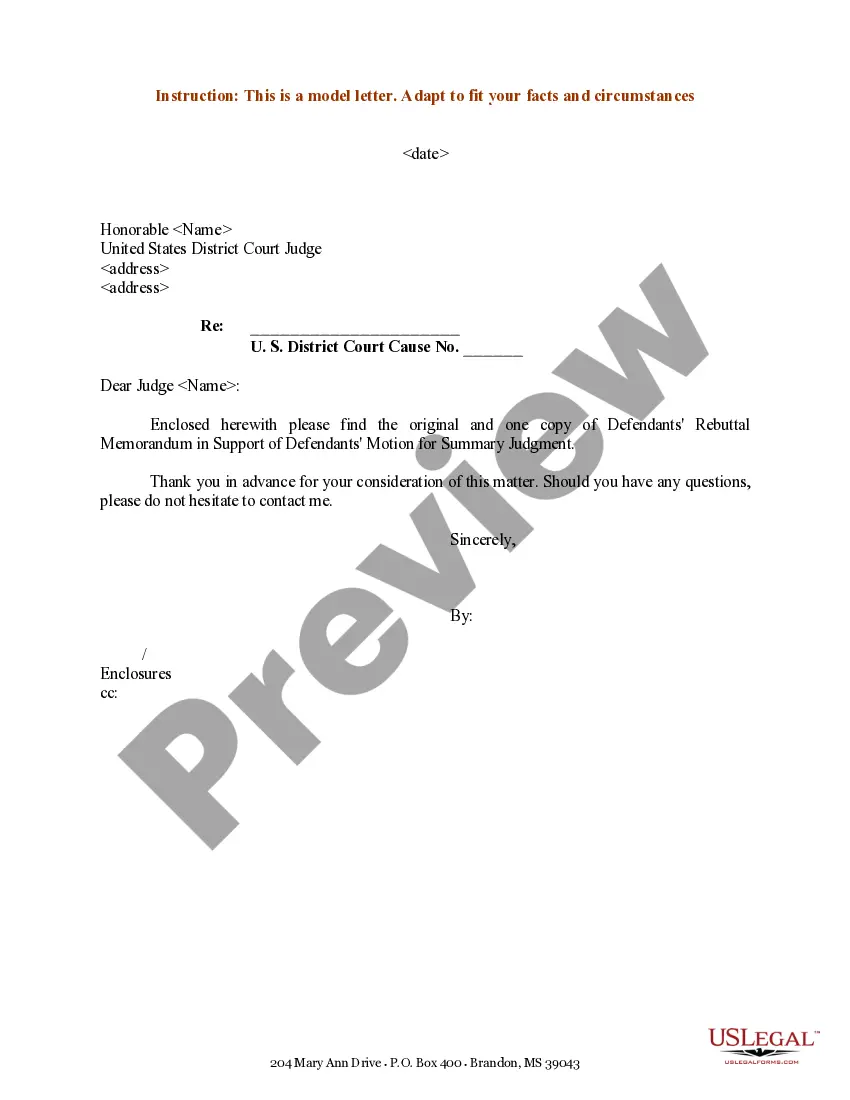
Get your form ready online
Our built-in tools help you complete, sign, share, and store your documents in one place.
Make edits, fill in missing information, and update formatting in US Legal Forms—just like you would in MS Word.
Download a copy, print it, send it by email, or mail it via USPS—whatever works best for your next step.
Sign and collect signatures with our SignNow integration. Send to multiple recipients, set reminders, and more. Go Premium to unlock E-Sign.
If this form requires notarization, complete it online through a secure video call—no need to meet a notary in person or wait for an appointment.
We protect your documents and personal data by following strict security and privacy standards.

Make edits, fill in missing information, and update formatting in US Legal Forms—just like you would in MS Word.

Download a copy, print it, send it by email, or mail it via USPS—whatever works best for your next step.

Sign and collect signatures with our SignNow integration. Send to multiple recipients, set reminders, and more. Go Premium to unlock E-Sign.

If this form requires notarization, complete it online through a secure video call—no need to meet a notary in person or wait for an appointment.

We protect your documents and personal data by following strict security and privacy standards.
Looking for another form?
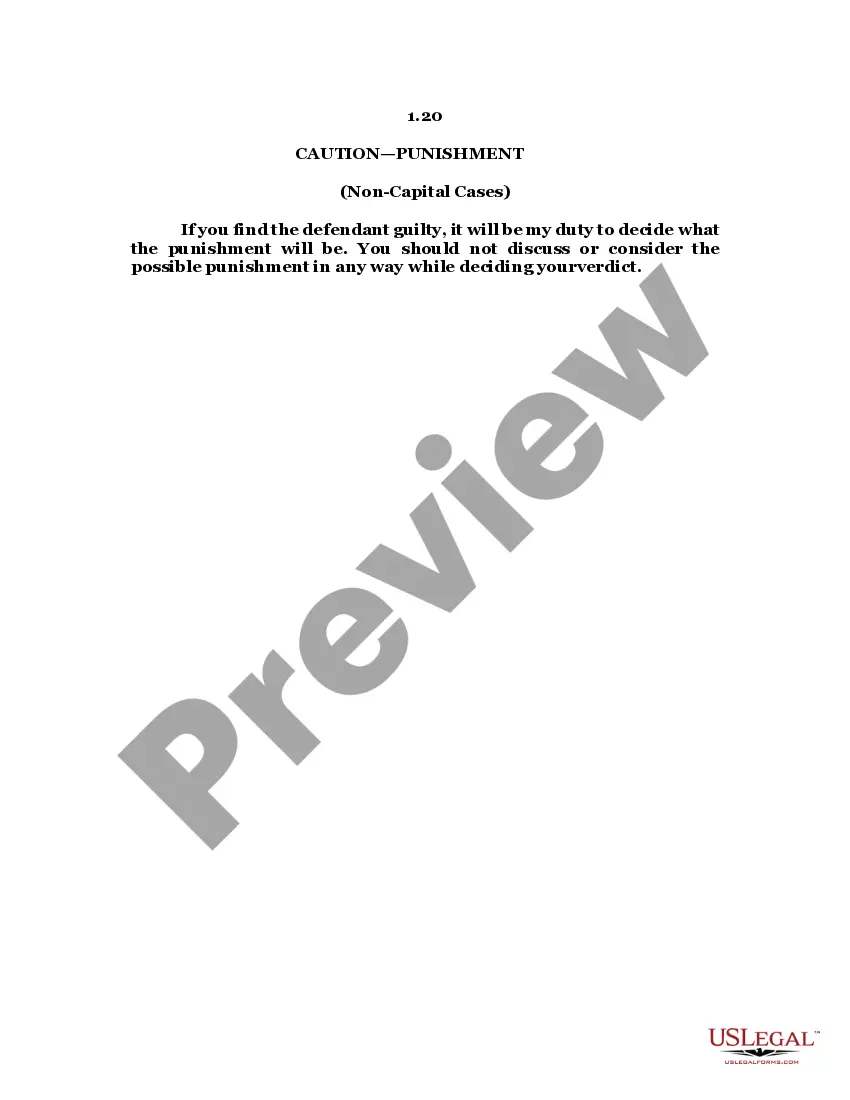
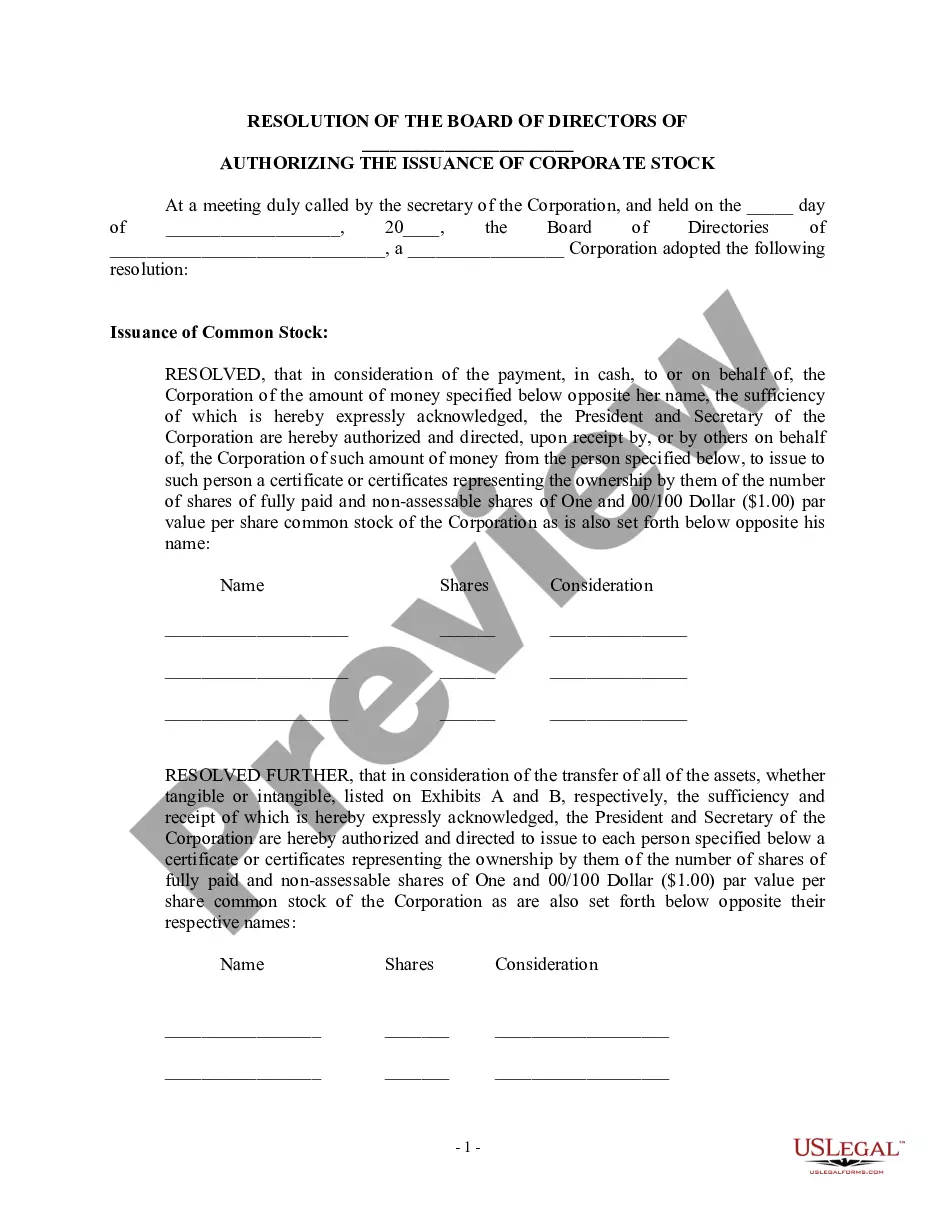
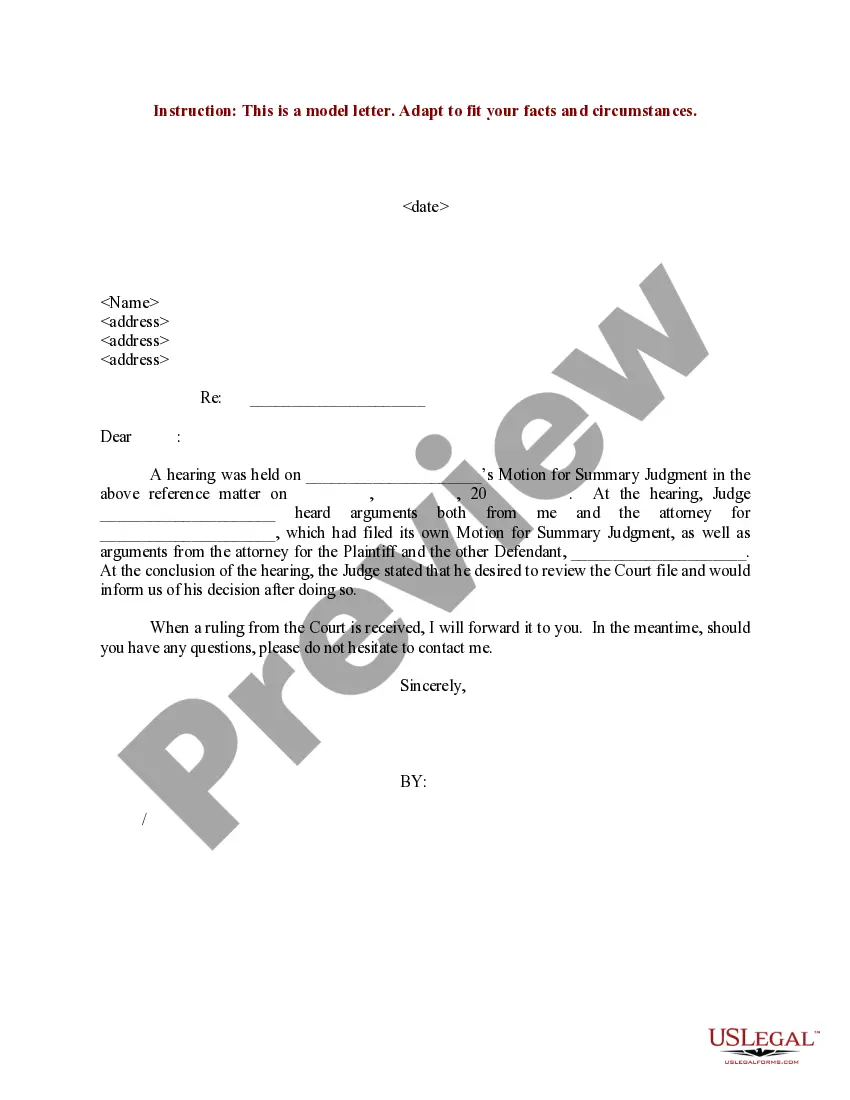
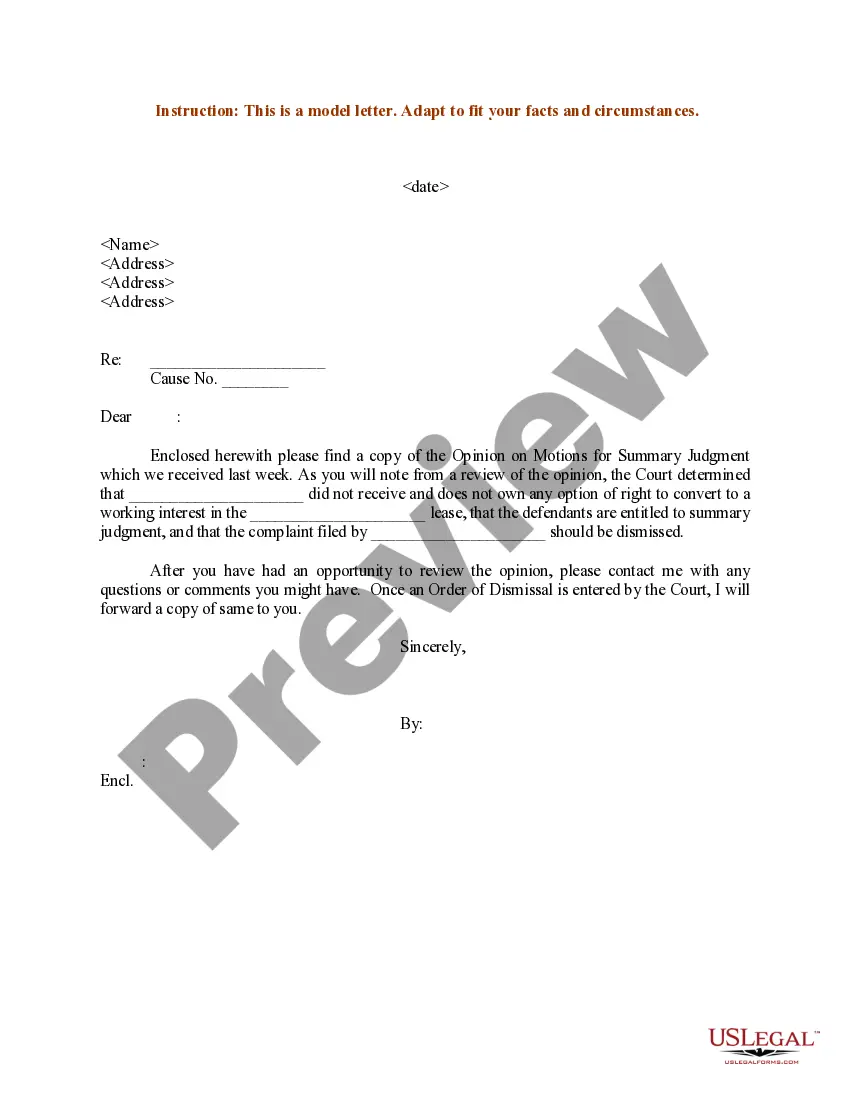
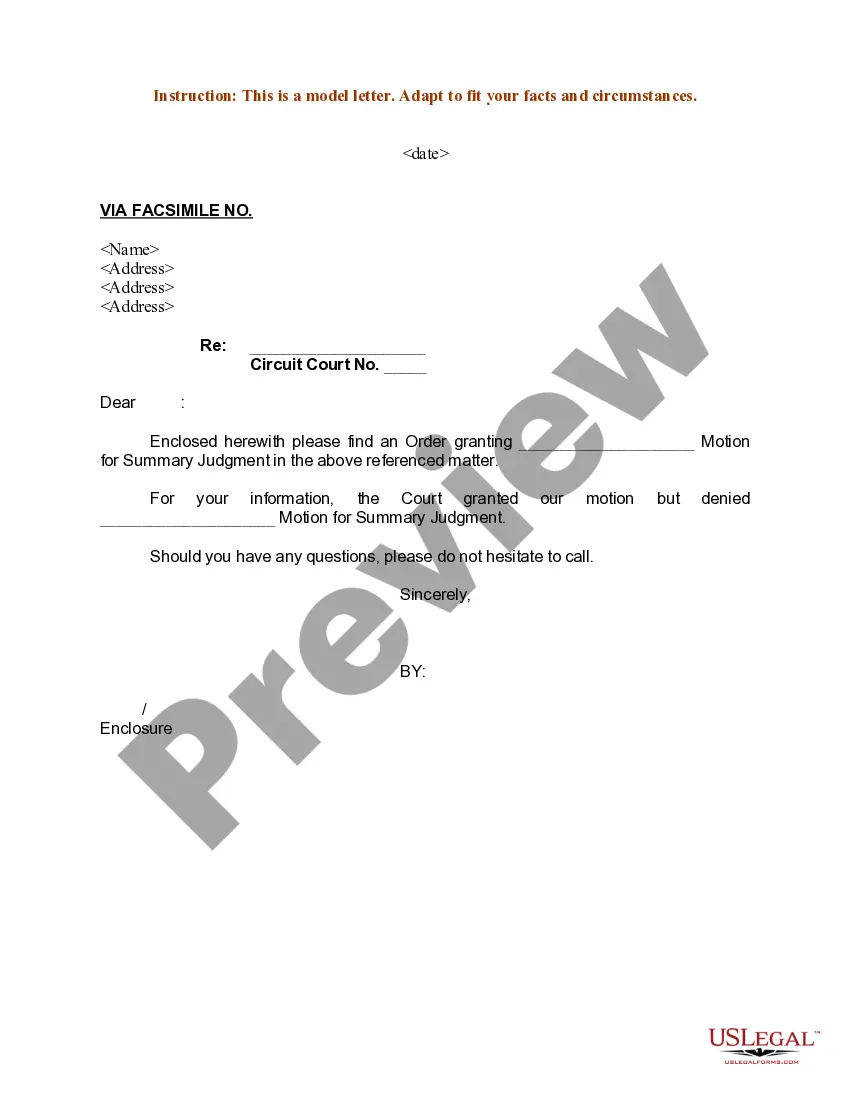
How to fill out Sample Letter Regarding Memorandum Opinion On Summary Judgment Motion?
Managing legal documents can be exasperating, even for seasoned professionals.
When you're in search of a Sample Judgment Motion With The Pleadings Pennsylvania and don't have the opportunity to invest time finding the correct and current version, the process can be overwhelming.
Access a repository of articles, guides, and materials relevant to your situation and needs.
Save time and energy searching for the documents you need, and use US Legal Forms’ advanced search and Review tool to locate Sample Judgment Motion With The Pleadings Pennsylvania and obtain it.
Choose Buy Now when you are ready, select a subscription plan, pick your desired format, and Download, complete, sign, print, and send your documents. Benefit from the US Legal Forms online catalog, supported by 25 years of experience and trustworthiness. Transform your daily document management into a seamless and user-friendly process today.
- If you have a membership, Log In to your US Legal Forms account, search for the document, and download it.
- Visit the My documents tab to view the documents you have previously saved and to manage your folders as needed.
- If this is your first experience with US Legal Forms, create an account to gain unrestricted access to all platform benefits.
- After downloading the required form, verify that it is the correct version by previewing and reviewing its description.
- Make sure that the sample is permissible in your state or county.
- Access state- or county-specific legal and business documents.
- US Legal Forms addresses all requirements you may have, from personal to corporate paperwork, all in one location.
- Utilize sophisticated tools to complete and manage your Sample Judgment Motion With The Pleadings Pennsylvania.
Form popularity
FAQ
A motion for judgment on the pleadings notice serves to inform the opposing party and the court about the request for judgment based on the pleadings. This notice outlines the intent to file the motion and provides essential details for the other party to respond. Utilizing a sample judgment motion with the pleadings Pennsylvania ensures that the notice meets legal standards and includes necessary information. Thus, it streamlines the process and helps both parties prepare for the court's decision.
A motion for judgment on the pleadings in Pennsylvania is a request for the court to rule in favor of one party based on the information presented in the pleadings alone. This type of motion does not require additional evidence, making it a quicker option for resolving disputes. If you're looking for a sample judgment motion with the pleadings Pennsylvania, understanding this process will help you create a strong legal argument. Consider using professional resources to ensure your motion meets all necessary requirements.
Rule 1034 - Motion for Judgment on the Pleadings (a) After the relevant pleadings are closed, but within such time as not to unreasonably delay the trial, any party may move for judgment on the pleadings. (b) The court shall enter such judgment or order as shall be proper on the pleadings.
(1) A response to the motion for summary judgment which includes a concise statement, not to exceed two pages in length, as to why the motion should not be granted. (2) A response to the statement of undisputed material facts either admitting or denying or disputing each of the facts in the movant's statement.
A motion for summary judgment must contain only a concise statement of the relief requested and the reasons for granting that relief. The motion should not include any recitation of the facts and should not exceed two pages in length. (d) Statement of undisputed material facts.
For example, a legal pleading might involve a complaint from a homeowner that a roofer did not adequately perform a repair, resulting in a leak in the roof and damage to the home. The roofer could then file an answer to the claim, denying culpability.