Resident Trust For Cgt Purposes
Description
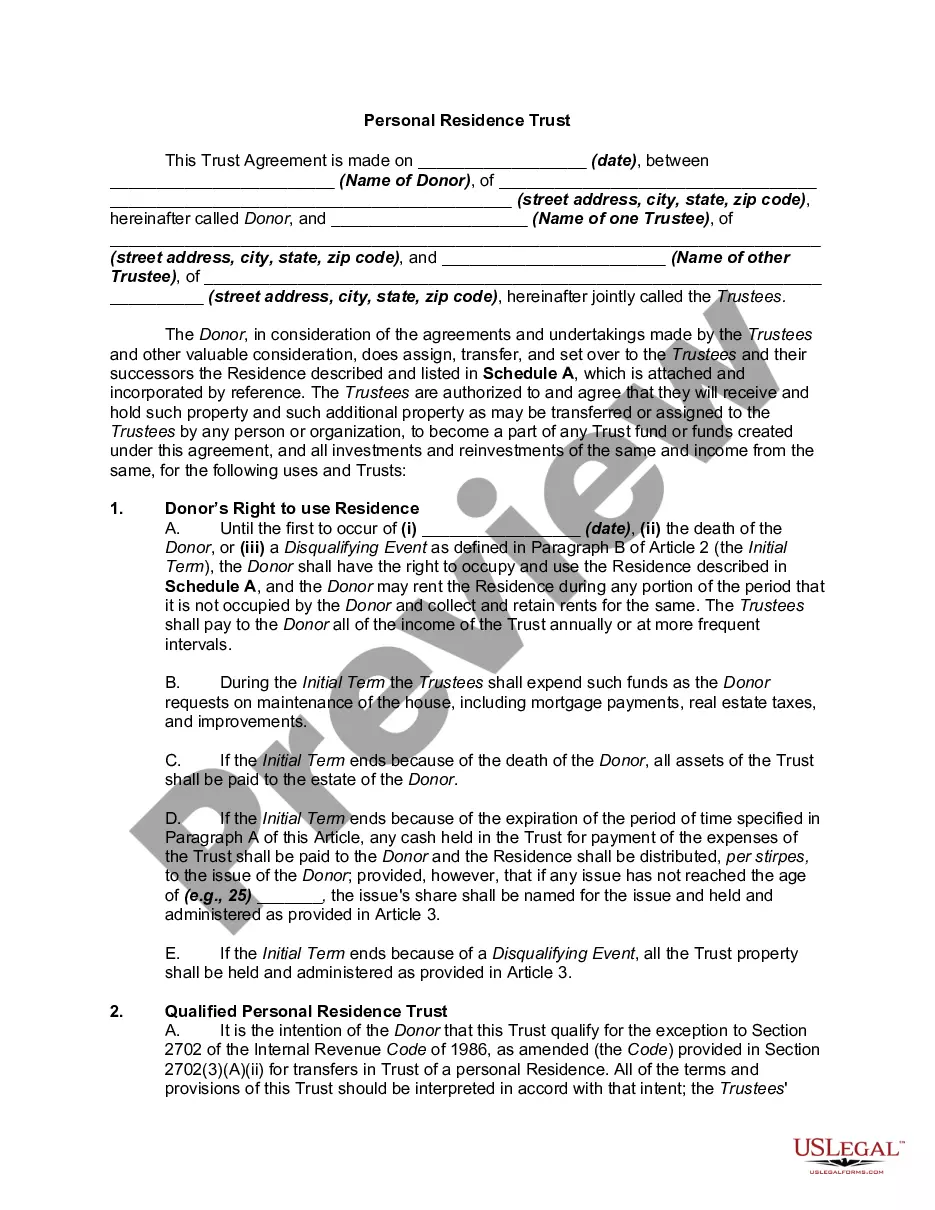
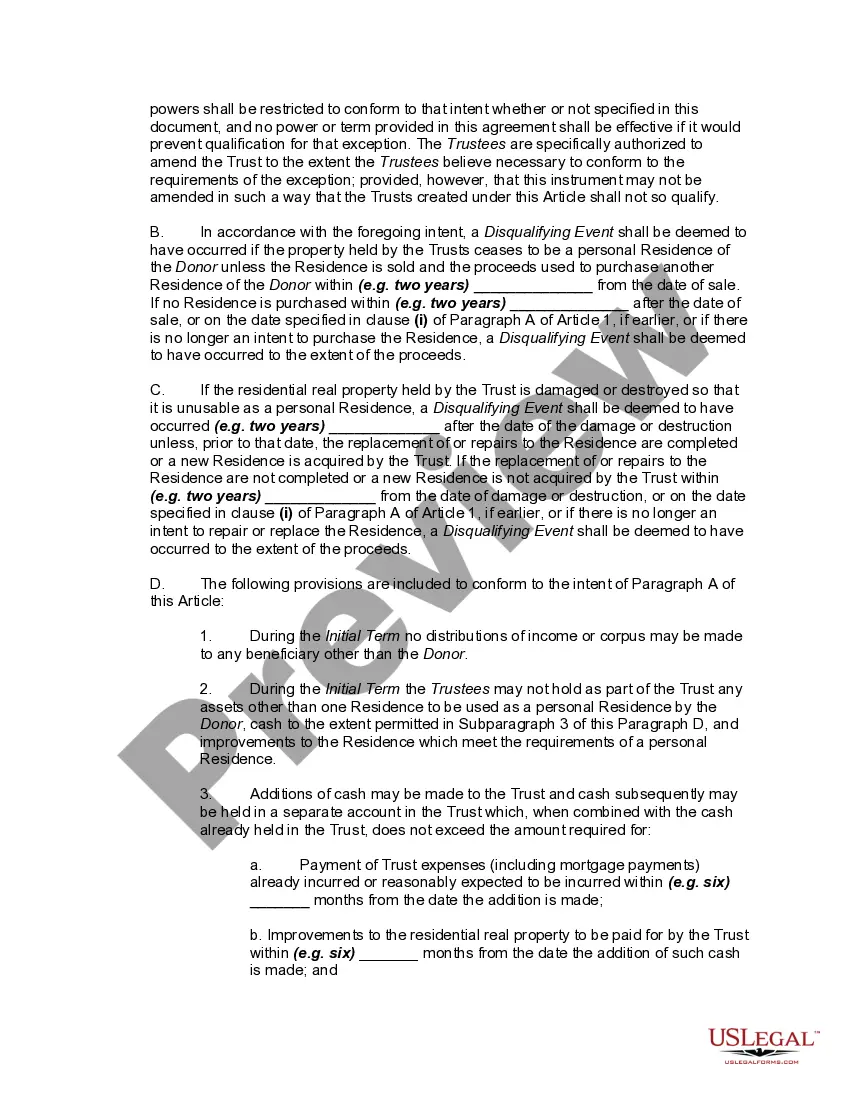
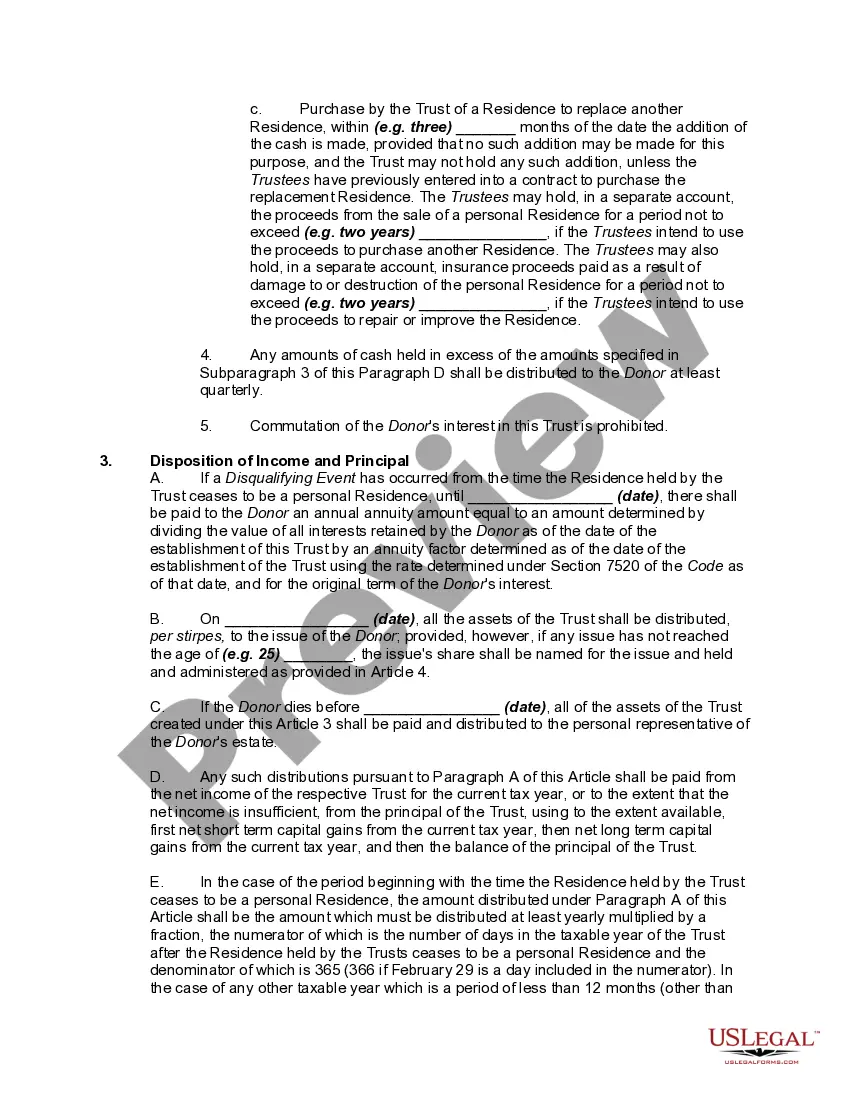
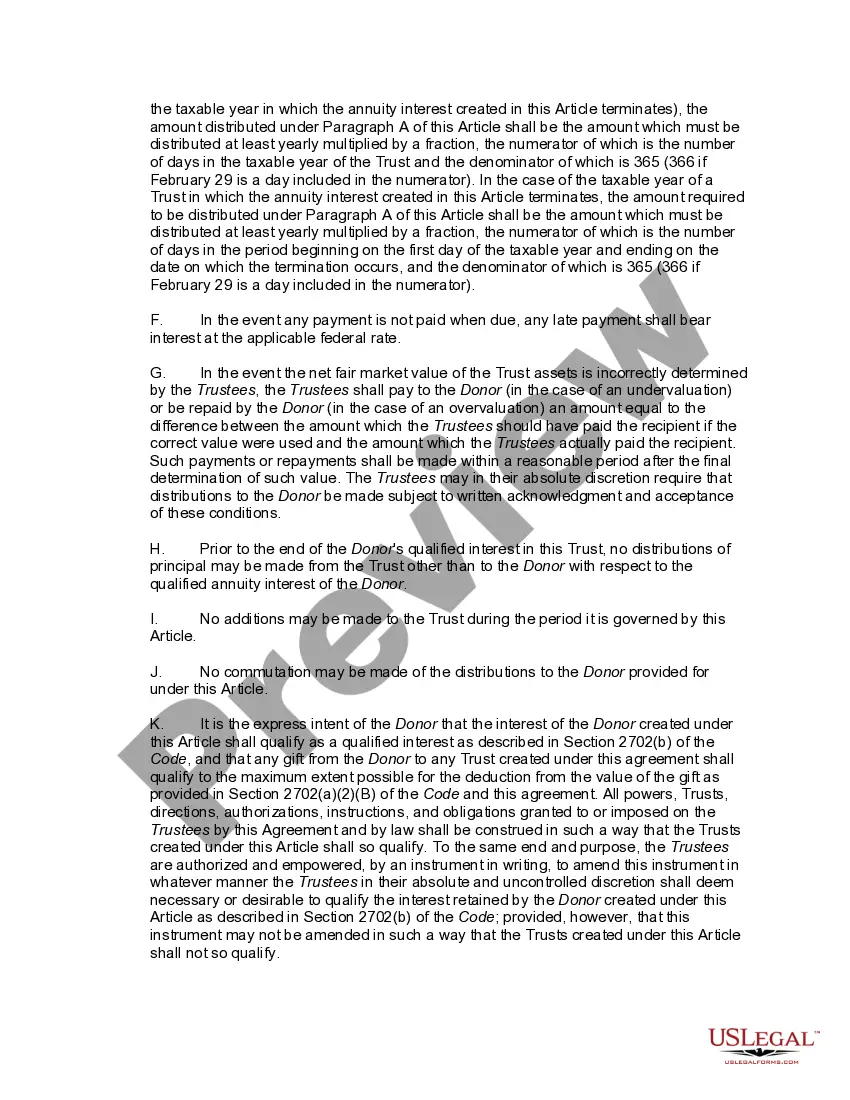

Get your form ready online
Our built-in tools help you complete, sign, share, and store your documents in one place.
Make edits, fill in missing information, and update formatting in US Legal Forms—just like you would in MS Word.
Download a copy, print it, send it by email, or mail it via USPS—whatever works best for your next step.
Sign and collect signatures with our SignNow integration. Send to multiple recipients, set reminders, and more. Go Premium to unlock E-Sign.
If this form requires notarization, complete it online through a secure video call—no need to meet a notary in person or wait for an appointment.
We protect your documents and personal data by following strict security and privacy standards.

Make edits, fill in missing information, and update formatting in US Legal Forms—just like you would in MS Word.

Download a copy, print it, send it by email, or mail it via USPS—whatever works best for your next step.

Sign and collect signatures with our SignNow integration. Send to multiple recipients, set reminders, and more. Go Premium to unlock E-Sign.

If this form requires notarization, complete it online through a secure video call—no need to meet a notary in person or wait for an appointment.

We protect your documents and personal data by following strict security and privacy standards.
Looking for another form?







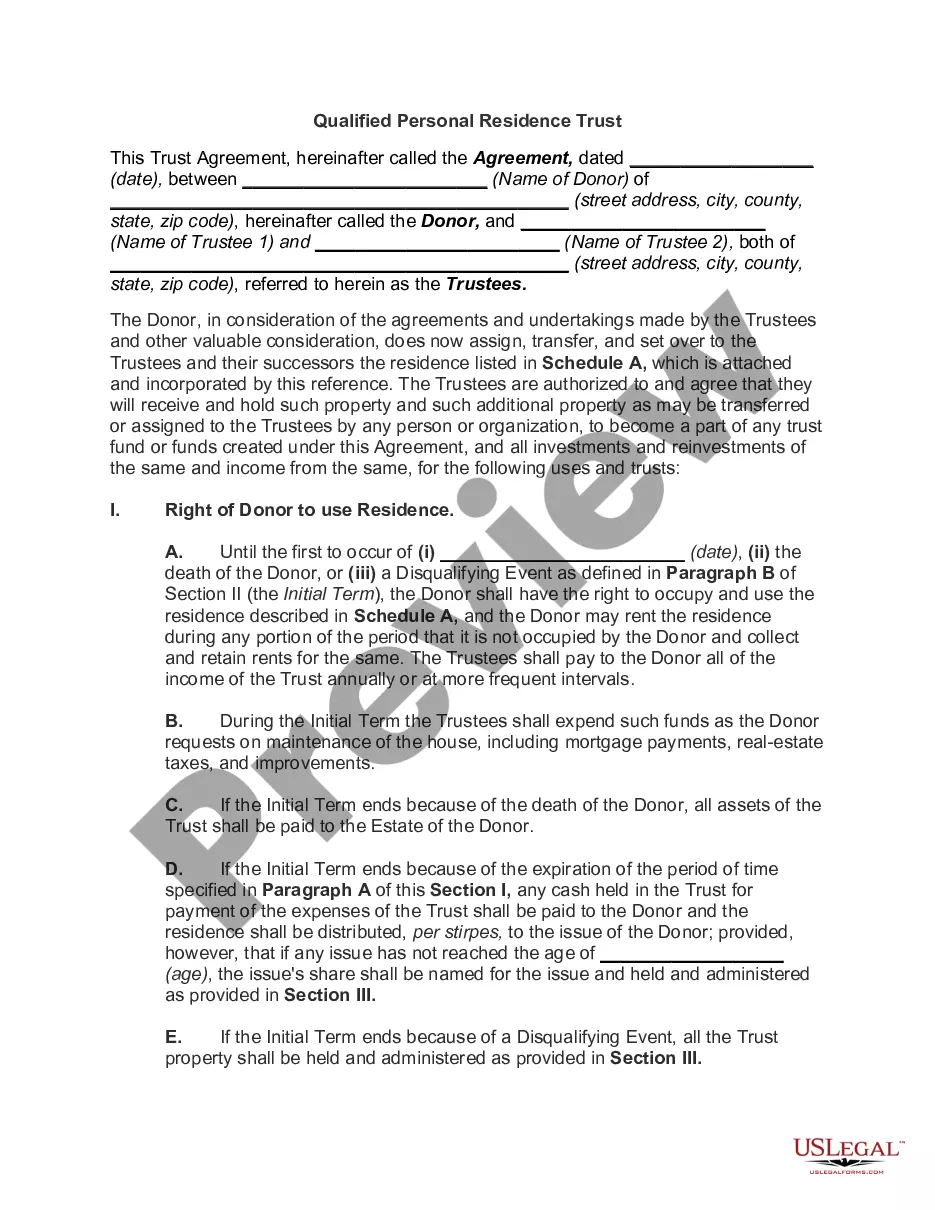
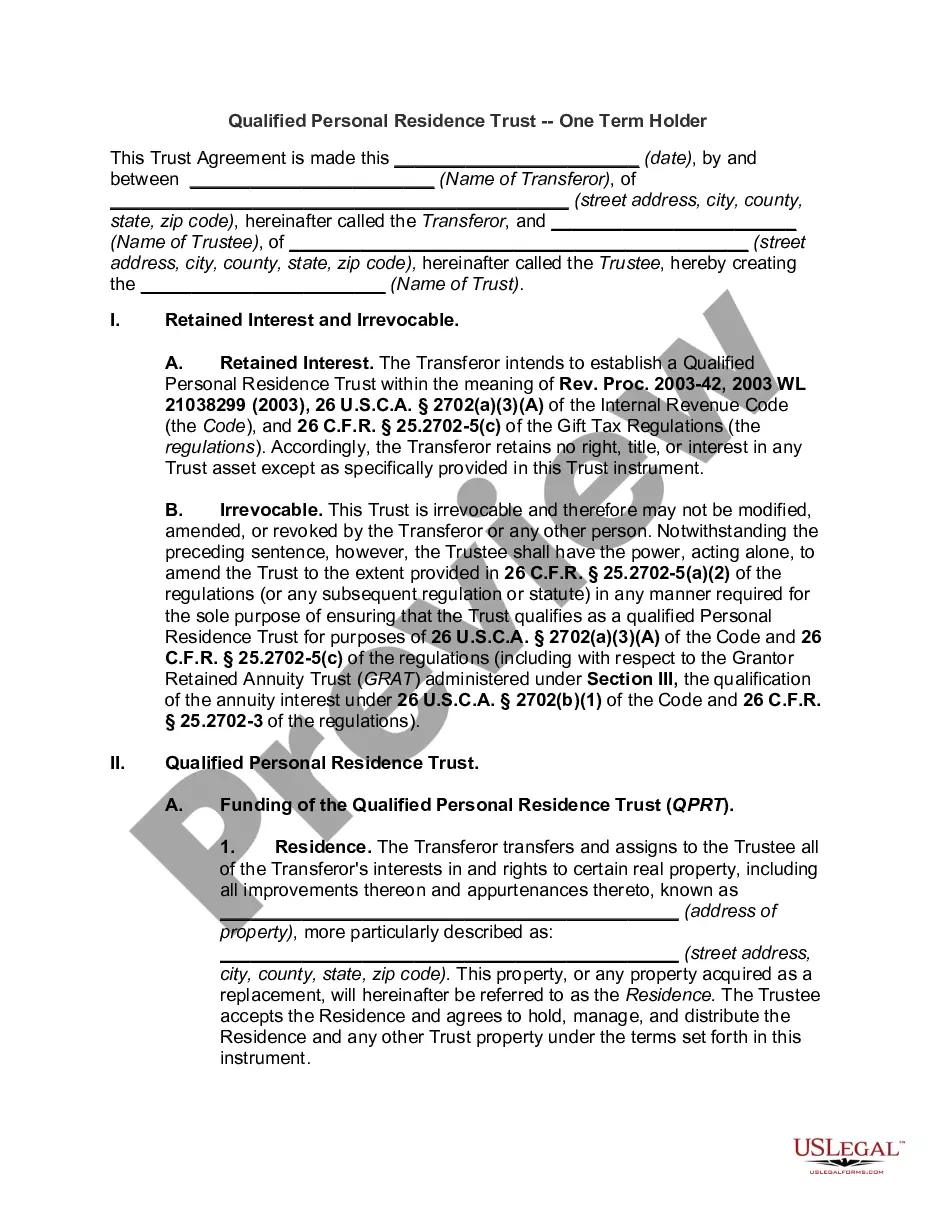
How to fill out Personal Residence Trust?
Locating a reliable source for the latest and suitable legal templates is a significant part of dealing with bureaucracy. Identifying the appropriate legal forms requires accuracy and careful consideration, which is why it's essential to obtain samples of Resident Trust For Cgt Purposes solely from reputable providers, such as US Legal Forms. An incorrect document can waste your time and hinder your situation. With US Legal Forms, you have minimal concerns. You can access and review all the details about the document’s applicability and significance for your situation and within your state or region.
Follow these steps to complete your Resident Trust For Cgt Purposes.
Once you have the form on your device, you can edit it with the editor or print it out and fill it manually. Eliminate the hassle associated with your legal paperwork. Explore the comprehensive US Legal Forms catalog to find legal samples, verify their applicability to your situation, and download them instantly.
- Utilize the directory navigation or search bar to find your template.
- Check the form’s details to determine if it meets the standards of your state and locality.
- Examine the form preview, if accessible, to confirm that the template is what you need.
- Return to the search and identify the correct template if the Resident Trust For Cgt Purposes does not match your requirements.
- If you are confident about the form’s applicability, download it.
- When you are a registered user, click Log in to verify and access your selected templates in My documents.
- If you haven't created an account yet, click Buy now to obtain the form.
- Select the pricing option that aligns with your needs.
- Proceed to register to complete your purchase.
- Finalize your transaction by selecting a payment method (credit card or PayPal).
- Choose the document format for downloading the Resident Trust For Cgt Purposes.
Form popularity
FAQ
The residency of a trust for tax purposes generally depends on where the trustee resides. If the trustee is located in the United States, the trust is typically regarded as a resident trust for CGT purposes. This classification can significantly impact tax obligations, particularly in relation to capital gains tax. Understanding the residency status is crucial for compliance and optimizing your tax position.
One of the biggest mistakes parents make when setting up a trust fund is failing to clearly define their goals and the distributions for beneficiaries. Without a solid understanding of how a resident trust for CGT purposes works, parents might inadvertently create complications regarding tax liabilities and distributions. Additionally, not regularly reviewing and updating the trust as circumstances change can lead to issues down the line. It's advisable to consult with experts to ensure that your trust fund aligns with your family's needs.
The residence of a trust for tax purposes is typically determined by where the trust is established and where the trustee operates. A resident trust for CGT purposes is generally recognized as being located in the United States if the trustee resides here. This classification affects how income and capital gains are taxed. Understanding the residence of your trust is essential for effective tax planning.
The capital gains inheritance loophole refers to the tax benefit that allows heirs to inherit assets at their current market value, thus resetting the tax basis. When dealing with a resident trust for CGT purposes, this approach can result in significant tax savings for beneficiaries upon sale. Essentially, the gains accumulated during the original owner's lifetime are not taxed when the assets transfer to heirs. This loophole provides a crucial advantage when planning for estate management.
Trusts can effectively avoid capital gains tax by being structured as a resident trust for CGT purposes. This structure allows the trust to pass capital gains directly to beneficiaries, who may be in lower tax brackets. Additionally, certain types of trusts can utilize tax exemptions and deductions, helping to minimize taxable income. Thus, creating a trust can be a strategic way to manage capital gains.
Indeed, trusts can qualify for the 50% CGT discount, provided they adhere to the appropriate guidelines and asset holding conditions. This discount significantly reduces the amount of tax payable on any capital gains realized after holding assets for over a year. For a resident trust for CGT purposes, proper setup and compliance are crucial. Consulting with professionals can ensure that you're maximizing the benefits of this tax provision.
The so-called trust fund loophole allows certain trusts to manage capital gains more favorably than individual taxpayers. By distributing capital gains to beneficiaries with lower-income tax rates, trusts can take advantage of lower tax liabilities. However, this concept can be nuanced, and leveraging a resident trust for CGT purposes must be done carefully, often requiring expert knowledge. You may find USLegalForms resources invaluable for navigating this landscape.
A trust can reduce capital gains tax through strategic distributions and asset management. By allocating capital gains to beneficiaries in lower tax brackets, trusts can minimize overall tax liability. Moreover, proper management of the trust's assets may allow for the long-term holding of investments, which can lead to qualifying for the 50% CGT discount. Utilizing a resident trust for CGT purposes effectively can enhance your tax efficiency.
Yes, under specific conditions, a resident trust can qualify for the 50% CGT discount. This discount applies to capital gains that arise from assets held for more than 12 months. It’s essential to structure the trust properly and meet all regulatory requirements. Consulting with a tax professional familiar with resident trust for CGT purposes can help optimize your setup.
While placing your house in a trust can provide tax benefits, it also has potential downsides. These may include upfront legal costs, administrative responsibilities, and reduced control over your property. It's essential to weigh these factors carefully, and consulting experts can help you make an informed decision regarding a resident trust for CGT purposes.