Qualified Trust Caps Contract With The Us
Description

Get your form ready online
Our built-in tools help you complete, sign, share, and store your documents in one place.
Make edits, fill in missing information, and update formatting in US Legal Forms—just like you would in MS Word.
Download a copy, print it, send it by email, or mail it via USPS—whatever works best for your next step.
Sign and collect signatures with our SignNow integration. Send to multiple recipients, set reminders, and more. Go Premium to unlock E-Sign.
If this form requires notarization, complete it online through a secure video call—no need to meet a notary in person or wait for an appointment.
We protect your documents and personal data by following strict security and privacy standards.

Make edits, fill in missing information, and update formatting in US Legal Forms—just like you would in MS Word.

Download a copy, print it, send it by email, or mail it via USPS—whatever works best for your next step.

Sign and collect signatures with our SignNow integration. Send to multiple recipients, set reminders, and more. Go Premium to unlock E-Sign.

If this form requires notarization, complete it online through a secure video call—no need to meet a notary in person or wait for an appointment.

We protect your documents and personal data by following strict security and privacy standards.
Looking for another form?





How to fill out Qualified Income Miller Trust?
- If you're a returning user, log in to your account and select the form you need. Ensure your subscription is active; renew it if it isn’t.
- For first-time users, begin by checking the Preview mode and the description to confirm it meets your local jurisdiction requirements.
- If necessary, utilize the Search tab to find a different template that better suits your needs.
- After finding the correct document, click on the Buy Now button and select your preferred subscription plan. You'll need to create an account for full access.
- Complete your purchase by entering your payment information or using your PayPal account for convenience.
- Finally, download your form to your device and access it anytime from the My Forms menu of your profile.
With US Legal Forms, you can rest assured that you have access to a vast collection of legal documents tailored to your specific needs. Plus, expert assistance is available to ensure your forms are completed accurately.
Start your legal documentation journey today with US Legal Forms. Don't miss out on the comprehensive resources available at your fingertips!
Form popularity
FAQ
Filling out a trust fund involves several key steps. First, gather all necessary documents, including the trust agreement and details about the assets you wish to include. Next, specify the beneficiaries and their shares in the trust. Finally, ensure that you understand how the qualified trust caps contract with the US impacts your trust, as it outlines specific regulations and benefits that may apply.
When the individual who established a Qualified Income Trust passes away, the assets within the trust are generally subject to the terms outlined in the trust document. Depending on the structure of the trust, assets may be distributed to beneficiaries or retained for payment of final expenses, debts, or taxes. Additionally, the trust may need to be dissolved, and understanding the implications can help in managing the estate effectively.
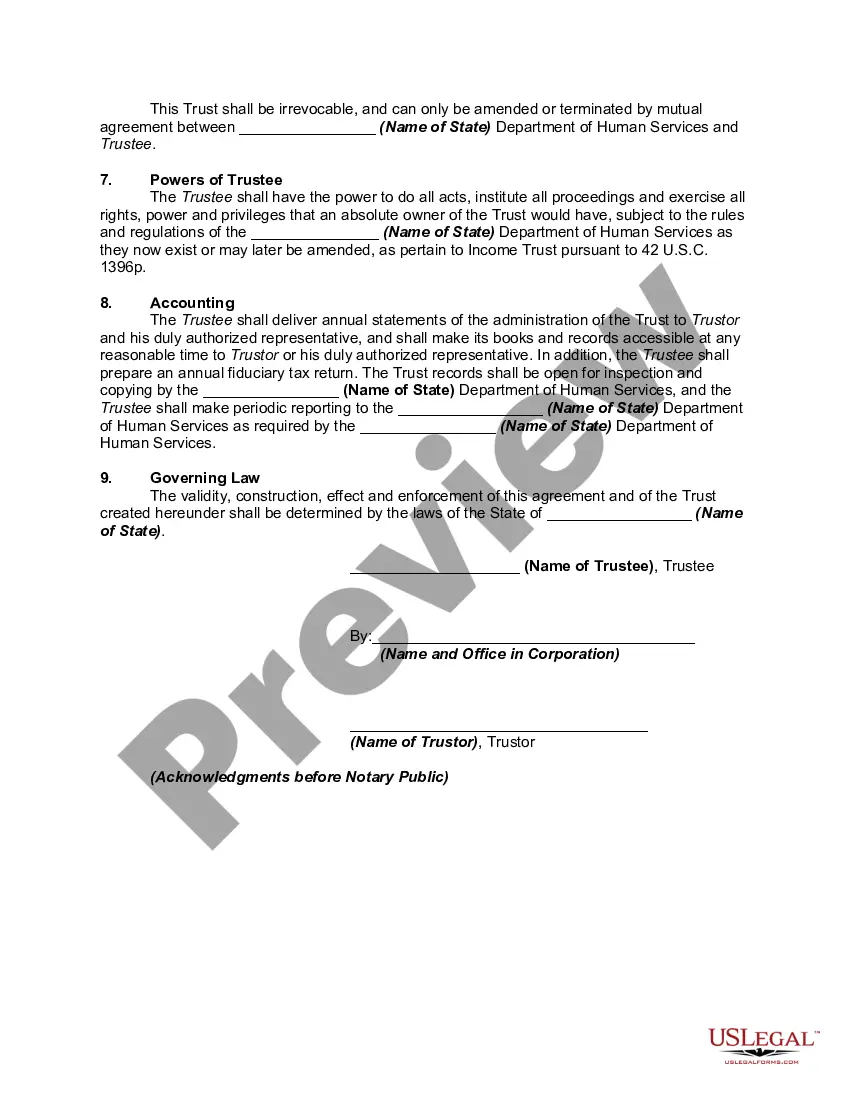
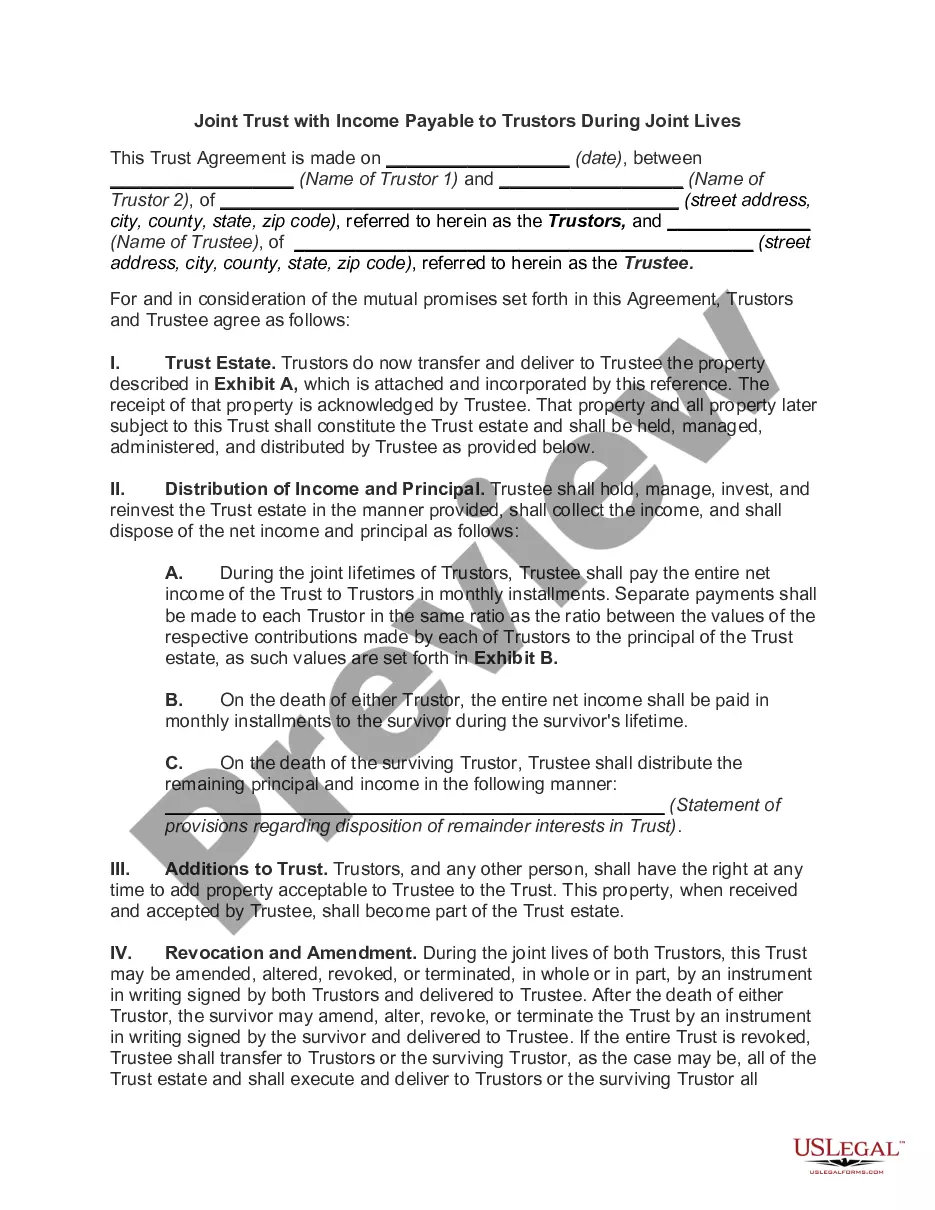
Setting up a trust fund in the US requires you to decide on the type of trust that best suits your needs, such as a revocable or irrevocable trust. You will then draft a trust document that defines the terms of the trust, designate a trustee, and transfer assets into the trust. Utilizing a platform like US Legal Forms can streamline this process by providing templates and guidance for creating the trust and making it legally compliant.
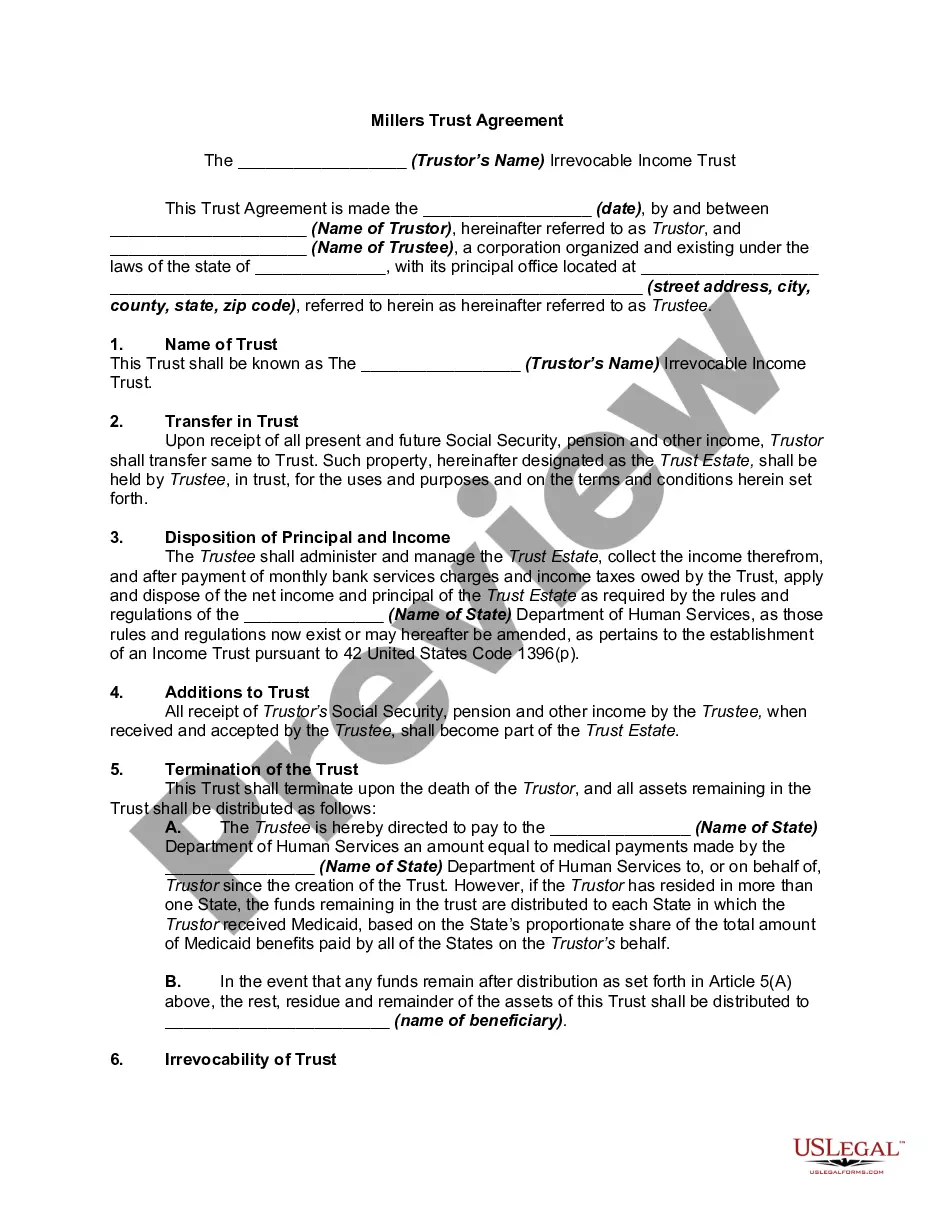
To set up a Qualified Income Trust (QIT), also known as a qualified trust caps contract with the US, you must first draft a trust document that outlines your intentions for the trust. You will need to establish a bank account specifically for the trust and ensure that the account is used to hold income solely for the purpose of paying for medical costs and other qualifying expenses. It is highly advisable to consult a legal professional to ensure compliance with state regulations.
A QIT document is a legal instrument that establishes a Qualified Income Trust, designed to hold income in order to meet Medicaid eligibility requirements. This document specifies the terms of the trust, including the rights and responsibilities of the trustee and the beneficiaries. By clearly defining these elements, it helps maximize benefits while adhering to the qualified trust caps contract with the US. If you need assistance creating a QIT document, US Legal Forms offers resources to guide you through the process.
To set up a Qualified Income Trust (QIT), you first need to draft the trust document that outlines how the trust will function. This document should include details about the trustee, the beneficiaries, and the income distribution process. After the document is prepared, you need to fund the trust by transferring the appropriate assets into it. By following these steps, you ensure that you comply with the qualified trust caps contract with the US, which helps protect your eligibility for government benefits.
Funds within a Qualified Income Trust (QIT) can only be used for specific expenses as mandated by state law, ensuring compliant usage. Common uses include paying for medical expenses, personal care services, and the monthly maintenance of living costs, including housing. Utilizing a qualified trust caps contract with the US grants you the ability to preserve funds while remaining eligible for Medicaid. Thus, these funds serve to support your needs without jeopardizing your assistance.
A Qualified Income Trust (QIT) account allows individuals to manage their income in a way that remains compliant with the legal standards of Medicaid in the United States. This type of account creates a separate trust that holds funds, ensuring that any income above the state's threshold does not disqualify you from receiving benefits. By using a qualified trust caps contract with the US, the account enables you to allocate funds properly while protecting your eligibility for crucial aid. Therefore, it simplifies financial management under state regulations.