Affidavit Asylum Sample With Notary
Description
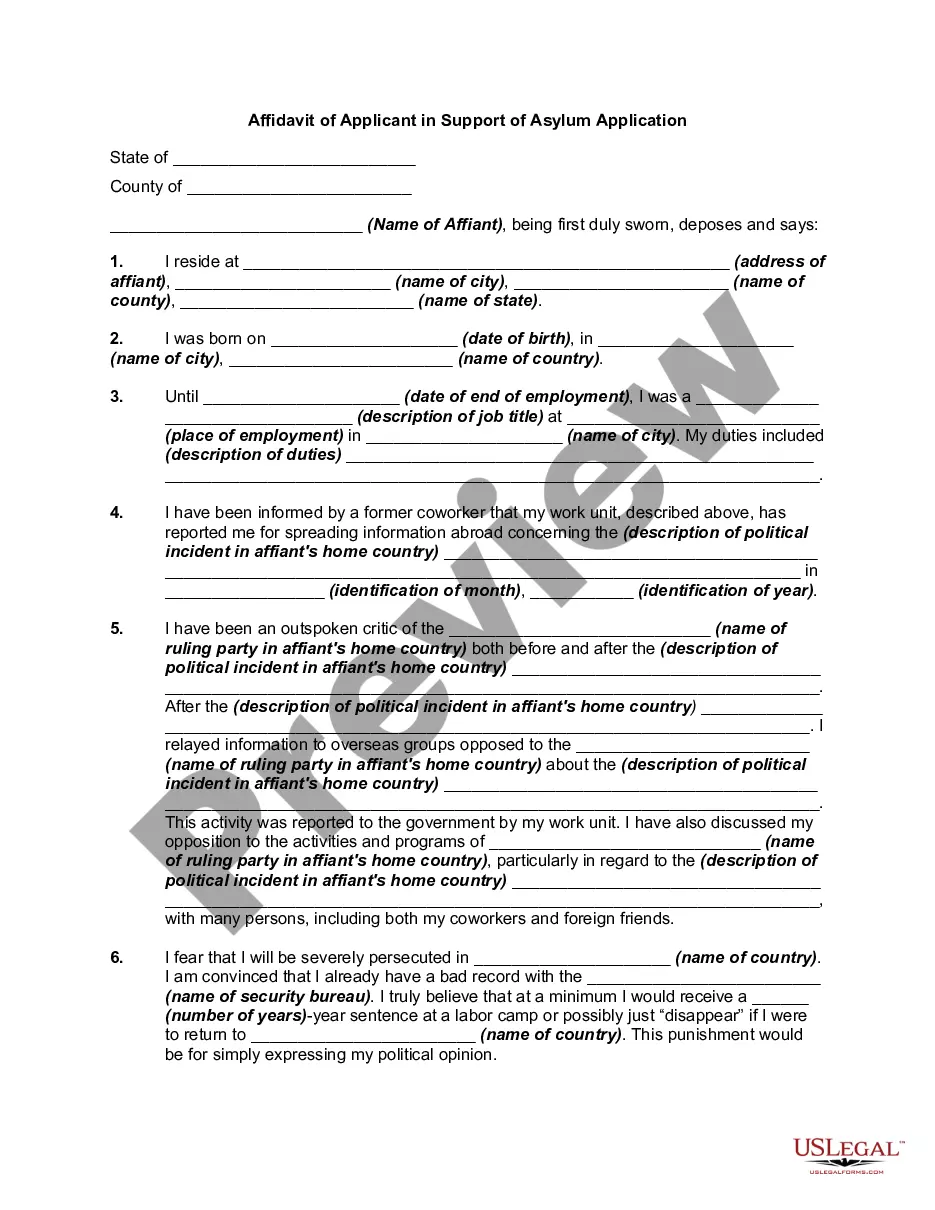
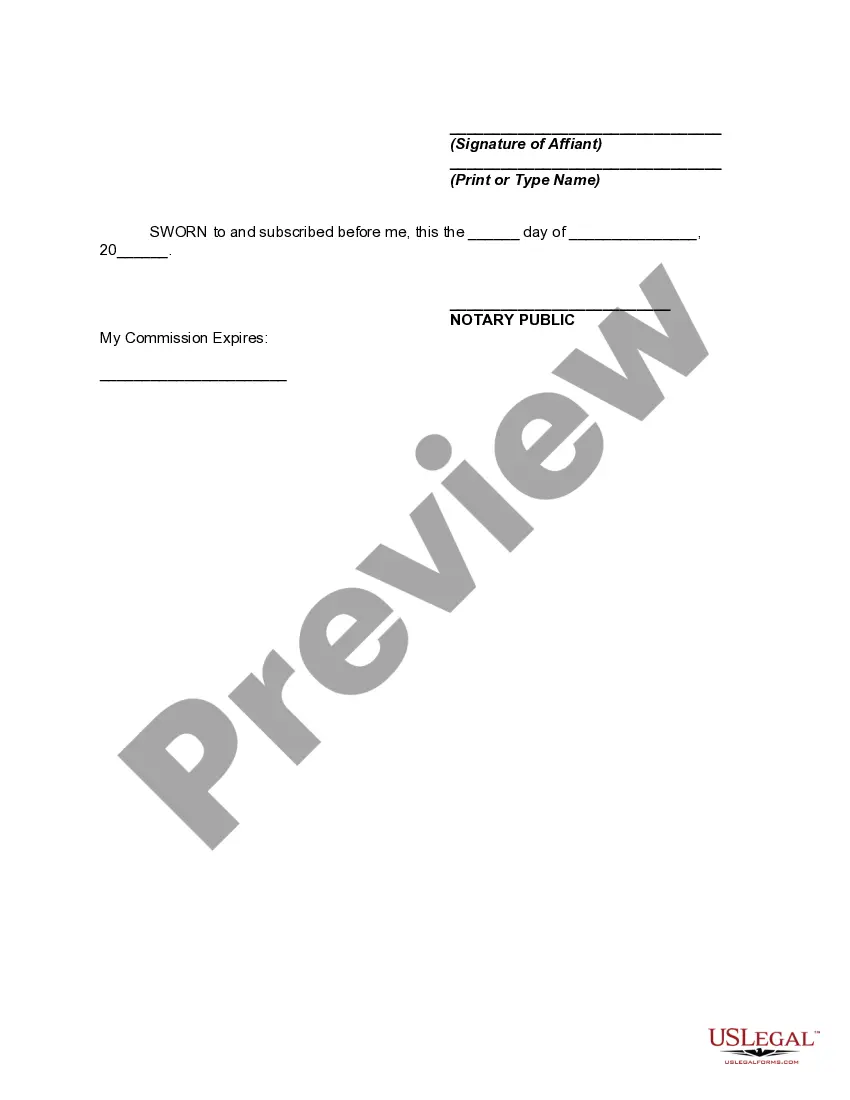
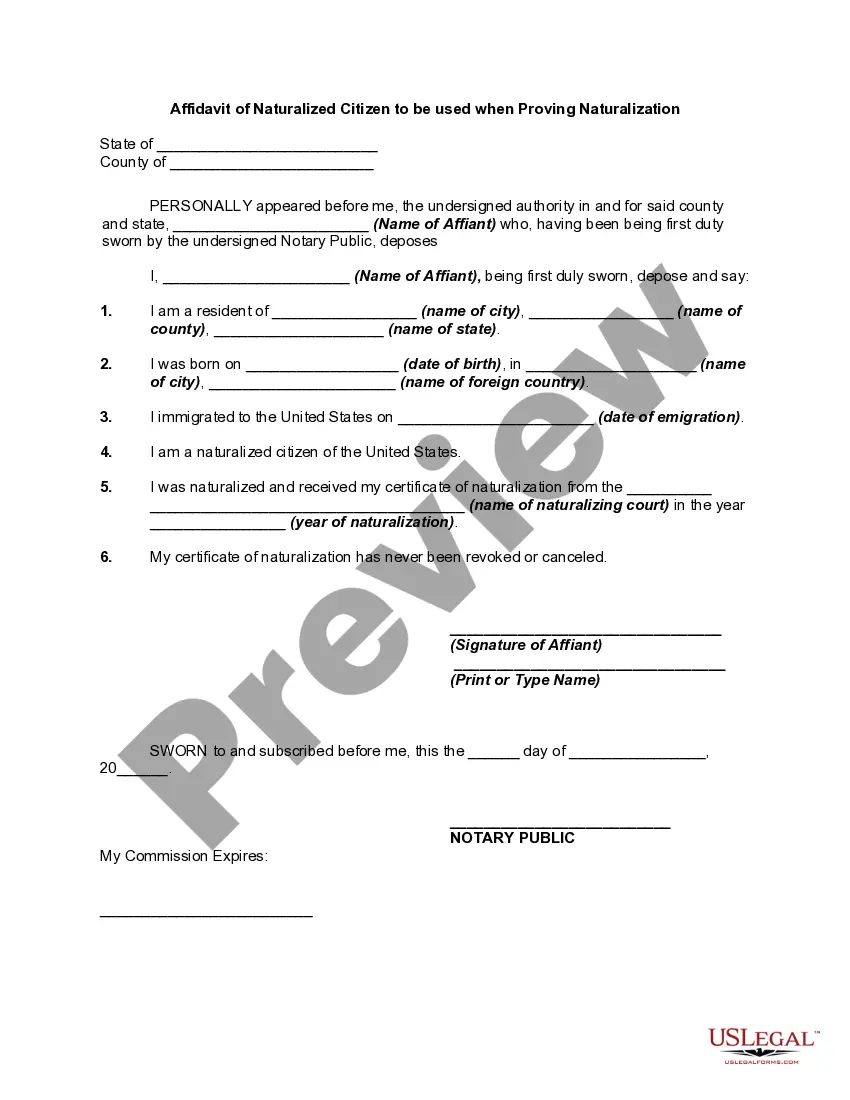
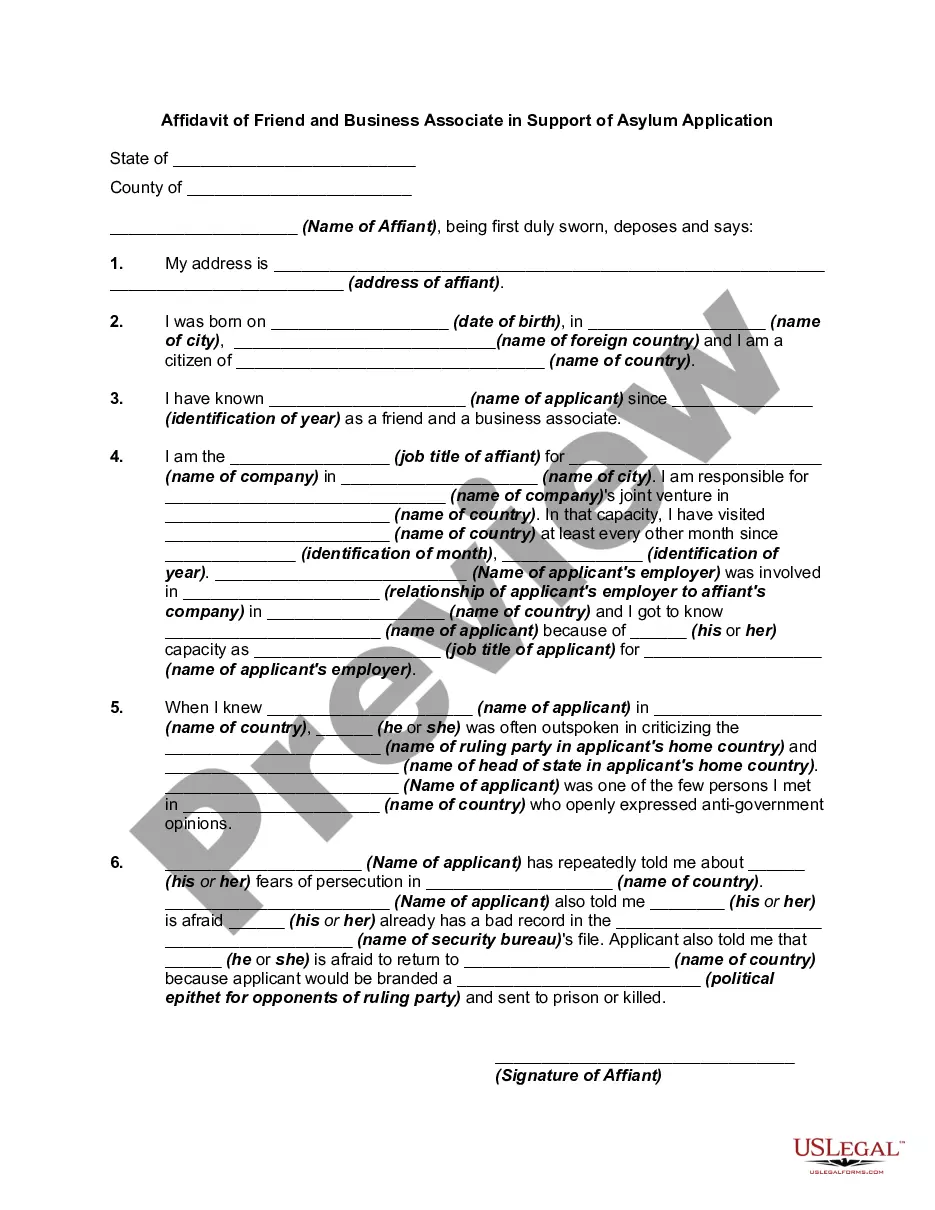
Get your form ready online
Our built-in tools help you complete, sign, share, and store your documents in one place.
Make edits, fill in missing information, and update formatting in US Legal Forms—just like you would in MS Word.
Download a copy, print it, send it by email, or mail it via USPS—whatever works best for your next step.
Sign and collect signatures with our SignNow integration. Send to multiple recipients, set reminders, and more. Go Premium to unlock E-Sign.
If this form requires notarization, complete it online through a secure video call—no need to meet a notary in person or wait for an appointment.
We protect your documents and personal data by following strict security and privacy standards.

Make edits, fill in missing information, and update formatting in US Legal Forms—just like you would in MS Word.

Download a copy, print it, send it by email, or mail it via USPS—whatever works best for your next step.

Sign and collect signatures with our SignNow integration. Send to multiple recipients, set reminders, and more. Go Premium to unlock E-Sign.

If this form requires notarization, complete it online through a secure video call—no need to meet a notary in person or wait for an appointment.

We protect your documents and personal data by following strict security and privacy standards.
Looking for another form?
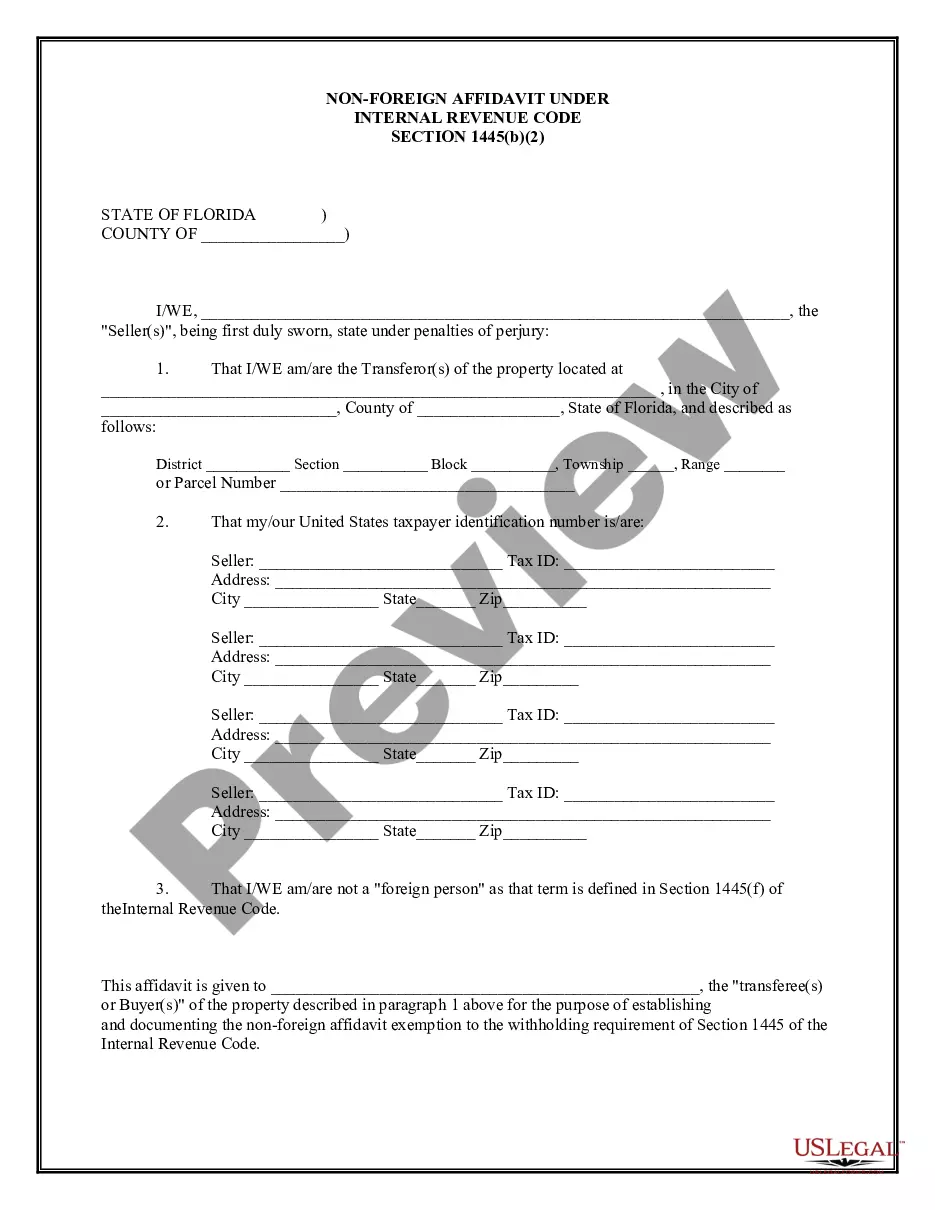
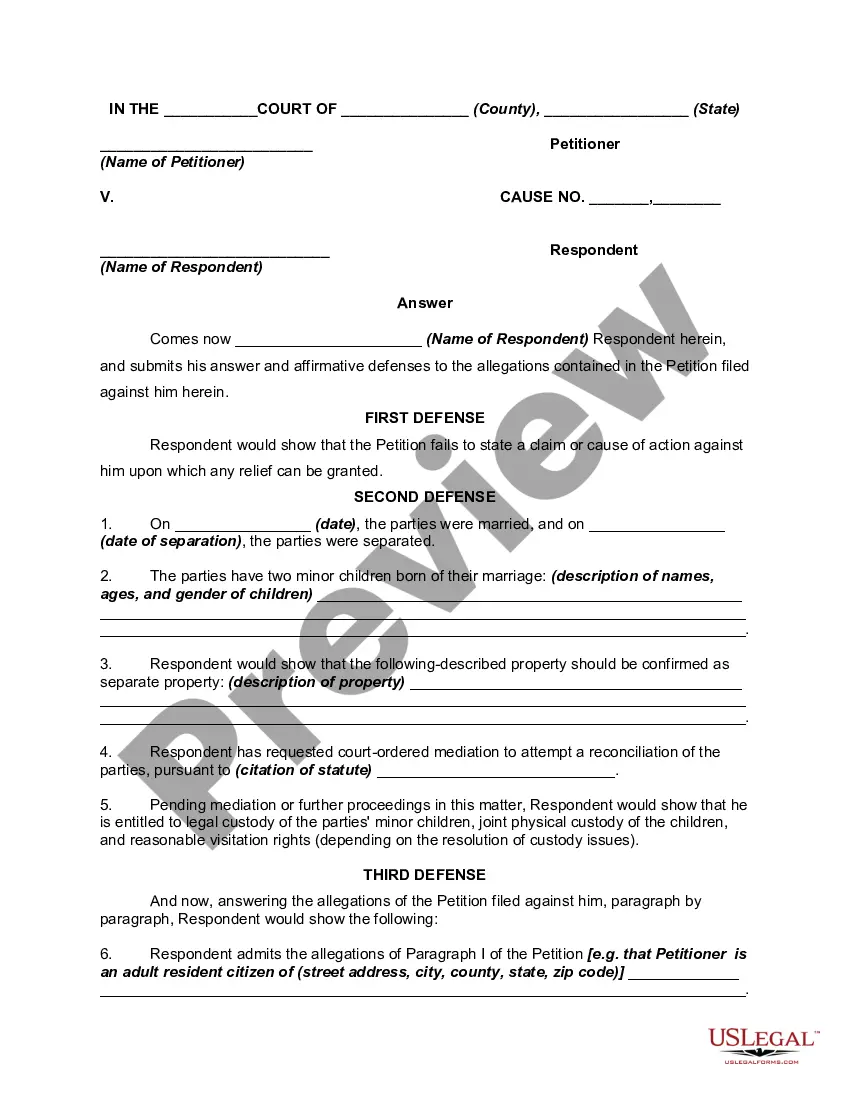
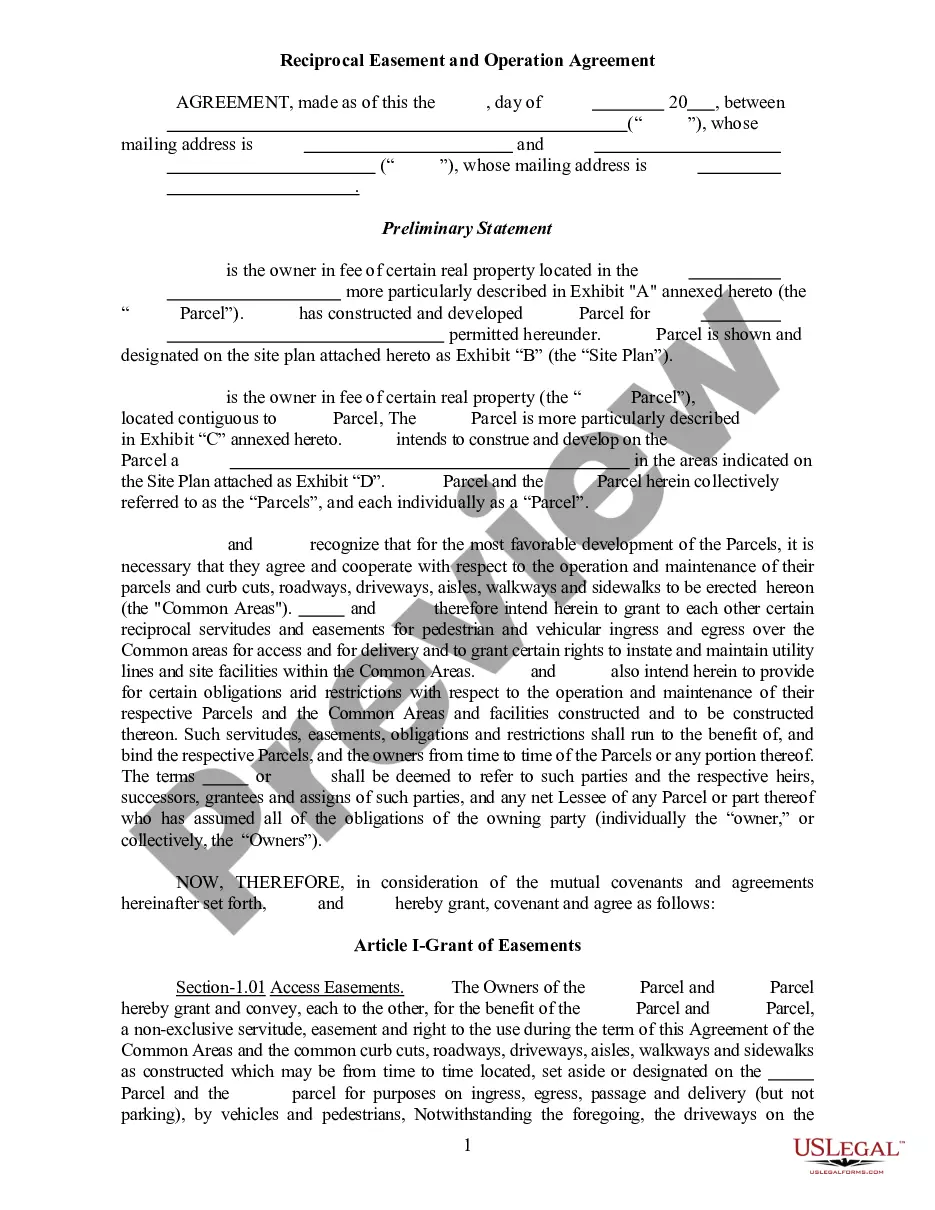
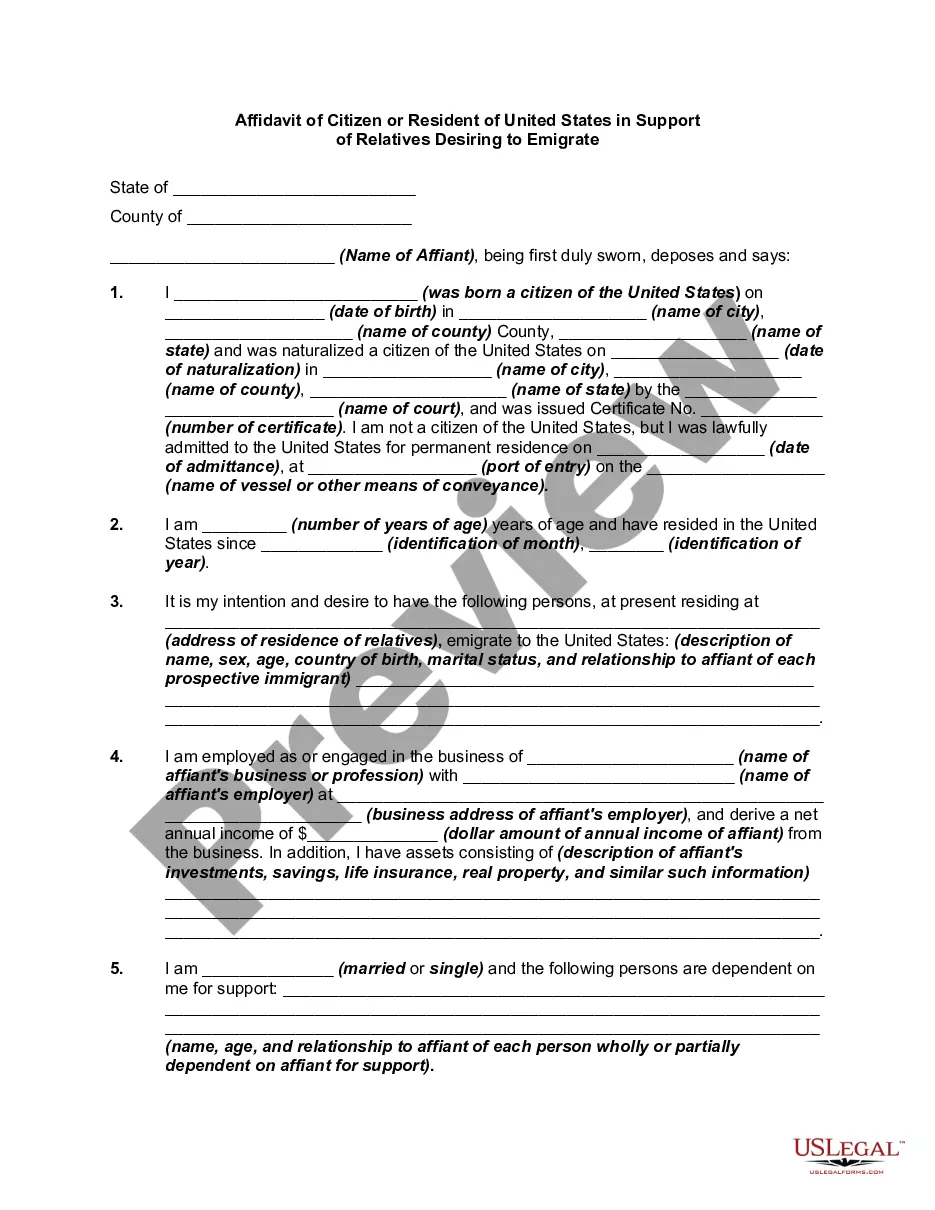
How to fill out Affidavit And Proof Of Applicant In Support Of Asylum Application?
Managing legal documents can be daunting, even for experienced individuals.
When you're in need of an Affidavit Asylum Sample With Notary and lack the time to search for the accurate and current version, the tasks can become challenging.
Tap into a resource hub filled with articles, guides, handbooks, and materials pertinent to your situation and needs.
Conserve time and energy searching for the forms you require, and leverage US Legal Forms’ sophisticated search and Preview feature to locate the Affidavit Asylum Sample With Notary and obtain it.
Confirm that the template is accepted in your state or county.
- If you have a monthly subscription, Log Into your US Legal Forms account, search for the required form, and obtain it.
- Visit the My documents tab to view the documents you have previously downloaded and manage your folders as needed.
- If you are new to US Legal Forms, create a free account for unlimited access to all platform benefits.
- Here are the steps to follow after accessing your desired form.
- Ensure this is the appropriate form by previewing it and reviewing its details.
- Access state- or county-specific legal and business documents.
- US Legal Forms accommodates all your requirements, from personal to corporate paperwork, in one place.
- Utilize advanced tools to complete and manage your Affidavit Asylum Sample With Notary.
Form popularity
FAQ
Witness Statements And Affidavits Corroborating witness statements can strengthen your claim and is good evidence for your asylum case. These affidavits could be from friends, family, colleagues, or any other person who can vouch for your story or even just some part of your story.
It should describe the applicant's fear of returning to her country, addressing the following requirements of the asylum claim: 1) persecution; 2) protected category; 3) reason for the persecution; 4) inability and unwillingness of government to control the abuser; 5) the applicant's well-founded fear; 6) her inability ...
It is better to keep your statement to about five to ten pages and focus on the parts of your story that explain why you need protection. You do not need to reference asylum law or country conditions in your statement. It is better to use your statement to tell your personal story from the heart.
It should include complete details of the event, when the event occurred, who persecuted the applicant, the applicant's protected characteristics, reasons why the applicant was targeted, what their motives were and country conditions of the applicant.
Applicant should have the declaration notarized prior to the asylum interview date. Civil Documents: May include IDs, certifications, academic records, residential documents, etc. Additional asylum-related evidence: Any asylum-related evidence not previously submitted.