File Charges For Theft
Description


Get your form ready online
Our built-in tools help you complete, sign, share, and store your documents in one place.
Make edits, fill in missing information, and update formatting in US Legal Forms—just like you would in MS Word.
Download a copy, print it, send it by email, or mail it via USPS—whatever works best for your next step.
Sign and collect signatures with our SignNow integration. Send to multiple recipients, set reminders, and more. Go Premium to unlock E-Sign.
If this form requires notarization, complete it online through a secure video call—no need to meet a notary in person or wait for an appointment.
We protect your documents and personal data by following strict security and privacy standards.

Make edits, fill in missing information, and update formatting in US Legal Forms—just like you would in MS Word.

Download a copy, print it, send it by email, or mail it via USPS—whatever works best for your next step.

Sign and collect signatures with our SignNow integration. Send to multiple recipients, set reminders, and more. Go Premium to unlock E-Sign.

If this form requires notarization, complete it online through a secure video call—no need to meet a notary in person or wait for an appointment.

We protect your documents and personal data by following strict security and privacy standards.
Looking for another form?
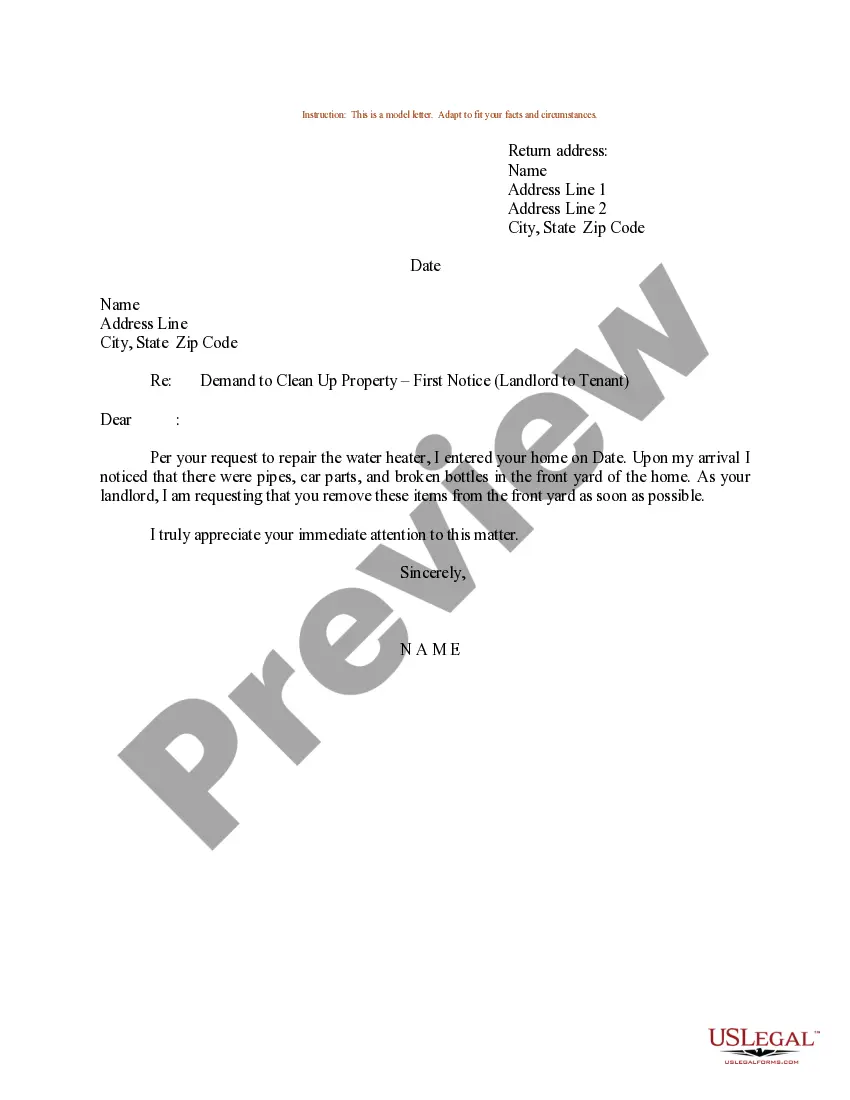

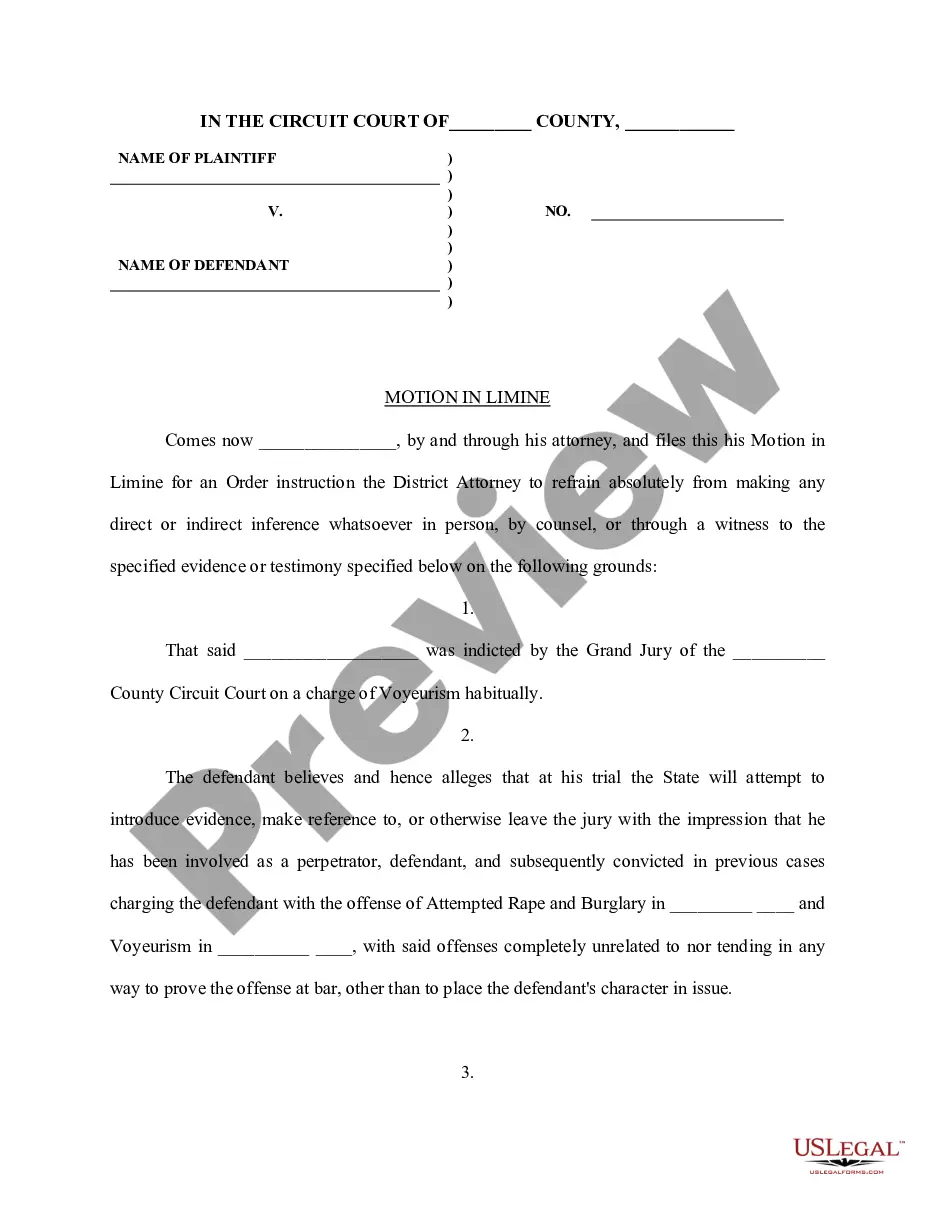
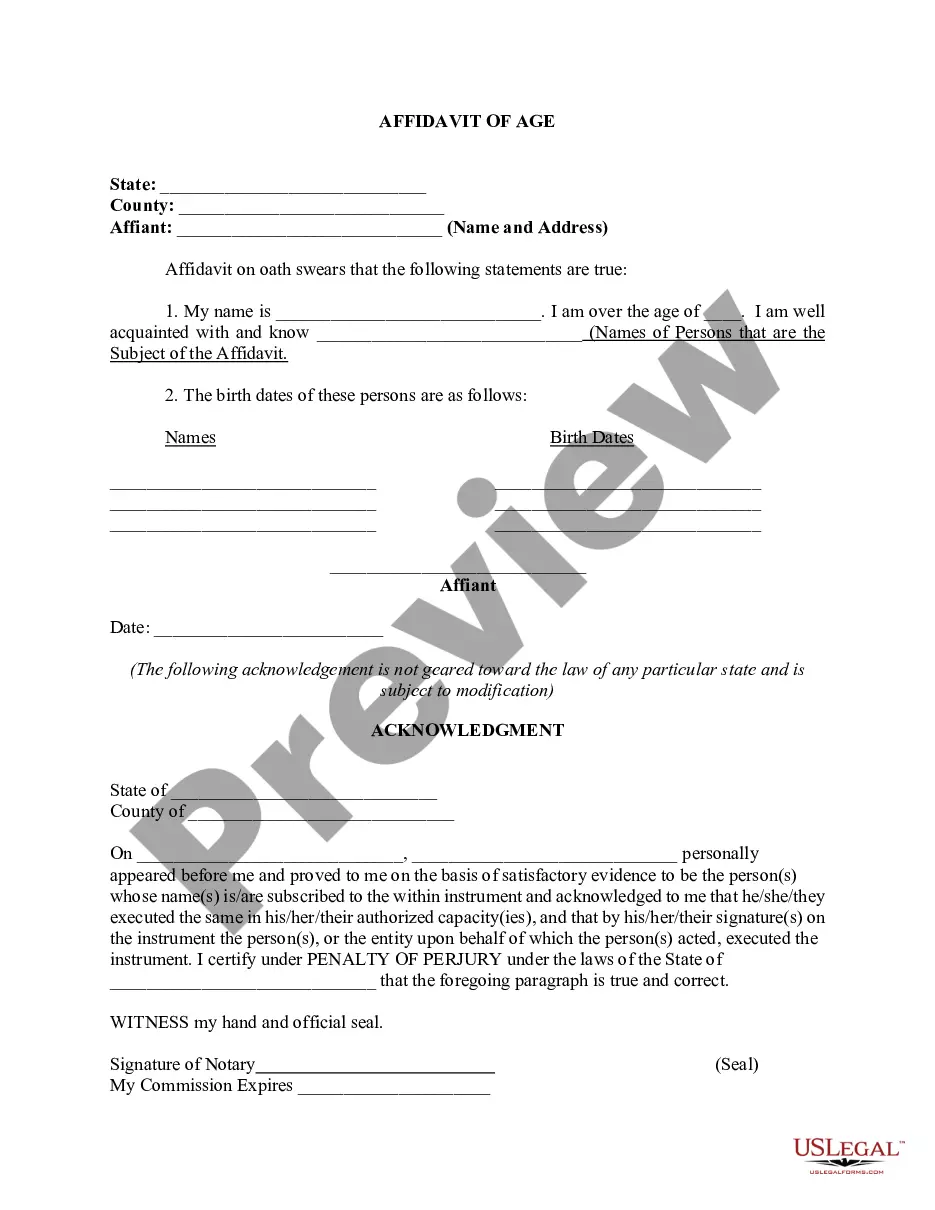


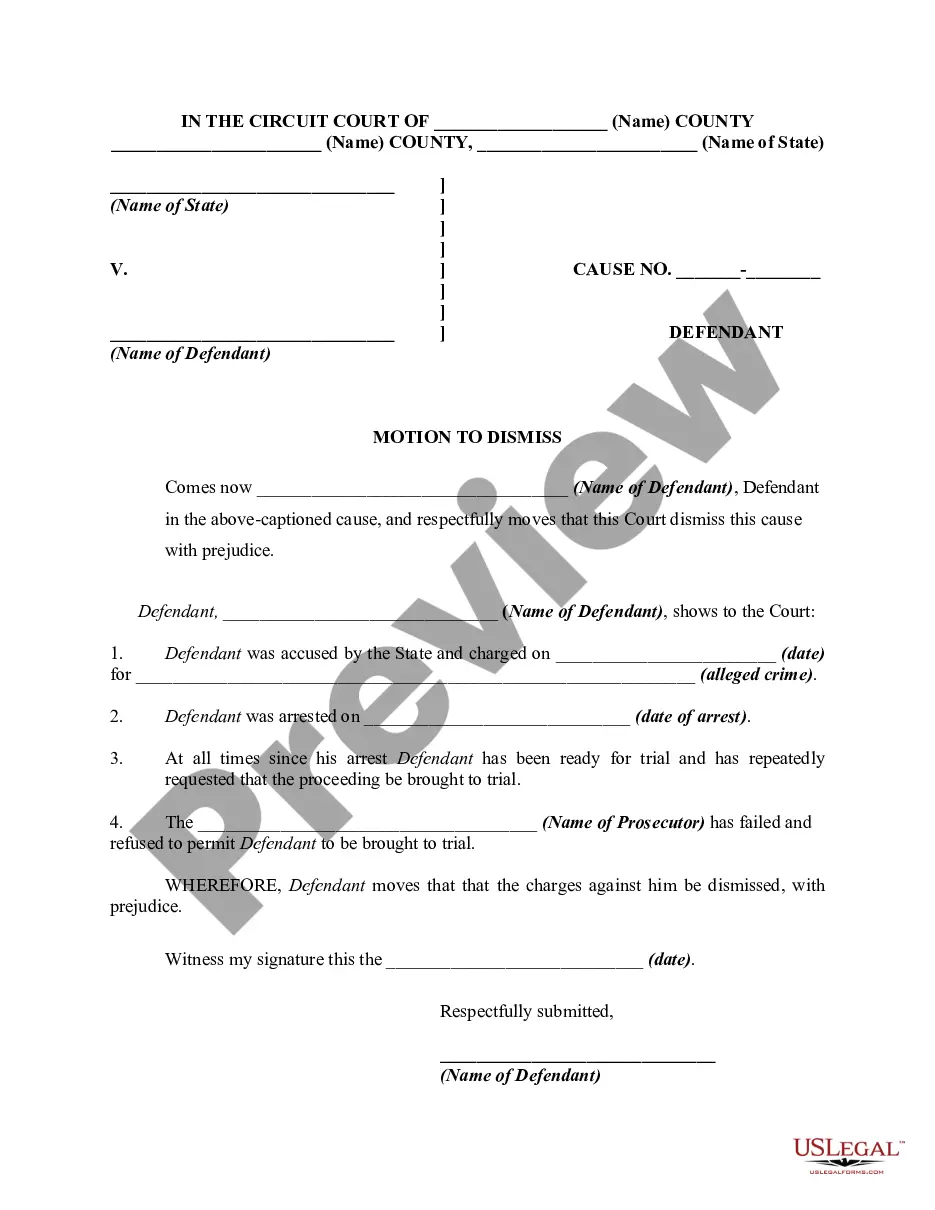
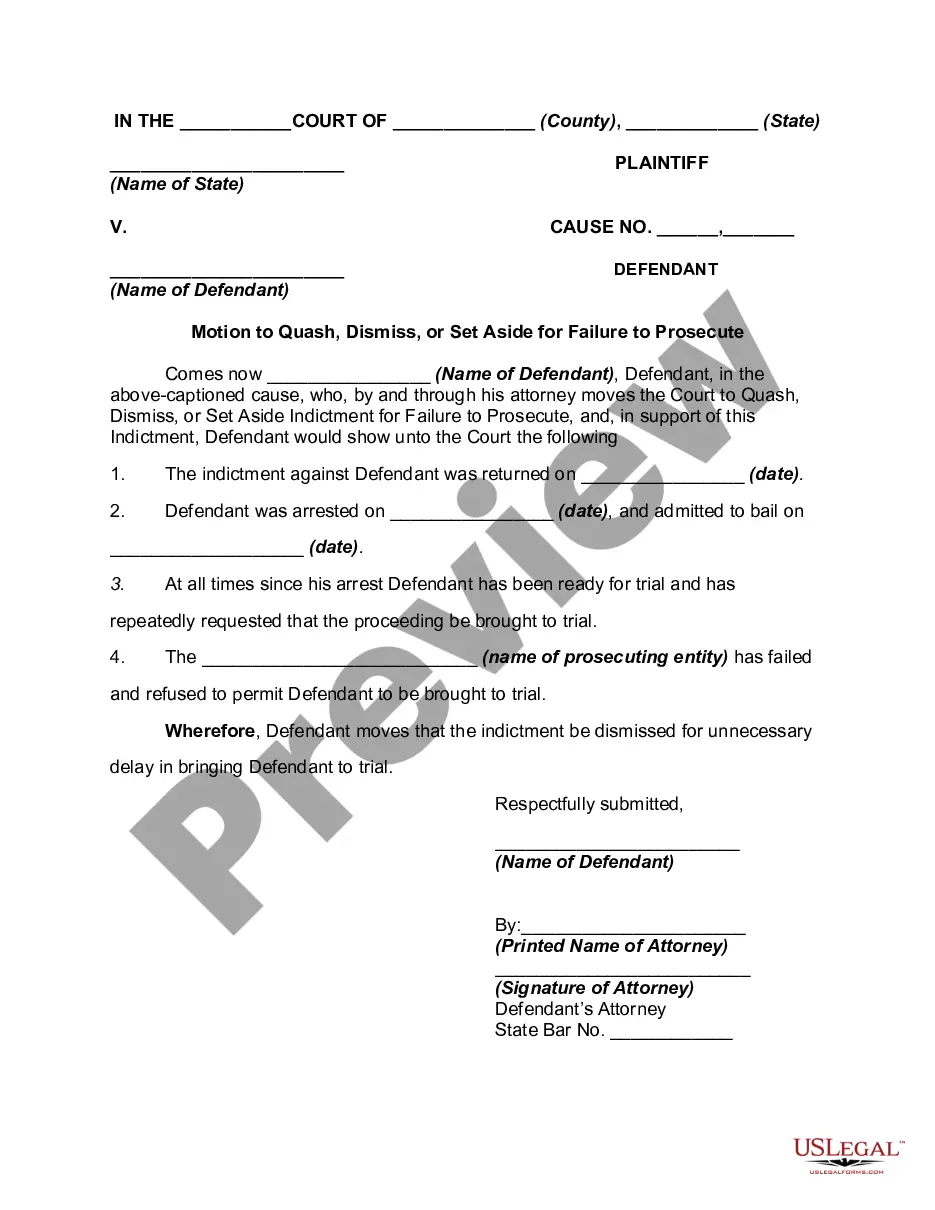
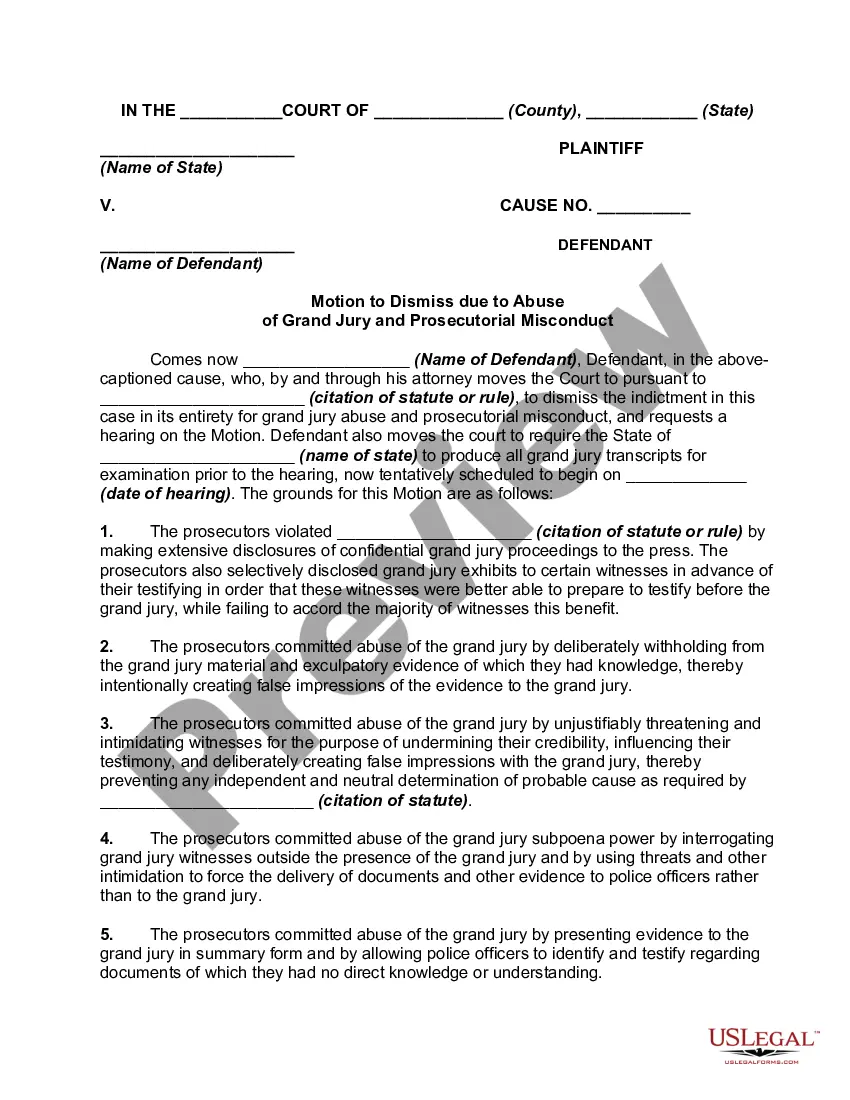
How to fill out Motion To Quash, Dismiss, Or Set Aside Criminal Charges For Failure To Prosecute?
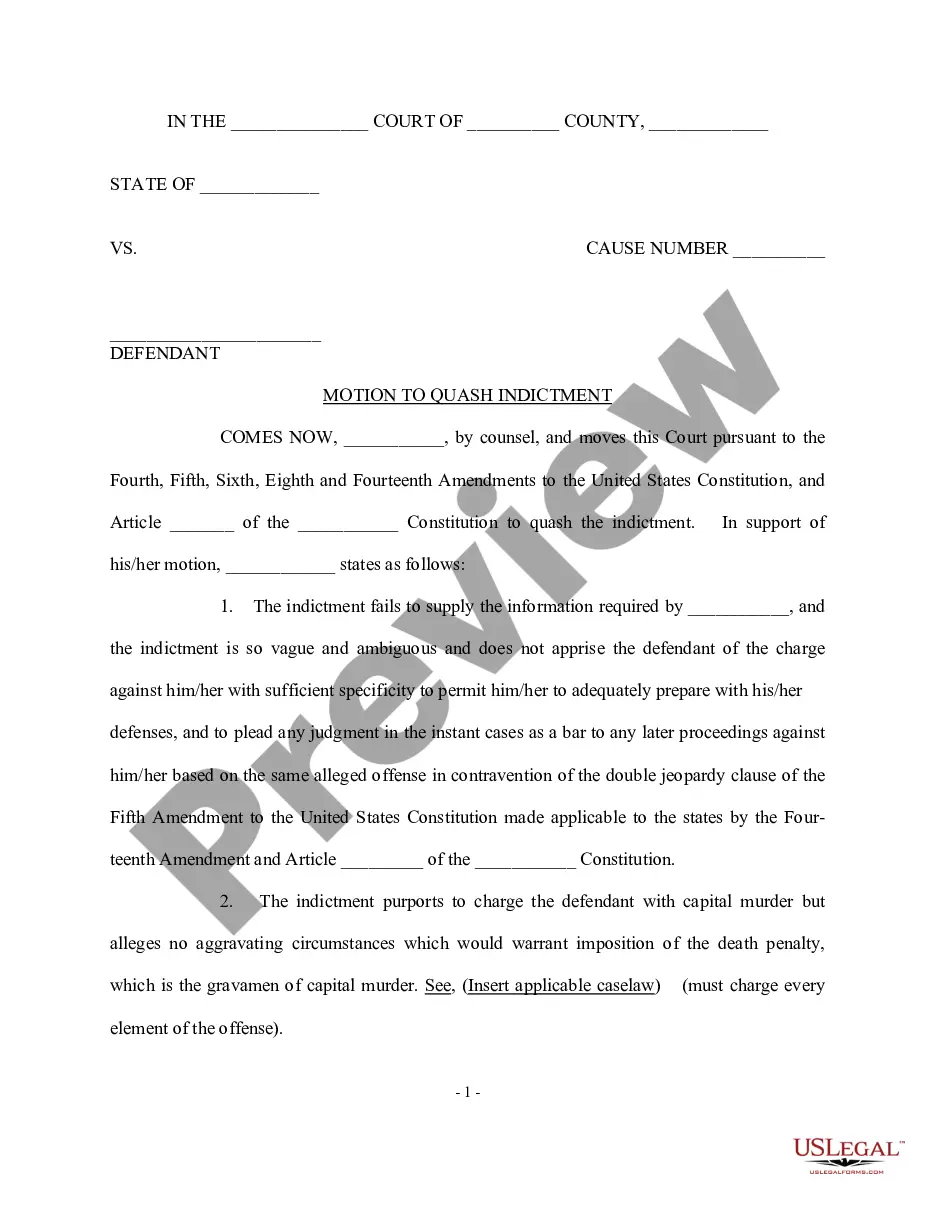
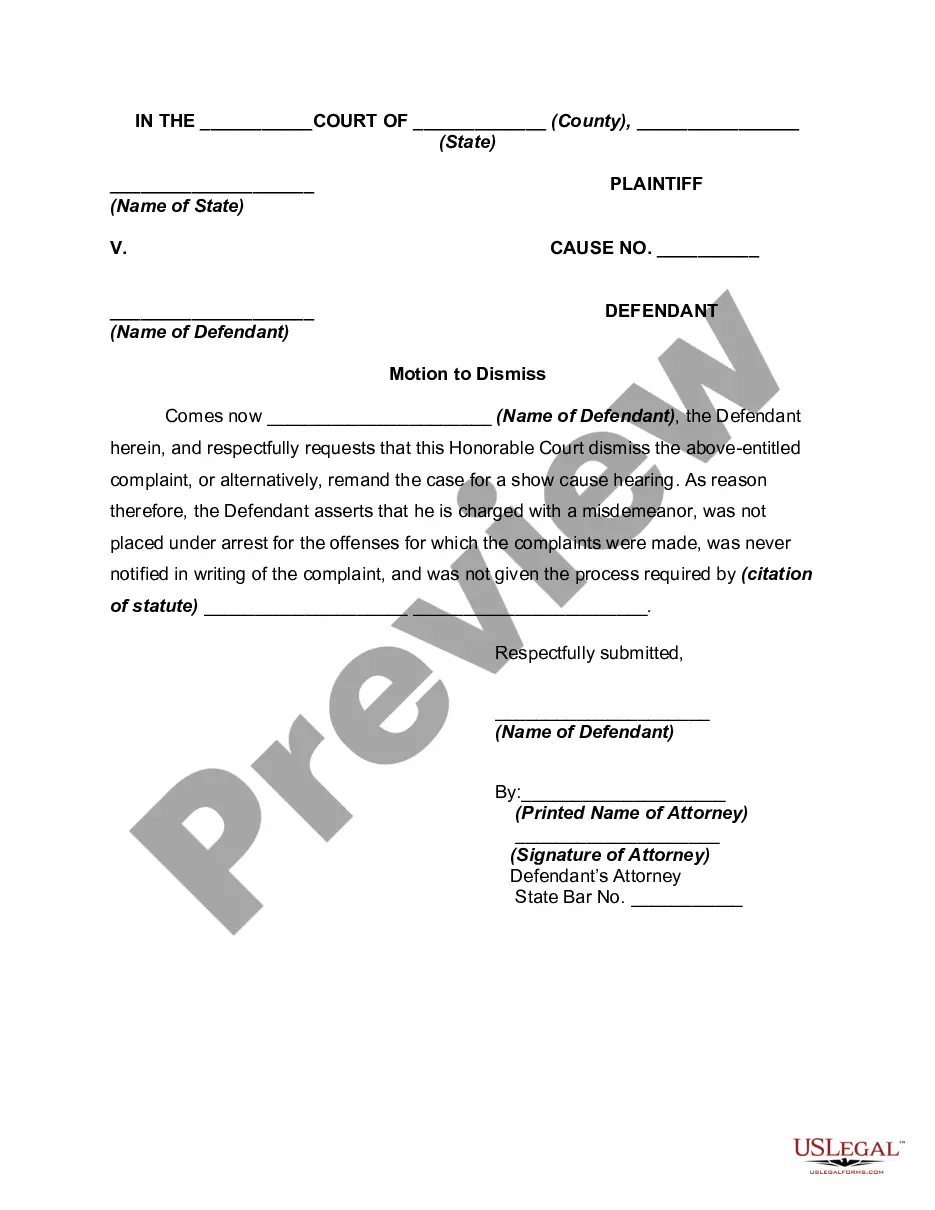
The Document Fees For Larceny you observe on this page is a reusable legal template crafted by experienced attorneys in accordance with federal and local statutes.
For over 25 years, US Legal Forms has supplied individuals, organizations, and legal practitioners with more than 85,000 authenticated, state-specific documents for any business and personal event. It’s the fastest, simplest, and most reliable method to acquire the paperwork you require, as the service ensures bank-level data protection and anti-malware safeguards.
Select the format you desire for your Document Fees For Larceny (PDF, DOCX, RTF) and download the sample onto your device.
- Search for the document you require and verify it.
- Browse the sample you looked for and preview it or review the form description to ensure it meets your needs. If it doesn't, use the search feature to find the correct one. Click Buy Now once you have located the template you need.
- Register and Log In.
- Choose the pricing plan that best fits you and create an account. Use PayPal or a credit card for a swift payment. If you already have an account, Log In and review your subscription to proceed.
- Acquire the editable template.
Form popularity
FAQ
You can achieve this by following the steps listed below: Consult a lawyer: A lawyer may analyse your case and explain the allegations brought against you. ... Pursue a plea bargain: If the prosecution has substantial evidence against you, your lawyer might be able to work out a deal with them.
There are several ways you can report a crime against you. Call 911. ... Call the non-emergency number for your local law enforcement agency. Go directly to a local law enforcement office. Go directly to the local magistrate's office.
Provide evidence that proves you didn't commit the offense In order to be charged with a crime, the prosecutor needs to provide sufficient evidence against you. If, however, you can provide ?exculpatory? evidence (evidence that proves your innocence) then the prosecutor will have to drop your charges.
Please contact your local law enforcement agency (Sheriff, Police,) to file charges. Your local County or District Attorney has the jurisdiction to prosecute criminal charges.
You could pursue criminal charges by filing a police report. Or you could sue the person for the value of the stolen item(s) in Small Claims court. To sue in Small Claims court cost a filing fee, which you can be reimbursed for if you are successful. The filing fee depends on your county but is usually between $50-100.