Supporting Documents
Description

Get your form ready online
Our built-in tools help you complete, sign, share, and store your documents in one place.
Make edits, fill in missing information, and update formatting in US Legal Forms—just like you would in MS Word.
Download a copy, print it, send it by email, or mail it via USPS—whatever works best for your next step.
Sign and collect signatures with our SignNow integration. Send to multiple recipients, set reminders, and more. Go Premium to unlock E-Sign.
If this form requires notarization, complete it online through a secure video call—no need to meet a notary in person or wait for an appointment.
We protect your documents and personal data by following strict security and privacy standards.

Make edits, fill in missing information, and update formatting in US Legal Forms—just like you would in MS Word.

Download a copy, print it, send it by email, or mail it via USPS—whatever works best for your next step.

Sign and collect signatures with our SignNow integration. Send to multiple recipients, set reminders, and more. Go Premium to unlock E-Sign.

If this form requires notarization, complete it online through a secure video call—no need to meet a notary in person or wait for an appointment.

We protect your documents and personal data by following strict security and privacy standards.
Looking for another form?

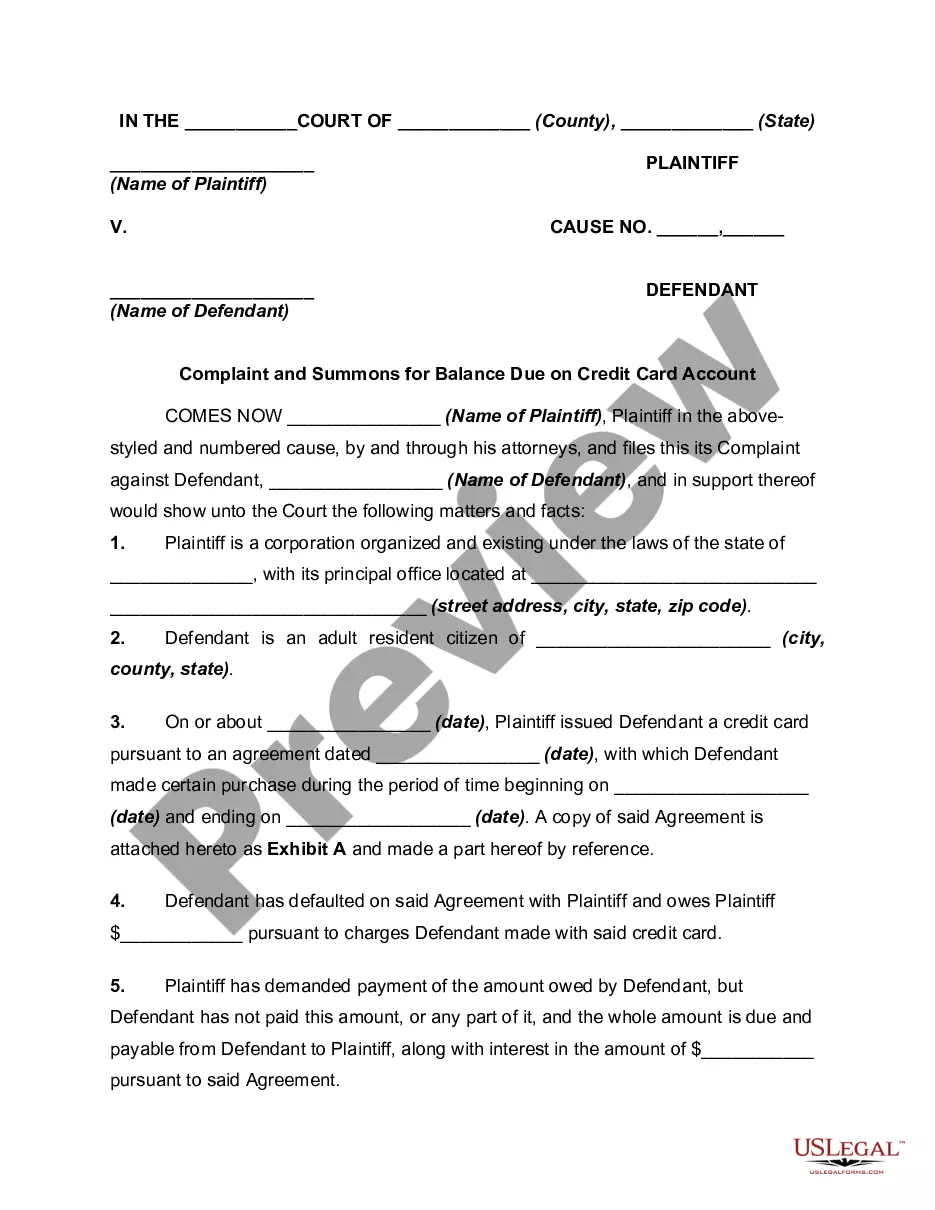
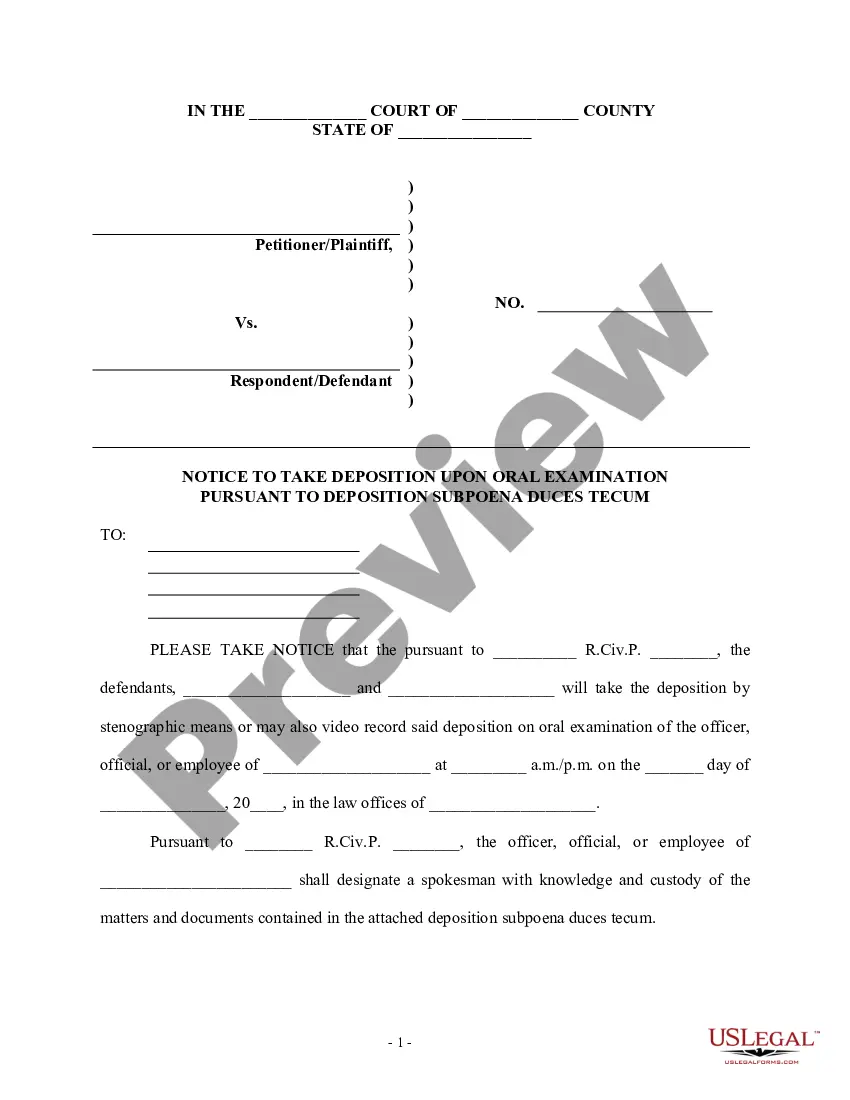
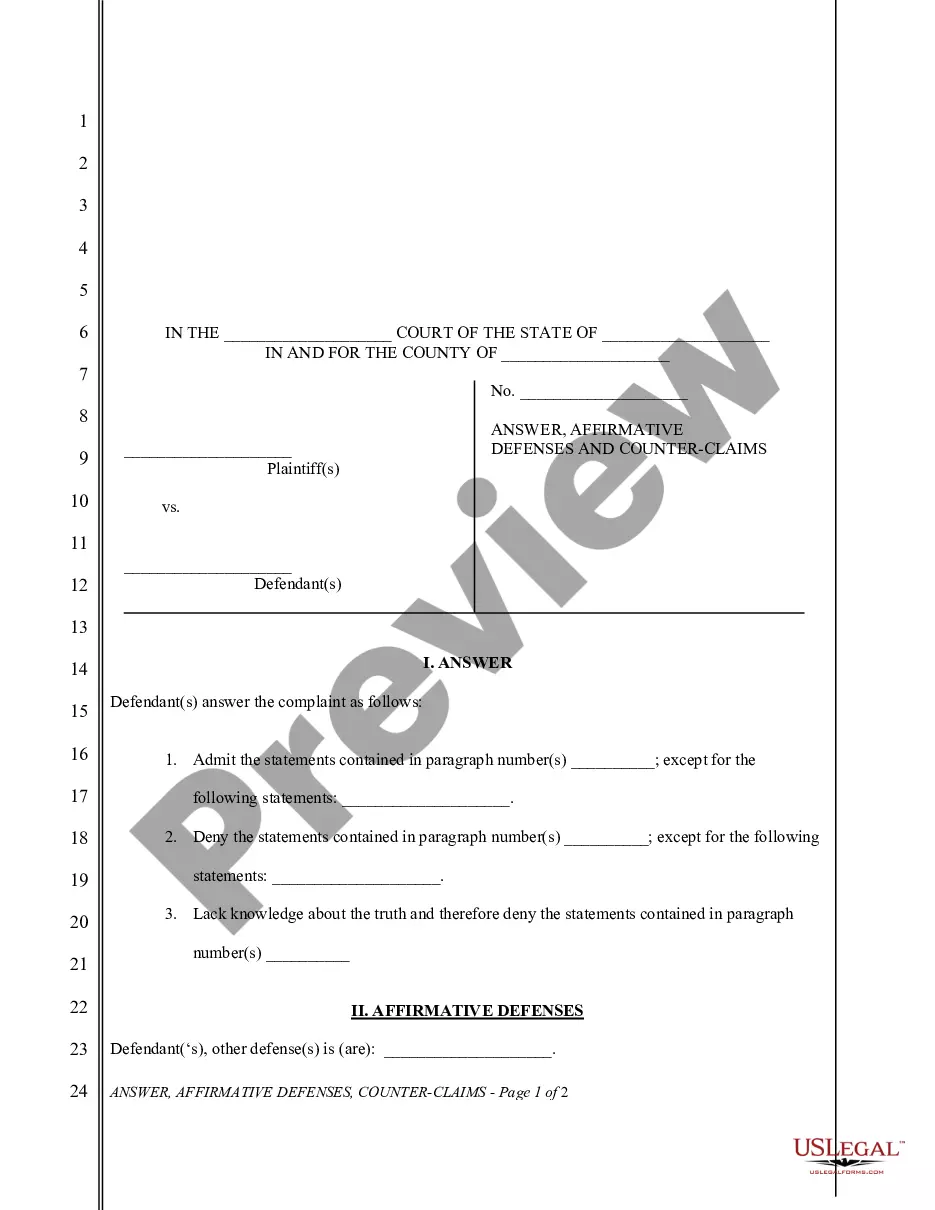

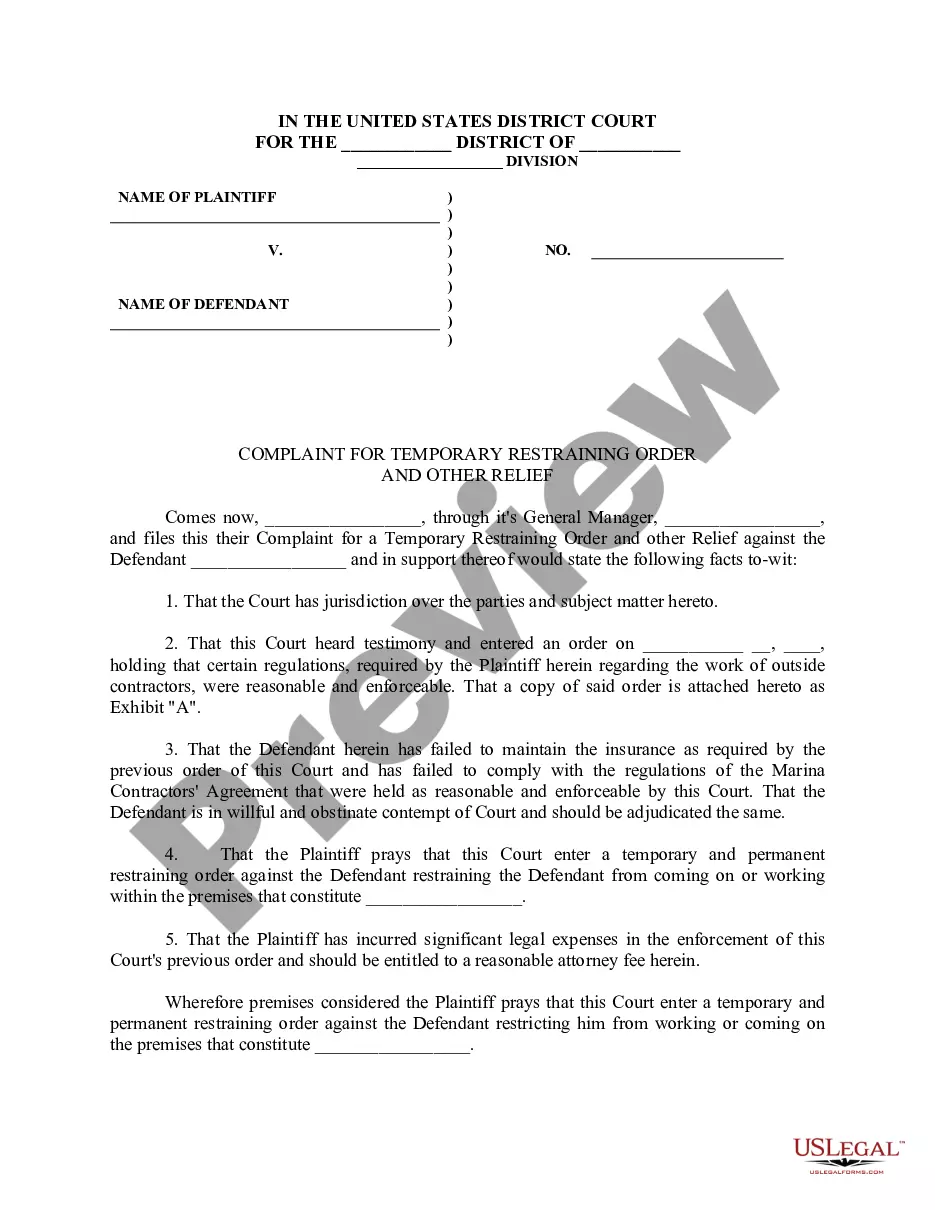
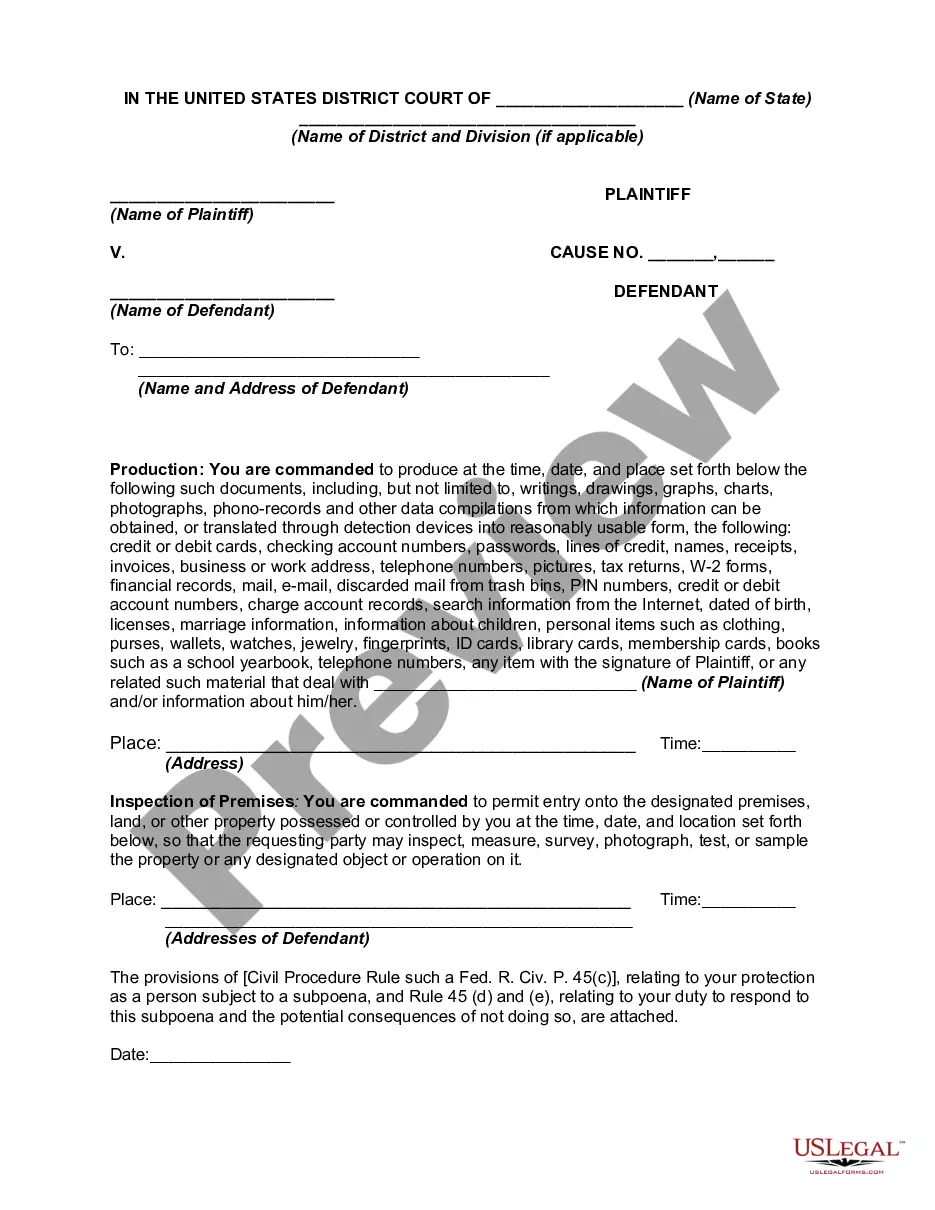
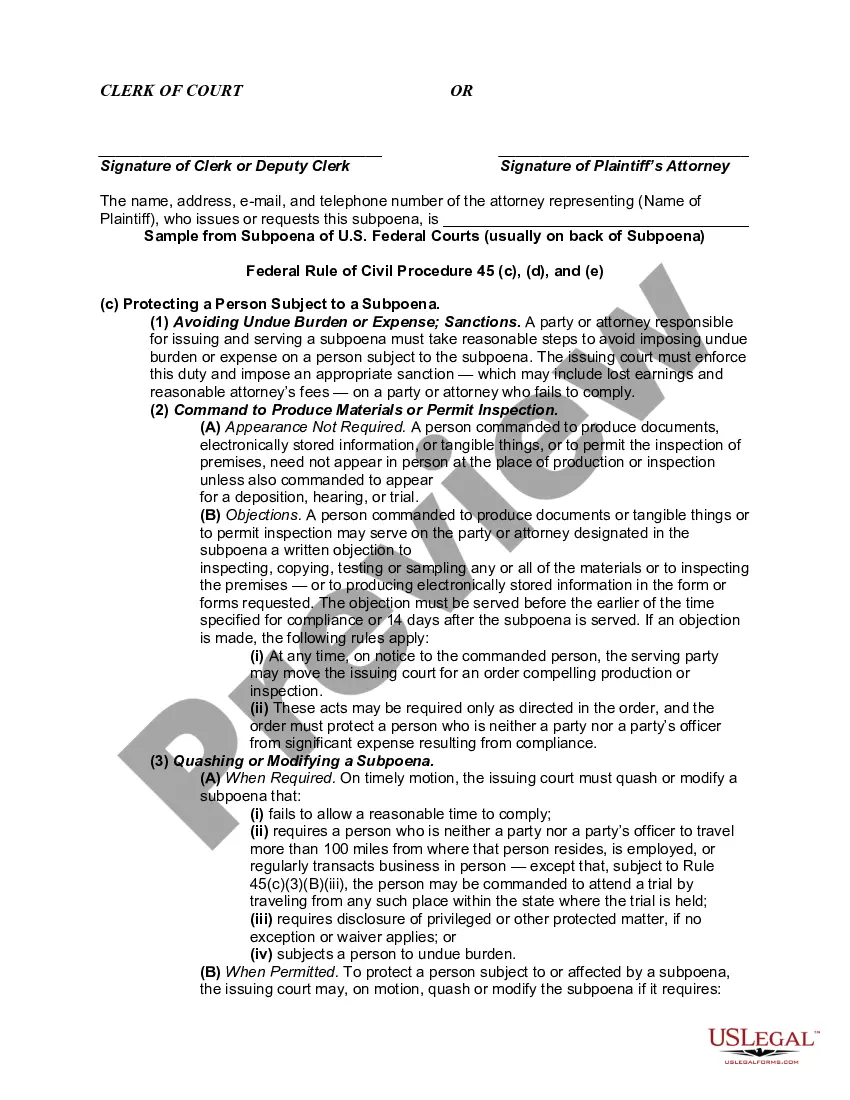
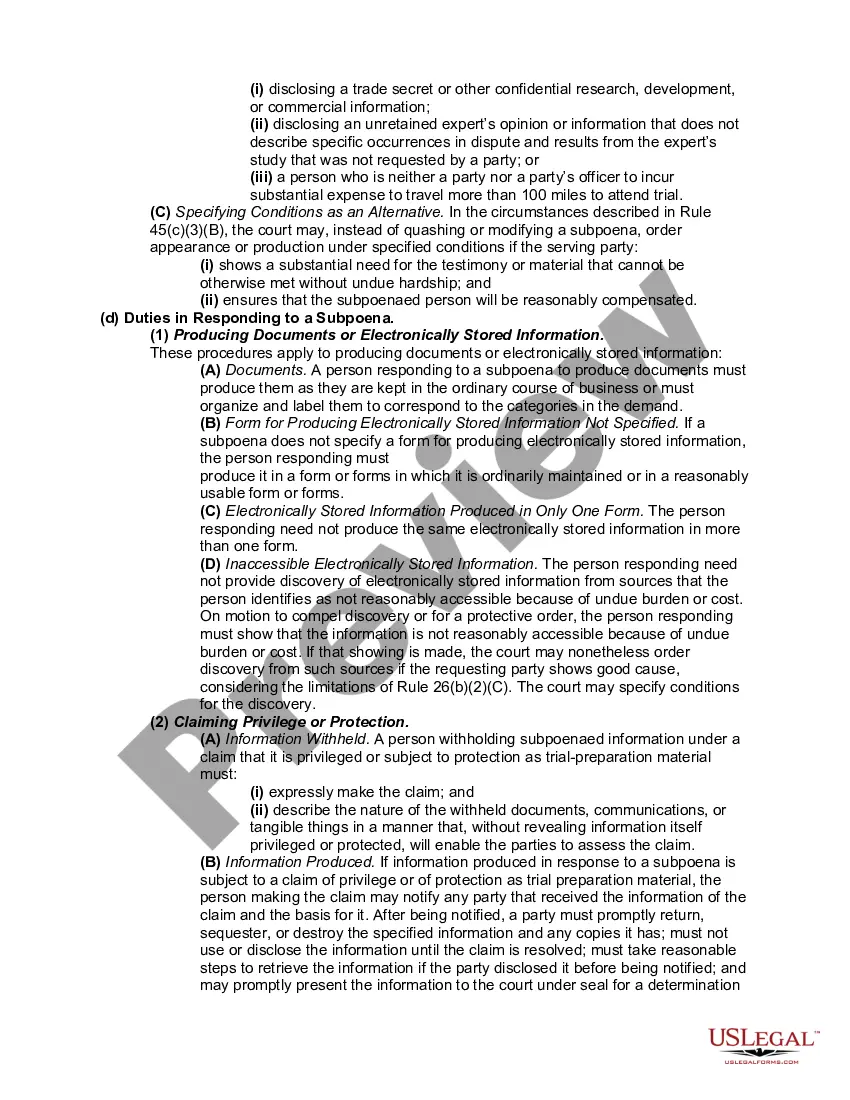
How to fill out Subpoena To Produce Documents, Information, Or Objects Or Permit Inspection Of Premises In A Civil Action Involving Identity Theft?
- Log in to your account if you're a returning user. Ensure your subscription is active by clicking the Download button for your desired form.
- If you're new to US Legal Forms, start by browsing the extensive online library. Check the form preview and description to confirm it matches your legal requirements.
- Utilize the Search tab to find any additional templates you may need. Ensure it's compliant with your local jurisdiction before proceeding.
- Select your document by clicking the Buy Now button and choose your preferred subscription plan. Create an account to unlock access to a wealth of legal resources.
- Complete your purchase by entering your payment details. US Legal Forms accepts credit card and PayPal payments for your convenience.
- Finally, download the completed form onto your device. You can find it anytime in the My Forms section of your profile.
US Legal Forms is designed to make your legal document experience seamless and straightforward, offering more variety than competitors at an equivalent price point.
Don’t let legal documentation stress you out. Start leveraging the benefits of US Legal Forms today and access the support you need!
Form popularity
FAQ
To file as head of household, you’ll need supporting documents that prove your eligibility. This includes evidence of your dependency claims, such as birth certificates or social security numbers of your dependents. Additionally, documentation showing that you maintained a home for your family is crucial. Keep these records organized to support your filing.
The five filing methods include e-filing, paper filing, using a tax professional, utilizing tax software, and filing in person. E-filing is often the quickest and safest method. Paper filing works for those who prefer traditional mail. Each method has unique advantages based on your comfort level and resources.
Correctly filing documents begins with an organized plan. Gather all your supporting documents so you know you have everything you need. Complete your tax forms with careful attention to detail, review them for accuracy, and decide on your submission method—electronic or paper filing.
To file correctly, start by collecting your supporting documents that validate your tax return information. Fill out the forms with precision, avoiding any oversights. After verifying your entries, submit the documents to the appropriate entity, ensuring you comply with filing deadlines.
The proper way to file documents includes verifying that you have all necessary supporting documents at hand. Complete the forms accurately, ensuring all information is current. Then, choose your filing method, whether it's e-filing or traditional mail, and keep copies for your records.
Filing documents involves several steps to ensure accuracy. First, gather all necessary supporting documents in one place. Next, complete the required forms, double-checking for errors. Finally, submit the documents through your chosen filing method, whether online or by mail.
Supporting documents typically include any paperwork that backs up the information on your tax return. This may consist of W-2 forms, 1099s, receipts, and bank statements. Properly organizing these documents can help streamline your filing process. Make sure to keep thorough records to support your claims.
You may not be required to file taxes if your income is below the standard deduction amount, which changes each year. However, you should consider your situation carefully. Filing could benefit you, especially if you qualify for tax credits or refunds. Always consult the guidelines and consider using supporting documents for clarity.
A supporting statement example could include a letter accompanying a job application, where the applicant explains why they are suitable for the role. This statement should highlight key achievements and align them with the job requirements. Such documents clarify the applicant's intent and qualifications, serving as vital supporting documents in the hiring process. Crafting compelling supporting statements can make a significant difference.
When creating a supporting document, focus on facts that reinforce your main message. Include relevant data, such as statistics or case studies, and summarize key points that align with your argument. Clarity is important, so organize your information logically. Utilizing platforms like uslegalforms can help ensure your supporting documents meet required standards and formats.