Admnistrative Agencies
Description
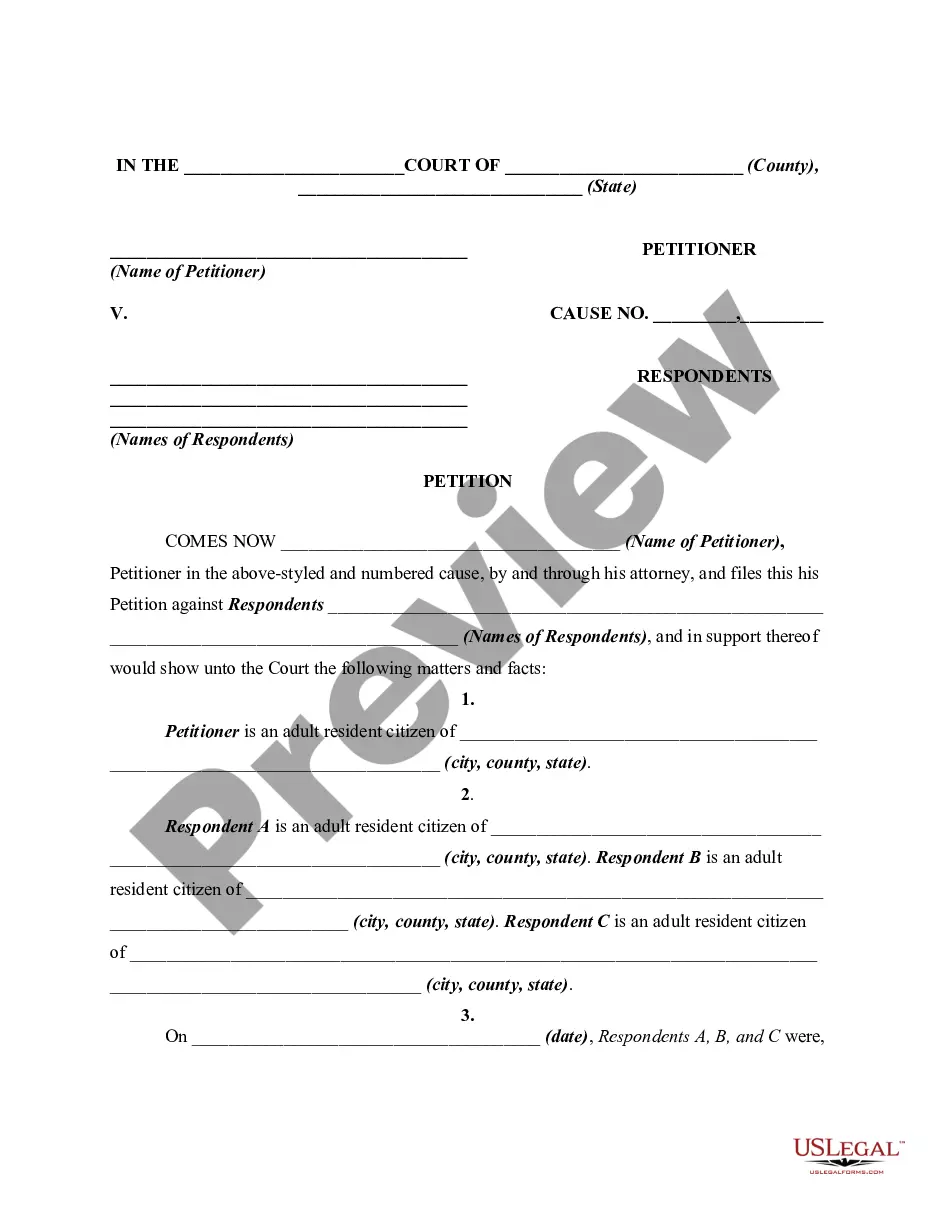
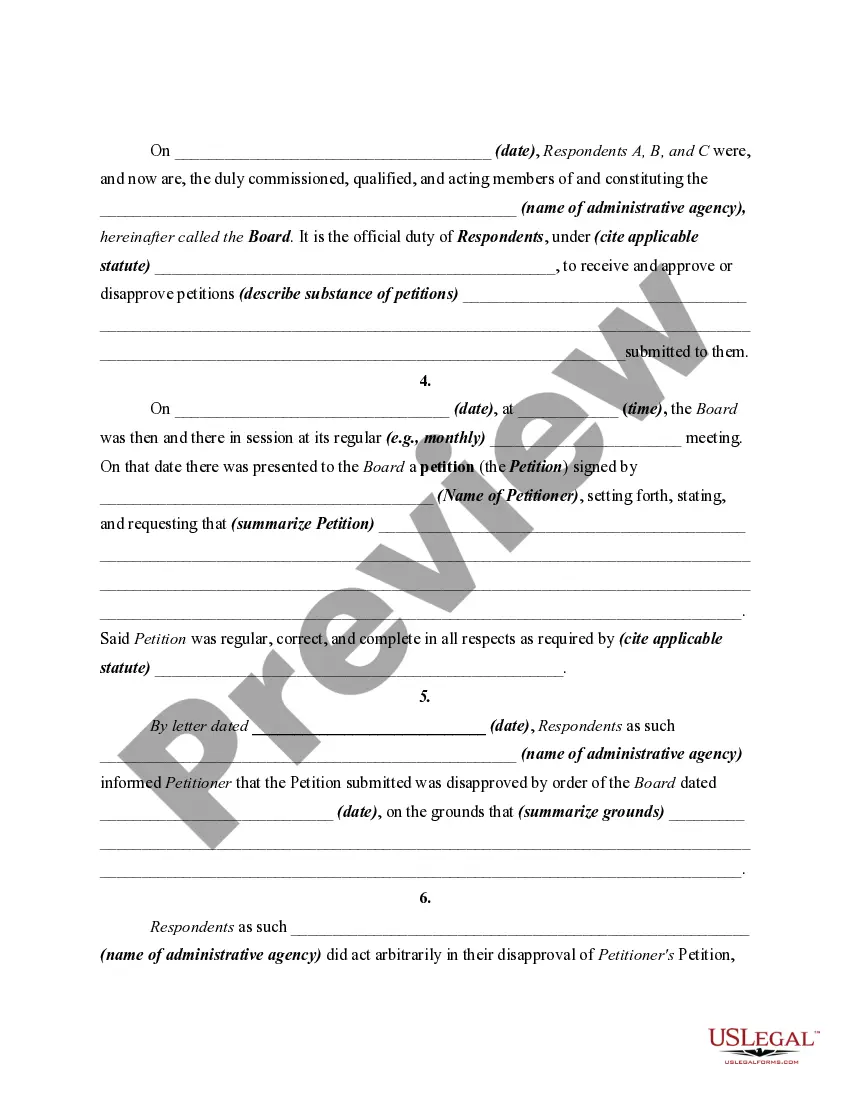
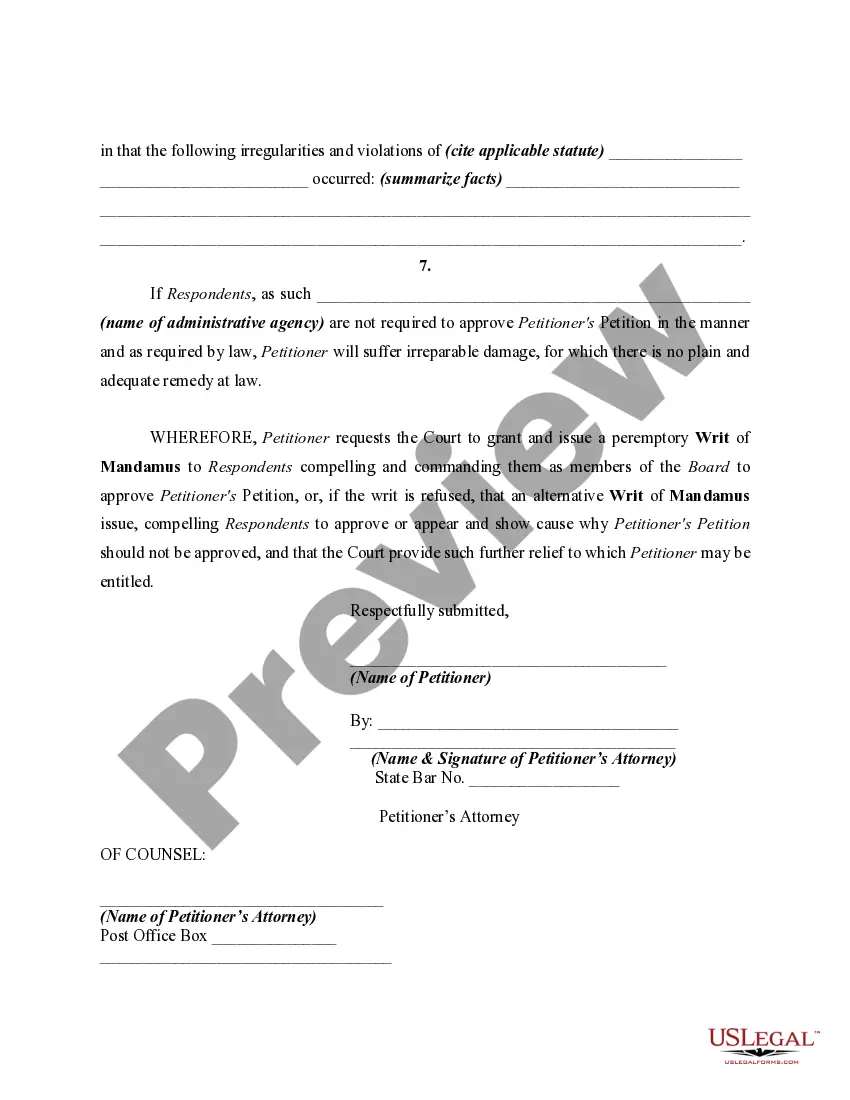
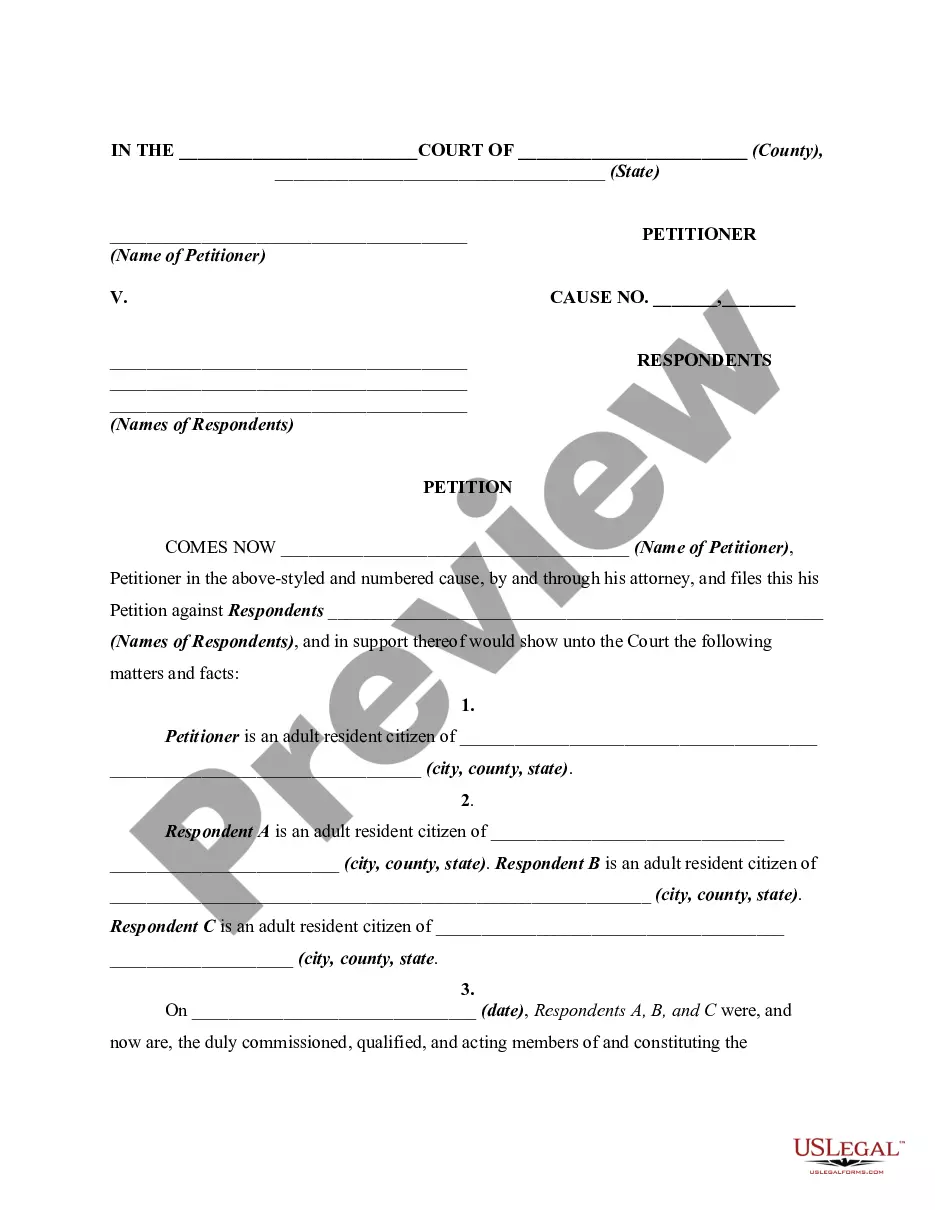
Get your form ready online
Our built-in tools help you complete, sign, share, and store your documents in one place.
Make edits, fill in missing information, and update formatting in US Legal Forms—just like you would in MS Word.
Download a copy, print it, send it by email, or mail it via USPS—whatever works best for your next step.
Sign and collect signatures with our SignNow integration. Send to multiple recipients, set reminders, and more. Go Premium to unlock E-Sign.
If this form requires notarization, complete it online through a secure video call—no need to meet a notary in person or wait for an appointment.
We protect your documents and personal data by following strict security and privacy standards.

Make edits, fill in missing information, and update formatting in US Legal Forms—just like you would in MS Word.

Download a copy, print it, send it by email, or mail it via USPS—whatever works best for your next step.

Sign and collect signatures with our SignNow integration. Send to multiple recipients, set reminders, and more. Go Premium to unlock E-Sign.

If this form requires notarization, complete it online through a secure video call—no need to meet a notary in person or wait for an appointment.

We protect your documents and personal data by following strict security and privacy standards.
Looking for another form?
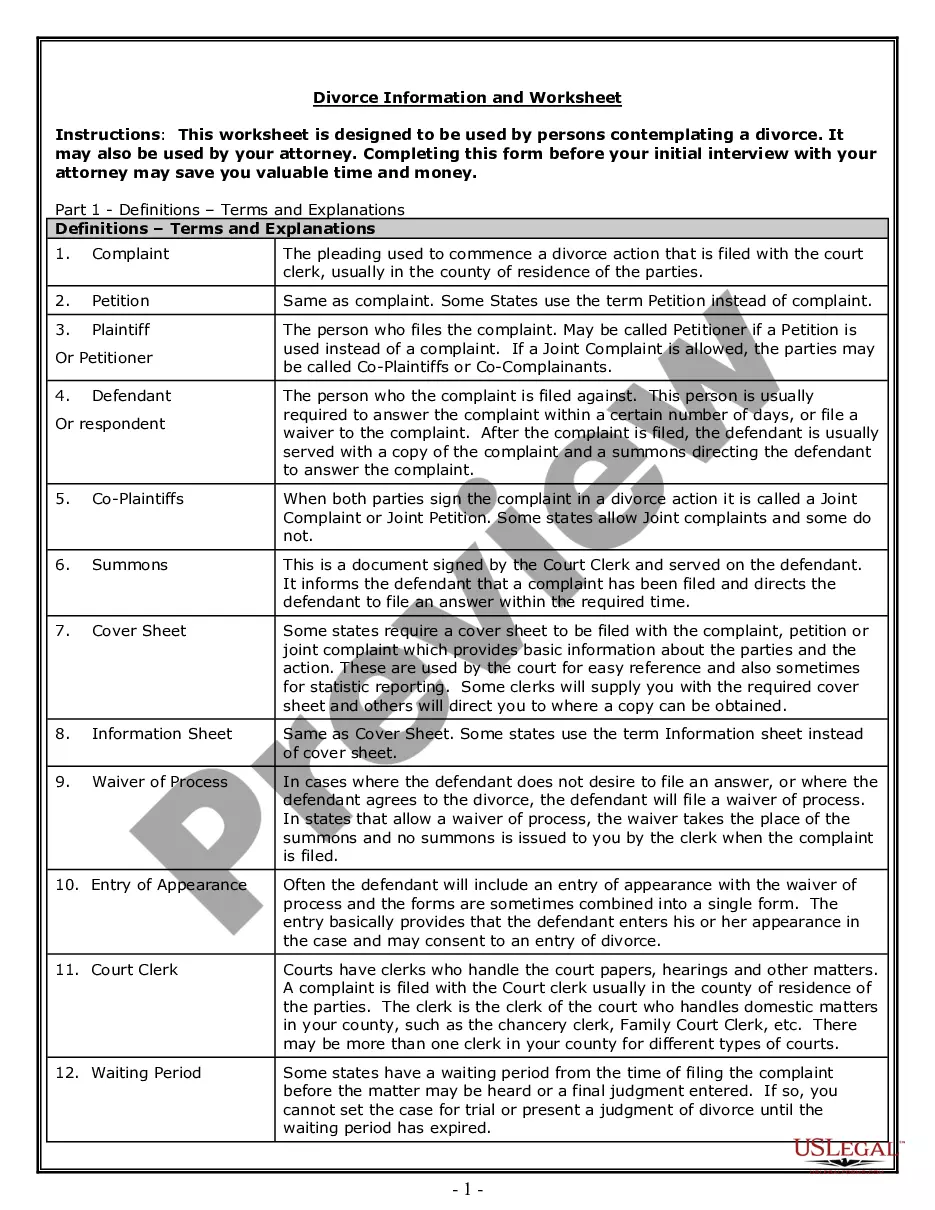


How to fill out Petition Or Application To Compel Approval Of Matters Submitted After Arbitrary Disapproval By Administrative Agency?
- Log in to your US Legal Forms account if you are already a user. Make sure your subscription is active. If not, renew it based on your payment plan.
- Review the form descriptions and preview mode for the document you wish to obtain to ensure it meets your jurisdiction's standards.
- Utilize the Search feature to find any additional templates if necessary, ensuring you have the correct form.
- Select your desired document by clicking the Buy Now button and choose your preferred subscription plan. You'll need to create an account to proceed.
- Complete your purchase by providing either your credit card information or PayPal account details to finalize your subscription.
- Download and save your form on your device for easy access and completion, with the option to revisit it in the My Forms section anytime.
Using US Legal Forms not only simplifies the document acquisition process but also ensures that you have access to a vast library of over 85,000 legal forms tailored for diverse needs.
Empower yourself today with US Legal Forms and take the first step towards efficient legal document management!
Form popularity
FAQ
'Giving agency' refers to the process of empowering an organization or individual to act on behalf of another in specific matters. In the context of administrative agencies, it often involves delegating authority to address particular administrative tasks efficiently. This principle ensures that decision-making is delegated appropriately, enhancing the effectiveness of governance. You can learn more about how to navigate these relationships through our legal resources.
Administrative agencies can be classified in various ways, such as federal versus state agencies or regulatory versus advisory agencies. Regulatory agencies create and enforce rules, while advisory agencies primarily provide recommendations to decision-makers. This classification system helps individuals understand the varying roles and responsibilities of administrative agencies in governance.
In the US, administrative agencies are overseen by the executive branch and monitored by Congress. The president has the authority to appoint agency heads, while Congress conducts hearings and investigations to evaluate agency performance. This collaborative oversight helps ensure that administrative agencies function effectively and serve the public's best interests.
Yes, Congress exercises control over administrative agencies through its legislative powers, including budget approval and regulatory oversight. Congress can influence the operations of these agencies by enacting laws that govern their functions. This control ensures that administrative agencies align with public policy goals and remain accountable to the citizens they serve.
Administrative agencies primarily report to executive authorities, such as presidents or governors, who oversee their activities. They also have an obligation to report to Congress, specifically regarding budget matters and compliance with legislative directives. Clear reporting lines are essential for ensuring that administrative agencies operate effectively and fulfill their responsibilities.
Supervision of administrative agencies often occurs through the executive branch, where the president or state governors influence their operations. In many cases, oversight committees in Congress also play a significant role, conducting hearings and reviews to ensure agencies meet their mandates. This dual level of supervision helps maintain transparency and accountability within administrative agencies.
Administrative agencies are typically run by appointed officials or commissioners who are selected for their expertise and experience in specific fields. These leaders implement policies and ensure compliance with regulations established by higher government authorities. The effective functioning of these agencies relies on the accountability and leadership provided by their leadership teams.
Government agencies report to various bodies depending on their level and function. Primarily, they report to the executive branch, including the president and appointed officials. In addition, some agencies may report to Congress, especially when it comes to budget allocations and policy oversight. Understanding this structure is crucial for navigating the operations of administrative agencies.
Leaders of administrative agencies are usually appointed by the President or state governors, depending on the level of government. This appointment often requires confirmation from the Senate or a state legislative body. This process aims to ensure that agency leaders have the expertise necessary for their roles while maintaining accountability to the electorate. Therefore, the appointment of leaders is a critical aspect of how administrative agencies function.
Administrative agencies are primarily controlled by the executive branch of government. They execute laws and regulations, functioning under the authority of appointed officials. However, the legislative branch plays a role in creating and overseeing these agencies through the laws that establish them. Thus, while they operate under the executive branch, administrative agencies exist within a system of checks and balances.