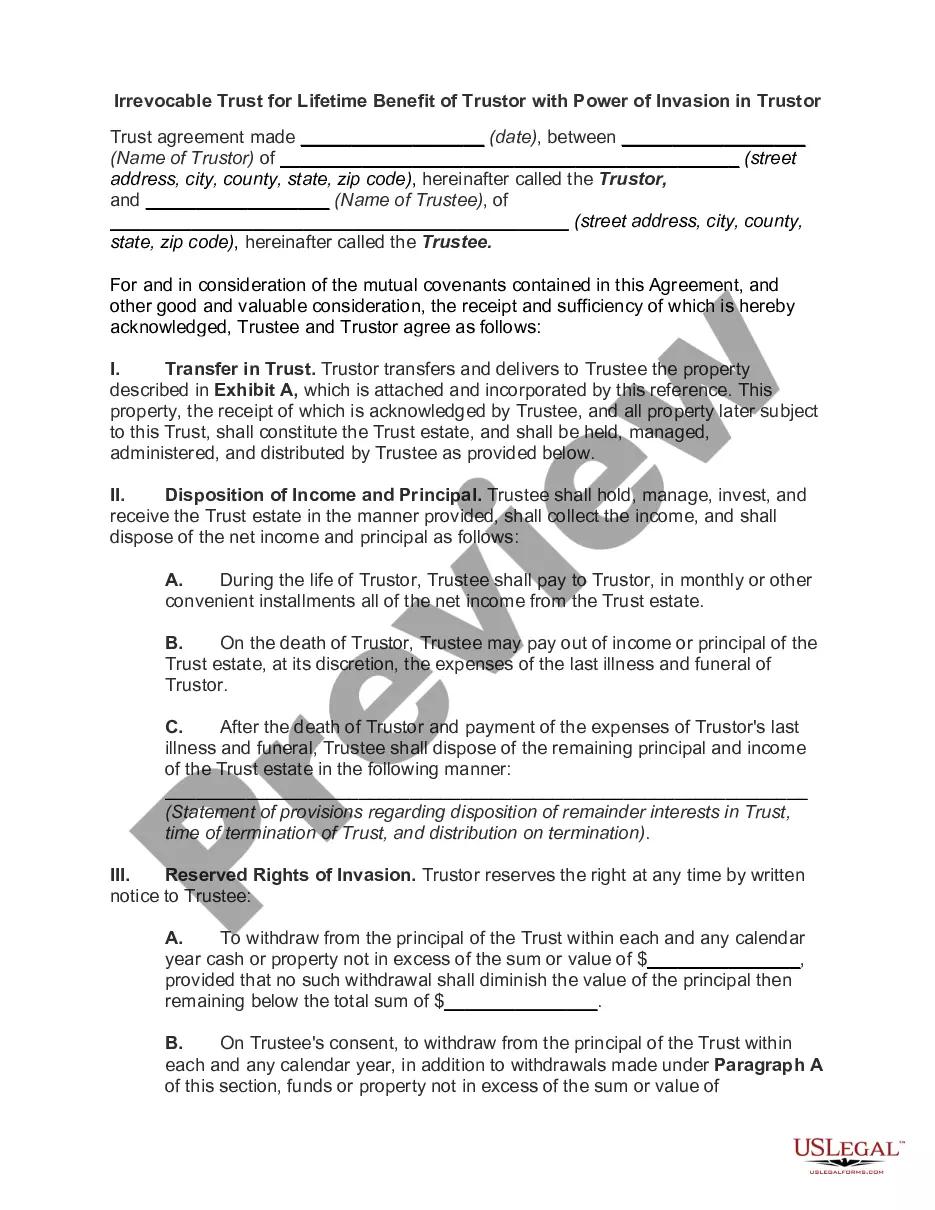
Irrevocable Trust Template With Mortgage
Description

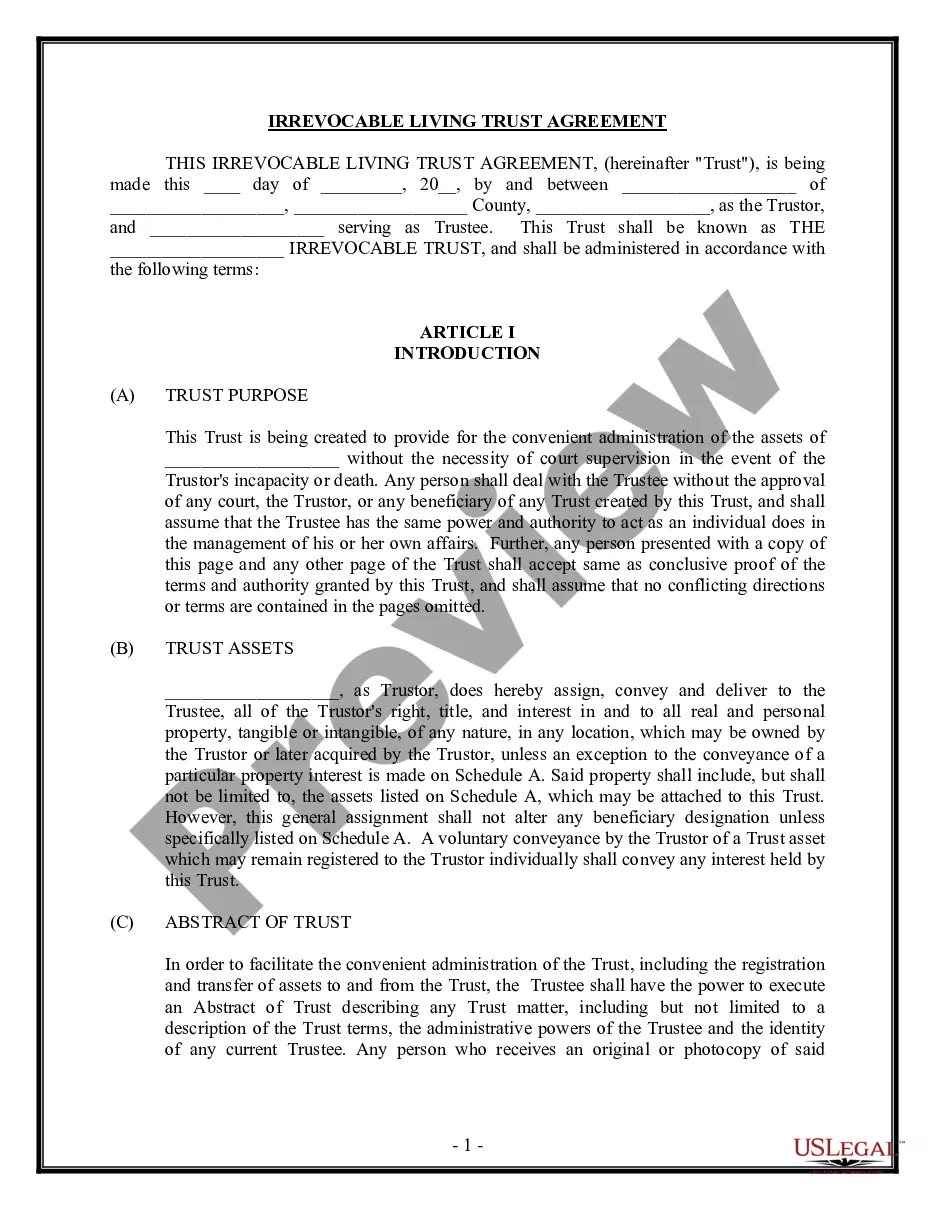
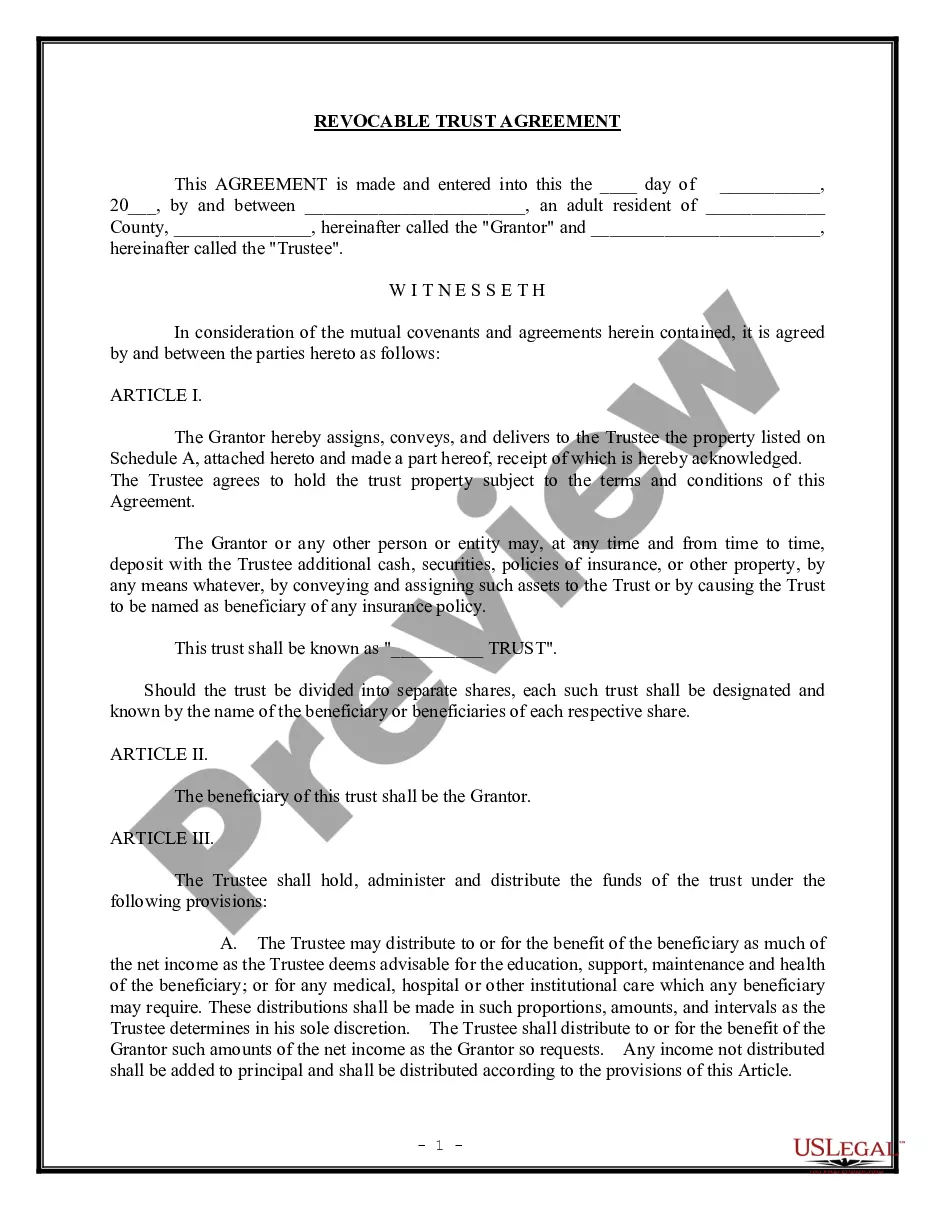
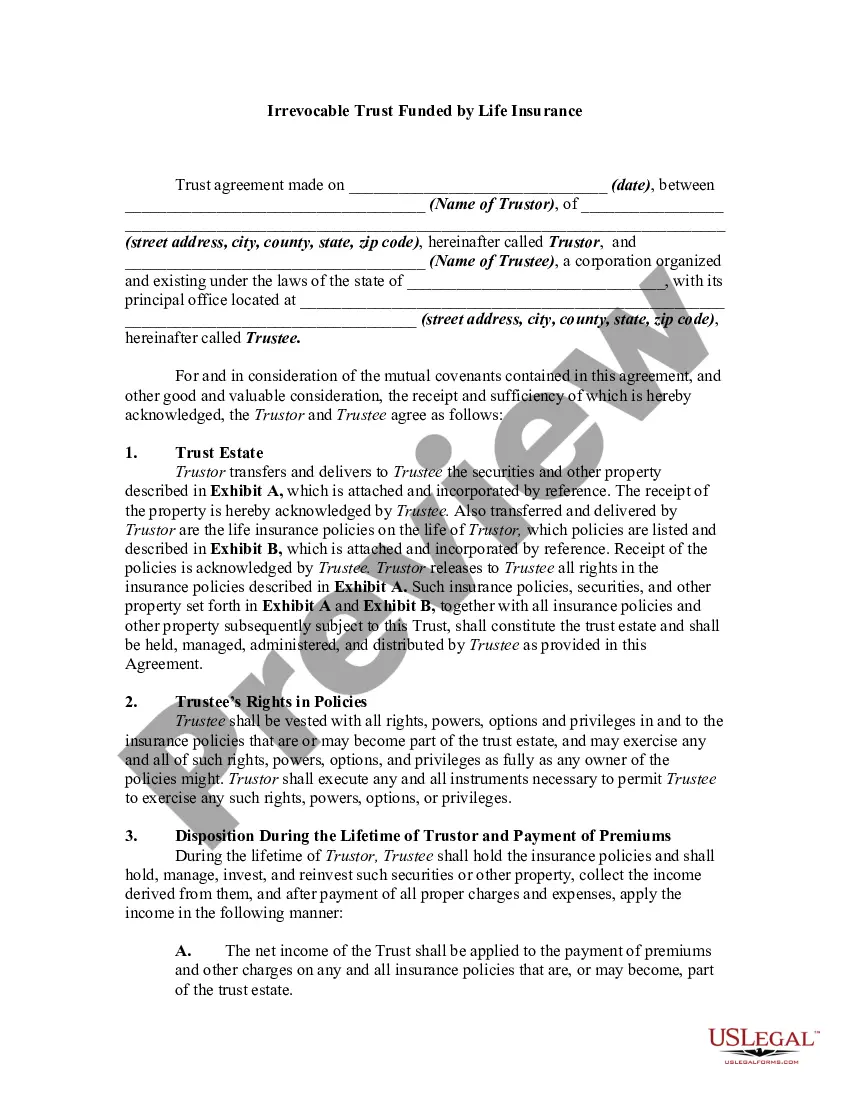
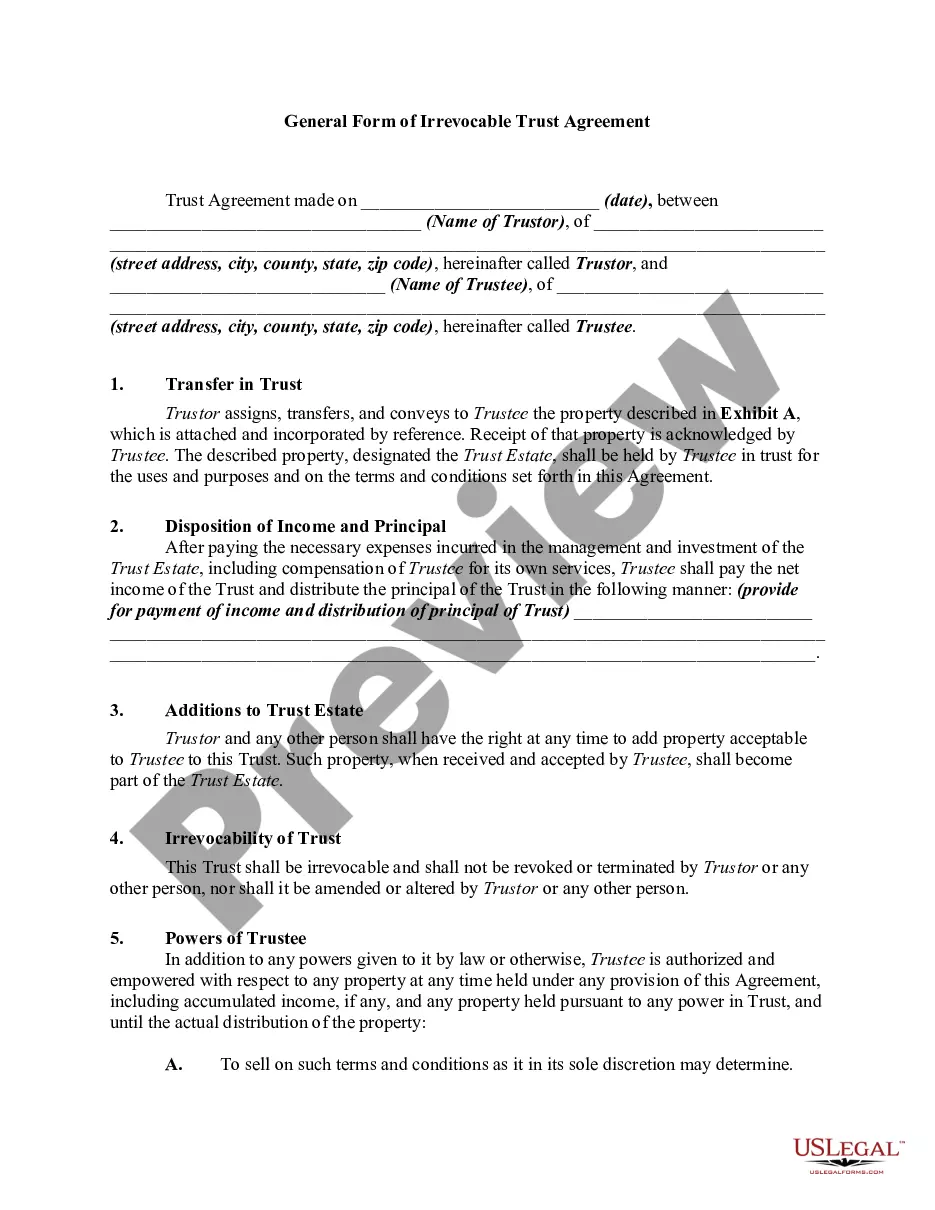
Get your form ready online
Our built-in tools help you complete, sign, share, and store your documents in one place.
Make edits, fill in missing information, and update formatting in US Legal Forms—just like you would in MS Word.
Download a copy, print it, send it by email, or mail it via USPS—whatever works best for your next step.
Sign and collect signatures with our SignNow integration. Send to multiple recipients, set reminders, and more. Go Premium to unlock E-Sign.
If this form requires notarization, complete it online through a secure video call—no need to meet a notary in person or wait for an appointment.
We protect your documents and personal data by following strict security and privacy standards.

Make edits, fill in missing information, and update formatting in US Legal Forms—just like you would in MS Word.

Download a copy, print it, send it by email, or mail it via USPS—whatever works best for your next step.

Sign and collect signatures with our SignNow integration. Send to multiple recipients, set reminders, and more. Go Premium to unlock E-Sign.

If this form requires notarization, complete it online through a secure video call—no need to meet a notary in person or wait for an appointment.

We protect your documents and personal data by following strict security and privacy standards.
Looking for another form?
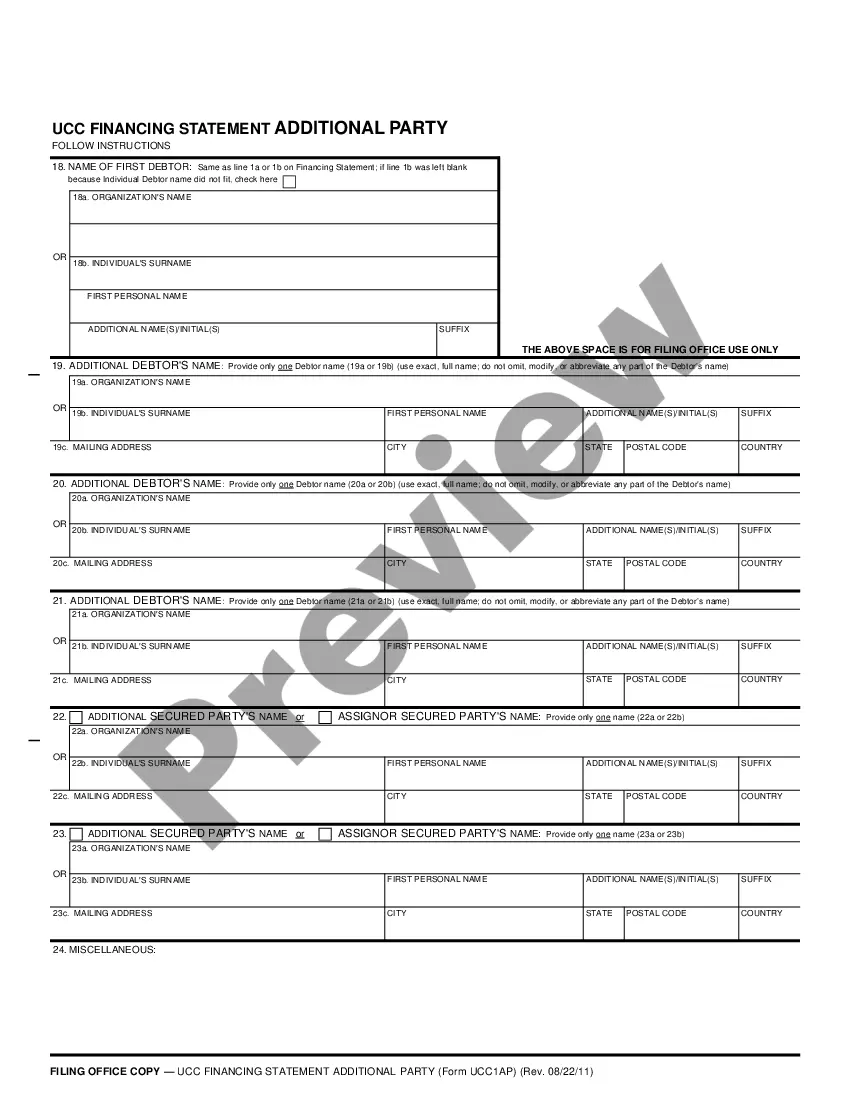






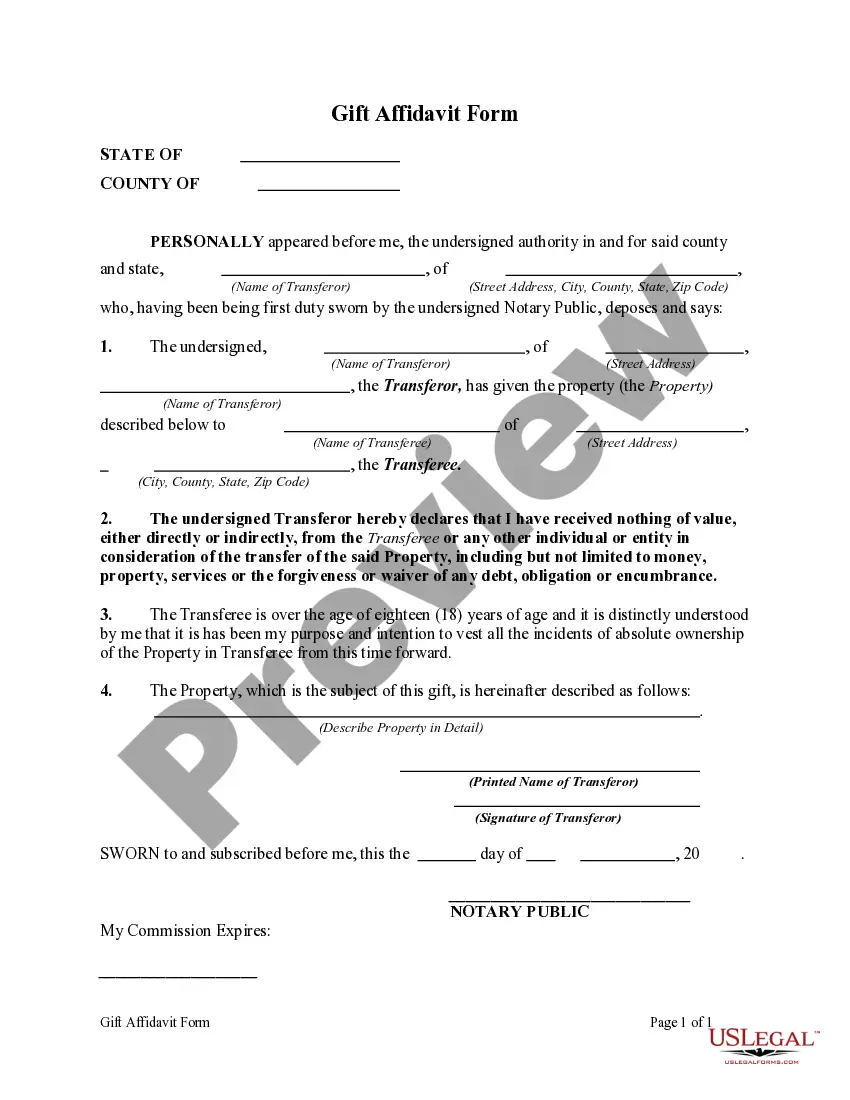


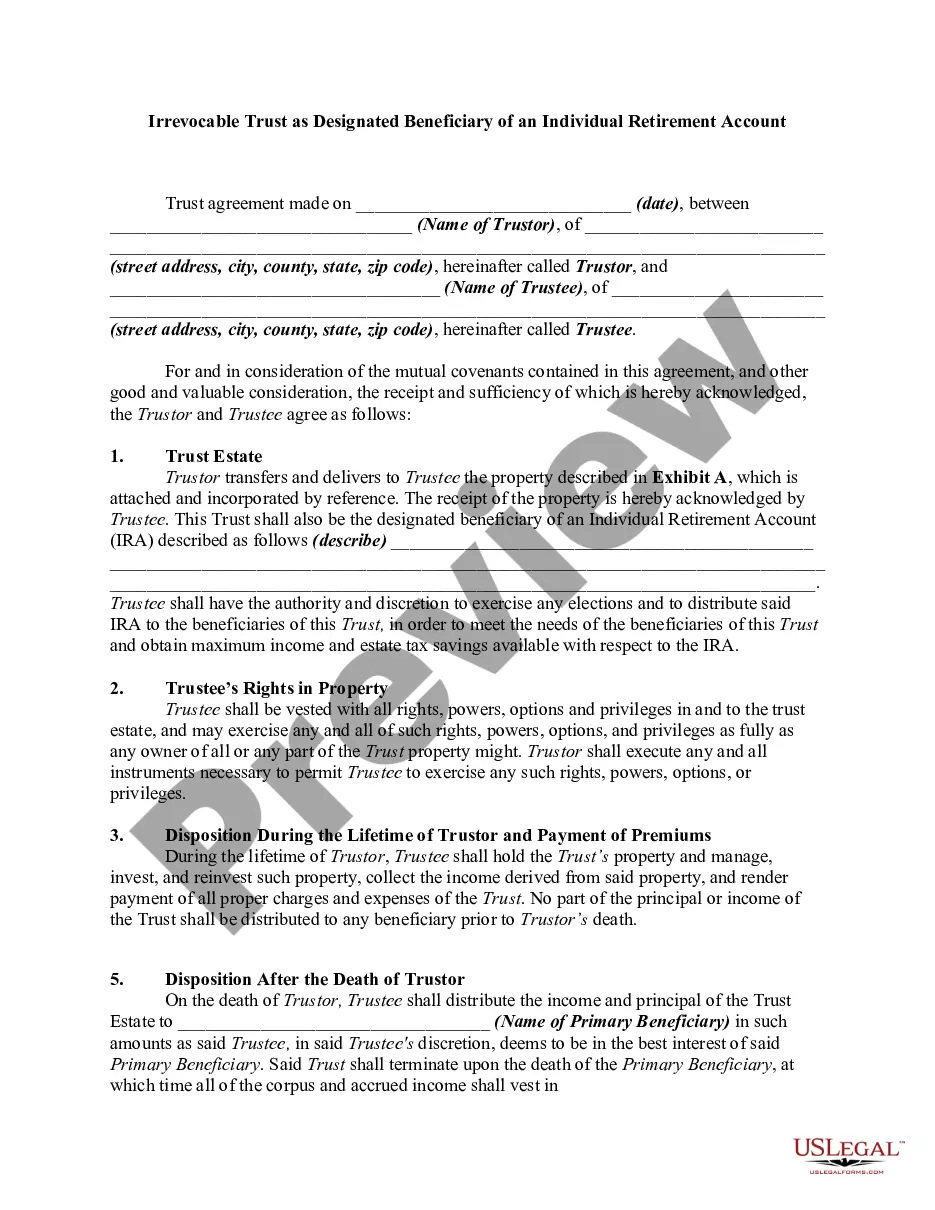
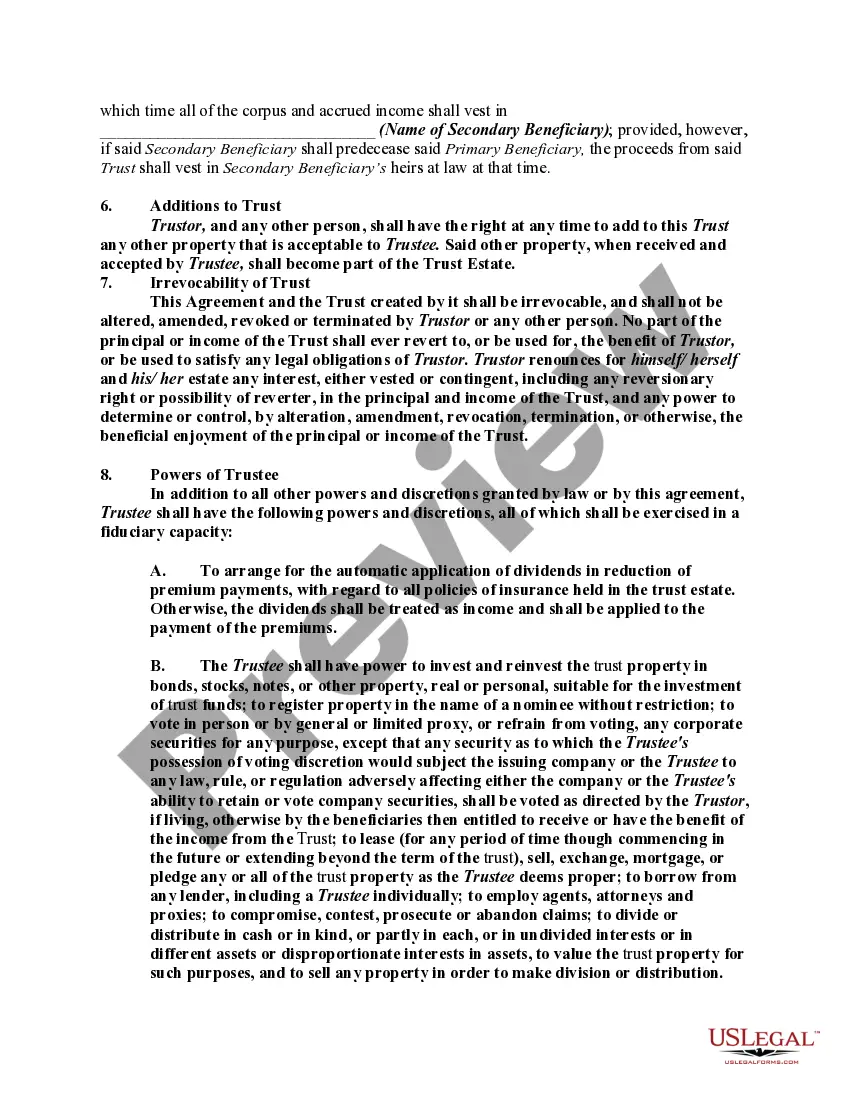
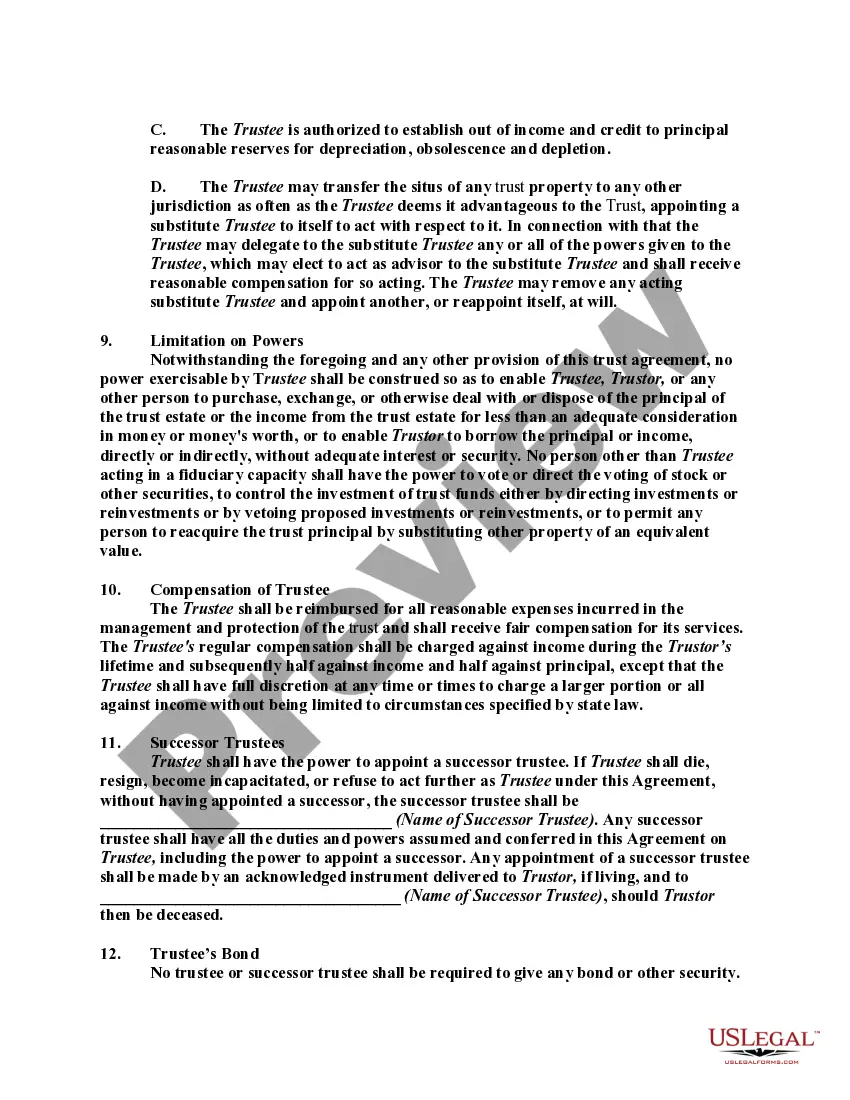
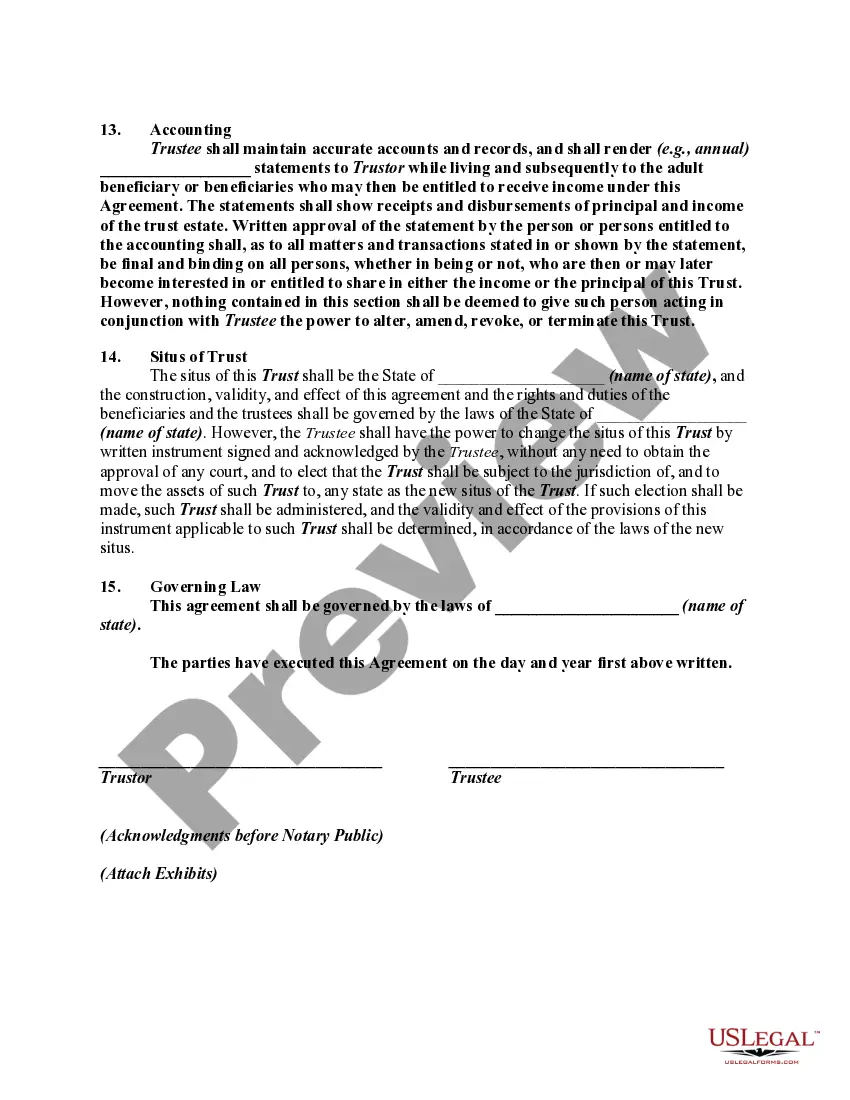
How to fill out Irrevocable Trust As Designated Beneficiary Of An Individual Retirement Account?
- Log into your US Legal Forms account if you're a returning user. Confirm that your subscription is active; if it isn't, renew based on your payment plan.
- For first-time users, start by reviewing the template previews and descriptions. Ensure that the selection fits your requirements and adheres to your local jurisdiction.
- If the template isn't quite right, utilize the search function to explore other options until you find the perfect match.
- Once you've found the correct document that suits your needs, click the 'Buy Now' button and select your desired subscription plan.
- Complete your purchase by entering your payment details, either through credit card or PayPal.
- After your transaction is successful, download your irrevocable trust template with mortgage to your device for easy access and completion.
By utilizing US Legal Forms, you can confidently create legally sound documents without extensive legal knowledge. Their extensive library, featuring over 85,000 customizable forms, provides the resources you need to make informed decisions.
Start your journey towards effective estate planning today. Visit US Legal Forms and empower yourself to create the perfect irrevocable trust!
Form popularity
FAQ
Yes, you can write your own irrevocable trust, but doing so requires careful planning and understanding of legal requirements. An irrevocable trust template with mortgage considerations can provide a solid framework, but it's crucial to ensure all necessary elements are included to protect your assets. Simply put, drafting your own requires attention to detail and an understanding of state laws. To ensure your trust meets all legal standards, consider using resources like USLegalForms for templates and guidance.
Lenders often hesitate to lend to an irrevocable trust due to the trust's permanence and restrictions placed on the assets. With an irrevocable trust, the grantor relinquishes control over the assets, making it harder for lenders to assess risk. Additionally, lenders typically prefer borrowers who can act decisively, and the structure of an irrevocable trust complicates this. For using an irrevocable trust template with mortgage purposes, consider consulting professionals to navigate these challenges effectively.
Lenders often hesitate to work with irrevocable trusts due to their perceived complexity and risk. Since the trust's assets are no longer under your direct control, lenders may view this as a barrier to accessing funds. They may also worry about repayment if the trust cannot generate income. By using an irrevocable trust template with mortgage, you can potentially address lender concerns while protecting your estate.
In general, you cannot manage your own irrevocable trust. Once the trust is established, a trustee must oversee its operations and make decisions regarding the assets. You can designate someone you trust as a trustee or seek professional management if necessary. However, understanding how an irrevocable trust template with mortgage functions can help you effectively plan your financial future.
While it is possible to set up an irrevocable trust without an attorney, it's generally not recommended. Crafting a legal document requires careful consideration and understanding of local laws. Missteps could lead to complications or unintended consequences, particularly regarding taxes and asset protection. Using a well-designed irrevocable trust template with mortgage can simplify the process and ensure legal compliance.
One major downside of an irrevocable trust is that once it is established, you cannot easily change the terms. This lack of flexibility can be limiting, especially if your financial situation or needs evolve. Furthermore, transferring assets into an irrevocable trust can lead to tax implications that may affect your overall financial strategy. Consider using an irrevocable trust template with mortgage to minimize potential drawbacks.
Yes, you can put a house with a mortgage into an irrevocable trust. However, it is crucial to inform your lender, as they may require certain steps to approve this action. Also, doing so can complicate mortgage payments, so planning is vital. An irrevocable trust template with mortgage provides clear guidelines to navigate this process effectively.
Whether or not to put assets in a trust greatly depends on their financial situation and long-term goals. A trust can protect assets from probate and may provide tax benefits. It's essential for your parents to weigh these benefits against potential downsides. Utilizing an irrevocable trust template with mortgage can guide them in this crucial decision.
A common mistake parents make is failing to update the trust as life changes occur. This can lead to outdated beneficiaries or asset allocations that no longer reflect their wishes. Parents also often overlook the tax implications of their setup. Utilizing an irrevocable trust template with mortgage can help highlight essentials to include and keep everything current.
To put your mortgage in a trust, you first need to consult your lender for permission, as they may have specific rules. After obtaining approval, you can create or use an existing irrevocable trust template with mortgage to outline the terms. Finally, you will execute a deed transferring the property into the trust, ensuring all legal requirements are met.