Malicious Abuse Of Process
Description
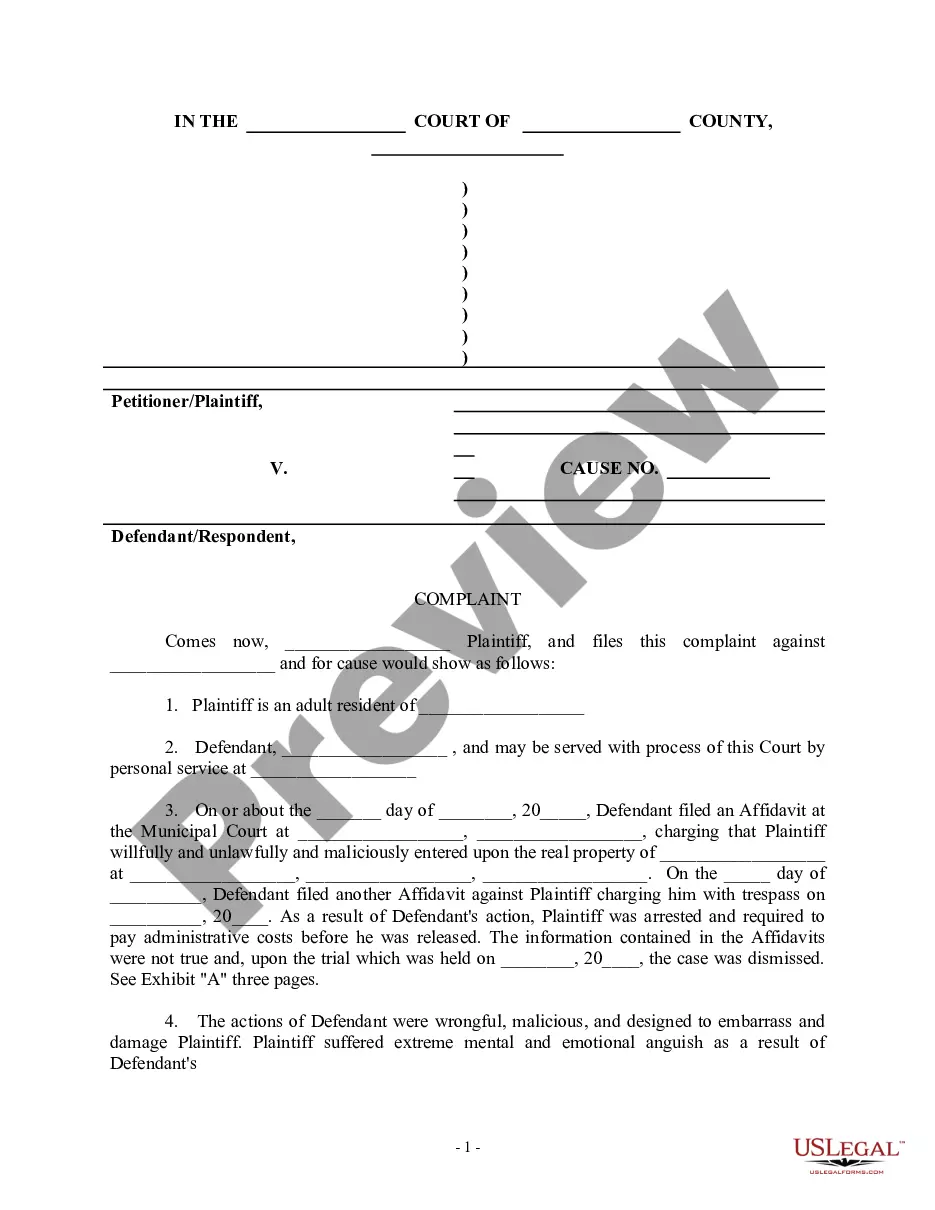

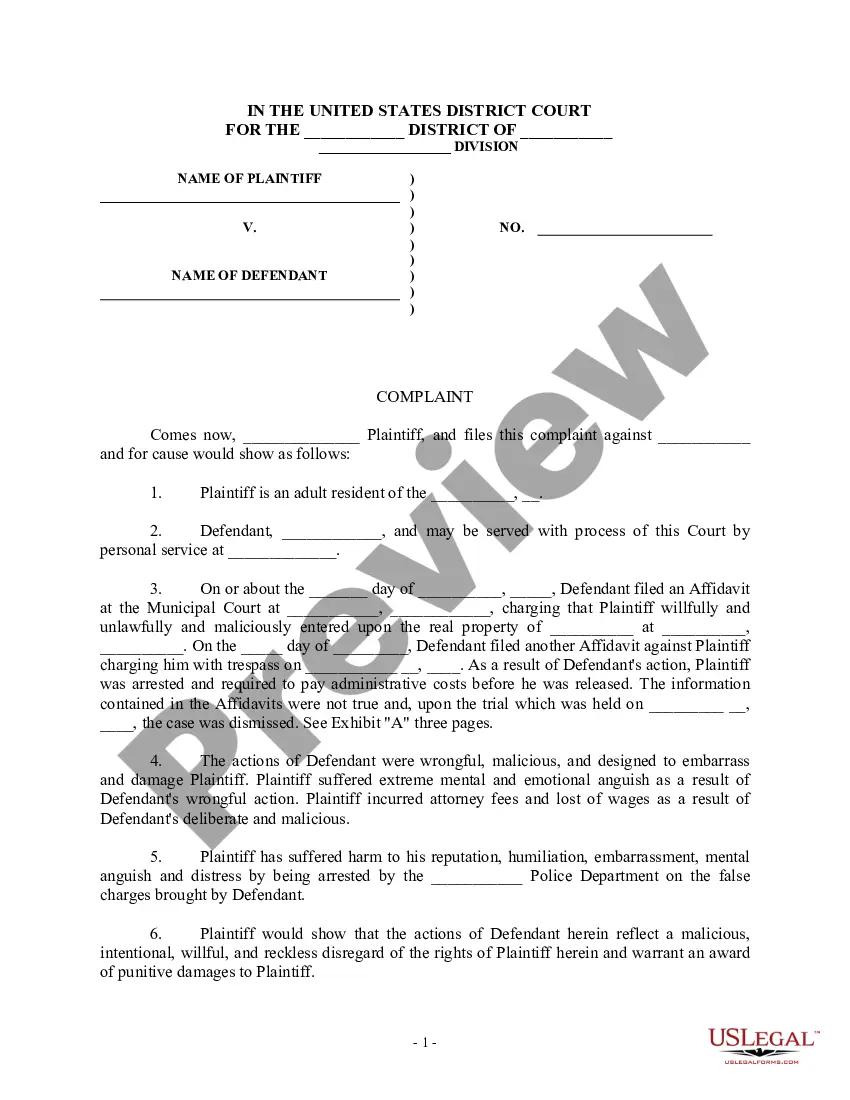
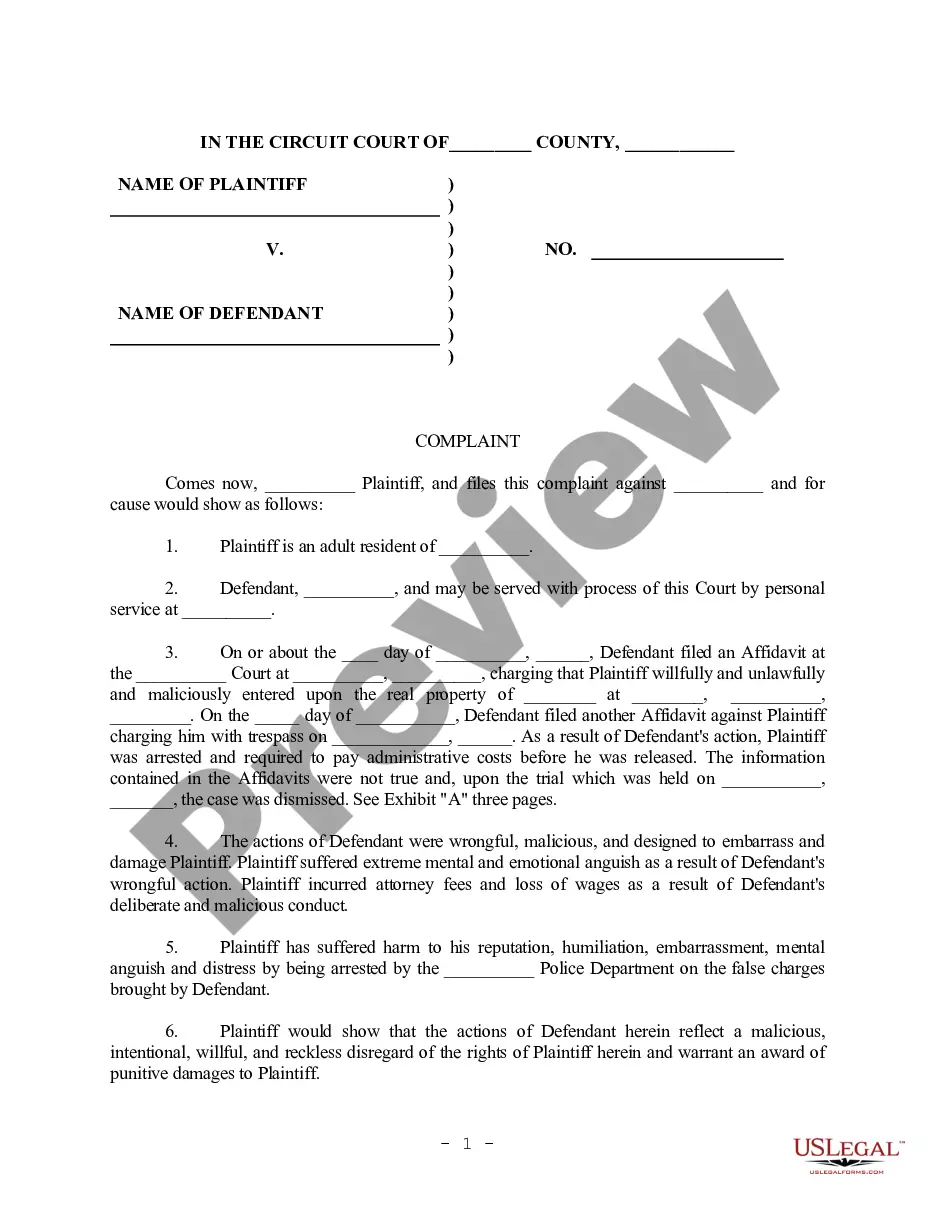
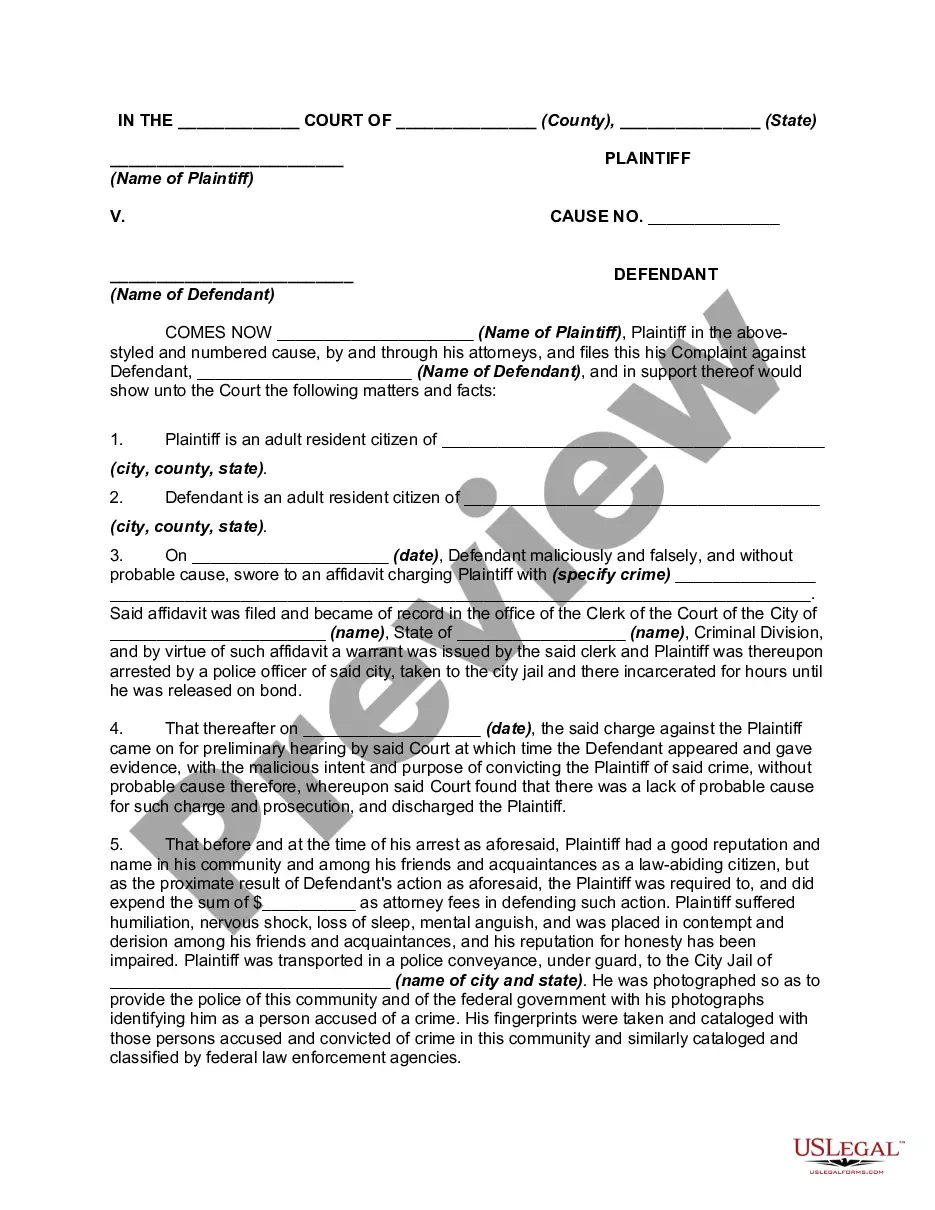
Get your form ready online
Our built-in tools help you complete, sign, share, and store your documents in one place.
Make edits, fill in missing information, and update formatting in US Legal Forms—just like you would in MS Word.
Download a copy, print it, send it by email, or mail it via USPS—whatever works best for your next step.
Sign and collect signatures with our SignNow integration. Send to multiple recipients, set reminders, and more. Go Premium to unlock E-Sign.
If this form requires notarization, complete it online through a secure video call—no need to meet a notary in person or wait for an appointment.
We protect your documents and personal data by following strict security and privacy standards.

Make edits, fill in missing information, and update formatting in US Legal Forms—just like you would in MS Word.

Download a copy, print it, send it by email, or mail it via USPS—whatever works best for your next step.

Sign and collect signatures with our SignNow integration. Send to multiple recipients, set reminders, and more. Go Premium to unlock E-Sign.

If this form requires notarization, complete it online through a secure video call—no need to meet a notary in person or wait for an appointment.

We protect your documents and personal data by following strict security and privacy standards.
Looking for another form?
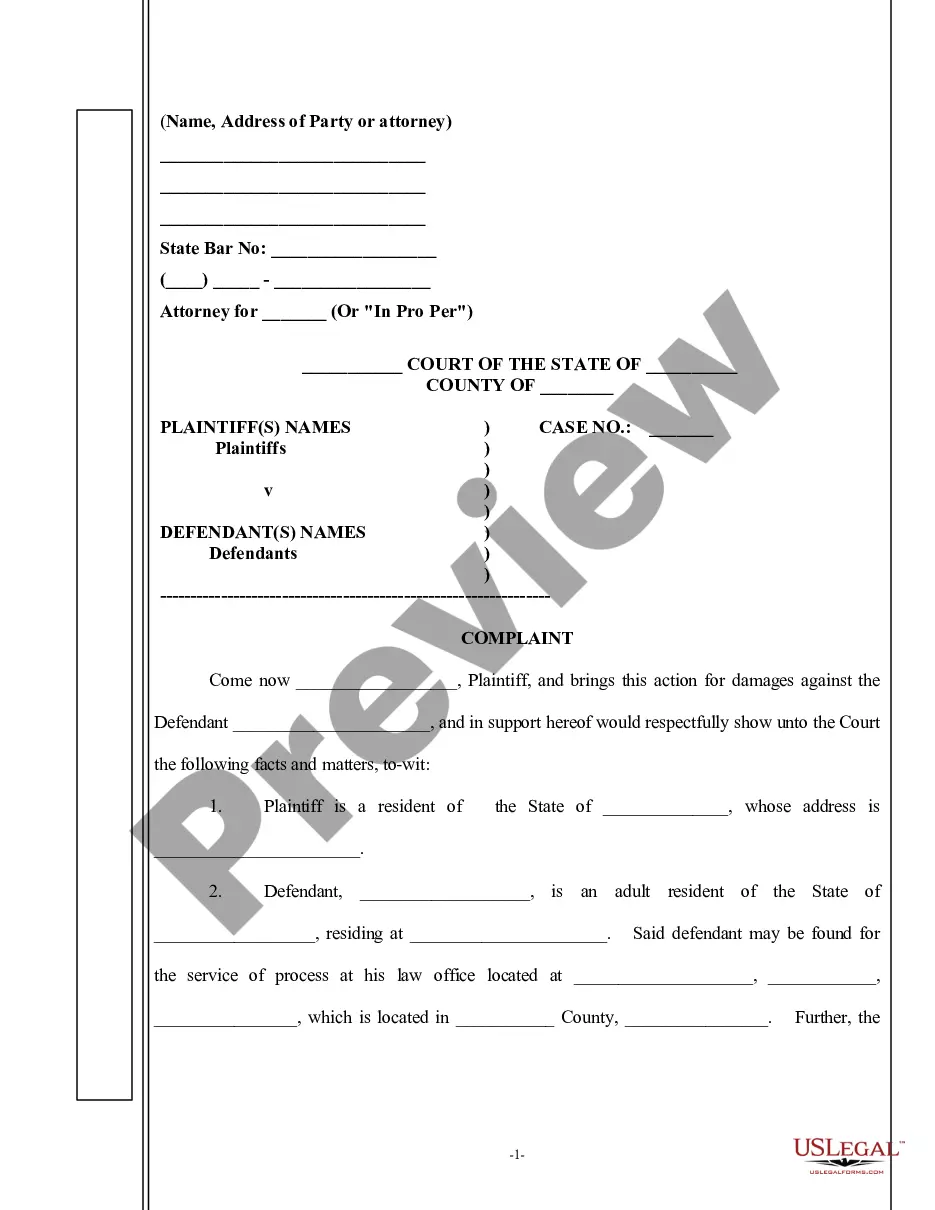
How to fill out Complaint For Malicious Prosecution, False Imprisonment, Abuse Of Process?
Handling legal papers and procedures might be a time-consuming addition to your entire day. Malicious Abuse Of Process and forms like it usually need you to search for them and navigate the way to complete them effectively. Therefore, regardless if you are taking care of economic, legal, or individual matters, having a extensive and hassle-free web library of forms at your fingertips will go a long way.
US Legal Forms is the top web platform of legal templates, featuring over 85,000 state-specific forms and a number of tools that will help you complete your papers easily. Discover the library of pertinent papers open to you with just one click.
US Legal Forms offers you state- and county-specific forms offered at any moment for downloading. Shield your papers administration procedures with a top-notch service that lets you prepare any form within minutes without any additional or hidden charges. Simply log in to your profile, identify Malicious Abuse Of Process and download it straight away from the My Forms tab. You may also access previously downloaded forms.
Could it be the first time using US Legal Forms? Sign up and set up up an account in a few minutes and you’ll get access to the form library and Malicious Abuse Of Process. Then, stick to the steps below to complete your form:
- Be sure you have discovered the proper form using the Review option and looking at the form description.
- Choose Buy Now once ready, and choose the monthly subscription plan that meets your needs.
- Select Download then complete, eSign, and print the form.
US Legal Forms has twenty five years of experience helping users handle their legal papers. Find the form you require right now and enhance any process without having to break a sweat.
Form popularity
FAQ
The primary difference between the two legal actions is that malicious prosecution concerns the malicious or wrongful commencement of an action, while, on the other hand, abuse of process concerns the improper use of the legal process after process has already been issued and a suit has commenced.
The Elements of a Malicious Prosecution Claim A legal action commenced or prosecuted without probable cause. ... The legal action was brought or initiated with malice or malicious intent. Final, favorable termination or resolution of the action (or relevant claims) in the defendant's favor. ... Legally recognizable damages.
To establish a claim for abuse of process, plaintiff must demonstrate that defendant: (1) used a legal process against the plaintiff, (2) primarily to accomplish a purpose for which the process was not designed; and that (3) harm has been caused to the plaintiff.
If you've been wrongfully prosecuted, you might be able to file a malicious prosecution lawsuit for damages against the person who initiated the charges or filed the suit against you. ... If you think you have a case, contact a civil rights attorney to evaluate your case.
For example, in a case where a former employer sought to bring criminal charges to its employee to recover stolen money, while knowing that the employee was not responsible for the theft, the court held the employer liable for abuse of process for initiating criminal charges while knowing that the charges were ...