Abuse Process With Civil Proceedings
Description



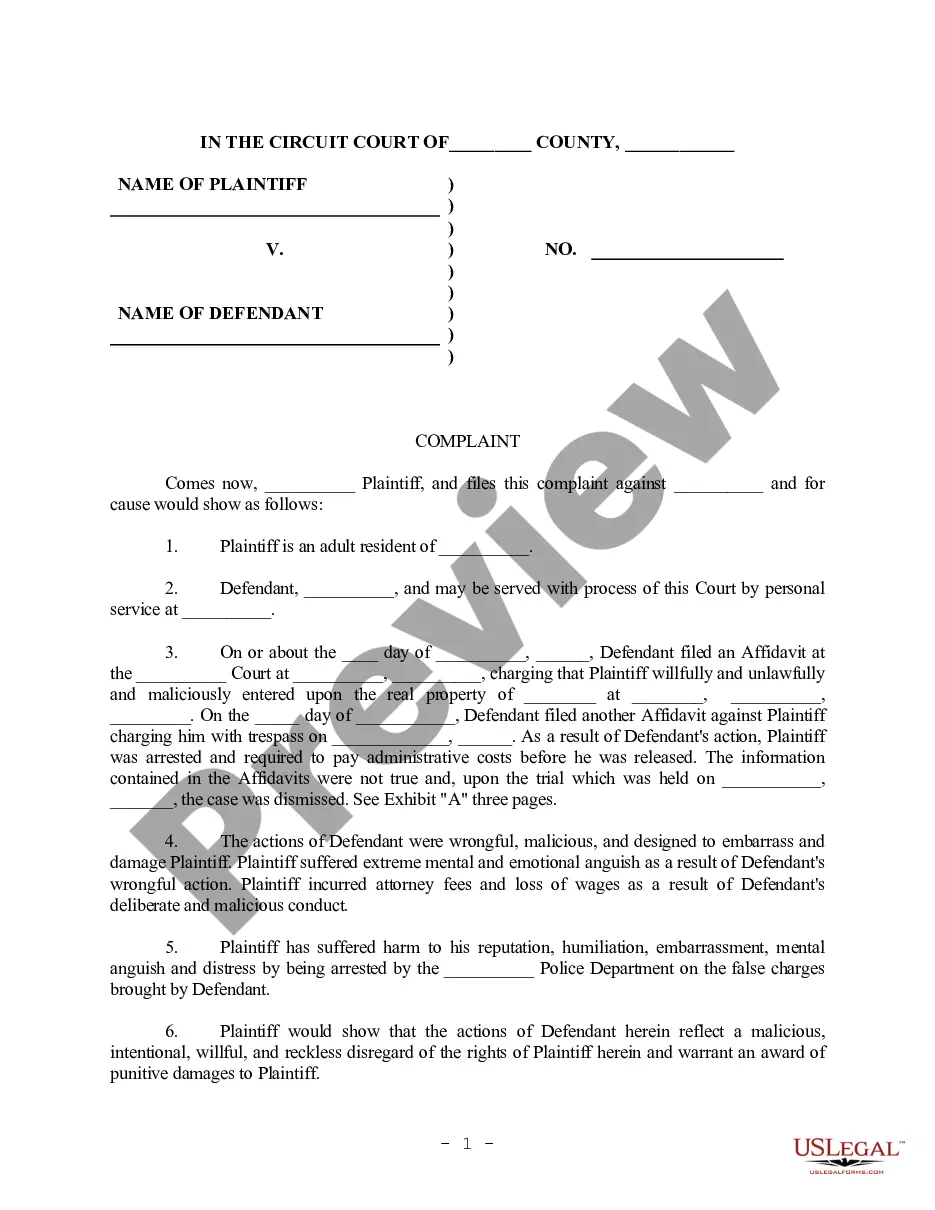
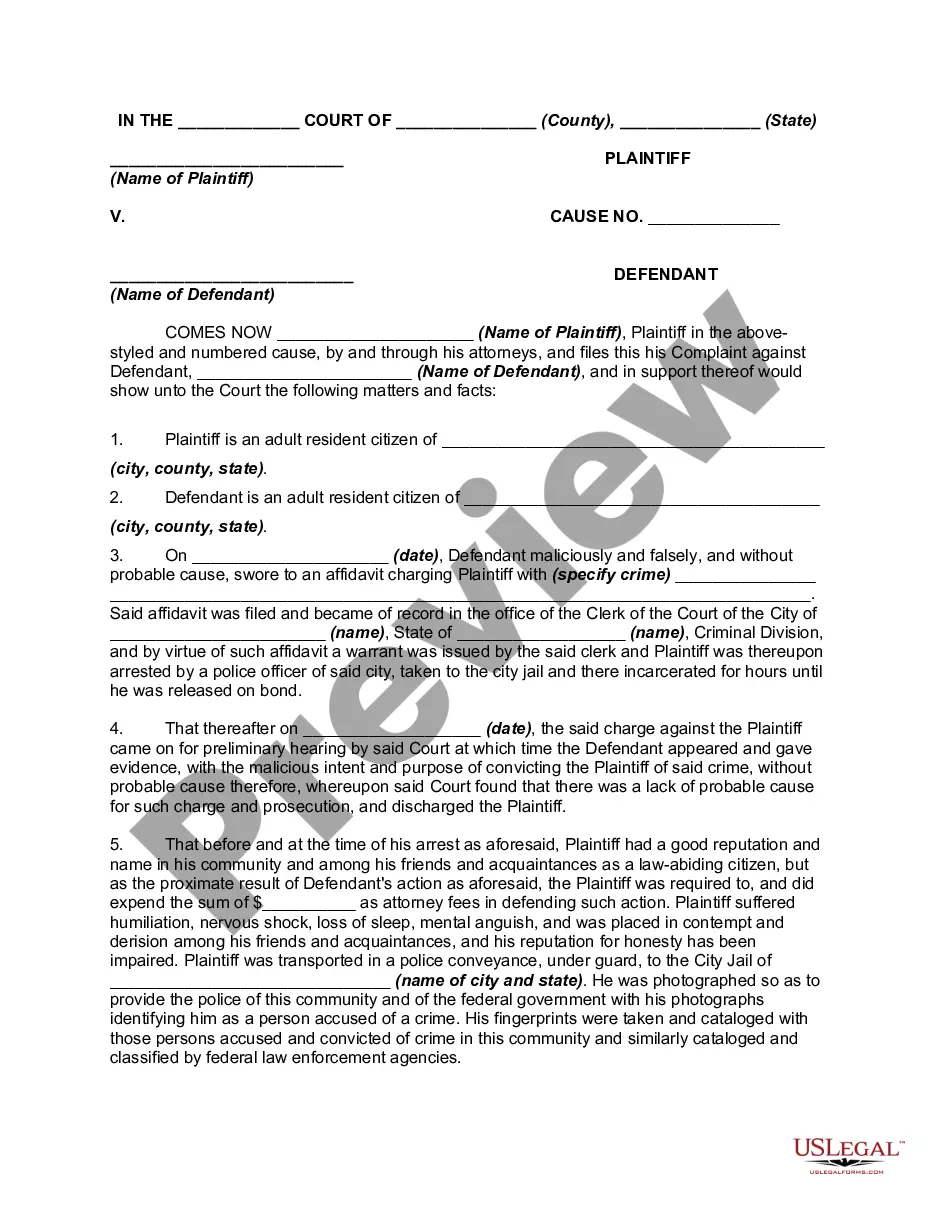
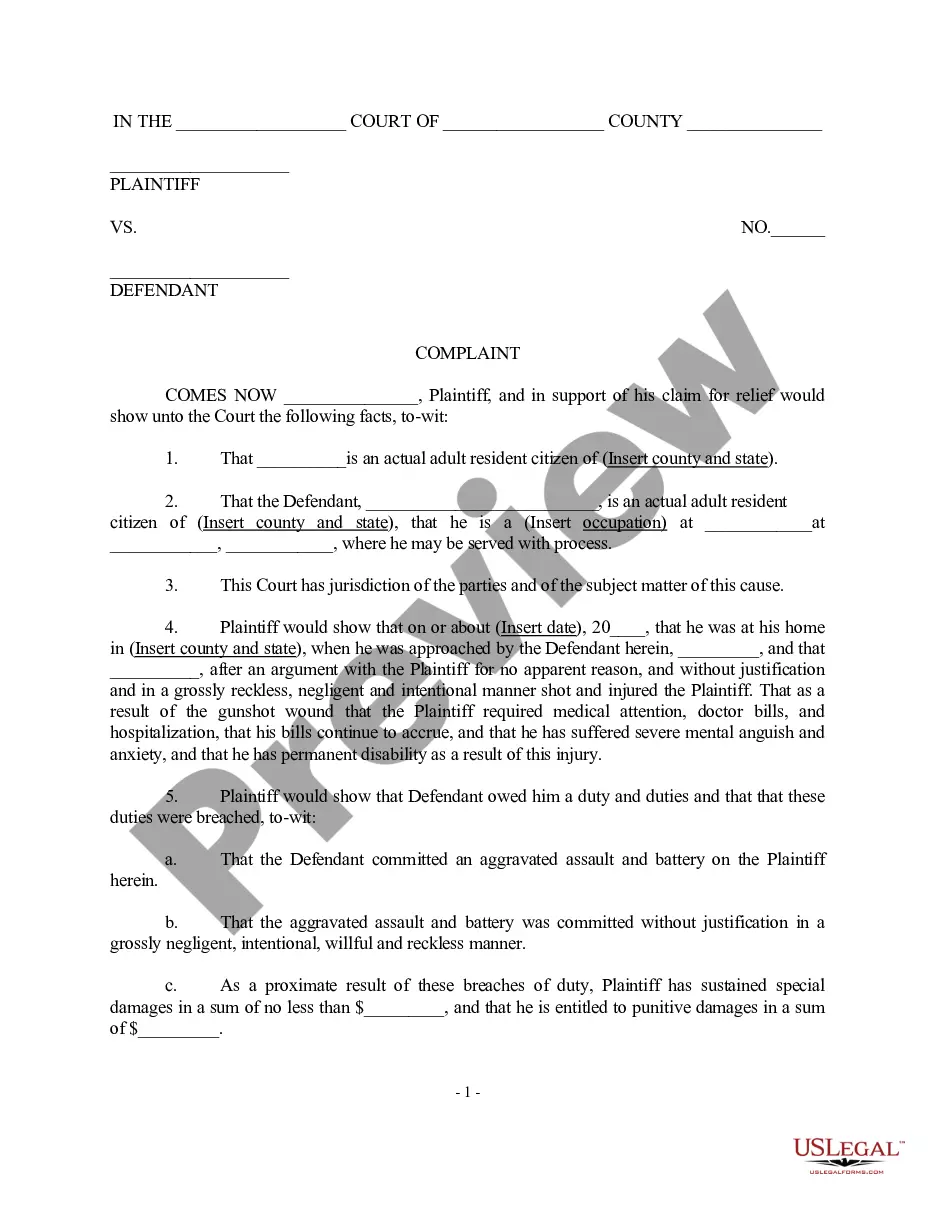
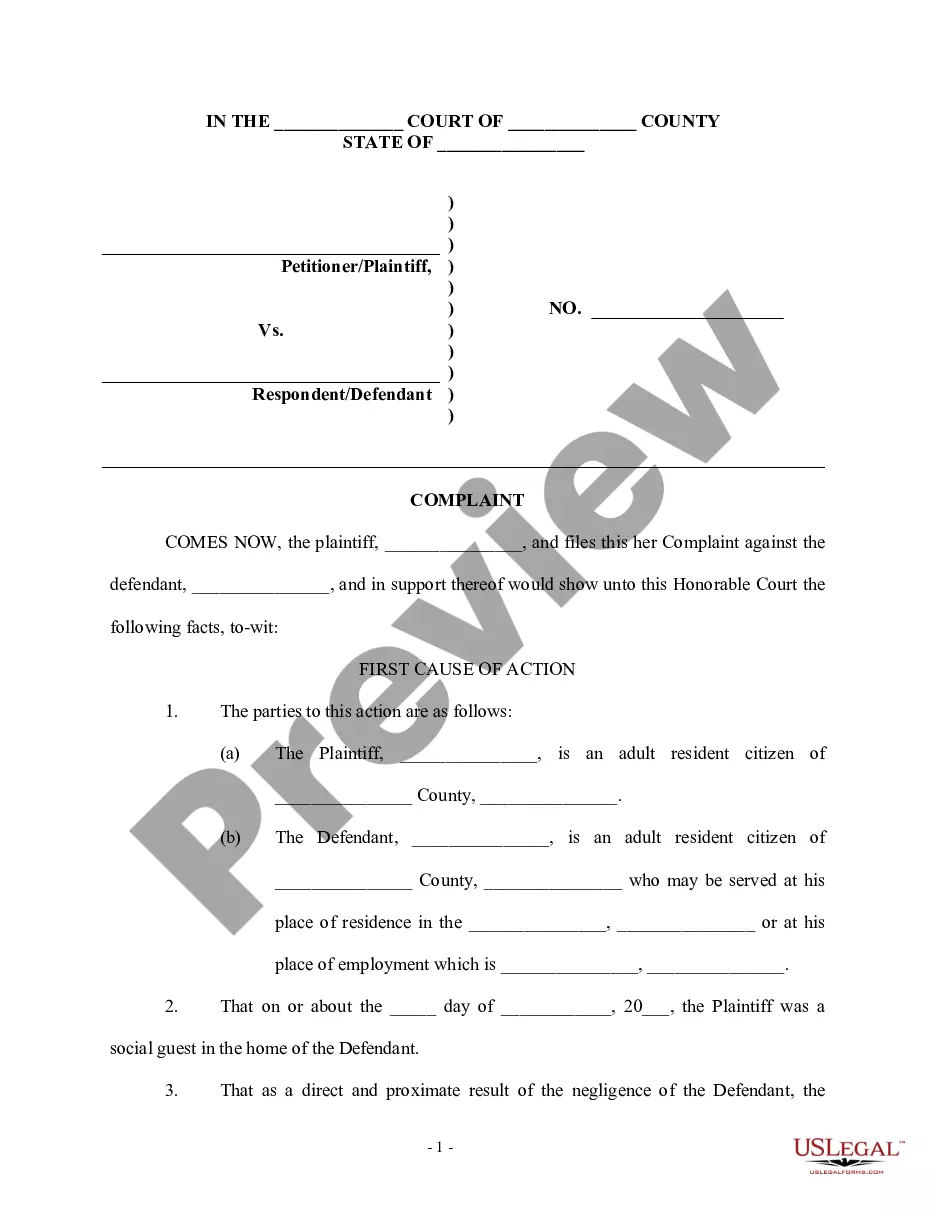
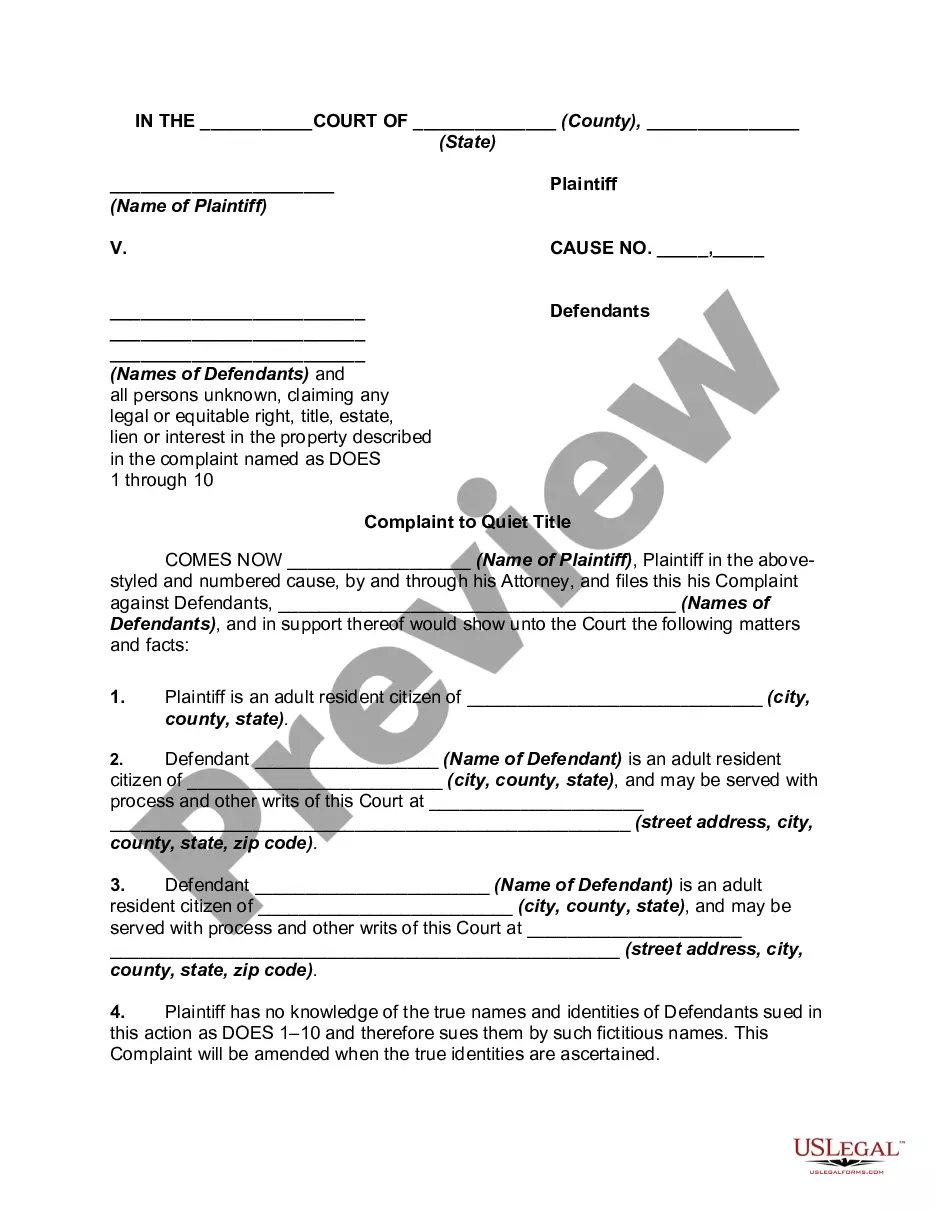

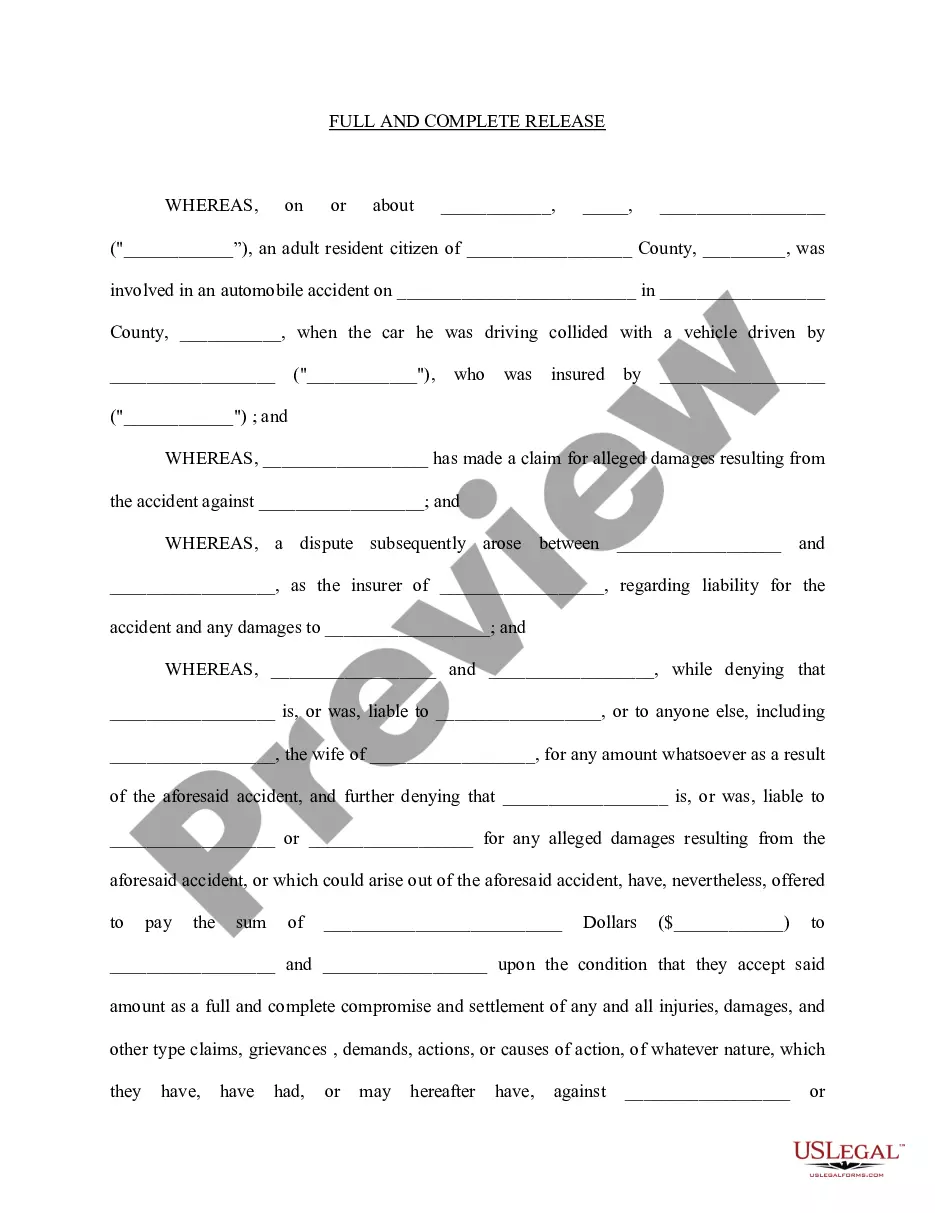




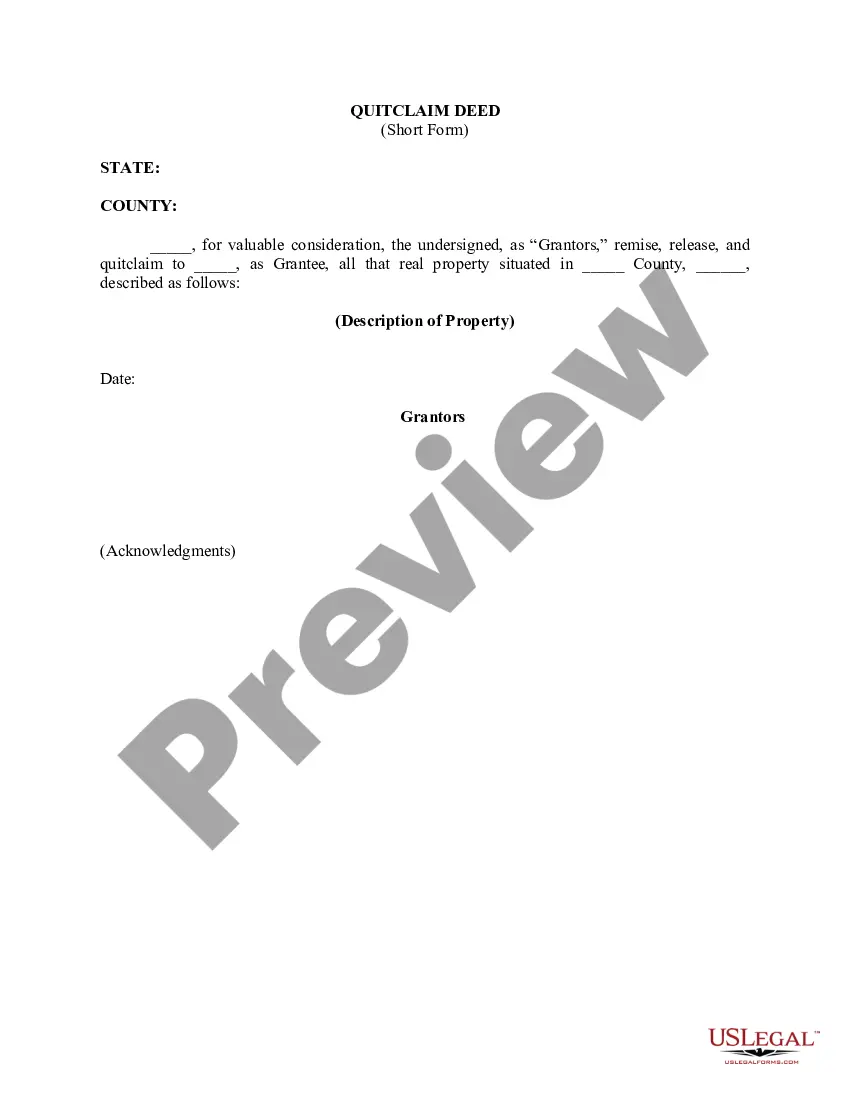
How to fill out Complaint For Malicious Prosecution, False Imprisonment, Abuse Of Process?
Acquiring legal documents that comply with federal and local laws is crucial, and the internet presents numerous choices to select from.
However, what is the benefit of spending time hunting for the perfect Abuse Process With Civil Proceedings template online when the US Legal Forms digital library has such documents compiled in one location.
US Legal Forms is the largest online legal repository featuring over 85,000 editable templates created by lawyers for various professional and personal circumstances. They are easy to navigate, with all documents categorized by state and intended use. Our experts keep pace with legal updates, allowing you to trust that your form is current and adheres to regulations when obtaining an Abuse Process With Civil Proceedings from our site.
- Evaluate the template using the Preview function or through the text outline to ensure it matches your requirements.
- Search for a different template using the search feature at the top of the page if needed.
- Press Buy Now once you’ve discovered the appropriate form and select a subscription option.
- Create an account or Log In and complete the payment via PayPal or a credit card.
- Choose the format for your Abuse Process With Civil Proceedings and download it.
Form popularity
FAQ
Yes, you can sue for abuse of process if you can prove that someone has misused legal procedures against you. This is typical in civil proceedings, where the legal system is employed to achieve an improper purpose. The success of your case depends on gathering substantial evidence and presenting it effectively. Engaging with legal services like USLegalForms may enhance your chances of a successful outcome.
The term 'abuse of process' does not have a specific US code but is recognized in many states as a tort. It describes the misuse of legal procedures and varies in definition based on jurisdiction. Understanding local laws is crucial, as civil proceedings can involve specific statutes related to this issue. Consulting legal resources or platforms like USLegalForms can help clarify these definitions.
Yes, abuse of process can be challenging to prove due to the need for clear evidence showing that the legal process was misused. In civil proceedings, you must demonstrate that the legal action pursued was without any legitimate purpose. Gathering comprehensive evidence and expert testimony can bolster your claim. Delving into this matter with a knowledgeable attorney can provide clarity and direction.
Yes, a lawyer can be sued for abuse of process if they misuse legal procedures for an ulterior motive. This often occurs during civil proceedings when a lawyer employs legal tactics that are intended to harass or intimidate rather than pursue a legitimate claim. It’s important to collect evidence of improper motives to support your case. If you believe you have experienced this, consulting with a legal expert can guide you through the next steps.
In New York, the elements of abuse of process include the intentional misuse of legal process and an ulterior motive. You must also demonstrate that the process was used in a way that was not intended by law. Understanding these elements is vital as they illustrate the abuse process with civil proceedings. For those facing such issues, legal resources, such as US Legal Forms, can offer clarity and assistance.
Malicious prosecution in a civil case refers to the wrongful initiation of litigation by one party against another without sufficient legal justification. The harmed party must show that they suffered damages due to the unjust legal action. This concept is closely tied to the abuse process with civil proceedings and seeks to provide a remedy for those wrongfully accused. Engaging with platforms like US Legal Forms can help you understand and address these challenging legal issues.
To establish a claim for malicious prosecution, you must prove four essential elements: the initiation of a lawsuit, the absence of probable cause, malice or intent to harm, and a favorable outcome in the prior case. Each element helps demonstrate improper use of the judicial system. Thus, understanding these elements can clarify the connections to the abuse process with civil proceedings. Professional guidance can aid in effectively navigating these intricate matters.
Abuse of process occurs when someone uses legal proceedings for an improper purpose, rather than for their intended legal goal. Common examples include filing suit solely to harass or intimidate an opponent, or using court orders to gain an advantage in a separate matter. Recognizing these behaviors is essential as they relate to the abuse process with civil proceedings. If you suspect such actions, it may be beneficial to consult a legal expert.
Winning a malicious prosecution case can be challenging. You need to provide sufficient evidence showing that the original claim was not only false but also filed without probable cause. Additionally, demonstrating that the previous case was resolved in your favor is crucial. This complex nature highlights the importance of understanding the abuse process with civil proceedings.
Proving reactive abuse in court involves demonstrating that your responses were a reaction to prior, ongoing abuse. Collect evidence that showcases the context of your actions, such as communications, witness testimony, and any documentation of the abuser's behavior. Your legal team can assist in framing this information accurately within the abuse process with civil proceedings to illustrate your position clearly.