Trial For Civil Case
Description

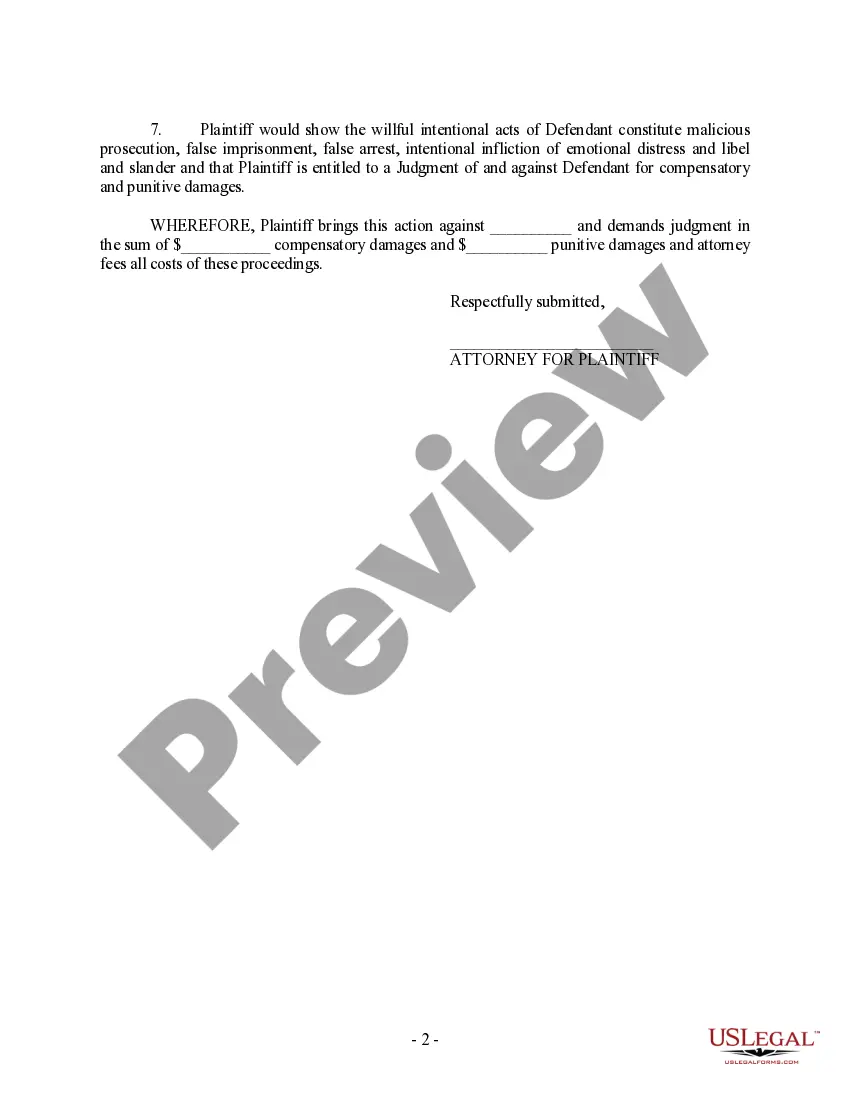

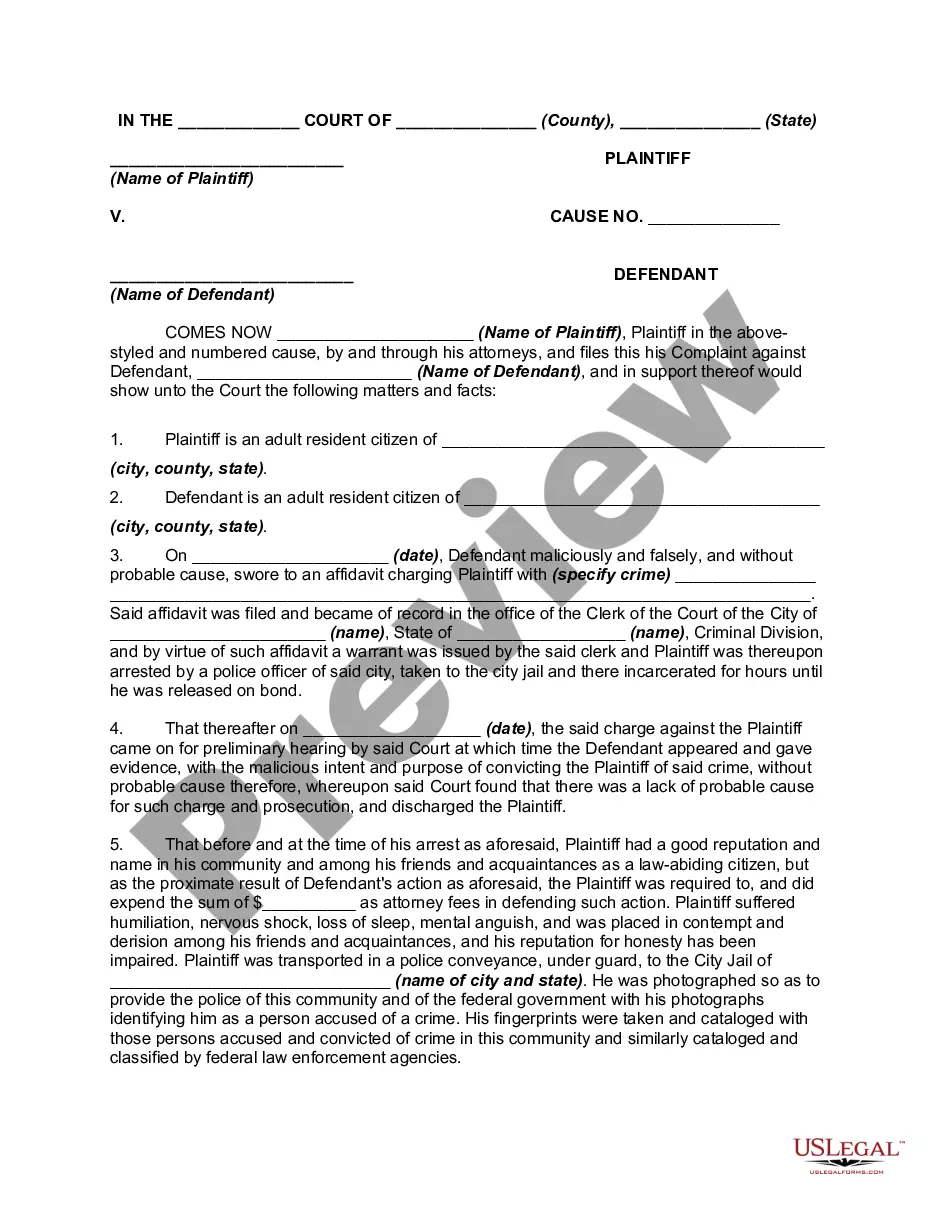
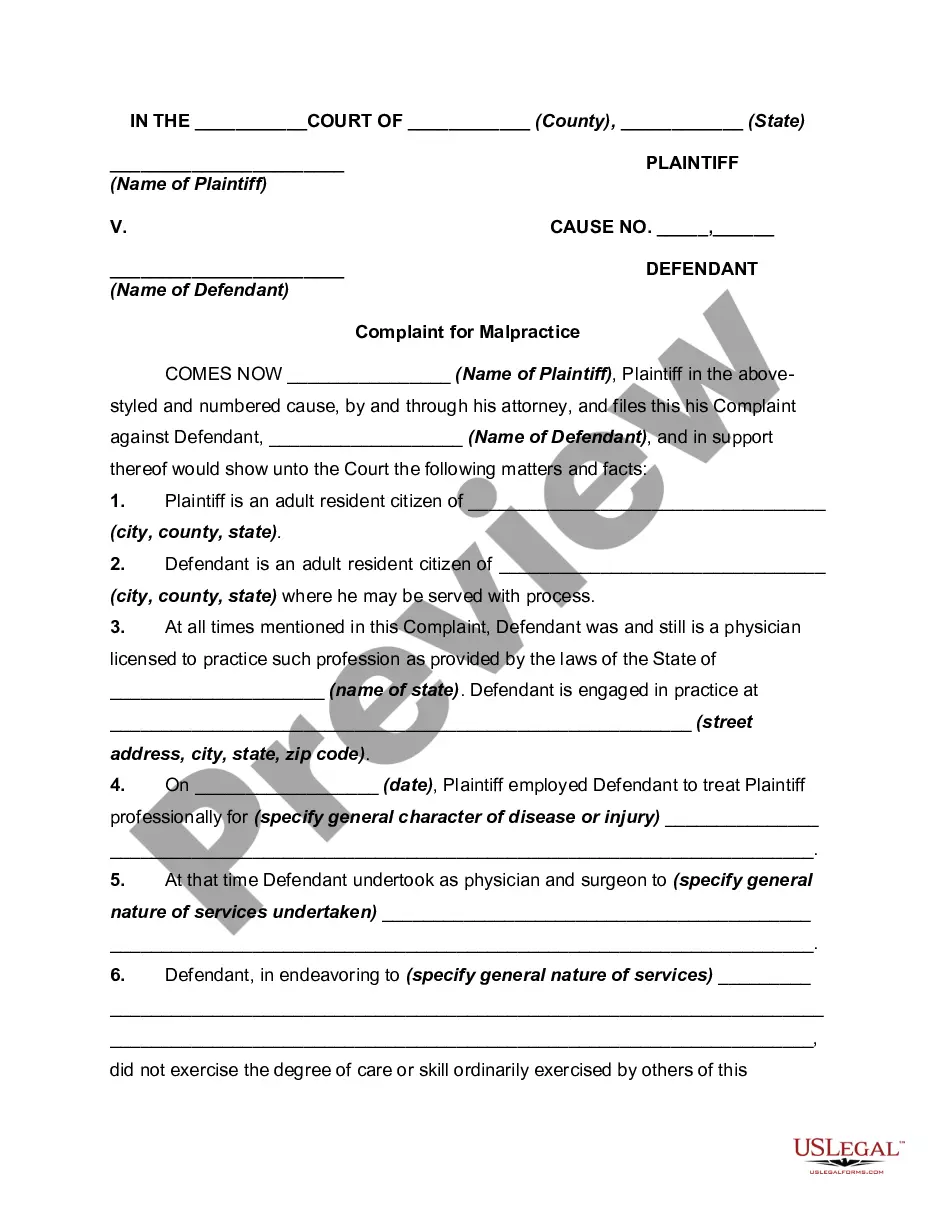

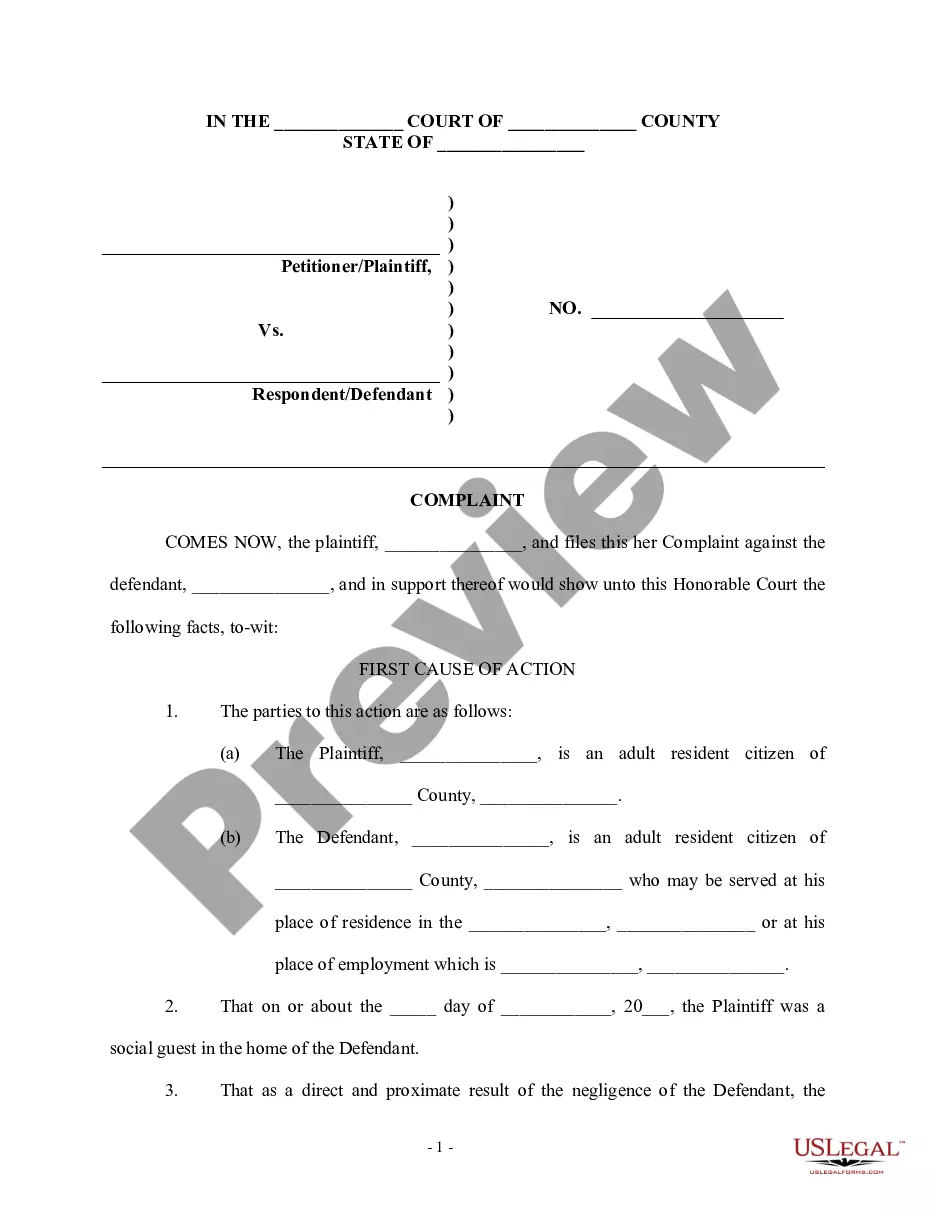
Get your form ready online
Our built-in tools help you complete, sign, share, and store your documents in one place.
Make edits, fill in missing information, and update formatting in US Legal Forms—just like you would in MS Word.
Download a copy, print it, send it by email, or mail it via USPS—whatever works best for your next step.
Sign and collect signatures with our SignNow integration. Send to multiple recipients, set reminders, and more. Go Premium to unlock E-Sign.
If this form requires notarization, complete it online through a secure video call—no need to meet a notary in person or wait for an appointment.
We protect your documents and personal data by following strict security and privacy standards.

Make edits, fill in missing information, and update formatting in US Legal Forms—just like you would in MS Word.

Download a copy, print it, send it by email, or mail it via USPS—whatever works best for your next step.

Sign and collect signatures with our SignNow integration. Send to multiple recipients, set reminders, and more. Go Premium to unlock E-Sign.

If this form requires notarization, complete it online through a secure video call—no need to meet a notary in person or wait for an appointment.

We protect your documents and personal data by following strict security and privacy standards.
Looking for another form?




How to fill out Complaint For Malicious Prosecution?
The Trial For Civil Case displayed on this site is a versatile legal template crafted by skilled attorneys in accordance with federal and local regulations.
For over 25 years, US Legal Forms has supplied individuals, corporations, and legal experts with more than 85,000 validated, state-specific documents for any business and personal situation. It’s the quickest, simplest, and most reliable method to acquire the documentation you require, as the service ensures the utmost level of data protection and malware prevention.
Subscribe to US Legal Forms to have authenticated legal templates for all of life's circumstances at your fingertips.
- Search for the document you require and review it.
- Browse the sample you found and view it or examine the document description to confirm it meets your requirements. If it doesn’t, utilize the search bar to locate the appropriate one. Click Buy Now once you have identified the template you need.
- Register and Log In.
- Choose the pricing plan that fits you and create an account. Use PayPal or a credit card to make an immediate payment. If you already possess an account, Log In and verify your subscription to proceed.
- Obtain the editable template.
- Select the format you prefer for your Trial For Civil Case (PDF, Word, RTF) and download the sample to your device.
- Fill out and sign the documentation.
- Print the template to fill it out manually. Alternatively, use an online versatile PDF editor to quickly and accurately complete and sign your form with a valid signature.
- Download your documents again.
- Re-use the same document as needed. Access the My documents section in your profile to redownload any previously saved forms.
Form popularity
FAQ
To win a trial for civil case, you must prove your claims by a preponderance of the evidence. This means you need to show that your version of the facts is more likely true than not. Typically, you must establish that the defendant acted improperly, which caused harm or loss to you. Gathering solid evidence, such as documents and witness testimony, is crucial to support your case effectively.
Yes, civil cases can indeed go to trial. Not all civil disputes resolve through negotiation or settlement; some require a court's intervention. When parties cannot reach an agreement, the trial process becomes essential for determining the outcome. For those looking for support in navigating this process, USLegalForms offers resources to simplify the trial for civil case journey.
The steps in a civil trial procedure include filing a complaint, serving the defendant, and engaging in discovery. Following these steps, both parties present their cases, including evidence and arguments. After closing statements, the jury or judge deliberates and renders a verdict. Each step is crucial to ensure a fair trial for civil cases.
The procedure of trial in civil cases generally includes several key stages. First, both parties present evidence and witness testimonies. Next, the judge or jury evaluates the information and applies the relevant law. Finally, the court delivers a verdict, which determines the outcome of the trial for the civil case.
Yes, you can request a jury trial for a civil case. This request typically occurs at the beginning of the case, often in the initial pleadings. A jury trial allows a group of peers to evaluate the evidence and decide on the outcome. If you want a jury trial, it's important to specify this request to ensure your rights are protected.
Going to trial carries inherent risks, as the outcome is uncertain and can depend on various factors, including the judge or jury's decision. Trials can also be costly, both in terms of time and financial resources. However, if you believe in the strength of your case, it may be worth pursuing. Utilizing resources like USLegalForms can help you prepare effectively for the trial for civil case and mitigate some risks involved.
When a civil case goes to trial, it means the parties involved have failed to reach a settlement through negotiation or mediation. The trial allows each party to present their side of the story to a judge or jury. This decision can result in a legally binding resolution, often involving compensation for damages. It is crucial to understand the implications of a trial for civil case before proceeding.
The duration of a civil trial can vary significantly based on the case's complexity and the court's schedule. Typically, a civil trial may last anywhere from a few days to several weeks. Factors such as the number of witnesses and the amount of evidence presented can influence the timeline. Knowing how long a trial for civil case might take helps in planning your legal strategy effectively.
A trial in a civil case is a legal process where a dispute between parties is resolved in court. During this process, both sides present their evidence and arguments to a judge or jury. The goal is to determine liability and compensation for damages. Understanding the trial for civil case can help you navigate the complexities of the legal system.
Most civil cases never go to trial because parties often prefer to settle out of court. Trials for civil cases can be lengthy, costly, and unpredictable. Settlements allow parties to reach mutually agreeable terms without the risks associated with a trial. Utilizing platforms like US Legal Forms can help you understand your options and facilitate effective negotiations.