Sample Complaint Malicious Prosecution California Without A Lawyer
Description
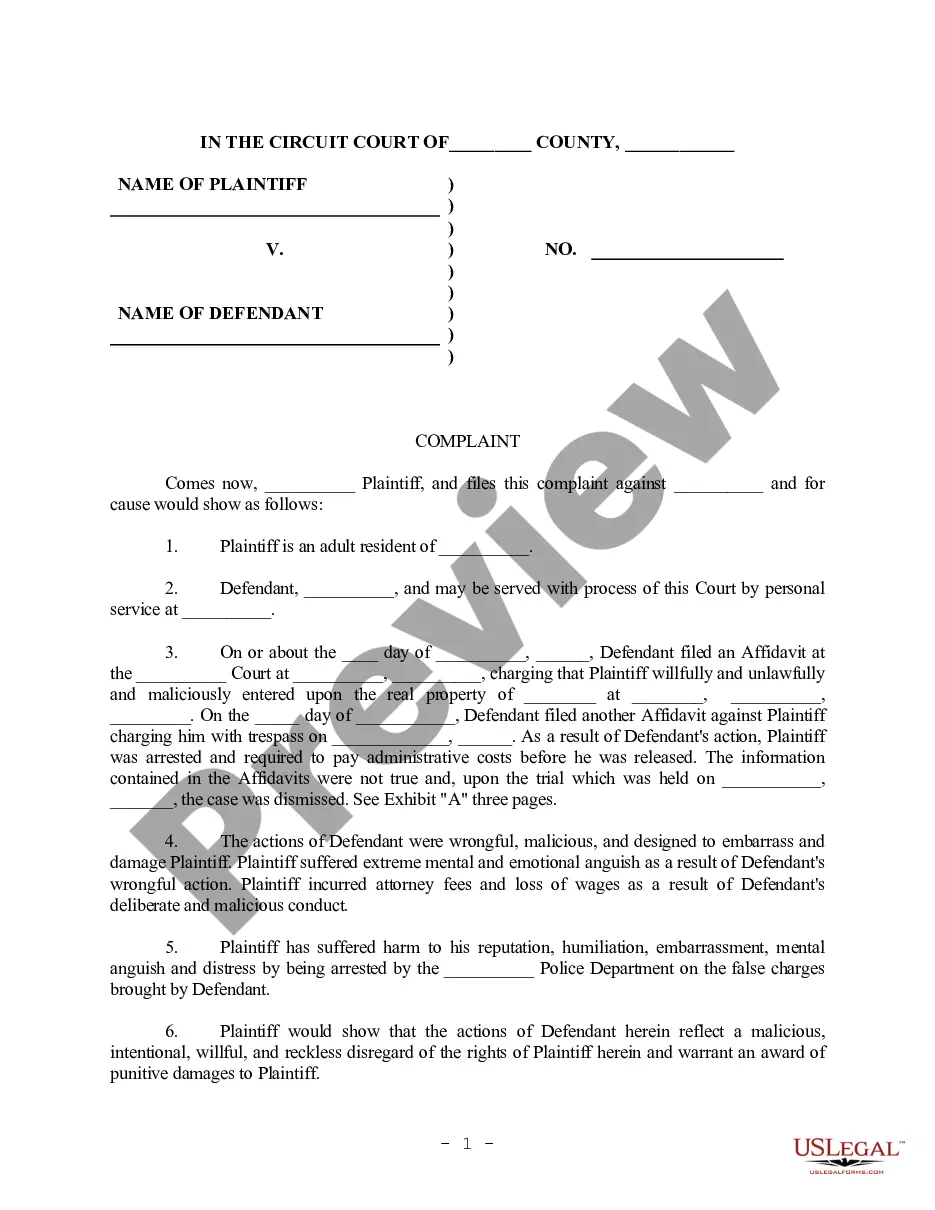
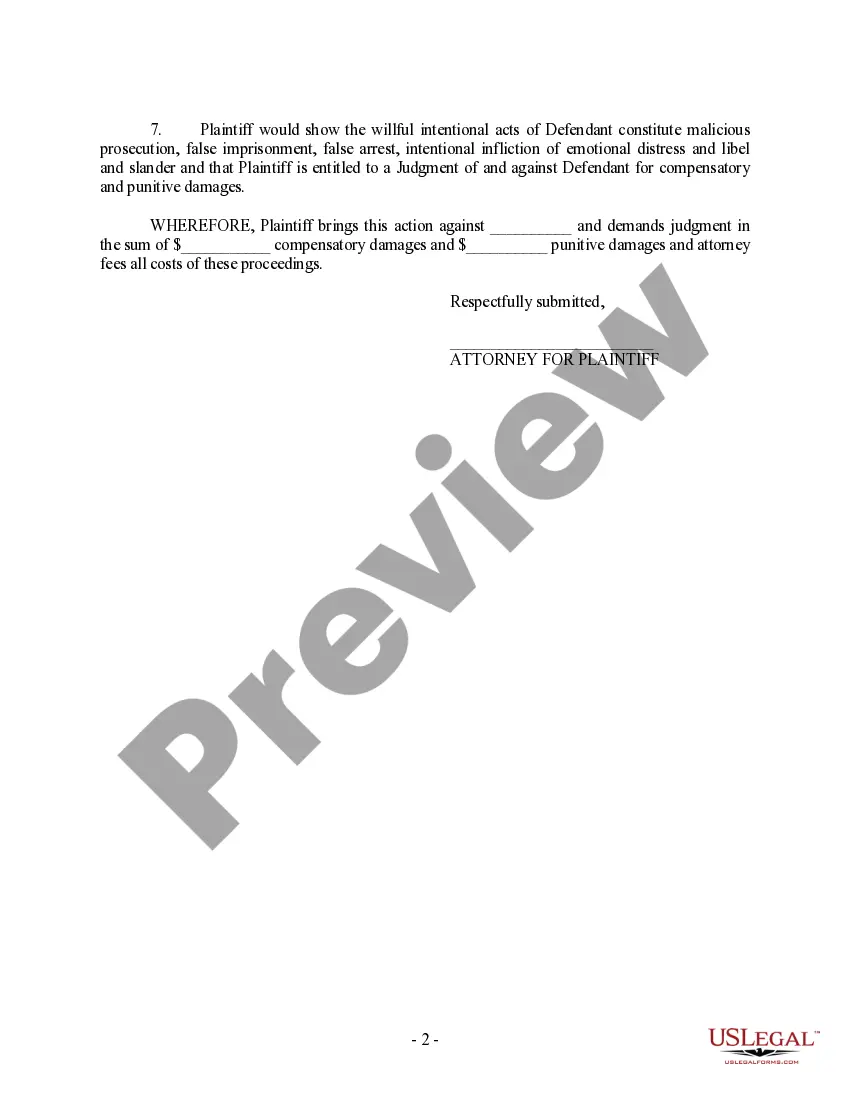

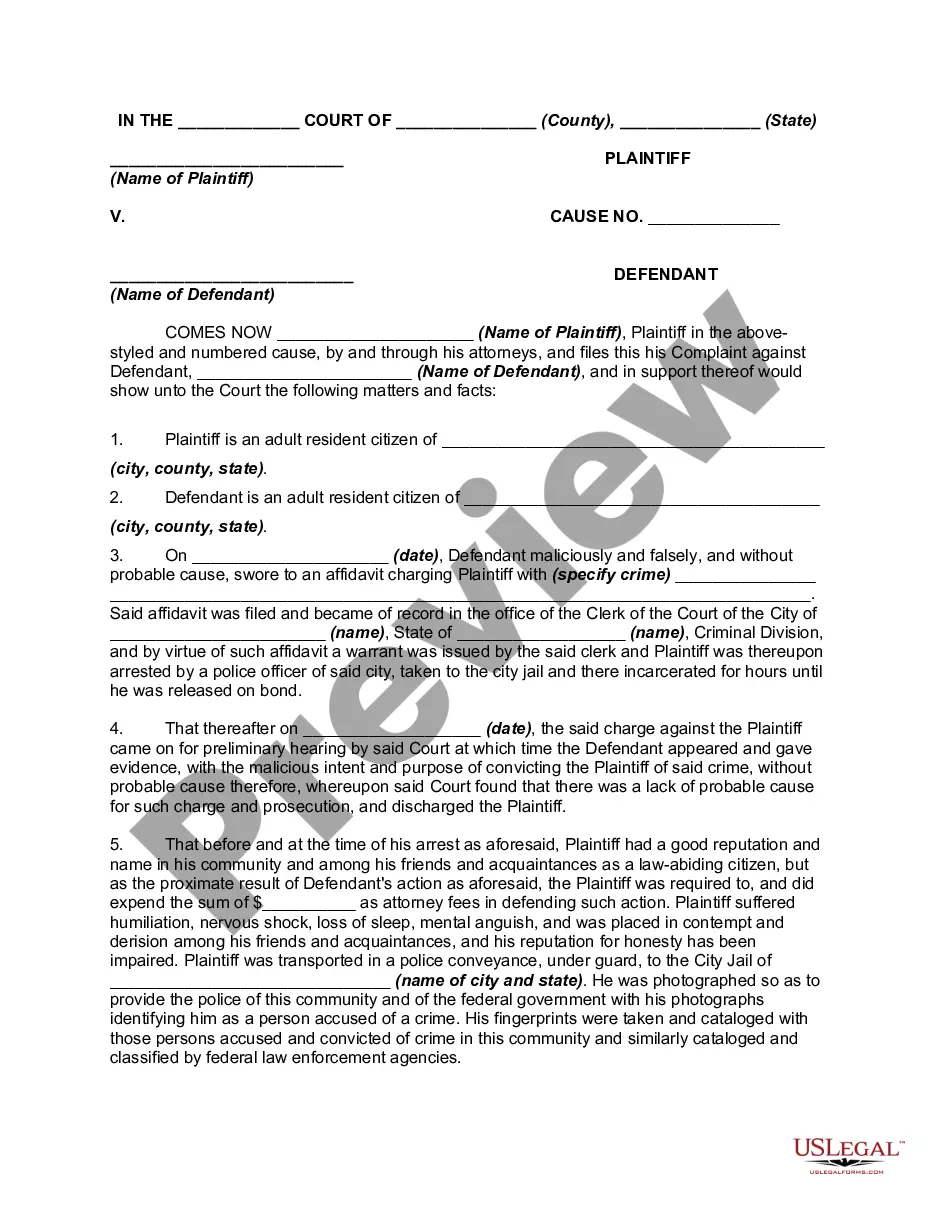
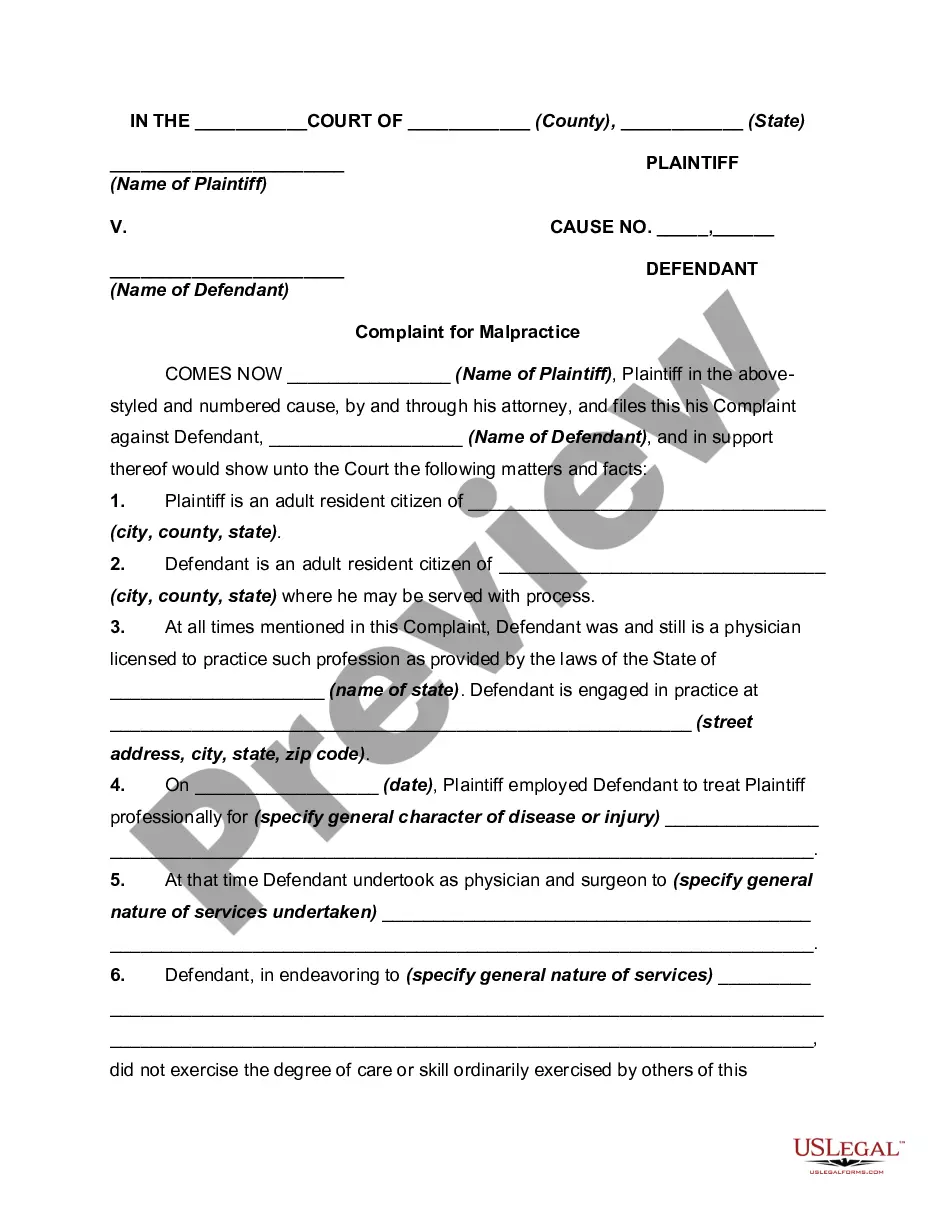
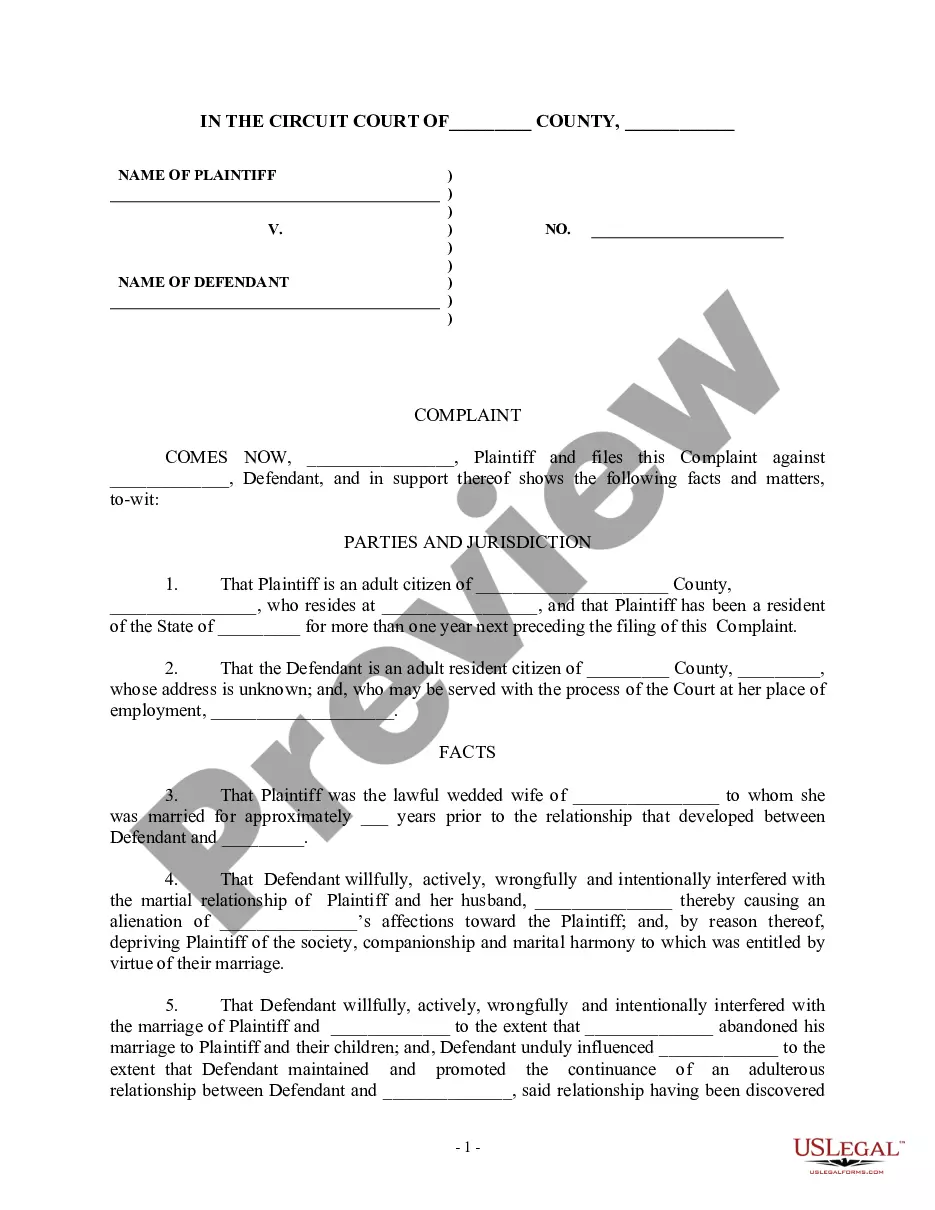
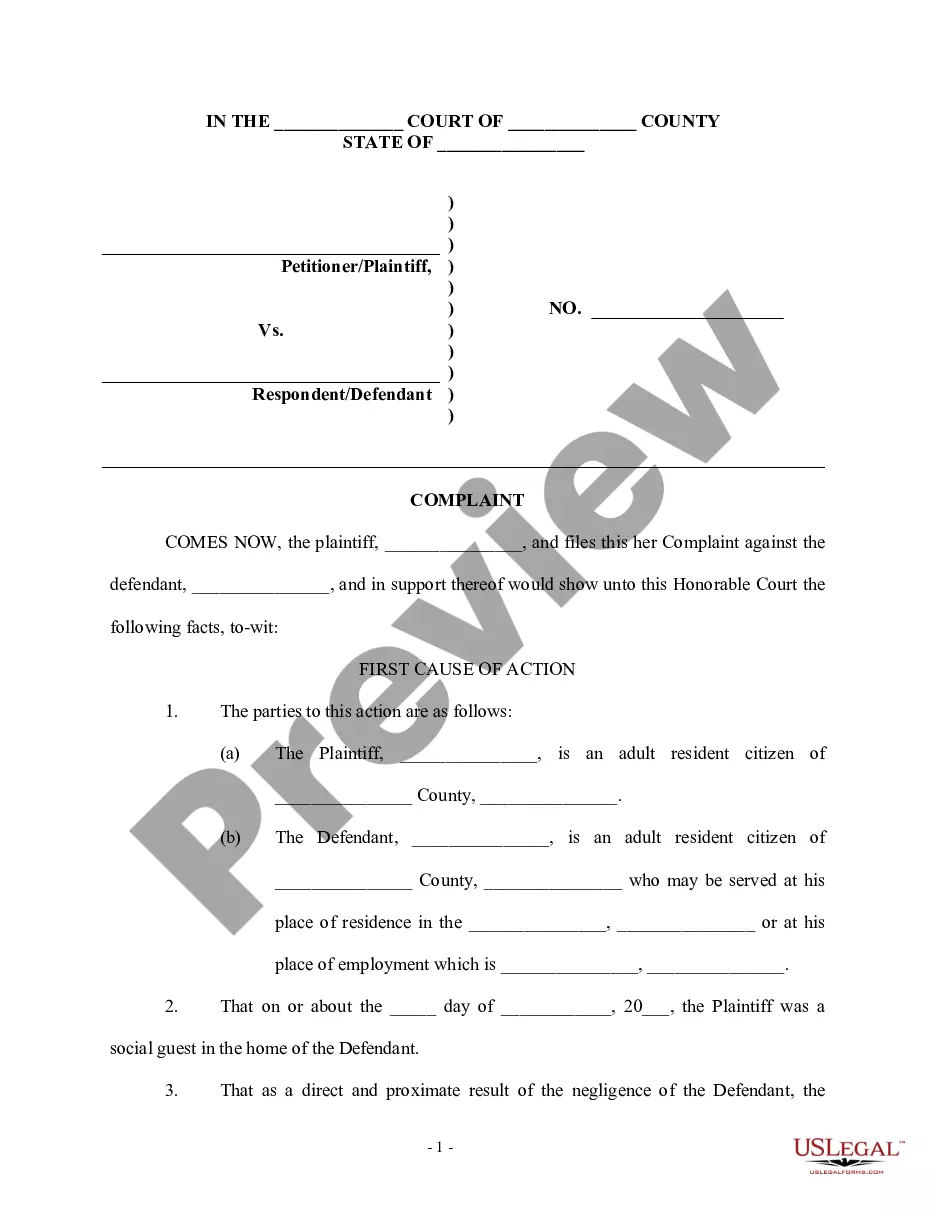
Get your form ready online
Our built-in tools help you complete, sign, share, and store your documents in one place.
Make edits, fill in missing information, and update formatting in US Legal Forms—just like you would in MS Word.
Download a copy, print it, send it by email, or mail it via USPS—whatever works best for your next step.
Sign and collect signatures with our SignNow integration. Send to multiple recipients, set reminders, and more. Go Premium to unlock E-Sign.
If this form requires notarization, complete it online through a secure video call—no need to meet a notary in person or wait for an appointment.
We protect your documents and personal data by following strict security and privacy standards.

Make edits, fill in missing information, and update formatting in US Legal Forms—just like you would in MS Word.

Download a copy, print it, send it by email, or mail it via USPS—whatever works best for your next step.

Sign and collect signatures with our SignNow integration. Send to multiple recipients, set reminders, and more. Go Premium to unlock E-Sign.

If this form requires notarization, complete it online through a secure video call—no need to meet a notary in person or wait for an appointment.

We protect your documents and personal data by following strict security and privacy standards.
Looking for another form?




How to fill out Complaint For Malicious Prosecution?
Whether for commercial reasons or for personal matters, everyone must handle legal issues at some point in their life.
Completing legal paperwork requires meticulous care, starting with choosing the correct form template. For instance, if you select an incorrect version of the Sample Complaint Malicious Prosecution California Without A Lawyer, it will be denied upon submission. Thus, it is crucial to have a trustworthy source of legal documents like US Legal Forms.
With a vast US Legal Forms catalog available, you don't need to waste time searching for the correct sample online. Utilize the library's easy navigation to find the appropriate template for any situation.
- Obtain the sample you require by using the search bar or browsing the catalog.
- Review the form's details to confirm it suits your case, state, and county.
- Click on the form's preview to inspect it.
- If it’s the incorrect form, return to the search feature to locate the Sample Complaint Malicious Prosecution California Without A Lawyer template you need.
- Download the template once it meets your specifications.
- If you possess a US Legal Forms account, click Log in to access previously stored documents in My documents.
- If you have not created an account yet, you may obtain the form by clicking Buy now.
- Select the appropriate pricing option.
- Complete the profile registration form.
- Choose your payment method: you can utilize a credit card or PayPal account.
- Select the file format you prefer and download the Sample Complaint Malicious Prosecution California Without A Lawyer.
- Once downloaded, you can fill out the form using editing software or print it and complete it manually.
Form popularity
FAQ
What must a plaintiff show to sue for malicious prosecution? To sue for malicious prosecution, you must show that criminal or civil proceedings were initiated against you or continued without probable cause and that the case against you terminated in your favor.
You must fill out an Answer, serve the plaintiff, and file your Answer form with the court. Generally, this is due within 30 days after you were served. If you don't, the plaintiff can ask for a default. If there's a default, the court won't let you file an Answer and can decide the case without you.
In California, claims for malicious prosecution have four primary elements: A legal action commenced or prosecuted without probable cause. ... The legal action was brought or initiated with malice or malicious intent. Final, favorable termination or resolution of the action (or relevant claims) in the defendant's favor.
To summarize, the California tort of malicious prosecution is a civil lawsuit intended to punish people who bring meritless claims that lead to injury. However, in order to establish these causes of action, the plaintiff must show evidence of certain facts.
That the defendant acted primarily for a purpose other than succeeding on the merits of the claim; that the plaintiff was harmed by the underlying case; and. that the defendant's conduct was a substantial factor in causing the plaintiff's harm.