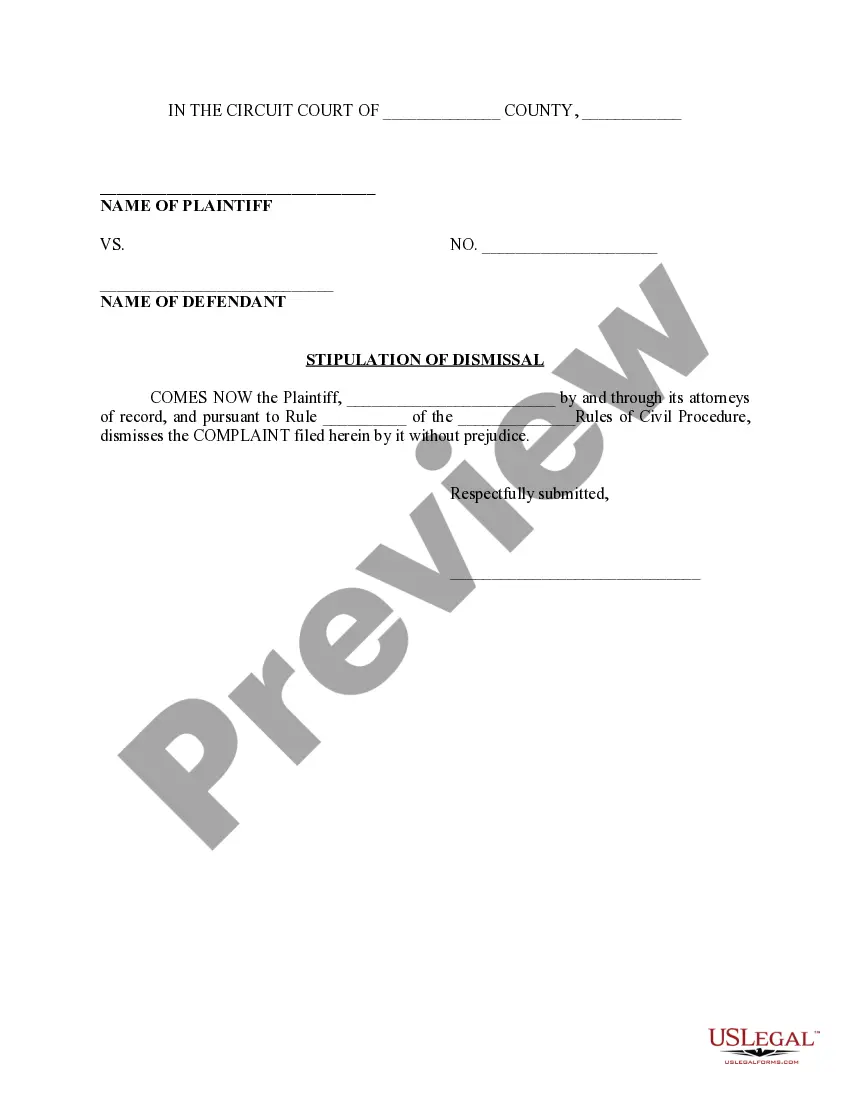
Order For Dismissal Form With 2 Points
Description
Get your form ready online
Our built-in tools help you complete, sign, share, and store your documents in one place.
Make edits, fill in missing information, and update formatting in US Legal Forms—just like you would in MS Word.
Download a copy, print it, send it by email, or mail it via USPS—whatever works best for your next step.
Sign and collect signatures with our SignNow integration. Send to multiple recipients, set reminders, and more. Go Premium to unlock E-Sign.
If this form requires notarization, complete it online through a secure video call—no need to meet a notary in person or wait for an appointment.
We protect your documents and personal data by following strict security and privacy standards.

Make edits, fill in missing information, and update formatting in US Legal Forms—just like you would in MS Word.

Download a copy, print it, send it by email, or mail it via USPS—whatever works best for your next step.

Sign and collect signatures with our SignNow integration. Send to multiple recipients, set reminders, and more. Go Premium to unlock E-Sign.

If this form requires notarization, complete it online through a secure video call—no need to meet a notary in person or wait for an appointment.

We protect your documents and personal data by following strict security and privacy standards.
Looking for another form?
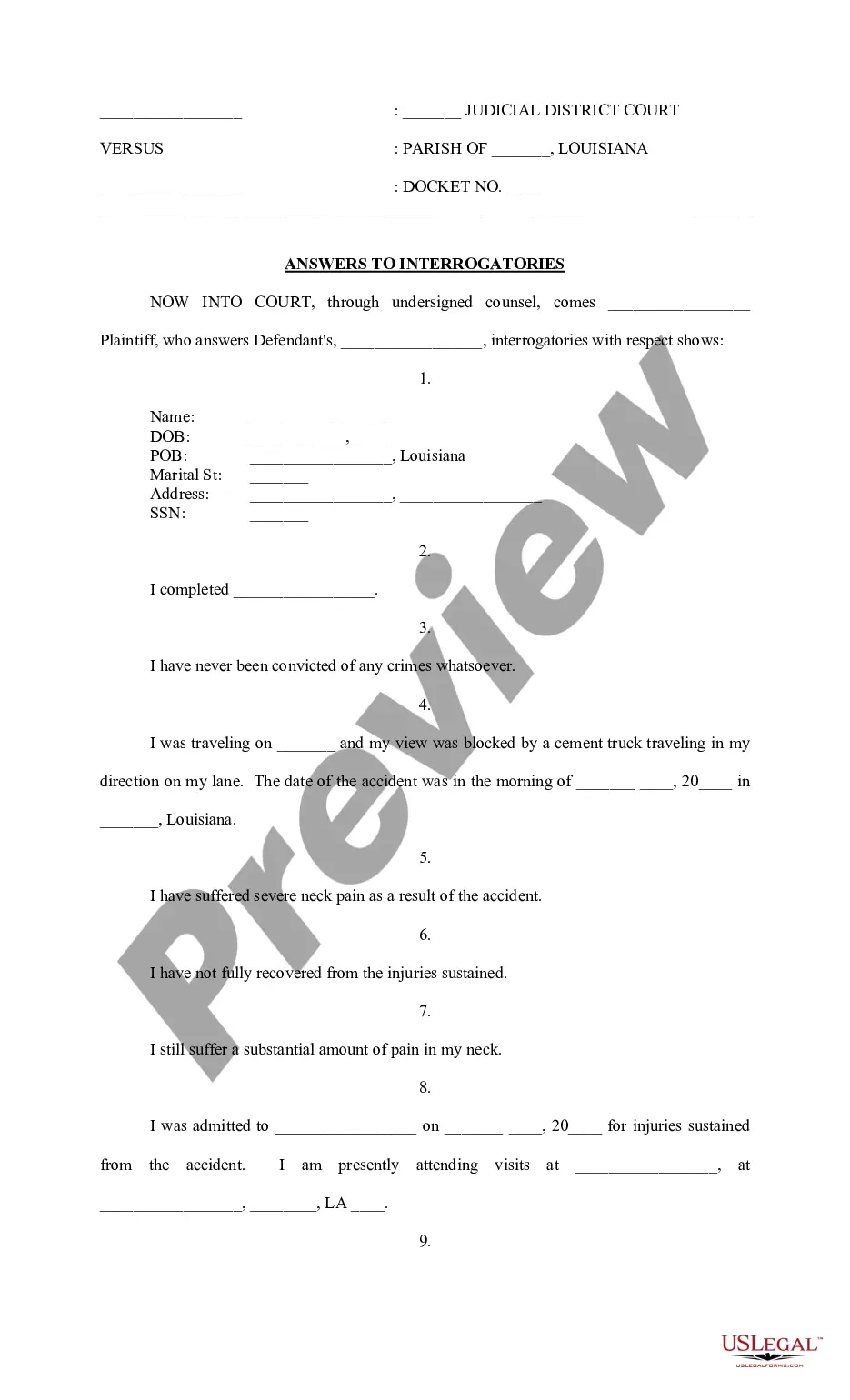
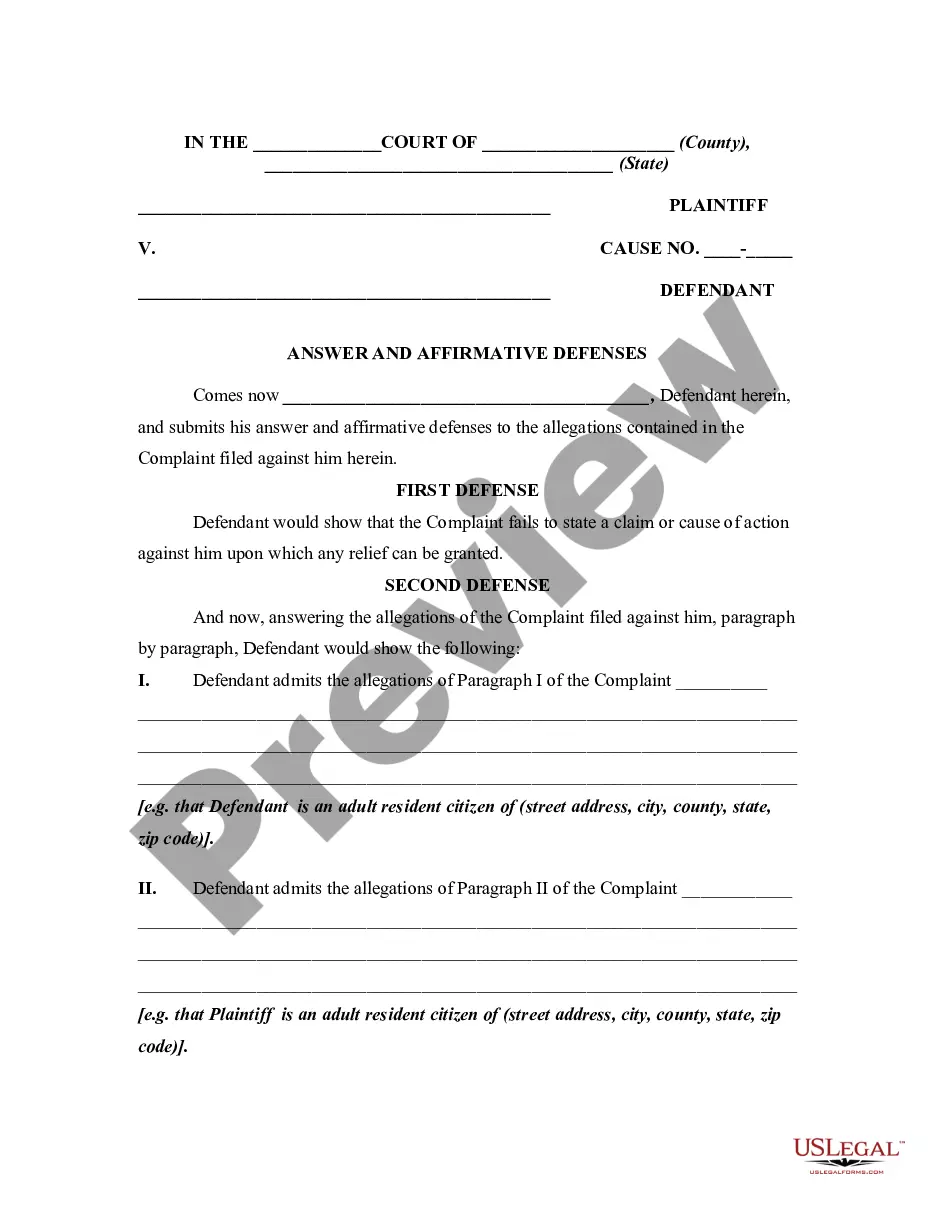
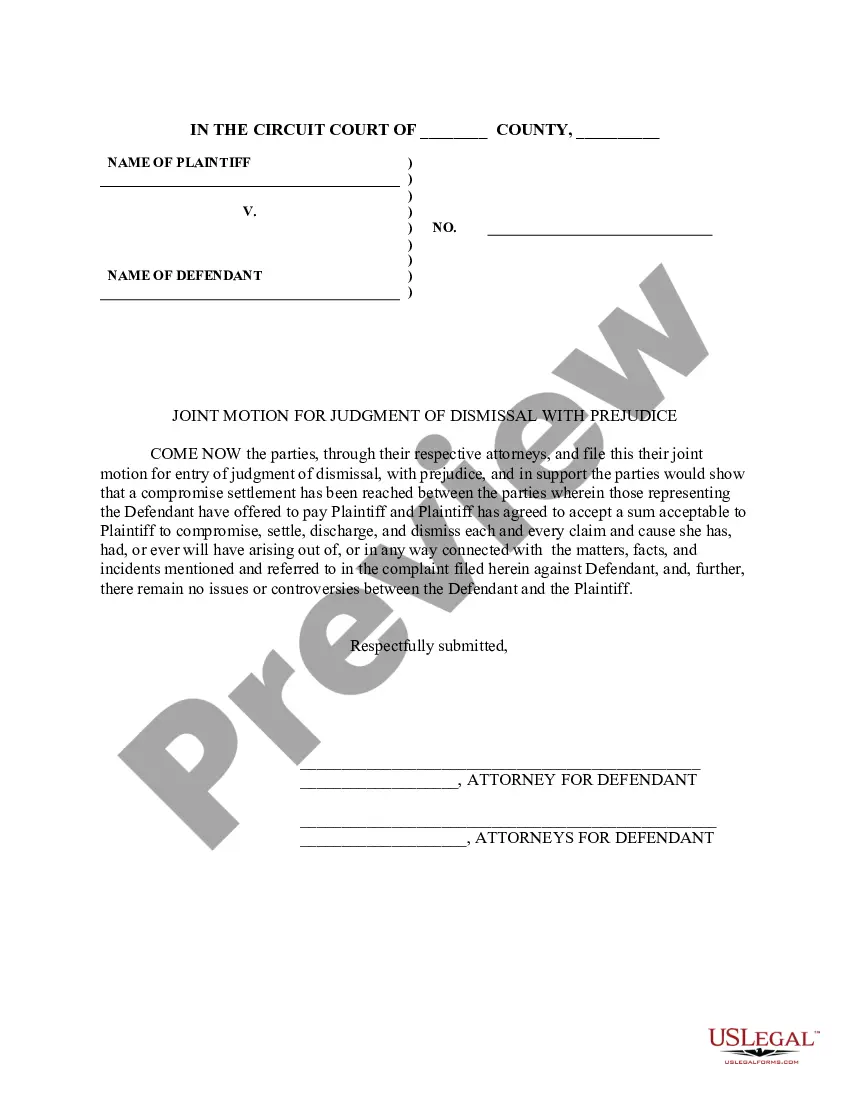
How to fill out Stipulation For Dismissal?
Legal administration can be overwhelming, even for the most seasoned professionals.
When you are searching for an Order For Dismissal Form With 2 Points and do not have the opportunity to dedicate time to finding the correct and current version, the processes may become stressful.
US Legal Forms meets any requirements you may have, from personal to business paperwork, all in one location.
Employ sophisticated tools to complete and manage your Order For Dismissal Form With 2 Points.
Here are the steps to follow after obtaining the form you need: Verify that it is the correct document by previewing it and reading its details. Ensure that the template is accepted in your state or county. Click Buy Now when you are ready. Choose a subscription plan. Locate the format you need, and Download, complete, eSign, print, and send your documents. Take advantage of the US Legal Forms web catalog, backed by 25 years of experience and reliability. Streamline your daily document management into a smooth and user-friendly process today.
- Access a knowledge base of articles, guides, handbooks, and resources relevant to your situation and needs.
- Save time and effort searching for the documents you require, and use US Legal Forms’ advanced search and Preview feature to locate Order For Dismissal Form With 2 Points and download it.
- If you hold a membership, Log In to your US Legal Forms account, search for the form, and download it.
- Check the My documents tab to view the documents you have previously downloaded as well as manage your folders as you see fit.
- If this is your first experience with US Legal Forms, create a free account and gain unlimited access to all the benefits of the platform.
- A comprehensive web form collection could be transformative for anyone who aims to handle these matters efficiently.
- US Legal Forms is a frontrunner in online legal documents, offering over 85,000 state-specific legal forms accessible at any time.
- With US Legal Forms, you can access state- or county-specific legal and business forms.
Form popularity
FAQ
The purpose of allowing a defendant to seek the dismissal of an action after lengthy inaction by the plaintiff is to prevent lawsuits from being used to keep the threat of liability hanging over the defendant over an inordinate period.
While Rule 48 does not address costs, a Rule 48 administrative dismissal is an action dismissed for delay. Under Rule 24.05. 01, if an action is dismissed for delay, any party may, within 30 days of the dismissal, make a motion respecting the costs of the action (Rule 24.05. 01).
The following cases illustrate the difference between ?dismiss? and ?discontinuance?. A party cannot ask the court to force another party to discontinue. They can only bring a motion to ?dismiss.? Discontinuance is a procedure that is brought by a plaintiff to end a lawsuit they started.
A common term of settlement is that the case will be dismissed on consent and without costs. This is a formality to close off the case before the Courts. It's common to indicate in the settlement who will obtain the order and usually it's the defendant.
A Dismissal Order ends the case. Upon dismissal the ?automatic stay? ends and creditors may start to collect debts unless a discharge is entered before the dismissal and the discharge is not revoked by the court. An Order of Dismissal does not free the debtor from any debt.