Trust Irrevocable Agreement With A Trustee
Description


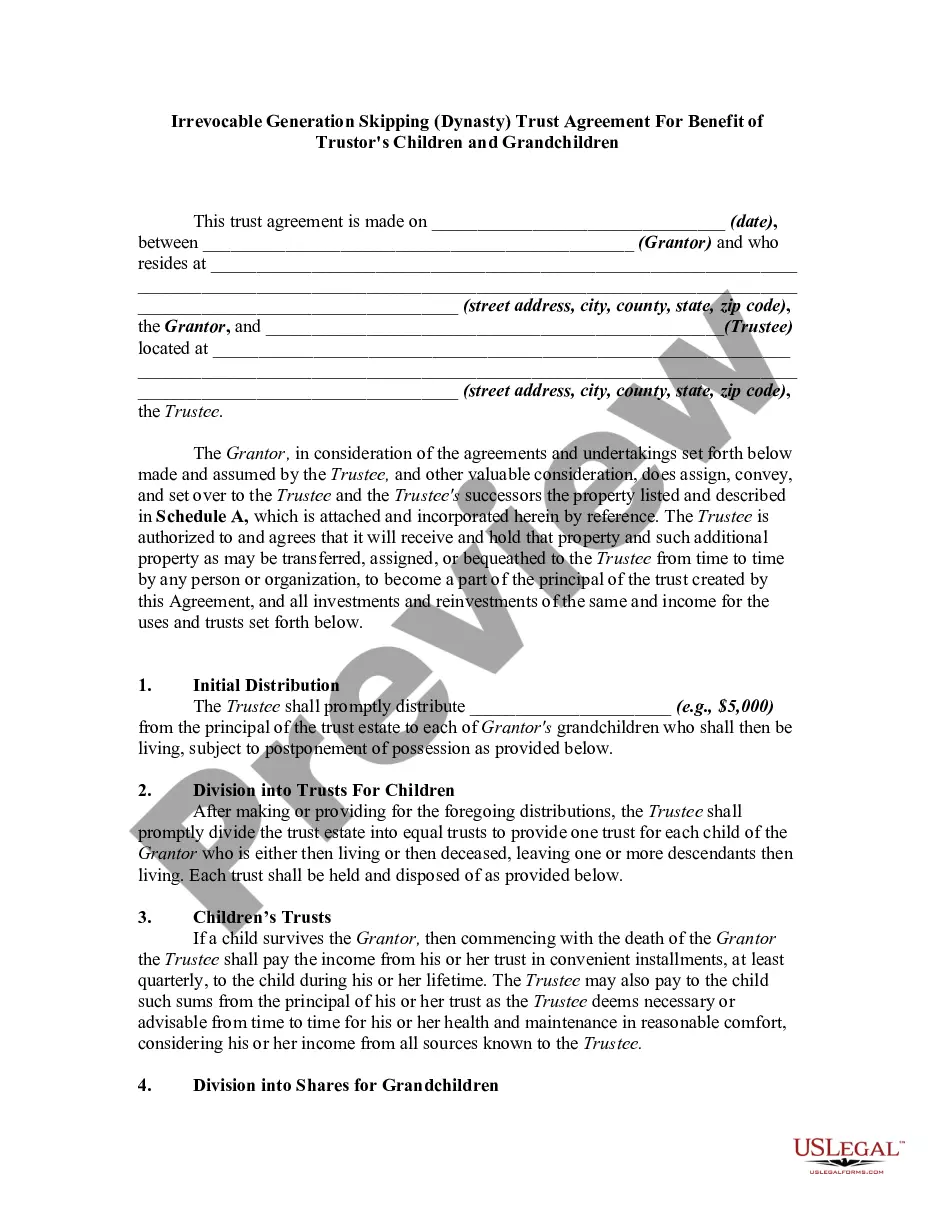
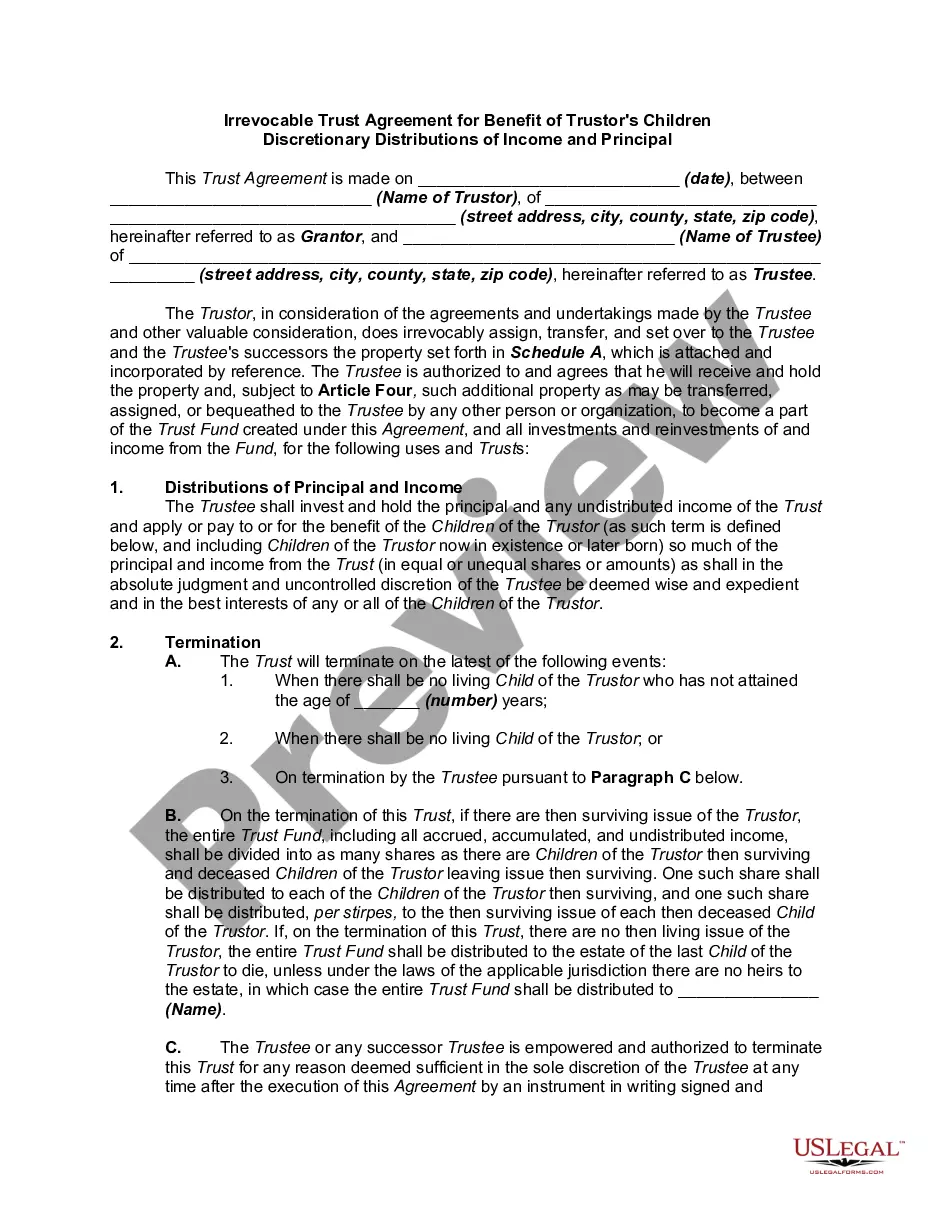


Get your form ready online
Our built-in tools help you complete, sign, share, and store your documents in one place.
Make edits, fill in missing information, and update formatting in US Legal Forms—just like you would in MS Word.
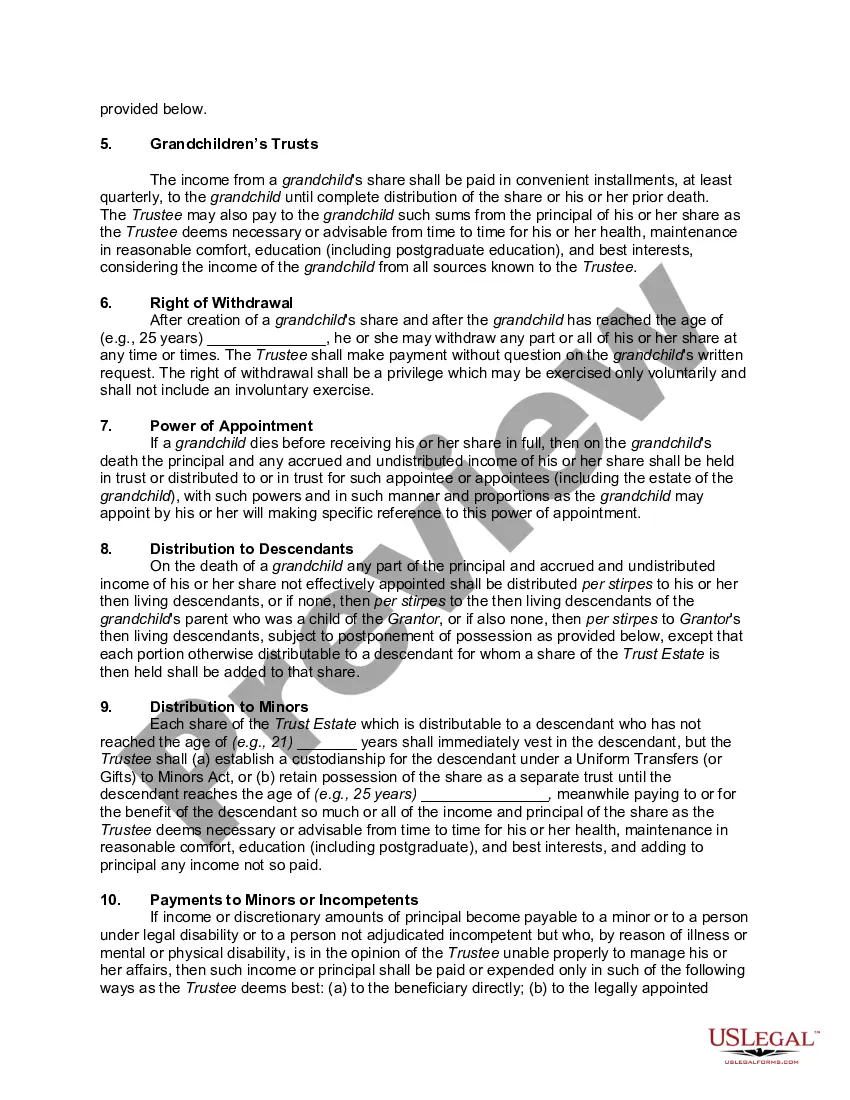
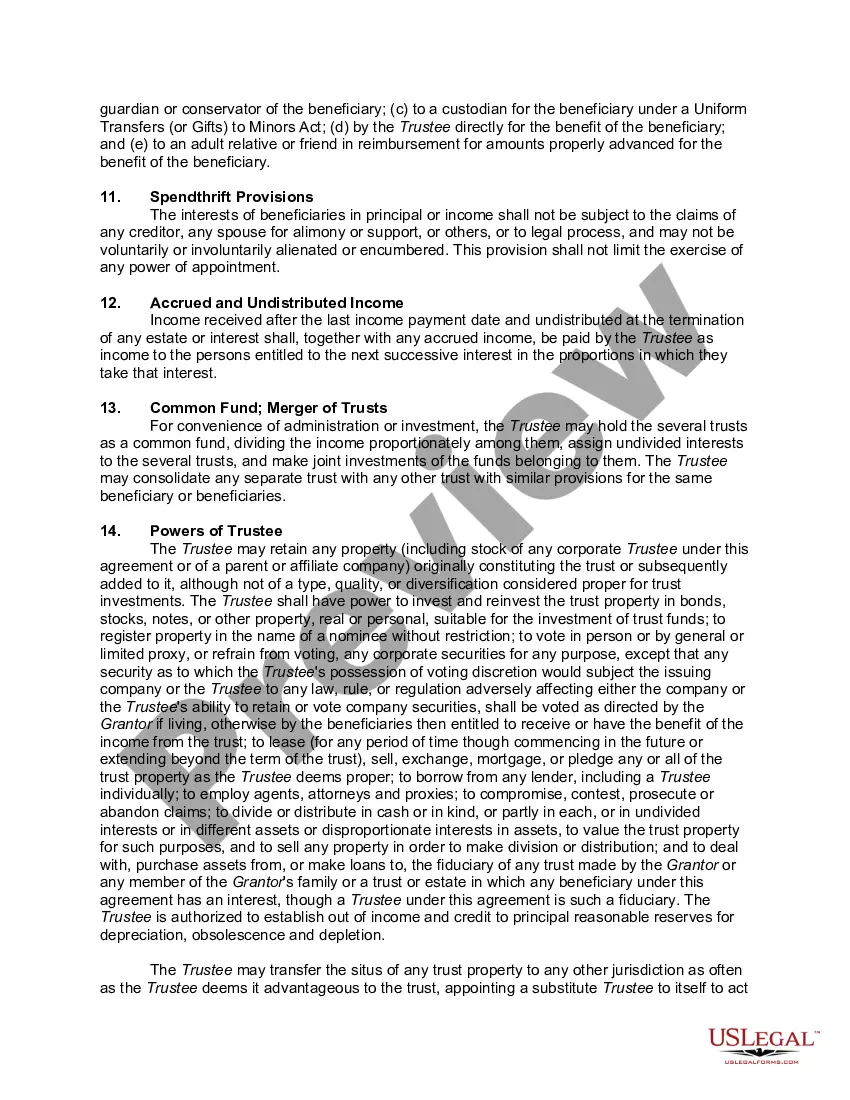
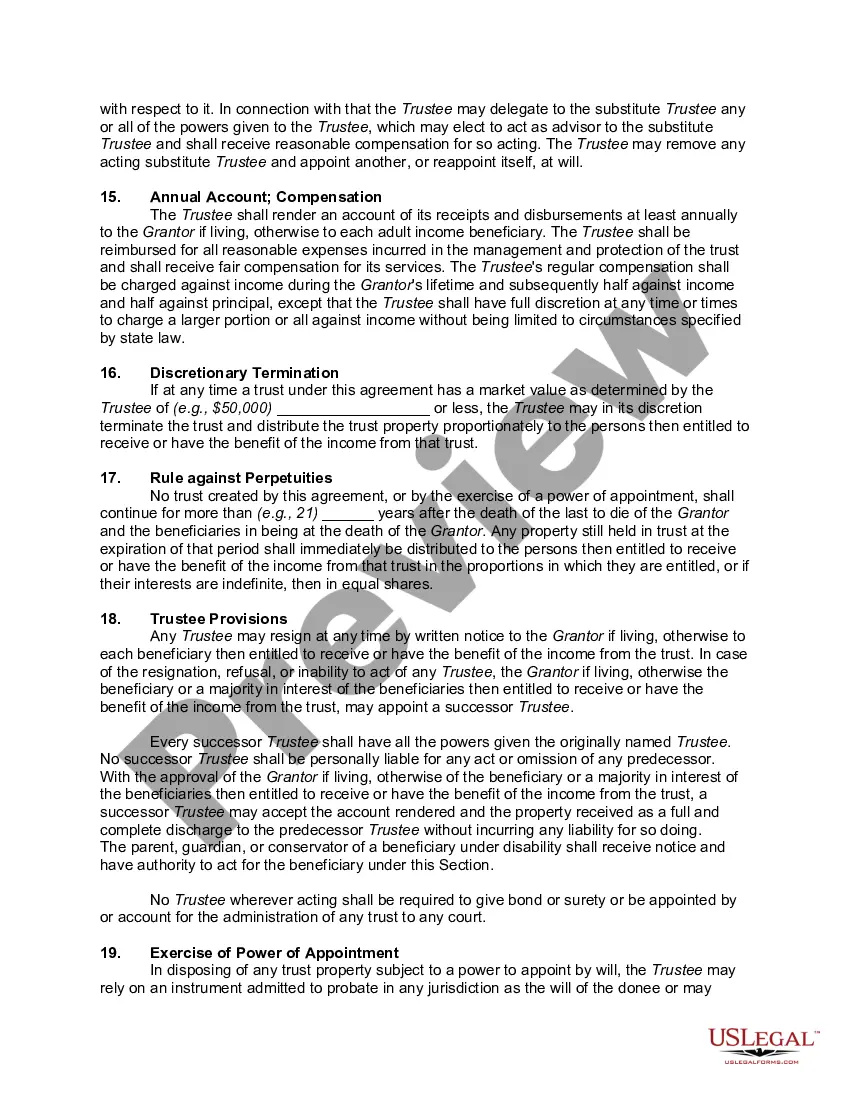
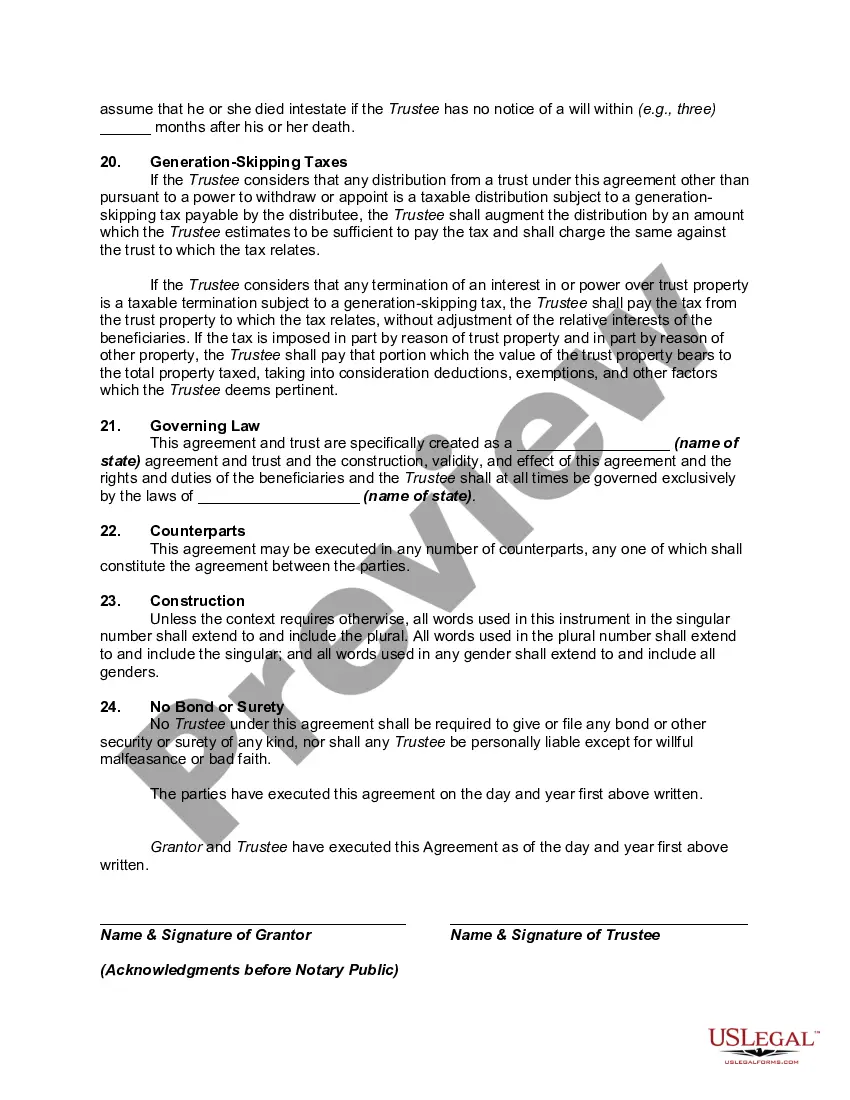
Download a copy, print it, send it by email, or mail it via USPS—whatever works best for your next step.
Sign and collect signatures with our SignNow integration. Send to multiple recipients, set reminders, and more. Go Premium to unlock E-Sign.
If this form requires notarization, complete it online through a secure video call—no need to meet a notary in person or wait for an appointment.
We protect your documents and personal data by following strict security and privacy standards.

Make edits, fill in missing information, and update formatting in US Legal Forms—just like you would in MS Word.

Download a copy, print it, send it by email, or mail it via USPS—whatever works best for your next step.

Sign and collect signatures with our SignNow integration. Send to multiple recipients, set reminders, and more. Go Premium to unlock E-Sign.

If this form requires notarization, complete it online through a secure video call—no need to meet a notary in person or wait for an appointment.

We protect your documents and personal data by following strict security and privacy standards.
Looking for another form?







How to fill out Irrevocable Trust Agreement For Benefit Of Trustor's Children And Grandchildren?
- Review the document preview and ensure the form matches your requirements under local jurisdiction.
- If you don't find a suitable template, utilize the search feature to explore additional options relevant to your situation.
- Select the desired agreement by clicking the 'Buy Now' option for your preferred subscription plan.
- Complete the registration process to gain access to the extensive library of legal resources.
- Finalize your purchase using your preferred payment method, like credit card or PayPal.
- Download the completed form to your device, ensuring you can access it later from the 'My Forms' section of your profile.
By following these steps, you can secure your legal documents with confidence and ease. Remember, US Legal Forms not only provides a vast selection of forms but also connects you with experts to assist in their completion, allowing for precise and compliant agreements.
Take the stress out of legal documentation—start your journey with US Legal Forms today!
Form popularity
FAQ
In an irrevocable trust, the trustee holds significant powers, including the authority to manage, invest, and distribute the trust’s assets. The trustee must make decisions that align with the beneficiaries' best interests and uphold the trust's terms. While they have substantial control, they must also adhere to strict legal and ethical standards. If you are looking to craft a trust irrevocable agreement with a trustee, using platforms like US Legal Forms can simplify the process and ensure compliance.
A trustee manages the assets held in an irrevocable trust according to the trust’s guidelines. This includes distributing income or assets to beneficiaries, investing trust funds, and maintaining accurate records. The trustee must always act in the best interest of the beneficiaries, ensuring compliance with the terms of the trust. If you need assistance in setting up a trust irrevocable agreement with a trustee, consider using US Legal Forms for reliable resources.
An irrevocable trust agreement is a legal document that establishes a trust, making it impossible for the grantor to modify or cancel it once created. In this arrangement, assets transferred into the trust are no longer considered part of the grantor’s estate. This feature can provide tax benefits and protect assets from creditors. Working with a trustee ensures that the trust is managed according to its terms, providing peace of mind.
Setting up a trust irrevocable agreement with a trustee on your own can be challenging. Although you may find templates and guidelines online, the legal nuances require careful attention to detail. It's often best to work with professionals, such as the experts at US Legal Forms, to ensure that all aspects of your trust meet legal requirements and effectively protect your interests. Their guidance can simplify the process and enhance your peace of mind.
While it is technically possible to create a trust irrevocable agreement with a trustee on your own, it is not advisable. The complexities of trust laws can lead to unintended consequences if not handled correctly. Utilizing a professional service, like US Legal Forms, can ensure that your trust is structured properly and complies with state laws. This can save you time and potential legal issues down the road.
There are three primary reasons to establish a trust irrevocable agreement with a trustee: asset protection, tax benefits, and Medicaid planning. This type of trust protects your assets from creditors and legal claims. Furthermore, it can help reduce your taxable estate, allowing you to pass on wealth more efficiently. Lastly, it assists in qualifying for Medicaid by keeping certain assets out of your estate.
Choosing the right trustee for a trust irrevocable agreement with a trustee is crucial. Ideally, the trustee should have a solid understanding of trust management and fiduciary responsibilities. Consider selecting a professional trustee, such as a bank or a trust company, especially if you require impartiality. Also, ensure your chosen trustee is someone you trust to act in the best interest of the beneficiaries.
The main downside of a trust irrevocable agreement with a trustee is the lack of flexibility. Once you establish this trust, you cannot easily change its terms or dissolve it without significant legal barriers. Additionally, transferring assets into the trust removes them from your control, which can impact your financial decisions. Understanding these limitations is vital before committing to this arrangement.
The IRS considers irrevocable trusts as separate entities for tax purposes. Once you create an irrevocable trust, the assets typically do not belong to you anymore, which may have tax implications. Understanding these rules is essential for proper estate planning, so reviewing your trust irrevocable agreement with a trustee is recommended. For more specific guidance, consider consulting an expert in tax law and trusts.
Filing your own irrevocable trust is uncommon because it's usually not required. Instead, focus on properly drafting and executing the trust irrevocable agreement with a trustee, and keep it in a safe location. If you feel uncertain about any part of the process, you can always consult with professionals who can guide you through the necessary steps.