Support Child Out With Dyslexia
Description

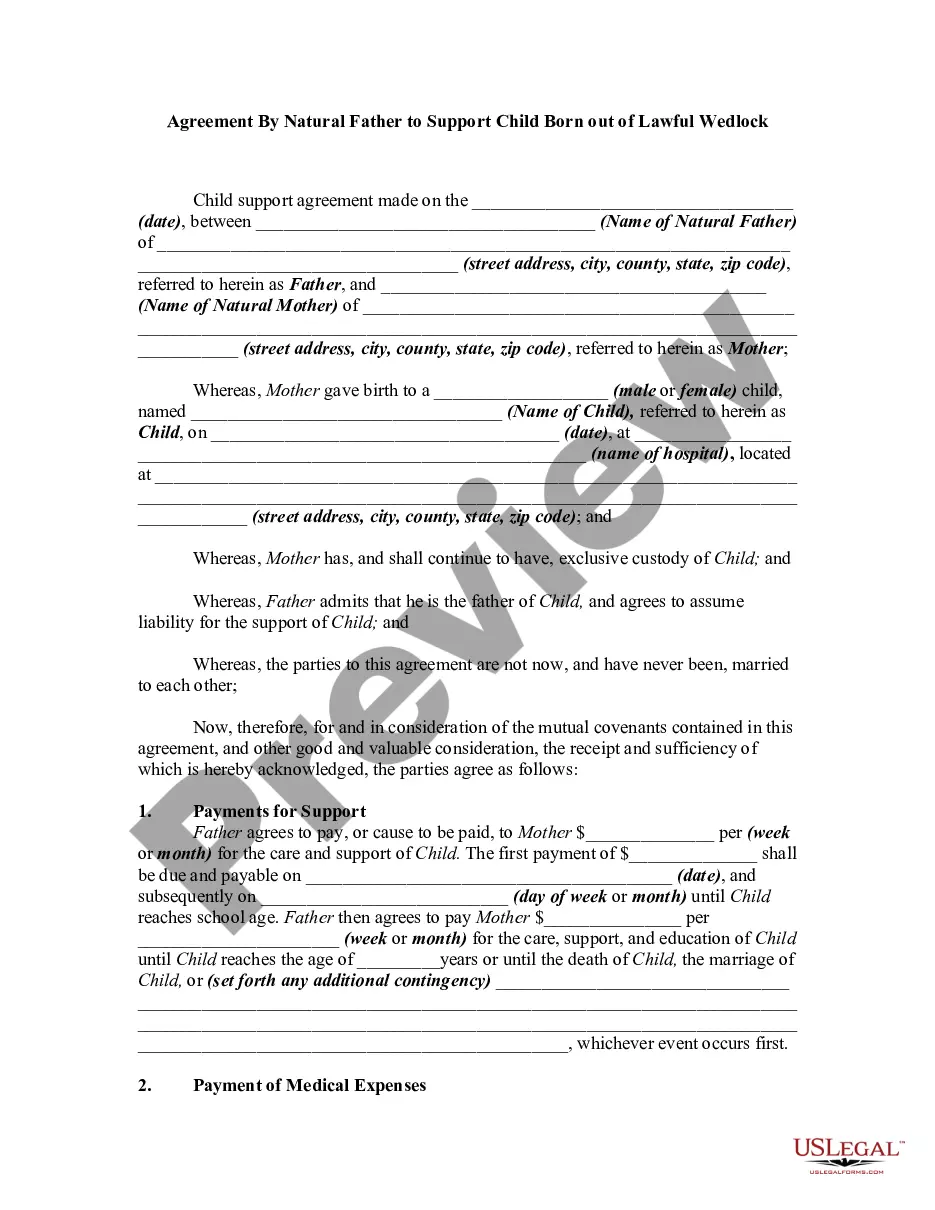
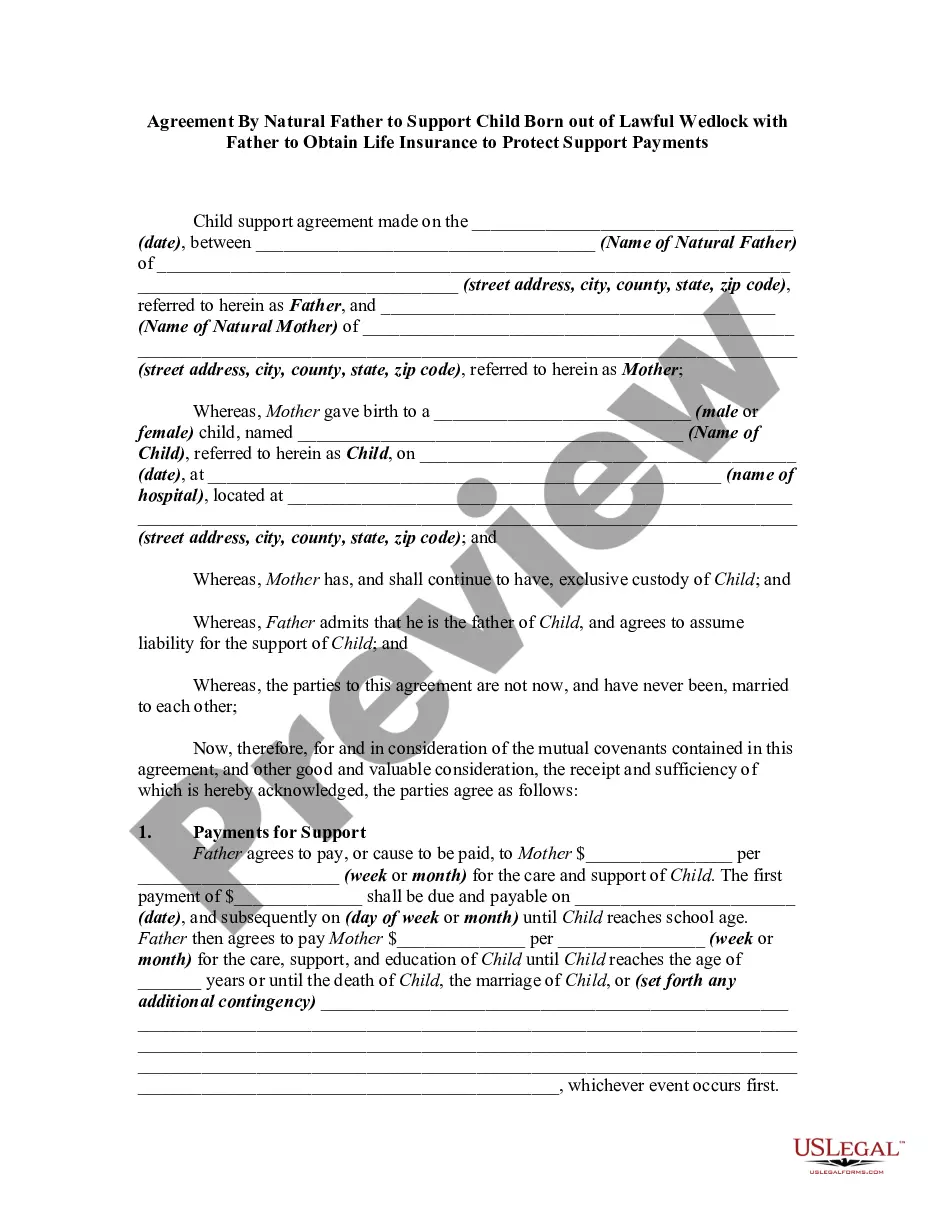
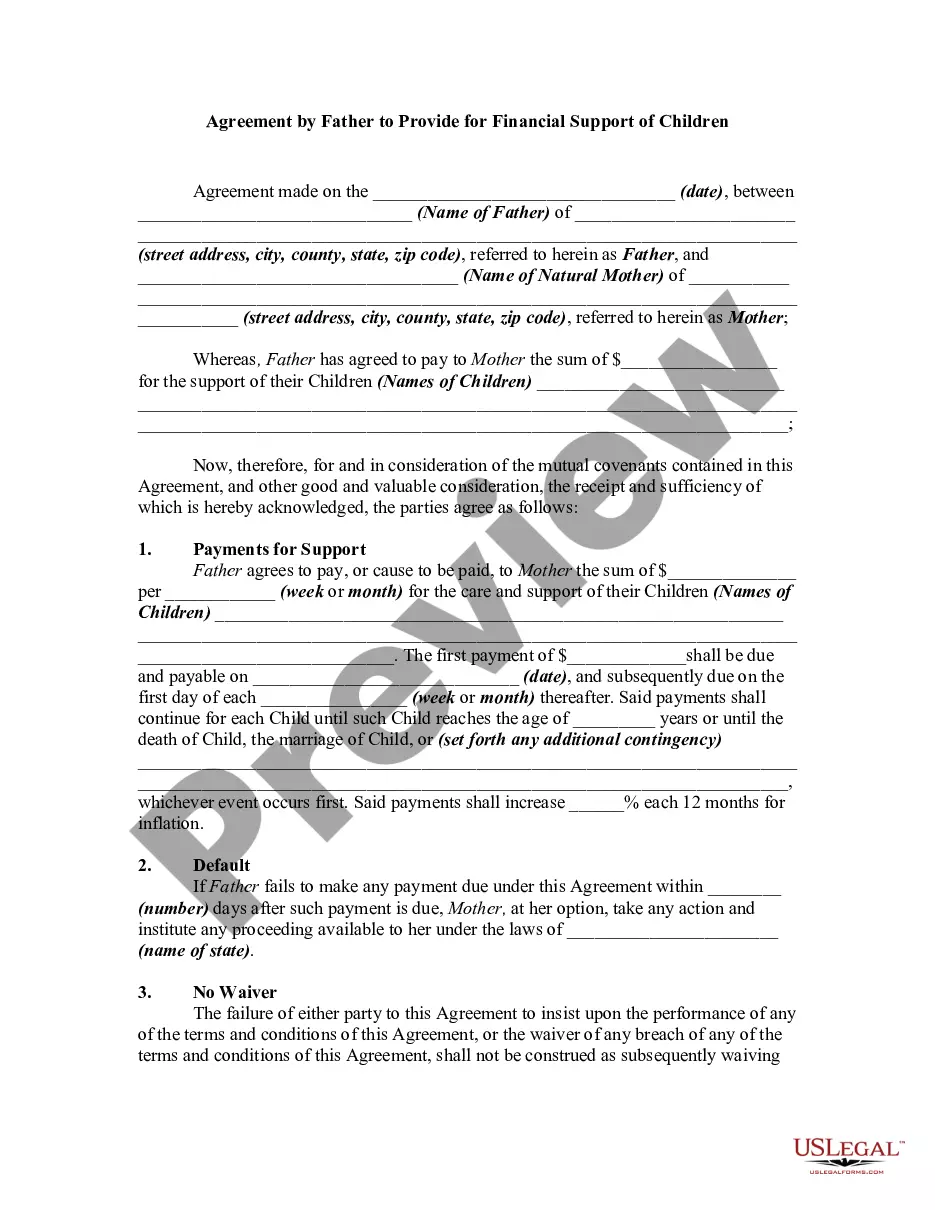
Get your form ready online
Our built-in tools help you complete, sign, share, and store your documents in one place.
Make edits, fill in missing information, and update formatting in US Legal Forms—just like you would in MS Word.
Download a copy, print it, send it by email, or mail it via USPS—whatever works best for your next step.
Sign and collect signatures with our SignNow integration. Send to multiple recipients, set reminders, and more. Go Premium to unlock E-Sign.
If this form requires notarization, complete it online through a secure video call—no need to meet a notary in person or wait for an appointment.
We protect your documents and personal data by following strict security and privacy standards.

Make edits, fill in missing information, and update formatting in US Legal Forms—just like you would in MS Word.

Download a copy, print it, send it by email, or mail it via USPS—whatever works best for your next step.

Sign and collect signatures with our SignNow integration. Send to multiple recipients, set reminders, and more. Go Premium to unlock E-Sign.

If this form requires notarization, complete it online through a secure video call—no need to meet a notary in person or wait for an appointment.

We protect your documents and personal data by following strict security and privacy standards.
Looking for another form?





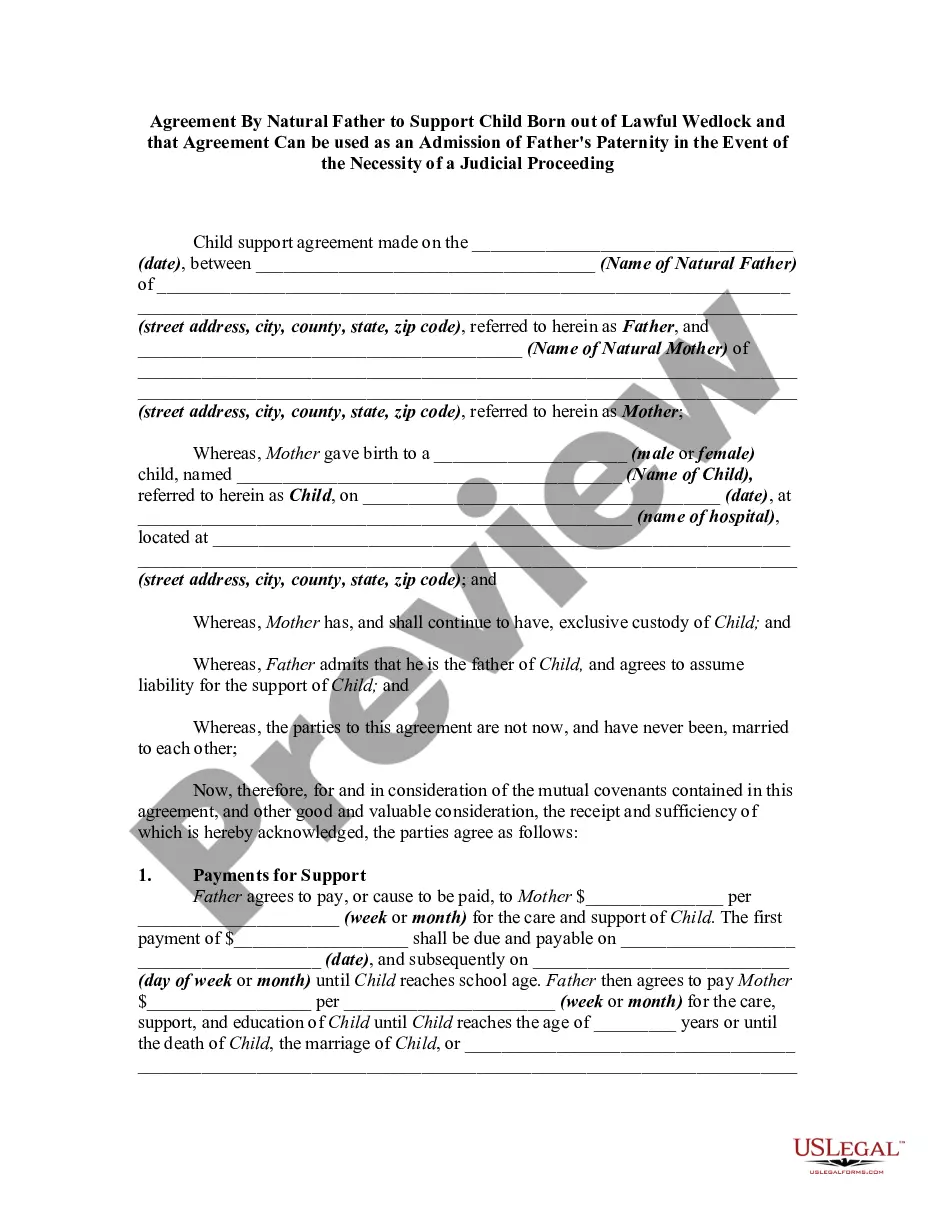
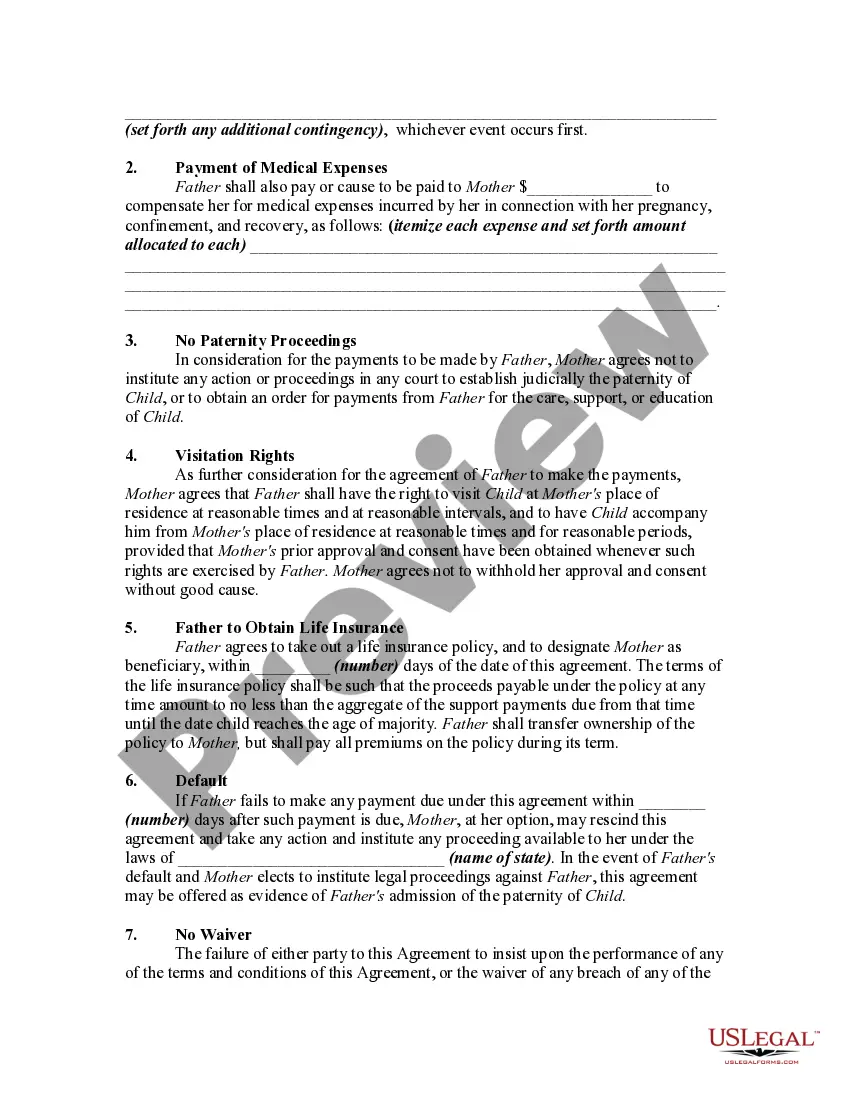
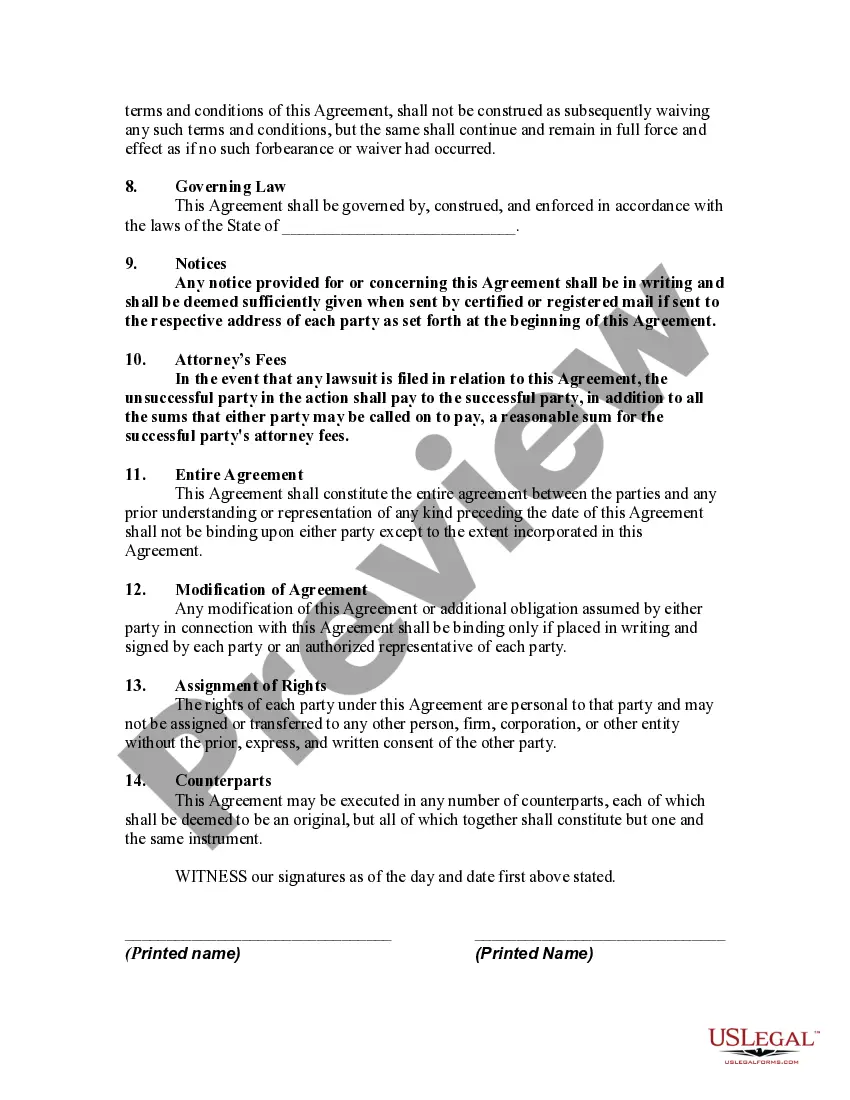
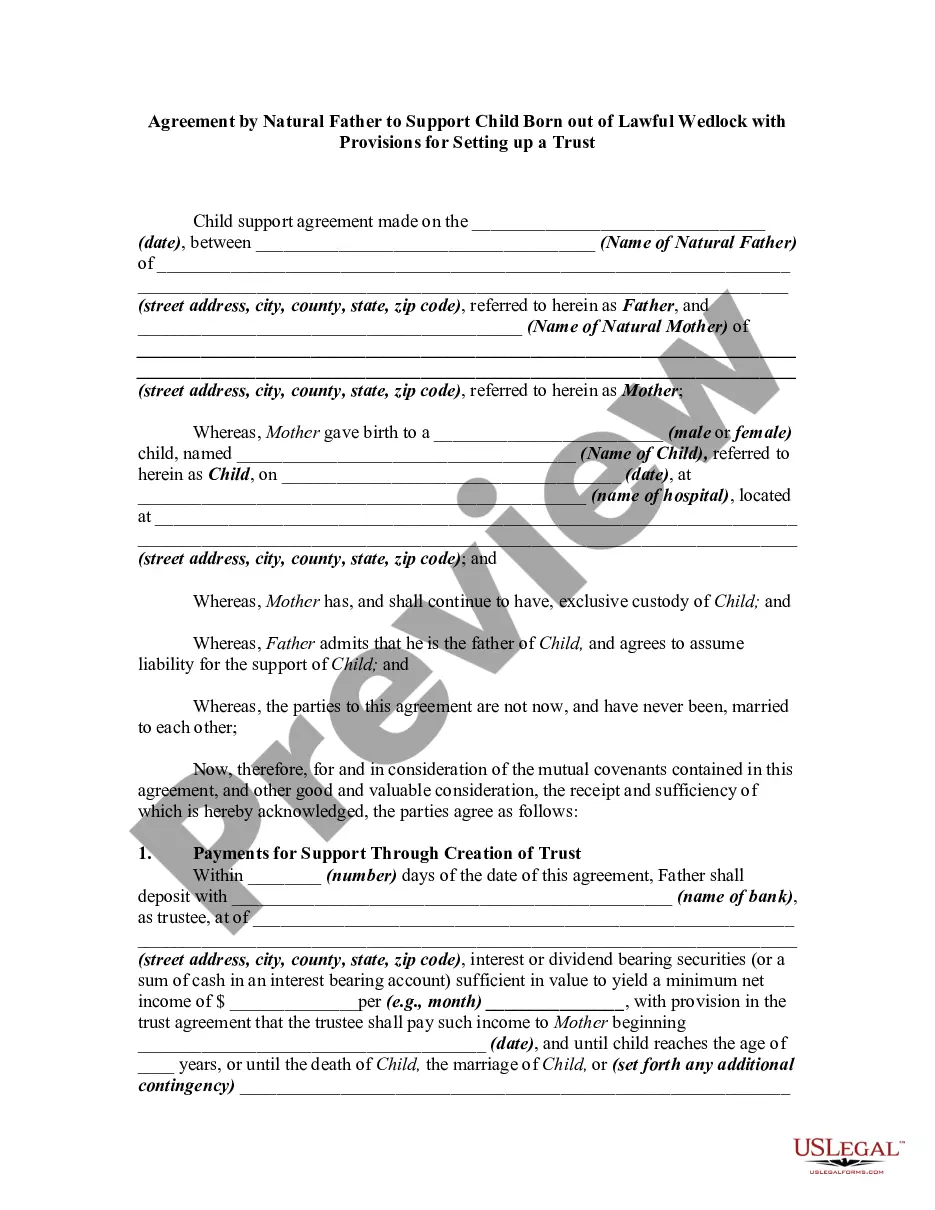
How to fill out Agreement By Natural Father To Support Child Born Out Of Lawful Wedlock And That Agreement Can Be Used As An Admission Of Father's Paternity In The Event Of The Necessity Of A Judicial Proceeding?
The Assistance Child Dealing With Dyslexia you observe on this site is a reusable official template developed by experienced attorneys in accordance with federal and state statutes and guidelines.
For over 25 years, US Legal Forms has supplied individuals, organizations, and lawyers with more than 85,000 validated, state-specific documents for any business and personal situation. It’s the fastest, easiest, and most trustworthy method to acquire the documentation you require, as the service assures the utmost level of data protection and anti-malware defense.
Choose the format you prefer for your Assistance Child Dealing With Dyslexia (PDF, Word, RTF) and download the sample onto your device.
- Look for the document you require and examine it.
- Review the sample you searched and preview it or consult the form description to confirm it meets your requirements. If it doesn’t, use the search feature to find the appropriate one. Click Buy Now when you have identified the template you seek.
- Create an account and Log In.
- Select the pricing option that works for you and set up an account. Use PayPal or a credit card for quick payment. If you already possess an account, Log In and check your membership to proceed.
- Obtain the editable template.
Form popularity
FAQ
Schools handle dyslexia by implementing strategies that address the unique challenges faced by dyslexic students. They may provide additional resources such as tutoring, assistive technology, and small group instruction. By focusing on creating an inclusive environment, schools aim to support children out with dyslexia, helping them develop essential skills and confidence. Platforms like US Legal Forms can assist parents in navigating the educational system and ensuring their child receives the appropriate support.
Yes, a dyslexic child can attend a normal school and thrive in that environment. Many schools are equipped to support children out with dyslexia through tailored teaching methods and educational resources. With the right accommodations and support, dyslexic children can learn alongside their peers, allowing them to benefit from a comprehensive education experience. It's essential for parents to communicate with school staff to ensure their child receives the necessary support.
Schools provide various support mechanisms to help children with dyslexia succeed. They often implement individualized education plans (IEPs) that outline specific goals and accommodations. Teachers may use specialized teaching methods and tools designed to support children out with dyslexia, ensuring they receive the appropriate resources for their learning needs. Additionally, schools may offer access to trained specialists who can provide targeted interventions.
A child with dyslexia needs a range of support that includes specialized instruction, emotional encouragement, and access to assistive technologies. Regular communication with educators and parents can foster a strong support network. Resources such as the US Legal Forms platform can help parents navigate legal rights and educational options. By ensuring comprehensive support, you effectively support a child out with dyslexia on their learning journey.
Handling dyslexia in the classroom requires a flexible approach tailored to each student's needs. Implementing individualized education plans (IEPs) can provide necessary accommodations and support. Encourage collaboration among teachers, parents, and specialists to create a cohesive support system. This way, you not only address the challenges but also support a child out with dyslexia in achieving their full potential.
Coping skills for dyslexia include strategies like breaking tasks into smaller steps and using visual aids to enhance understanding. Encourage the use of technology, such as text-to-speech software, to make reading easier. Additionally, fostering self-advocacy skills can help children express their needs in academic settings. By teaching these skills, you support a child out with dyslexia in managing their challenges effectively.
Supporting a child with dyslexia starts with understanding their unique learning needs. Create a supportive environment that encourages open communication and patience. Utilize tools and resources, such as audiobooks and phonics-based instruction, to enhance their learning experience. Ultimately, the goal is to support a child out with dyslexia so they can thrive academically and socially.
The best way to treat dyslexia involves a combination of tailored educational strategies and individualized support. Approaches like structured literacy programs can enhance reading skills effectively. Additionally, working with professionals who understand dyslexia can provide essential guidance. Remember, when you support a child out with dyslexia, you empower them to succeed.