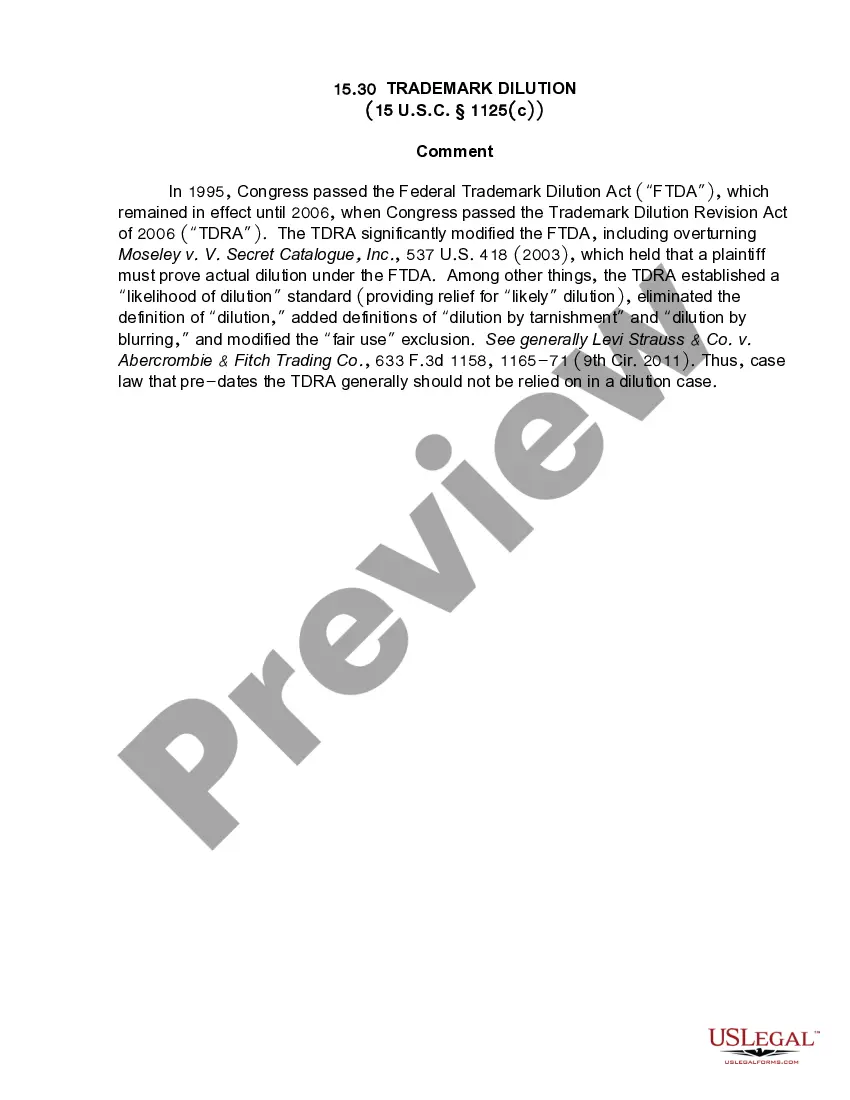
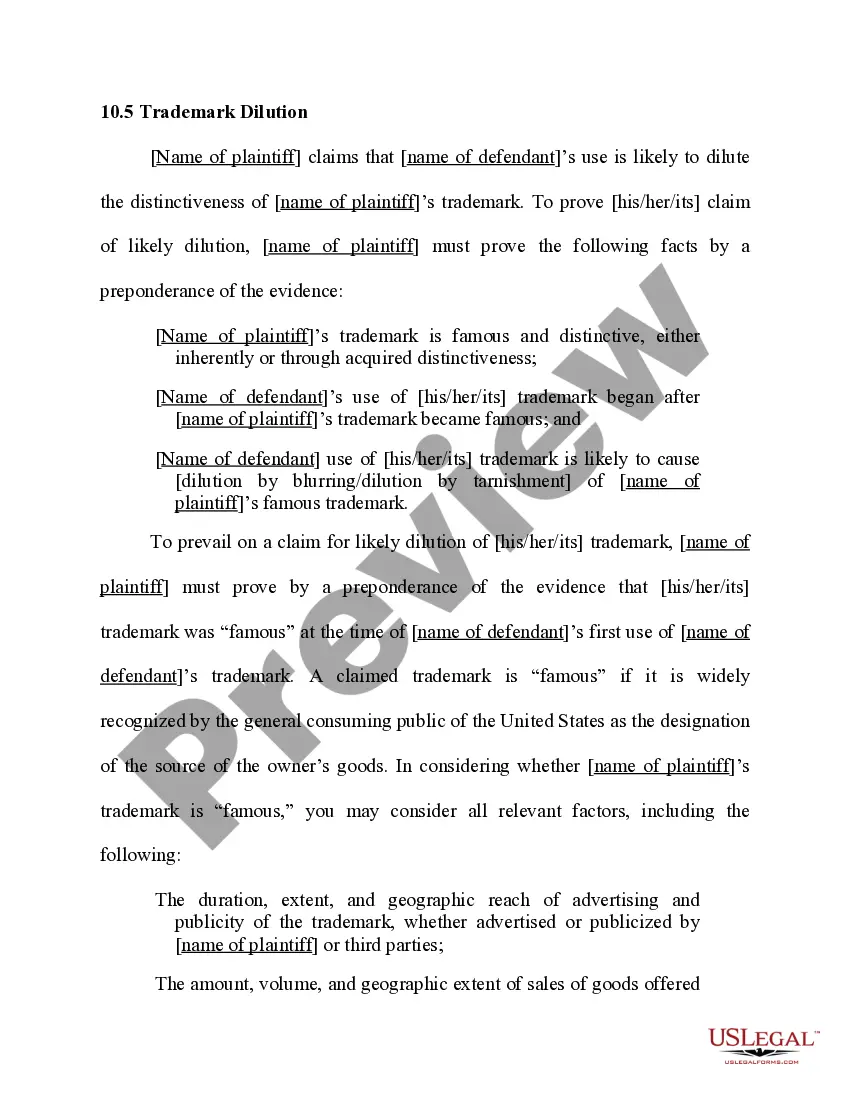
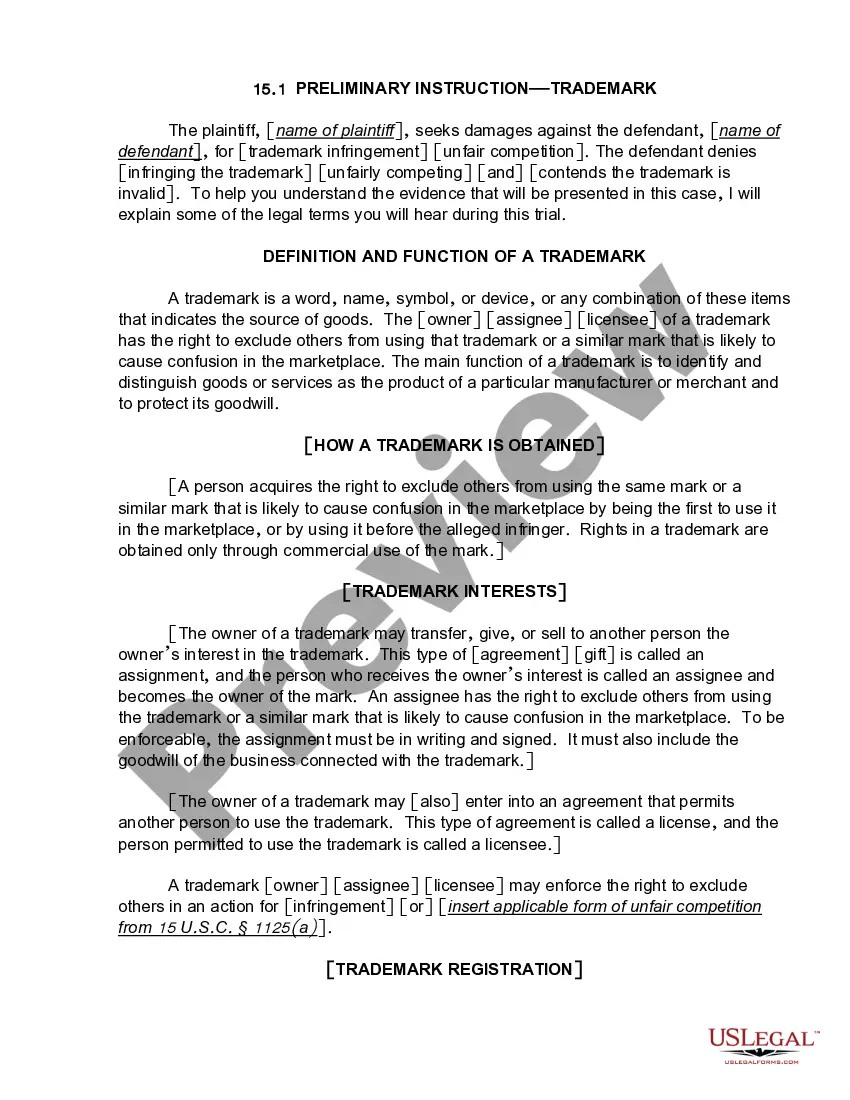
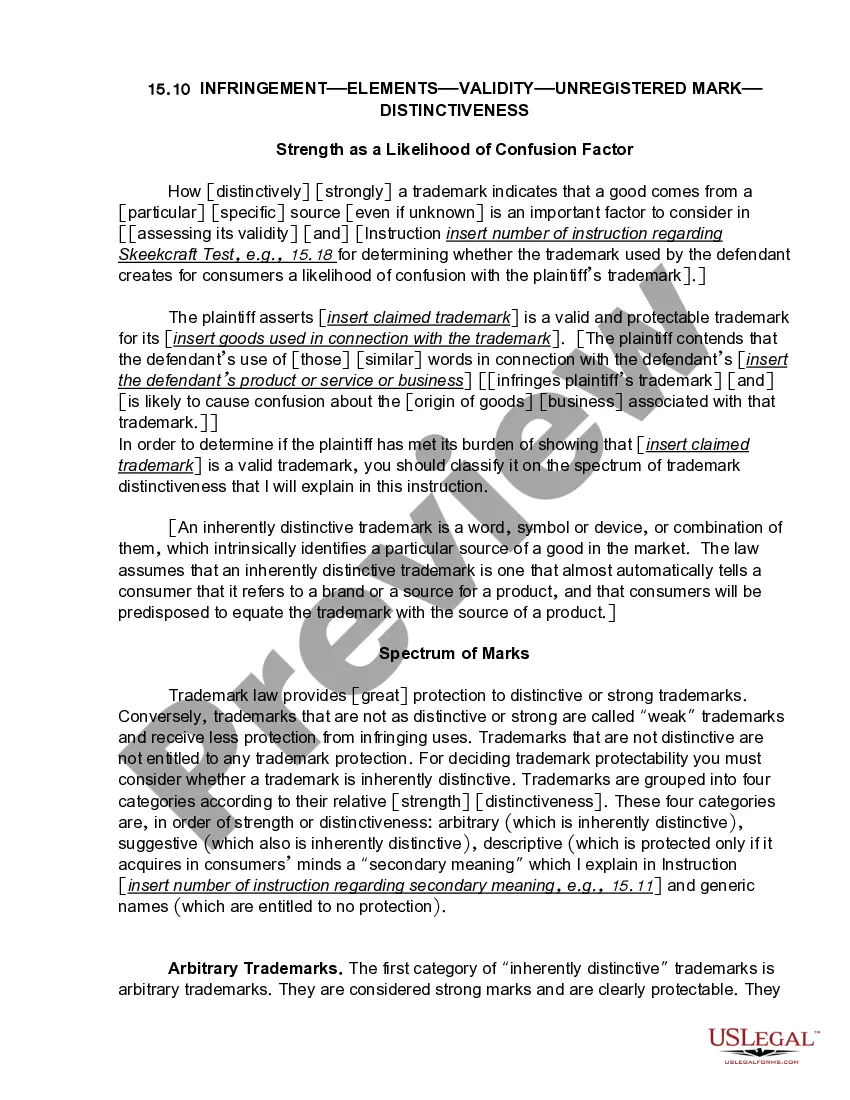
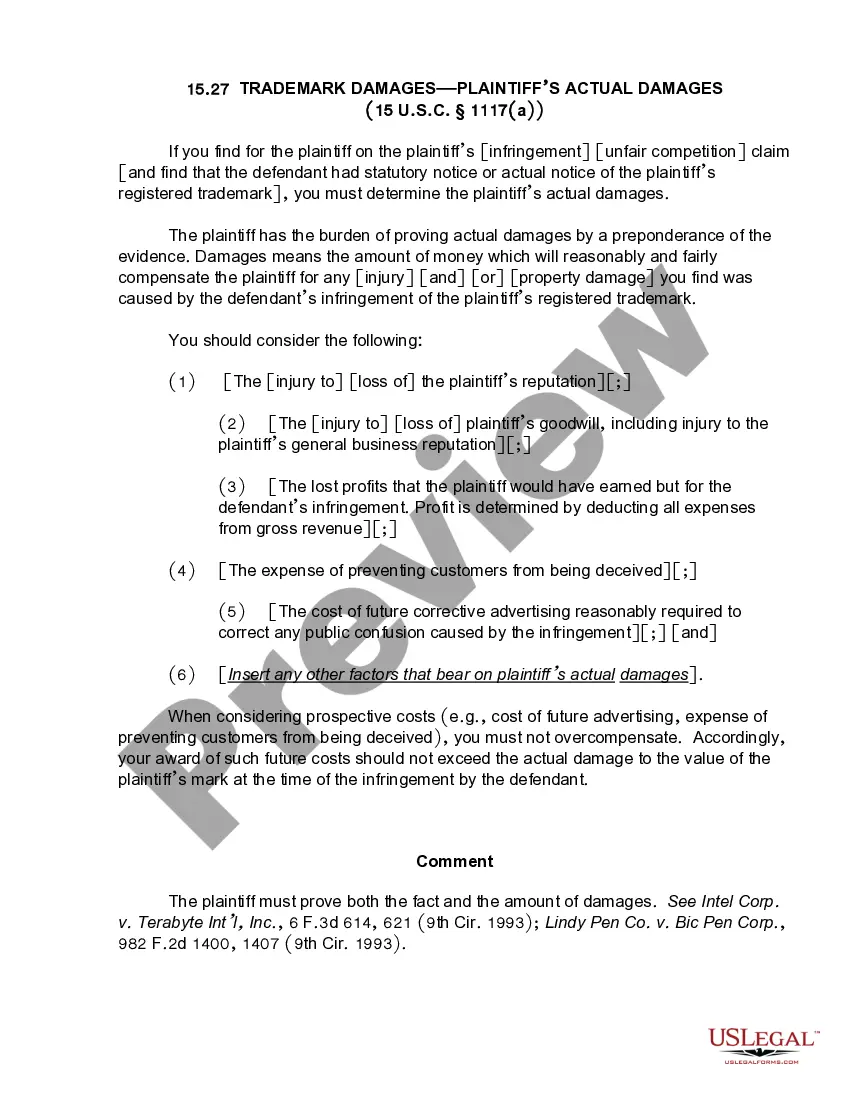
15.30 Trademark Dilution
Is notarization required?
Notarization is generally not required for this form. However, certain states or situations might demand it. You can complete notarization online through US Legal Forms, powered by Notarize, using a verified video call available anytime.
Get your form ready online
Our built-in tools help you complete, sign, share, and store your documents in one place.
Make edits, fill in missing information, and update formatting in US Legal Forms—just like you would in MS Word.
Download a copy, print it, send it by email, or mail it via USPS—whatever works best for your next step.
Sign and collect signatures with our SignNow integration. Send to multiple recipients, set reminders, and more. Go Premium to unlock E-Sign.
If this form requires notarization, complete it online through a secure video call—no need to meet a notary in person or wait for an appointment.
We protect your documents and personal data by following strict security and privacy standards.

Make edits, fill in missing information, and update formatting in US Legal Forms—just like you would in MS Word.

Download a copy, print it, send it by email, or mail it via USPS—whatever works best for your next step.

Sign and collect signatures with our SignNow integration. Send to multiple recipients, set reminders, and more. Go Premium to unlock E-Sign.

If this form requires notarization, complete it online through a secure video call—no need to meet a notary in person or wait for an appointment.

We protect your documents and personal data by following strict security and privacy standards.
Looking for another form?

Form popularity
FAQ
(3) The Supreme Court suggested (although it did not have occasion to hold) that the FTDA protected only against dilution by "blurring" and not against dilution by "tarnishment" (see below). Amendments to the FTDA took effect on October 6, 2006. The Act still protects only famous marks.
What is trademark dilution? Trademark dilution refers to the unauthorized use of and/or application for a trademark that is likely to weaken the distinctive quality of or harm a famous mark.
Trademark dilution is covered under some state laws and federal laws. The Federal Trademark Dilution Act of 1995 preempts the state laws. Under the Federal Trademark Dilution Act of 1995 (Dilution Act), a trademark owner need not prove a likelihood of confusion in order to protect the mark.
If a trademark becomes famous, like Nike or Xerox, the owner can also sue for trademark ?dilution.? Dilution happens when a trademark's distinctive quality is blurred or tarnished by another mark.
The Federal Trademark Dilution Act of 1995 states the owner of a trademark can take legal action against anyone who purposefully blurs or tarnishes a trademark.
To establish a claim of dilution, the mark must have become famous before use of the allegedly diluting mark or trade name began.
Trademark dilution occurs when a third party uses a mark or trade name in commerce that is sufficiently similar to a famous mark such that it harms consumer perception of the famous mark. ?Blurring? and ?tarnishment? are the two types of harm that arise from dilution.
The Federal Trademark Dilution Act of 1995 ( Pub. L. 104?98 (text) (PDF)) is a United States federal law which protects famous trademarks from uses that dilute their distinctiveness, even in the absence of any likelihood of confusion or competition. It went into effect on January 16, 1996.