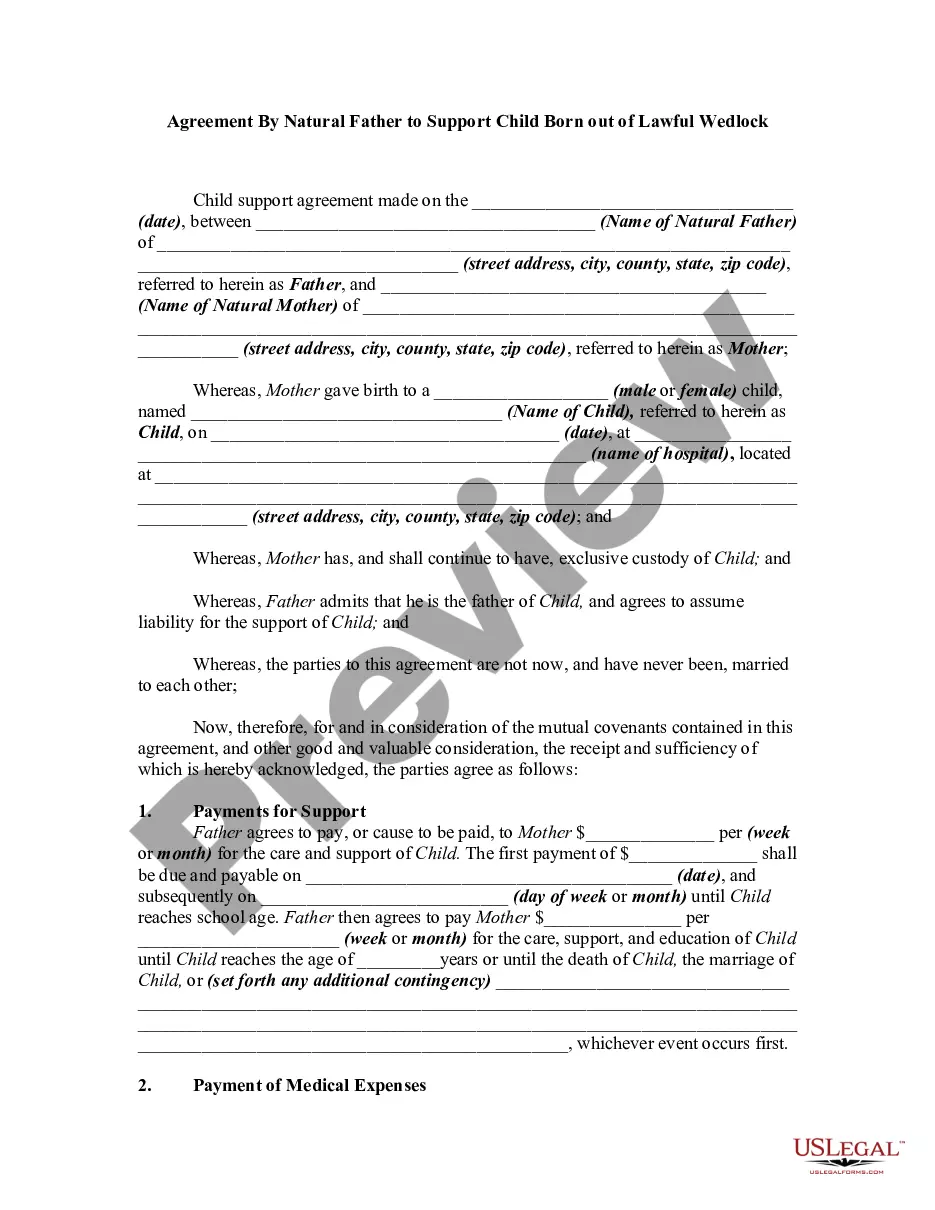
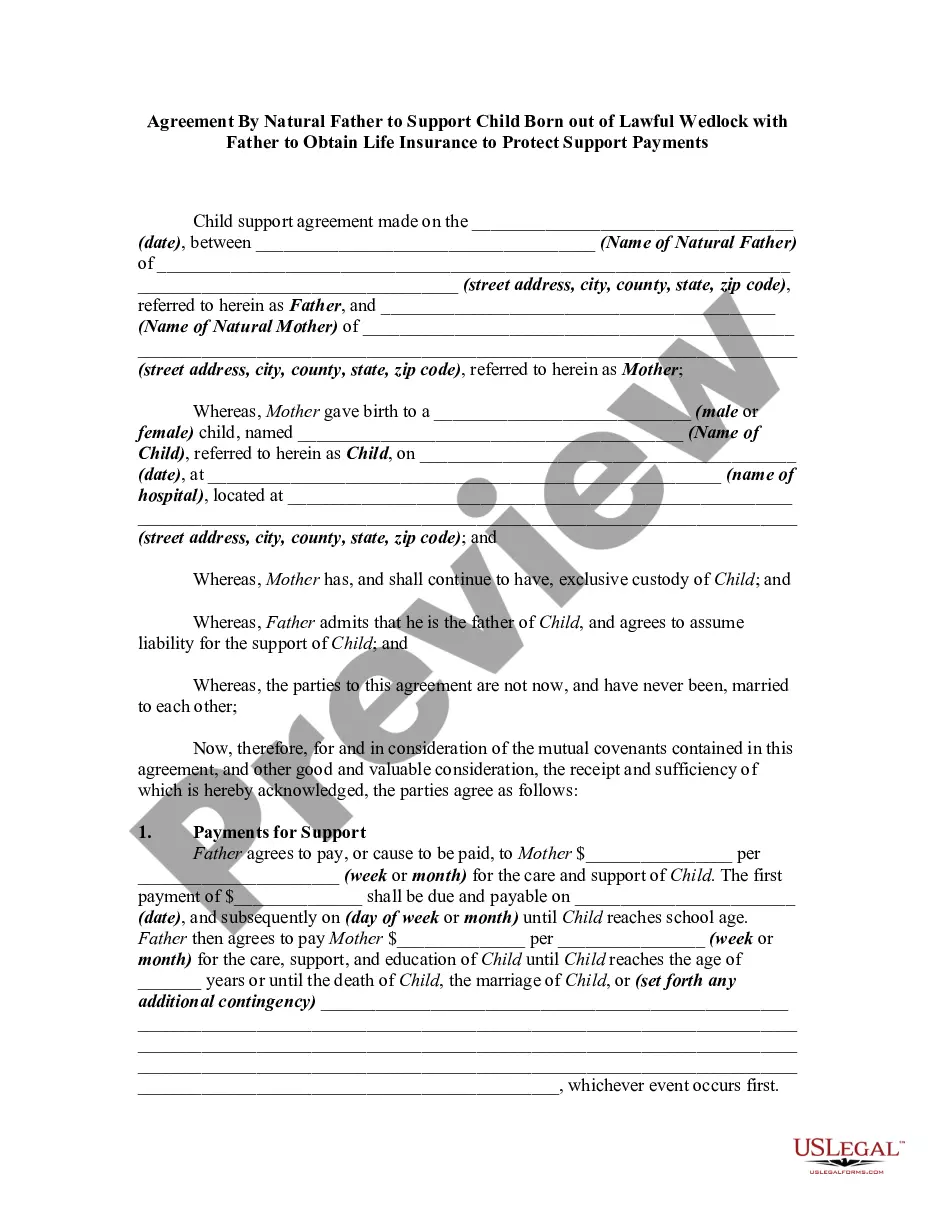
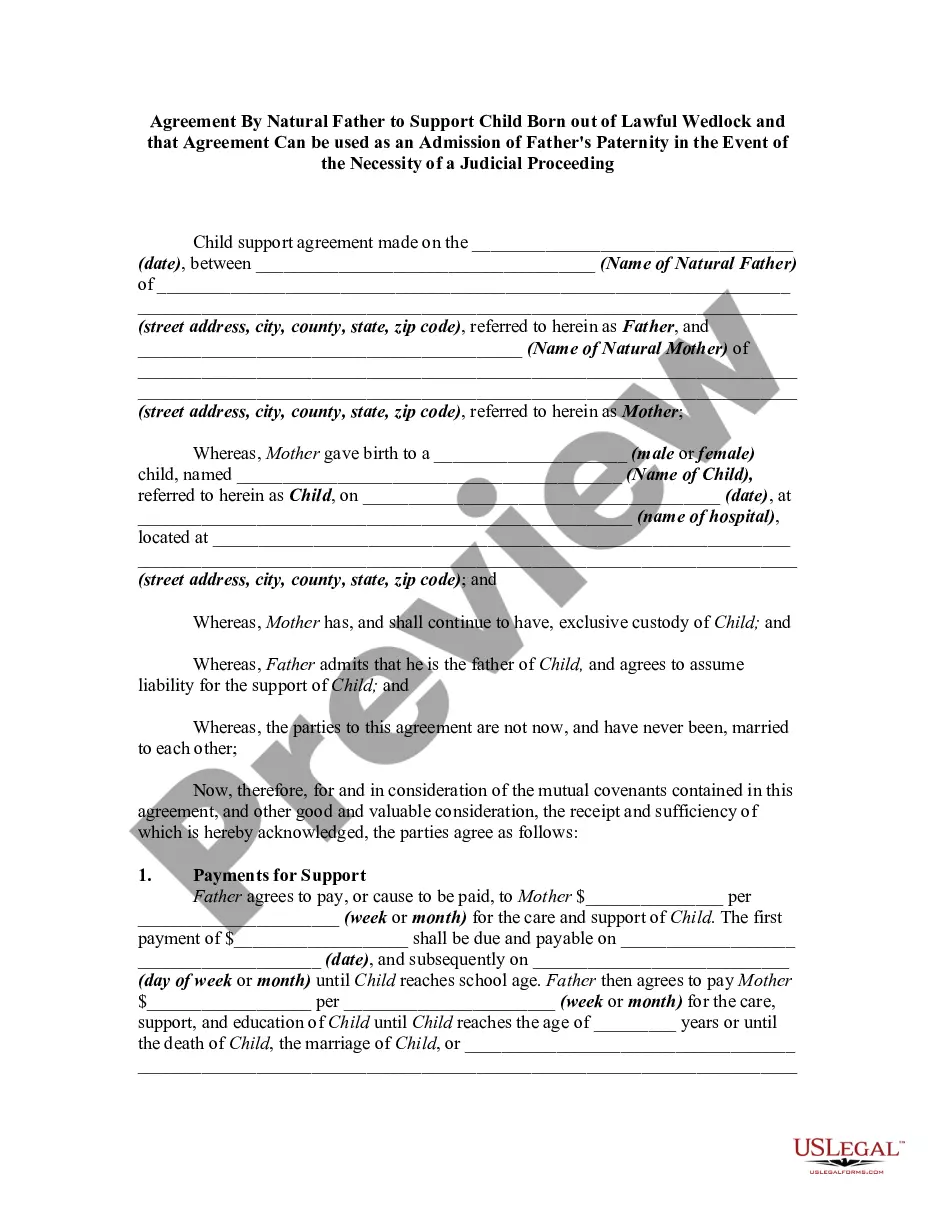
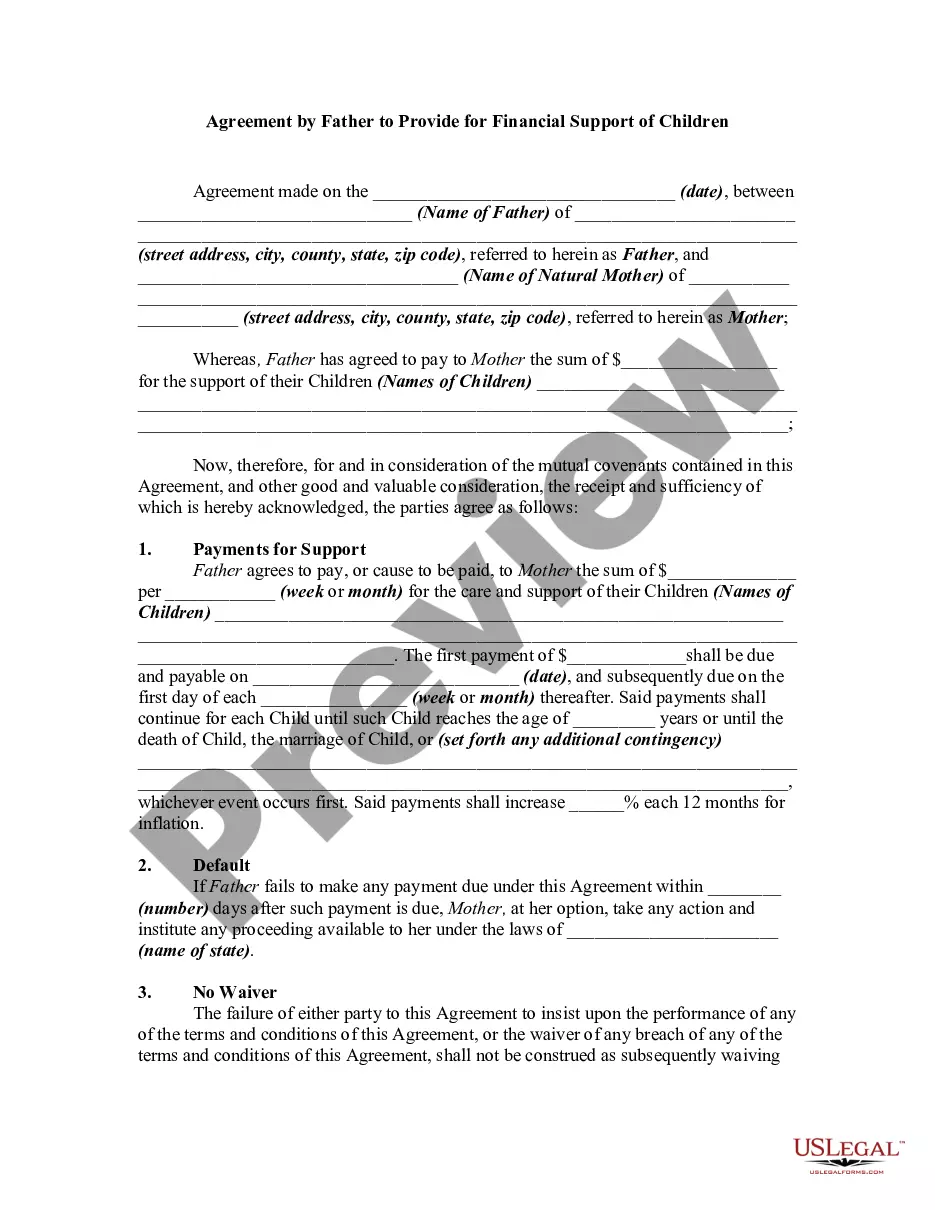
Agreement Born Wedlock Foreign Born
Description

Get your form ready online
Our built-in tools help you complete, sign, share, and store your documents in one place.
Make edits, fill in missing information, and update formatting in US Legal Forms—just like you would in MS Word.
Download a copy, print it, send it by email, or mail it via USPS—whatever works best for your next step.
Sign and collect signatures with our SignNow integration. Send to multiple recipients, set reminders, and more. Go Premium to unlock E-Sign.
If this form requires notarization, complete it online through a secure video call—no need to meet a notary in person or wait for an appointment.
We protect your documents and personal data by following strict security and privacy standards.

Make edits, fill in missing information, and update formatting in US Legal Forms—just like you would in MS Word.

Download a copy, print it, send it by email, or mail it via USPS—whatever works best for your next step.

Sign and collect signatures with our SignNow integration. Send to multiple recipients, set reminders, and more. Go Premium to unlock E-Sign.

If this form requires notarization, complete it online through a secure video call—no need to meet a notary in person or wait for an appointment.

We protect your documents and personal data by following strict security and privacy standards.
Looking for another form?



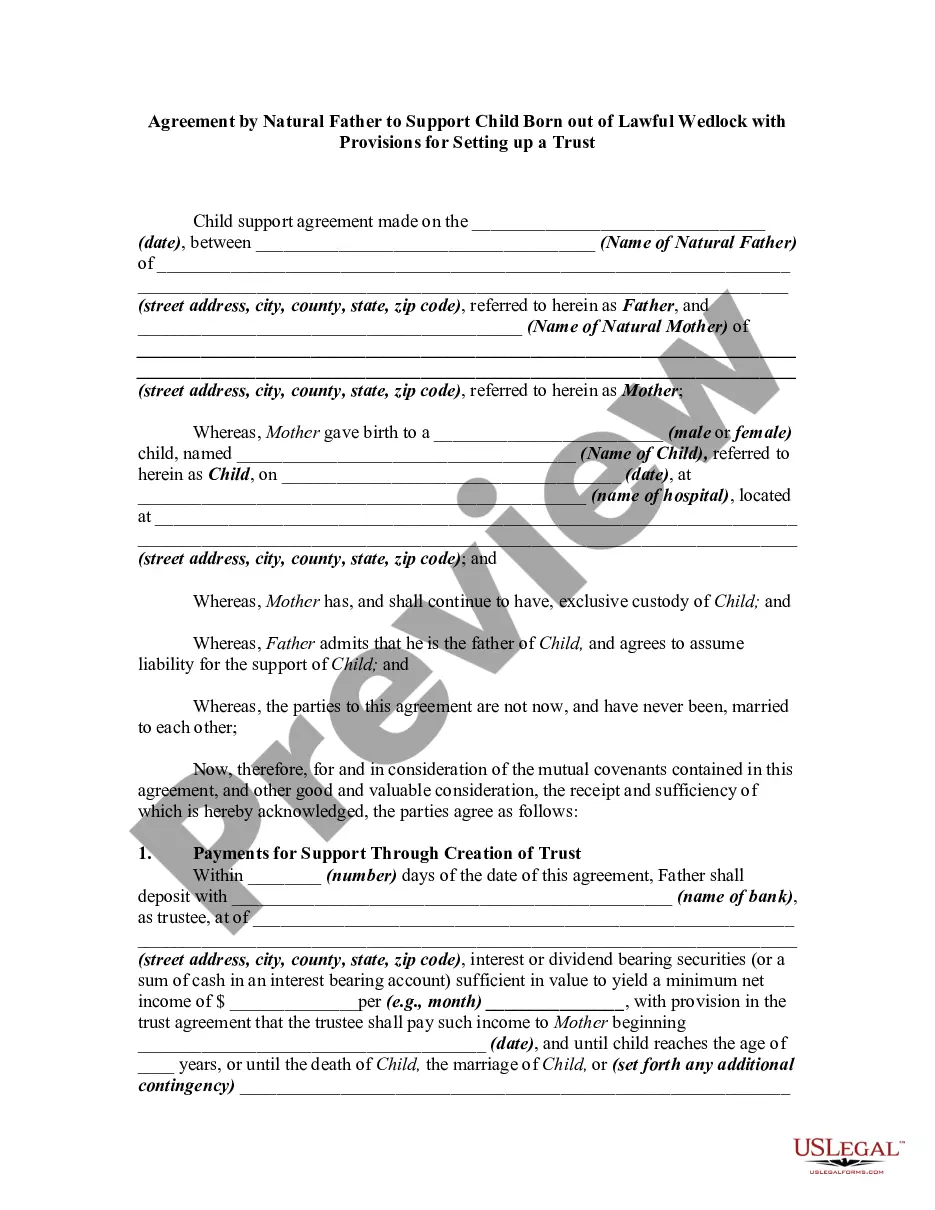
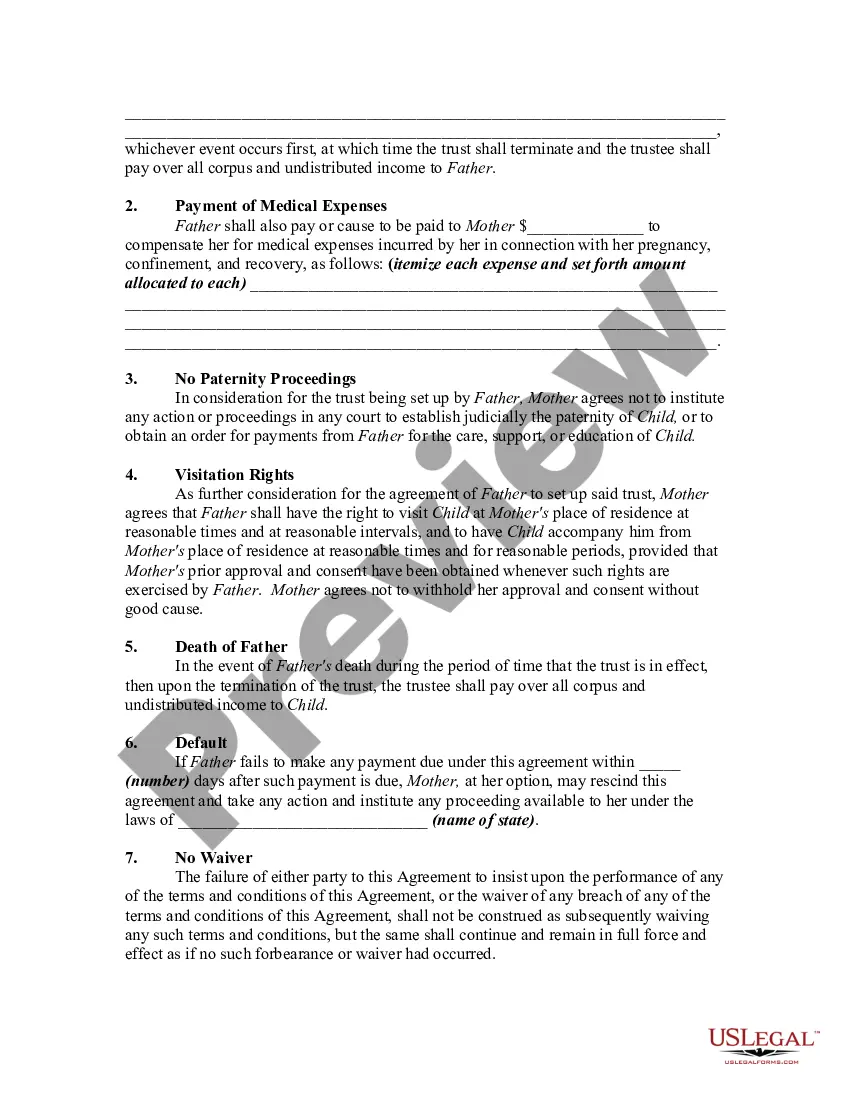
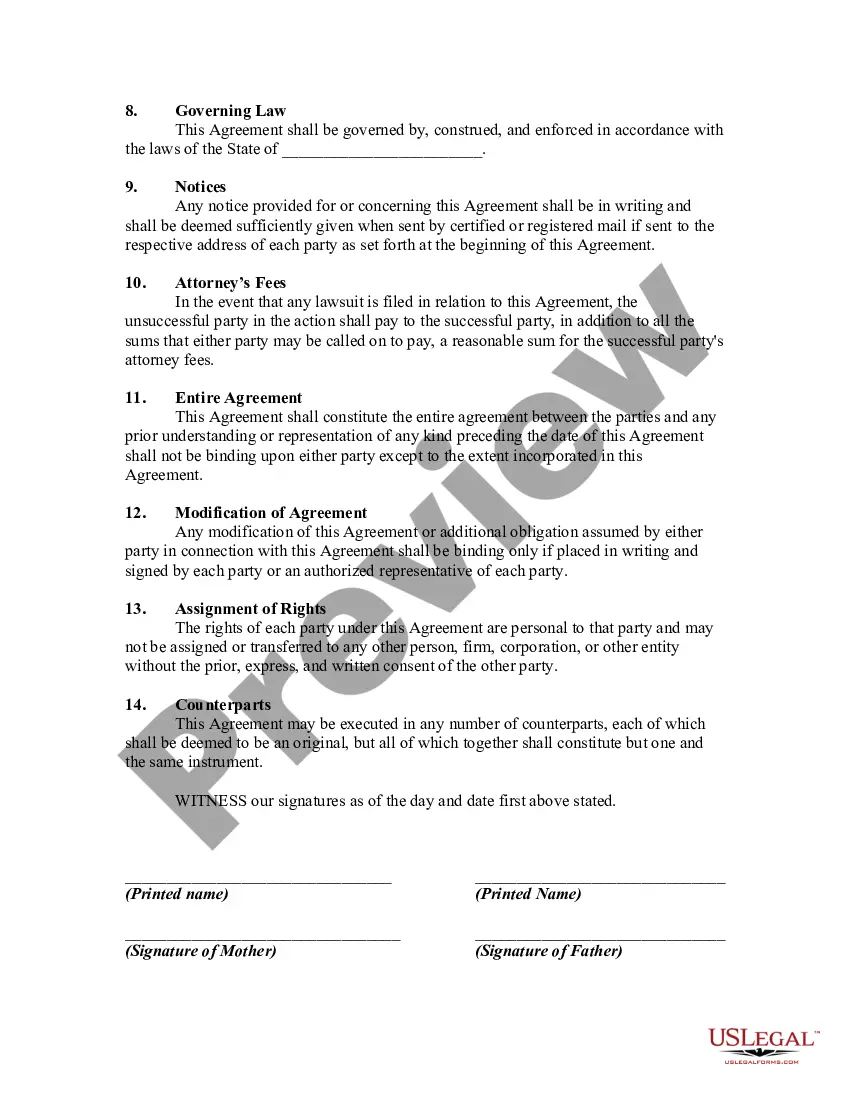
How to fill out Agreement By Natural Father To Support Child Born Out Of Lawful Wedlock With Provisions For Setting Up A Trust?
Whether for commercial reasons or personal affairs, everyone must confront legal issues at certain times in their life.
Filling out legal documents requires meticulous focus, starting with selecting the correct form template.
Complete the account registration form. Choose your payment method: use a credit card or PayPal account. Select the document format you prefer and download the Agreement Born Wedlock Foreign Born. Once it has been downloaded, you can fill out the form using editing software or print it to complete it by hand. With an extensive US Legal Forms library available, you don’t need to waste time hunting for the suitable template online. Take advantage of the library’s user-friendly navigation to find the correct form for any situation.
- For instance, if you choose an incorrect version of an Agreement Born Wedlock Foreign Born, it will be rejected upon submission.
- Consequently, it is crucial to find a reliable provider of legal documents such as US Legal Forms.
- If you need to obtain a template for Agreement Born Wedlock Foreign Born, follow these straightforward steps.
- Locate the template you require by using the search bar or catalog browsing.
- Review the form’s description to ensure it fits your specific situation, state, and county.
- Click on the form’s preview to inspect it.
- If it is the wrong document, return to the search function to find the Agreement Born Wedlock Foreign Born sample you seek.
- Acquire the template once it aligns with your needs.
- If you possess a US Legal Forms account, simply click Log in to access files you’ve saved in My documents.
- If you haven’t created an account yet, you can get the form by clicking Buy now.
- Select the appropriate pricing option.
Form popularity
FAQ
If you were born abroad and one (or both) of your parents is or was a U.S. citizen, you are automatically a citizen, too. If your parents were not married when you were born, the rules may be different.
A child born on or after June 12, 2017, who is born out of wedlock outside of the United States or one of its outlying possessions acquires citizenship at birth if: The person is a child of a U.S. citizen parent(s); The child's mother was a U.S. citizen at the time of the child's birth; and?
Typically, a child born in a foreign country with one U.S. citizen parent is entitled to American citizenship. Of course, Uncle Sam has set up more hoops in some situations than in others. Your local embassy or consulate is the best resource for answers about this bureaucratic circus.
If you are a U.S. citizen (or non-citizen national) and have a child overseas, you should report their birth at the nearest U.S. embassy or consulate as soon as possible so that a passport and/or Consular Report of Birth Abroad (CRBA) can be issued as an official record of the child's claim to U.S. citizenship or ...
A child born outside of the United States and out of wedlock to a U.S. citizen father, may acquire U.S. citizenship if the father was a U.S. citizen at the time of the child's birth and, if the father was physically present in the United States or one of its outlying possessions for five years, two of which were after ...