Assignment Receivable With Without Recourse
Description
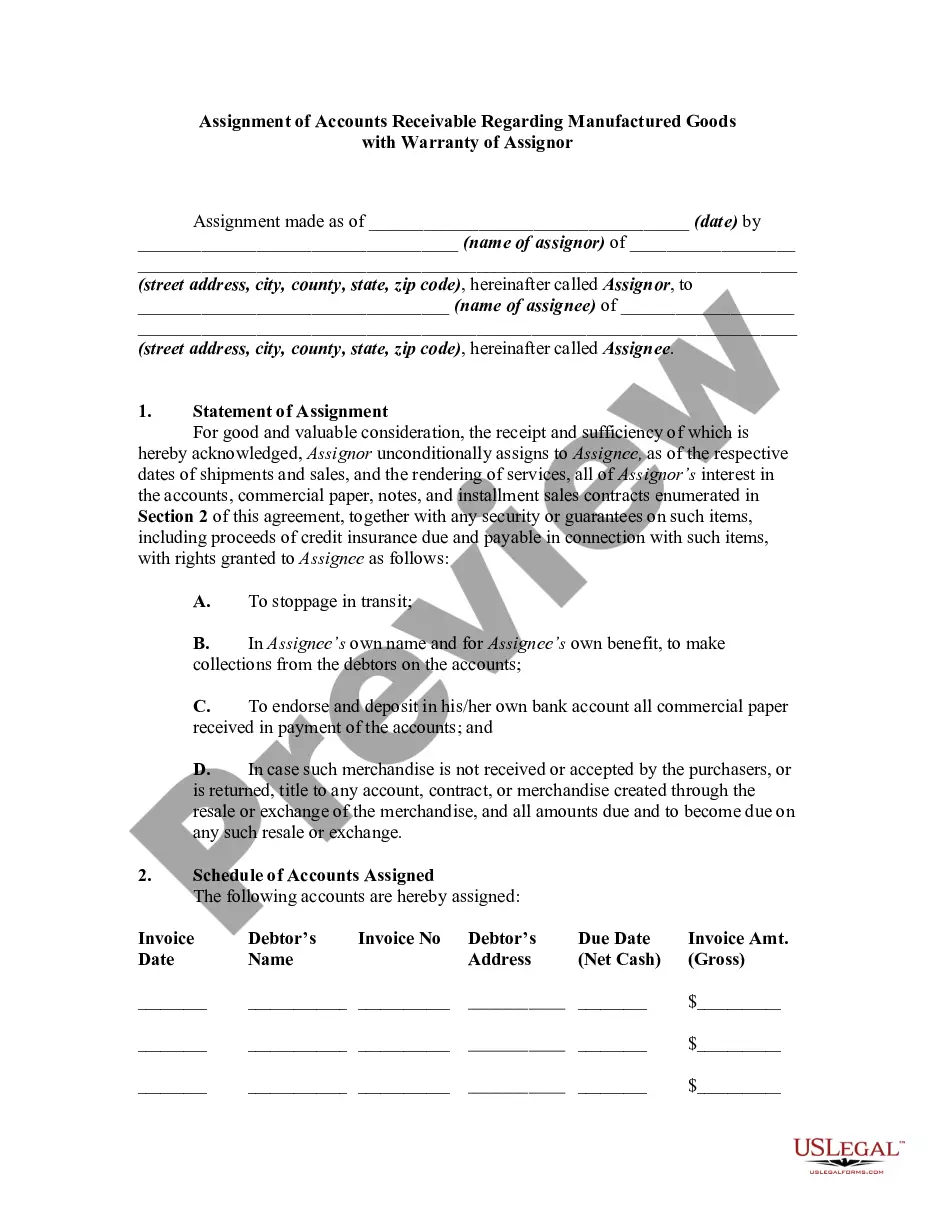
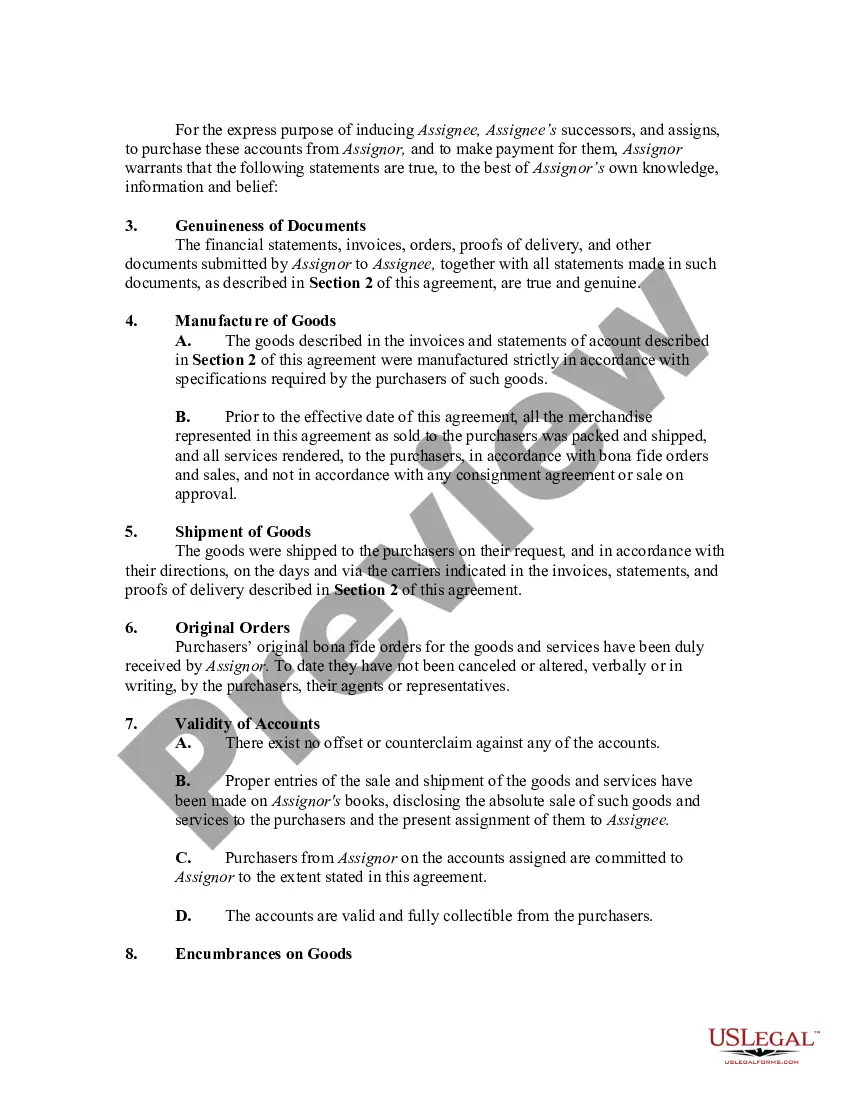
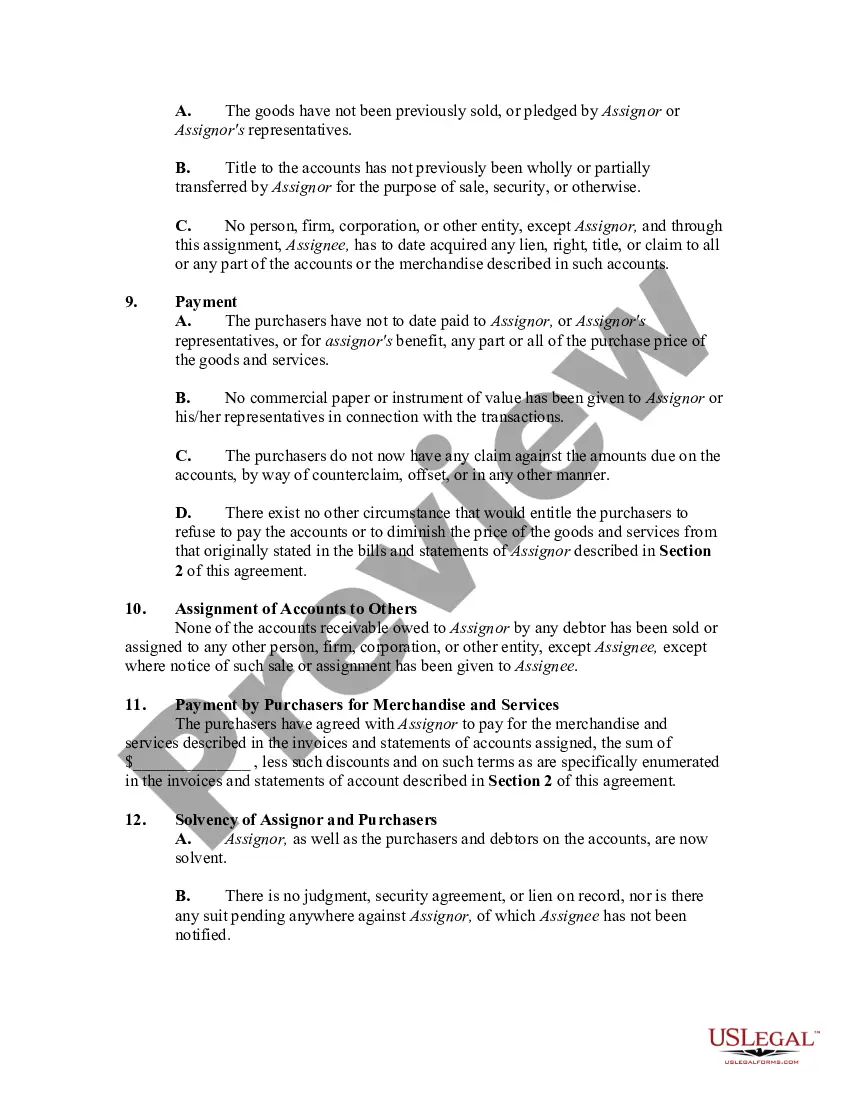
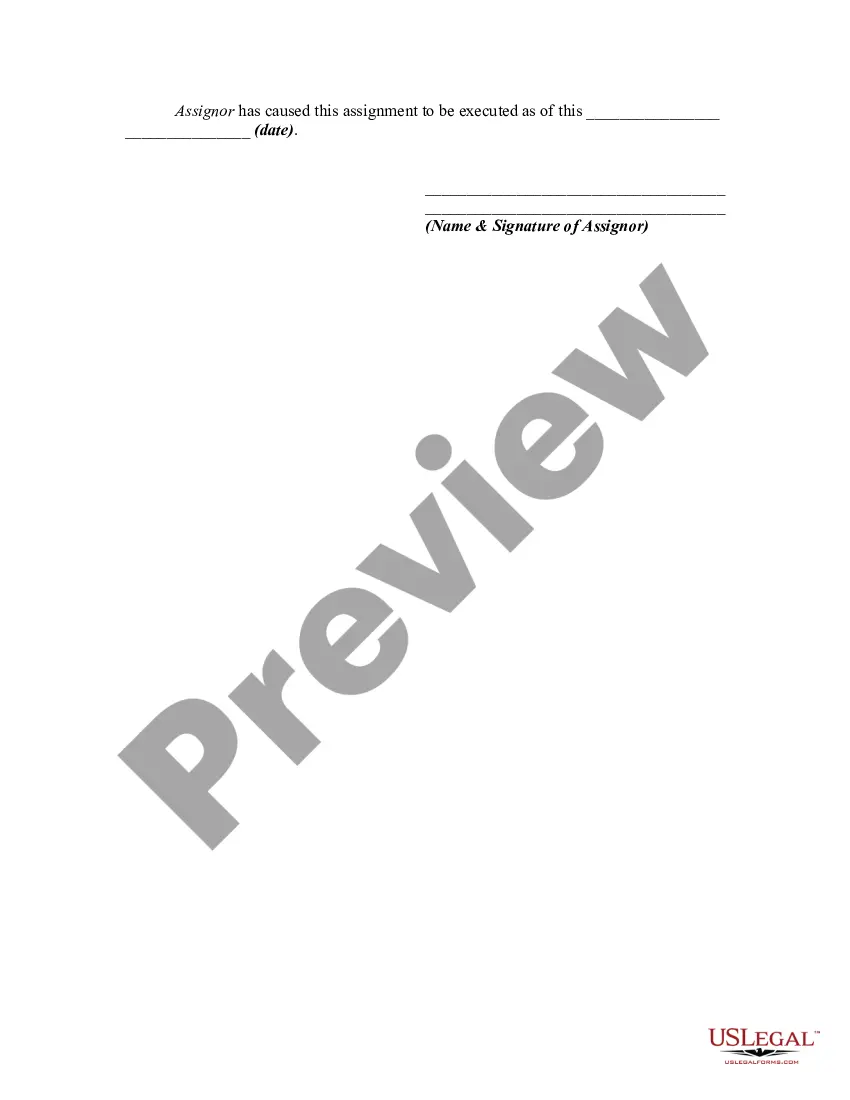

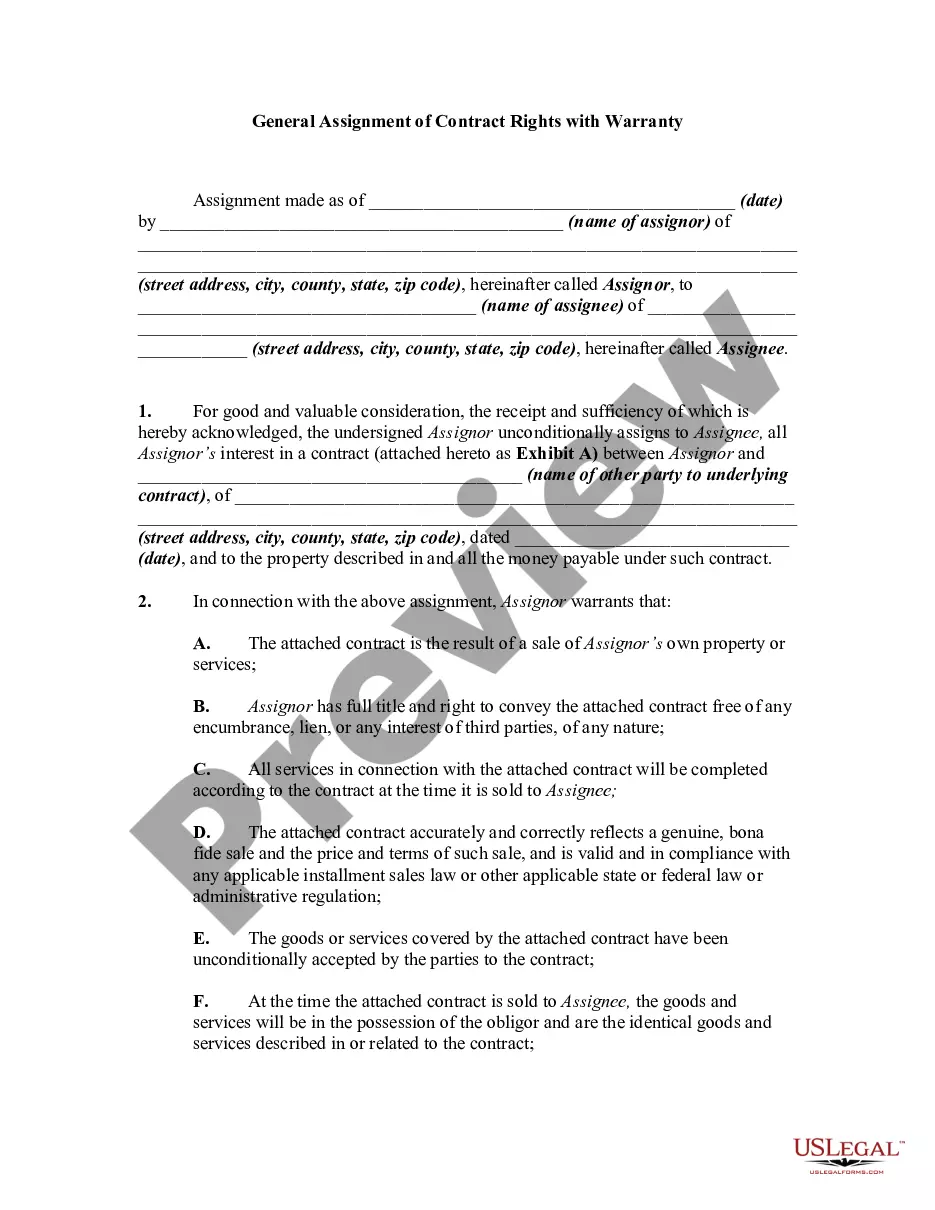
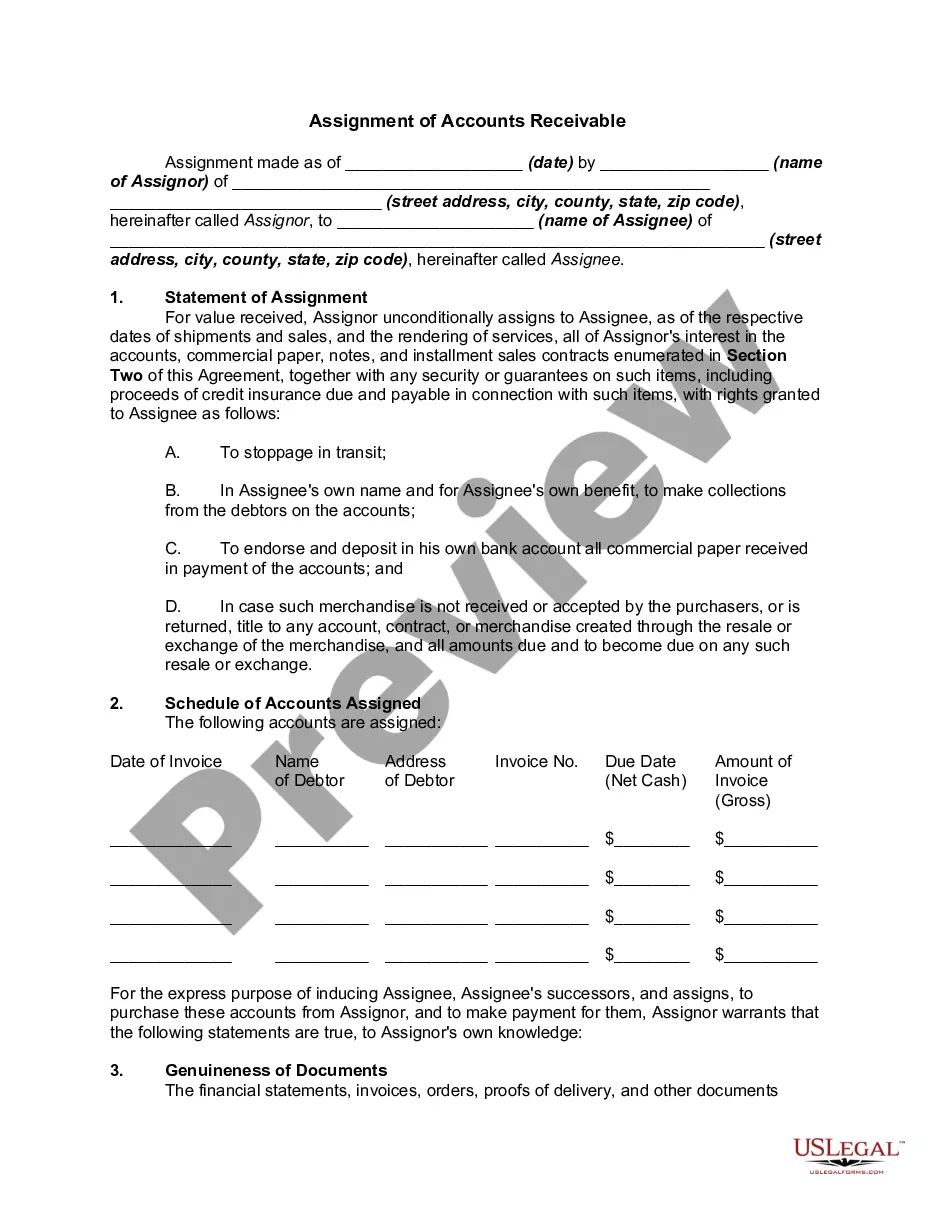


How to fill out Assignment Of Accounts Receivable Regarding Manufactured Goods With Warranty Of Assignor?
Whether for business purposes or for personal matters, everybody has to handle legal situations at some point in their life. Completing legal documents demands careful attention, starting with selecting the right form sample. For instance, when you select a wrong edition of a Assignment Receivable With Without Recourse, it will be declined when you submit it. It is therefore essential to have a dependable source of legal files like US Legal Forms.
If you have to get a Assignment Receivable With Without Recourse sample, stick to these easy steps:
- Find the sample you need using the search field or catalog navigation.
- Examine the form’s description to ensure it suits your situation, state, and county.
- Click on the form’s preview to see it.
- If it is the wrong document, get back to the search function to find the Assignment Receivable With Without Recourse sample you require.
- Download the file if it matches your needs.
- If you have a US Legal Forms profile, click Log in to access previously saved documents in My Forms.
- If you don’t have an account yet, you can obtain the form by clicking Buy now.
- Pick the appropriate pricing option.
- Complete the profile registration form.
- Select your payment method: you can use a bank card or PayPal account.
- Pick the file format you want and download the Assignment Receivable With Without Recourse.
- Once it is saved, you are able to complete the form with the help of editing software or print it and finish it manually.
With a substantial US Legal Forms catalog at hand, you never need to spend time searching for the right sample across the web. Take advantage of the library’s simple navigation to find the appropriate form for any situation.
Form popularity
FAQ
If a lender is offering you a factoring or discounting agreement without recourse, they are accepting full liability for non-payment of your customers' debts. This arrangement would be suitable if there is an element of doubt about their ability to pay, either now or in the future.
With factoring accounts receivables without recourse, the factoring company assumes the credit risk on invoices when there's non-payment because of the debtor's insolvency, effectively insulating the client from this credit risk.
When accounts receivable is factored with recourse, it means the business using invoice factoring is liable for their customer failing to pay the invoice, not the factoring company. This differs from non-recourse factoring, where the factor is liable for any missed payments.
Factoring without recourse means that the risk of accounts receivable being uncollectible transfers from the buyer to the seller. Basically, if an accounts receivable cannot be collected, the seller does not have to reimburse the buyer like they would if the factoring was ?with recourse?.
"Without recourse" means that one party cannot obtain a judgment against, or reimbursement from, a defaulting or opposing party in a financial transaction. When the buyer of a promissory note or other negotiable instrument enters into a "no recourse" agreement, they assume the risk of default.