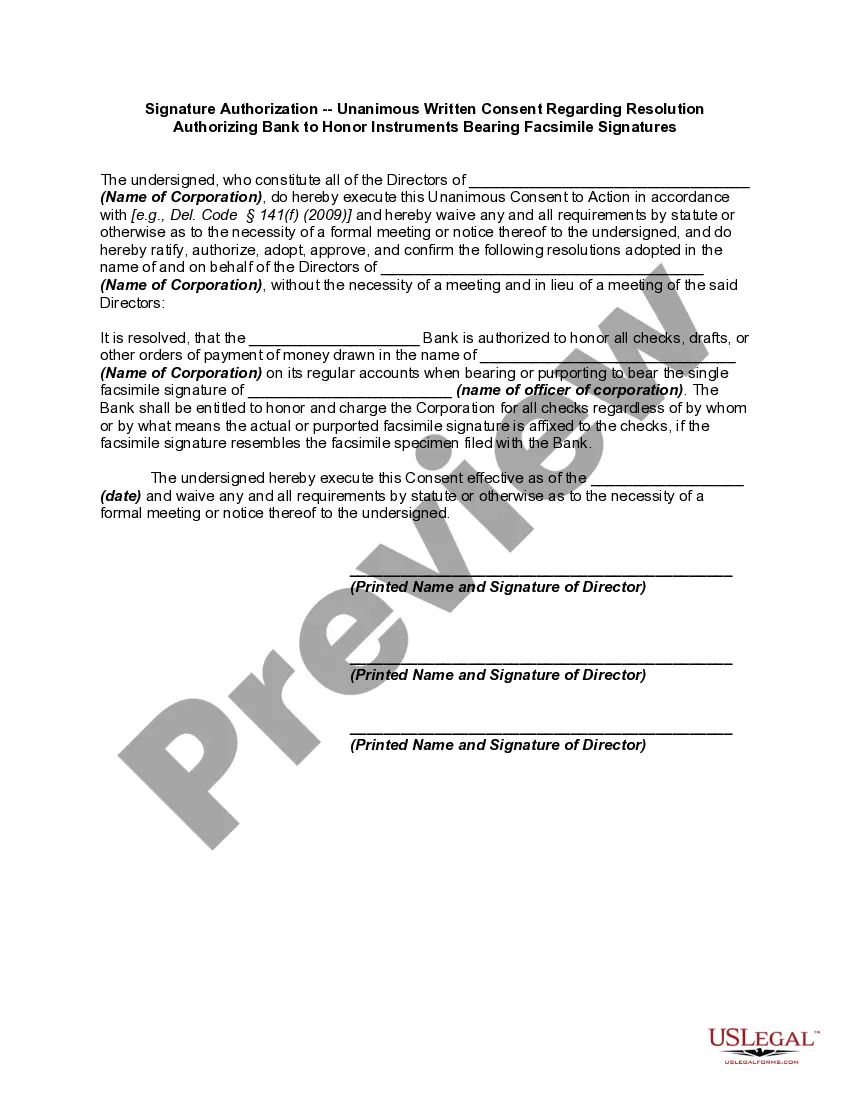
Facsimile Autograph For Sale
Description

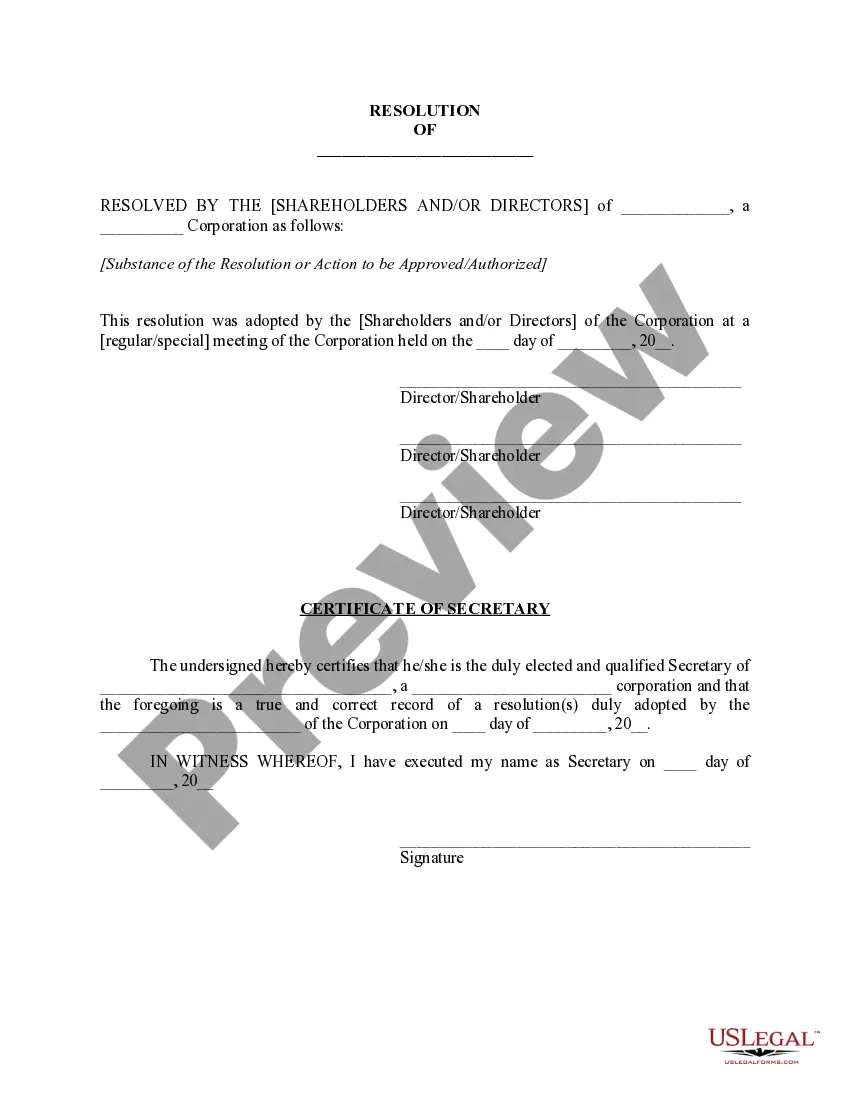
Get your form ready online
Our built-in tools help you complete, sign, share, and store your documents in one place.
Make edits, fill in missing information, and update formatting in US Legal Forms—just like you would in MS Word.
Download a copy, print it, send it by email, or mail it via USPS—whatever works best for your next step.
Sign and collect signatures with our SignNow integration. Send to multiple recipients, set reminders, and more. Go Premium to unlock E-Sign.
If this form requires notarization, complete it online through a secure video call—no need to meet a notary in person or wait for an appointment.
We protect your documents and personal data by following strict security and privacy standards.

Make edits, fill in missing information, and update formatting in US Legal Forms—just like you would in MS Word.

Download a copy, print it, send it by email, or mail it via USPS—whatever works best for your next step.

Sign and collect signatures with our SignNow integration. Send to multiple recipients, set reminders, and more. Go Premium to unlock E-Sign.

If this form requires notarization, complete it online through a secure video call—no need to meet a notary in person or wait for an appointment.

We protect your documents and personal data by following strict security and privacy standards.
Looking for another form?




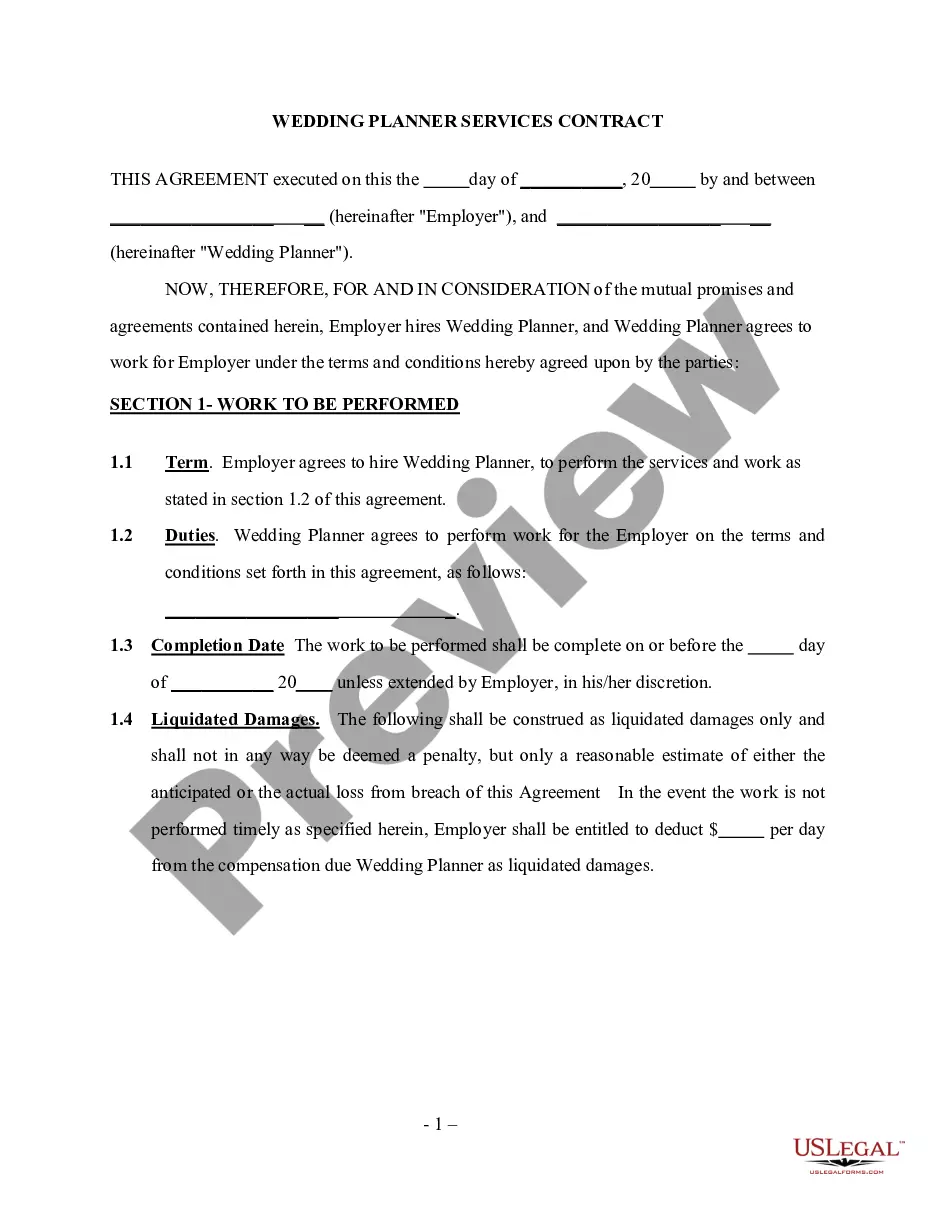


How to fill out Signature Authorization - Unanimous Written Consent Regarding Resolution Authorizing Bank To Honor Instruments Bearing Facsimile Signatures?
Whether for commercial purposes or personal issues, everyone must confront legal circumstances at some stage in their existence.
Completing legal documents requires meticulous care, starting from selecting the correct template.
After it is downloaded, you can complete the form using editing software or print it and fill it out by hand. With a vast US Legal Forms collection available, you won’t have to waste time searching for the correct template online. Use the library’s straightforward navigation to find the suitable form for any event.
- Locate the template you need using the search bar or catalog navigation.
- Review the document’s description to verify it suits your situation, jurisdiction, and area.
- Click on the form’s preview to inspect it.
- If it is the wrong document, return to the search feature to find the Facsimile Autograph For Sale template you need.
- Obtain the file if it satisfies your needs.
- If you have a US Legal Forms account, click Log in to access previously saved templates in My documents.
- In case you do not have an account yet, you can acquire the form by clicking Buy now.
- Select the suitable pricing option.
- Complete the account registration form.
- Choose your payment method: you can use a credit card or PayPal account.
- Select the file format you prefer and download the Facsimile Autograph For Sale.
Form popularity
FAQ
While facsimile signatures can be a useful tool for artists, it's important to note that they are not the same as a hand-signed signature. Collectors and buyers of art may place a higher value on pieces with a hand-signed signature, and some may not consider a facsimile signature to be authentic.
Ing to the UETA, a facsimile signature is considered an electronic signature and is legally binding if the following conditions are met: The signatory intended to sign the document; The document was transmitted by a means that generated a written or electronic record of the transaction; and.
Therefore, if the ink layer on your autograph is quite evenly distributed and the grooves are all the exact same depth, you are most likely seeing a printed or an autopen-generated - rather than live - autograph.
Look for signs of a facsimile signature It looks authentic, but it's really just a printed representation of the real thing. Hold the autograph at an angle towards a light source. If it's real, the ink from the pen will have a different ?sheen? or ?glare? compared to the rest of the photograph.
Look closely at the ink to tell if a signature has been stamped on. If it is stamped, more ink will be located in the center of a given letter in the name. Another indicator in the ink is its color. Older signatures are likely to have oxidized, and so the ink should be a brown color if it was originally colored black.