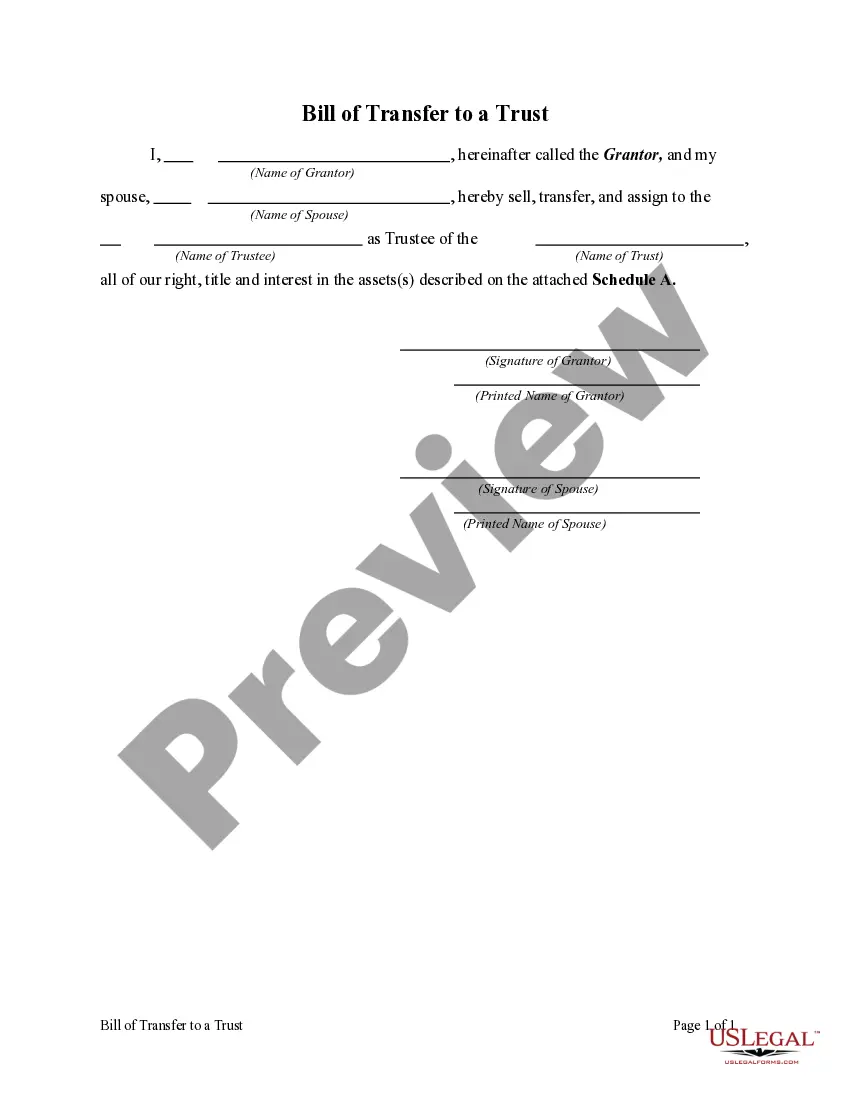
Transfer Trust Agreement For A Family
Description

Get your form ready online
Our built-in tools help you complete, sign, share, and store your documents in one place.
Make edits, fill in missing information, and update formatting in US Legal Forms—just like you would in MS Word.
Download a copy, print it, send it by email, or mail it via USPS—whatever works best for your next step.
Sign and collect signatures with our SignNow integration. Send to multiple recipients, set reminders, and more. Go Premium to unlock E-Sign.
If this form requires notarization, complete it online through a secure video call—no need to meet a notary in person or wait for an appointment.
We protect your documents and personal data by following strict security and privacy standards.

Make edits, fill in missing information, and update formatting in US Legal Forms—just like you would in MS Word.

Download a copy, print it, send it by email, or mail it via USPS—whatever works best for your next step.

Sign and collect signatures with our SignNow integration. Send to multiple recipients, set reminders, and more. Go Premium to unlock E-Sign.

If this form requires notarization, complete it online through a secure video call—no need to meet a notary in person or wait for an appointment.

We protect your documents and personal data by following strict security and privacy standards.
Looking for another form?
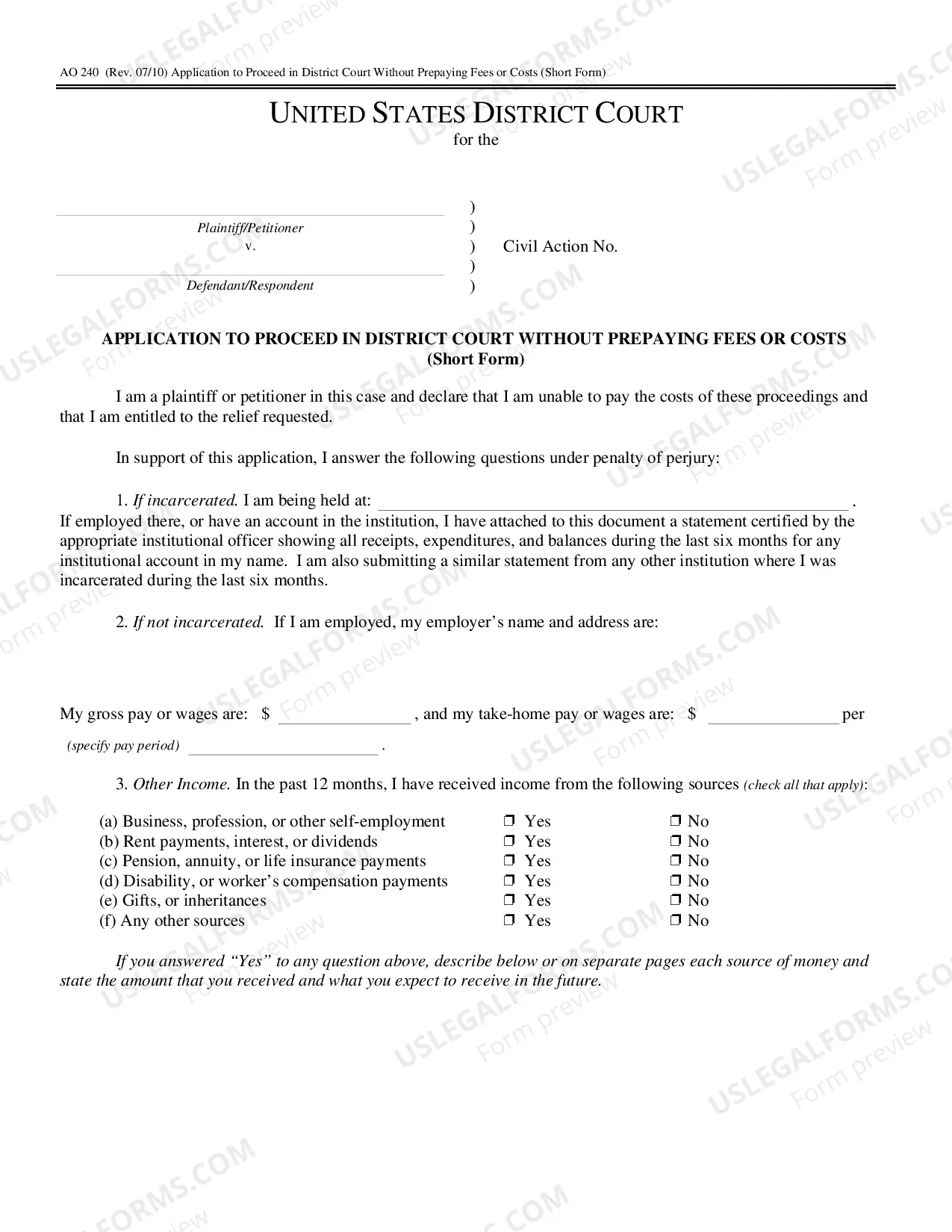



How to fill out Bill Of Transfer To A Trust?
- If you’re a returning user, log in to your account to access the needed form template and hit the Download button. Ensure your subscription remains active.
- For first-time users, begin by reviewing the Preview mode and form description to find the correct trust agreement that suits your needs and complies with local laws.
- If necessary, use the Search tab to find additional templates that fit your specific requirements.
- Once you've selected the appropriate document, click on the Buy Now button and choose your preferred subscription plan, making sure to register an account for full access.
- Proceed with your purchase by entering your credit card information or utilizing your PayPal account.
- Download the finalized document and save it on your device. You can also access it anytime in the My Forms section of your profile.
In conclusion, utilizing US Legal Forms makes transferring a trust agreement for a family straightforward and hassle-free. With a robust library and expert support, you're equipped to handle your legal needs confidently.
Explore US Legal Forms today and ensure peace of mind for your family's future!
Form popularity
FAQ
Yes, you can transfer one trust to another, which can help streamline estate planning. This process allows for realignment of assets and management preferences according to evolving needs. It is wise to consult USLegalForms to draft the necessary transfer trust agreement for a family, ensuring all legal formalities are met and that the transfer aligns with your overall estate plan.
Transfers between trusts are generally not taxable as long as the trusts are not irrevocable and the ownership of assets does not change. However, specific situations may lead to taxable events, depending on the nature of the asset and the trust agreement. While drafting a transfer trust agreement for a family, consider the tax implications to avoid unexpected liabilities.
You can transfer the assets and terms of one trust to another trust, provided you adhere to legal requirements. This type of transfer often involves legal documentation and consultation with a professional to ensure compliance with the law. Creating a new transfer trust agreement for a family may offer enhanced benefits such as updated management or tax optimization.
Yes, you can transfer assets from one trust to another. This process is often referred to as a trust-to-trust transfer and may be beneficial for various reasons, including updating trust provisions or consolidating trusts. When executing a transfer trust agreement for a family, ensure that the transfer aligns with the original trust terms and complies with state laws.
The 5 year rule for trusts refers to a specific guideline related to estate and gift taxes. Essentially, if a trust transfers assets to beneficiaries, the trust must wait five years before the assets can be considered fully out of the trust for tax purposes. Understanding this rule is crucial when creating a transfer trust agreement for a family, as it impacts how assets are treated under tax law.
To transfer a living trust, first, you need to gather the necessary documents related to the trust, including the original trust agreement. Next, you can prepare a transfer trust agreement for a family, which outlines how assets will be moved from one trust to another or to beneficiaries. It is crucial to ensure that all assets are properly retitled in the name of the new trust to avoid any legal complications. Additionally, using platforms like US Legal Forms can simplify this process by providing templates tailored for creating a transfer trust agreement for a family, making it easier to comply with state laws.
The main downfall of having a trust lies in the complexity it can introduce to your estate plan. Setting up a transfer trust agreement for a family often requires meticulous planning, and if not done correctly, it can lead to unintended consequences. Additionally, there may be costs associated with maintaining the trust and ensuring compliance with state laws. It's important to assess whether the long-term benefits outweigh these potential downsides.
A family trust can have disadvantages, such as complexity in management and potential tax implications. It requires ongoing administration and compliance with legal requirements, which may not be suitable for everyone. Furthermore, if not structured properly, a transfer trust agreement for a family could limit access to assets during your parents' lifetime or create complications in family dynamics. Consulting with an experienced estate planner can help you navigate these challenges.
One downside of putting assets in a trust is the initial setup and potential maintenance costs involved. Creating a transfer trust agreement for a family can sometimes require legal fees and administrative efforts that might seem burdensome. Additionally, once assets are transferred, your parents may lose direct control over those assets, which can be a concern. It’s essential to weigh these factors against the potential benefits before proceeding.
Yes, your parents should consider putting their assets in a trust to facilitate the transfer trust agreement for a family. A trust can streamline the distribution of assets upon their passing, reducing probate costs and ensuring a smooth transfer process. Additionally, it can provide protections against unforeseen circumstances, offering peace of mind to both your parents and family members. It’s advisable to discuss their specific needs with an estate planning attorney.