Writ Of Habeas Corpus For Dummies
Description




Get your form ready online
Our built-in tools help you complete, sign, share, and store your documents in one place.
Make edits, fill in missing information, and update formatting in US Legal Forms—just like you would in MS Word.
Download a copy, print it, send it by email, or mail it via USPS—whatever works best for your next step.
Sign and collect signatures with our SignNow integration. Send to multiple recipients, set reminders, and more. Go Premium to unlock E-Sign.
If this form requires notarization, complete it online through a secure video call—no need to meet a notary in person or wait for an appointment.
We protect your documents and personal data by following strict security and privacy standards.

Make edits, fill in missing information, and update formatting in US Legal Forms—just like you would in MS Word.

Download a copy, print it, send it by email, or mail it via USPS—whatever works best for your next step.

Sign and collect signatures with our SignNow integration. Send to multiple recipients, set reminders, and more. Go Premium to unlock E-Sign.

If this form requires notarization, complete it online through a secure video call—no need to meet a notary in person or wait for an appointment.

We protect your documents and personal data by following strict security and privacy standards.
Looking for another form?

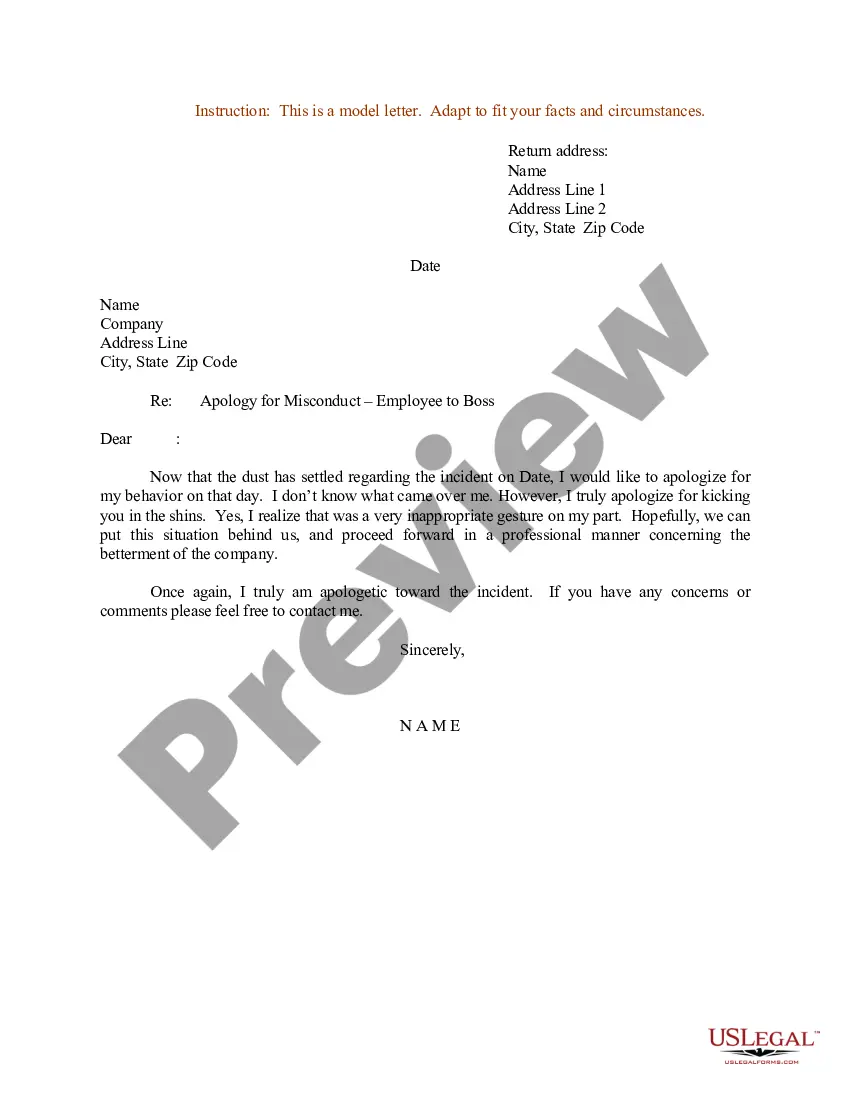



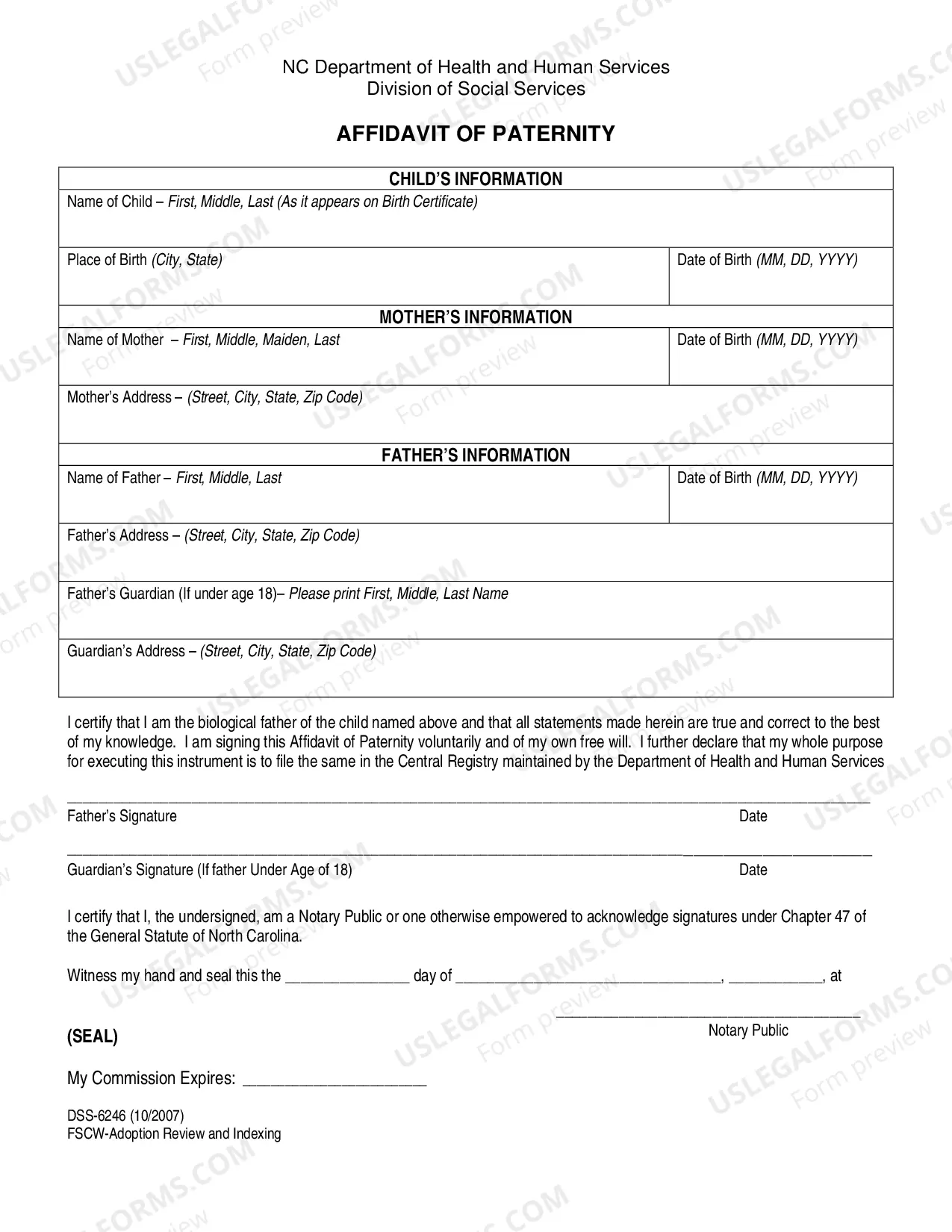
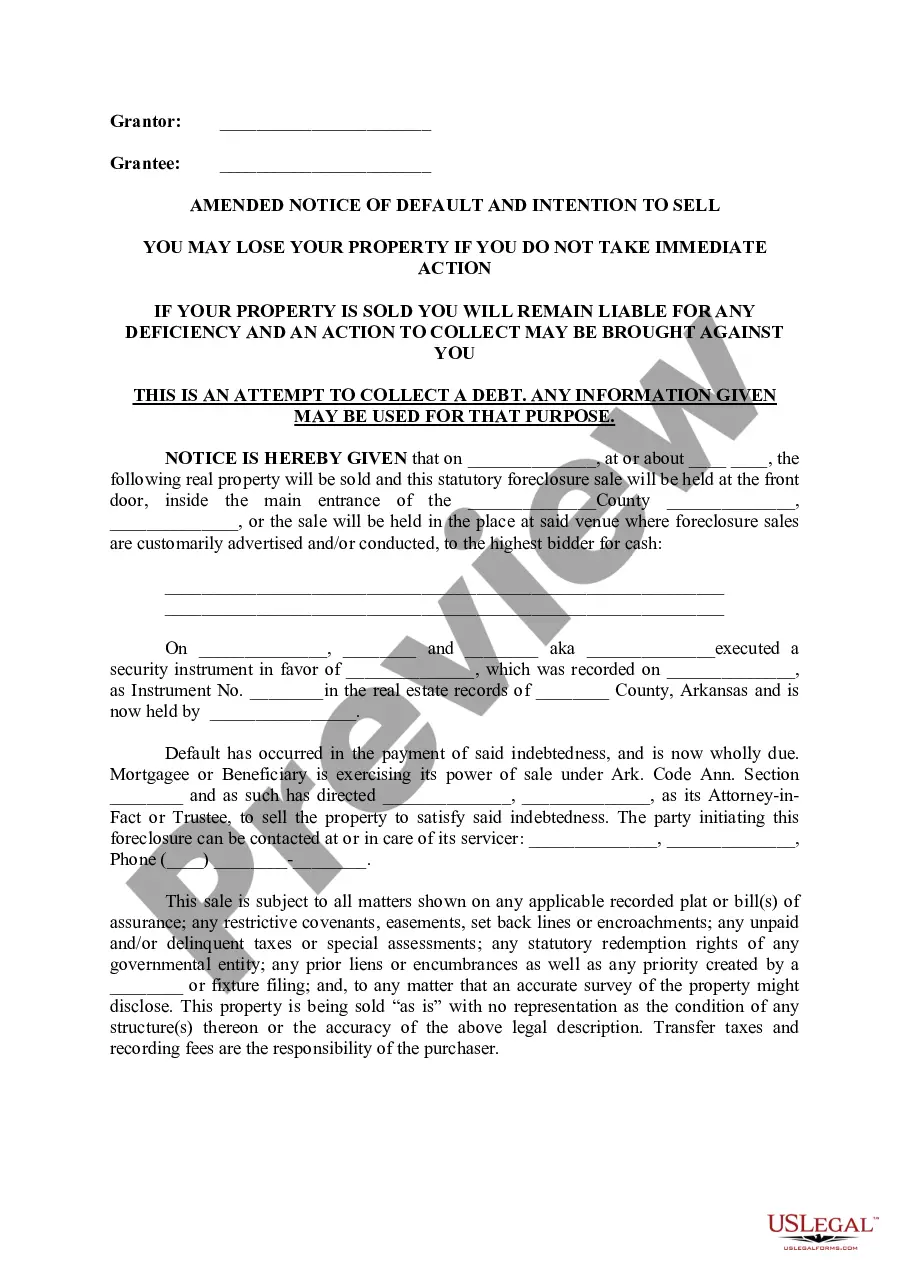
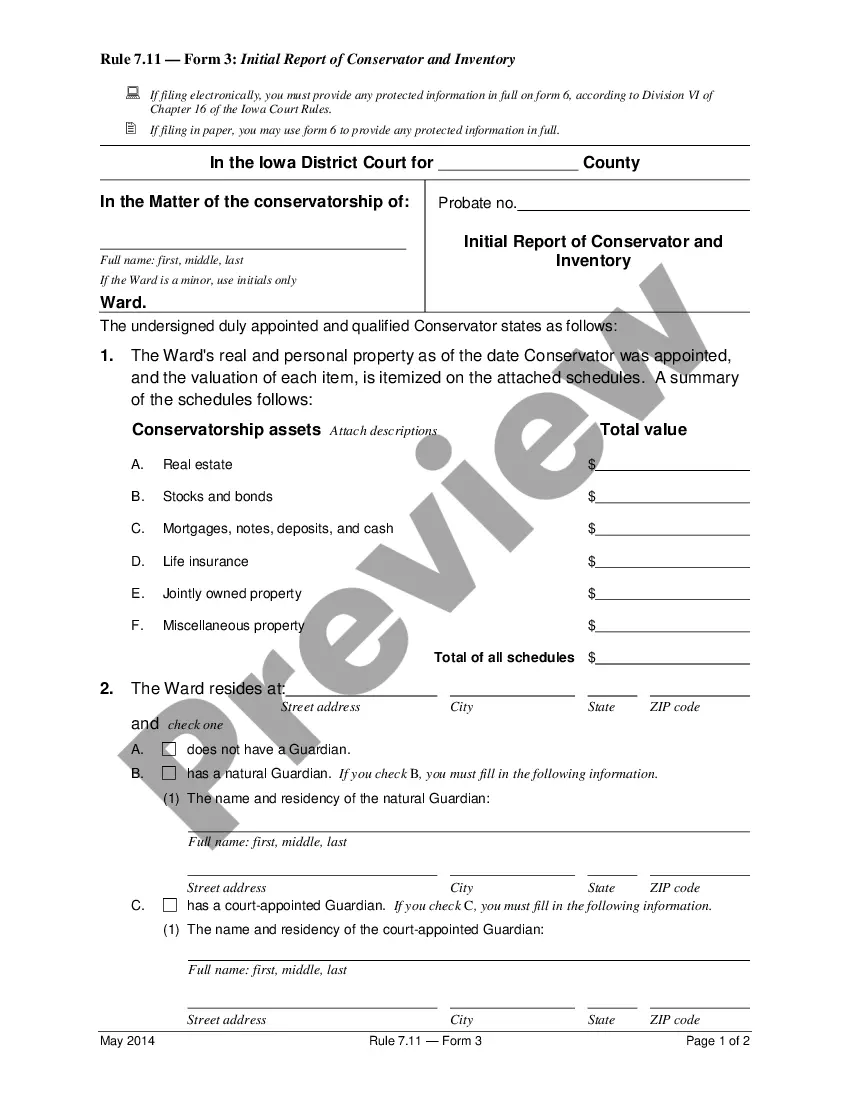
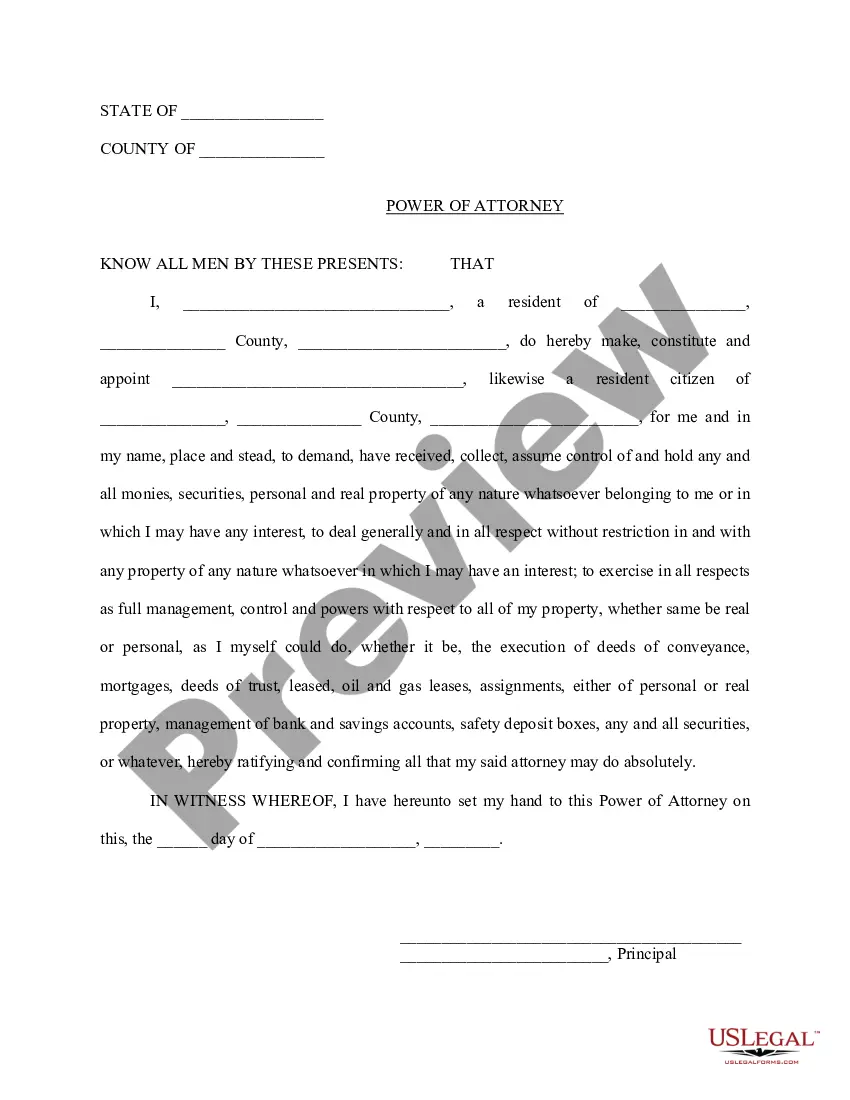
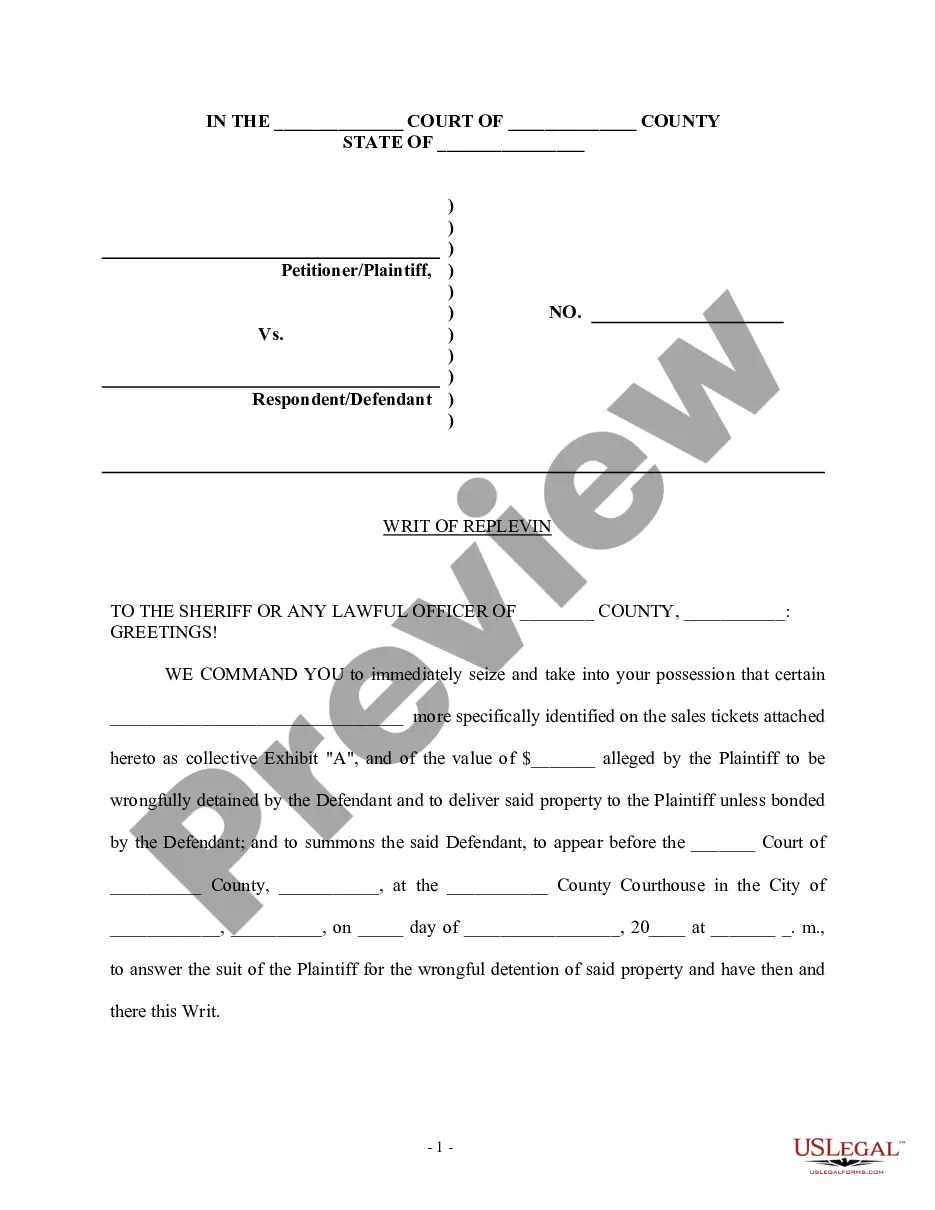
How to fill out Writ Of Replevin Or Repossession?
- Begin by checking if you have an existing account with US Legal Forms. If you do, simply log in and verify your subscription status before downloading any required forms.
- For first-time users, explore the US Legal Forms library. Use the Preview mode to review form descriptions to ensure you select the appropriate writ of habeas corpus for your jurisdiction.
- If you require more options, utilize the Search tab to find additional templates that adequately meet your needs.
- Once you find the correct document, click the Buy Now button to select your preferred subscription plan and create an account for library access.
- Proceed to purchase by entering your payment details via credit card or PayPal.
- After the transaction, download your chosen form to your device. You can access it anytime in the 'My documents' section of your profile.
With US Legal Forms, you gain access to a robust library containing over 85,000 easily fillable legal documents, ensuring that you can find the right form every time.
Don't hesitate—take control of your legal needs today by visiting US Legal Forms and simplifying your document retrieval process!
Form popularity
FAQ
The writ of habeas corpus is a legal tool that allows individuals to challenge unlawful detention. Simply put, it means 'you shall have the body' in court to review the legality of imprisonment. For those unfamiliar with legal terms, searching for 'writ of habeas corpus for dummies' can provide a straightforward breakdown of this critical legal aspect.
Filling out a writ of habeas corpus involves several specific steps. First, you must provide your details, the reasons for your detention, and any legal grounds for your request. Resources like US Legal Forms offer templates that help simplify this complex process, making it easier for anyone to navigate 'writ of habeas corpus for dummies.'
To win a habeas corpus case, you must demonstrate that your detention is unlawful. Gather evidence showing any violations of rights or legal procedures. Using resources like 'writ of habeas corpus for dummies' can simplify your understanding of the necessary steps and improve your chances in court.
A clear example would be, 'The lawyer filed a writ of habeas corpus to challenge the unlawful imprisonment of his client.' This shows how the term applies in legal contexts. If you want to learn more, searching for 'writ of habeas corpus for dummies' will provide straightforward explanations.
A practical sentence with 'habeas corpus' could be, 'The judge granted a writ of habeas corpus to review the legality of the detention.' Understanding how to use 'writ of habeas corpus for dummies' can make this legal term clearer for non-experts. It illustrates the importance of the writ in protecting individual liberties.
The writ of habeas corpus for dummies simply means understanding a legal tool that protects individual freedom. Essentially, it allows you to challenge unlawful detention and seek a review of your case. This concept can be complex, but breaking it down makes it more accessible. For those looking for straightforward explanations and templates, US LegalForms serves as a valuable resource, guiding you through the essentials of habeas corpus.
The grounds for a writ of habeas corpus primarily revolve around the legality of a person's detention. Common grounds include unlawful imprisonment, violation of due process, or lack of sufficient evidence for conviction. Familiarizing yourself with these aspects is crucial, especially if you’re seeking to understand the concept better. The US LegalForms platform offers resources that clarify these grounds, making it easier for anyone to grasp this intricate subject.
Creating your own writ of habeas corpus is straightforward with the right guidance. Start by understanding the basic components, such as the facts of your case and the legal basis for your claim. Consider using resources like the US LegalForms platform, which provides templates and expert advice to simplify the process. This will help you draft a clear and effective document, essential for filing successfully.
Filling out a writ of habeas corpus involves specific steps to ensure that you provide all required information. Start by collecting details about your detention, including dates and locations. Then, outline your legal arguments clearly and concisely. For a more straightforward approach, consider using USLegalForms, which offers templates that simplify this process and guide you through each section.
Habeas corpus, in simple terms, is a legal action that safeguards an individual's freedom from arbitrary detention. If someone feels they are being held without just cause, they can invoke habeas corpus to seek relief from the court. This principle serves as a critical check on government power. The USLegalForms platform can help you understand and fill out the necessary documents effectively.