Counter Form Offer With Example
Description
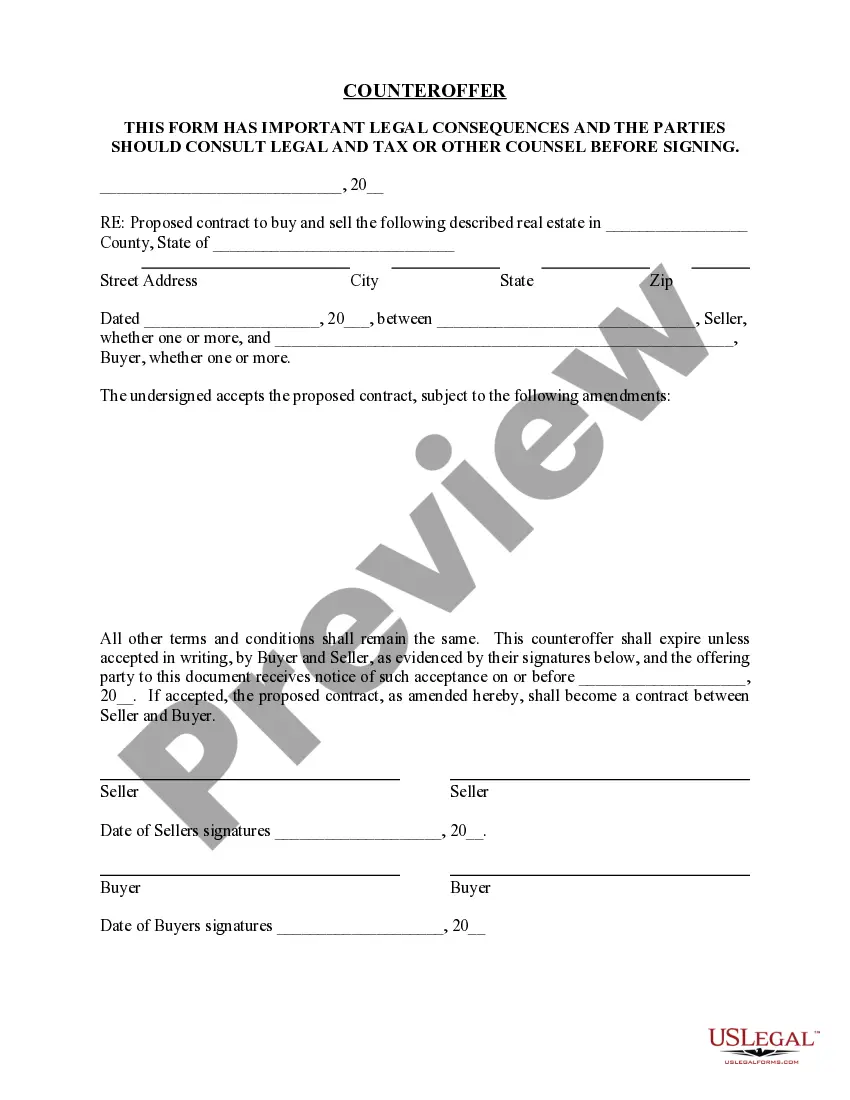
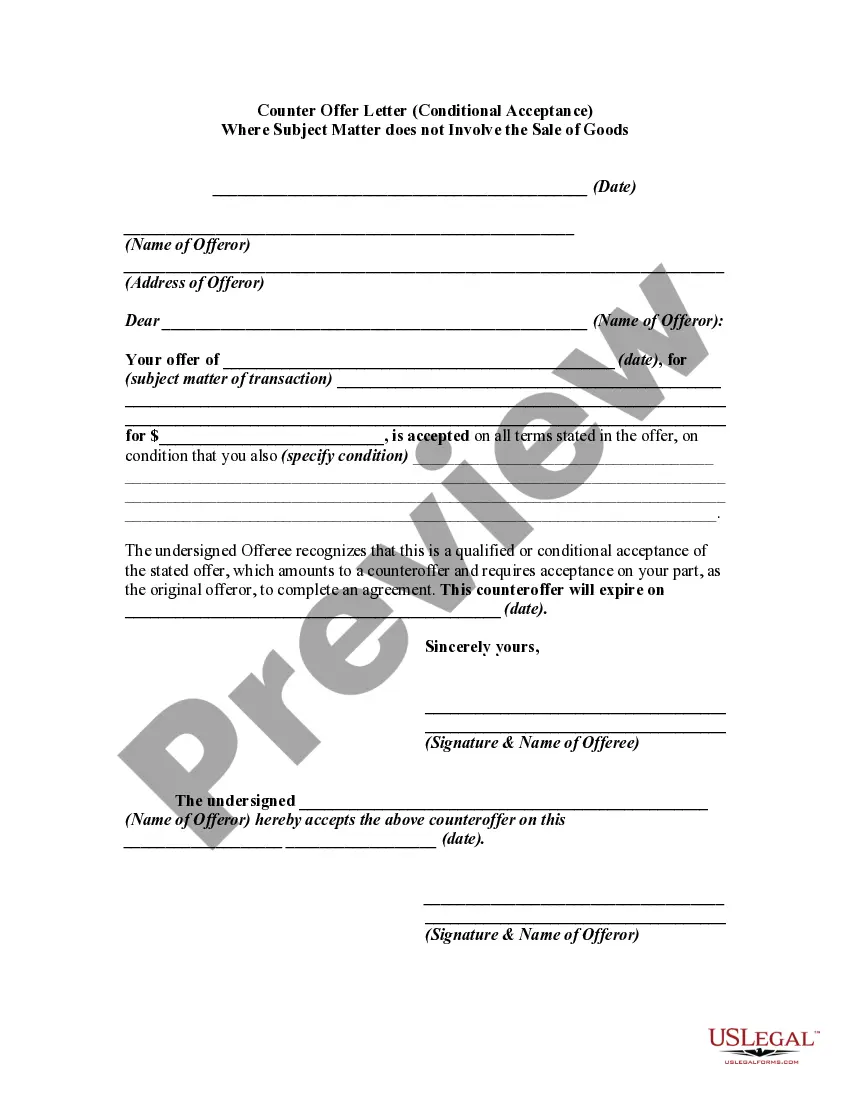
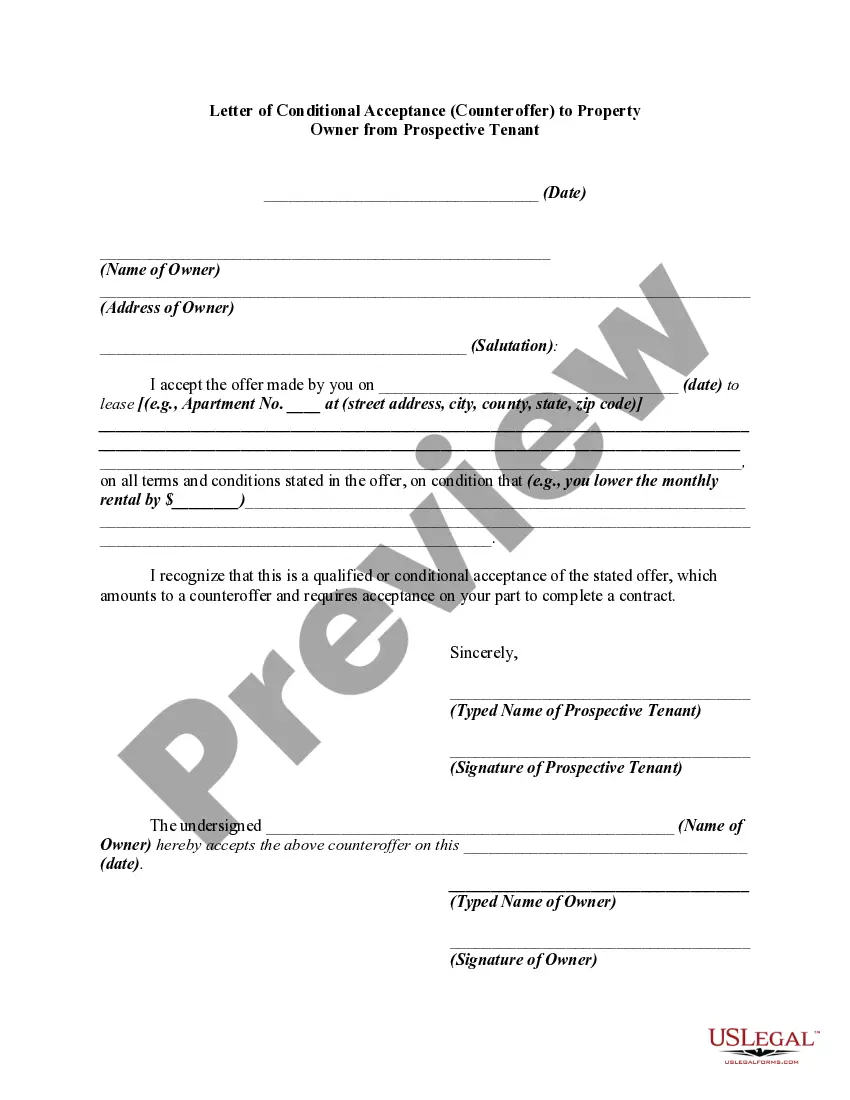
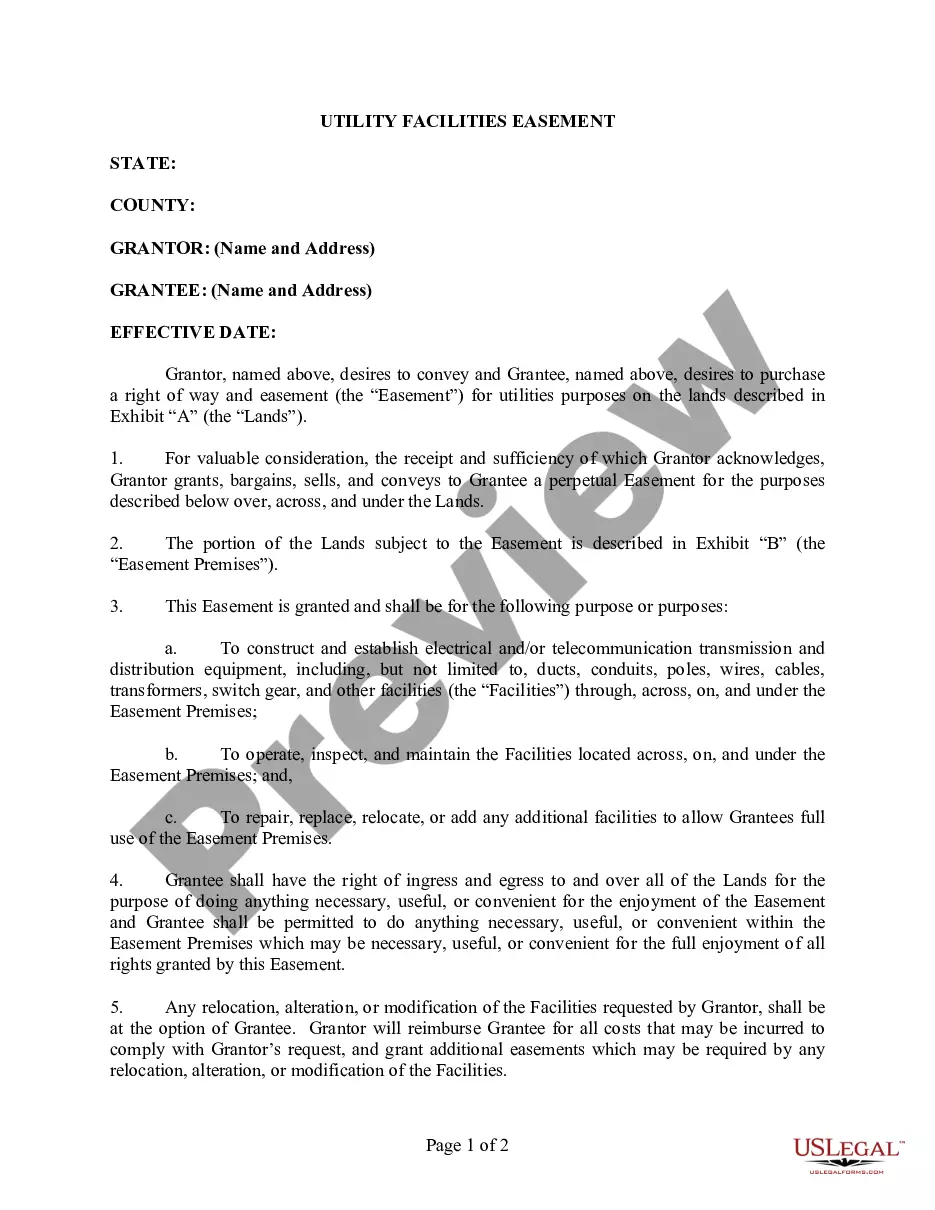
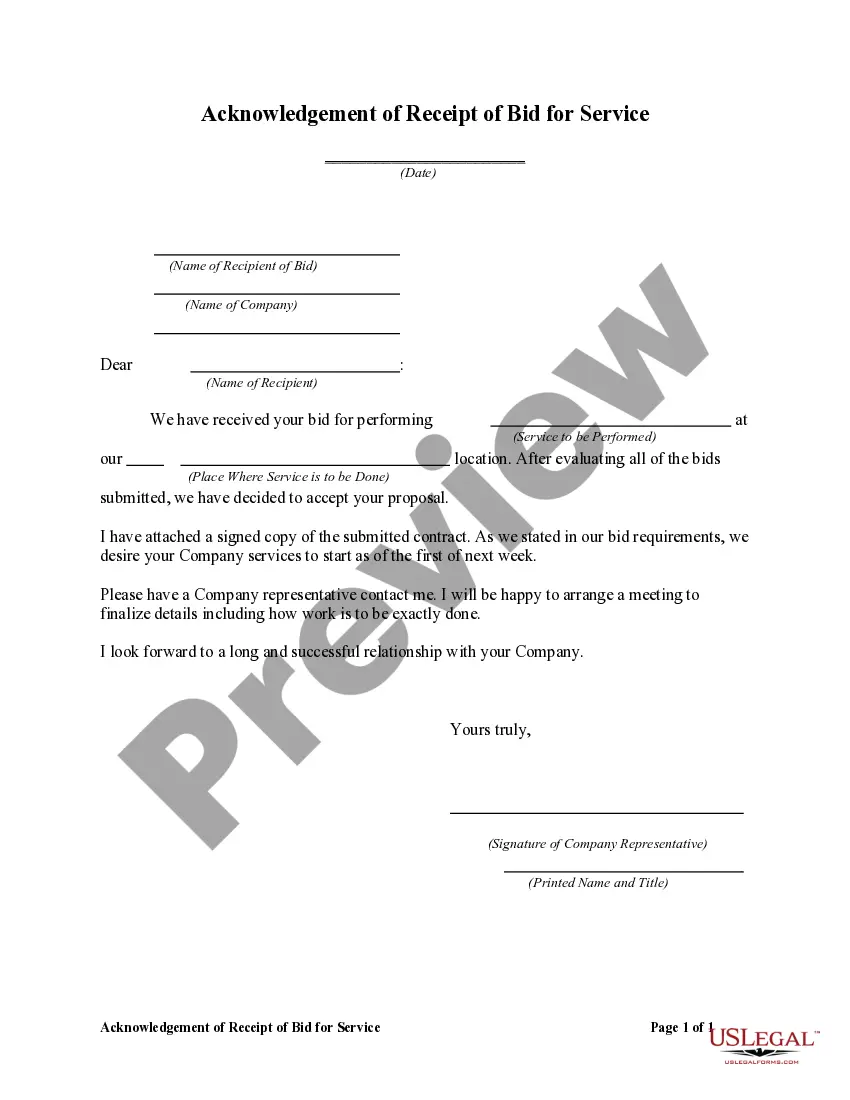

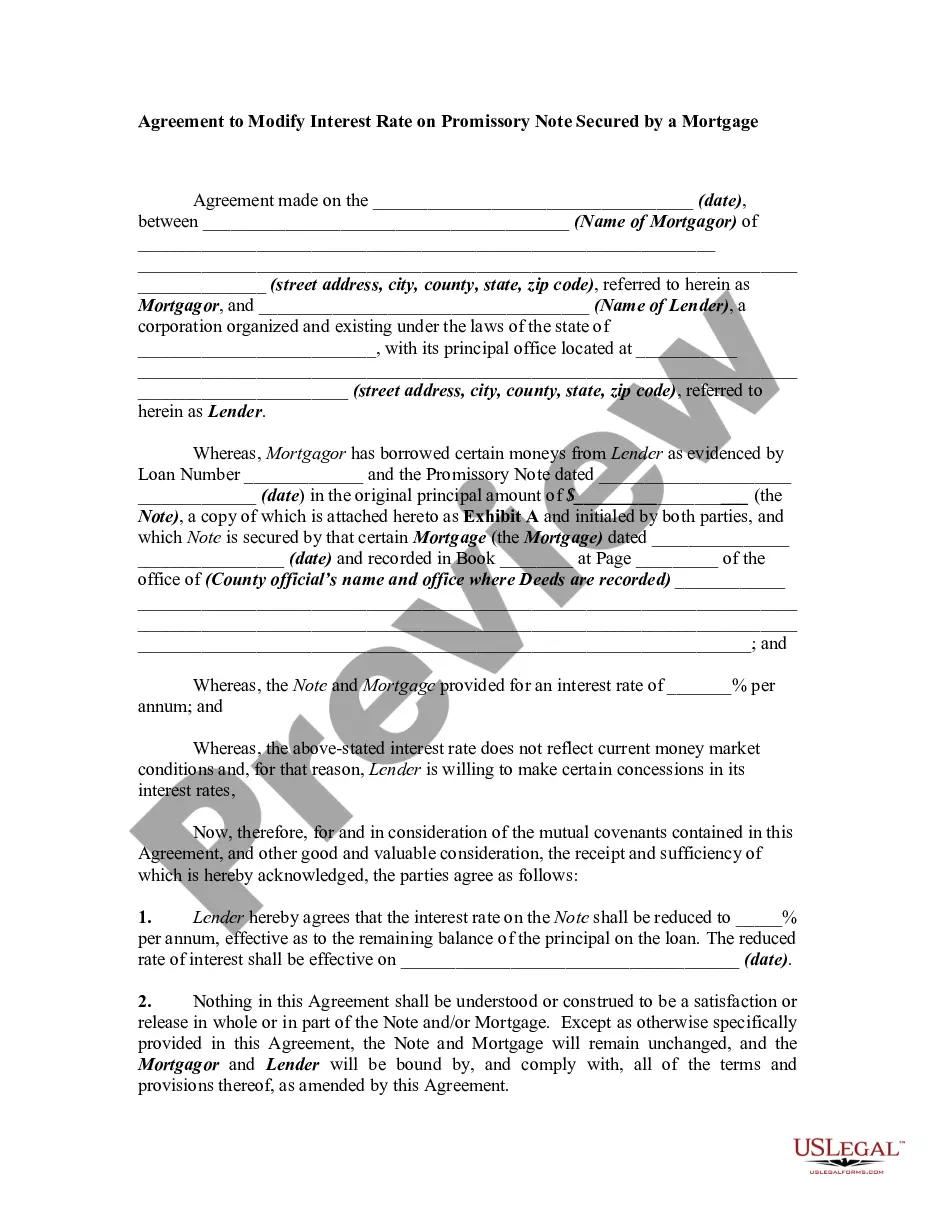
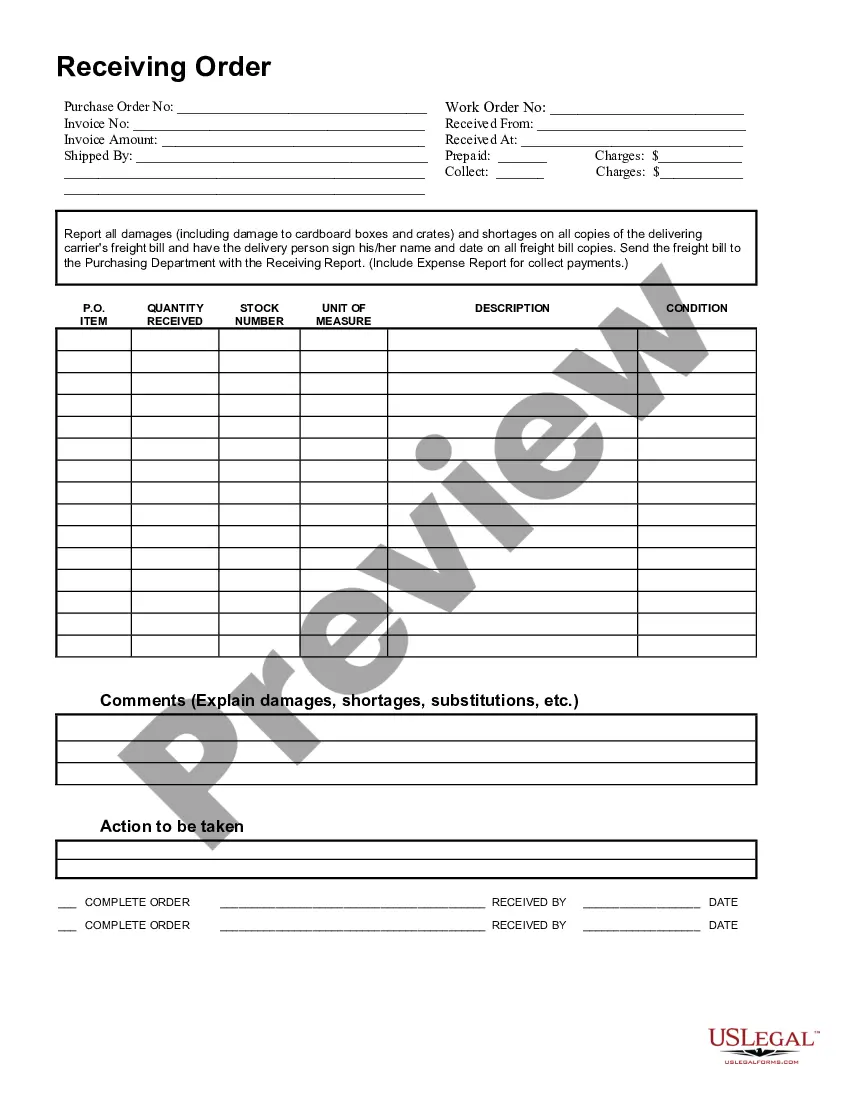
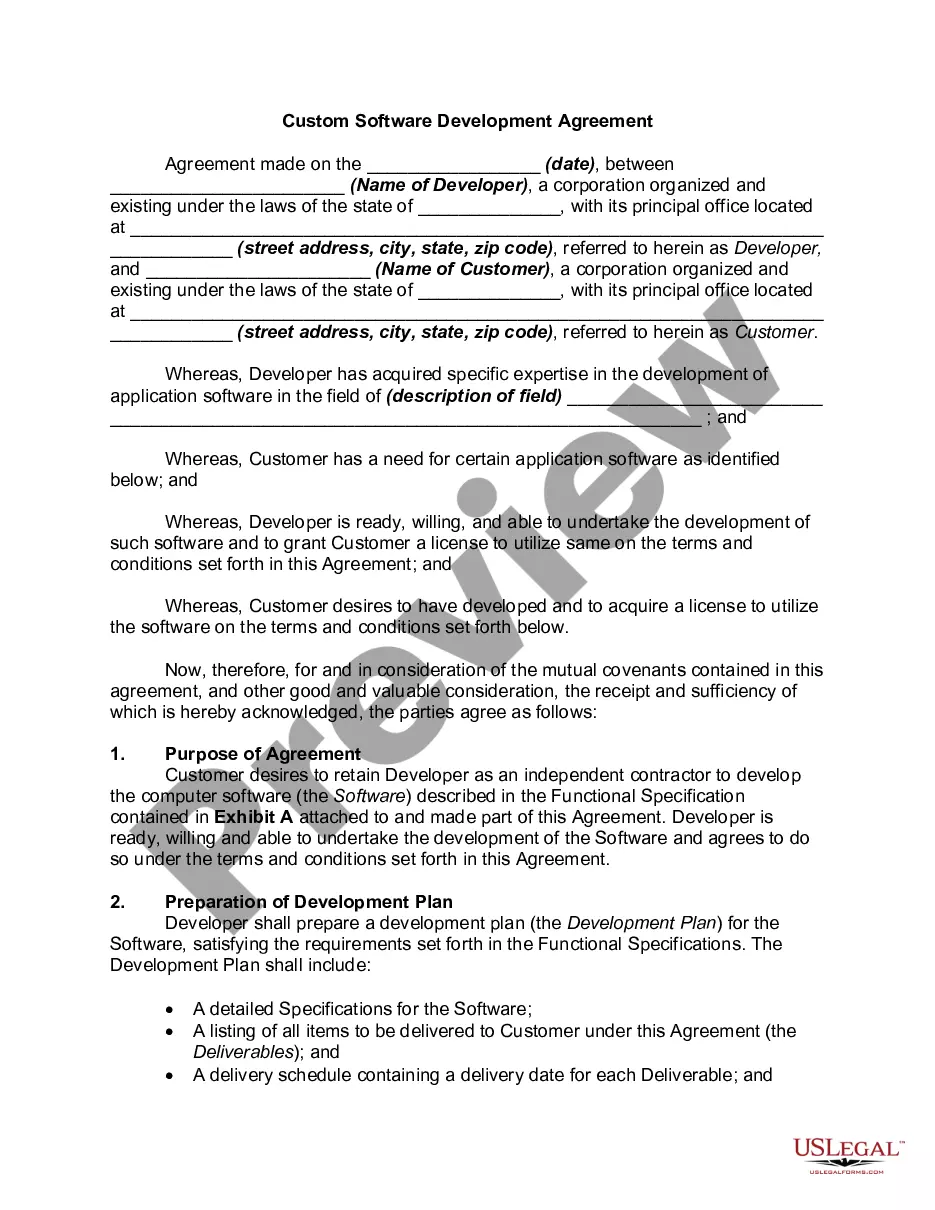
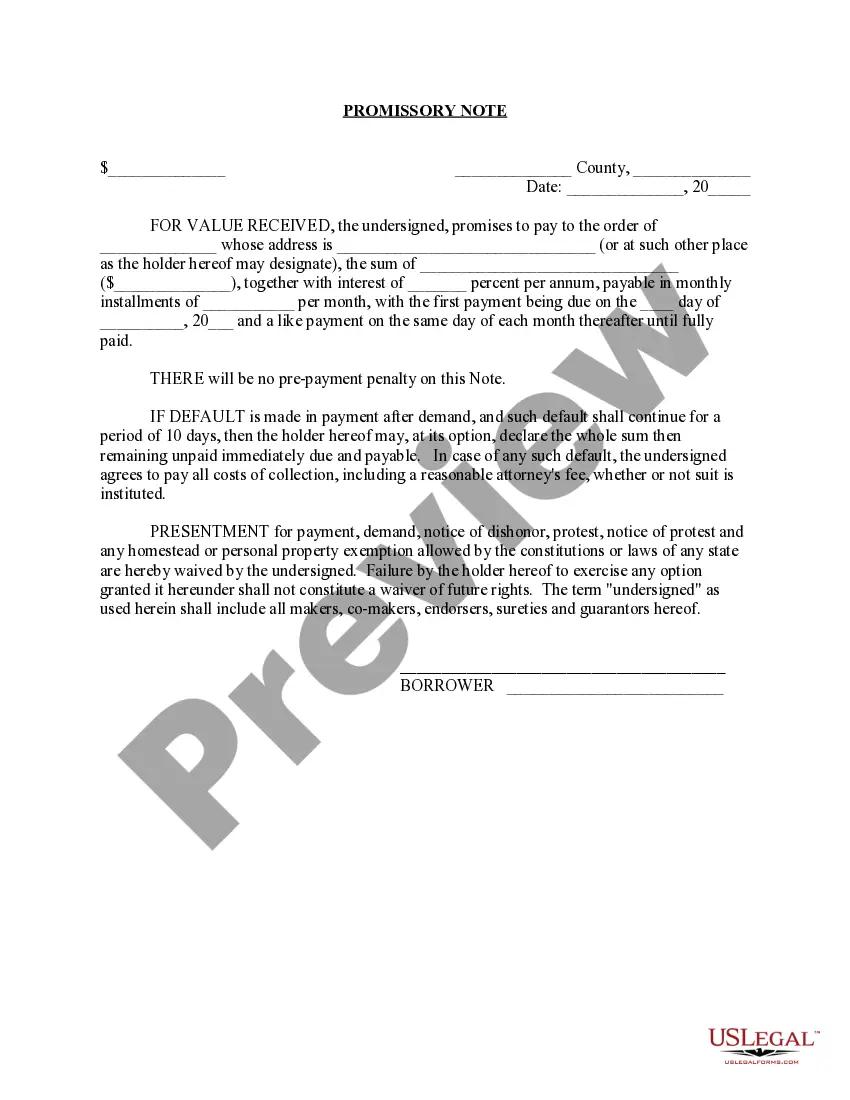
How to fill out Counter Offer Letter Regarding Sale Of Property?
Handling legal documents and procedures can be a lengthy addition to your entire day.
Counter Form Offer With Example and similar forms frequently require you to locate them and navigate the process to fill them out correctly.
For this reason, whether you are managing financial, legal, or personal issues, utilizing a comprehensive and user-friendly online directory of forms available will greatly benefit you.
US Legal Forms is the premier online source of legal templates, offering over 85,000 state-specific documents and various resources to assist you in swiftly completing your paperwork.
Is this your first time using US Legal Forms? Register and establish an account in a matter of minutes, and you’ll gain access to the form repository and Counter Form Offer With Example. Then, follow the instructions below to finalize your form: Ensure you have found the appropriate document by utilizing the Preview function and reviewing the form details.
- Explore the library of relevant papers accessible with a single click.
- US Legal Forms provides state- and county-specific documents available for download at any time.
- Safeguard your document handling tasks with a high-quality service that enables you to assemble any form in a matter of minutes without any additional or hidden fees.
- Simply Log In to your account, find Counter Form Offer With Example and retrieve it instantly from the My documents section.
- You can also revisit forms you previously downloaded.
Form popularity
FAQ
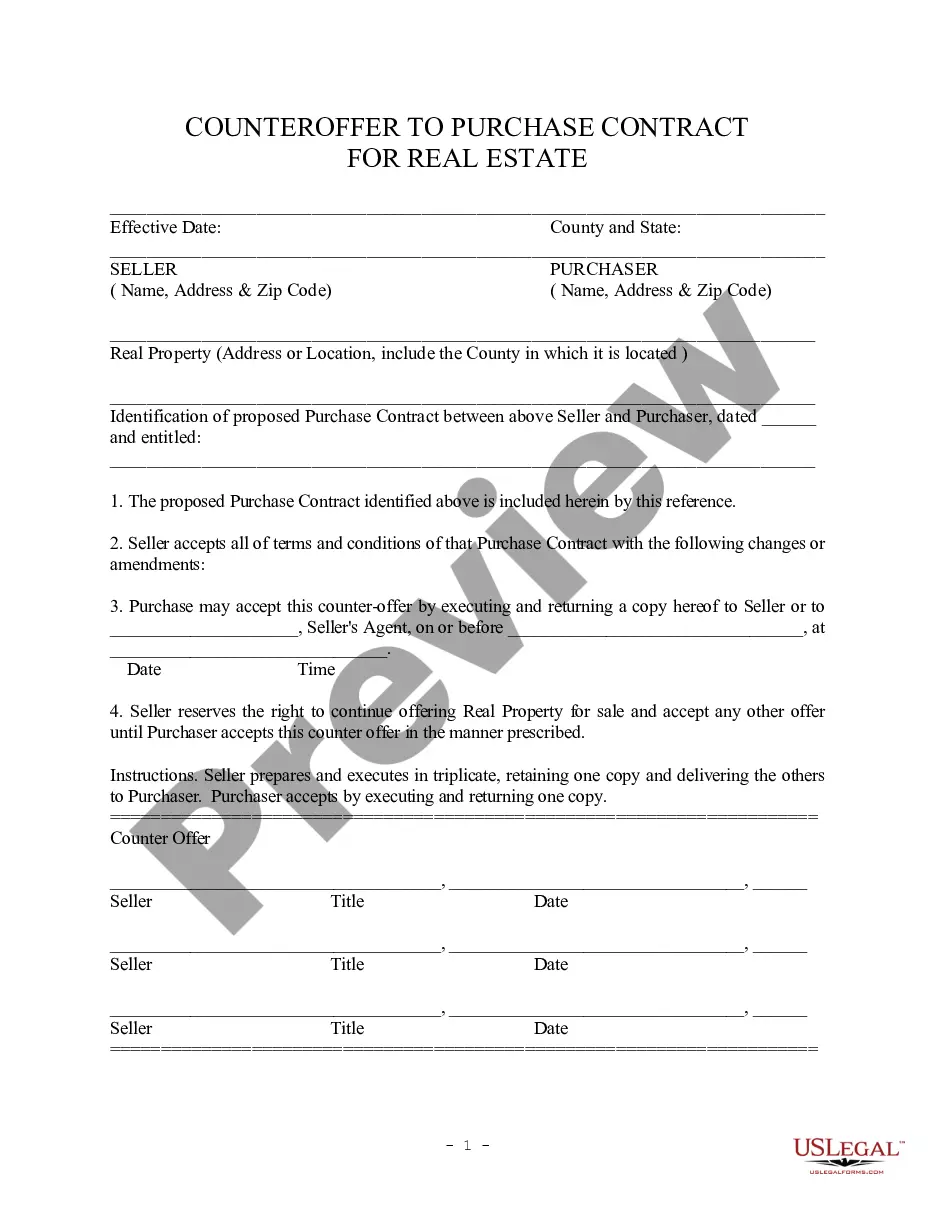
A counter offer is a response to an initial offer that modifies some terms. For example, if someone offers to buy your house for $300,000, you might respond with a counter offer of $320,000, along with the terms you prefer. This illustrates how a counter form offer with example can create a dialogue that leads to a mutually beneficial agreement.
Evidence of debt means a writing that evidences a promise to pay or a right to the payment of a monetary obligation, such as a promissory note, bond, negotiable instrument, a loan, credit, or similar agreement, or a monetary judgment entered by a court of competent jurisdiction.
To take legal action to collect a debt, the creditor (the person or company owed money) files a lawsuit against the debtor (the person who owes the money). Once a debt collection lawsuit is filed with the court, the creditor must give the debtor notice of the lawsuit (service).
The Fair Debt Collection Practices Act (FDCPA) prohibits debt collectors from using abusive, unfair, or deceptive practices to collect debts from you, including: Misrepresenting the nature of the debt, including the amount owed. Falsely claiming that the person contacting you is an attorney.
These limitations in Delaware are: 4 years: Open accounts (credit cards) 3 years: Written contracts. 6 years: Promissory notes.
If you choose not to verify your identity by providing information, like your Social Security number, the debt collector will generally ask you for another form of identification, including: Account number for the debt in question, if you know it. Other contact information, such as your current or previous address.
An effective debt collection letter should include all of the following: The total amount the client owes you. The original date the balance was due. Instructions detailing how to make the overdue payment.
It's generally easier for first-party creditors to prove you owe a debt. They simply produce the original credit agreement that shows your name and identifying information, like your address and Social Security number.
Write the collector a letter explaining your circumstances and why you would like the debt removed, such as if you're about to apply for a mortgage. There's no guarantee your request will be accepted, but there's no harm in asking. A record of on-time payments since the debt was paid will help your case.