Successor Trustee Form For Company Registration
Description
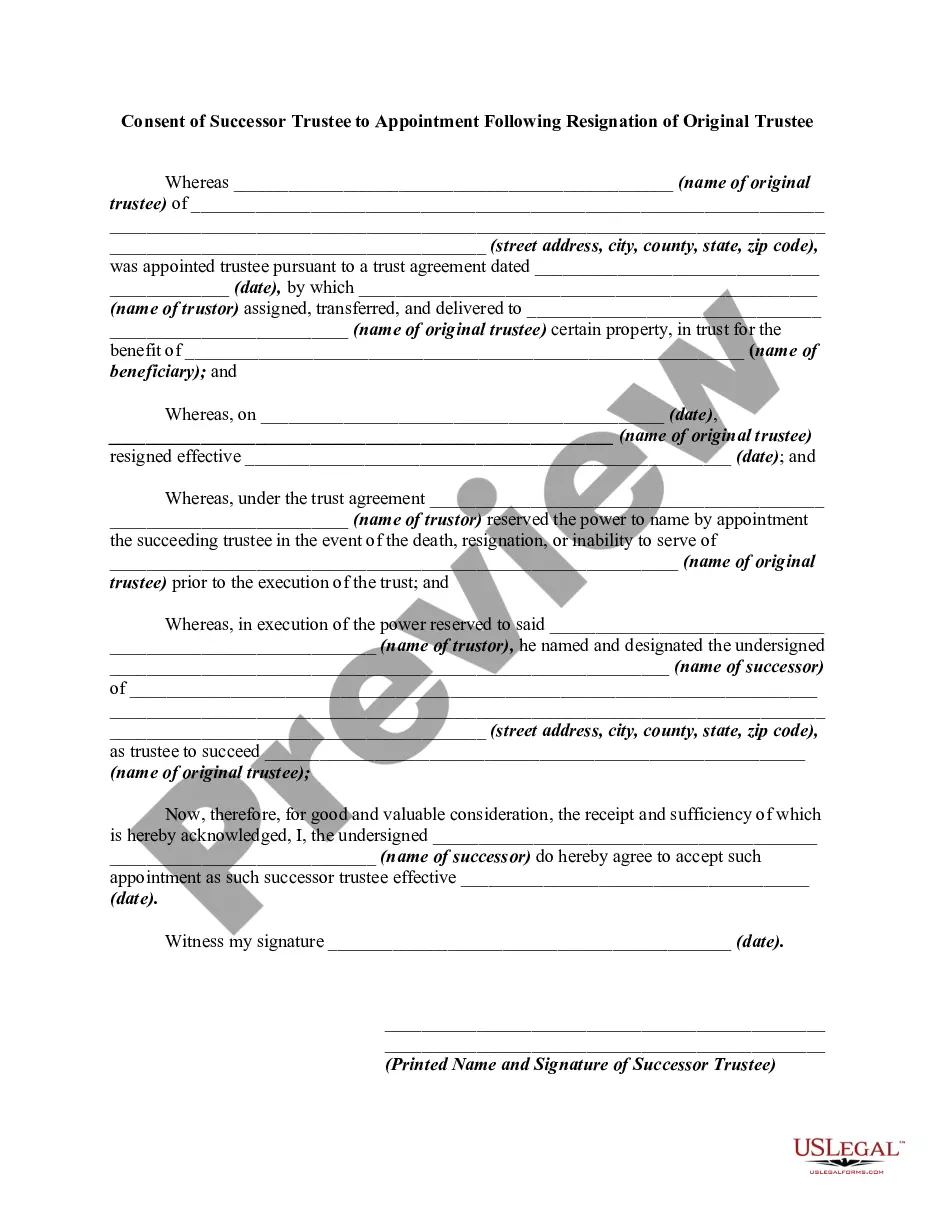

Get your form ready online
Our built-in tools help you complete, sign, share, and store your documents in one place.
Make edits, fill in missing information, and update formatting in US Legal Forms—just like you would in MS Word.
Download a copy, print it, send it by email, or mail it via USPS—whatever works best for your next step.
Sign and collect signatures with our SignNow integration. Send to multiple recipients, set reminders, and more. Go Premium to unlock E-Sign.
If this form requires notarization, complete it online through a secure video call—no need to meet a notary in person or wait for an appointment.
We protect your documents and personal data by following strict security and privacy standards.

Make edits, fill in missing information, and update formatting in US Legal Forms—just like you would in MS Word.

Download a copy, print it, send it by email, or mail it via USPS—whatever works best for your next step.

Sign and collect signatures with our SignNow integration. Send to multiple recipients, set reminders, and more. Go Premium to unlock E-Sign.

If this form requires notarization, complete it online through a secure video call—no need to meet a notary in person or wait for an appointment.

We protect your documents and personal data by following strict security and privacy standards.
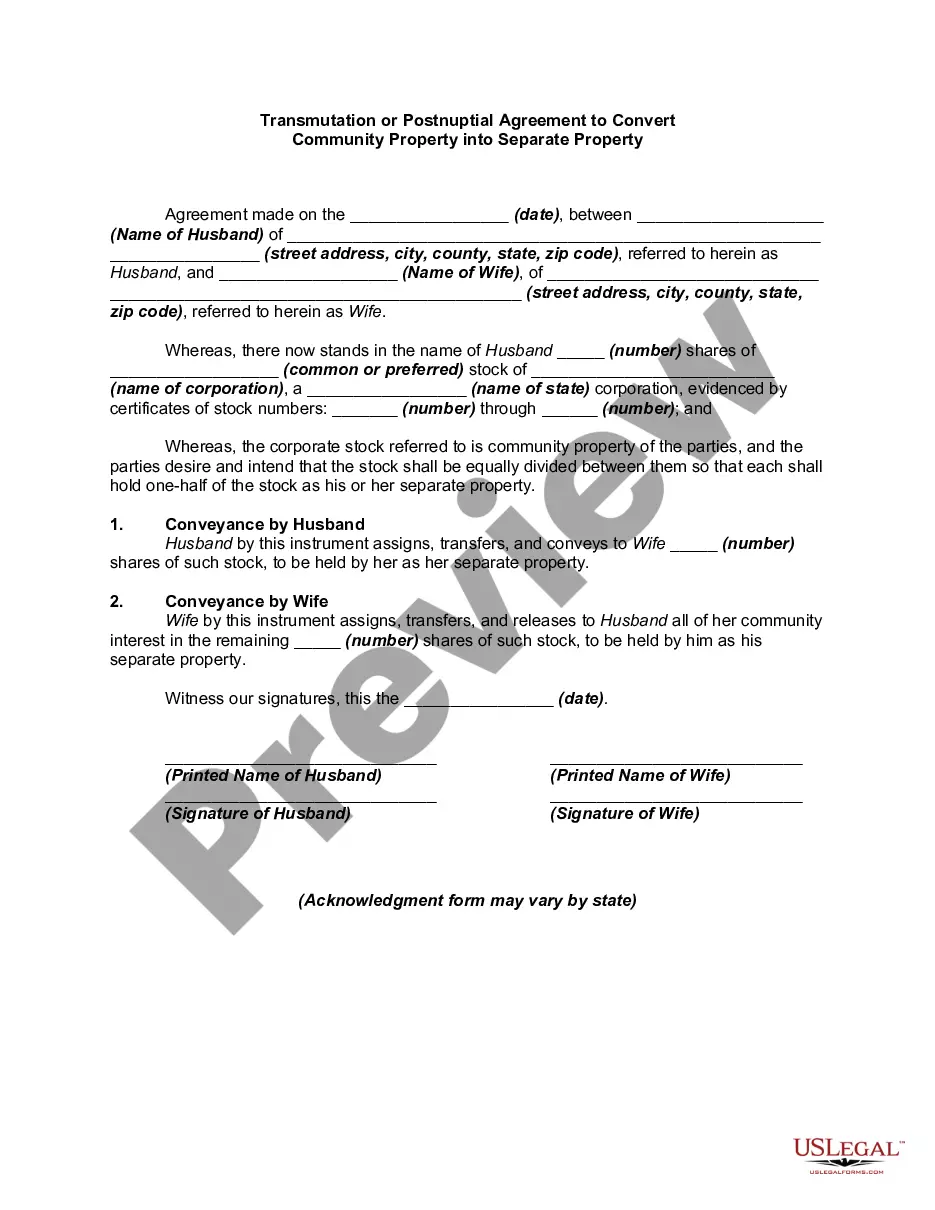
Looking for another form?

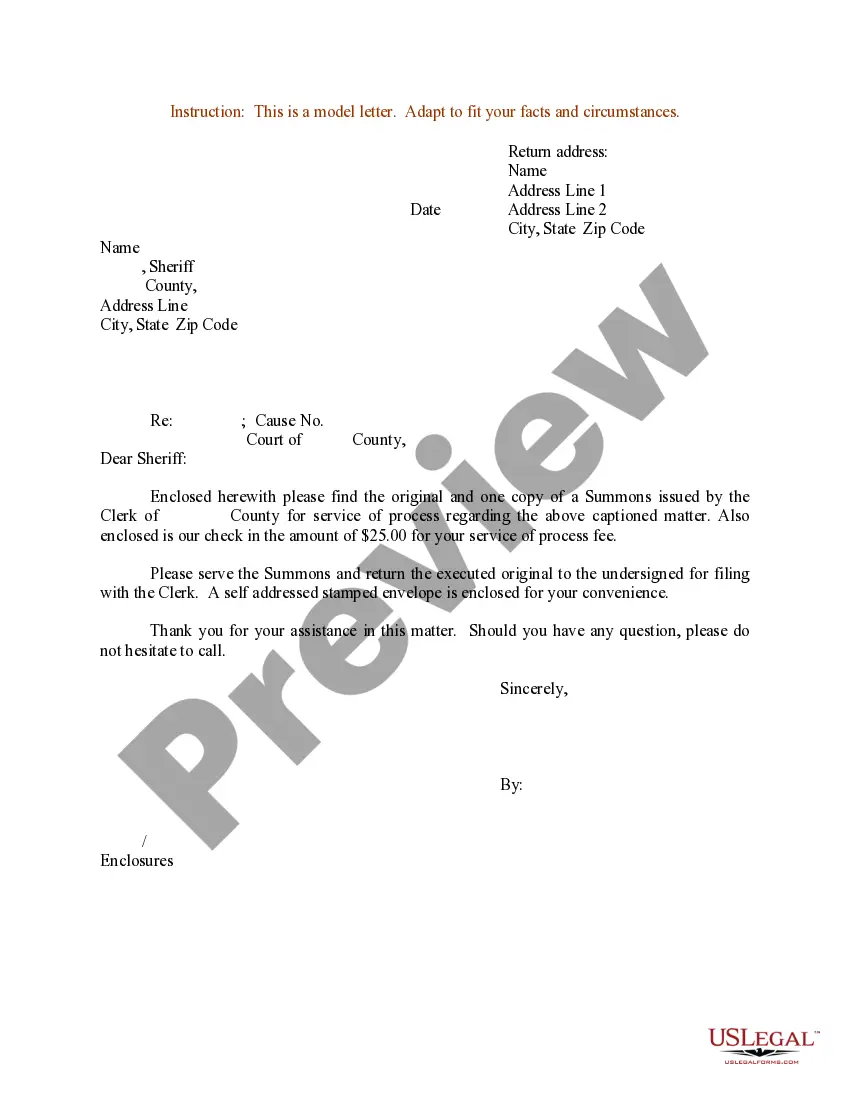
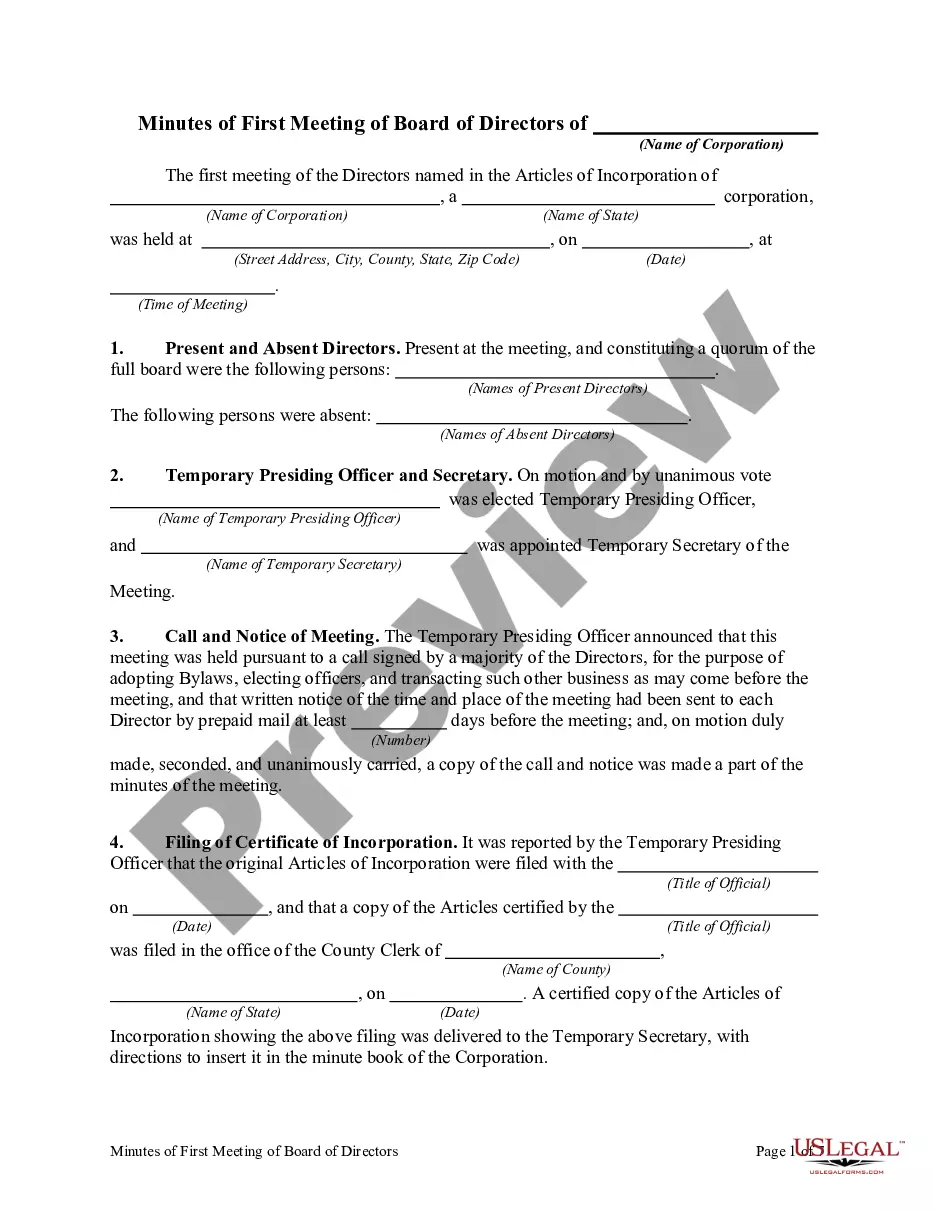
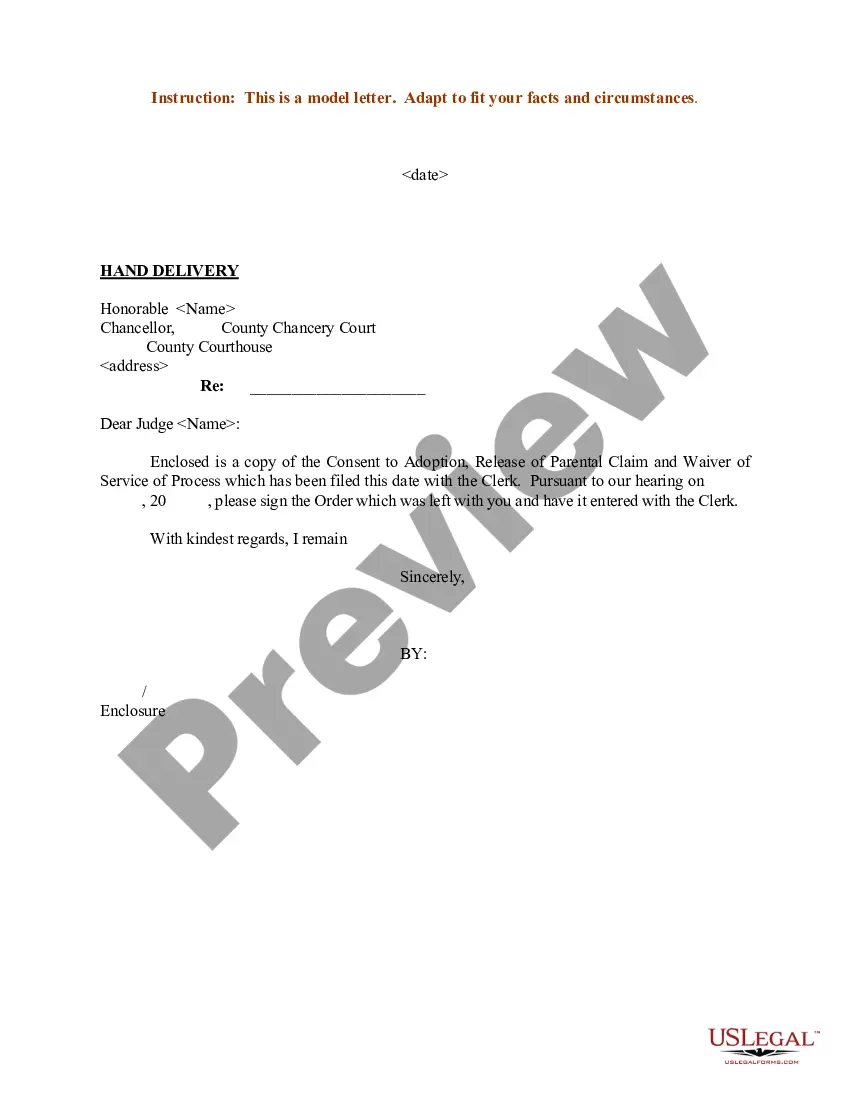

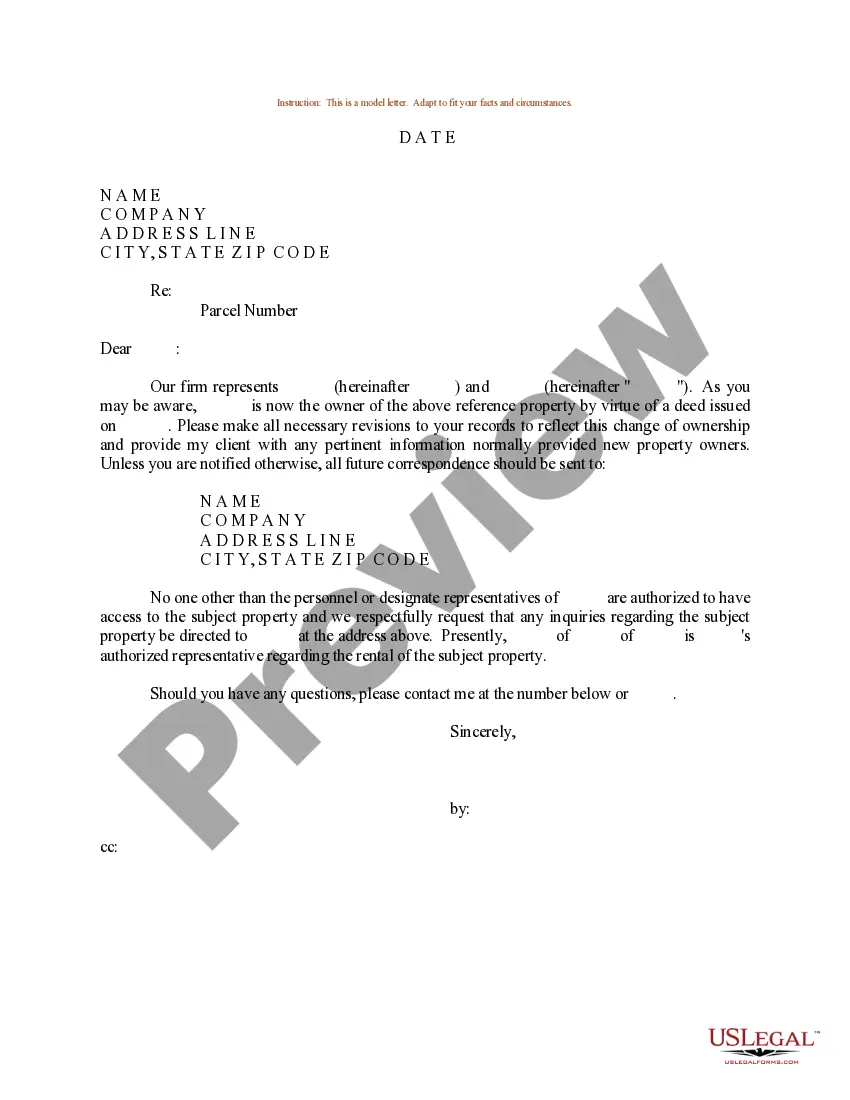
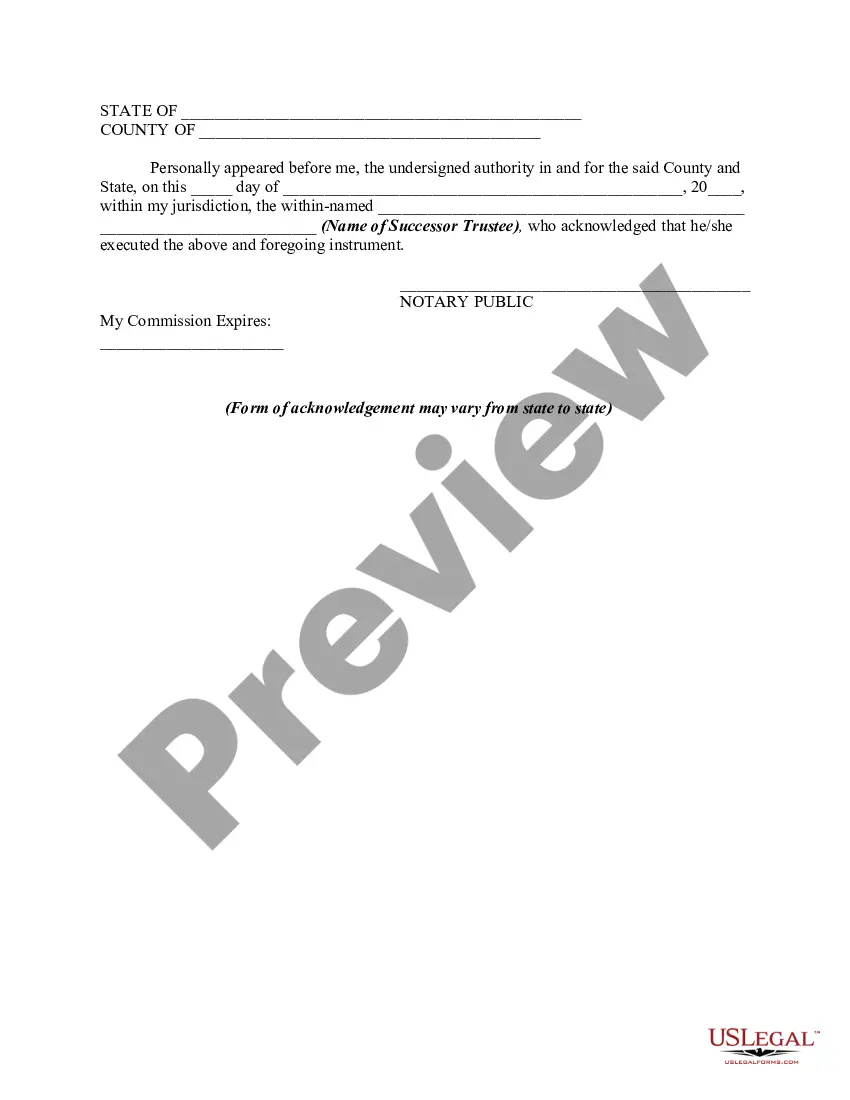
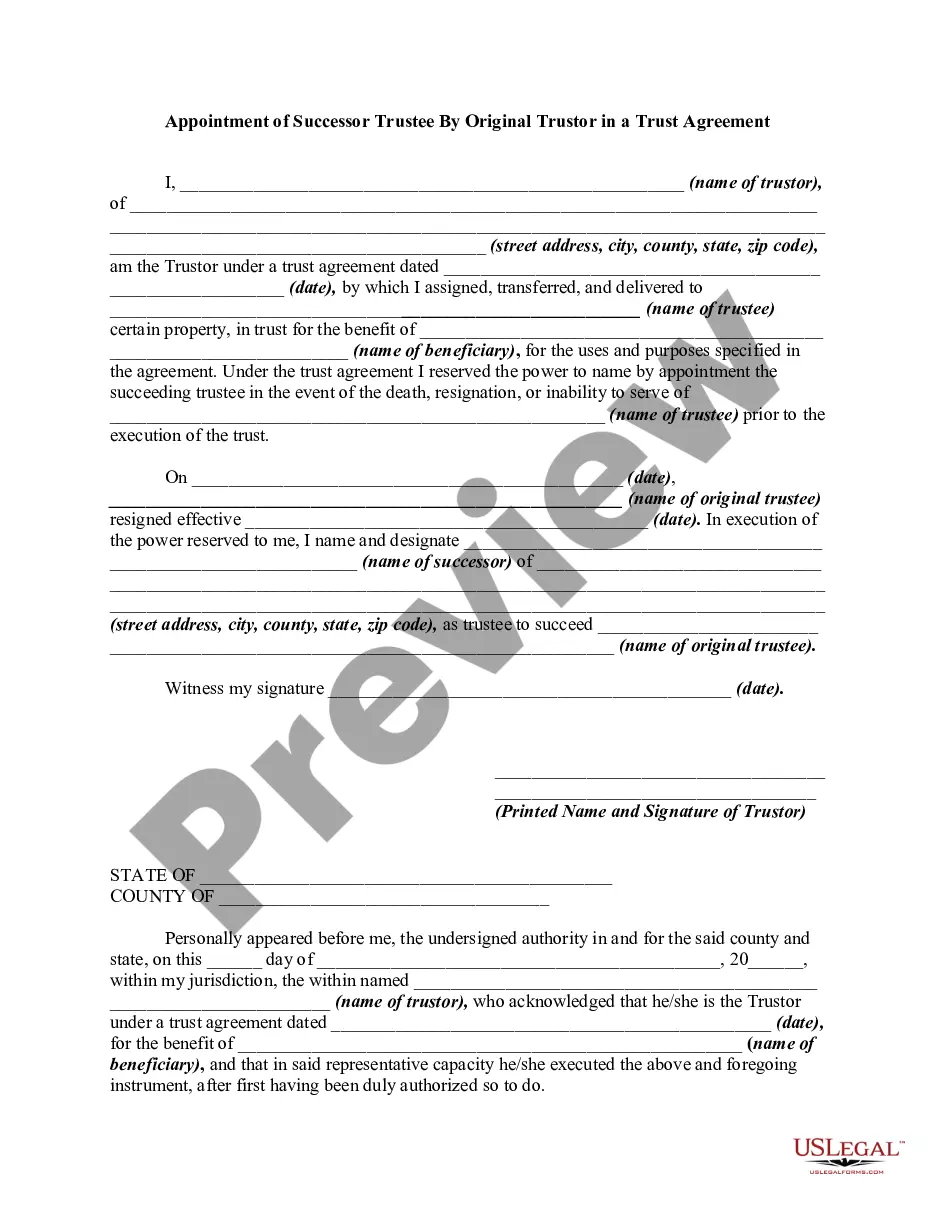
How to fill out Consent Of Successor Trustee To Appointment Following Resignation Of Original Trustee?
- If you are a returning user, simply log in to your account to access your saved forms and download the Successor Trustee Form directly. Ensure your subscription is current; renew it if necessary.
- For first-time users, start by browsing the US Legal Forms library. Utilize the Preview mode and form descriptions to find the appropriate Successor Trustee Form that aligns with your specific requirements and local jurisdiction regulations.
- If you don't find what you need, use the Search feature to explore other templates that may better fit your situation. Once satisfied, proceed to the next step.
- Select your desired document by clicking on the Buy Now button. Choose a subscription plan that best suits your usage, and create an account to unlock full access to the form collection.
- Complete your purchase by entering your payment information, either through credit card or PayPal. Make sure to follow all instructions for a seamless transaction.
- Finally, download the Successor Trustee Form to your device. You can conveniently find and access it anytime from the My Forms section in your profile.
US Legal Forms is your go-to resource, boasting a robust collection of over 85,000 fillable and editable legal forms. Their services allow individuals and attorneys alike to efficiently manage legal documentation, empowering you to focus on what matters most.
Ready to simplify your company registration process? Visit US Legal Forms today and experience the ease of obtaining quality legal documents tailored for your needs.
Form popularity
FAQ
To designate a successor trustee, you should specify your choice within the trust agreement or will. Clearly outline the powers and responsibilities you envision for them to avoid confusion. It’s wise to consult a legal professional during this process to ensure compliance with local laws. Completing the successor trustee form for company registration will streamline this designation.
Proving that someone is a successor trustee typically requires official documentation. This can include a trust document or a court appointment, establishing that they have the authority to act on behalf of the trust. As you prepare this information, ensure it aligns with the successor trustee form for company registration. Authentication of documents may also be necessary.
When naming a successor trustee, consider individuals who demonstrate reliability and integrity. This might include family members, friends, or qualified professionals like lawyers or financial advisors. Your choice should take into account their capability to act in line with your wishes. Use this insight while filling out the successor trustee form for company registration.
The best successor trustee is someone with experience in managing finances, trusts, or estates. Familiarity with the family dynamics and an ability to communicate openly are also crucial. You might want to choose someone who will act impartially and respect your intentions. This choice influences your successor trustee form for company registration.
The best person to be a trustee is often someone who is responsible, organized, and trustworthy. This individual should understand their duties and have minimal conflicts of interest. Family members, close friends, or professionals can serve as effective trustees. Evaluating candidates carefully will aid in completing the successor trustee form for company registration.
A successor trustee may need an Employer Identification Number (EIN) if they are managing assets or conducting business activities. This number acts as a tax identification for the trust. If the trust generates income, obtaining an EIN can simplify tax reporting. When completing the successor trustee form for company registration, consider this requirement.
A successor trustee does need to file form 56 if they are managing a trust that must report to the IRS. This form is crucial for confirming the successor's authority and letting the IRS know about the change in trusteeship. Utilizing the successor trustee form for company registration can streamline this process and ensure that all necessary filings are made.
Yes, a trustee must file form 56 when managing a trust that has acquired tax status. This filing notifies the IRS about the trust's existence and the trustee's role. It's essential to submit this form timely so that the trustee's obligations and the trust's tax responsibilities are properly recognized.
Failing to file form 56 can lead to penalties and complications in the administration of the trust. The IRS may impose fines, and you may lose certain benefits related to the trust if the form isn't submitted. To avoid these issues, consider using the successor trustee form for company registration offered by uslegalforms to stay compliant with legal requirements.
A successor trustee must manage the trust's assets according to the trust's terms and ensure that the wishes of the original trustee are carried out. They are responsible for communicating with beneficiaries and handling distribution of assets when required. Understanding the specific duties outlined in the successor trustee form for company registration is crucial for effectively executing these responsibilities.